How to Open Tonneau Cover When Tailgate Won’t Open: 11 Reliable Solutions
To open the tonneau cover when the tailgate won’t open, start by lubricating the latch and lock mechanisms, then try folding or partially removing the cover if possible. Use a hook about 12 inches from the passenger side edge to snag the cable inside and release the latch. This process can take 10 to 15 minutes but is often the most straightforward solution to access your truck bed.
This advice is for pickup truck owners dealing with a stuck or jammed tailgate under a tonneau cover, especially on models like the F-150. You’ll learn practical steps to diagnose the problem, tools to use, and tips to prevent future jams for smoother access to your gear.
Key Takeaways
- Lubricate tailgate latches and locks twice a year to prevent freezing and sticking issues.
- Fold or partially remove the tonneau cover to gain access if the tailgate won’t open normally.
- Use a hook tool about 12 inches in from the passenger side edge to pull the latch cable.
- Try the manual override pinhole inside the tailgate if electronic or handle releases fail.
- Maintain the tonneau cover every 3 to 6 months to avoid mechanical failures.
- Apply white lithium grease on latch and striker plate for long-lasting smooth operation.
1. How to Open Your Tonneau Cover When the Tailgate Is Stuck
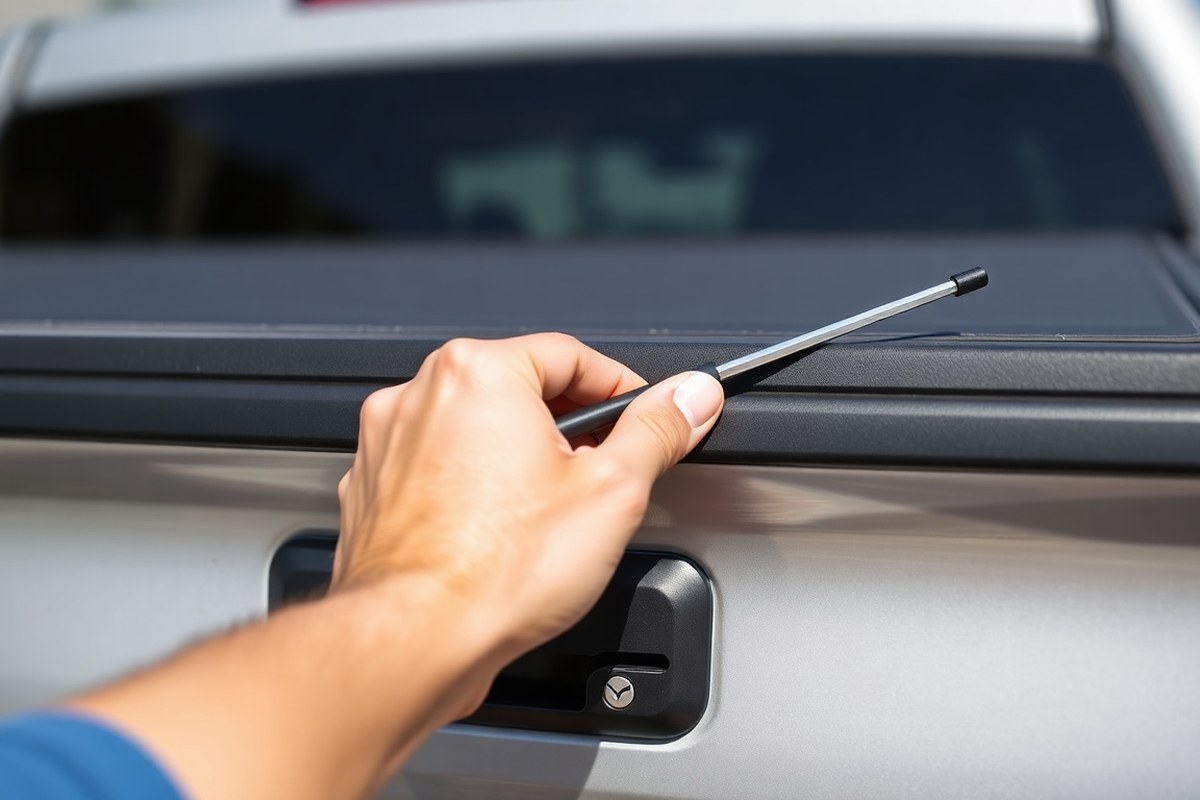
Opening a tonneau cover when the tailgate is stuck often involves triggering the manual release built into many covers or reaching backup release points. These releases are usually found inside the bed or under the cover. You can use a slim tool like a rod to activate the manual release and get the cover, making it possible to open without lowering or unlocking the tailgate first. Some covers feature quick-release clamps or side zippers, allowing you to fold, roll, or partially remove the cover for access. Apply these practical steps to open your tonneau cover manually when the tailgate is stuck:
- Inspect the cover for a manual release mechanism. Look inside the truck bed along the center or rear edge of the tonneau cover. The release is typically a pull tab, lever, or latch designed to get the cover independently from the tailgate.
- Use a slim rod or specialized tool. A straightened coat hanger or a narrow rod about 12 to 18 inches long works well. Carefully insert it through any gap or access hole near the release and apply gentle pressure to trigger the unlock mechanism.
- Check for side or access panels. Some tonneau covers have zippers or secondary latches on the sides of the bed. Open or unzip these panels to reach inside and operate the release without needing the tailgate.
- Fold or partially remove the cover if possible. For soft roll-up or tri-fold covers secured with quick-release clamps, undo the clamps or straps to roll or fold the cover forward. This can create enough space to work on the tailgate or access the manual release.
- Remove retaining clamps or clips when necessary. Some covers lock into place with clips along the sides or rear. Releasing these clips allows you to lift the cover partially, bypassing the tailgate to open or remove the cover.
- After disengaging the cover lock, lift or roll the cover. This will let you access the truck bed contents and inspect the tailgate latch internally, if needed.
- Use caution to avoid damaging the cover or tailgate. Avoid forcing parts or using excessive bending force on rods and clamps. Damaging the cover’s seals or frame can lead to costly repairs or leaks.
For most tonneau covers, manual release costs nothing beyond having a suitable slim tool on hand. It requires minimal time, typically under 10 minutes, and no special skills beyond patience and careful probing. This approach keeps your cover intact and avoids damage that forcing the tailgate might cause.
2. Diagnosing Why the Tailgate Won’t Open Under the Tonneau Cover
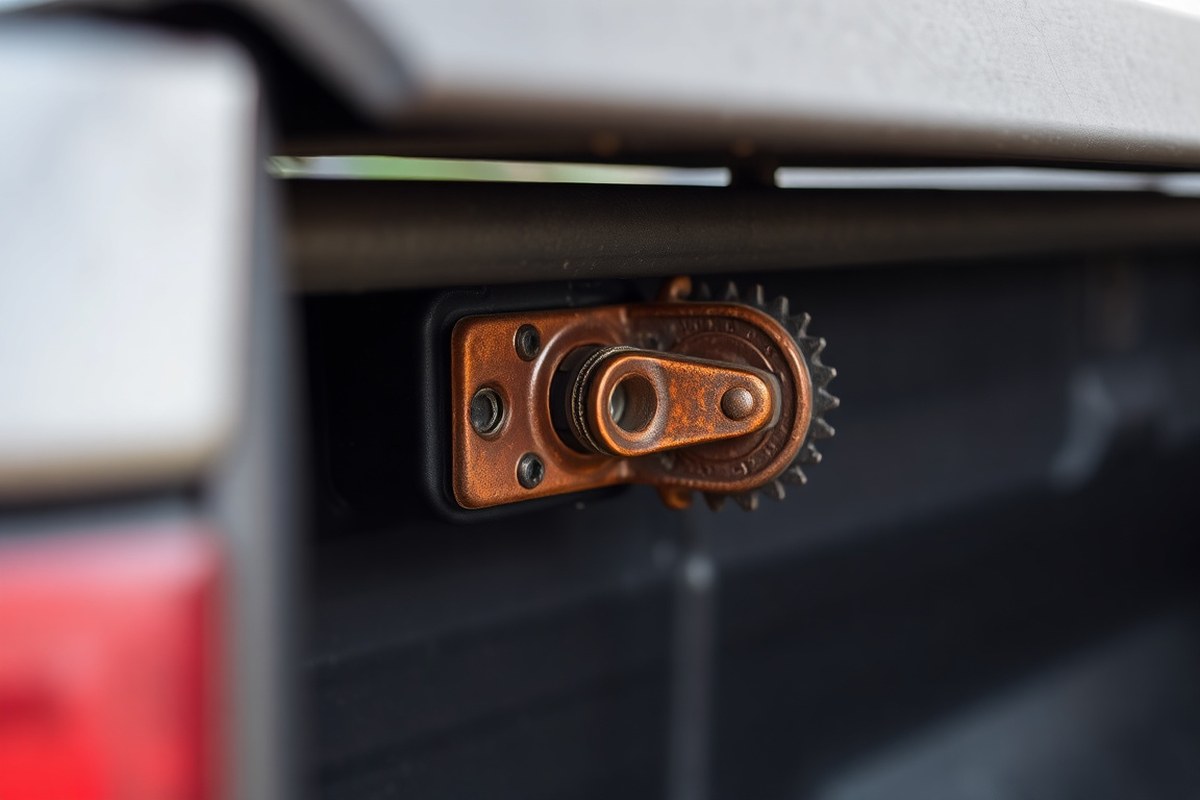
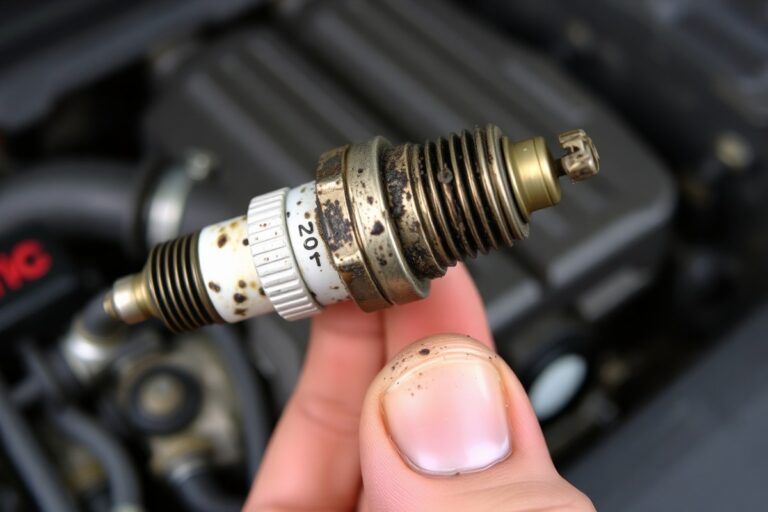
Common problems causing your tailgate to stick beneath the tonneau cover often involve latch failure, lock jams, electrical issues, or physical damage. Start by checking the latch mechanism for any visible damage, debris, or misalignment. Dirt, rust buildup, or bent latch pins can prevent the tailgate from releasing properly. Applying a lubricant such as WD-40 or graphite spray to the latch and lock area can free up stuck parts, especially if the lock feels frozen or jammed. Look closely at the hinges, too, rust, stiffness, or bends can restrict smooth movement and keep the tailgate from opening.
Electric tailgate locks require a fully charged 12-volt battery and a functioning electric actuator motor to work properly. A battery with low power might not supply enough energy to the actuator, preventing the tailgate from unlocking. Use a multimeter to measure the battery voltage, which should be about 12.6 volts when fully charged. A clicking noise or silence during activation attempts often points to a faulty actuator motor or damaged wiring near the hinge. Check the wiring in the hinge area for signs of corrosion or broken insulation, as this can interrupt power flow to the motor.
Check lock cables or rods inside the tailgate for disconnections or bends, as these can block the release mechanism. Sometimes the tonneau cover itself can press against the tailgate incorrectly due to misalignment, adding extra pressure that prevents the tailgate from opening. Gently lift the cover edges to test if the pressure lessens and allows movement.
To systematically diagnose the issue, follow this checklist: First, inspect the latch and lock for debris, rust, or visible damage. Second, test the lock movement by manually operating the handle and listening for any unusual resistance or sounds. Third, verify battery health and electrical connections to ensure the actuator motor receives power. Fourth, examine hinge condition for rust or stiffness. Lastly, assess the tonneau cover’s alignment concerning the tailgate. Identify any pressure points or binding spots.
When these tests don’t identify the issue or the fix seems too complex, contacting a professional is recommended. Attempting to force the tailgate open can cause further damage to both the tailgate and the tonneau cover mechanism.
Applying a lock de-icer or lubricant before winter can prevent frozen locks from jamming your tailgate under the tonneau cover.
3. Tools and Materials Needed to Open a Stuck Tonneau Cover or Tailgate
To open a stuck tonneau cover or tailgate, having the right tools and materials is essential. Start with a lubricant that can loosen rusted or jammed locks and latches. A silicone-based spray lubricant is often best because it doesn’t attract dirt, dries fast, and can handle temperature variations between -40°F to 400°F. Avoid grease or oil sprays that collect grime and cause further sticking. For cleaning debris blocking mechanisms, a small brush or compressed air helps clear dirt before lubrication.
Tools for manually unlocking your tailgate vary by your cover type. Use a thin, flexible tool like a hook or pick to reach about 12 inches from the passenger side edge, aiming to catch and free locking cables. Retractable tonneau covers often include a manual crank stored inside the rolled cover canister; turning it according to the manufacturer’s directions opens the cover manually. Covers with bolts or clamps may need a screwdriver and adjustable wrench to carefully loosen and remove parts to access the latch.
Specialized tools include a lock pick set or a tension wrench for jammed locks, though they require skill and should be used cautiously or by professionals. A plastic pry tool can help gently separate weather stripping or trim without damaging your truck’s paint or the cover.
Make sure your pickup is parked on a flat, stable surface before starting. This ensures safety during manual manipulation and prevents the cover or tailgate from shifting unexpectedly. Gather these items to prepare:
- Silicone spray lubricant for locks and latches
- Long hook tool or flexible pick for reaching cables
- Manual crank (for retractable covers)
- Basic screwdriver set and adjustable wrench for bolt adjustments
- Compressed air or small brush for clearing debris
- Plastic pry tool to protect trim and paint
- Gloves to protect your hands during manual work
Costs vary depending on quality and brand. A good silicone lubricant spray typically costs between $6 and $15. Basic tools can be found for under $20, while specialized lock-picking sets start higher and are generally recommended only if you have experience or professional help. Using the correct tools prevents damage and saves time. Applying lubricant properly, like a short spray directly into the lock and hinge areas, then waiting 5 to 10 minutes for the lubricant to work, improves results. Avoid forcing parts without lubrication as this often causes damage to the tonneau cover or tailgate latches.
4. How Different Types of Tonneau Covers Affect Access Methods
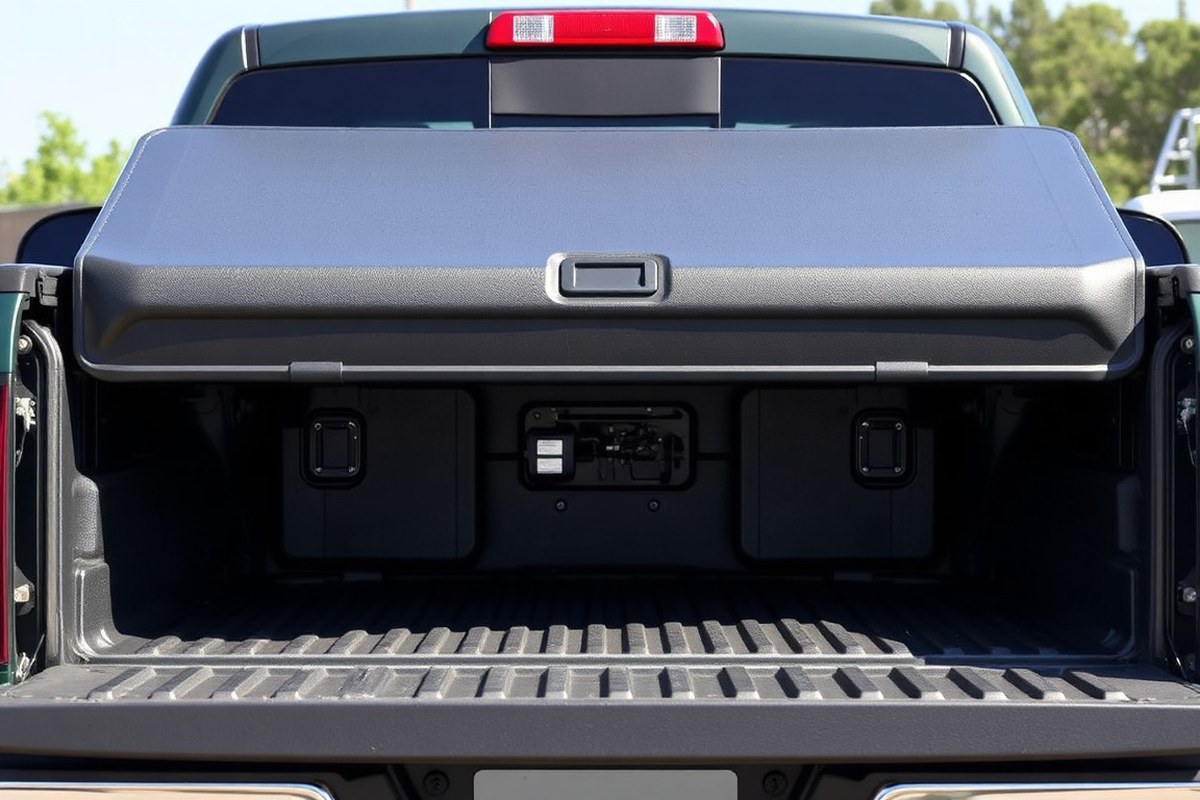
Different tonneau cover styles influence how you access your truck bed when the tailgate won’t open. Soft roll-up covers offer more flexibility and usually allow partial opening or rolling back from the inside. Hard folding and retractable covers have more complex latching systems and often require using manual override features or partial removal to gain access.
Soft Roll-Up Covers
Soft roll-up covers are made from vinyl or canvas materials that you can unroll or fold toward the cab. When the tailgate is stuck, you can typically reach inside the truck bed to loosen the straps or clamps holding the cover. This flexibility means you can pull the cover forward and access your cargo without opening the tailgate.
Manual overrides on soft covers are generally straightforward since the covering material is pliable. In most cases, simply undoing the clamps or release latches on the sides allows the cover to roll up halfway or fully. Soft covers do not usually require removal from mounting hardware, making them easier to handle but less secure against heavy loads compared to hard covers. Expect to spend 5 to 10 minutes to roll up the cover manually, requiring basic tools or sometimes just your hands.
Hard Folding Covers
Hard folding covers feature hinged panels, typically made of aluminum or fiberglass, that fold toward the cab. These covers usually have locking mechanisms integrated with the tailgate latch, making access challenging when the tailgate won’t open. To manually override, you often need to locate the emergency release or pinhole overrides near the tailgate or under the bed rails.
Depending on the design, you might partially fold back the panels from inside the truck bed after releasing the clamps or locks. Some covers require releasing clamps on each side to fold the cover forward, which can take 10 to 20 minutes if the locks are stuck or obscured by debris. Hard folding covers are heavier and sturdier, often supporting 50 to 100 pounds at a single point, but they demand more effort and sometimes a helper when partially removing sections for access.
Retractable Covers
Retractable tonneau covers slide back into a canister mounted at the front of the bed. These covers usually have more complex track and latch systems and are often integrated with locking tailgates. Access without a working tailgate means using a manual override keyhole or pinhole to get the cover’s latch system from within the bed.
If side access isn’t available, you may need to detach the canister or side rails partially. This process requires tools such as screwdrivers or socket wrenches and usually takes 15 to 30 minutes. Retractable covers are generally more secure and weather-resistant but less flexible, so they don’t simply roll or fold away. Their components are heavier than soft covers but lighter than some hard folding types, balancing security and ease of access. Below is a comparison table summarizing opening methods and manual overrides for different tonneau cover types.
| Cover Type | Material | Manual Override | Access Without Tailgate Opening | Time to Access | Difficulty Level |
|---|---|---|---|---|---|
| Soft Roll-Up | Vinyl or Canvas | Undo side clamps or latches | Roll up partially from inside bed | 5-10 minutes | Low |
| Hard Folding | Aluminum or Fiberglass panels | Use emergency pinhole, release clamps | Fold panels partially from inside bed | 10-20 minutes | Medium |
| Retractable Hard | Aluminum or Composite slats | Manual keyhole or pinhole release | Slide cover into canister; partial rail removal | 15-30 minutes | High |
Knowing the type of tonneau cover installed lets you pick the right method for opening it without the tailgate. Soft roll-up covers let you access cargo quickly by rolling back, while hard folding and retractable covers require manual overrides or partial disassembly. Choosing the simplest approach can save time and prevent damage to your cover or tailgate components.
5. Safety Tips Before Attempting Manual Opening
Wear gloves and safety glasses when manually opening your tonneau cover or tailgate to protect your hands from pinches, sharp edges, or debris. Work in well-lit areas or use a flashlight to clearly see locking mechanisms and potential obstructions before starting. This reduces the chance of injury and prevents accidental damage from applying force in the wrong place.
Prevent scratches or mechanical damage by fully lowering the tailgate before lifting the tonneau cover. This avoids putting strain on hinges or locking parts that can bend or break under pressure. Gently clear away any ice, dirt, or debris from tracks and latches first, using a soft brush or cloth. Avoid using metal tools that may scratch surfaces or damage seals designed to keep moisture out. If your cover has soft, rubber edge seals, check that they are properly seated before lifting to reduce wear.
The resistance felt during manual attempts often signals a deeper mechanical issue. Stop trying to open the cover if you encounter firm locks or rigid spots that won’t budge after a gentle push or pull. Forcing the components could cause costly damage to the tonneau cover frame, bed, or the tailgate latch itself. Calling a professional at this stage helps ensure proper diagnosis and prevents worsening the problem.
Regular inspection of your tailgate and tonneau cover condition avoids emergencies that require manual intervention. Don’t overload the truck bed beyond the manufacturer’s recommended limits, as excess weight can distort the cover or tailgate alignment. Clean tracks, hinges, and locking points monthly and apply lubricant to hinges every three months to keep everything moving without sticking. Doing these simple tasks saves time and money by preventing stuck tailgates.
Consider investing $10 to $20 in weatherproof bed seals designed to cushion the tonneau cover edges and reduce friction. This adds a layer of protection during use and when the cover is closed. Protective accessories like these minimize scratching and moisture damage, especially in cold or wet weather where ice buildup can cause jamming. When you notice abnormal noises or difficulty with the cover, check seals before forcing anything open.
Stop all attempts to force the cover or tailgate open if you feel strong resistance; this is the safest way to avoid damage and costly repairs.
6. Lubrication and Maintenance Tips to Prevent Lock and Latch Jams
Lubricating the tailgate latch and tonneau cover locks regularly is key to preventing jams and ensuring smooth operation. Use WD-40 or a graphite spray designed for locks and metal parts. These lubricants reduce friction, loosen corrosion, and help move stuck components with minimal effort. Avoid using heavy oils or grease, which can attract dirt and cause buildup that worsens locking issues over time.
Establish a maintenance schedule based on your usage and environment, aiming to lubricate the latches and locks every 3 to 6 months. If you drive in wet or dusty conditions, increase the frequency to every 2 to 3 months to keep dirt and rust from accumulating. Wipe the components clean with a dry cloth before applying lubricant. Spray directly into the latch mechanism, then open and close the tailgate several times to distribute the lubricant evenly. This prevents stiffness and helps identify any areas that need more attention.
Regular inspection should also be part of your routine. Check hinges, seals, and locking parts for signs of wear or damage during each lubrication session. Tighten loose screws and replace any broken components promptly to maintain proper alignment. Proper preventive care avoids costly repairs and downtime by catching minor problems before they lead to stuck tailgates. Consistent maintenance costs remain low, with a can of WD-40 or graphite spray typically priced between $5 and $10 and lasting multiple service cycles.
Proper handling reduces stress on your tonneau cover and tailgate. Avoid slamming the tailgate or forcing the cover open when locked. Each time you use lubricant, also clean away any dirt or debris around the locking mechanism to prevent future corrosion and jamming. Document your maintenance actions in a simple checklist: date of lubrication, type of lubricant, condition of latches and hinges, and any repairs made. This record supports timely upkeep and lets you track how well preventive steps prevent issues.
Preventive maintenance pays off by reducing the chances of needing professional service for stuck or damaged tailgates. Quick fixes with lubrication can keep you on the road until permanent repairs or replacements are made. Prioritize care before problems appear to extend the life of your tonneau cover and tailgate mechanisms, ensuring reliable use every time you open or close them.
7. Alternative Access Methods When the Tailgate Won’t Open
When the tailgate is stuck and you can’t open your tonneau cover the normal way, alternative access methods become necessary. Opening the cover partially or gaining access through the cab or side rails can let you reach inside without causing damage. These options are especially useful with hard or soft tonneau covers that have clamps or rails securing them to the truck bed. Removing side clamps or folding seats also helps gain entry safely.
One safe and effective method involves using your truck’s rear cab pass-through or folding rear seats to reach inside the bed. You can then release the tonneau cover’s locking mechanism from the inside. Accessing from the cab avoids forcing the tailgate or cover, lowering the risk of damage. Another approach is to loosen or remove clamps on the side rails to roll or lift the cover partially. This method usually requires hand tools like a screwdriver or wrench, but no special skills. Avoid prying aggressively, as this can harm the cover or rails.
Risks include scratching paint, bending rails, or breaking clamps if you use excessive force. Removing clamps too quickly without support can cause the cover to fall unexpectedly. After partial removal, secure the cover so it doesn’t shift when you reach inside. Side access through panels or cab windows should be done cautiously, ensuring no glass or trim is damaged.
- Check for Pass-Through Access: Open your truck’s rear seats or sliding cab window to gain entry to the bed. This works if your truck has factory-installed features or aftermarket kits.
- Release Interior Locking Mechanism: From inside the bed accessed through the cab, operate any hidden release levers or pull cables to get the tonneau cover.
- Loosen Side Clamps: Use a screwdriver or wrench to carefully loosen clamps or latches securing the cover rails to the truck bed. Keep the cover supported to prevent dropping.
- Roll or Lift Cover Partially: Gently roll up a soft tonneau cover or lift a folding hard cover toward the cab after clamps are undone, providing access without opening the tailgate.
- Use Side Panel Access: If your cover or truck bed has removable side panels, carefully remove them to reach under the cover for release mechanisms.
- Avoid Prying Forcefully: Instead of forcing edges open, wiggle and gradually relieve tension around cover edges to reduce damage risk.
- Secure the Cover When Open: After partial removal, use straps or clamps to hold the cover in place for safe access to cargo and release mechanisms.
- Reinstall Carefully: When finished, tighten clamps and ensure the cover lays flat on rails to prevent future jams or damage.
8. Step-by-Step Process to Manually Open a Tailgate with a Stuck Handle
Accessing and releasing a stuck tailgate latch manually involves removing the inner tailgate panel to reach the latch mechanism or using an override pinhole to trip the latch mechanically. These methods are essential when the tailgate handle fails or cables break, allowing you to open the tailgate without damaging the tonneau cover or tailgate assembly.
Removing the Inner Tailgate Panel
Most pickup trucks have an inner tailgate panel secured with clips or screws, which hides the latch mechanism and cables. Removing this panel safely is the first step to manually freeing your tailgate. Handle the panel carefully to avoid breaking clips or scratching the surface.
Locate any screws along the edges or a trim bezel around the tailgate handle if your truck has newer styling. Using a screwdriver, remove these fasteners and set them aside. Then, gently pry the panel away from the tailgate using a plastic trim removal tool or a wide flat-head screwdriver covered with tape to prevent damage. The panel usually pops loose with moderate pressure, giving you access to the latch and cable inside.
Using a Manual Override Pinhole
The manual override pinhole is often behind a small access plate or the inner panel, near the latch. It serves as a mechanical release to trip the latch when the handle or cables fail. Locate this hole by consulting your truck or tonneau cover manual if necessary. The pinhole is typically about 1/8 inch in diameter, often requiring a thin tool like a long screwdriver or a straightened coat hanger to reach inside.
- Remove the inner tailgate panel or access plate to expose the latch area.
- Locate the small round pinhole near the latch mechanism.
- Insert a long, thin, rigid tool into the pinhole.
- Push or slide the tool inward to mechanically trip the latch.
- Feel for the latch releasing; at this point, pull the tailgate open carefully.
- Withdraw the tool and replace the inner panel or access plate.
Using too much force on the override pinhole tool may bend the latch mechanism or damage the tailgate; apply gentle, steady pressure.
Freeing a Broken or Stuck Latching Cable
When the tailgate handle works but the latch does not release, the latch cable might be broken, stretched, or stuck. Accessing this cable requires removing the inner tailgate panel. Once exposed, inspect the cable for damage, rust, or disconnection. When the cable is intact but stuck, apply a lubricant like WD-40 to help free it.
- Remove the inner tailgate panel using the steps described above.
- Identify the latch cable running from the handle to the latch mechanism.
- When the cable is disconnected or visibly damaged, note its routing for replacement.
- When stuck but intact, spray lubricant onto the cable and latch components.
- Manually pull the cable with pliers to release the latch.
- Check the latch mechanism for any debris blocking its movement and clear it if found.
- Reassemble the inner panel after confirming the latch functions smoothly.
Do not force the latch release if the cable is broken as this may tear surrounding components; plan to replace the cable fully for safe operation.
9. When Forcing the Tonneau Cover or Tailgate May Cause Damage
Forcing a stuck tonneau cover or tailgate often leads to broken latches, bent panels, and costly repairs. The latches and locking mechanisms are designed for precise alignment and gentle operation. Applying too much pressure can snap plastic components or warp metal parts. Repairing or replacing these parts can cost from $150 to over $500 depending on your truck model and whether the latch assembly or the tonneau cover frame is damaged. Bent tailgate panels might require even more extensive bodywork, costing upwards of $800 at a body shop.
Gentle inspection and careful handling reduce these risks. Start by confirming all latches are fully disengaged and check for any visible obstructions. Rolling back the soft vinyl cover slowly after freeing the locking points puts less stress on the material than pulling or lifting aggressively. Hard covers require you to carefully pry only where the manufacturer recommends, using gentle, even pressure. Rushing or using brute force can crack hinges or tear seals, leading to leaks and further damage. After checking the latches, try wiggling the tailgate slightly to relieve tension instead of yanking it open.
Different situations call for specific approaches. For example, if your tonneau cover has electronic locks, avoid forcing it altogether. Electrical components can short or break if you jam the cover. In this case, a technician should diagnose the system safely. When the tailgate won’t open because of rusted or frozen latches, apply a penetrating lubricant and allow time for it to work instead of forcing it. Repeat gentle attempts to free the latches after letting the lubricant soak for 10 to 15 minutes. Emergency release mechanisms, if your cover has them, should be used according to the manufacturer’s instructions to avoid damage.
Two common fixes can prevent damage without costly repairs. First, check and release all locking points before trying to open the cover or tailgate. Many tailgate issues come from one stuck latch. Second, lubricate the latches regularly to stop jams. This maintenance costs just a few dollars for spray lubricant but can save hundreds on repairs. When you see no movement after careful attempts, avoid forcing and consult a professional technician to avoid damaging delicate components and voiding any warranty.
10. How to Know When to Call a Professional Technician
Determining when to call a professional technician to open or repair a stuck tailgate with a tonneau cover is essential to avoid further damage and costly repairs. If your attempts to manually open the tailgate or fix minor latch jams don’t work quickly, it’s time to stop. Complex issues such as broken locking mechanisms, bent or damaged rails, or electrical faults in power locks require expert attention because these components involve precise alignment and specialized tools.
A key sign that professional help is necessary includes visible damage to the tailgate or tonneau cover hardware. For example, if the latch doesn’t engage or disengage after lubrication and gentle manipulation, or if the cover’s rails are bent or cracked, these issues typically cannot be fixed by DIY methods. Persistent water leaks under the cover, which sometimes happen if seals or fasteners are broken, also indicate the need for a technician. Attempting excessive force on damaged parts can worsen the problem, possibly causing expensive replacements.
When the tonneau cover or tailgate is controlled by an electric locking system, and the lock doesn’t respond to remote commands or manual override, electrical diagnosis and repair should be left to professionals. These systems have wiring and control modules that require proper tools and training to fix safely and effectively.
Expect professional service costs to vary widely depending on the problem’s complexity and your location. Simple repairs such as latch adjustments may range from $70 to $150. Full replacements of locking mechanisms or rails typically cost $200 or more, including parts and labor. The exact price depends on your truck model and the tonneau cover type.
To find a qualified technician, start with local automotive repair shops that specialize in trucks or carry accessories for pickups, as they often have experience with tonneau covers. You can also reach out to authorized dealers or manufacturers of your specific cover brand for recommended service providers. When calling, ask if the technician has experience with your tonneau cover model and the tailgate mechanism. Requesting an estimate before service helps avoid surprises.
Your decision rule should be clear: if the problem involves damaged parts, persistent locking or electrical issues, or if your DIY attempts exceed 15 minutes without progress, call a professional. This approach minimizes risk, protects your truck’s components, and can save money compared to emergency repairs after accidental damage.
11. How to Reinstall and Reset Your Tonneau Cover After Opening the Tailgate
Reinstalling and resetting your tonneau cover after opening the tailgate requires careful realignment and securing of clamps and latches to restore full functionality. Checking seals and testing the cover’s operation ensure it works smoothly and prevents future issues like misalignment or binding. Follow a clear step-by-step process to guarantee proper installation.
Aligning Cover Panels and Rails
Proper alignment ensures the tonneau cover panels and rails sit flush against the bed and tailgate, preventing binding and leaks. Start by laying the cover flat on the truck bed, then verify that the rails run parallel to the bed edges and the panels line up evenly. Make sure each fold or roll of your cover lies flat without gaps or overlaps that put tension on it.
Misalignment can stress hinges or latches, eventually causing hardware failure or difficulty opening the tailgate. Check that the tailgate’s top edge and the tonneau’s leading edge meet evenly to prevent gaps that let water seep in or interfere with tailgate movement.
Securing Clamps and Latches
Using the original manufacturer hardware is essential when securing clamps and latches to avoid damage or poor fit. Incorrect torque or missing parts can result in rattling or incomplete closure. Tighten clamps evenly across the rails, ensuring they hold firmly without warping the frame.
Double-check latch engagement by manually closing each latch, listening for a click or feel of locking. Adjust the latch’s position along the rail or realign the mating catch on the tailgate if it feels loose or doesn’t lock easily. Replace any worn or damaged seals to maintain weatherproofing and cushioning between surfaces.
- Position the tonneau cover on the truck bed, making sure it lies flat and centered.
- Align the rails parallel to the truck bed edges, adjusting clamps loosely for initial fitting.
- Check the gaps between panels and the tailgate edge for even spacing, adjusting folds if applicable.
- Secure clamps by tightening them gradually and evenly along the rail, avoiding overtightening.
- Engage each latch fully and adjust latch alignment if locking feels incomplete or stiff.
- Inspect seals for damage or displacement and reseat or replace as needed for a proper seal.
- Close the tonneau cover completely and test tailgate motion to confirm no binding or obstruction.
A fastening sequence that skips steps or overtightens clamps can cause warping or misalignment, leading to recurring access problems.
Testing Functionality and Locking
After installation, test your tonneau cover by fully closing and locking it. Attempt to open the tailgate gently to ensure smooth motion without interference. Listen for unusual sounds like grinding or snapping that often signal misaligned parts or loose hardware.
Verify the cover is sealed by running your hand along the edges to feel for gaps. Water infiltration during rain or washing indicates seal failure or poor alignment. Periodically test locking mechanisms to keep parts moving freely and prevent corrosion or debris buildup.
Good results include a cover that holds firm in wind, locks securely without extra force, and allows tailgate access without obstruction. Problems to watch for include difficulty closing latches, uneven panel spacing, or tailgate sticking, which usually means it’s time to realign or retighten parts.
Step-by-Step Action Plan to Open Your Tonneau Cover and Tailgate
Follow these instructions exactly to open your tonneau cover when the tailgate sticks, allowing you to resume driving safely.
- Before you start: Gather basic tools like a lubricant spray, screwdriver, and flashlight to be prepared for the job.
- Initial check: Inspect the latch and lock for visible rust or debris; spray lubricant and wait 5 minutes to see if the lock loosens.
- Manual access: Remove the tonneau cover panel nearest the tailgate carefully using the screwdriver if the cover type allows; test if you can reach the tailgate handle manually.
- Handle test: Try pulling the tailgate handle manually after lubrication; if it moves, slowly open the tailgate without forcing.
- Alternative opening: If the handle remains stuck, access the tailgate latch mechanism from inside the bed through an unlocked side panel or gap to release it.
- Check for damage: Avoid forcing the tailgate or cover open if resistance is strong; reassess or prepare to contact a technician.
- Professional help: Call a licensed repair technician if your attempts do not work within 15 minutes or if you notice bent, broken, or corroded parts.
- Reinstall and reset: After opening, reseat and fasten the tonneau cover properly; test the tailgate latch several times before driving.
Frequently Asked Questions
What Is the Safest Way to Open a Tonneau Cover If the Tailgate Won’t Budge?
To open a tonneau cover when the tailgate is stuck, try folding back or partially taking off the cover to reach the latch. Use the right tools and don’t force anything to avoid breaking the cover or tailgate mechanism.
Can I Open the Tonneau Cover Without Unlocking the Tailgate First?
Yes, manually folding or rolling back the tonneau cover can grant access without unlocking the tailgate. This method lets you reach the tailgate latch directly to try other release options or repairs.
How Do I Hook the Cable Under My Tonneau Cover to Open a Stuck Tailgate?
You can usually hook the cable about 12 inches from the passenger side edge of the tailgate. This spot lets you snag the release cable under the tonneau cover to pull and open the tailgate manually.
Does Lubricating the Tailgate and Tonneau Cover Latches Help in an Emergency?
Lubricating with WD-40 or graphite spray can loosen jammed latches, making it easier to open both the cover and tailgate. Regular maintenance prevents future sticking and keeps your truck bed accessible.
How Do Different Tonneau Cover Types Affect Access If the Tailgate Won’t Open?
Hard, folding, or retractable tonneau covers each require different opening techniques since some need partial removal while others fold back easily. Knowing your cover type helps you decide the best method to gain access.
When Should I Call a Professional to Open a Tonneau Cover Stuck with a Locked Tailgate?
Call a professional when manual attempts to open the tailgate and tonneau cover risk damage or don’t work. Professionals have the right tools and expertise to safely unlock jammed mechanisms without hurting your truck.
Before You Go
Opening a stuck tonneau cover without harming your tailgate demands patience and proper steps. Use these directions to clear typical blockages such as rust, dirt, or parts out of place. Persistent issues should lead you to have a pro inspect the tailgate, protecting your pickup from expensive damage. Routine upkeep reduces the chance of jams and keeps your tailgate working well.