

How Long Do Spark Plugs Last: A Complete Guide to Lifespan & Replacement
How long do spark plugs last depends mostly on their material and your vehicle’s manufacturer recommendations. Typically, spark plugs last between 20,000 and 100,000 miles, with newer types like platinum or iridium lasting the longest. Check your owner’s manual first to see when to replace them during scheduled maintenance.
Key Takeaways
- Copper spark plugs usually need replacement every 20,000 to 30,000 miles.
- Platinum spark plugs can last between 50,000 and 100,000 miles before replacement.
- Iridium spark plugs generally last around 60,000 to 100,000 miles or more.
- Replacing spark plugs by the manufacturer’s suggested mileage helps maintain engine performance.
- Worn spark plugs can reduce fuel efficiency by up to 30% due to incomplete combustion.
- Most vehicles include spark plug inspection or replacement around every 80,000 miles in their maintenance schedule.
How Long Do Spark Plugs Typically Last?
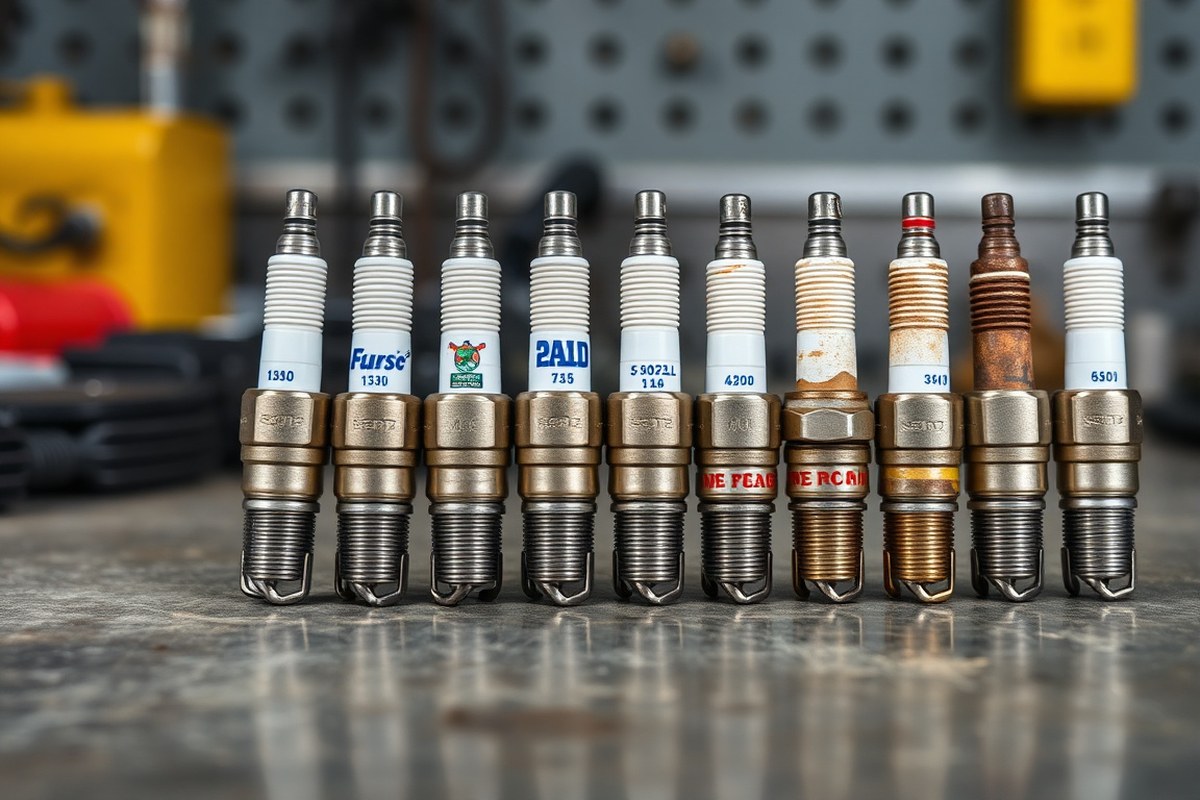
Spark plug lifespan varies mainly by the type of spark plug and vehicle usage. On average, copper spark plugs last between 20,000 and 30,000 miles. Platinum plugs significantly improve on this, often lasting about 60,000 miles, while iridium plugs generally offer the longest lifespan, around 60,000 to 100,000 miles or more. Because spark plugs degrade gradually, many drivers reach 80,000 to 100,000 miles before replacement becomes necessary, depending on their driving conditions and engine type. Here’s a breakdown of typical spark plug life spans by type, including some notes about their common applications:
| Plug Type | Typical Life | Notes |
|---|---|---|
| Copper | 20,000, 30,000 miles | Older cars, some performance engines |
| Single Platinum | About 60,000 miles | Longer life, steady spark |
| Double Platinum | 60,000, 100,000 miles | Often for waste-spark ignition systems |
| Iridium | 60,000, 100,000+ miles | Most new cars; hardest to wear down |
Extending spark plug life beyond 10 years is possible but not typical, mostly if the vehicle is driven infrequently or under mild conditions. However, many manufacturers recommend replacement based on mileage rather than time because spark plugs wear down with usage, affecting engine performance. Iridium plugs, with their durable construction, provide the best option for those wanting to maximise service intervals without sacrificing reliability. Replacing spark plugs according to these ranges usually aligns with your vehicle’s maintenance schedule, helping maintain smooth engine operation and fuel efficiency.
What Factors Affect Spark Plug Longevity?

The lifespan of your spark plugs depends heavily on driving habits, engine conditions, and external factors like weather. Frequent short trips and stop-and-go traffic create more stress for spark plugs because the engine doesn’t fully warm up. This causes fuel residue and carbon buildup on the plugs, leading to fouling and reducing their efficiency. If you mainly drive in the city with lots of idling, your plugs might wear out sooner than the typical 30,000 to 100,000 miles range.
Extreme weather conditions also affect spark plug longevity. Very cold temperatures cause engines to run richer (more fuel), which increases deposits on plugs. High heat environments raise combustion chamber temperatures, potentially accelerating electrode wear. Both situations force spark plugs to work harder, leading to earlier replacement needs. Towing heavy loads or driving in hilly terrain makes the engine generate more heat and combustion pressure, further speeding up spark plug wear.
Engine modifications can significantly change when you need to replace plugs. Performance upgrades such as turbochargers or aftermarket ignition coils increase voltage and combustion intensity, putting extra strain on spark plugs. Modified engines often require plugs with different heat ranges or materials to handle these conditions. Using standard plugs on a modified engine can cause quicker deterioration, misfires, or poor fuel economy, forcing you to replace plugs more frequently, sometimes as often as every 20,000 miles.
Maintaining your engine in good condition plays a role too. Mechanical issues like ignition problems, poor fuel injection, or oil leaks increase the risk of fouling or damage to spark plugs. These defects create abnormal combustion, causing rough idling or knocking sounds. Addressing these problems promptly helps prevent premature spark plug failure. Using the correct spark plug type according to your vehicle’s manual is important since the wrong plug can lead to overheating or insufficient spark energy that shortens plug life.
Keep track of your driving habits and environmental conditions to adjust your spark plug replacement schedule; ignoring these factors can reduce engine efficiency and increase repair costs.
How to Spot When Spark Plugs Need Replacement
Identifying worn spark plugs early can save you from costly engine damage and poor vehicle performance. The most obvious sign is engine misfires, where the engine stumbles or pauses because the spark plug fails to ignite the fuel-air mixture properly. These misfires can cause your check engine light to come on if the engine control unit detects repeated issues on one or more cylinders.
Rough idling is another key symptom. Your engine should run smoothly when your vehicle is sitting still, but faulty spark plugs can cause uneven or jittery sounds accompanied by noticeable vibrations throughout the car. This roughness often becomes apparent at stoplights or when the engine is under light load.
Fuel inefficiency is a less obvious but important sign. Deteriorated spark plugs reduce combustion efficiency, and you might notice your gas mileage drop by as much as 30 percent. This happens because incomplete combustion wastes fuel, making your engine less economical to run.
You can also perform a physical inspection to confirm spark plug issues. Remove each plug and look for deposits such as carbon buildup, oil fouling, or signs of overheating like blistered electrodes or cracked porcelain. Damaged or excessively worn plugs typically require replacement even if you haven’t reached the scheduled interval yet. Follow this checklist to spot worn spark plugs:
- Check for rough or inconsistent engine sound, especially while idling
- Look for engine hesitation, misfires, or surging under acceleration
- Monitor fuel consumption for sudden drops in efficiency
- Watch for the check engine light, especially codes related to cylinder misfires
- Inspect spark plugs for physical damage, unusual wear, or heavy deposits
Replacing spark plugs can involve a small cost and some tools like a spark plug socket, ratchet, and torque wrench. Consider taking your vehicle to a certified technician if you aren’t comfortable inspecting or replacing plugs yourself. Catching these signs early means you can maintain smooth engine performance and avoid emergency repairs due to ignition failure.
Comparing Spark Plug Types and Their Lifespans
Spark plug types vary mainly by material, affecting lifespan, cost, and engine compatibility. Copper plugs are affordable but wear out faster, while iridium plugs last longest and cost the most. Platinum and double platinum plugs balance longevity and cost, fitting specific engine designs and driving styles.
Copper Spark Plugs: Longevity and Costs
Copper spark plugs have a solid copper core that conducts electricity well but wear out quicker than other types. They typically last 20,000 to 40,000 miles before needing replacement. Their low cost, usually under $5 per plug, makes them attractive for budget repairs or older vehicles. However, they erode faster due to softer electrodes, causing poor engine performance if not replaced on time.
Copper plugs suit older vehicles with carbureted engines or cars with low voltage ignition systems. They provide strong initial performance but demand more frequent maintenance. Avoid these plugs in modern engines designed for longer intervals, as frequent replacements could offset the cost benefit.
Platinum and Double Platinum Differences
Platinum plugs last longer than copper plugs, usually over 60,000 to 100,000 miles. Standard platinum plugs have a single platinum electrode, while double platinum plugs feature platinum on both the center and ground electrodes. This design improves durability and wear resistance on both ends, extending life and spark efficiency.
These plugs cost between $10 and $15 each, higher than copper but lower than iridium options. Platinum plugs fit newer engines designed to run at higher temperatures and voltages. They’re ideal if you want reduced maintenance without a big cost jump. Double platinum plugs are preferred for engines with waste spark systems, providing balanced wear.
Iridium Spark Plugs: High Performance and Lifespan
Iridium spark plugs have the smallest central electrode made from a fine iridium wire, letting them generate a more efficient spark with less voltage. This leads to better ignition, improved fuel economy, and smoother acceleration. Iridium plugs last longest, usually 100,000 miles or more, ideal for demanding and high-performance engines.
Expect to pay $15 to $30 per iridium plug, the highest price point among spark plug types. This investment pays off in longevity and consistent engine performance. Iridium plugs suit modern vehicles and drivers who want optimal power and fuel efficiency with minimal maintenance intervals. Neglecting to replace worn iridium plugs, despite their longevity, still risks misfires and damage to ignition components. The following table summarizes the key differences among these types:
| Plug Type | Typical Lifespan (miles) | Approximate Cost per Plug ($) | Best Usage Scenario |
|---|---|---|---|
| Copper | 20,000, 40,000 | <5 | Older engines, low voltage ignition, budget repairs |
| Platinum | 60,000, 100,000+ | 10, 15 | Newer engines, higher temperatures, reduced maintenance |
| Double Platinum | 60,000, 100,000+ | 10, 15 | Waste spark ignition systems, balanced electrode wear |
| Iridium | 100,000+ | 15, 30 | Modern/high-performance engines, long intervals, best efficiency |
Selecting the right spark plug type means matching your vehicle’s engine design and your driving habits with what each material offers. Copper plugs suit those who replace plugs often and want low upfront costs. Platinum and double platinum offer longer life with moderate cost increases. Iridium plugs provide lasting performance improvements but at a higher price, making them best for modern engines or drivers prioritizing fuel efficiency and power.
Step-by-Step Guide to Replacing Spark Plugs Safely
Replacing spark plugs yourself can save money and help keep your car running smoothly. Having the right tools and following careful steps helps avoid damage to the plugs or your engine. The process involves preparing safely, removing the old plugs without harm, and installing new ones with proper adjustment.
Gathering Tools and Safety Preparation
Before starting, gather essential tools to complete the job efficiently. You’ll need a spark plug socket with a rubber insert to grip the plug, a ratchet wrench, an extension bar for deep sockets, a spark plug gap gauge, and a torque wrench to tighten the plugs to specification. Safety glasses and gloves protect you from dirt and hot surfaces.
Make sure your engine is completely cool to prevent burns and to avoid damaging the cylinder head threads. Park your car on a level surface and disconnect the battery’s negative terminal to prevent electrical shorts when handling spark plug wires or coil packs.
Removing Old Spark Plugs Without Damage
Removing spark plugs requires careful steps to avoid breaking the ceramic insulator or stripping the threads. Begin by identifying each spark plug wire or coil pack and labeling them to ensure correct reinstallation.
- Disconnect the spark plug wire or coil pack gently by twisting and pulling; never pull on the wire itself.
- Use compressed air or a small brush to clear debris around the spark plug to prevent it from falling into the cylinder.
- Attach the spark plug socket and extension to your ratchet, then fit it over the spark plug.
- Turn counterclockwise slowly to loosen the spark plug, applying steady pressure without rushing.
- Once loosened, remove the ratchet and pull the spark plug straight out by hand using the socket’s rubber insert grip.
Work one spark plug at a time to avoid mixing up wires or jumping to incomplete removal.
Installing New Spark Plugs Correctly and Gapping
Proper spark plug installation restores engine performance and prevents misfires. Check your vehicle’s manual for the correct spark plug gap; it often ranges between 0.028 to 0.060 inches. Use a gap gauge to adjust the new plug’s gap by carefully bending the ground electrode.
Apply a small amount of anti-seize compound on the plug threads only if recommended by your vehicle’s manufacturer. This helps prevent seizing but may affect torque readings if overused. Hand-thread the spark plug into the cylinder head to avoid cross-threading, then use a torque wrench to tighten the plug to the manufacturer’s specified torque, usually between 13 and 22 ft-lbs depending on your vehicle. Finally, reconnect the spark plug wires or coil packs firmly, ensuring they snap or click into place for a good electrical connection.
Over-tightening spark plugs can strip threads or break the plug; follow torque specs carefully to avoid costly repairs.
How Driving Conditions and Maintenance Impact Spark Plug Life
Frequent idling causes spark plugs to wear faster because the engine runs at lower, unstable temperatures during idling. This condition leads to incomplete combustion, which deposits carbon and fouling on the spark plug electrodes. Over time, these deposits reduce the spark plug’s ability to ignite the fuel-air mixture efficiently, causing rough engine performance. Avoid prolonged idling periods, such as waiting in traffic for more than 10 minutes, to help preserve spark plug life. When idling cannot be avoided, schedule regular inspections to spot wear early.
Cold starts and short trips also contribute to spark plug wear. During a cold start, the engine and spark plugs have not reached optimal operating temperature, increasing fuel residue and moisture buildup on the plugs. Short trips that last less than 10 to 15 minutes do not allow the engine to fully warm up, maintaining lower combustion chamber temperatures that cause similar deposits and corrosion. These conditions increase the chance of misfires and plug fouling. To mitigate this, you should occasionally drive your vehicle for at least 20 minutes on the highway to burn off deposits and let the plugs reach their ideal temperature.
Maintenance habits profoundly influence spark plug life. Regular engine tune-ups, including timely oil changes and air filter replacements, ensure the engine runs cleanly and efficiently. Dirty oil or clogged air filters can cause incomplete combustion, harming spark plug electrodes. You should check and replace spark plugs based on your vehicle manufacturer’s recommended interval, typically between 30,000 and 100,000 miles depending on the spark plug type. Using a quality fuel additive occasionally can also help keep the fuel system clean and reduce carbon buildup on plugs.
Checking the spark plugs during routine maintenance includes removing them to inspect for wear signs like electrode erosion, excessive deposits, or cracks in the ceramic insulator. Ignition system components like wires and coils should be tested as well because faulty parts can overload spark plugs and shorten their lifespan. Notice rough idling, poor fuel economy, or trouble starting your engine? Have a professional check the spark plugs. The cost of spark plug replacement typically ranges from $50 to $150 for parts and labor, depending on the vehicle and plug type, but regular maintenance helps avoid more expensive repairs caused by engine misfires or damage.
Cost and Professional vs DIY Spark Plug Replacement
Replacing spark plugs typically costs between $100 and $300 when done by a professional. The price varies depending on your vehicle’s engine size, with V6 and V8 engines costing more because some plugs are harder to reach under the intake manifold. The parts themselves usually cost between $3 and $20 each, depending on the type and brand you choose. For example, standard copper plugs are cheaper but wear out faster, while iridium plugs cost more but last longer and perform better.
Choosing between professional service and DIY replacement depends on your comfort level and tools. Professionals bring experience and tools that ensure the plugs are installed with the correct torque and gap settings. This reduces the risk of engine problems like misfires or damage to the spark plug threads, which can be costly to fix. A professional service typically includes an inspection that can spot related issues early. This is especially helpful if you’re unsure whether spark plugs are the root cause of symptoms like rough idling or difficulty starting.
DIY replacement saves labor costs and lets you control the parts used, but requires careful preparation. You need a proper spark plug socket, a torque wrench, and sometimes a gap tool. Tightening the plugs too much can strip threads in the cylinder head, while under-tightening can cause poor sealing and engine performance issues. Also, on some engines, plugs are located deep or in tight spots, increasing the risk of damaging surrounding components if you’re inexperienced.
| Scenario | Recommended Action | Reasoning |
|---|---|---|
| You have basic mechanical skills and proper tools | DIY Replacement | Cost savings, control over parts, suitable for accessible plug locations |
| Engine has V6/V8 layout or hard-to-reach plugs | Professional Service | Requires removal of intake parts, specialized tools, and experience |
| Uncertain about symptoms or engine issues | Professional Diagnostic and Replacement | Prevents misdiagnosis and ensures proper repair |
| First time doing spark plug work | Professional Service Recommended | Reduces risk of damage and improper installation |
Some problems can arise from incorrect spark plug replacement. Over-tightening can lead to cylinder head damage, which may require head repair or replacement, costly repairs far exceeding the price of plug replacement. Incorrect plug gaps affect combustion efficiency, leading to lower fuel economy or engine misfires. Cross-threading plugs can destroy the spark plug hole, requiring a professional repair called “thread chasing” or installing a thread insert. For these reasons, following the vehicle manufacturer’s torque specifications and using the correct tools is important.
You should call a professional if your plugs are difficult to access, if you notice serious engine symptoms, or if you lack the correct tools and experience. Mechanics often recommend changing spark plugs annually as part of routine maintenance to prevent expensive damage later. Most service centers will replace plugs during tune-ups, easing the process and ensuring your vehicle runs smoothly.
Keeping Track: Maintenance Tips and Logs for Spark Plugs
Keeping a record of spark plug maintenance helps you track their condition over time and schedule replacements before issues arise. Following the manufacturer’s recommended service intervals and noting each inspection or replacement ensures you don’t miss the ideal timing to avoid engine problems.
Creating a Simple Maintenance Log
A maintenance log for spark plugs is a straightforward tool that records dates, mileage, inspection findings, and replacement history. Using a written or digital notebook, spreadsheet, or a vehicle app works well. Include these basic columns for clarity:
- Date of inspection or replacement
- Vehicle mileage at the time
- Spark plug condition notes (e.g., fouled, worn, cracked)
- Type of spark plug installed
- Next scheduled inspection or replacement mileage
Creating this log takes just a few minutes during routine services and costs nothing if you use standard tools. You’ll notice patterns like accelerated wear from certain driving conditions, helping you adjust your maintenance approach. Without a log, it’s easy to overlook or underestimate spark plug age, potentially causing poor engine performance or damage.
Using Manufacturer Schedules Effectively
Manufacturers typically recommend spark plug replacement intervals around 80,000 miles, but these vary by vehicle make, model, and spark plug type. Always check your owner’s manual or maintenance booklet for exact schedules. This guidance factors in engine design and optimal performance standards. Scheduling replacements close to these intervals can prevent misfires, poor fuel economy, and hard starts.
Some vehicles may specify earlier replacements if conditions like frequent short trips or extreme temperatures are common. Dealers or service centers can help clarify recommended intervals based on your driving habits and location. Following these schedules also keeps your warranty valid and may save you from more expensive repairs later.
Tips for Staying Ahead of Spark Plug Wear
Regularly inspecting your spark plugs between scheduled replacements can catch wear early. Look for signs such as carbon buildup, electrode erosion, or discolouration. Keeping your maintenance log updated during these inspections helps you spot when the plugs deviate from normal conditions.
To stay proactive, set reminders every 10,000 to 15,000 miles to check plugs or have a technician inspect them during oil changes. Using this interval bridges the gap between longer replacement schedules, especially for vehicles under heavy use. A routine checklist before a long trip or every six months can prevent unexpected breakdowns.
- Check spark plugs visually every 10,000 miles
- Record condition and actions in your maintenance log
- Schedule replacements based on manufacturer mileage or earlier if needed
- Consider driving habits and adjust inspection frequency
- Consult your vehicle’s manual for specific torque and gap settings
- Use quality replacement plugs matching OEM specifications
Ignoring small signs of spark plug wear can lead to engine misfires and costly repairs, so log each check carefully and act accordingly.
Step-by-Step Action Plan for Spark Plug Maintenance
Follow these steps to keep your spark plugs in good working order and avoid unnecessary replacements.
- Before your next oil change: Check the owner’s manual for the recommended spark plug inspection interval and note the current mileage to track usage.
- At your next routine inspection: Look for signs such as rough idling, poor acceleration, or increased fuel consumption that might suggest spark plug issues.
- Every 30,000 miles or as recommended: Remove and visually inspect the spark plugs for wear, deposits, or damage to confirm if replacement is needed.
- When replacing spark plugs: Use the correct spark plug type for your vehicle and apply proper torque during installation to ensure optimal performance.
- After replacement: Start the engine and listen for smooth operation and improved responsiveness, indicating the new plugs are working well.
- Every 6 months: Log your spark plug maintenance dates and mileage to keep track of their lifespan and plan future replacements.
- During harsh driving conditions: Increase inspection frequency, as extreme heat, stop-and-go traffic, or dusty environments can reduce spark plug life.
Frequently Asked Questions
How Often Should I Replace a Spark Plug for Best Performance?
Replace spark plugs based on your vehicle’s maintenance schedule, usually every 30,000 to 100,000 miles depending on the type. Checking your owner’s manual helps avoid premature failure or loss of engine efficiency.
Can Spark Plugs Really Last 10 Years on a Car?
Spark plugs can last 10 years if your mileage is low and driving is gentle, but typically mileage is a better guide than time. Regular inspection ensures they function well despite age.
What Common Mistakes Cause Spark Plugs to Wear Out Fast?
Frequent short trips, poor fuel quality, and neglecting engine maintenance can wear spark plugs faster. Avoiding aggressive driving and following maintenance routines helps extend their life.
How Can I Tell If a Spark Plug Is Causing Engine Problems?
Signs include rough idling, trouble starting, reduced fuel efficiency, or engine misfires. Visual inspection for worn or fouled spark plugs confirms if replacement is necessary.
When Should I Consider Replacing Spark Plugs Before Their Expected Lifespan?
Replace spark plugs early if you notice engine performance issues or after severe driving conditions like towing or extreme climates. This prevents bigger engine problems down the road.
How Long Do Different Types of Spark Plugs Last in Typical Use?
Copper plugs last 20,000, 30,000 miles, platinum around 50,000, 100,000, and iridium often exceed 75,000 miles. Choose the right type for your vehicle and driving habits for optimal lifespan.
Key Points to Remember
Knowing how long spark plugs last and recognizing the signs of wear can save you time and money while keeping your vehicle running smoothly. Prioritize regular inspections and use the right parts for replacement to maintain engine efficiency. Start by checking your current spark plug condition today to avoid unexpected issues down the road.