How to Install Tonneau Cover Rails: Complete Step-by-Step Guide with Expert Tips
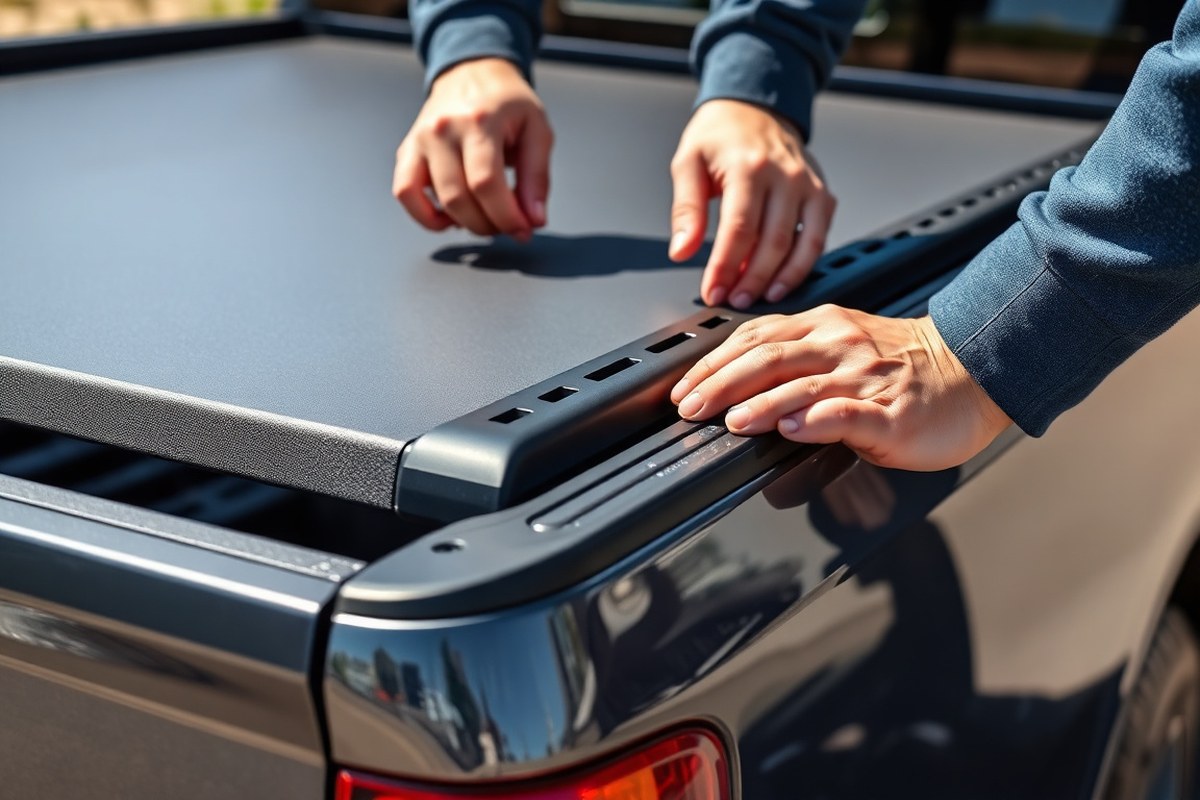
Learning how to install tonneau cover rails begins with selecting compatible rails and following the manufacturer’s mounting instructions precisely. Start by securing the rails on each side of your truck bed, ensuring they align perfectly with bolt holes or clamps. Installing the rails first provides a stable base for the cover, which helps achieve a weatherproof and snug fit.
Key Takeaways
- Verify your tonneau cover and rails are compatible with your truck model before installation.
- Clean and prep the truck bed rails to remove dirt and debris that can interfere with mounting.
- Allow the seal on rails to settle for 10-15 minutes to improve weather resistance.
- Use a torque wrench to tighten bolts evenly and avoid warping the rails.
- Adjust rails carefully to ensure the tailgate closes and latches without obstruction.
- Install rails before mounting the cover to guarantee the best alignment and fit.
How to Install Tonneau Cover Rails Step-by-Step
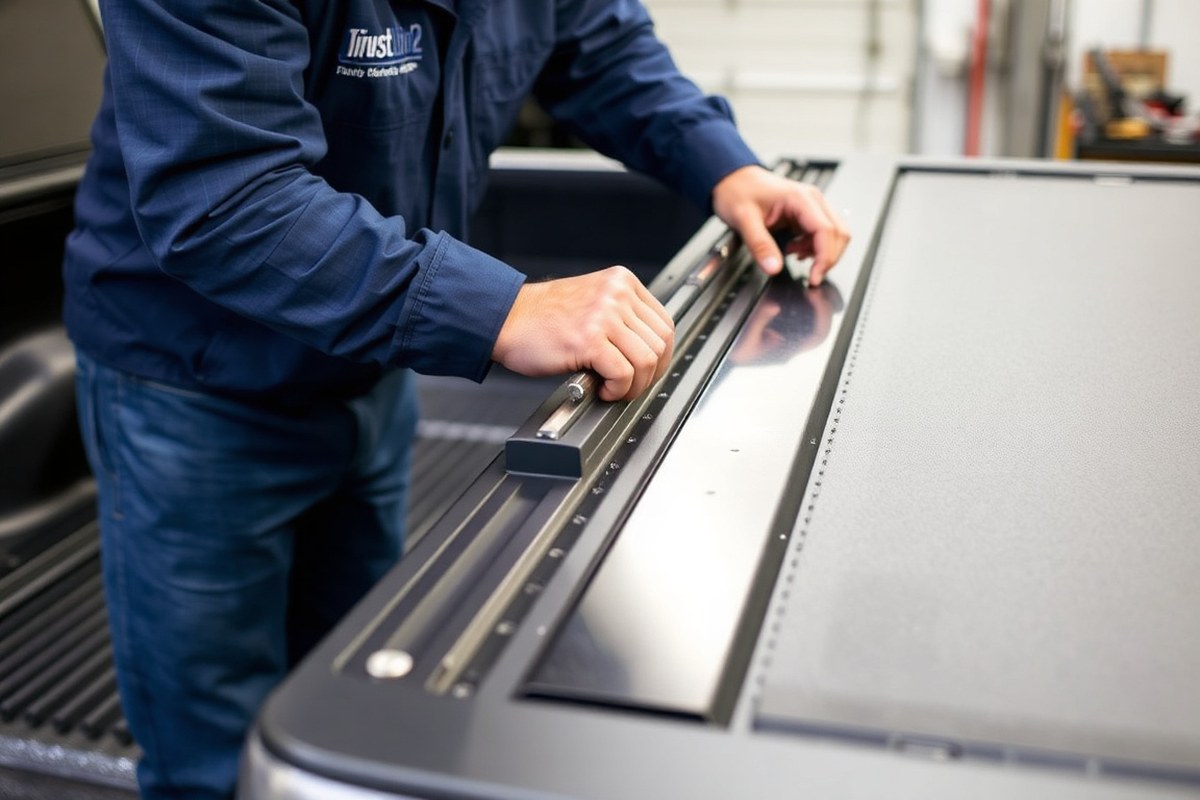
Installing tonneau cover rails involves clear positioning and securing steps to ensure your tonneau cover fits tightly and performs well. Proper installation prevents issues like misalignment and water leakage. Secure the rails along the bed edges using clamps and bolts, then attach the cover as directed by the manufacturer.
Gather Necessary Tools and Materials
Having the right tools ready makes the installation smoother and protects your truck and cover from damage. Common tools include a socket set, wrench, screwdriver, and measuring tape. You might also need washers, nuts, and bolts that come with your tonneau cover rails.
Make sure each tool fits the hardware included in your kit. Check for any inserts or special fasteners your specific rail system requires before starting.
Clean and Prepare the Truck Bed Rails
Cleaning the truck bed rails is essential before mounting the tonneau rails. Dirt, grease, or debris can cause poor fit and interfere with clamp grip. Use a mild detergent and water or a degreaser, then dry the rails thoroughly with a clean cloth.
Inspect the rails for rust or damage. Spot any issues and address them first to make sure the hold is secure and durable over time.
Position and Align the Side Rails
Begin by laying the tonneau cover side rails along your truck bed’s edges. Make sure each rail is parallel and sits flush with the bed sides to avoid gaps. Correct positioning helps prevent improper fitting and stops the cover from bunching when you fold it.
Measure the distance between the rails to confirm equal spacing from the bed edge on both sides. Check that any bolt holes on the rails line up with holes on the bed, if applicable.
Attach and Tighten the Clamps Securely
Clamps hold the rails in place without needing to drill into your truck bed, so proper tightening is critical to keep the rails stable. Position each clamp where the rails meet the bed rails, ensuring the clamp pads protect painted surfaces from scratches.
Tighten clamps steadily using a wrench or socket, alternating sides to apply even pressure. Avoid over-tightening, which can damage clamps or your truck’s finish. Aim for firm resistance, rail movement should be eliminated but no deformation should occur.
- Gather all tools and unbox your tonneau cover rails, including clamps, bolts, washers, and nuts.
- Clean the truck bed rails thoroughly with a detergent or degreaser; dry completely.
- Position each side rail alongside the truck bed edge, roughly aligning them by eye.
- Use a measuring tape to verify the rails are parallel and evenly spaced from the bed edges.
- Locate bolt holes on the rails and align them with factory holes or marked positions on the truck bed.
- Attach clamps over the rails and bed rail flanges, placing protective pads between surfaces if included.
- Tighten clamps gradually and evenly with a wrench, alternating sides to secure rails without bowing.
- Double-check rail alignment and clamp tightness, then attach the tonneau cover to the rails per manufacturer instructions.
Choosing the Right Tonneau Cover Rails for Your Truck

Selecting compatible tonneau cover rails requires matching the rails to your truck’s make, bed size, and the type of cover you plan to install. Compatibility affects fit, ease of installation, and the cover’s performance. You need to check measurements for your truck’s bed and pick rails designed specifically for soft, hard, or rolling cover styles.
Compatibility by Truck Make and Model
Tonneau cover rails are designed for specific makes and models, such as the Chevy Silverado, Ford F-150, or GMC Sierra, with variations based on bed dimensions and styling. Well-known options like Putco Locker Bed Rails and Go Rhino Stake Pocket Bed Rails are compatible with multiple truck versions, but confirming whether they match your truck’s exact year and model is necessary. Some rails use stake pockets, which are only found on certain Ford or Chevy trucks, affecting how you can install them.
For example, the 5.8-foot rails designed for short beds fit the Chevy Silverado 1500’s short bed but won’t suit a full-size Sierra with an 8-foot bed. Manufacturers provide compatibility charts to cross-reference your truck model and bed size. Pay attention to any mounting hole variations that could block stake pockets, which might limit toolbox placement or accessory use.
| Truck Model | Bed Length Options | Compatible Rail Types | Notes |
|---|---|---|---|
| Chevy Silverado 1500 | 5.8 ft (short) / 6.6 ft / 8 ft (long) | Putco Locker, Go Rhino Stake Pocket | Short bed rails different from long bed rails |
| Ford F-150 | 5.5 ft / 6.5 ft / 8 ft | Putco Locker, Go Rhino Stake Pocket | Stake pocket rails fit Ford-specific mounts |
| GMC Sierra | 5.8 ft / 6.6 ft / 8 ft | Putco Locker, Go Rhino Stake Pocket | Rails match bed length exactly |
Consult the compatibility guide before ordering rails to ensure your truck’s year, model, and bed size align with the product specifications.
Differences Between Rail Styles
Soft cover rails usually have simpler, clamp-on designs that attach quickly to your truck’s bed rails. They work best on short or long beds and generally suit roll-up soft covers. Installation times are shorter, around 30 to 60 minutes, and they offer flexibility if you want to remove or adjust your cover seasonally.
Hard cover rails are bulkier and often bolt into place for extra strength, matching the solid frames of tri-fold or hinged hard covers. These rails typically take longer to install, between 60 and 90 minutes, depending on your expertise. They offer greater security and weather protection but need precise measurements to avoid gaps or misalignment.
T-slot rails serve as universal brackets that accommodate both soft and hard covers and allow mounting accessories like bed extenders. These rails slide into stake pockets and provide more customization but may limit your toolbox placement due to slot interference.
| Rail Style | Typical Installation Time | Cover Compatibility | Advantages | Considerations |
|---|---|---|---|---|
| Soft Cover Rails | 30-60 minutes | Soft roll-up covers | Easy to install, lightweight | Less secure, less weatherproof |
| Hard Cover Rails | 60-90 minutes | Hard tri-fold, hinged covers | Strong, secure, weather-resistant | Require precision fit, more complex |
| T-slot Rails | Varies | Soft and hard covers | Accessory compatible | May block stake pockets |
Choose rail types based on the type of tonneau cover you plan to use and how often you want to remove or adjust it.
Considering Bed Liners and Accessories
Installing rails over a spray-in bed liner usually works without modification. However, rigid drop-in liners or thick rubber mats can raise the rail height and affect cover fit. Measure your bed rail thickness with liners installed and compare with the rails’ clamp depth. Select rails with adjustable clamps or trim liners slightly if necessary.
Toolboxes installed near the front or sides of the bed may obstruct stake pocket rails or interfere with mounting. Rails intended for trucks with toolboxes will often include cutouts or adjustable brackets to avoid interference. Installing rails on a bed with accessories means checking clearances carefully to maintain proper seal and functionality of the tonneau cover.
Check stake pocket clearance before purchase if your truck has a toolbox, or you may need to select rails designed specifically to accommodate accessories.
Matching rails to your truck’s bed accessories ensures your tonneau cover installs smoothly and provides a secure fit without gaps or damage to liners and toolboxes.
Preparing Your Truck Bed for Rail Installation
Preparing your truck bed edges carefully is the key to ensuring your tonneau cover rails adhere securely and last long. You want the surfaces clean, dry, and free of anything that could block the mounting hardware or adhesives. Proper preparation avoids leaks, loosening, and damage to your truck bed paint or liner.
Remove Dirt, Dust, and Grease Completely
Any dirt, dust, or oily residue on the truck bed edges can prevent the rails from sticking properly or cause screws and clamps to loosen. Alcohol wipes or automotive degreasers work well to clean the surfaces down to bare metal or factory paint finish. Avoid harsh abrasives that scratch or dull the finish. Follow these steps to clean your truck bed edges thoroughly before installation:
- Clear any loose debris from the truck bed rails using a soft brush or cloth.
- Spray an automotive degreaser or apply an alcohol prep wipe over all the rail surfaces where the rails will mount.
- Use a clean microfiber cloth to wipe the surfaces clean, applying moderate pressure.
- Repeat cleaning if you see any oily residue or dirt remain.
- Allow the surface to air dry completely or gently dry with a fresh cloth, ensure no moisture remains before continuing.
Good results look like a clean, dry, and smooth surface free of dust or grease. If the surface is still slippery or visibly dirty, the rails might not stick or mount safely.
Inspect Bed Rails for Damage or Obstructions
Damaged rails can cause uneven rail installation and poor cover fitment. Check carefully for rust patches, dents, scrapes, or any previous hardware left mounted on the bed edges. Rust or corrosion should be treated or lightly sanded and prepped with a rust inhibitor before proceeding.
Make certain no bolts, screws, or trim pieces interfere with rail placement. Sometimes bed liners or spray-ins don’t extend fully under the edges; if so, inspect under the rail contact points to confirm a flat mounting surface. Remove any old tape, clips, or fasteners that could create gaps. Here’s how to inspect and prep for a smooth mount:
- Visually examine the length of each bed rail edge where the rails will install.
- Run your hand along the surface to detect bumps, dents, or rough spots.
- Remove any loose hardware, trim pieces, or dirt caught along the edges.
- Treat rust spots lightly with sandpaper and apply rust-preventive paint or primer as needed.
- Confirm the surface is flat and smooth for even rail contact.
Installing rails over rust or uneven surfaces risks leaks and fastener failure. Fix all issues before advancing to sealing or mounting.
Apply Weatherproof Seals or Adhesives If Needed
Some rail kits require a weatherproof seal or adhesive to ensure a watertight, secure mount. Check your rail manufacturer’s instructions. Many recommend applying a butyl seal tape or silicone adhesive along the edges of the rails prior to mounting. This prevents water intrusion between the rail and the truck bed.
Applying seals correctly can improve the life of your cover and keep your truck bed dry. Use a weatherproof seal that remains flexible and adheres well to painted metal or plastic-coated bed rails. Use this process to apply sealing material:
- Clean the contact surface again lightly with an alcohol wipe to remove any fingerprints or dust.
- Cut the seal tape or prepare adhesive in manageable lengths matching your rail size.
- Press the seal tape or apply a thin bead of adhesive firmly along the inner edge where the rail will sit.
- Wait the recommended cure or settling time, typically 10 to 15 minutes, to ensure tackiness.
- Proceed to mount rails immediately after sealant becomes tacky to optimize bond strength.
Excess adhesive that squeezes out can be wiped away with isopropyl alcohol before it cures. Failing to seal properly can lead to water leaks, corrosion, and rattling noise over time.
Common Installation Mistakes with Tonneau Cover Rails
A common cause for a tonneau cover not fitting snugly on its rails is misalignment of the rails. You must ensure the rails run evenly along both sides of the truck bed so the cover lies flat without gaps. Adjust the cover by carefully sliding it back and forth, making sure the bolts on the front lock firmly into the rail holes. Keep tweaking until the cover sits flush against both the tailgate and the front end of the side rails for the best fit.
Water leaks usually result from damaged or improperly seated weather seals. The seals should be intact and correctly placed along the rails and cover edges to block water entry. Always check seal condition before installation, clean debris from sealing areas, and confirm the cover closes securely. A properly sealed tonneau cover will prevent water from pooling inside the truck bed, especially during heavy rain.
Another common problem involves the tailgate not closing properly after rail installation. This often happens when the rails extend beyond manufacturer specifications or interfere with the tailgate latch mechanism. Verify that rail brackets do not obstruct the tailgate and that rails are installed according to instructions, leaving enough clearance for smooth tailgate operation.
Clamps loosening over time can reduce the stability of the tonneau cover. Tighten all clamps during installation to manufacturer torque recommendations and check them periodically. Using thread-locking compounds on clamp screws can help maintain tightness if loosening is persistent. Proper clamp tension ensures your cover remains secure through driving vibrations and weather changes.
- Align rails precisely to keep the cover flush and prevent gaps.
- Inspect and place weather seals correctly to avoid leaks.
- Avoid rail positioning that blocks tailgate closure.
- Tighten clamps fully and inspect regularly for loosening.
- Use manufacturer torque settings and consider thread locker.
- Remove debris around installation points to ensure proper seal and fit.
When installing rails alongside other truck accessories, ensure they do not conflict or interfere, as two interacting accessories can cause functional problems. Consult manufacturer instructions and service channels for advice specific to your tonneau cover model. Some covers, like retractable ones housed in a canister, require the canister positioned before rail installation for proper function. Attention to these details will reduce errors, improve fit, and maintain a secure, leak-free tonneau cover setup.
Adjusting Rails for a Perfect Fit and Tailgate Alignment
Ensuring your tonneau cover rails are perfectly adjusted is key to a secure, flush fit and smooth tailgate closure. Misaligned rails can cause gaps or prevent the tailgate from closing properly. Correct rail positioning improves weather protection and keeps the cover functioning as designed.
Start by checking if the rails sit level and straight along the bed edges. Use a carpenter’s level or a straight edge ruler to verify alignment. Place the level on the top edge of each rail and check for any tilt or unevenness. The rails should run parallel to the truck bed and match the top height of the tailgate for optimal coverage. Follow these steps to fine-tune the rail adjustment:
- Unfold the tonneau cover fully and prop it open so you can access the rails easily.
- Loosen clamps or mounting bolts holding the rails just enough to allow slight movement without removing them.
- Use the level or straight edge to check that each rail runs straight from front to back, adjusting its horizontal and vertical placement until level.
- Close the tailgate slowly to test if it fits flush under the cover bar. Note any areas where the tailgate meets resistance or leaves a gap.
- Raise or lower the rear ends of the rails by positioning the clamps or using shims if necessary so the rails align flush with the top of the tailgate.
- Tighten the clamps or bolts firmly once correct positioning is achieved, preventing rail movement during use.
- Open and close the cover and tailgate multiple times to confirm smooth operation and consistent snug fit along the entire rail length.
- Make small incremental adjustments as needed after testing, especially if you notice one hook or latch doesn’t engage properly when the cover folds.
Tools that assist with precise alignment include a carpenter’s level, straight edge ruler or a square, a torque wrench for tightening clamps to correct specs, and rubber shims or pads for fine height adjustments. Adjustments may take some patience to get the perfect seal that fits your truck model.
Be careful not to overtighten clamps before confirming fit, this can warp rails or damage seals and prevent proper closure.
Installing Rails with Bed Liners and Truck Accessories
Tonneau cover rails can fit over both spray-in and drop-in bed liners, but you need to adjust your approach depending on the liner type. Spray-in liners are flush with the bed rails, so you can typically install the rails directly over the liner without extra parts. With drop-in liners, the edges may protrude beyond the truck bed, which can interfere with rail placement. Drop-in liners often require either special clamps designed to grip over the thicker liner edges or cutting/trimming the liner for a proper fit. This matters because improper rail attachment can cause leaks, loose fit, or damage to the liner and rails.
When a toolbox or bed rack is installed, you must plan rail placement carefully to avoid fit issues or interference. Side-mount toolboxes may extend over the bed rails, limiting where you can clamp the tonneau rails. For truck beds with racks, upright racks that mount inside the bed rails provide clearance on the truck edges, making it easier to install under-rail tonneau covers. Avoid clamping rails where toolbox edges or rack supports sit. Sometimes the rails need to be positioned slightly forward or aft, depending on accessory placement.
Special clamps or modifications are often necessary with drop-in liners and accessories. Rails usually secure to the truck bed with six clamps engaging the bed rails. For drop-in liners, look for clamps specifically designed to fit over liners or rubber inserts that protect the liner’s finish. With toolboxes, you may need longer clamps or custom brackets to reach under or around the toolbox edges. Make sure to test clamp tightness after installation, as vibration can loosen rails if clamps don’t grip securely.
- For spray-in liners, install rails directly over the liner edges.
- Use special drop-in liner clamps or trim the liner edges if needed.
- Position rails to avoid toolbox or rack edges, adjusting placement forward or backward.
- Use longer or custom clamps for toolboxes that overlap bed rails.
- Choose upright racks that fit inside rails for better tonneau cover compatibility.
- Ensure all clamps are tightened securely to prevent shifting or rattling.
Starting by measuring your bed rails with accessories installed helps determine your clamp and positioning options. Attach anchor hooks from the tonneau cover through the bed rails, making sure they don’t interfere with accessories. Properly installed rails over liners and accessories support a snug, weather-tight tonneau cover that protects your truck bed and gear. Poorly fitting rails risk water leaks, rubbing damage, and possible tonneau cover flap issues during driving.
Safety Tips and Tools for Installing Tonneau Cover Rails
Taking safety precautions during your tonneau cover rail installation helps avoid injuries and ensures a strong, lasting fit. Wear safety glasses to protect against dust or metal shards, especially if drilling or trimming seals is necessary. Use gloves to prevent cuts from sharp edges on rails or tools. Work on a flat, stable surface to stop the truck or materials from slipping. Position the truck in a well-lit area with enough space to move around freely and lay out parts.
Beyond common hand tools like screwdrivers, a power drill with the correct drill bits can be essential if your rail kit requires hole drilling. A rubber mallet helps tap rails gently into place without causing damage. A measuring tape ensures rail alignment and placement, while a utility knife is often needed to trim seals or bed liners. You may also want a torque wrench if your rail system specifies tightening bolts to a certain torque for secure installation.
- Safety glasses and work gloves
- Power drill with drill bits (if drilling is needed)
- Measuring tape
- Rubber mallet
- Utility knife for trimming seals or liners
- Torque wrench for proper bolt tightness
- Soft cloth or padding to protect truck bed surfaces
Installing rails solo is possible for many kits, but having one helper reduces the risk of drops and eases aligning and tightening bolts, especially on longer rails. You and a helper can handle parts more securely to prevent scratches or dents. If your kit requires complex drilling or modifying seals, assistance is recommended to keep parts and the truck in proper position. Assistance also helps manage tools safely and speeds up the process, minimizing time spent in physically awkward positions.
Taking your time and following your manufacturer’s instructions carefully prevents common mistakes that could compromise safety or rail strength. Double-check that you have the right tools before starting, and keep tools organized to avoid trips or dropped items. Stay aware of your body positioning to reduce strain or the chance of falls, particularly if you work on uneven ground or in a tight garage.
Maintaining and Troubleshooting Installed Tonneau Cover Rails
Keeping your tonneau cover rails in good condition extends the life of your cover and maintains a secure fit on your truck bed. Regularly inspect clamp tightness by hand-tightening the clamps, ensuring they hold the rails firmly without over-tightening, which can damage the bed or clamps. Check the seals along the rails for cracks or gaps that could let water in or allow dust to enter. Seals must remain pliable and intact to prevent leaks and protect your cargo.
Sometimes rails can become loose or misaligned from repeated use, vibration, or changes in temperature. To fix loose rails, start by loosening the clamps, realigning the rails with the truck bed edges, then re-tighten clamps evenly and securely. For misaligned rails, measure the clearance between the rails and truck bed at multiple points, adjusting incrementally until rails sit parallel and flush with the tailgate. Most adjustments use standard hand tools like a wrench or screwdriver, which keeps costs low and fixes quick.
Cleaning rails regularly removes dirt and grime that wear on the rails and seals. Use mild soap, water, and a soft cloth or sponge to avoid scratching surfaces. Waxing metal rails with a car wax product every few months adds a protective layer against rust and UV damage. Avoid pressure washers close to seals, as high-pressure water can break down rubber components.
- Monthly: Check and tighten clamps by hand
- Inspect seals seasonally for wear and replace as needed
- Clean rails after any heavy dirt, salt, or mud exposure
- Wax metal rails once or twice a year for weather protection
- Realign rails promptly if you notice uneven gaps or tailgate binding
- Use manufacturer-approved replacement parts for clamps or seals
- Store your truck covered or use a bed cover when not in use for long periods
Allow clamps to cool off before tightening to avoid warping from heat expansion, especially after sun exposure.
Seasonal care matters because temperature swings make metal expand and contract, potentially loosening hardware and degrading seals faster. Rubber seals aged over 3 to 5 years may become brittle and require replacement, costing between $20 and $50 depending on your tonneau cover model. Fixing loose or misaligned rails soon avoids more costly repairs, such as damage to the truck bed paint or the cover itself. Maintaining your rails involves simple checks and cleaning you can do in under 30 minutes, saving you time and money over the years.
Step-by-Step Action Plan for Installing Tonneau Cover Rails
Follow this plan to properly install your tonneau cover rails and ensure a tight, weatherproof fit.
- Before you start: Gather all needed tools, socket wrench, measuring tape, and clamps. Confirm the rails match your truck model to avoid fit issues.
- Day 1: Clean the truck bed rails thoroughly to remove dirt and debris. A clean surface ensures good adhesion and proper mounting.
- Day 1: Position the tonneau cover rails without fastening. Check for alignment with the tailgate and adjust to close gaps evenly.
- Day 2: Secure the rails using clamps and tighten bolts to manufacturer-recommended torque. Test the rails by gently pulling to confirm a solid hold.
- Day 2: Attach the tonneau cover according to its instructions. Open and close the tailgate to check for smooth operation and alignment.
- After 1 week: Inspect the rails for any loosening or misalignment after regular driving. Tighten bolts again if needed to maintain fit.
- After 1 month: Perform a thorough weather check for leaks during rain. Adjust seals or rail positioning if water intrusion is detected.
Frequently Asked Questions
How Do You Install Clamps for a Tonneau Cover?
Attach the clamps evenly across the rails, tightening securely to prevent movement. Proper clamp installation ensures your cover stays tight and protects your cargo.
Can I Use a Tonneau Cover If My Truck Has Bed Rails?
Yes, but you need specific rails designed to fit between or above bed rails. Properly chosen rails maintain cover fit and bed functionality.
What Are T-Slot Rails on Tonneau Covers?
T-slot rails are tracks allowing adjustable accessories to slide and lock in place. They offer flexibility for mounting racks or securing gear.
Can I Run My Truck Through a Carwash with a Tonneau Cover On?
Most soft or hard tonneau covers allow carwash use, but check manufacturer guidelines to avoid damage. Avoid high-pressure settings near clamps.
How Do Tonneau Cover Rails Affect Bed Extender Fit and Movement?
Rails can limit bed extender swing if improperly spaced; install rails to preserve extender clearance and bed access.
Are There Special Tools Needed to Install Tonneau Cover Rails?
Installation usually requires basic hand tools like wrenches and screwdrivers, but a torque wrench can help ensure proper clamp tightness.
Final Thoughts
Installing tonneau cover rails carefully ensures your truck bed stays protected and your cover fits securely. Double-check measurements and mounting points before drilling or tightening bolts. Start by cleaning and test-fitting the rails today to prevent adjustments later. Taking time now will save you from leaks and damage down the road.