What Happens If You Don’t Change Your Oil Filter: A Complete Guide
Not changing your oil filter leads to dirty oil circulating in the engine, which lowers lubrication and increases wear. As contaminants build up, the filter clogs and restricts oil flow, raising the chance of engine damage or failure. Regularly replacing the oil filter helps maintain a clean engine and smooth operation. Start by following your vehicle manufacturer’s recommended oil filter change interval to avoid costly repairs and maintain engine performance.
Key Takeaways
- Replace oil filters every 3,000 to 5,000 miles for conventional oil and every 5,000 to 7,500 miles for synthetic oil.
- A clogged oil filter restricts oil flow, causing increased engine wear and potential seizing.
- Replacing your oil filter is a simple, low-cost way to protect your engine from harmful contaminants.
- Dirty or foggy oil on the dipstick signals it’s time to change the oil filter immediately.
- Delaying filter changes can reduce fuel efficiency, increasing gas costs by up to $30 a month.
- Investing in a quality oil filter offers better engine protection compared to the cheapest options.
What Happens If You Don’t Change Your Oil Filter
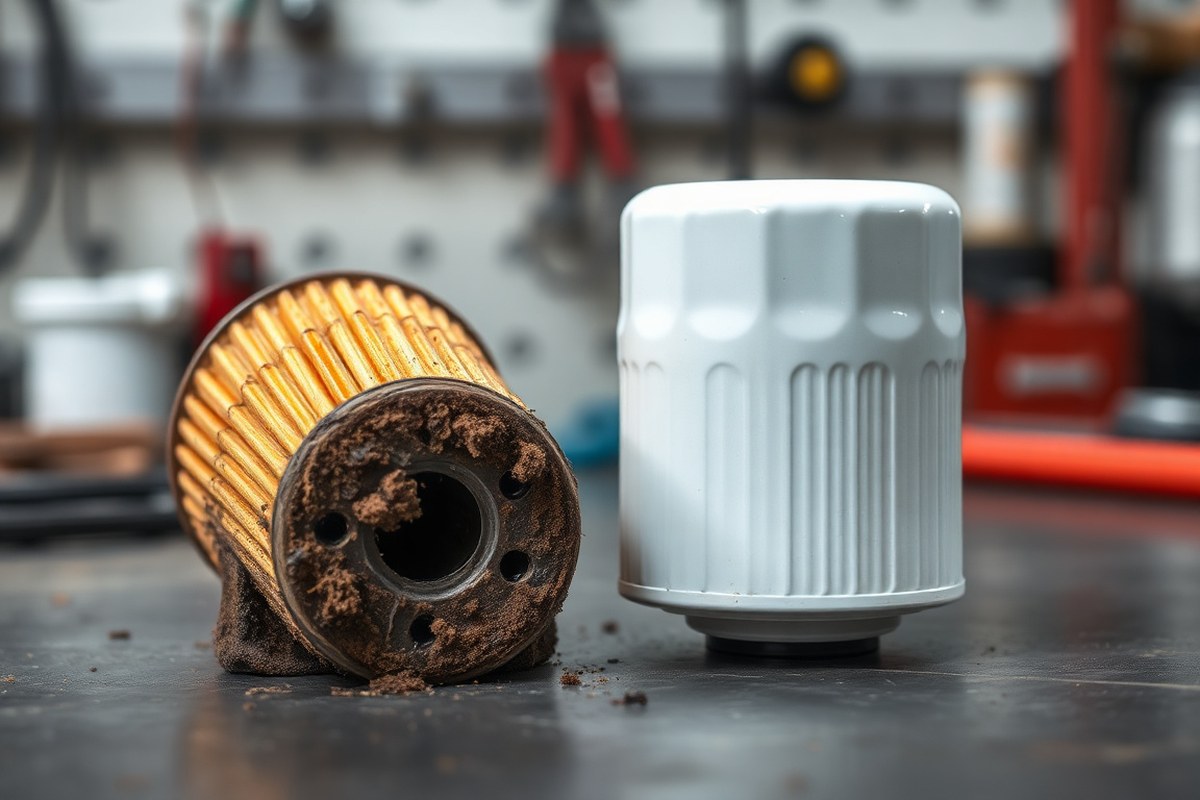
Not changing your oil filter when you change your oil can lead to serious engine problems over time. The oil filter’s job is to trap dirt, metal shavings, and other contaminants in the engine oil before the oil circulates through the engine. A clogged or dirty filter loses its ability to function effectively. This means unfiltered oil flows through the engine, causing internal wear on components like bearings, camshafts, and pistons.
The mechanical impact starts with increased friction inside the engine. Contaminants that aren’t filtered can create tiny scratches and accelerate wear on moving parts. This wear reduces engine efficiency and performance and can cause unusual noises like knocking or ticking. The oil itself also breaks down faster when it’s contaminated, reducing its ability to lubricate and cool the engine properly.
When an oil filter becomes clogged, its internal bypass valve may open. The bypass valve allows oil to flow around the filter to avoid starving the engine of oil entirely. Although this keeps the engine lubricated, it also means dirty, unfiltered oil circulates unchecked, doing more harm than good. This can cause severe engine damage, often leading to costly repairs or even engine replacement.
Changing oil without replacing the oil filter defeats the purpose of fresh oil. While new oil is clean, the old, clogged filter will soon contaminate it again by allowing dirt and debris to mix with the oil. It also delays the oil change’s benefits because the oil filter can foul quickly after being neglected. Most vehicle manufacturers recommend replacing the oil filter at every oil change to avoid these problems.
The risk varies depending on how often you change your oil and the filter’s condition. For example, a filter used beyond 10,000 to 15,000 kilometers (about 6,000 to 9,000 miles) can become saturated and ineffective, especially if it’s not a high-capacity filter. Using one beyond its capacity puts your engine at high risk. Skipping filter changes means a single filter might be used over multiple oil changes, increasing the risk of damage.
Replacing the oil filter usually takes less than 30 minutes and costs between $10 and $20 for most vehicles, sometimes included with an oil change package. Skipping this small investment can lead to costly repairs that might run into hundreds or thousands of dollars. Regularly changing your oil filter, along with the oil, maintains engine lubrication, prevents increased friction, and extends your engine’s lifespan.
How an Oil Filter Works to Protect Your Engine
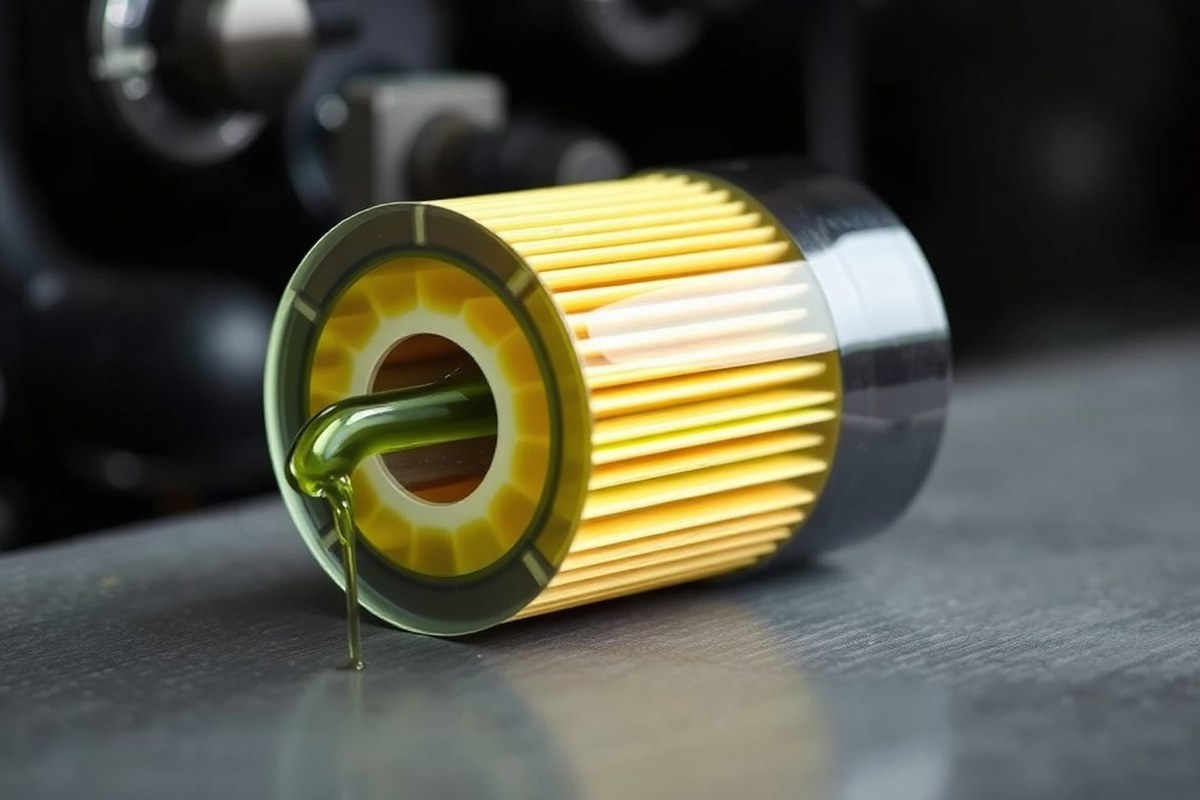
The oil filter plays a important role in protecting your engine by removing contaminants from the engine oil. As oil circulates through the engine, it picks up dirt, metal particles, and other debris that can cause wear and reduce performance. The oil filter traps these impurities, keeping the oil clean and ensuring it can properly lubricate the engine parts. Clean oil reduces friction and prevents premature wear on components like pistons, bearings, and camshafts.
Inside the oil filter, a special filter media made from synthetic fiber or cellulose captures harmful particles down to a few microns in size. This process preserves the oil’s quality and extends its ability to lubricate efficiently. The filter also helps maintain proper oil pressure by allowing the right amount of oil flow through the engine. If the filter clogs, restricted oil flow can starve the engine of lubrication and increase heat buildup, potentially causing damage.
Besides trapping contaminants, the oil filter supports the engine’s cooling system. Engine oil dissipates heat from moving parts as it circulates, and clean oil performs this task effectively. A clogged filter reduces oil circulation, which in turn decreases the oil’s ability to cool the engine. This can lead to overheating and accelerated engine wear. Both oil and filter must work together to ensure smooth engine operation under daily driving conditions or heavier loads like towing or stop-and-go traffic.
Because oil filters can hold about half a quart or more of oil, each oil change should include a filter replacement to ensure fresh oil flows easily throughout your engine. Using a high-quality oil filter designed for your vehicle’s needs offers better contaminant removal and longer life between changes. Filters for heavy-duty use or extended drain intervals have higher capacity to handle more contaminants without restricting flow. Matching the oil and filter change intervals based on your driving conditions and oil type, such as synthetic oil, helps maintain consistent engine protection.
Remember to change your oil filter every oil change to avoid engine wear and maintain proper oil flow and cooling.
How Long Can You Safely Go Without Changing It?
Changing your oil filter with each oil change helps protect your engine effectively. For conventional oil, this usually means swapping the filter every 3,000 to 5,000 miles. Synthetic oil can extend that range to between 5,000 and 7,500 miles. The best approach is to follow your vehicle manufacturer’s recommendations to match oil filter changes with the type of oil and your driving habits.
Conventional Oil Filter Life Expectancy
Oil filters paired with conventional oil require more frequent replacements because conventional oil degrades faster and picks up more debris over time. Most manufacturers advise changing the filter every 3,000 to 5,000 miles when using conventional oil to maintain proper filtration. Sticking to this schedule helps keep harmful particles out of the engine and prevents the filter from becoming clogged. Extending filter changes beyond this can allow dirty oil to circulate, increasing engine wear and lowering performance.
Skipping oil filter replacement during an oil change can cause trapped contaminants to build up and clog the filter media. Reduced oil flow caused by clogged filters restricts engine lubrication and can increase engine temperature, reducing its lifespan and reliability.
Synthetic Oil Filter Extended Intervals
Synthetic oils maintain their protective qualities longer, allowing extended oil change intervals of 5,000 to 7,500 miles and occasionally up to 15,000 miles in some modern vehicles. Oil filters designed for synthetic oils, such as high-capacity filters from brands like Runex, match these longer drain intervals. These filters have improve contaminant-holding capacity and are engineered to maintain flow and protection throughout the extended interval.
Some oil brands recommend changing the filter at every oil change interval even when using synthetic oil, especially if you use conventional or non-branded filters. Others suggest cleaning or flushing the filter at every oil change and fully replacing it every second oil change as a compromise. While some filters can technically last longer, using a fresh filter each time better protects your engine by preventing the risks associated with clogged or saturated filters.
Manufacturer Recommendations and Variations
Your vehicle manufacturer’s maintenance schedule offers the most reliable guidance on oil and filter change intervals since recommendations vary depending on engine design, year, and driving conditions. Many modern cars support oil change intervals up to 15,000 miles with synthetic oil, but this generally demands a filter designed for extended service life. Here is a comparison of common oil filter change intervals based on oil type and manufacturer direction:
| Oil Type | Recommended Oil Filter Change Interval (Miles) | Notes |
|---|---|---|
| Conventional Oil | 3,000, 5,000 | Standard filters; short service life |
| Synthetic Oil | 5,000, 7,500 | Extended service filters recommended |
| Synthetic Oil (Modern Vehicles) | Up to 15,000 | Requires high-capacity filters and manufacturer approval |
| Non-branded Filters with Synthetic Oil | Change filter every oil change | Prevents clogging and protects engine |
| Flushed Filter Strategy | Replace every 2 oil changes | Clean filter at every oil change, replace less frequently |
Following the recommended intervals ensures your filter continues to trap particles effectively and allows your oil to lubricate optimally. Ignoring these recommendations could lead to clogged filters, oil starvation, and engine damage over time. Always check your owner’s manual and consider driving habits like frequent short trips, towing, or extreme temperatures, which may require more frequent changes.
Signs Your Oil Filter Needs Changing
Your oil filter plays a key role in protecting your engine by trapping dirt and contaminants from the oil. Over time, the filter collects particles and can become clogged. When that happens, oil flow through the filter is reduced, which affects how well your engine is lubricated. This reduced lubrication can lead to poorer engine performance and even damage if not addressed promptly. You don’t have to remove the filter to check for issues; certain signs point to a filter that needs changing.
Common indicators of an overdue oil filter include changes in engine behavior and warning signals. A noticeable drop in fuel efficiency means your engine is working harder, likely due to thicker or dirty oil caused by a clogged filter. You might also see smoky exhaust fumes, particularly darker smoke, which can suggest your combustion engine isn’t running cleanly. The vehicle’s dashboard may show an oil change warning light, which signals that either the oil, the filter, or both require service. Sometimes, there are no immediate symptoms because the bypass valve opens to allow oil to flow around the clogged filter, but this means unfiltered oil is circulating, which is harmful over time. You can watch for these signs without removing the oil filter:
- Oil change indicator light or message on the dashboard
- Decreased fuel economy appearing over several hundred miles
- Exhaust smoke that is black or unusual in thickness
- Engine running rough, misfiring, or reduced acceleration
- Unusual engine noises or knocking sounds
When you perform an oil change, it’s a best practice to replace the oil filter every time. Avoid these common mistakes to ensure the replacement goes smoothly: do not reuse an old filter, don’t forget to lubricate the new filter’s rubber seal with fresh oil before installation, and avoid overtightening the filter, which can damage its seal or make future removal difficult. Also, inspect the drain plug and seal areas closely for leaks after installation. Missing these steps can cause leaks or decreased filter performance, negating the purpose of the change.
Costs and Benefits of Different Oil Filters
Choosing between budget and premium oil filters involves balancing cost, lifespan, and engine protection quality. Premium filters generally cost $5 to $10 more but offer better filtration, longer life, and greater engine protection. Selecting the right type and quality of oil filter matters because a cleaner filter supports better engine performance and avoids costly repairs.
Budget Oil Filters: Pros and Cons
Budget oil filters typically cost less, often under $10, appealing for routine maintenance on older or low-mileage vehicles. They use less filter media and have a lower particle capture rate, which means they reach saturation quicker. This can lead to contaminants circulating in the engine oil faster, reducing overall engine protection.
With budget filters, you may need to change them more frequently, sometimes at every oil change or sooner, because they saturate quicker. The initial savings can lead to increased wear on engine parts over time and potentially expensive repairs if contaminants are not effectively removed.
Premium Oil Filters: Features and Advantages
Premium oil filters often cost between $15 and $20, providing a significant improvement in filtration quality. They use denser, higher-grade filtering media that captures smaller particles and holds more contaminants before reaching capacity. This extends the filter’s effective lifespan and helps maintain cleaner oil.
The better filtration from premium filters reduces engine wear and promotes longer engine life. They also support longer oil change intervals, saving time and money in the long run, though oil and filter should always be replaced together for best results. The relatively small price difference compared to budget filters is often outweighed by the improve engine protection.
Filter Types: Spin-On vs Cartridge Filters
Spin-on filters are the most common and convenient type to replace. They combine the filter media and housing into a single unit that screws on and off the engine. Cartridge filters consist of a replaceable filter element inside a permanent housing and require more disassembly.
Both types can be found in budget and premium options, so choosing depends more on your vehicle design and maintenance preference. Cartridge filters may offer slight environmental benefits because only the filter element is replaced, which reduces waste. However, spin-on filters remain popular for their ease of installation.
| Feature | Budget Oil Filters | Premium Oil Filters |
|---|---|---|
| Price Range | $5 to $10 | $15 to $20 |
| Filter Media Quality | Lower density, less filter media | Higher density, more filter media |
| Particle Capture Rate | Lower | Higher |
| Saturation Capacity | Reaches saturation faster | Holds more contaminants longer |
| Recommended Replacement Interval | Every oil change or sooner | Matches oil change interval or longer |
| Engine Protection | Basic, risk of engine wear | Better, extends engine life |
Below are the main differences to consider when selecting an oil filter. Spending a bit more on a premium filter can protect your engine better and reduce maintenance frequency, but budget filters still work adequately for low-demand situations or older engines.
Always replace the oil filter every time you change your oil to maintain effective engine protection and avoid buildup of contaminants.
Step-by-Step Guide to Changing Your Oil Filter
You can change your oil filter yourself with basic tools and some careful steps. Doing it properly ensures your engine stays protected by removing harmful contaminants from the oil. Follow each step carefully to avoid leaks or engine damage.
Tools Needed for Oil Filter Replacement
Gather these tools before starting your oil filter change to keep the process smooth and safe. You will need a new oil filter compatible with your vehicle, a wrench or oil filter removal tool, an oil drain pan, gloves, and some rags or paper towels. A socket set may also be necessary if your oil drain plug requires it.
A new oil filter usually costs between $5 and $15 depending on your vehicle. Having fresh motor oil on hand for topping off after the filter change is also recommended. Check your owner’s manual for the exact oil filter model and the type and amount of oil needed for your car.
Removing the Old Oil Filter Safely
Before removing the old oil filter, make sure the engine is cool to prevent burns. Position the oil drain pan under the filter area to catch any oil spills. Use the oil filter wrench to loosen the filter by turning it counterclockwise. Avoid using excessive force to prevent damaging the filter mount.
Wear gloves to protect your hands from hot oil and dirt. Have rags ready to wipe away any drips. The old filter will still contain oil, so lowering it slowly helps reduce mess. Once loose, carefully remove it and place it in the oil drain pan.
Installing the New Oil Filter Correctly
Before installing the new filter, apply a thin layer of fresh motor oil to the rubber gasket on the top of the filter. This ensures a good seal and makes removal easier at the next change. Screw the new filter onto the mount by hand, turning clockwise until it makes contact with the mounting surface.
Do not overtighten the oil filter; hand-tight plus about three-quarters of a turn is usually sufficient. Over-tightening can damage the gasket or cause leaks. Check the owner’s manual for any specific instructions on tightening torque or placement for your vehicle.
Checking for Leaks and Final Steps
After installing the new filter, refill your engine oil to the correct level. Start the engine and let it run for a few minutes while inspecting the filter area for leaks. If you see any dripping oil, stop the engine and tighten the filter slightly by hand.
Once you confirm there are no leaks, turn off the engine, and check the oil level with the dipstick. Add more oil if needed to reach the recommended level. Dispose of the old oil and filter responsibly, using a local recycling center or auto shop that accepts used oil products.
- Warm up the engine slightly, then turn it off and let it cool for about 15 minutes.
- Place an oil drain pan under the oil filter and remove the old filter using an oil filter wrench.
- Clean the filter mounting surface with a rag to remove old oil and debris.
- Apply fresh oil to the new filter gasket, then screw the new filter in by hand until snug.
- Tighten the filter about three-quarters of a turn more by hand; do not use a wrench here.
- Refill engine oil to the correct level as specified in your owner’s manual.
- Start the engine and inspect the filter area for leaks for 5 minutes, then shut off the engine and recheck the oil level.
- Dispose of the old filter and oil properly following local regulations.
Common Myths and Mistakes About Oil Filter Changes
Reusing an oil filter is not a safe practice. The oil filter traps contaminants like metal particles and dirt, which accumulate inside it. Over time, this buildup clogs the filter, reducing its ability to clean the oil and causing strain on the engine. Replacing the filter every oil change ensures clean oil circulation and proper engine lubrication.
Many believe you can skip changing the oil filter during every oil change to save money. However, this can backfire. Oil filters typically hold onto some of the used oil, which loses its effectiveness after several thousand miles. Changing the oil but not the filter leaves old contaminated oil trapped inside, leading to faster engine wear. Most manufacturers recommend replacing the oil filter at every oil change, especially with synthetic oils and tighter engine tolerances.
Skipping oil filter changes or oil changes altogether can also void your vehicle’s warranty. Automakers require following the maintenance schedule outlined in your owner’s manual to keep warranty coverage valid. Not changing oil or filters on time counts as neglect, which manufacturers may use to deny expensive engine repairs. Several myths and misconceptions about oil and oil filter changes can mislead vehicle owners:
- Oil must be changed every 3,000 miles regardless of the type of oil or driving conditions
- Only changing oil is enough to protect the engine, and the oil filter can wait
- If the oil looks clean, the oil filter is fine
- Using non-synthetic oil means you can skip some oil or filter changes safely
- Oil filter changes don’t affect fuel efficiency or engine performance
These myths overlook how the oil filter collects solid waste from the engine, affects oil flow, and prevents engine wear. Regularly changing both oil and the filter helps avoid risks like oil starvation, where engine parts receive insufficient lubrication. This condition increases friction, heat, and wear, potentially leading to catastrophic engine failure.
You can’t see all the contaminants your oil filter catches, and the oil’s color alone doesn’t indicate filter condition. Replacing the oil filter each time you drain and replace the oil is a straightforward step that costs as little as $15 to $30 for most cars. It takes about 20 to 30 minutes even for a DIY oil change, and it protects your investment by keeping your engine clean and running efficiently.
When to See a Professional About Your Oil Filter or Oil System
You should see a professional if you notice persistent engine noises, warning lights like the oil pressure indicator, or if your vehicle runs hotter than usual despite fresh oil. These symptoms may point to oil system problems such as oil starvation, which occurs when a clogged or damaged oil filter restricts oil flow, depriving engine parts of necessary lubrication. Oil starvation can cause severe engine damage and may begin within just a few hundred miles after the oil filter becomes blocked. Recognizing these signs early helps prevent costly repairs.
Ignoring oil filter maintenance for too long increases the risk of oil starvation, leading to accelerated engine wear or even total engine failure. When the oil filter is clogged, the oil pump struggles to circulate clean oil; some filters have a bypass valve that lets unfiltered oil pass to avoid starvation. However, this allows contaminants into the engine, which still causes damage over time. Your car showing consistent oil pressure drops or sluggish engine performance despite fresh oil means a professional diagnosis is needed, as the oil system or filter might be damaged beyond a simple filter replacement.
Oil starvation means the engine parts are not getting enough oil to lubricate and cool them. This can result from a blocked filter or a malfunctioning oil pump. Damage from oil starvation can begin after a few hundred miles on a severely clogged filter. At this stage, DIY replacement may not fully resolve deeper damage such as worn bearings or scorched components. Professionals have diagnostic tools to assess oil pressure, flow rates, and filter condition more accurately, which helps pinpoint the extent of the problem and whether additional repairs are needed.
Deciding when to bring your car to a professional comes down to monitoring symptoms and your confidence with DIY work. Performing scheduled oil and filter changes without noticing warning signs usually means regular maintenance is enough. However, when the engine warning light stays on, you hear knocking, notice oil leaks, or experience sudden drops in oil pressure, professional service is essential. Repair shops like Ivydene Garage Ltd. Offer experienced mechanics and modern diagnostic equipment that can detect complex oil system faults before they worsen. Early professional intervention increases the likelihood of saving your engine and reduces repair costs.
Professional oil system diagnostics can cost between $50 and $150 depending on the complexity, but this investment may prevent damage that could cost thousands in engine rebuilds. Choosing DIY oil filter changes requires watching for signs that the filter or system is failing and scheduling a professional evaluation quickly. Do not delay service if you observe symptoms like persistent engine roughness or dashboard alerts as these conditions worsen quickly.
Ignoring warning lights or signs of engine trouble related to oil flow can lead to irreversible damage; have a professional inspect the oil system immediately if any issues persist after an oil filter change.
Step-by-Step Action Plan for Oil Filter Maintenance
Follow these steps to keep your oil filter in good condition and protect your engine effectively.
- Before Your Next Oil Change: Check your vehicle’s owner’s manual for the recommended oil filter change interval and plan your next service accordingly.
- Day of Oil Change: Replace the oil filter along with the oil; confirm proper installation by checking for leaks after engine startup.
- After 500 Miles: Inspect under the car for signs of oil leaks around the filter and tighten the filter if necessary, ensuring the engine runs smoothly without warning lights.
- Every 3,000 to 7,500 Miles: Change your oil and oil filter again, depending on your vehicle’s specific recommendations and driving conditions.
- Monthly: Check the oil level and colour through the dipstick; dark, dirty oil may indicate the filter is due for replacement sooner.
- When Warning Lights Appear: Have your oil and filter inspected by a professional to avoid engine damage from clogged filters.
- Annually: Review your maintenance schedule; replace oil and filter if it has been more than a year, regardless of mileage.
Frequently Asked Questions
How Long Can I Go Without Changing an Oil Filter?
You can usually go 3,000 to 7,500 miles before changing your oil filter, depending on your vehicle and oil type. Using synthetic oil often extends the interval, but check your owner’s manual to avoid risks.
Do I Really Need to Change the Oil Filter?
Yes, changing the filter is essential to keep contaminants out of your engine oil, which protects your engine from damage and maintains performance. Skipping this step reduces the effectiveness of fresh oil.
What Happens If I Change My Oil Without Changing the Filter?
Changing oil without replacing the filter lets old debris stay in the system, which can shorten engine life and reduce efficiency despite fresh oil. Your filter removes harmful particles, so replacing it matters.
Is It Okay to Use the Same Oil Filter Twice?
Using the same oil filter twice is not recommended as it can become clogged and ineffective, allowing contaminants to circulate. Always change the filter with the oil to ensure proper engine protection.
Can a Clogged Oil Filter Cause Engine Damage?
Yes, a clogged oil filter can restrict oil flow, causing poor lubrication and potential engine damage. Regular filter changes help maintain proper oil circulation and engine health.
How Can I Tell If My Oil Filter Is Clogged?
You usually can’t see if an oil filter is clogged, but engine performance issues and oil pressure warnings may indicate a problem. Follow your vehicle’s maintenance schedule to change it before clogs occur.
Wrapping Up
Neglecting to change your oil filter regularly can lead to engine wear and costly repairs, so sticking to a maintenance routine preserves your vehicle’s performance. Take action now by setting reminders aligned with your owner’s manual to ensure timely oil and filter changes. This simple care step supports engine health and extends your car’s lifespan effectively.