What Is the Most Common Problem with the Jeep Gladiator? Detailed Guide & Repair Costs
The tire pressure monitoring system (TPMS) sensors on Jeep Gladiators frequently fail early, usually within about two to three years. These sensors attach to the valve stems and vary depending on when your vehicle was built, making it important to identify your sensor type before trying to repair or replace them. Address the TPMS sensor problem promptly to avoid inaccurate tire pressure readings, which can affect safety and fuel efficiency.
Key Takeaways
- The 2023 Jeep Gladiator is the most reliable model year and the safest option to consider for lower risk.
- TPMS sensor failures usually happen early and require buying sensors that match the truck’s build date due to supplier changes.
- Steering system problems directly impact safety, so inspect and repair any issues immediately to maintain control.
- Gas V6 engines and EcoDiesel versions have distinct engine concerns worth comparing before purchase or repair.
- Repair costs can range widely, from minor DIY fixes to professional repairs up to $12,000, depending on the issue’s complexity.
- Regular maintenance, including rust protection services priced around $150-$250, extends Gladiator reliability in harsh climates.
Most Common Problems Affecting Jeep Gladiator Owners
The most common problem with the Jeep Gladiator is premature failure of the Tire Pressure Monitoring System (TPMS) sensors. This issue typically surfaces within the first 2 to 3 years of ownership, affecting Gladiators from the 2020 model year through 2025. These sensors are essential for monitoring tire pressure and alerting you to possible leaks or unsafe pressure levels, so their failure can compromise safety and convenience while driving.
Owners frequently report warning lights on the dashboard indicating a malfunctioning TPMS sensor. This often occurs without any obvious tire pressure drop, which can be confusing. Some Gladiators show multiple sensor failures at once, leading to repeated trips to the dealership or repair shop. The 2020 models are especially prone to various early production issues, including this one, as is common with first-year vehicles.
Replacing a TPMS sensor generally costs between $50 and $150 per sensor if you handle the parts yourself. Professional replacement can push this cost higher, up to $200 per sensor when including installation and programming. Since a Gladiator has four sensors, replacing all at once could cost between $200 and $800. This range depends on whether you go with original equipment manufacturer (OEM) parts or aftermarket sensors. Sensors should be replaced as soon as problems arise because ignoring the issue might lead to driving on underinflated tires, risking tire damage and decreased fuel efficiency.
It matters because maintaining accurate tire pressure is critical for safe handling, fuel economy, and tire wear. Your Gladiator’s off-road capabilities and towing capacity depend heavily on keeping tires in proper condition. Sensor failure may be more common because of the vibrations, moisture, and impact stresses the sensors endure, especially for owners who regularly use their Gladiators off-road or in rough conditions.
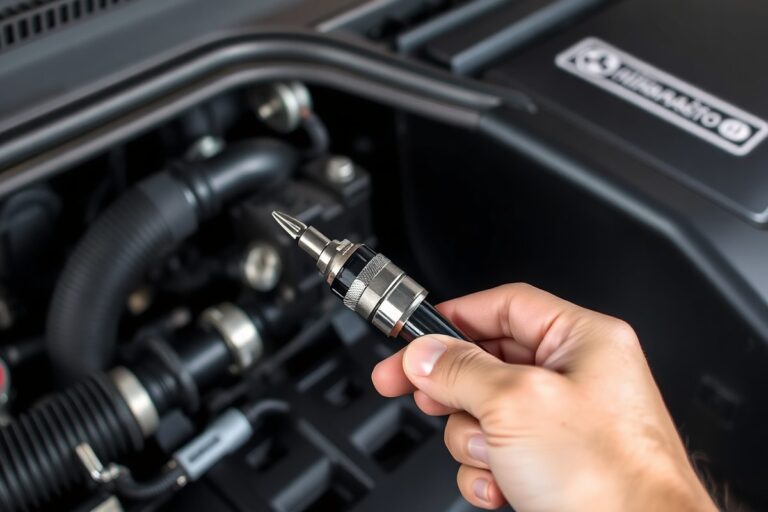
To check if your TPMS sensors need replacement, watch for consistent warning alerts or irregular tire pressure readings. Your glove box or owner’s manual will guide you on sensor type and replacements. For cost savings, some owners buy sensors online and do the swap themselves using a TPMS programming tool, which usually costs around $50. If you prefer safety and warranty coverage, a Jeep dealership or certified mechanic can replace and program the sensors properly in about an hour.
Besides TPMS sensor failure, owners also report symptoms like occasional false warnings or no warning at all when tire pressure actually drops, signaling sensor communication problems. This inconsistency means relying solely on the warning light isn’t enough, perform manual tire pressure checks regularly, especially before long trips or heavy towing. These steps reduce the chance of encountering unsafe driving conditions caused by unnoticed tire issues.
Steering System Issues and Their Impact on Safety
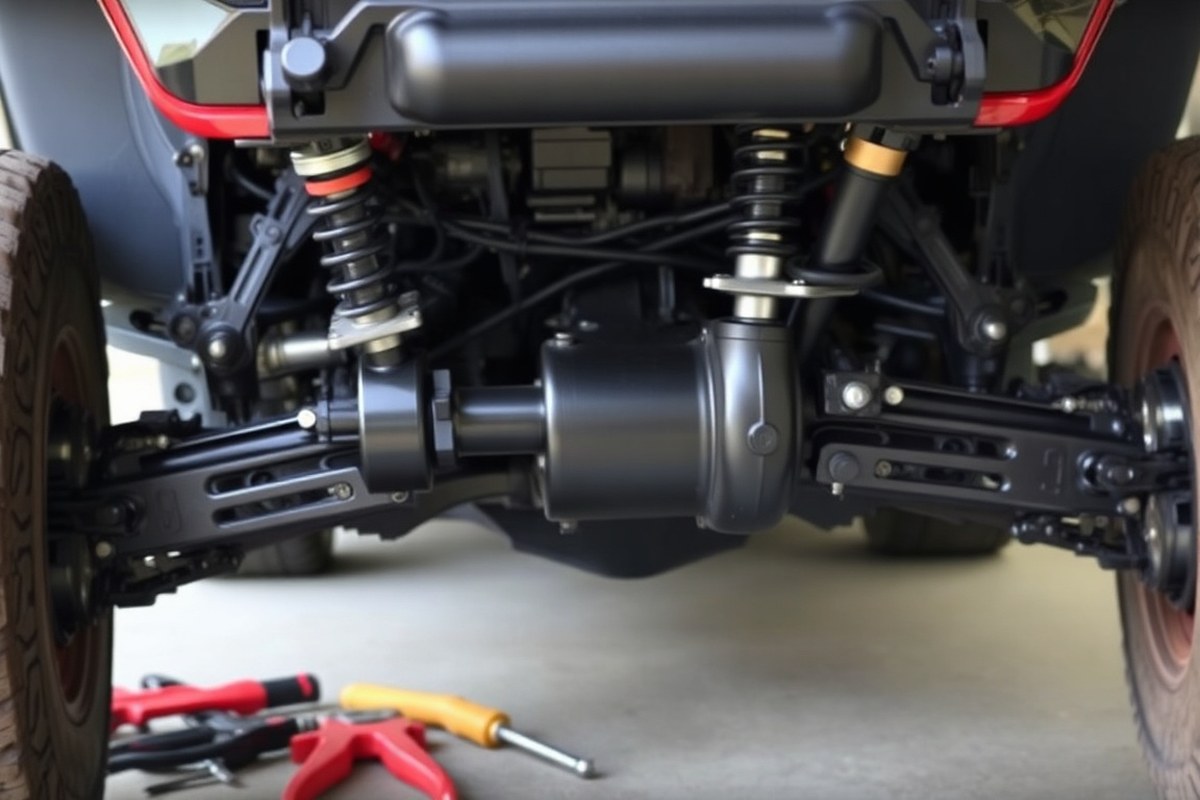
Steering system issues in Jeep Gladiators, especially models from 2020 to 2023, frequently involve loose steering feel and front-end vibrations. These problems can compromise control and vehicle safety if not addressed promptly. Owners should monitor early signs and perform regular inspections to prevent serious consequences.
Common Steering Symptoms to Watch For
You might notice the steering wheel feels loose or requires excessive effort to hold straight. Front-end vibration during driving, particularly at highway speeds, is another common sign. These symptoms often appear in early production Gladiators, where steering dampers or electric hydraulic power steering components were prone to wear or electrical faults.
Persistent vibrations or looseness in steering can lead to unpredictable vehicle handling and increase the risk of accidents. Some drivers report a noticeable wobble that worsens over several thousand miles. Watch for uneven tire wear as an indirect indication that the steering alignment or suspension parts might be failing.
Recommended Inspection and Maintenance Steps
Start by visually inspecting your steering assembly, including tie rods, ball joints, and the steering damper, for any looseness or damage. Check your vehicle’s front-end alignment, as misalignment causes or worsens vibrations. Use the 2024 Jeep Gladiator inspection checklist for detailed, model-specific guidelines when assessing components.
Consider monitoring electrical connections at the electric hydraulic power steering (EHPS) pump, especially on 2021, 2023 models. High resistance in these connections can cause overheating and failure. Dealerships often offer updated parts and alignment procedures that address these known problems under recall or service bulletins. Replacing worn steering dampers and repairing hydraulic lines typically costs between $300 and $700, depending on parts and labor.
When to Seek Professional Repair
Professional service is necessary if you experience persistent steering looseness, noticeable vibrations at normal driving speeds, or any unusual noises like clunks when turning. Also, address any steering wheel play beyond 1 inch, as this can indicate critical joint or linkage wear. These conditions pose serious safety risks because they affect your ability to control the vehicle in emergencies.
Recalls and technical service bulletins for 2021, 2023 Gladiators address some steering pump electrical faults. Should you observe warning lights related to steering or adaptive cruise control malfunctioning, schedule a dealer inspection immediately. Prompt repairs often restore proper steering feel and ensure safety without extensive costs or downtime.
Check your Gladiator’s steering feel regularly and respond quickly to looseness or vibration, delays can lead to costly damage and greater safety risks.
Electrical and Sensor Failures in Jeep Gladiators
Electrical and sensor failures are a common concern for Jeep Gladiator owners, especially with components like the instrument panel cluster (IPC), tire pressure monitoring system (TPMS) sensors, and infotainment modules. These issues can lead to warning lights, incorrect readings, or malfunctioning electronics that impact your driving experience and safety. Understanding the typical faults and repair options helps you address problems efficiently without unnecessary expense.
Frequent Electrical Components That Fail
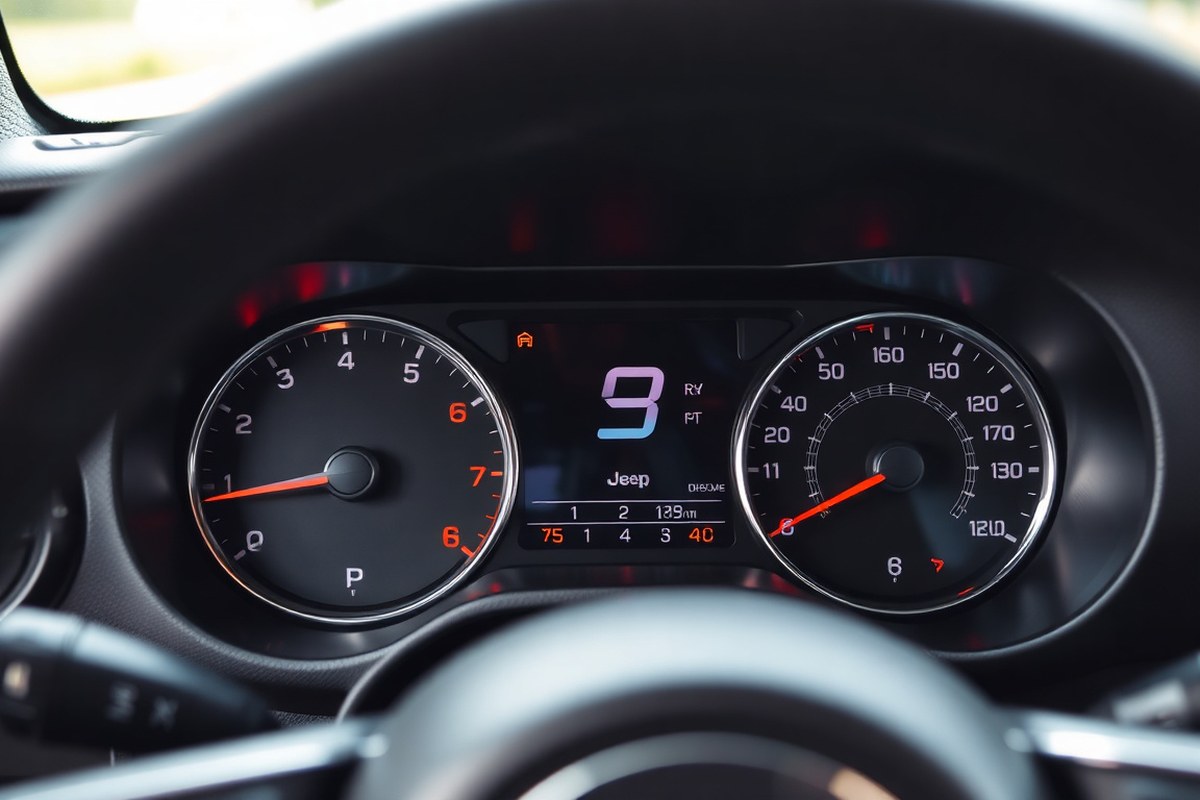
The 3.5-inch instrument cluster display on 2020-2024 Jeep Gladiators is prone to failure due to a faulty circuit board manufactured by Marelli. This internal short causes the display to malfunction or go dark, affecting your ability to read critical vehicle information. Another common issue involves the electronic locking rear differential on Rubicon and Mojave models, which can fail to engage or disengage properly, leading to drivability concerns.
Infotainment systems also experience failures, often requiring module replacement. These faults manifest as frozen screens, lagging responses, or loss of features like navigation and audio control. Electrical diagnostic testing by a certified technician typically costs between $150 and $250 and helps pinpoint the exact cause of these faults before undertaking costly repairs.
Symptoms and Diagnosis of TPMS Sensor Failures
TPMS sensors in Jeep Gladiators are mounted on valve stems and are known to fail periodically, especially on models built before and after the June 7, 2021 supplier change. Failures result in inaccurate or missing tire pressure readings, triggering dashboard warning lights. You might notice the TPMS warning light blinking or staying on continuously, which can make it difficult to monitor tire safety properly.
Diagnosing a failed TPMS sensor requires a scan to confirm the sensor part number and build date compatibility, since early and late-build Gladiators need different sensors. Replacement sensors range from about $100 to $150 each, depending on supplier and installation. Accurate sensor matching is essential to prevent repeated failures and ensure reliable tire pressure data.
Affordable Repair and Replacement Options
Replacing the instrument panel cluster at a dealership can cost between $500 and $1,200, but circuit board repair shops offer refurbishment for about $200 to $400. This is a viable alternative if you want to avoid a full module replacement. Infotainment module replacements are more expensive, ranging from $1,200 to $2,000, so software updates or diagnostics should be performed first to rule out simpler fixes.
TPMS sensor replacement is straightforward but requires purchasing the correct sensor based on your Gladiator’s build date. Dealers typically charge anywhere from $300 to $600 for auxiliary battery replacement if needed, which can also affect electrical component performance. Keeping software up to date with steering or module updates, costing around $150 to $300, can help prevent some electrical glitches before they become serious.
Engine Concerns: Gas V6 vs. EcoDiesel Problem Comparison
The 3.0L EcoDiesel and 3.6L Pentastar gas V6 engines in the Jeep Gladiator differ notably in common engine-related issues. The EcoDiesel, with its additional emissions and fuel system complexity, tends to face more potential problems. Key concerns include the Bosch CP4.2 high-pressure fuel pump, which depends on diesel fuel for adequate lubrication of its roller-lifter cam followers. Failure of this pump can cause major engine damage. Another frequent issue is the exhaust gas recirculation (EGR) cooler cracking internally, leading to coolant leaking into the exhaust stream. Both failures are linked to the EcoDiesel’s emissions control systems, which require careful maintenance and timely repairs to avoid costly breakdowns.
In contrast, the 3.6L gas V6 features fewer complex components and is generally regarded as more reliable. However, it is not without issues. The gas engine’s oil filter and engine oil cooler are housed together in a plastic assembly located between the cylinder banks. This design sometimes leads to leaks or failures, especially with aging vehicles. Despite not matching the EcoDiesel’s torque or fuel efficiency, the gas V6 is less prone to the specialized emissions and fuel system failures that plague the EcoDiesel. For those prioritizing lower maintenance complexity and overall durability, the gas model is usually a safer choice.
Proper maintenance is essential for both engines but varies with their designs. The EcoDiesel demands diligent attention to its diesel particulate filter (DPF), diesel exhaust fluid (DEF) levels, and regular replacement of the fuel filter to protect the high-pressure pump. Using high-quality diesel fuel and avoiding extended low-fuel conditions help preserve the fuel pump’s delicate components. This type of service can cost several hundred dollars annually, depending on local diesel fuel quality and driving conditions.
The gas V6’s maintenance focus is more traditional: timely oil changes with the correct synthetic oil, inspection of the plastic oil cooler housing, and coolant system care to prevent leaks near the valley mount. Oil changes every 6,000 to 8,000 miles are typical, with coolant flushes at manufacturer intervals to reduce risks of overheating or corrosion. These routines are less expensive and simpler than the tasks required for the EcoDiesel’s after-treatment components.
Visually comparing the two, the EcoDiesel’s advanced emissions gear and high-pressure fuel pump add weight and complexity but offer more torque and better fuel economy during towing or trail conditions. The gas V6 remains a strong, reliable choice with easier upkeep, although it does not provide the same low-RPM torque control. For example, the EcoDiesel’s torque output exceeds the gas V6 despite the latter having slightly higher maximum towing ratings on paper, mainly limited by intercooler cooling rather than engine power.
If you own or plan to buy a Jeep Gladiator equipped with the 3.0L EcoDiesel, stay vigilant about symptoms like coolant contamination in the exhaust, rough running, or fuel system noises. Regular diagnostics and fuel system inspections can catch early signs of high-pressure pump wear or EGR cooler leaks. Gas V6 owners should monitor oil filter housing integrity during routine service visits and avoid extended high-load operations without proper cooling. Understanding the unique challenges of each engine type will help you maintain your Gladiator effectively and reduce the risk of unexpected repairs.
Transmission and Drivetrain Problems Explained
Owners of Jeep Gladiators equipped with the 6-speed manual transmission should watch for clutch-related issues. From 2020 through 2023, some vehicles have exhibited overheating of the clutch pressure plate, which can lead to fractures that crack the transmission case itself. This is a serious mechanical failure requiring transmission removal and case repair or replacement to restore functionality. The hydraulic system controlling the clutch can also fail prematurely, causing engagement problems and requiring replacement of clutch master and slave cylinders.
The 6-speed manual transmission issues led to recalls targeting models in this range. Checking that all recall work is complete on any used Gladiator you consider will reduce the risk of encountering these faults. The 2023 Gladiator with a 3.6L V6 paired to an automatic transmission is seen as the most reliable configuration. This setup avoids manual clutch components entirely and comes with fewer common drivetrain complaints.
Transmission repairs on Gladiators facing these faults tend to be complex and costly. Overheating damage to the pressure plate and transmission case necessitates skilled labor to remove, inspect, and either repair or replace parts inside the transmission housing. Labor time alone can be 10 to 15 hours, with parts costs running into the thousands when a new case or clutch assembly is needed. Hydraulic clutch repairs are less expensive but still require bleeding the system carefully and sometimes replacing multiple components to ensure smooth clutch operation.
Vibration felt through the drivetrain while driving can signal early transmission or clutch problems. It’s wise to address these promptly as continued use can worsen internal damage. For a Gladiator with a manual transmission, check for signs like unusual clutch pedal feel, slipping during acceleration, or grinding noises. Also, examine service records for clutch or transmission repairs and recent recall fixes.
One practical approach if you notice symptoms is to limit stressful driving conditions, like towing or steep off-road climbs, that cause excess heat buildup in the clutch. Regularly check and maintain the clutch hydraulic fluid and ensure the system is free of leaks. If problems persist or escalate, seek diagnosis by a technician experienced with Jeep manual transmissions to avoid costly damage.
Verify completion of all recalls on a used Gladiator, especially those affecting the 6-speed manual transmission, to prevent overheating clutch failures and transmission case damage.
Popular Jeep Gladiator Model Years: Reliability and Warnings
The Jeep Gladiator’s reliability varies significantly by model year, which is key when deciding which used model to buy. Among the earliest model years, the 2020 Gladiator stands out as less reliable compared to its peers. Consumer Reports confirms that the 2020 model faces more issues than other vehicles launched that year, suggesting potential buyers approach it cautiously.
The following table summarizes the volume of complaints and recall campaigns reported to the National Highway Traffic Safety Administration (NHTSA) for Gladiators from 2020 through 2024. This data helps identify which years have shown more problems and which might be safer choices for a used SUV purchase.
| Model Year | NHTSA Complaints | Recall Campaigns | Notable Issues |
|---|---|---|---|
| 2020 | High | Multiple | Lower overall reliability, more issues reported |
| 2021 | High | Moderate | Significant complaint volume |
| 2022 | High | Moderate | Continued improve complaints |
| 2023 | Moderate | Low | Fewer complaints, some improvements |
| 2024 | 13 | 1 | Updated design; low complaint rates but new model |
The 2024 Gladiator includes notable updates that appear to reduce common issues, as reflected in its low complaint volume of 13 and only one recall. However, because it is a newer model, long-term reliability data remains limited. The 2024 also has two reported engine fire incidents, which should be considered by buyers focused on safety.
When choosing between the 2023 and 2024 Gladiator, the 2024 offers the benefit of recent improvements and a generally cleaner record so far. Yet, it often comes at a higher used market price and lacks an extensive history to confirm durability. The 2023 year has fewer complaints relative to the early years and may balance cost with known reliability better for some buyers.
In terms of decision making, you can apply this simple rule: Avoid Gladiators from 2020 through 2022 if possible due to consistently high complaints. For those prioritizing newer features and fewer reported problems, target a 2023 or 2024 model but balance that against higher prices and unproven long-term performance. Checking ongoing NHTSA reports and recall updates before purchase ensures you remain informed about any emerging issues.
Typical Repair Costs and Timeframes for Gladiator Issues
Repair costs for Jeep Gladiator issues can range widely depending on the problem’s nature and extent. Steering repairs, specifically addressing the death wobble or steering shimmy, often run between $200 and $1,500. Electrical and engine repairs also vary significantly, with simpler fixes like software updates being less costly but hardware replacements reaching several thousand dollars. Labor times differ according to the component involved and whether it’s a DIY project or requires professional intervention.
Steering system repairs are time-consuming because they often involve diagnosing multiple components like power steering pumps, racks, and hoses to trace the source of shimmy or wobbling. A professional job can take between 3 and 6 hours depending on part availability. For instance, power steering pump replacements typically require about 4 hours under the hood. Electrical system repairs such as alternator or starter replacement might take 2 to 4 hours, while engine gasket repairs can extend beyond 6 hours due to their complexity. Diagnostic time often adds an hour or more, especially when software updates or multiple sensors are involved.
You can reduce repair costs with DIY efforts if comfortable and equipped to follow step-by-step maintenance guides from reliable sources like Au7o. These guides help address minor electrical quirks or replace consumable parts like ignition components. However, tackling steering or engine repairs without proper tools and experience risks incomplete fixes or worsening damage, leading to higher expenses later. Professional mechanics, while expensive, provide the expertise, warranty on repairs, and proper calibration or testing after work.
| Component | Share of Complaints | Reported Filings | Crashes | Parts Availability |
|---|---|---|---|---|
| Electrical system (alternators, starters, ignition) | 183 | 0 | 0 | Shop all electrical system parts |
| Steering (power steering pumps, racks, hoses) | 181 | 2 | 2 | Shop all steering parts |
| Powertrain and transmission parts | 55 | 2 | 2 | Shop all powertrain and transmission parts |
| Engine (gaskets and seals) | 45 | 1 | 1 | Shop all engine parts |
Typical repair expenses depend heavily on whether repairs involve software updates or hardware replacement. Software updates usually cost less than $200 total but still need authorized diagnostic tools. Hardware fixes require parts plus labor, pushing costs upwards. After warranty expiration, expect to pay full diagnostic fees upwards of $100 to $150 per hour. Having complete service records can help you prioritize repairs and negotiate prices.
Prioritize repairs based on safety impact and symptoms. For example, if you experience steering shimmy, address it quickly to avoid accidents, even if that means paying for professional repair. For minor electrical faults with no safety implications, a DIY fix or delayed service might be reasonable. Use the table above to identify which systems have the most complaints, and ask your mechanic or parts supplier about availability to avoid delays. Planning repairs during regular maintenance intervals also reduces total labor costs.
Maintenance and Upgrades to Improve Gladiator Reliability
Maintaining your Jeep Gladiator properly and applying key upgrades can reduce common issues and extend its lifespan. Following a regular service schedule prevents wear and corrosion, while specific upgrades address known weaknesses in steering and diesel systems. Adjusting maintenance routines based on climate and driving style ensures your Gladiator stays reliable under varied conditions.
Essential Regular Maintenance Tasks
Stick to the manufacturer’s recommended maintenance schedule, which typically includes oil and filter changes every 6,000 miles or 6 months, whichever comes first. This protects the engine and transmission from premature wear. Regular inspections of brake pads, tires, and suspension components prevent small faults from turning into costly repairs.
Since the Gladiator frame can develop corrosion, especially in northern areas using road salt, it’s important to check for rust at weld seams and joints during routine services. Washing the undercarriage regularly helps remove salt and mud. Applying a rust protection service, like Krown, annually costs between $150 and $250 but can greatly extend frame life.
- Perform oil and filter changes every 6,000 miles or 6 months
- Inspect brake pads and tire tread regularly
- Check suspension and steering components for wear
- Wash the undercarriage in winter to remove salt and grime
- Apply annual rust protection service in northern climates
- Replace air filters every 15,000 to 30,000 miles
- Use a diesel additive with every fill if driving an EcoDiesel
Routine lubrication of the drivetrain, especially the front axle and u-joints, prevents premature failure. Quality fluids and filters play a key role; always use OEM or approved parts to avoid voiding warranties. Track your service dates for each item to stay ahead of potential problems.
Recommended Upgrades for Known Issues
The Rubicon trim’s electronic front sway bar disconnect motor sits low and is exposed to water and mud. Applying a protective cover or shield can reduce damage risk and keep the system functioning longer. Skilled installers can fabricate or fit aftermarket guards for under $100.
Diesel Gladiator owners benefit from diesel fuel system upgrades that improve reliability. Adding a lubricity-improving diesel additive at every fill fights the CP3 fuel pump issues. For a longer-term fix, installing a CP3 conversion kit or a filter upgrade kit helps avoid catastrophic fuel system failures. These upgrades can cost between $500 and $1,200 but improve performance and reduce repair risks. Note that modifications may affect manufacturer warranties.
Protect vulnerable components like the front sway bar disconnect motor with aftermarket shields to prevent water and mud damage.
Adjusting Care for Different Climates and Uses
Cold, snowy climates increase the risk of frame corrosion due to salt exposure, so schedule rust protection applications yearly and increase washing frequency in winter months. In hot or dusty regions, replace air filters more frequently and check cooling system hoses and thermostats to prevent overheating.
Driving off-road or in mud requires more frequent inspections of suspension and drivetrain parts due to extra strain and debris. Clean and lubricate pivot points like control arms, track bars, and steering linkages every few thousand miles to maintain smooth operation. On-road highway use primarily demands timely oil changes and brake checks based on mileage. Climate and habit checklist:
- Northern climates: annual rust protection and undercarriage washes every 2 weeks in winter
- Dusty environments: air filter changes every 10,000 miles or sooner
- Off-roading: inspect suspension and driveline every 3,000 to 5,000 miles
- Highway use: stick to oil and brake service intervals without acceleration
Taking these extra steps based on where and how you use your Gladiator extends component life and improve reliability.
Step-by-Step Action Plan to Manage Common Jeep Gladiator Problems
Follow these steps to identify and address the most frequent issues with your Jeep Gladiator and improve its reliability.
- Before purchase: Research Gladiator model years with fewer reported problems to make an informed buying decision.
- Day 1: Perform a thorough visual and functional check of steering components and electronic sensors to catch early signs of wear or failure.
- First week: Schedule a diagnostic scan to identify any electrical or sensor-related trouble codes affecting your vehicle’s performance.
- Within one month: Arrange an oil and transmission fluid change to support engine health, especially if you have the EcoDiesel engine.
- After 2 months: Inspect the drivetrain for unusual noises or shifting problems; address these promptly with a qualified mechanic.
- Every 6 months: Perform regular maintenance checks on steering and suspension components to prevent safety hazards.
- Annually: Update software and firmware for onboard electronics at a dealership to minimize sensor failures and glitches.
Frequently Asked Questions
What Is the Most Common Problem with the Jeep Gladiator?
The most common problem with the Jeep Gladiator is premature failure of the Tire Pressure Monitoring System (TPMS) sensors, typically occurring within 2-3 years. This problem affects many 2020-2025 Gladiator models and frequently triggers warning lights on the dashboard, which often means the sensors need to be replaced.
Which Year Jeep Gladiator Should I Avoid?
The 2020 Jeep Gladiator is considered the least reliable and most problematic model year, with frequent steering system failures and lower reliability compared to other cars from the same year. Avoid this year if possible when shopping for a used Gladiator.
What Is the Most Reliable Year for the Jeep Gladiator?
The 2023 Jeep Gladiator stands out for its reliability due to ongoing production upgrades, a well-tested 3.6L V6 engine, and strong safety scores. It has fewer breakdowns and recalls than earlier model years.
Why Are Jeep Gladiators Not Selling Well?
Jeep Gladiators face slower sales mainly due to their higher price compared to competitors and niche appeal as a midsize pickup. Some buyers prefer more established truck brands, limiting Gladiator’s market share despite its off-road reputation.
Are Jeep Gladiators Worth Buying?
Jeep Gladiators are worth buying if you want a capable off-road midsize pickup with unique styling and versatility. Check model years carefully to avoid early issues, especially steering problems on 2020 models, and plan for typical repair costs.
Do Jeep Gladiators Have Problems with Transmission?
Yes, Gladiators with the 6-speed manual transmission often experience premature clutch hydraulic system failures, requiring repairs that can be costly and inconvenient. This is mainly seen in 2020-2025 models.
Before You Go
The most common problem with the Jeep Gladiator involves a mix of steering system wear and electrical sensor failures, which can affect safety and drivability. Taking timely action through inspections and maintenance helps you avoid costly repairs and ensures your truck stays reliable. Start by checking the steering and electronic systems on your vehicle soon to catch any issues early.