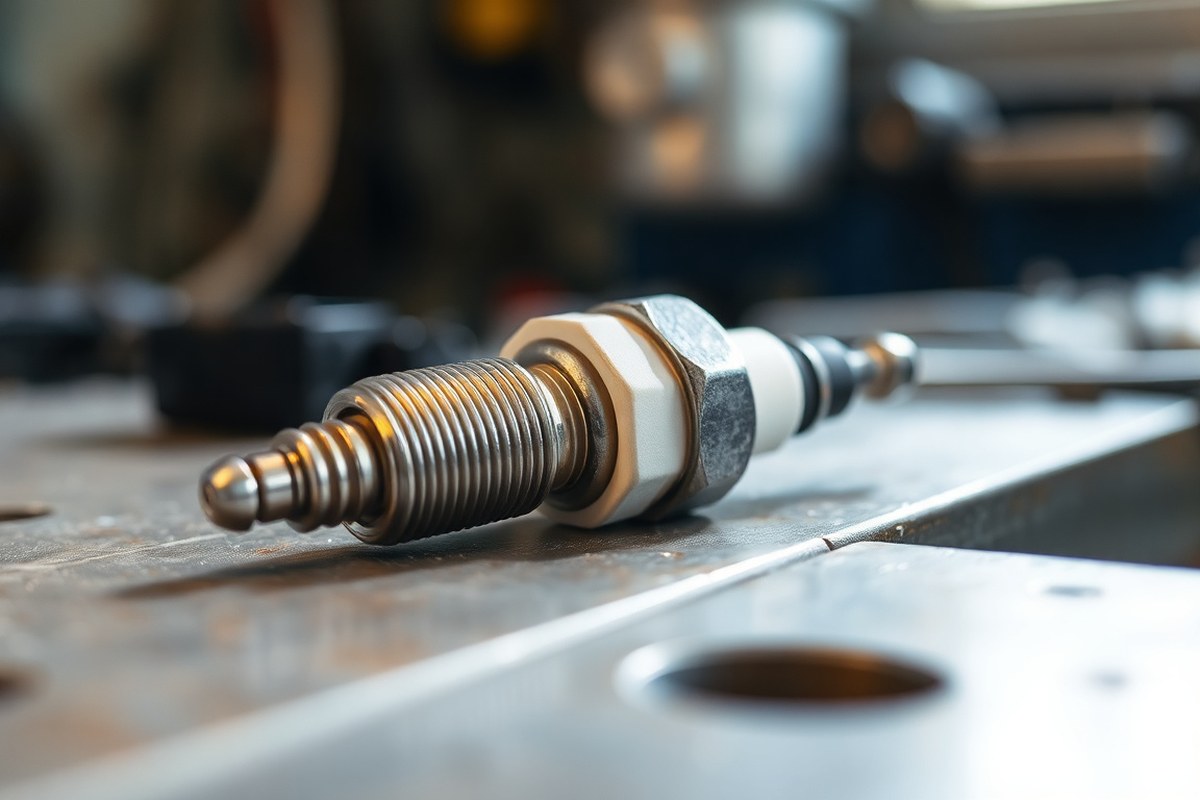
What Are Spark Plugs Made of? Materials That Affect Lifespan & Performance
What are spark plugs made of? Spark plugs combine metal electrodes, commonly copper, platinum, or iridium, with a ceramic insulator to handle extreme heat and wear. Each material affects the spark plug’s lifespan and engine performance, making material choice key for reliable ignition. Start by identifying your vehicle’s engine type to match the ideal plug material for efficiency and durability.
Key Takeaways
- Copper spark plugs wear fastest and need replacement every 20,000 to 30,000 miles due to their softer metal composition.
- Platinum plugs last longer, around 60,000 miles, thanks to precious metal tips that resist erosion under high voltage.
- Iridium spark plugs offer the longest lifespan, up to 100,000 miles, with a harder electrode that withstands extreme conditions.
- Ceramic insulators provide electrical insulation and can endure temperatures between 932 and 1,472 °F to protect spark plug integrity.
- Adjusting the gap on platinum or iridium plugs risks damaging electrodes, so avoid gap changes on these premium types.
- Using anti-seize compounds on spark plug threads can alter torque by 20 percent and increase risk of thread damage.
What Materials Are Spark Plugs Made Of?
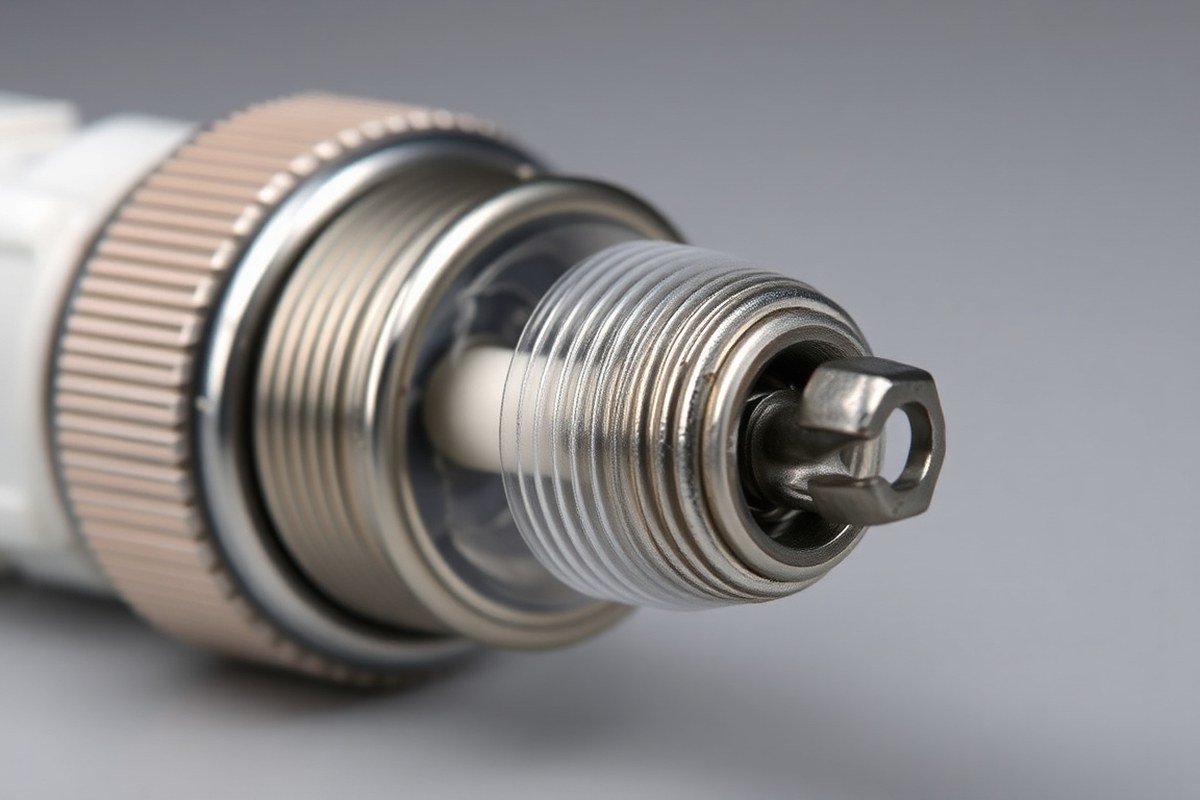
Spark plugs mainly consist of three key materials: metal, ceramic, and glass. The insulator, which isolates the center electrode from the outer shell, is typically made from a single ceramic piece composed of aluminum oxide. This ceramic type has largely replaced porcelain, which was common in older spark plugs, because aluminum oxide offers greater heat resistance and electrical insulation, essential under combustion chamber temperatures that can reach up to 4,500 degrees Fahrenheit.
The metal shell of the spark plug is usually constructed from steel wire. For automotive applications, this shell provides the threaded section that screws into the engine’s cylinder head. In marine spark plugs, the shell receives an additional double-dipped zinc-chromate coating to resist corrosion, critical in humid or aquatic environments. The shell also helps dissipate heat from the combustion chamber, contributing to the spark plug’s overall durability.
Electrodes, where the ignition spark jumps, are made from metals selected for their conductivity and heat resistance. Standard plugs commonly use high-nickel alloys for electrodes due to their cost-effectiveness and ability to handle the high temperatures and electrical loads they face. However, premium spark plugs incorporate precious metals such as platinum or iridium on the center and often the ground electrode. These metals provide superior wear resistance and increase the plug’s lifespan to around 100,000 miles, compared to about 20,000 miles for copper-based electrodes.
The center electrode, protruding into the combustion chamber, is usually integrated within the ceramic insulator and made from sintered aluminum oxide ceramic, but the tip, exposed to the spark, uses the metal alloy mentioned above. This design balance allows the spark plug to endure mechanical stress and prevent misfiring. The insulating ceramic is left unglazed at the tip to optimize voltage flow for reliable ignition.
Each material in a spark plug fulfills a important function: ceramic insulates and resists heat, steel provides structural integrity and heat dissipation, and the metal alloys conduct electricity and withstand electrode wear. Variations arise depending on vehicle age and engine type. For example, older vehicles that use distributor-based systems often still run copper plugs, while modern engines use fine-wire platinum or iridium types for better performance and longevity.
Price reflects these material choices, with simple copper plugs costing around $2 to $3 each, while premium platinum or iridium spark plugs typically range from $20 to $25 apiece. Choosing the right material depends on your engine’s requirements and your maintenance schedule. Using the appropriate spark plug material helps maintain engine efficiency, reduce misfires, and avoid frequent replacements.
How Spark Plug Metals Affect Performance and Lifespan
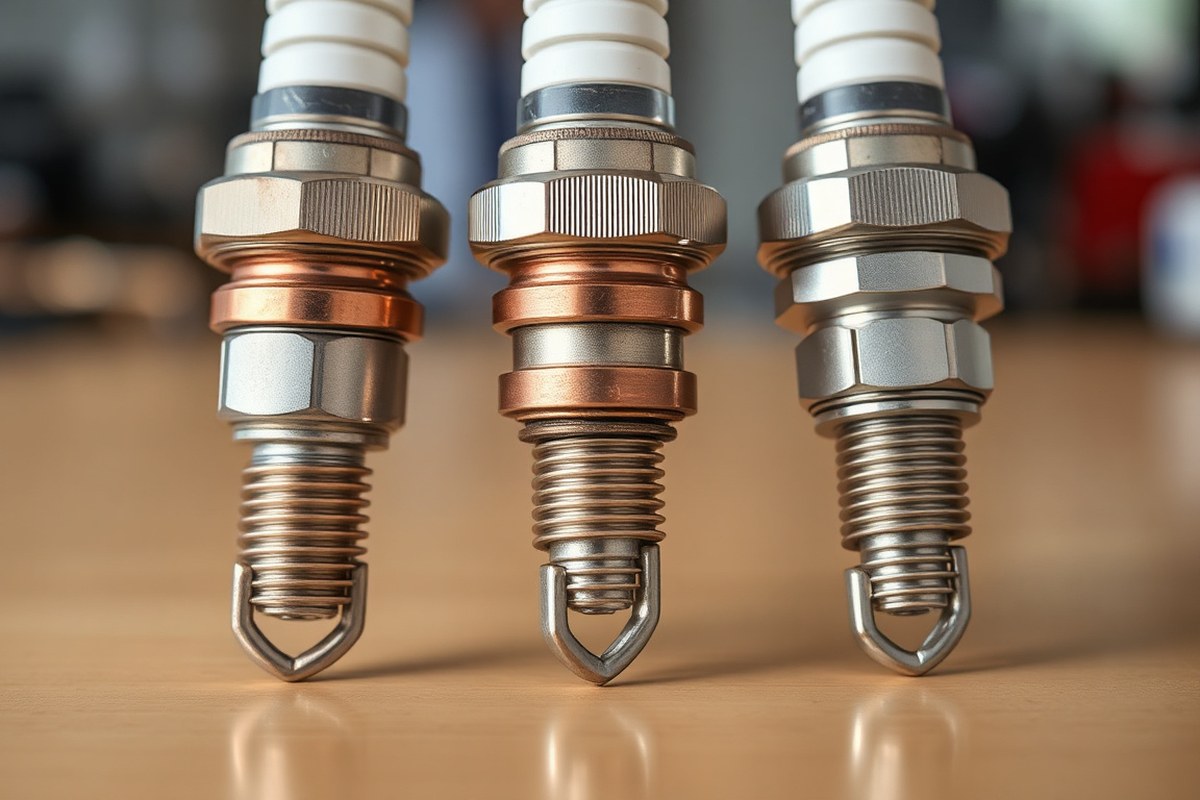
Spark plug electrode materials like copper, platinum, and iridium influence how long the plug lasts, how well it conducts electricity, and how much heat it can handle. Copper plugs typically last 20,000 to 30,000 miles, while platinum plugs extend that to 40,000 to 60,000 miles. Iridium plugs offer the longest lifespan, often exceeding 100,000 miles, but they cost more. These metals affect durability, heat tolerance, conductivity, and ultimately the plug’s performance in your engine.
Copper Electrode Characteristics and Limitations
Copper spark plugs feature a nickel-alloy tip over a copper core, which provides excellent electrical conductivity. This makes copper plugs efficient at conducting sparks, especially in older engines with lower voltage ignition systems like distributors and V8s. However, copper’s nickel alloy tip has a relatively low melting point around 1,453°C and wears down quickly under high pressure and heat inside modern combustion chambers.
This faster wear shortens copper plugs’ lifespan to about 20,000 to 30,000 miles. They are generally less expensive than precious metal plugs, making them budget-friendly for frequent replacement. Copper plugs require more regular maintenance, and their shorter lifespan means more frequent purchases and replacements compared to platinum or iridium options.
Advantages of Platinum Electrodes
Platinum electrodes offer better durability than copper due to their higher melting point of approximately 1,768°C, which allows them to resist wear caused by combustion heat and pressure. Typically, platinum spark plugs have a thinner 1.1mm platinum disc on the electrode tip, improving the spark efficiency and reducing electrode erosion.
These plugs last between 40,000 and 60,000 miles, almost doubling the service interval of copper plugs. Double platinum plugs have platinum on both the center and ground electrodes, extending their lifespan even further to 60,000 to 100,000 miles, which is ideal for waste spark ignition systems. Although platinum plugs cost more upfront, their longer lifespan and stable performance reduce overall maintenance frequency and costs.
Iridium’s Superior Durability and Cost
Iridium plugs have the smallest electrode size, typically 0.4mm to 0.6mm wire tips, which allows for a more focused and intense spark with less voltage required. Iridium’s melting point is even higher than platinum’s, providing exceptional resistance to wear and thermal stress. This property enables iridium spark plugs to last between 100,000 and 120,000 miles or more, making them the longest-lasting common option available.
The copper core found in many iridium and platinum plugs maintains excellent conductivity, while the precious metal tips prevent degradation under extreme conditions. The tradeoff is a significantly higher cost compared to copper or platinum plugs, but the reduction in replacement frequency often offsets this expense over time. Premium iridium plugs suit modern coil-on-plug ignition systems and high-performance engines where maximum durability and consistent performance matter most.
When installing spark plugs, avoid bending the ground electrode excessively to maintain the optimal spark gap and prevent premature wear regardless of the electrode material used.
Ceramic Insulators: Material and Function Explained
The white part of a spark plug, known as the insulator, is made of a special ceramic material primarily comprised of aluminum oxide. Ceramic is chosen for its ability to handle extreme heat while acting as an electrical insulator, preventing current leaks and ensuring efficient spark generation. This material allows the spark plug to function reliably under harsh engine conditions.
Composition of Aluminum Oxide Ceramic
The insulator consists mainly of aluminum oxide ceramic, a highly durable and heat-resistant material. Early spark plugs used minerals like sillimanite, but most modern insulators use aluminum oxide, whose exact composition varies by manufacturer. The ceramic is formed by pouring a liquid mixture into rubber molds, pressed into shape, and then fired at very high temperatures above 2,700 degrees Fahrenheit in a kiln to harden and strengthen it. This process creates a dense and tough insulator able to withstand the repeated stress of engine combustion.
The ceramic must maintain its shape and insulative properties after millions of combustion cycles, which can produce temperatures above 850°C, a point where lesser materials might blister. Aluminum oxide’s toughness also protects the central electrodes from degradation caused by the intense heat during engine operation.
Heat and Electrical Resistance Properties
The ceramic insulator must resist electrical current to prevent energy loss and withstand temperatures up to around 1,000 degrees Celsius with only minimal wear. This balance is important since the spark plugs receive voltage ranging from 12,000 to 25,000 volts, sometimes surging higher, to produce the spark required for ignition. The material’s high dielectric strength means it can resist these voltages without conducting electricity away from the spark gap.
Also, the insulator helps regulate heat dissipation. A spark plug labeled “hot” features an insulator that retains more heat at the tip, which aids combustion in some engine designs. However, too much heat retention can risk ceramic damage or electrode melting, so manufacturers carefully engineer the ceramic’s thickness and thermal conductivity to balance durability and performance.
Insulator Ribs and Leakage Prevention
Insulator ribs, the raised rings along the ceramic body, increase the surface distance electricity must travel around the insulator, preventing leakage or unintended arcing. While some modern spark plugs have minimized or removed these ribs thanks to improvements in ceramic dielectric strength, many still retain them for added safety margin and reliability across various engine environments.
These ribs help preserve the spark plug’s ability to withstand moisture, oil, and dirt that can cause tracking faults, especially in older or harsh operating conditions. Without these ribs, the insulator surface could allow electrical currents to take shortcuts, weakening the spark and possibly causing engine misfires or rough running.
Manufacturing Process and Material Integration
The manufacturing process of spark plugs involves precisely shaping and combining metal and ceramic parts to ensure durability and reliable performance. Each component undergoes specific forming, firing, sealing, and testing stages designed to maintain tight tolerances and prevent failure under engine conditions.
Forming Metal Shells and Electrodes
Metal parts, including the threaded shell and electrodes, start from steel or alloy rods. These rods are extruded or cold-formed into hollow shells with precise threading to fit the engine cylinder head securely. Electrodes, both center and side, are shaped with machining processes to meet strict dimensions that influence spark gap and heat transfer. Materials like nickel alloys or iridium are used for electrodes to withstand combustion temperatures and erosion.
After shaping, metal components often undergo surface treatments or coatings to improve corrosion resistance and conductivity. The shell may receive zinc or nickel plating, while electrodes get polishing or plating to reduce wear. Producing parts with exact dimensions ensures a tight fit when the spark plug seals against the engine and that the spark forms efficiently between electrodes.
Ceramic Insulator Firing and Shaping
The ceramic insulator begins as a mixture of alumina powder processed in ball mills to grind and homogenize the material batch under controlled conditions. This slurry is then shaped into a cylindrical form using cold pressing or extrusion. It is important the ceramics have uniform density to avoid cracks during firing and operation.
Once shaped, the ceramic insulator is fired at high temperatures, typically between 1,200 and 1,400 degrees Celsius, to strengthen the material. This sintering process vitrifies the ceramic, making it dense, hard, and electrically insulating. After firing, the insulator is ground to precise dimensions and surface finish to fit tightly within the metal shell, providing a gas and electrical seal.
Assembly and Sealing Under Pressure
The assembly starts with inserting the center electrode into the ceramic insulator, which must be sealed under high pressure to prevent combustion gases from leaking into the spark plug casing. This sealing is often achieved by glass or mica bonding that is heated to create a hermetic seal between the ceramic and metal electrode. Pressure testing checks the integrity of this seal before final assembly.
Next, the insulator and electrode assembly is inserted into the metal shell. The shell’s threaded end is fitted with a hollow or folded metal washer to make a single-use seal against the cylinder head. This washer slightly compresses when installed, preventing gas leaks. The side electrode is then welded or brazed onto the shell’s exterior to complete the spark gap.
Testing and Quality Control Measures
Each spark plug undergoes random sampling to ensure quality standards. Pressure tests verify that the center electrode is correctly sealed inside the insulator and that the assembly can withstand combustion pressure. Dimension inspections ensure thread size, shell length, and electrode gap conform to specifications, critical for proper engine fitment and ignition.
Producers also test electrical resistance to confirm the built-in ceramic resistor functions correctly, as this component suppresses electromagnetic interference affecting engine electronics. Additional quality checks include visual inspections for surface flaws, corrosion resistance testing for metal parts, and spark plug reading viewers to detect early wear signs. These thorough controls help maintain durability, preventing early failure from detonation or heat stress in engine operation.
Comparing Spark Plug Materials: Copper vs Platinum vs Iridium
Choosing the right spark plug material depends on your vehicle type, driving style, and budget. Copper spark plugs are the lowest cost option and excel in cooler engine conditions, offering better power in performance driving. However, they wear out quickly and are best suited for older cars designed around copper plugs. Platinum plugs handle higher temperatures better than copper, resisting buildup and lasting longer, making them a solid all-around choice if your engine requires more durability. Iridium plugs, often called the top-tier option, resist wear the best and last the longest. They fit modern engines with high-energy ignition systems, though they come at a higher price. Below is a comparison table highlighting how copper, platinum, and iridium spark plugs perform in various categories:
| Material | Cost | Lifespan (Miles) | Best Use Case | Performance Notes |
|---|---|---|---|---|
| Copper | Low | 10,000, 20,000 | Older vehicles, performance driving | Cooler operation, excellent power, wears quickly |
| Platinum | Moderate | 30,000, 60,000 | Most standard engines, longer durability | Works at higher temps, resists buildup, better lifespan |
| Iridium | High | 60,000, 120,000+ | Modern engines with high-energy ignition | Longest lasting, best wear resistance, expensive |
Copper plugs conduct heat efficiently due to the copper core but have a melting point around 1,085°C, which limits their durability under modern engine conditions. That’s why copper plugs burn out faster in new engines designed for iridium plugs and often need replacement every 10,000 miles. Platinum’s higher melting point and resistance to electrode erosion help it last two to three times longer. Iridium’s hardness allows for a smaller center electrode, reducing voltage requirements and wear, which keeps performance steady for far longer. Choosing copper can save money upfront but requires more frequent changes, while iridium suits vehicles needing low maintenance and consistent spark quality.
Tip: Always match spark plug materials to your vehicle’s manufacturer recommendations to avoid premature wear or suboptimal engine performance.
How Spark Plug Materials Influence Heat Range and Engine Compatibility
The heat range of a spark plug defines how quickly the plug transfers heat from its tip to the engine’s cylinder head. It does not generate heat but rather removes it from the combustion chamber. This thermal characteristic helps maintain optimal operating temperature at the plug’s firing end, usually between 500 and 800 degrees Celsius (932 and 1,472 degrees Fahrenheit). A plug that runs too hot may cause pre-ignition or engine knocking, while one that runs too cold can foul due to carbon deposits. Selecting a spark plug with the proper heat range is essential to balance these risks and keep your engine running efficiently.
Electrode materials influence heat conduction and deposit burn-off significantly. For example, copper core electrodes conduct heat away faster than platinum or iridium, providing a colder heat range. This characteristic can be beneficial in high-performance or high-torque engines, which generate higher combustion temperatures. Conversely, iridium and platinum electrodes retain heat longer, supporting a hotter heat range that can burn off carbon deposits effectively at lower engine loads or longer idle periods. Choosing the right material depends on your engine type, typical operating conditions, and manufacturer recommendations.
Engines that produce high torque or operate at high loads require spark plugs with a cooler heat range to prevent the electrode from overheating. Using spark plugs with copper cores or designs emphasizing heat dissipation helps avoid pre-ignition damage under these conditions. On the other hand, for engines that frequently run at lower loads or idle, plugs with iridium or platinum tips can maintain a higher tip temperature, which helps keep the spark plug free of fouling for longer intervals.
To select the correct spark plug heat range and material for your vehicle, follow the manufacturer’s specifications found in the owner’s manual or technical service information. Installing a plug with the wrong heat range may result in poor fuel efficiency, reduced power, or engine damage. When replacing spark plugs, note how your engine is driven most often. For example, highway commuters may benefit from hotter plugs that burn off deposits during steady cruise conditions, while racers or heavy-load users require cooler plugs to handle higher combustion temperatures.
Proper torque during installation also impacts heat transfer. A spark plug installed too loosely will vibrate and fail to transfer heat effectively to the cylinder head, risking overheating or fouling. Use a calibrated torque wrench and tighten plugs to the recommended torque specifications to ensure proper thermal contact and engine performance.
Common Issues and Myths About Spark Plug Materials
Spark plugs do not typically break due to their materials alone. Most common materials, such as copper, platinum, and iridium, are designed to withstand the high temperatures and pressures within an engine’s combustion chamber. Problems arise more often from improper installation, incorrect heat range choice, or contamination. For example, overtightening can damage the ceramic insulator, while using a spark plug with the wrong heat range can cause fouling or overheating, which may damage the electrode and lead to misfires.
A common misconception is that worn spark plug metals can harm the engine. While electrode wear affects ignition quality, accelerated degradation of the metal does not directly damage engine components. However, a spark plug with excessive wear or buildup can cause incomplete combustion, reducing engine efficiency and increasing emissions. This effect, if persistent, may contribute to long-term engine deposits. Routine inspection and replacement according to manufacturer intervals, often every 30,000 to 100,000 miles depending on the plug material, help maintain optimal engine performance.
Copper spark plugs often get a bad reputation, but they are not always inferior. Copper conducts electricity well and offers excellent heat transfer, which is why many high-performance or older engines use copper core plugs. The tradeoff is that copper electrodes wear faster than platinum or iridium, typically lasting around 20,000 to 30,000 miles. Platinum and iridium plugs cost more, from $10 to $20 or more each, but last significantly longer, sometimes exceeding 100,000 miles. Choosing copper plugs makes sense for vehicles requiring frequent tune-ups or where initial cost matters, while platinum or iridium suits newer cars with longer service intervals.
Some myths lead to improper spark plug use. One is that all spark plugs fit every engine. This is false because thread size, reach, and heat range vary by engine design. Using a plug with longer reach than specified can damage the piston or cylinder head, causing costly repairs. Always check your vehicle’s manual or parts catalog for exact specifications to avoid mechanical damage.
Another myth involves spark plug gap adjustment. Certain modern spark plugs come pre-gapped, especially platinum or iridium types, but copper plugs often require precise manual adjustment. Overgapping or undergapping leads to weak or inconsistent sparks. Use a feeler gauge to set the gap to the manufacturer’s recommended measurement, usually between 0.028 and 0.060 inches depending on the vehicle. Incorrect gaps cause rough idling, poor fuel economy, or failed emissions tests.
Addressing these misconceptions means you should install spark plugs suited for your engine, handle them carefully during maintenance, and replace them within recommended intervals. If unsure, consult a qualified mechanic to select and install the correct spark plug type to avoid damage or performance problems. Proper use of spark plug materials keeps your engine running smoothly and efficiently without the worry of material-induced failures.
Selecting Spark Plug Materials for Your Vehicle and Maintenance Tips
Your vehicle’s spark plug material should match your engine type, driving habits, and maintenance schedule for the best performance and durability. Copper spark plugs work well for older or less demanding engines because they conduct electricity efficiently but wear out faster, often around 20,000 to 30,000 miles. Platinum plugs offer longer life, typically 60,000 miles, making them suitable for newer vehicles or drivers who prefer less frequent replacements. Iridium spark plugs provide the longest lifespan, around 100,000 miles, and better ignition performance, ideal for performance or modern engines with tighter tolerances.
Maintenance also differs by material. Copper plugs require more frequent inspection and replacement to avoid fouling and wear. Platinum and iridium plugs last longer but still need inspection every 30,000 miles to check for deposits or electrode wear. Always follow your owner’s manual recommendations to avoid premature wear or engine misfires caused by incorrect spark plug use. Consider this checklist when selecting spark plugs:
- Consult your vehicle’s owner’s manual for recommended spark plug type and gap settings.
- Choose copper plugs for older or classic vehicles that have lower voltage ignition systems.
- Pick platinum plugs for most modern vehicles to balance cost and lifespan.
- Use iridium plugs for performance cars or newer engines requiring higher durability and efficiency.
- Match the heat range to your engine’s design and operating temperature to prevent fouling or overheating.
- Inspect plugs regularly, every 15,000 to 30,000 miles for copper, up to 60,000 for platinum, and up to 100,000 for iridium.
- Replace plugs immediately if symptoms like rough idling, engine hesitation, or poor fuel economy appear.
Using the wrong spark plug material or missing replacement intervals can cause engine damage or reduced fuel efficiency, so always prioritize your vehicle’s specifications.Pricing is a practical consideration as well. Copper plugs usually cost around $2 to $5 each, platinum plugs range from $5 to $10, and iridium plugs often cost $10 or more. Paying more upfront for iridium plugs can reduce the frequency of replacements and improve engine start consistency, which might save money over time despite higher initial costs.
You should also avoid mixing materials or using plugs from brands not recommended for your engine type. Installation must ensure the correct torque to avoid damage; over-tightening can break the plug, while under-tightening might cause poor performance or leaks.
Step-by-Step Action Plan for Choosing and Maintaining Spark Plugs
Follow these steps to pick the right spark plugs for your vehicle and keep them working well over time.
- Before your next service: Check your vehicle’s owner manual for recommended spark plug specifications to match material and heat range.
- Day 1: Inspect current spark plugs for wear signs like electrode erosion or deposits to decide if replacement is necessary.
- Within a week: Purchase spark plugs made from materials suited for your engine type, copper for older engines, platinum or iridium for modern high-performance models.
- At installation: Use the correct torque and gap setting as specified to ensure reliable performance and prevent damage.
- After 3,000, 5,000 miles: Perform a visual check for fouling or wear indicating poor combustion or material issues.
- Every 30,000, 60,000 miles: Replace spark plugs based on manufacturer recommendations or sooner if symptoms like rough idling or poor fuel economy appear.
- Keep up maintenance: Regularly check ignition system components and clean ceramic insulators if dirty to maintain efficient spark delivery.
Frequently Asked Questions
Are Spark Plugs Ceramic or Porcelain?
Most spark plugs today use a single-ceramic insulator made from aluminum oxide, though porcelain was used in older types. The ceramic insulator handles high voltage and heat better than porcelain, which is why it remains the industry standard.
What Kills Spark Plugs Quickly?
Overheating, incorrect gap settings, and poor fuel quality can shorten spark plug life. Excessive heat causes electrode wear, so use plugs with the right heat range for your engine.
Why Does a Spark Plug Break Glass?
A spark plug can break glass if it discharges near it with enough voltage, causing a spark gap jump. This happens because the spark plug generates high-voltage sparks that can arc to nearby conductive surfaces.
What Are the First Signs That My Spark Plugs Are Bad?
Early signs include rough idling, poor acceleration, and reduced fuel economy. Replacing old or fouled plugs improves engine performance and prevents misfires.
Types of Spark Plugs: Which Is Best for My Car?
Copper plugs heat up quickly but wear out faster, while platinum and iridium last longer and perform better in modern engines. Your vehicle’s manual usually recommends the best type for durability and efficiency.
What’s Inside a Spark Plug and How Do You Read It?
Inside a spark plug, you’ll find a center electrode made of metal, a ceramic insulator, and a metal shell. Reading the spark plug’s condition by looking at color and electrode wear helps diagnose engine health and tuning issues.
Key Points to Remember
The materials used to make spark plugs directly affect how well and how long they perform in your engine. Choosing the right type, copper, platinum, or iridium, depends on your vehicle’s design and your driving habits. Start by checking your owner’s manual and inspecting your current plugs, then replace them on schedule to keep your engine running smoothly and efficiently.