Is FRAM a Good Oil Filter? What Actually Works for Your Engine
Is FRAM a good oil filter? Yes, FRAM offers reliable and affordable filters, especially in their Tough Guard line, which can last 15,000 miles or more. Their Ultra Synthetic series supports longer intervals up to 10,000 miles with synthetic oil. Choosing the right FRAM filter depends on your driving habits and oil change schedule.
Key Takeaways
- FRAM Tough Guard filters balance cost and performance for typical 3,000 to 5,000-mile oil changes.
- Choose FRAM Ultra Synthetic filters for your synthetic oil changes, enabling use up to 10,000 miles or 12 months, depending on which occurs earlier.
- A clogged filter can occur before the oil change interval, potentially risking engine wear if ignored.
- FRAM filters trap about 99% of large particles and around 96% of smaller contaminants effectively.
- Premium filters may better protect engines with extended oil change intervals, towing, or severe driving conditions.
- Economy FRAM filters aren’t recommended for extended synthetic oil change intervals over 7,500 miles.
Are FRAM Oil Filters a Reliable Choice?

FRAM oil filters are considered a good quality choice for most daily driving needs. They meet recognized industry filtration standards and provide reliable engine protection. The brand offers a range of filters from budget-friendly options around $3.50 to $7, up to premium models like the Ultra Synthetic line priced between $13 and $25. This selection allows you to match performance and longevity with your driving habits and maintenance schedule.
The filtration efficiency of FRAM filters is solid, with about 99 percent effectiveness in trapping large particles and roughly 95.7 percent efficiency for smaller particles around 20 microns in size. These numbers reflect dependable engine protection during regular use. Their filter media is thinner than in some premium brands, so they might clog faster under heavy or harsh driving conditions. For normal daily driving, however, this usually isn’t a concern if you follow recommended oil change intervals.
FRAM filters can run for up to 15,000 miles or more, especially the Tough Guard model designed for everyday to moderately tough driving conditions. When using full synthetic oil and following a regular maintenance schedule, the Ultra Synthetic series allows for extended use, lasting up to 20,000 miles. Many users find these filters provide strong sealing and lasting durability close to those mileage marks. Their filter housings withstand pressures up to 300 psi, exceeding typical engine pressures to ensure reliable performance under normal driving conditions.
For everyday drivers looking for an affordable filter that’s easy to find at local stores or online, FRAM is a dependable option. Independent reviews and videos confirm that engines running FRAM filters have logged well over 200,000 miles without filter-caused issues, pointing to strong long-term reliability. Using a FRAM filter matched to your engine type and oil change schedule will give you solid engine protection and peace of mind during daily driving.
When choosing a FRAM oil filter, trust the specific model line rather than the brand as a whole. Budget models work well with regular oil changes, but if you want longer service life or drive under severe conditions, opting for their Ultra Synthetic or Tough Guard lines will provide better filtration and durability. This approach helps avoid the tradeoff of clogging early or changing filters too soon, which can add cost but ensures engine safety. FRAM oil filters offer a reliable and cost-effective option to help keep your vehicle running smoothly and extend its lifespan.
How FRAM Oil Filter Lines Differ and What They’re For
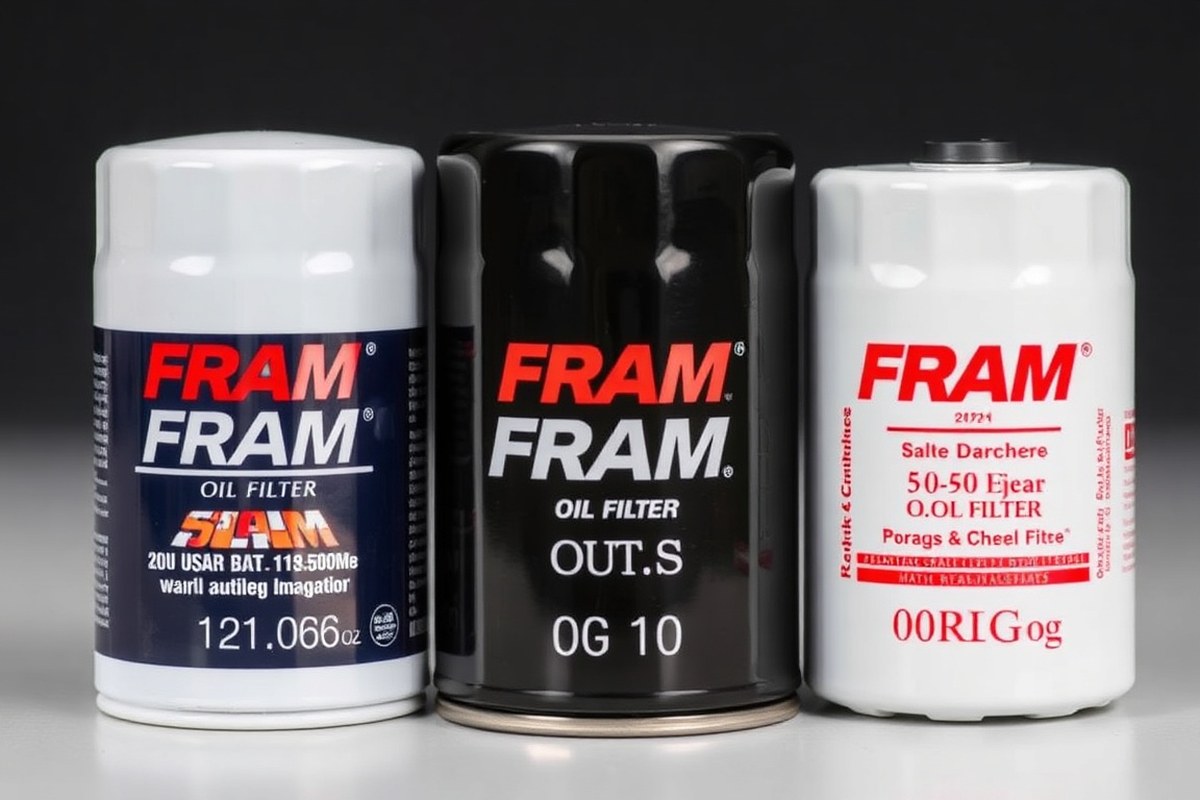
FRAM offers several oil filter lines designed to fit different oil types and driving conditions. The Extra Guard line suits conventional oil users with typical mileage intervals. Tough Guard fits drivers with mixed or heavier use needing longer service intervals, while Ultra Synthetic is best for synthetic oil users wanting maximum filtration and longer drain intervals up to 20,000 miles.
FRAM Extra Guard: Budget-Friendly Conventional Oil Filters
The FRAM Extra Guard line is engineered for conventional motor oils and normal driving conditions. Its filter media uses dual-layer resin-impregnated cellulose to provide solid contaminant protection up to around 10,000 miles. It offers a durability rating of about 3.2 out of 5 and a beta ratio indicating 98.7% debris capture efficiency at 20 microns, sufficient for everyday vehicles with frequent oil changes.
This line is an economical choice, with typical retail prices ranging from $6.49 to $11.99. It performs well in cold cranking flow, delivering 840 cc/min at -30°C, maintaining engine oil circulation during startups in cold weather. This makes Extra Guard ideal if you use conventional oil and follow oil change intervals closer to 5,000 miles.
Tough Guard: Improve Protection for Extended Use
Tough Guard targets drivers who perform mixed driving, light towing, or want longer oil change intervals up to 15,000 miles. It provides more durability and contaminant capacity than Extra Guard, accommodating heavier use while still remaining affordable, typically priced below $24. Tough Guard is the middle ground for drivers upgrading from conventional oil filters but not ready to invest in premium ultra synthetic lines.
This filter uses tougher media and improved sealing, balancing flow and filtration efficiency. It’s suited for synthetic blend oils or conventional oils when you extend your oil change intervals beyond standard recommendations without pushing them to the maximum allowed by full synthetic oils.
Ultra Synthetic: Premium Filtration for Synthetic Oils
The Ultra Synthetic line is designed for full synthetic oils and long drain intervals, rated for up to 20,000 miles. It features a synthetic nanofiber blend media combining cellulose and polyamide, delivering much higher contaminant capture efficiency with a beta ratio above 200, meaning it captures over 99.5% of particles 20 microns and larger.
This filter scores around 4.5 out of 5 on durability and performs at 1,280 cc/min for cold cranking flow at -30°C, ensuring excellent oil flow and filtration even in tough, cold climate starts. The media’s synthetic fibers and the silicone anti-drainback valve improve heat resistance and filter life, making Ultra Synthetic a solid choice for turbocharged or direct injection engines running hot or extended oil change intervals.
Prices for Ultra Synthetic filters typically range between $12.99 and $24.99, reflecting the advanced materials and performance benefits. Drivers using full synthetic oil for 10,000 miles or more and those with high-mileage engines benefit most from these filters to capture more contaminants over longer service intervals.
| FRAM Filter Line | Typical Use | Rated Protection* | Filter Media Type | Cold Cranking Flow Rate (cc/min @ -30°C) |
Beta Ratio @ 20µm | Price Tier (Typical MSRP) |
|---|---|---|---|---|---|---|
| Extra Guard (orange) | Conventional oil, normal service | Up to 10,000 miles | Resin-impregnated cellulose (dual-layer) | 840 | β20 = 75 (98.7% capture) | $6.49, $11.99 |
| Tough Guard | Mixed driving, light towing, longer drains | Up to 15,000 miles | Improved media (details vary) | , | , | Under $24 |
| Ultra Synthetic | Full synthetic oil, long drains | Up to 20,000 miles | Synthetic nanofiber blend (cellulose + polyamide) | 1,280 | β20 ≥ 200 (99.5% capture) | $12.99, $24.99 |
This table summarizes the primary differences between FRAM’s popular oil filter lines and helps clarify which option matches your vehicle’s oil, driving style, and maintenance schedule. For example, pairing Extra Guard with conventional oil and changing every 5,000 miles offers cost-effective protection. Switching to Ultra Synthetic complements full synthetic oil and longer drain intervals up to 20,000 miles.
Tip: Avoid stretching oil change intervals with an economy filter like Extra Guard; choose Tough Guard or Ultra Synthetic if you extend beyond 10,000 miles to prevent engine wear due to inadequate filtration.
How FRAM Filters Compare to Other Top Brands
FRAM oil filters generally compare well against other leading brands like Mobil 1 and Bosch, especially when you choose their higher-tier models. These premium FRAM filters offer filtration efficiency and durability similar to respected competitors, making them suitable for typical oil change intervals. The more budget-friendly FRAM options perform adequately for shorter oil change schedules, but may not last as long as premium filters when used with synthetic oils and extended intervals.
Price is a key factor in the comparison. FRAM filters usually cost less than Mobil 1 or Bosch filters of similar quality, providing an affordable option for everyday drivers. Mobil 1 filters are often priced higher, reflecting their premium materials and design intended for longer oil change intervals. Bosch falls mid-range in price but still carries a strong reputation for durability and filtration performance.
| Brand | Price Range (USD) | Filtration Efficiency | Suitability for Extended Oil Change Intervals | Durability | Typical Recommended Oil Change Interval |
|---|---|---|---|---|---|
| FRAM (Premium Lines) | $6 – $12 | Comparable to Mobil 1 and Bosch | Up to 7,500-10,000 miles with synthetic oil (some prefer 7,500 miles) | Good; sturdy design with Suregrip and sturdy gasket | 3,000 – 7,500 miles (7,500-10,000 miles possible with synthetic) |
| Mobil 1 | $10 – $20 | High filtration efficiency, premium materials | Designed for 10,000+ miles synthetic oil intervals | Very durable; premium construction | 7,500 – 10,000+ miles |
| Bosch | $7 – $15 | Strong filtration performance | Suitable for standard to extended intervals with synthetic oil | Durable; strong construction | 5,000 – 10,000 miles |
Choosing FRAM makes sense if you plan on changing your oil regularly within the factory-recommended intervals, generally between 3,000 and 7,500 miles. The thinner media in some FRAM filters means some drivers prefer changing their filter at 7,500 miles instead of the typical 10,000 miles to avoid bypass valve operation, which can reduce filtration quality. Premium lines from FRAM can handle these longer synthetic oil intervals, but if you consistently go for the longest intervals or extreme driving conditions, Mobil 1 or Bosch may offer better durability and filtration.
Daily drivers operating under normal conditions do well with FRAM, balancing cost and performance. For vehicles subjected to towing, extreme heat, or extended synthetic oil use beyond 7,500 miles, stepping up to Mobil 1 or Bosch can provide greater confidence. Always match your chosen filter to the manufacturer’s recommended specifications and oil change schedule to maintain engine protection.
How to Choose the Right FRAM Oil Filter for Your Vehicle
Selecting the right FRAM oil filter starts with knowing your engine’s oil type, your driving habits, and the vehicle’s specific needs. Matching these factors to the correct FRAM model ensures optimal filtration, engine protection, and proper service intervals. Follow a clear checklist to narrow your choices efficiently.
Identify Your Oil Type and Change Interval
First, determine the type of engine oil you use, conventional, synthetic blend, or full synthetic. FRAM oil filters are designed to work with all these oil types, but the service interval varies. For example, if you use synthetic oil and plan to change it every 7,500 to 10,000 miles, you can opt for a FRAM filter suited for extended mileage. Choosing a filter that matches your oil change schedule prevents clogging and ensures engine cleanliness.
Most FRAM filters carry mileage ratings such as 3,000, 5,000, or 10,000 miles. To interpret these ratings, pick a filter with a labeled service life at least equal to your oil change interval. This alignment means the filter will last as long as oil efficiently, avoiding premature clogging or risking engine wear.
Match Driving Habits to Filter Durability
Assess your driving conditions before selecting a FRAM oil filter. If your routine includes short trips, stop-and-go traffic, or heavy towing, your filter needs to handle higher contaminant loads and more frequent oil breakdown. In these cases, filters with more strong filtration media designed for “severe service” can extend durability and maintain flow. Choose a filter line based on how hard the engine works:
- Normal commuting with regular oil changes: Basic FRAM filters in the correct model for your vehicle usually suffice.
- Heavy-duty or commercial use: Consider FRAM Tough Guard or Ultra Synthetic lines for improve filtration and longer intervals.
- High mileage vehicles (over 75,000 miles): Use FRAM’s High Mileage filters to help protect aging engines.
- Frequent short trips under 5 miles or extreme temperatures: Opt for the most strong filter to reduce engine wear.
- Extended oil change intervals (7,500+ miles): Use filters rated for extended mileage to avoid filtration drop-off.
Filters with improve durability often cost a few dollars more upfront but can save money by maintaining engine cleanliness longer and reducing the need for earlier oil changes.
Consult Vehicle Manufacturer Recommendations
Your vehicle’s manual offers essential guidance on recommended oil types, change intervals, and filter specifications. FRAM filters come in various sizes and flow rates, so selecting a model matching OEM specifications ensures compatibility and proper engine protection.
Ignoring manufacturer recommendations risks choosing a filter with incorrect gasket size, bypass valve pressure, or filtration capacity. This can lead to leaks, poor oil flow, or insufficient contaminant removal. FRAM provides easy lookup tools by vehicle make, model, and year to find the correct filter. Always double-check this before purchase.
Adjust maintenance schedules only if your driving conditions differ significantly from factory assumptions; otherwise, follow the manual for both oil and filter changes. This alignment maximizes engine longevity and performance.
How Long Do FRAM Oil Filters Last and When to Change Them
FRAM oil filters typically last for one full oil change interval recommended by the vehicle manufacturer. Common passenger cars and trucks require oil changes every 3,000 to 7,500 miles based on the type of oil used, driving conditions, and OEM guidance. FRAM’s oil filters, especially the Ultra Synthetic line, are designed to reliably perform for these intervals and can often last up to the second oil change interval, meaning you might not need to replace the filter every oil change if you’re following synthetic oil change schedules.
The variety of FRAM filters offers options for different uses: the standard filters suit traditional oil and shorter intervals, while the Ultra Synthetic filters cater to extended oil change intervals with synthetic oil. Using FRAM Ultra Synthetic filters with synthetic oil that lasts between 7,500 and 10,000 miles or more fits many drivers’ needs for longer service intervals. However, running a FRAM filter beyond recommended intervals may reduce filtration efficiency. Over time, the filter media can clog with contaminants, restricting oil flow and potentially causing engine wear.
For high-mileage vehicles or those operating in severe conditions, changing the oil filter more frequently or choosing a higher-end filter is a safer approach. Synthetic oil and engines with higher mileage produce more contaminants, increasing strain on the filter’s capacity. In FRAM’s tested filters, silicone gaskets remain flexible enough to maintain a good seal over extended intervals, which supports their use with synthetic oil and longer oil change schedules.
To know exactly when to change your FRAM oil filter, follow the oil change interval recommended by your vehicle’s manufacturer and consult the filter packaging for specific guidelines. If you use synthetic oil with an interval beyond 7,500 miles, make sure to select FRAM’s Ultra Synthetic filters built for longer-lasting performance. Pay attention to signs like engine noise, oil pressure drops, or dirty oil, which can indicate the filter no longer performs adequately and needs replacement.
Extending oil filter changes beyond the oil change interval risks clogging and poor filtration, which may lead to increased engine wear, sludge buildup, and reduced oil life. In general, it costs very little to replace the filter at every oil change, between $5 and $15 depending on the FRAM model, compared to the possible engine repairs from poor maintenance. Proper installation also matters; a tightly sealed filter keeps contaminants out and keeps oil pressure stable over the life of the filter.
Change your oil filter at every oil change interval unless your manufacturer and filter guide specifically allow extended use; running a clogged filter risks engine damage.
Common Myths and Concerns About FRAM Oil Filters
FRAM oil filters sometimes get a bad reputation, but several common concerns don’t hold up under closer inspection. One of the biggest questions is whether FRAM filters are cheaply built or prone to leaks. FRAM filters are made with durable steel cases and quality gaskets designed to withstand typical engine pressures. While there have been occasional reports of gasket leaks or filter collapse, these incidents are quite rare considering how widely FRAM filters are used. Many of their products meet the ISO 4548-12 standard, meaning they pass rigorous quality and performance tests, including pressure and filtration efficiency. That level of certification is a good sign of solid construction and reliability.
Another myth involves how using FRAM filters might affect your vehicle’s warranty. FRAM filters do not void manufacturer warranties as long as you follow your vehicle’s recommended maintenance schedule and use an oil filter that fits your model. Some worries come from general confusion about warranty terms rather than any specific FRAM-related policy. Automotive manufacturers usually require that you use an oil filter that meets or exceeds their specifications, not necessarily a particular brand. You can safely install a FRAM filter if it matches those requirements, and keep proof of purchase in case of warranty claims.
The old “orange can” stigma is another concern that still pops up. Early FRAM filters, especially economy models, sometimes had problems with bypass valve materials such as nitrile that degraded if left in place too long or exposed to certain conditions. Economy filters built for shorter oil change intervals (around 3,000 miles) commonly use nitrile valves, which might degrade faster than higher-end filters designed for longer intervals. This has led to worries about poor filtration and potential engine damage. Today’s FRAM filters include premium lines with improved bypass valves meant for extended service intervals. A good practice is to prefill high-end filters with clean oil before installation and change them at the interval specified on the filter label or your vehicle’s manual. This step helps prevent dry starts and protects engine components immediately after installation.
In sum, occasional reports of FRAM filter issues often relate to specific models or improper use rather than a systemic quality problem. Picking the right FRAM filter line for your vehicle and following recommended maintenance steps will help you avoid most concerns. Keeping to your oil change schedule, checking the gasket seating during installation, and topping off the filter with clean oil are simple ways to reduce risk of leaks or filter bypass. For vehicles with top-mounted oil filters like certain BMW and Audi engines, installing the filter before refilling the oil is another effective tip to prevent dry starts.
Proper Installation and Maintenance Tips for FRAM Filters
Proper installation and maintenance of FRAM oil filters are key to avoiding leaks and ensuring they last as long as possible. Correct torque, lubrication, and inspection before and after installation help the filter seal properly and perform well over time.
Pre-Installation Inspection and Preparation
Check the FRAM filter for compatibility with your vehicle before installation. Confirm it fits correctly and feels well constructed to ensure it matches your engine’s needs. Avoid using filters not specifically designed for your vehicle model, as mismatched filters can cause improper sealing and premature failure.
Drain the engine oil fully before removing the old filter to reduce contamination. Clean the filter mounting surface on the engine to remove any debris or old gasket material. Having clean surfaces helps create a tight seal with the new filter gasket.
Filter Gasket Lubrication and Seating
Lubricate the rubber gasket on the FRAM filter with clean engine oil or a synthetic assembly lubricant such as Mobil 1 Synthetic Motor Oil before installation. This prevents the gasket from twisting or tearing during tightening and aids in creating a better seal. Avoid pre-filling the filter with oil, as FRAM filters are designed to fill quickly once installed and the engine is running.
Press the filter gasket lightly against the mounting surface and begin threading the filter by hand. This helps seat the gasket evenly and reduces the risk of cross-threading or damage to the filter housing. Thread the filter on until the gasket contacts the mounting surface and then tighten it following manufacturer instructions.
Torque Specifications and Post-Installation Checks
Use a torque wrench to tighten the filter to the correct specification, usually between 18 and 22 ft-lbs (24 to 30 Nm) for most passenger cars. Over-tightening can damage the gasket and cause leaks, while under-tightening may allow oil to seep out. Follow your vehicle’s or FRAM’s specific torque guidelines if available.
After installation, start the engine and let it run for a few minutes. Check carefully around the filter base for any signs of leaks. Turn off the engine and inspect the oil level on the dipstick, topping off as needed to maintain recommended oil volume. Finally, clean the area around the filter to remove any oil residue.
- Ensure filter matches vehicle specifications
- Drain oil and clean mounting surface before installation
- Lubricate gasket with clean engine oil or assembly lube
- Hand-tighten filter until gasket contacts mounting surface
- Tighten to 18, 22 ft-lbs torque with a calibrated wrench
- Run engine and check for leaks promptly after installation
- Verify and adjust oil level after filter change
Perform regular oil changes and filter replacements according to your vehicle’s schedule to reduce stress on the filter’s media and seals. Keeping oil clean and fresh helps FRAM filters maintain effective filtration and prolong engine health. Low-cost supplies like rags and brake cleaner, plus occasional torque wrench calibration, keep the installation smooth and reliable without adding significant expense.
When to Consider a Premium Filter Instead of FRAM
Choosing a premium oil filter over a standard FRAM unit makes sense when your driving demands exceed typical day-to-day use. For example, if you run synthetic oil with extended change intervals, a premium filter designed for longer service lives will better handle dust, sludge, and contaminants over those extra miles. These filters often feature higher capacity media and stronger construction, reducing the risk of bypass and ensuring clean oil circulates throughout the entire interval.
Towing, hauling, or operating a turbocharged engine increases heat and stress on your oil and filter. Heavy loads and improve temperatures generate more contaminants and accelerate oil breakdown. In such cases, filters like FRAM Ultra Synthetic or Tough Guard offer reinforced metal housings that resist deformation and filtration media thick enough to trap finer particles. This added durability helps sustain engine protection when it’s pushed hard, preventing premature wear caused by dirty oil.
Vehicles with over 100,000 miles on the odometer also benefit from premium filters. Older engines tend to produce more wear debris and sludge that a basic filter might not capture effectively. Spending roughly $5 to $10 more on a filter with strong filtration capabilities gives your aging engine a better chance to keep running clean and reduce potential damage over time. This investment typically saves money on repairs by maintaining oil cleanliness longer.
To decide whether to upgrade, first consider your driving load and oil change frequency. If your oil changes fall under 5,000 miles with conventional oil or 7,500 miles using synthetic oil, a standard FRAM filter is usually sufficient. For extended synthetic intervals of 10,000 miles and beyond, switch to a premium filter matching that lifespan. Check your vehicle’s usage: heavy payloads, frequent towing, or stop-and-go mountain driving indicate a need for a more durable oil filter. Lastly, for high-mileage engines, prioritize higher efficiency filters with media that trap smaller particles.
Installation follows the same procedures regardless of filter grade, clean the mounting surface, apply oil to the gasket, and tighten according to specs. Premium filters rarely clog or collapse under tough conditions, meaning you can rely on them to maintain oil flow and filtration efficiency without worrying about pressure loss. Expect to pay around $10 to $15 for premium FRAM models like Ultra Synthetic or Tough Guard versus $5 to $7 for standard filters, a reasonable trade-off for improve protection.
Always replace your oil filter during each oil change, especially when using extended-interval synthetic oil or towing regularly, to avoid contamination buildup and maintain engine performance.
Step-by-Step Action Plan for Using FRAM Oil Filters
Follow these steps to get the most from your FRAM oil filter and keep your engine running smoothly.
- Before installing: Identify the correct FRAM filter model for your vehicle using the owner’s manual or FRAM’s lookup tool. Confirm the fit to avoid installation issues.
- During the oil change: Replace your engine oil and install the new FRAM filter as per the manufacturer’s instructions. Check that the filter seals tightly without over-tightening.
- After installation: Start the engine and inspect for leaks around the filter. No leaks indicate proper installation.
- First 100 miles: Monitor engine performance and oil pressure. Report any unusual noises or drops in oil pressure to a mechanic immediately.
- Every 3,000 to 5,000 miles: Change the oil and replace the FRAM filter again to maintain filtration quality, especially if using conventional oil or driving under severe conditions.
- At 7,500 miles or more: Consider moving to a premium FRAM filter line if you use synthetic oils or demand higher performance for longer intervals.
- Annually or per vehicle schedule: Confirm your filter choice still matches your driving habits and oil type to ensure optimal protection.
Frequently Asked Questions
Is FRAM a Good Oil Filter for Everyday Driving?
Yes, FRAM filters, especially Tough Guard, provide reliable filtration and durability for daily use at an affordable price. They’re easy to find and designed to handle normal driving conditions well.
How Does FRAM Ultra Synthetic Perform with Synthetic Oils?
FRAM Ultra Synthetic keeps oil flowing smoothly and captures contaminants well when used with synthetic oils. This filter is suitable for oil changes up to 10,000 miles or one year, providing reliable performance for synthetic oil users.
Are There Risks to Using a Clogged FRAM Oil Filter?
Running a FRAM filter past its clogging point risks engine wear because it restricts oil flow. Changing filters early is better than waiting too long to maintain engine health.
What Should I Know About FRAM Oil Filter Pressure Ratings?
FRAM oil filters handle pressures up to 300 psi, three times the pressure most engines generate. This sturdy design helps prevent filter failure under normal or slightly stressful conditions.
Are All FRAM Oil Filter Lines Equally Good?
No, FRAM offers over 20 filter lines from budget to premium. Choose based on your vehicle and oil type rather than judging the brand by one model.
Does Using FRAM Filters Save Money in the Long Run?
They offer good value for money, balancing filtration and cost. Early changes might slightly increase service cost but protect against costly engine damage.
The Bottom Line
FRAM oil filters generally provide reliable engine protection when matched properly to your vehicle and maintenance schedule. Choosing the right FRAM filter line, following correct installation, and replacing at recommended intervals can help you avoid common issues. Start by verifying your vehicle’s filter requirements and checking for leak-free installation during your next oil change to ensure the best results from your FRAM filter.