Where Are Monroe Shocks Made? Complete Guide to Origins and Quality
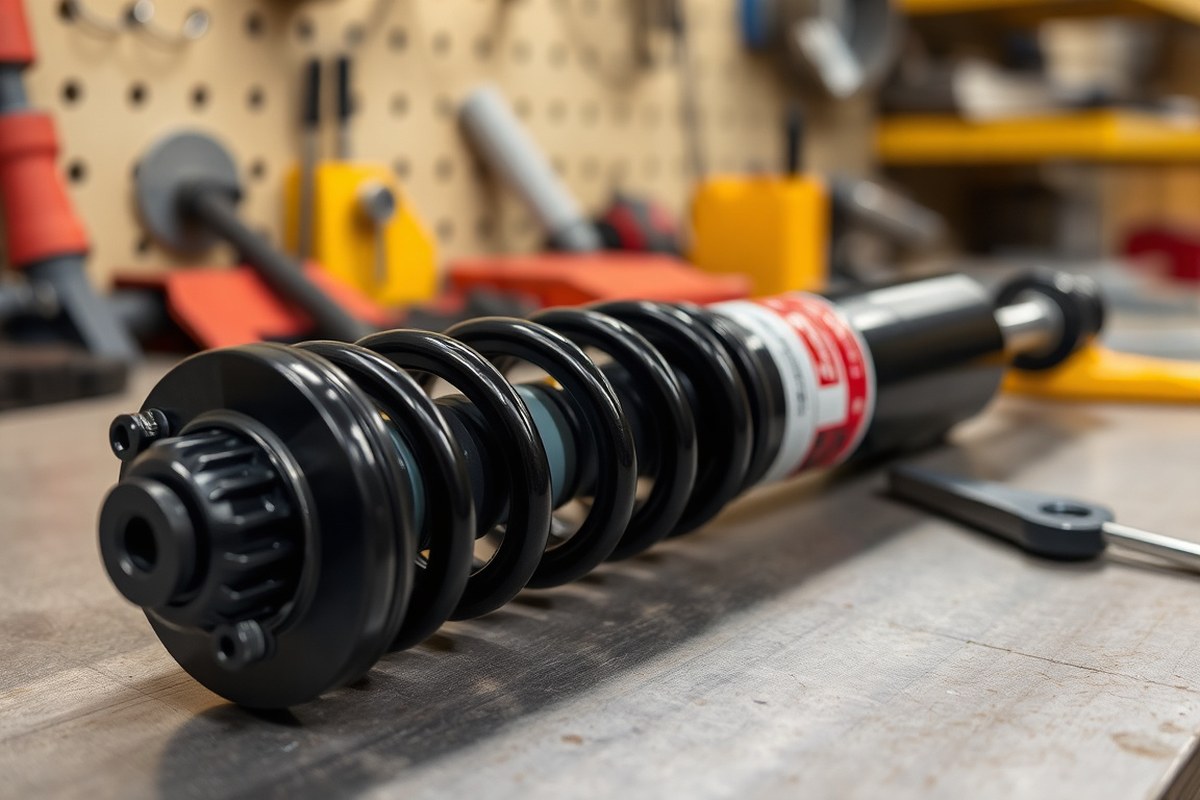
Where are Monroe shocks made is a common query among drivers focused on quality and origin. Monroe shocks are primarily manufactured in the United States, with some products also made in other countries to support global demand. Checking the product packaging or item descriptions can help confirm the origin of specific Monroe shocks you consider buying.
Key Takeaways
- Monroe is a division of Tenneco Automotive, producing shocks mainly in the U.S. With select international facilities.
- Monroe shocks often carry OE-quality fit and function from strict manufacturing standards.
- Some Monroe product lines like Sensa-Trac are confirmed to be U.S.-made for decades.
- Shipping costs and origin influence the price differences between Monroe and brands like Bilstein.
- Manufacturing location can affect durability but depends heavily on model and testing protocols.
- Look for Monroe shocks labeled with U.S. Origin for confidence in local manufacturing quality.
Where Are Monroe Shocks Manufactured?
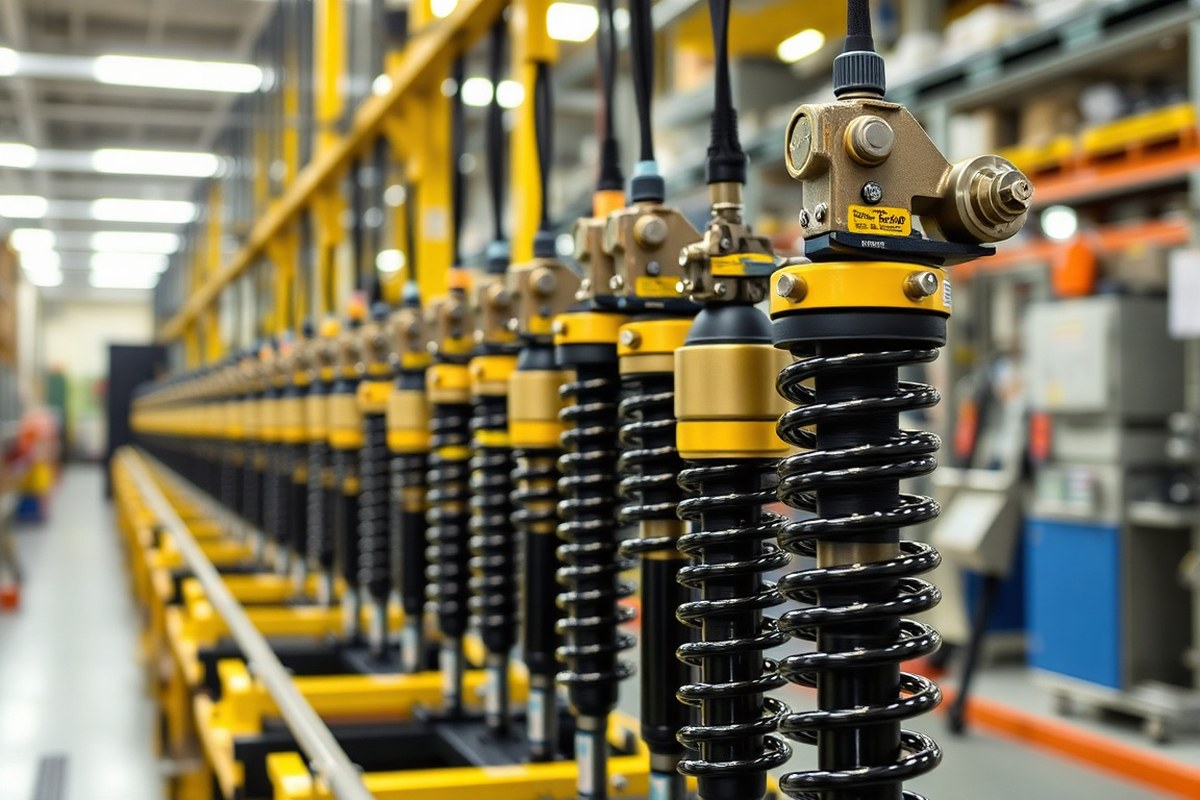
Monroe shocks are primarily manufactured in the United States, with the main production facility located in Paragould, Arkansas. This factory handles the majority of Monroe’s shock and strut assembly, including popular lines such as the Monroe Reflex shocks designed for SUVs and light trucks, as well as the OESpectrum shocks made for everyday comfort and performance. Producing shocks domestically allows Monroe to maintain stricter quality control standards and ensures consistent durability, which is important for drivers who rely on their vehicles in demanding conditions.
Besides the Arkansas plant, Monroe also has manufacturing capabilities in other countries to meet global demand. Certain product lines, especially some aftermarket shocks and struts, are manufactured overseas in regions including Mexico and China. These international facilities typically produce entry-level or value-oriented models, helping Monroe offer a wide range of price points to customers worldwide. However, the company’s higher-end offerings and shocks designed for heavy-duty applications like the Gas-Magnum line for full-size trucks and commercial vehicles are generally produced at U.S. Plants.
The presence of Monroe shocks made in China often concerns buyers concerned about quality. While Monroe does source some components or assemble lower-tier shocks there, it does not manufacture its premium product lines in China. This distinction allows consumers looking for top performance and longevity to choose shocks confidently from models made in the USA. Checking the product label or packaging for the country of origin can help you confirm where a specific Monroe shock was made.
Knowing exactly where Monroe shocks come from matters because manufacturing location can influence pricing, order lead times, and sometimes, warranty terms. Vehicles used for towing, hauling heavy loads, or navigating rough terrain benefit most from Monroe shocks made at their Arkansas facility, where production focuses on durability and performance under stress. Choosing Monroe shocks made in the U.S. Typically means paying slightly more but gaining a product built to endure harsh conditions over time.
For buyers on a tighter budget or for standard vehicles not requiring heavy-duty suspension, Monroe’s overseas-produced shocks offer a satisfactory balance of cost and quality. These international lines provide an economical option for routine OEM replacements and light-duty driving needs. Verification of the shock’s manufacturing origin is straightforward by inspecting packaging details or consulting seller information online, especially if sourced through major retailers or official distributors.
Who Owns Monroe Shocks and Their Manufacturing Facilities?

Monroe shocks are owned by Tenneco Automotive, a major global supplier specializing in ride control and emissions products. Tenneco manages and operates the manufacturing plants that produce Monroe shocks, ensuring consistent quality and access to warranty and support regardless of the factory location. Warranty terms typically remain uniform because Tenneco maintains strict standards across all its facilities.
Ownership Structure and Corporate Background
Monroe is a brand under Tenneco Automotive, which ranks as one of the world’s largest manufacturers of ride control components. Tenneco acquired Monroe to use its extensive legacy while integrating it into a broader portfolio of suspension technology. This ownership provides Monroe shocks with access to advanced engineering, global manufacturing resources, and consistent supply chain management. The consolidation under Tenneco helps standardize product development and testing protocols, so whether you buy Monroe shocks made in North America, Europe, or Asia, the performance expectations align with the brand’s reputation.
Manufacturing Facilities Controlled by Tenneco
Tenneco operates multiple manufacturing plants worldwide that produce Monroe shocks and struts. These factories are strategically located in countries with established automotive manufacturing industries, including the United States, Mexico, China, and several European nations. Each facility is equipped to meet Tenneco’s quality guidelines and production volumes needed for global distribution.
Centralized control over these plants ensures that plants use comparable raw materials, production technologies, and quality assurance procedures. This helps maintain consistent shock absorber performance and durability across markets. While the exact factory where a Monroe shock was assembled depends on your region and model, the parent company’s oversight guarantees product reliability.
Impact on Warranty and Customer Support
Tenneco offers warranties on Monroe shocks that do not vary by manufacturing location. Warranty coverage generally includes defects in materials and workmanship and can range from limited lifetime to a fixed number of years, depending on the product line. Customer support policies are also standardized through Tenneco’s global service network, which handles replacement, troubleshooting, and claims.
Because manufacturing plants operate under uniform standards, you will not face different warranty conditions due to where the shocks were made. This simplifies service and replacement if problems arise, as warranty administration is centralized. Always register your product and keep purchase documentation to take full advantage of warranty benefits.
Why Centralized Ownership Matters for Quality
Bringing Monroe shocks under Tenneco’s ownership means strict oversight throughout design, production, and testing phases. This oversight mitigates risks of inconsistent quality that might appear if different plants operated independently. It also allows Tenneco to apply its extensive testing protocols, such as endurance trials and real-world simulations, to ensure each shock meets performance claims.
Central control supports ongoing improvements in manufacturing processes, supplier materials selection, and assembly line automation. It also helps ensure that all Monroe shocks meet expected criteria for ride comfort, handling, and load capacity relevant to your vehicle.
Always check that replacement Monroe shocks come with official documentation showing Tenneco’s warranty and part numbers to avoid counterfeit or unauthorized products.
Monroe Shock Product Lines and Their Manufacturing Origins
Monroe offers a diverse range of shock absorbers, each designed to suit various vehicle types and driving conditions. Their products include OESpectrum shocks for passenger cars, Reflex and Gas-Magnum shocks for improve performance, and Max-Air alongside specialty shocks tailored mainly for trucks and SUVs. These lines are manufactured in different locations worldwide, with some produced domestically in the United States and others assembled internationally, depending on the product and intended market.
OESpectrum Shocks
OESpectrum shocks are engineered primarily for passenger cars, providing a balanced ride quality that combines comfort with control. These shocks use Monroe’s patented Reflex Technology, featuring twin-tube construction with variable orifices to adapt to different road conditions. Most OESpectrum shocks are manufactured internationally, including facilities in Mexico and China, where cost efficiencies allow Monroe to offer competitive prices without compromising basic quality standards.
The manufacturing location impacts availability and price, but generally, OESpectrum shocks maintain consistent performance suitable for everyday driving. To ensure you get genuine OESpectrum shocks, check for production codes and packaging details that indicate the assembly plant. For typical passenger vehicles, these shocks offer smooth handling and reduced road noise at a mid-range cost, around $60 to $90 per unit.
Reflex and Gas-Magnum Shocks
Reflex and Gas-Magnum shocks are designed for drivers needing improved handling and stability, often fitted on sportier cars and light trucks. Reflex shocks improve comfort and control through an advanced twin-tube design with a proprietary hydraulic valve system. Gas-Magnum shocks, on the other hand, incorporate nitrogen gas pressurization to reduce foaming, improving responsiveness under load or aggressive driving.
Many Reflex and Gas-Magnum shocks are produced in Monroe’s U.S. Manufacturing plants, combining domestic labor quality standards with advanced assembly processes. This domestic production allows better quality control and faster distribution for North American markets. The tradeoff involves higher costs, typically between $80 and $120 per shock, but these models provide better durability and performance for vehicles driven in demanding conditions or with heavier payloads.
Max-Air and Specialty Shocks
Max-Air shocks are specialized for trucks and SUVs, particularly models used in heavy-duty applications like towing or off-road driving. These shocks include an internal air bladder that adjusts to varying loads, offering extra support and preventing bottoming out. Their design caters to vehicles needing improve suspension travel and load-carrying capacity, which standard shocks can’t reliably provide.
Monroe’s Max-Air and other specialty shocks, such as hydraulic bump stops or adjustable shocks, are primarily assembled in the United States. This local production aligns with the need for rigorous quality standards required by heavy-duty use and helps Monroe maintain close control over product durability. For truck and SUV owners, investing in Max-Air shocks may cost $100 to $150 each, but the payoff lies in improved ride stability at maximum load, extended shock life, and safer handling during hard driving conditions. Using other Monroe shocks designed for lighter vehicles on trucks risks premature wear and compromised safety.
How Does Manufacturing Location Impact Monroe Shock Quality?
Monroe maintains consistent quality standards across all its manufacturing locations to ensure performance and durability. The plant location affects the production environment and local practices but does not compromise the strict testing and material specifications Monroe applies globally. Understanding how Monroe controls manufacturing quality can clarify concerns about product origin and reliability.
Standardized Quality Protocols Across Plants
Every Monroe shock absorber, regardless of its manufacturing plant, must meet identical quality standards. Monroe combines original equipment (OE) expertise with strict performance requirements to ensure each product fits precisely and functions as intended. This means plant location does not alter the core specifications for parts or assembly processes. Instead, the company employs standardized quality management systems that monitor production consistency.
The standardized protocols include incoming material inspections, precise machining tolerances, and assembly line verification. Tests such as leakage checks, damping force measurements, and endurance runs simulate real-world operating conditions. These procedures guarantee each shock absorber performs to Monroe’s OE-quality standards before shipment.
Impact of Manufacturing Environment on Product Consistency
Manufacturing plant location influences factors like workforce skills, local supply chain, and facility technology. Monroe invests in training and equipment upgrades to align each plant’s capabilities with corporate quality expectations. For example, plants with more advanced automation can reduce variability in component assembly, contributing to tighter tolerances that improve shock performance and bed-in time.
Local regulatory compliance also affects manufacturing practices. Plants adhere to environmental and safety standards that might vary by country but do not compromise product durability or function. Quality control departments continuously monitor these factors to keep performance uniform across locations.
Uniform Testing Procedures Ensure Reliability
All Monroe shocks undergo the same rigorous testing process regardless of their production site. This uniform testing includes hydraulic pressure evaluations, thermal cycling to simulate temperature extremes, and multi-thousand-cycle durability assessments. Testing replicates common driving stresses, such as pothole impacts and heat from braking systems, ensuring shocks maintain consistent damping force and structural integrity over time.
Because these evaluations follow a global standard, results remain comparable across plants. This approach eliminates variations in reliability due to location and confirms that each Monroe shock meets the expected lifespan and performance under typical vehicle operating conditions.
Addressing Concerns About Chinese Manufacturing
Monroe shocks made in China receive the same design specifications and testing scrutiny as units produced elsewhere. Manufacturing location does not inherently reduce quality since each plant uses approved raw materials and modern production techniques. Monroe’s oversight includes supplier audits and in-plant inspections to maintain transparency and adherence to standards.
Price differences often come from lower labor and overhead costs in China, not from cutting corners on quality control or material durability. The best outcome comes from buying shocks with verified provenance and authenticity to avoid counterfeit products, which can cause quality concerns unrelated to official manufacturing sites.
Consumer Role in Quality Assurance
You can confirm Monroe shock authenticity and quality by checking for original packaging, serial numbers, and product codes linked to legitimate manufacturing records. While manufacturing location alone doesn’t determine quality, proper installation and maintenance significantly impact shock life. Installing shocks to OE torque specifications, using the correct vehicle fitment, and periodic inspections help maintain performance regardless of origin.
Quality shocks from any Monroe plant typically last several years under normal driving. Ignoring installation details or using used or counterfeit parts often leads to early wear, not the manufacturing site.
How to Identify Genuine Monroe Shocks by Manufacturing Origin
Authenticating Monroe shocks by their manufacturing origin starts with examining packaging, labeling, and physical markings. Genuine Monroe shocks carry distinct indicators that reveal where they were made. Knowing these signs helps avoid counterfeit or lower-quality imitations, which can affect your vehicle’s suspension performance and safety.
Look for a clear “Made in USA” or other country of origin label on the packaging and the shock itself. Monroe adds these markings to comply with international trade laws and to inform buyers. Genuine labels are printed clearly, without smudging or misspellings. The product packaging should feature the Monroe logo with consistent fonts and colors, and a barcode or QR code that can be scanned for authenticity verification via Monroe’s official website or app.
Physical markings on the shock absorber include model numbers, batch or lot numbers, and manufacturer codes etched or stamped in permanent ink on the body of the shock. These codes often contain information about the factory location and the manufacturing date. If these markings are missing, appear sloppy, or include unusual fonts or colors, it may suggest a counterfeit product.
- Check the box for a clear Monroe logo and consistent branding colors.
- Verify the presence of a country of origin label like “Made in USA” or “Made in Mexico.”
- Scan the barcode or QR code on the packaging to confirm authenticity via Monroe’s website.
- Inspect physical markings on the shock body for model, batch, and factory codes.
- Compare price points, authentic Monroe shocks rarely sell at deeply discounted prices.
- Buy from authorized dealers or reputable online retailers to ensure genuine products.
- Request proof of purchase or authenticity paperwork if available.
For those seeking Monroe shocks specifically made in the USA, purchasing from authorized Monroe distributors or official parts dealers is important. These sellers often list the manufacturing origin clearly and provide genuine warranty coverage. Be cautious with third-party online marketplaces, as product origin and authenticity might be unclear. When buying, check dealer reviews and ask directly about the shocks’ factory of origin to confirm your needs.
Always compare the physical markings and packaging details with Monroe’s official authenticity guidelines to avoid counterfeit shocks that can compromise vehicle handling and safety.
Authenticating Monroe shocks by origin pays off by giving you confidence in their durability and performance. Paying close attention to labels, packaging details, and markings costs nothing but time, yet it can prevent costly repairs or safety risks later. Avoiding deals that seem “too good to be true” and sticking to trusted suppliers will usually guarantee genuine Monroe products made under their strict quality control.
Comparing Monroe Shocks with KYB, Bilstein, and Gabriel Origins
Comparing Monroe shocks with KYB, Bilstein, and Gabriel involves looking at where each brand manufactures its products, their reputation for quality, and their unique features. Each brand emphasizes manufacturing shock absorbers that match or exceed the quality of original equipment parts through rigorous testing. This table summarizes key differences and similarities so you can make a well-informed choice based on your vehicle’s needs and driving style.
| Brand | Primary Manufacturing Locations | Quality Reputation | Major Differentiators |
|---|---|---|---|
| Monroe | USA (main), Mexico, China | Generally considered reliable with an emphasis on durability matching OE standards | Wide range of product lines; strong OEM partnerships; focused on shock performance in various driving conditions |
| KYB | Japan, USA, Mexico | High-quality, often rated slightly above Monroe for driver comfort and handling | Advanced gas shock technology; popular for sport and performance vehicles; strict production controls especially in Japan |
| Bilstein | Germany, USA | Premium quality, known for superior durability and performance in off-road and racing applications | Monotube design shock technology; widely regarded for consistent damping; higher price point |
| Gabriel | USA, Mexico | Good quality, budget-friendly option; fewer high-performance features | Focus on cost-effective shocks; broad product range covering standard replacements |
Monroe shocks are made predominantly in the USA, Mexico, and China, contributing to their wide availability and competitive pricing. The brand focuses on meeting or exceeding original equipment quality, often validated through extensive durability and performance testing. KYB rivals Monroe by emphasizing driver comfort and precise handling, producing most shocks in Japan and the Americas with tight manufacturing oversight. This often places KYB ahead in comfort-oriented applications or performance upgrades, but usually at a slightly higher price.
Bilstein stands apart with manufacturing primarily in Germany and the USA. Their monotube technology delivers superior performance that can justify the higher cost, especially for drivers who prioritize ruggedness or track capability. In contrast, Gabriel offers affordable shocks made mainly in North America, suitable for general replacements but less focused on advanced damping technologies or high-stress applications.
Choosing between these brands means balancing where the shocks are made and how each aligns with your performance, durability, and budget requirements. For example, Monroe fits well if you want dependable OE-level quality and range. KYB suits those looking for subtle performance improvements with solid construction. Bilstein targets high-performance users needing rugged, proven technology, while Gabriel attracts those needing straightforward, budget-friendly options. Considering production locations can also affect availability and price depending on where you live.
Choosing the Right Monroe Shocks Based on Vehicle and Use
Choosing the right Monroe shocks depends on matching the shock’s design and build to your vehicle type, driving conditions, and preferences for manufacturing origin. Since Monroe offers shocks ranging from standard commuter models to heavy-duty versions built for towing or rough terrain, selecting the right one improves ride comfort, handling, and component longevity. Your choice also matters because shocks made in different facilities may emphasize certain quality or material standards tailored to regional markets or specific product lines.
Focus on the vehicle’s weight, typical road conditions, and whether you carry loads or tow frequently. Properly sizing and specifying shocks that align with these factors is important to avoid premature wear or sagging. Also, consider where the Monroe shocks were manufactured if you want specific standards or qualities linked to those plants.
- Identify your vehicle type and Gross Vehicle Weight Rating (GVWR). Check the owner’s manual or door jamb for your vehicle’s GVWR. Use this as a baseline to avoid shocks not rated for your vehicle’s weight. Overloading beyond this stresses shocks and reduces their effectiveness.
- Assess your typical driving conditions. Consider if you mostly drive on smooth pavement, rough roads, off-road, or haul heavy loads. Monroe’s heavy-duty shocks are better for towing and bumpy terrain, while standard versions suit daily urban or highway use.
- Determine the Monroe shock product line suitability. Monroe divides shocks by application, such as Reflex for smooth, daily drives; Heavy Duty for trucks and SUVs handling loads; and Gas-Magnum for rough conditions. Choose the line that aligns with your usage for best performance and durability.
- Research the manufacturing origin of your chosen Monroe shocks. Shocks made in different Monroe plants may incorporate slightly varied materials or assembly methods. For example, those made in facilities experienced with heavy-duty models may offer better durability under load. Opt for origins known for quality in your required category.
- Verify the shock part number and fitment using Monroe’s online lookup tools or your auto parts store. Accurate fitment is necessary to ensure the shock works with your suspension geometry and mounting points. Minor misfits can degrade handling and cause premature wear.
- Compare warranties and certifications. Monroe often backs its shocks with warranties ranging from 1 to 5 years depending on line and origin. Longer warranties may indicate confidence in durability. Make sure the warranty terms meet your expected usage and replacement timeframe.
- Set a budget with consideration for replacement frequency and quality. Standard Monroe shocks cost around $50 to $100 each, while heavy-duty versions and specialty models may cost $100 to $200. Higher investment usually corresponds with longer-lasting shocks designed for demanding use.
- Install or have a professional install the shocks following recommended torque specs and alignment checks. Correct installation maximizes shock lifespan and ride quality. Poor installation can void warranties and result in uneven tire wear or suspension damage.
Monroe’s Testing Processes to Ensure Shock Durability
Monroe subjects its shocks to rigorous testing processes designed to replicate the exact conditions shocks face during everyday use. These procedures simulate real-world driving stresses such as rough road surfaces, sudden impacts, and repeated compression and rebound cycles. This simulation helps ensure that each shock absorber can withstand the forces and pressures typical on American roads without compromising performance or safety.
Strength testing is a key part of Monroe’s approach. They measure how much force a shock can endure before failure or loss of function occurs. This typically involves applying static and dynamic loads far beyond normal driving forces to assess structural integrity. Tests may include impact resistance checks to ensure the shock body and internal components do not crack or deform under sudden heavy loads that might occur in potholes or off-road conditions.
Environmental testing also plays a major role. Monroe shocks are exposed to extreme temperatures, moisture, salt spray, and dust to verify corrosion resistance and material durability. These tests reflect weather variations and exposure to road treatments, especially in colder climates where ice and salt are common. The shocks must maintain their damping properties and physical condition after extended time in such environments, often tested over several thousand hours to simulate years of use.
Fatigue testing evaluates long-term durability by repeatedly cycling the shock through compression and extension motions. This slow and continuous test reveals how components wear over time and ensures the shocks maintain consistent damping performance without leakage or mechanical failure. Fatigue tests can run for tens of thousands of cycles under controlled conditions, replicating several years of mileage.
All Monroe shocks follow standardized testing protocols regardless of manufacturing plant. This uniformity guarantees that a shock made in any facility meets the same performance standards. Minor variations in testing equipment or environment at different plants are adjusted to keep results consistent. This approach supports quality control and reduces variability across production batches.
The testing can take several weeks and involves specialized machinery operated by trained technicians. It adds cost but prevents premature product failures that could lead to safety risks or warranty claims. Good test results mean the shock shows no leaks, cracks, or significant wear, and its damping force remains within target ranges specified for the vehicle application.
Never install a shock that hasn’t passed full durability testing, as substandard shocks can lead to unstable vehicle handling and increased tire wear.
Simple Maintenance Tips to Extend Monroe Shock Life
Maintaining your Monroe shocks in good condition depends mostly on regular inspections and addressing any issues early. Since shocks wear out over time due to continuous exposure to road conditions, keeping an eye on their performance helps avoid costly repairs and unsafe driving conditions. You can extend the life of Monroe shocks by watching for leaks, unusual noises, and changes in ride comfort.
Monroe shocks cannot typically be repaired because they are sealed units. Instead, replacement is the recommended course when they no longer perform properly. Attempting to fix a shock absorber often voids the warranty and may compromise your vehicle’s handling and safety. Regular maintenance helps delay the need for replacement and ensures stable vehicle control. Here are practical maintenance steps to keep your Monroe shocks functioning well:
- Check for oil leaks around the shock body and mounting points every 6,000 miles or during routine oil changes.
- Inspect shock mounts and bushings for cracks or wear, replacing them if damaged to prevent noise and misalignment.
- Perform a bounce test: press down on the vehicle’s corners and observe rebound; more than two bounces indicates worn shocks.
- Listen for unusual clunking or rattling sounds when driving over bumps, which can signal loose or failing shocks.
- Look for uneven tire wear patterns, as shocks affect tire contact with the road and suspension alignment.
- Keep the undercarriage clean by rinsing away mud and salt, especially in winter, to prevent corrosion around shock components.
- Replace shocks in pairs (both front or both rear) to maintain balanced handling and avoid uneven suspension stress.
Cost considerations vary based on vehicle type and labor; parts typically range from $50 to $150 each, with full installation often costing between $200 and $500. Good shock absorbers provide a steady ride, reduce braking distance, and stabilize handling. Signs of worn shocks include excessive vibration, nose-diving on braking, and increased body roll in turns. Ignoring maintenance can lead to premature tire wear and damage to other suspension parts, increasing repair costs substantially.
Common Myths and Facts About Monroe Shock Manufacturing
Monroe shocks often face misconceptions about where they are made and the quality they offer. Some believe all Monroe shocks come from low-cost countries like China, but that is not true. Monroe operates multiple manufacturing plants worldwide, including locations in the United States and Mexico. The brand’s diverse production strategy aims to balance cost-efficiency with strict quality controls, so seeing Monroe shocks labeled “Made in Mexico” or “Made in the USA” on packaging is common. Monroe shocks are not solely manufactured in China, even though some automotive parts brands source there to remain competitive on price.
Quality concerns also surround Monroe shocks. While some consumers assume shocks made outside the U.S. Must be of lower quality, Monroe maintains standardized production processes and rigorous testing regardless of the facility. This includes precise assembly, hydraulic fluid testing, and durability evaluations to meet or exceed OEM specifications. Monroe’s reputation in the aftermarket sector shows sustained trust from mechanics and car owners alike, often praised for consistent shock absorption performance and durability over 50,000 miles of typical use.
Debunking the notion that Monroe shocks are cheap or poorly made requires understanding how quality is ensured. The company employs specific quality checkpoints at each manufacturing stage. Early production phases consist of CNC-machined components with tolerance levels usually within ±0.01 millimeters for critical parts, which directly affect shock function. After assembly, shocks undergo cycle testing, simulating real-world driving conditions such as load variation, temperature swings between -40°F to 140°F, and repetitive compression-extending motions. This testing process can last tens of thousands of cycles, revealing any failure points before final shipping.
Knowing these facts helps you evaluate Monroe shocks more accurately. You can expect authentic Monroe shocks to deliver reliable ride comfort and vehicle stability tailored to your driving conditions. When buying, always check the packaging country label and ensure the product matches your vehicle’s requirements. Ignoring origin labels or automatically associating shocks with a certain country risks getting lower-quality products from third-party resellers. Genuine Monroe shocks from their established plants will cost more than unbranded or counterfeit options but provide longer service life and reduce the chance of premature wear issues.
In summary, while Monroe does manufacture shock absorbers in several countries, “Made in China” is not a blanket description for them. They uphold consistent manufacturing standards across their plants to maintain quality. Understanding these realities helps you avoid confusion and choose shocks that meet your vehicle’s demands at a reasonable price. Reliable shocks improve your vehicle’s safety and handling, making informed choices on brands and manufacturing origins essential for the road ahead.
Your Quick-Start Plan for Choosing and Maintaining Monroe Shocks
Use this plan to pick the right Monroe shocks based on their origin and keep them working well for your vehicle’s needs.
- Before purchase: Check the label or product code to confirm the manufacturing origin, ensuring you get genuine Monroe shocks. This helps guarantee the quality standards tied to that location.
- Day 1: Select shocks suited to your vehicle model and driving conditions. Confirm specifications to match your use case for optimized performance.
- Week 1: Install the shocks properly or have a professional install them. Test drive to feel improved handling and reduced bounce as proof of correct installation.
- Month 1: Perform a visual check for leaks or damage. No signs of fluid leaks or unusual wear means shocks are functioning well.
- Every 6 months: Clean shocks and inspect mounting hardware for tightness. Secure fittings and clean components extend shock lifespan.
- After 12 months or 12,000 miles: Assess shock performance. Noticeable decrease in ride comfort or vehicle stability signals it’s time for repair or replacement.
Frequently Asked Questions
Which Brand Is Better, KYB or Monroe?
Monroe and KYB each have strengths; Monroe focuses on ride comfort and durability, while KYB is known for sporty handling. Your choice should depend on your driving style and vehicle needs.
What Shocks Are Made in the USA?
Monroe manufactures some shock models in the USA, especially those for heavy-duty trucks and SUVs. Checking specific product details helps verify the origin.
Is Monroe Good Quality Shocks?
Monroe shocks are generally high quality, built for durability and a smooth, safer ride. They undergo rigorous testing for performance under tough conditions.
Which Is Better, BILSTEIN or Monroe?
Bilstein excels in performance and racing shocks, while Monroe targets ride comfort and stability. Pick Bilstein for sportier driving, Monroe for everyday reliability.
Do Monroe Shocks Fit All Vehicle Types?
Monroe offers shocks for cars, trucks, SUVs, and RVs, providing models tailored for various driving conditions and load requirements.
Are Monroe Reflex Shocks Good for Off-Road Vehicles?
Yes, Monroe Reflex Shocks improve handling and stability on rough terrain, ideal for SUVs and light trucks used off-road.
Before You Go
Monroe shocks are made in specific facilities chosen for their quality controls, which directly impacts durability and performance. Knowing where your shocks come from helps you pick the right ones and maintain them effectively. Start by verifying the origin of your Monroe shocks on the label before buying to ensure you get genuine products built to last.