Is Soft or Hard Tonneau Cover Better? A Complete Comparison Guide
Is soft or hard tonneau cover better depends largely on your priorities for cost, security, and ease of use. Soft covers fit budgets and offer quick access but need replacing every 5 to 7 years. Hard covers cost more upfront but provide stronger protection and typically last 10 to 15 years or more with basic maintenance. Evaluate what you haul and how often you need to access the bed before choosing to balance upfront cost against long-term value and security.
Key Takeaways
- Soft covers usually weigh 15 to 30 pounds, making installation and removal easier than hard covers.
- Hard tonneau covers often weigh 50 pounds or more and can reduce your truck’s payload capacity by 80-100 pounds.
- Soft covers cost about $400 to $490, while hard covers range widely from $1,050 to $2,500.
- No tonneau cover is completely waterproof, so expect some water intrusion in heavy rain.
- Hard covers provide better security with locking mechanisms that help protect valuables left in the truck bed.
- Soft covers are faster to stow or remove, sometimes taking just a few minutes compared to 15-20 minutes for hard covers.
Which Is Better: Soft or Hard Tonneau Covers?
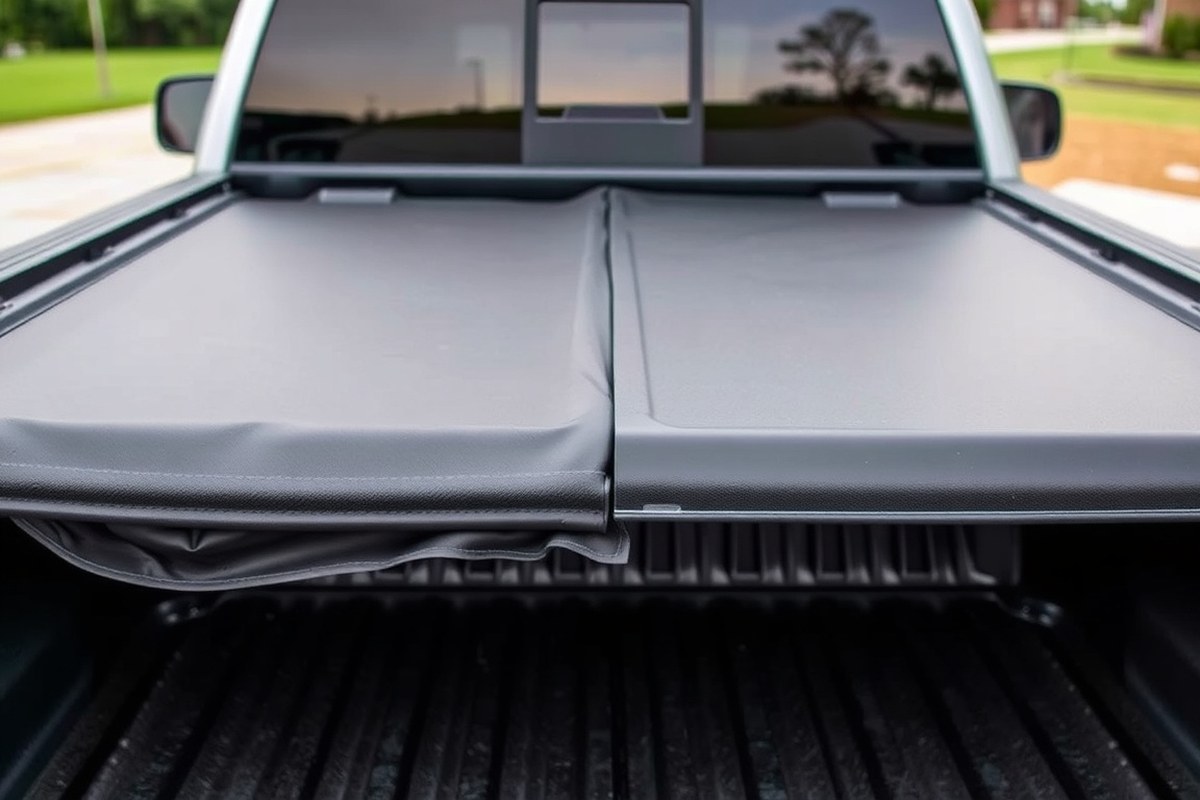
Hard tonneau covers generally offer better protection and durability compared to soft covers, but they come with a higher upfront cost and added weight. Made from sturdy materials like aluminum or heavy-duty panels, hard covers seal more effectively against rain, snow, and debris. This makes them a good choice if you frequently haul cargo in poor weather or need improve security. Hard covers can also support a small load on top, which soft covers cannot, adding some versatility. A quality hard cover might last 10 to 15 years or longer with proper care, providing long-term value despite costing between $1,050 and $2,500.
Soft tonneau covers, on the other hand, offer a more budget-friendly option, typically priced around $400 to $490 for reliable name-brand choices. They provide sufficient protection for everyday use, shielding cargo from rain and dust, but they tend to leak more and wear out faster, generally needing replacement every 5 to 7 years. Soft covers are lighter, which keeps payload capacity higher and makes installation and removal faster, often just a few minutes compared to 15 to 20 minutes for some hard covers. This can be a convenience factor if you frequently want to access or remove the cover.
Considering value for money depends mainly on how you use your truck. You carry valuable items regularly and want a secure, durable solution, so investing in a hard cover pays off over time. The better weather sealing and tougher materials reduce the risk of damage or theft. Hard covers may also boost your truck’s resale value because they improve its appearance and functionality.
Your cargo needs are lighter or occasional, and you want an easier-to-manage cover without a steep price tag, making a soft cover a good choice. They provide basic protection and convenience at a lower cost but may require more frequent replacement and won’t protect as strongly against the elements or theft. For climates with frequent storms or snowfall, hard covers generally perform better in keeping the bed dry and secure.
Deciding which is better comes down to your priorities: soft covers excel at quick access, budget-friendliness, and lightweight design ideal for lighter hauling or short-term use. Hard covers excel at long-term protection, security, and durability, justifying their higher price and weight for users who demand more from their truck bed cover. No cover guarantees total security or 100% water-tightness, so weigh these factors against your usage patterns to make the best choice.
Common Types of Soft and Hard Tonneau Covers

Soft and hard tonneau covers come in several styles that affect their use, installation, and durability. Soft covers usually appear as roll-up or tri-fold designs made from vinyl or fabric. Hard covers provide options like folding panels, retractable mechanisms, or one-piece solid lids, typically crafted from aluminum, composite, or polycarbonate. Each style offers different benefits in terms of weight, security, and ease of access, fitting various truck owners’ needs.
Soft Roll-Up and Folding Covers
Soft tonneau covers commonly come as roll-up or tri-fold designs. Roll-up covers, like the TruXedo Lo Pro, use a vinyl material stretched over aluminum bows and roll toward the cab when opened. This style is lightweight, generally around 15 to 30 pounds, and easy to install, often taking less than an hour with basic hand tools. These covers cost roughly $490 on sale and provide quick, partial access to the bed, ideal for hauling irregular or taller items.
Tri-fold soft covers, such as the Extang Trifecta 2.0, feature three hinged panels that fold toward the cab. They offer somewhat more secure coverage than roll-ups while maintaining a flexible, soft construction. These covers usually sell for about $400 on sale. Installation is straightforward and involves clamping to the bed rails without drilling. Soft tri-folds lie flat on the bed and keep rain off your cargo but provide only modest security.
Soft covers do well resisting rain but can wear faster in hot or harsh climates; check your cover’s warranty for expected lifespan.
Hard Tri-Fold and Folding Covers
Hard folding covers use rigid panels to fold the cover back toward the cab, still allowing easy access to your truck bed. The BAKFlip MX4 is an aluminum folding cover around 50 pounds, retailing near $1,200. It locks securely and supports up to about 400 pounds on top, making it durable enough to carry gear or stand on if needed. Composite tri-fold covers like the UnderCover Flex provide a sturdy, weather-resistant alternative with a similar folding style and usually cost between $1,100 and $1,200.
Hard folding covers often require more careful installation than soft covers, typically involving clamps or bolts to the bed rails and sometimes minor drilling, which can take 1 to 3 hours depending on your experience. Their solid panels improve security significantly compared to soft covers, minimize water intrusion, and carry heavier loads if you need to stack items on top. These covers balance the convenience of easy bed access with strong protection.
Hard Retractable and Snap-On Covers
Hard retractable covers roll or slide into a canister near the cab, such as the RetraxONE MX or RetraxPRO XR. These use aluminum or polycarbonate slats for a locked, weather-resistant seal. Prices are higher, running from about $1,550 to $2,300. Retractable covers typically support loads ranging from 250 to 500 pounds on top, depending on material. Installation can be more involved and may require precise bed rail fitment and sometimes removing or modifying tailgate components.
Snap-on hard covers are less common now but still available for those wanting complete bed access without folding joints. These one-piece lids usually hinge at the front and lock securely, weighing over 50 pounds and supporting around 500 pounds or more. Their installation generally involves drilling and mounting hardware. While they offer excellent security and weather protection, they limit partial bed opening compared to folding or retractable types.
Check your truck’s bed rail dimensions before buying a retractable or snap-on cover to ensure proper fit and avoid difficult installation issues.
Installation Time and Ease Compared
Soft tonneau covers generally install faster and require less skill and fewer tools than hard covers. You can usually install a soft cover in under an hour, while hard covers may take a couple of hours or professional help. Soft covers also remove more easily for quick access or storage, making them the convenient choice when frequent opening or removal is needed.
Typical Installation Times
Most soft tonneau covers can be installed in 30 to 60 minutes. For example, snap-on or trifold soft covers often come with pre-attached clamps and require minimal adjustment, which speeds up the process. Hard tonneau covers, especially tri-fold or retractable ones made from aluminum or fiberglass, typically take 1.5 to 3 hours to install due to their heavier panels and more complex mounting brackets.
The extra installation time for hard covers comes from aligning multiple parts precisely and securing locking mechanisms. If you lack experience, hard covers might require professional installation, increasing time and cost. Soft covers tend to be lighter and involve fewer parts, so they lend themselves better to DIY installation.
Tools and Skill Requirements
Installing a soft tonneau cover usually requires just basic hand tools like a screwdriver or a wrench. Many soft covers, including popular models like the Worksport AL3 Pro, clamp directly to the truck bed’s paint rails without drilling, so you don’t need advanced skills or power tools. The installation instructions tend to be straightforward, making soft covers a good choice for first-time installers.
Hard covers often demand more mechanical aptitude and tools such as socket sets, ratchets, and possibly specialized brackets. Aligning hard panels and attaching hinge mechanisms accurately is important for the cover to seal properly and open smoothly. Some hard covers involve drilling into the truck bed or tailgate, which requires extra caution to avoid damage or voiding warranties.
Removability and Stow Options
Soft tonneau covers excel in removability. They tend to roll, fold, or snap off easily, allowing you to open the truck bed quickly or remove the cover completely for larger cargo. For example, soft trifold covers fold compactly toward the cab end, and roll-up covers simply roll back and secure with straps. This makes soft covers ideal if you regularly switch between covered and open bed setups or need quick access.
Hard tonneau covers usually open in panels or retract into a small housing but removing them entirely is more involved. Tri-fold hard covers often require unfastening clamps and lifting heavier panels, which can take 15 to 30 minutes and sometimes need two people. Retractable hard covers offer smooth operation but typically do not come off easily. Due to their weight and complexity, hard covers are less convenient for frequent removal but provide better long-term protection.
Security: Which Cover Best Protects Your Cargo?
Hard tonneau covers offer better protection against theft and unauthorized access mainly because of their solid construction and locking features. Many hard covers lock directly into the truck’s tailgate locking system, creating a secure seal that’s difficult for a thief to pry open without special tools. This integration makes it much harder to quickly breach the cover compared to soft covers, which typically rely on snaps, Velcro, or straps for closure.
Soft covers are easier to remove or cut through since they use flexible materials like vinyl or canvas. A determined thief can slice through a soft cover in seconds with a sharp knife, leaving your cargo vulnerable. While soft covers keep your items out of sight, their level of physical protection is quite limited, so they don’t provide strong anti-theft advantages beyond concealment.
There are several types of locking mechanisms to consider. Hard covers commonly use keyed locks that link to the tailgate’s lock, forcing you to use the truck’s key or a separate key to open the bed. This locking method secures both the cover and the tailgate simultaneously, reducing the chance of theft or tampering during transit or parking. Some hard covers also feature heavy-duty hinges or reinforced frames to prevent easy removal.
For soft covers, locking options are minimal, and security mostly comes from the tightness and attachment method, such as strong snaps or aluminum rails along the bed rails. Some higher-end soft covers offer aftermarket locks or cables that attach to the tailgate, but these are usually less secure than the locking systems on hard covers. Soft covers’ biggest benefit is quick removal, which trades security for convenience.
Choosing between hard and soft covers for security depends on how valuable your cargo is and where you park your truck. Regularly transporting tools or equipment and leaving your truck unattended in public areas calls for a hard cover with integrated locks to prevent theft and unwanted access. These covers cost more upfront, often between $500 and $2,000 or more, but provide a tangible layer of protection.
Soft covers cost less, roughly $150 to $500, and are lighter and easier to remove, which can be useful if you need the bed open frequently. However, their convenience means sacrificing security. Using a soft cover in a secure location like a locked garage might be sufficient, but if you park on the street or in public lots, the added security of a hard cover’s locking system is a stronger deterrent.
Hard covers provide a stronger security advantage with sturdy materials and linked locking systems, while soft covers mainly keep your cargo out of sight without physical locks. Matching your cover choice to your security needs and how you use your truck will help protect your gear better and reduce the risk of theft.
Weather Protection and Water Resistance Differences
Hard tonneau covers generally provide better weather protection than soft covers, especially during heavy rain or snow. Their rigid panels, often made from aluminum or similar materials, form a tighter, more solid barrier that limits water seepage. This sturdier construction also holds up better against heavy snow loads, preventing sagging or pooling that can occur with soft covers. Soft covers, usually made from vinyl fabric, are designed to be tear-resistant and do offer decent protection from rain and sun, but they are more prone to allowing small amounts of water to seep through, particularly during intense storms or at high driving speeds.
Neither type is fully waterproof; all tonneau covers can let in some moisture over time. A soft roll-up or snap-on cover’s seams and flexible fabric tend to be weak points in heavy precipitation, so water may slowly leak inside the truck bed. Hard covers create a more strong seal along the edges, reducing leaks; however, extreme weather or improper installation can compromise protection on both types. Using a rubber bed mat underneath the cover can keep your cargo improve above any moisture that does get in and reduce damage risks.
Snow and dust pose additional challenges. Soft covers can sag when weighted down by wet snow, increasing the chance water pools and eventually freezes, which may cause slow leaks where the fabric flexes. Hard covers resist deformation under snow load, maintaining a level surface that prevents accumulation. Dust protection depends largely on the sealing quality around the edges, hard panels typically have tighter seals, reducing dust infiltration more effectively than soft covers. Over time, the vinyl on soft covers can become less resistant to dust penetration as it wears or loosens.
Check that your tonneau cover is properly installed and the seals are intact, especially before heavy rain or snow, to minimize leaks and water damage.
Soft tonneau covers usually cost between $400 and $490, making them an economical choice for moderate weather protection and quick access to the truck bed. Hard covers generally cost more but provide superior durability and weather resistance over time. If you often carry cargo sensitive to moisture or park your truck outdoors in harsh conditions, investing in a hard tonneau cover can reduce the risk of water damage, dust contamination, and snow buildup inside the bed.
Cost Differences and Value over Time
Soft tonneau covers generally have a lower upfront cost than hard covers, with typical prices between $200 and $600. Hard covers often start around $800 and can exceed $1,500 depending on the material and design, such as folding, retractable, or tri-fold hard covers. The higher initial investment in a hard cover reflects its construction from rigid materials like fiberglass or aluminum, which improve durability and security.
Replacement frequency notably differs between the two types. Soft covers, made of vinyl or canvas, usually need replacing every 5 to 7 years due to exposure to sun, weather, and wear from repeated folding. In comparison, hard covers can last well beyond 10 years if cared for properly, resisting UV damage, moisture intrusion, and physical impacts better than most soft materials.
Long-term value hinges on how replacement costs accumulate over time. A soft cover costing $400 that requires replacement every 6 years may incur about two replacements over a 12-year period, totaling around $1,200. A hard cover priced at $1,200 might last the entire 12 years without replacement, balancing or lowering lifetime expenses. However, hard covers add weight, often 50 to 100 pounds compared to 15 to 30 pounds for soft covers, which may affect payload capacity.
Consider the tradeoff between initial cost and durability this way: a soft cover suits you if your budget is limited or you prefer lightweight options and don’t mind replacing the cover occasionally. If you want long-term protection with fewer replacements and added security, investing in a hard cover makes sense despite the higher upfront price. This is especially relevant since replacing stolen cargo can be much more expensive than the price difference between cover types.
| Type | Typical Price Range | Weight Range | Replacement Cycle | Approximate 12-Year Cost |
|---|---|---|---|---|
| Soft Tonneau Cover | $200 – $600 | 15 – 30 lbs | Every 5-7 years | About $1,200 (2 replacements) |
| Hard Tonneau Cover | $800 – $1,500+ | 50 – 100 lbs | 10+ years | About $1,200 (no replacement) |
Exact costs and longevity depend on climate, usage, and maintenance. Soft covers in harsher sun or frequent rain may age faster, leading to earlier replacement. Hard covers require occasional cleaning and seal inspections to prevent leaks or corrosion but generally withstand tough conditions better. Checking warranties also helps estimate long-term value, hard covers often come with 3-5 year warranties versus 1-2 years for soft models.
Knowing how often you plan to replace your cover and how much you want to spend upfront clarifies which type offers better value. The decision rests on whether you prioritise lower initial cost or longer life with fewer replacements.
Impact on Payload Capacity and Weight Considerations
Soft tonneau covers typically weigh between 20 and 40 pounds, making them much lighter than hard covers. This lower weight means they have a minimal impact on your truck’s payload capacity, allowing you to carry heavier or bulkier loads without worrying about losing much weight allowance. Because soft covers are flexible and often made from vinyl or fabric stretched across a frame, they add nearly no extra stress to the truck’s suspension or payload rating.
Hard tonneau covers, on the other hand, can weigh anywhere from 60 to over 100 pounds depending on the material and design. The added weight of a hard cover can reduce your truck’s maximum payload capacity by roughly the same amount. For example, if your truck’s payload limit is 1,500 pounds and your hard cover weighs 80 pounds, your effective payload capacity drops to about 1,420 pounds. This matters most if you regularly haul heavy tools, equipment, or bulky cargo. Installing a heavy hard cover means you need to subtract that weight when calculating how much you can safely load in the truck bed.
Hard covers are sturdier and more protective, but their weight makes them less practical for frequent haulers of large or heavy items. Soft covers or certain folding hard covers offer better flexibility in these cases. Because soft covers weigh less, you can remove or fold them back easily when you need to accommodate tall or irregularly shaped items. Some soft covers use snap fasteners or Velcro, which also speeds up removal and adjustment.
Choosing the right cover depends on your typical payload and how often you need to load bulky loads. If you primarily use your truck for light cargo and want extra security and protection, a hard cover might suit you despite the weight penalty. But if your job or hobby requires carrying heavy or oversized gear frequently, a soft cover will help you preserve as much payload capacity as possible. Always check your truck’s payload rating, subtract the cover’s weight, and plan your loads accordingly to avoid damaging your vehicle or risking unsafe driving conditions.
Accessibility: How Easily Can You Load and Unload?
Soft tonneau covers often provide quicker access to your truck bed compared to traditional hard covers. Many soft covers, like the RealTruck TruXedo TruXport, roll back easily and allow full bed access without needing to remove or fold heavy panels. You simply unlatch the cover, use the retainer straps to keep it rolled back, and reach all your gear without hassle. This setup usually takes less than a minute to open or close, making loading and unloading faster, especially if you’re moving bulky or odd-shaped equipment.
Hard tonneau covers come in various designs that impact accessibility differently. Tri-fold hard covers require unfolding three panels to open, which can slow you down, especially in tight spaces where swinging panels may be obstructed. However, retractable hard covers offer a cleaner look with one-handed operation. They slide smoothly back into a housing at the front of the bed, giving you partial or full access without removing any part of the cover. This style suits users who want quick access and a secure, rigid cover but are willing to pay more, sometimes several hundred dollars extra, for the convenience and durable construction.
The design of the cover influences how easily you can load bulky equipment. Soft roll-up covers are flexible and can accommodate odd shapes by rolling part of the cover back, but they may not hold up as well under heavy or sharp items pressing against the vinyl. Tri-fold hard covers offer moderate protection but can limit the height of what you load when partially open, since the folded panels may protrude into the bed space. Retractable hard covers slide completely out of the way, providing the most unobstructed access for large cargo without removing the cover.
Users who frequently need to access the bed might spend more time unfolding or folding a hard tri-fold cover versus quickly rolling back a soft cover. Retractable hard covers bridge this gap by combining strong protection with ease of use. Choosing the right cover depends on how often and fast you want to open it, how much space you have around your truck to operate the cover, and whether your cargo’s size and shape require full or partial bed access.
Always make sure soft covers are tightly secured when rolled up to prevent flapping or damage during driving, which can add to maintenance over time.
Maintenance and Durability: What to Expect Long-Term
Soft tonneau covers typically need more frequent repairs or replacement than hard covers. The vinyl, canvas, or fabric materials used in soft covers can wear out due to exposure to sun, rain, dust, and wind. Expect to replace a soft cover every three to five years, depending on the climate and how well you maintain it. Tears, cracking, or stretched fabric often prompt replacement. Repair kits for minor tears usually cost less than $20, but large damage may require a full replacement costing between $200 and $700.
To get the most life out of a soft cover, start by regularly cleaning it with mild soap and water every few months or after heavy exposure to dirt or salt. Avoid harsh chemicals that can degrade the fabric or stitching. Once dry, apply a UV protectant spray designed for vinyl or canvas to reduce sun damage. Check the cover’s tension and re-tighten or adjust to prevent sagging, which leads to water pooling and faster wear. Also, inspect and replace any worn or broken snaps, Velcro, or rails as needed.
Hard tonneau covers typically last longer, often 10 years or more with proper care. They resist UV rays, moisture, and temperature extremes better than soft covers due to their solid materials like fiberglass, aluminum, or hard plastic. Hard covers handle extreme temperatures from below freezing to over 100 degrees Fahrenheit without cracking or fading easily. Despite being durable, they still require maintenance such as lubricating hinges with silicone spray twice a year to keep them opening smoothly. Check seals around the edges for signs of drying or cracking and replace them before leaks occur. Regular washing to remove dirt and debris also helps maintain their finish and prevents corrosion on metal parts.
Maintaining a hard cover is generally less intensive but still important. Wipe the surface with a gentle automotive cleaner and a microfiber cloth every few months. Avoid abrasive cleaners or pads that can scratch the paint or gel coat. Costs for replacement seals vary but often run between $30 and $100, depending on the cover model. Well-maintained hard covers retain their appearance longer and maintain weatherproof seals that protect your cargo from rain and dust better than soft covers.
Both types of covers benefit from routine inspection. For soft covers, watch for stretched fabric or loose mounting points, while for hard covers, check hinges, locks, and seals. Routine upkeep can save hundreds in early replacement costs and prevent damage to your truck’s bed. If you live in an area with intense sun, salt air, or harsh winters, investing more time in maintenance will extend your cover’s lifespan significantly. Skipping maintenance risks accelerated wear and poor performance, especially for soft covers that are more vulnerable to environmental damage.
Fuel Efficiency: Do Tonneau Covers Make a Difference?
Tonneau covers can improve your truck’s fuel efficiency by reducing aerodynamic drag over the open bed. The open bed creates turbulent airflow that increases drag, making your engine work harder and burn more fuel. Covering the bed smooths the air passage and helps lower drag, but the size of the improvement depends on the cover type and design.
Studies have shown that tonneau covers can reduce drag by around 5.7 percent, which researchers estimated could translate to roughly 1.8 percent better fuel economy in practical driving. Complete wind tunnel testing on covers is limited, and real-world fuel savings vary across conditions and vehicles. The most reliable data comes from controlled tests like the 2007 SEMA study, which did not measure fuel consumption directly but gave drag reduction estimates you can expect on average.
Among cover types, hard folding or rigid covers generally offer better aerodynamic performance than soft covers. Hard covers provide a smoother surface that more effectively channels airflow across the bed, further reducing drag. Soft covers, such as roll-ups or tri-folds made from vinyl or fabric, do improve aerodynamics compared to no cover, but often less so than hard covers. This means hard covers are usually the better choice if your priority is maximizing fuel savings.
Your choice of cover also depends on installation and use. Hard covers tend to be heavier and more expensive, often costing hundreds of dollars more than soft covers, but they last longer and resist wind lift, maintaining their aerodynamic benefits. Soft covers are lightweight and easier to remove or adjust but might flap in strong winds if not tightly secured, which could diminish drag reduction. For fuel savings, a well-installed hard cover offers consistent benefits.
Real-world estimates suggest that any fuel economy improvements from a tonneau cover will be modest, generally less than 2 percent. You probably won’t notice a significant drop in fuel costs right away. Some tests, like a Consumer Reports road test on a Dodge Ram, reported no fuel economy gain with a tonneau cover, possibly affected by tailgate position or cover fit. So the impact depends on your driving style, speeds, and how well the cover seals the bed.
To get the best fuel efficiency benefits from a tonneau cover, choose a hard folding design with a snug fit and install it properly. Keep the tailgate closed for smoother airflow behind the truck. Avoid covers that flap or leave gaps. While the fuel savings alone might not justify the cost, you gain additional benefits like cargo protection and security, making hard covers a practical investment if you want improved aerodynamics.
Choosing Based on Usage Scenarios and Needs
Choosing between a soft or hard tonneau cover depends largely on how you use your pickup truck, what you carry, and your budget. Soft covers suit casual use and lighter cargo with occasional security needs, while hard covers fit heavy-duty users who require greater protection and durability. Assess your typical haul, security priorities, and investment willingness to pick the right style.
Weekend Warrior and Casual Users
Soft tonneau covers often fit casual pickup owners who enjoy weekend trips, light cargo, or simply want an affordable way to keep their bed clean. They usually take less than an hour to install, offering quick setup without tools. These covers provide basic protection against rain and sun, and their pliable materials store easily when you want to haul oversized gear. Soft covers also reduce theft risk by hiding cargo from casual glance but don’t stop determined thieves.
This makes soft covers ideal if your budget is under a few hundred dollars and your cargo isn’t heavy or valuable. They weigh less, so they won’t noticeably affect your payload or fuel efficiency. Regular cleaning preserves the vinyl or fabric, which may wear faster than hard panels in adverse weather. Expect a 2 to 3-year lifespan before replacement or repair becomes likely under regular use.
Tools and Work Site Users
Hard tonneau covers generally serve better for tradespeople or construction workers carrying tools and supplies needing sturdier security. Covers with aluminum panels resist dents and punctures, protecting your gear from both theft and impact damage. They often carry locking mechanisms that add a stronger security layer than soft covers, important for expensive tools or electronics on busy worksites.
Installation takes about an hour for tri-fold types, with heavier panels affecting payload slightly but increasing durability. Hard covers with UV-resistant finishes lock in appearance longer despite constant outdoor exposure. Users investing $500 to $1200 get increased peace of mind and lower maintenance, as these covers resist tears and fading. They also allow quicker access through folding or retracting features, balancing security with convenience during workdays.
Hard covers add weight and may reduce your bed’s payload capacity, so verify your truck’s limits before upgrading for heavy loads.
Overland and Heavy-Duty Applications
For overland enthusiasts or those hauling heavy-duty cargo regularly, hard tonneau covers with premium construction provide the best long-term investment. Aluminum or composite panels protect valuables under extreme weather and rough terrain, while secure locking systems defend against theft in remote areas. Features like the LINE-X Stealth Hard Folding Tonneau, which uses lightweight aluminum and UV-resistant finishes, offer durability without excessive weight increases.
Though installation can reach up to 2 or 3 hours for retractable styles, the extra effort yields strong weatherproofing and security. Cost ranges from $800 to over $1,500 depending on materials and features, but lifespan can extend beyond 5 years. Users should consider how often they need quick bed access; some hard covers fold or retract, while others require removal. Proper weight management remains key as these covers add significant pounds, potentially impacting payload and fuel economy.
Your Quick-Start Plan to Choose the Right Tonneau Cover
Use this plan to decide on the best tonneau cover for your pickup based on your daily needs and budget.
- Day 1: Assess what you typically haul in your truck bed to determine priority, security, weather protection, or ease of access. Confirm you’ve identified your must-have features.
- Day 2: Measure your truck bed dimensions accurately for fit. Proper fit means the cover will seal well and perform as expected.
- Day 3: Research local prices online for both soft and hard tonneau covers within your style and feature range. Verify prices match your budget target.
- Day 4: Read customer reviews focusing on durability and maintenance experiences specific to your truck model. Check that the feedback aligns with your usage plans.
- Day 5: Visit a store or dealer to see covers in person and, if possible, test their opening and closing mechanisms. Confirm ease of use meets your requirements.
- Week 2: Choose the cover type and model that best balances your priorities, then order it. Ensure your purchase includes a clear return or warranty policy.
- Week 3: Install the cover following manufacturer instructions or hire a professional if you want to avoid time or complexity hassles. Confirm a secure fit and operation.
- After 1 Month: Monitor the cover’s performance in real-world conditions for leaks, ease of use, and how it holds up under your usual loads. Address any issues through warranty or adjustments.
Frequently Asked Questions
Can I Go Through a Carwash with a Soft Tonneau Cover?
Some soft tonneau covers can handle carwashes, but check your cover’s instructions first. Covers with durable vinyl tops are usually safer to wash under automated settings.
Does a Hard Tonneau Cover Improve Gas Mileage?
Hard tonneau covers typically offer better aerodynamics than soft covers, potentially improving gas mileage slightly. This happens because a rigid cover reduces drag by smoothing airflow over the truck bed.
What Type of Tonneau Cover Is Best?
The best type depends on your priorities like security, budget, and ease of use. Hard covers offer stronger security and weather protection, while soft covers are lighter and easier to remove or fold.
Are Soft Truck Bed Covers Worth It?
Soft covers are often worth it if you want a budget-friendly, lightweight option with easy installation. They protect your cargo from weather but may not offer strong security.
Can I Carry Heavy Loads on a Hard Tonneau Cover?
Hard tonneau covers vary widely in load capacity, some supporting over 1,000 pounds. Check the manufacturer’s ratings before placing heavy items directly on the cover to avoid damage.
Do Tonneau Covers Require Much Maintenance?
Both types need occasional cleaning and inspection for wear, but soft covers may require more frequent upkeep to prevent tears or fading. Regular maintenance helps extend the cover’s lifespan.
Wrapping Up
Choosing between a soft and hard tonneau cover comes down to your specific priorities like security, weather resistance, and budget. Hard covers usually offer stronger protection and durability but cost more and add weight. Soft covers are lighter, cheaper, and easier to handle but offer less security. Decide which features matter most, then take action by measuring, researching, and testing covers to find your best fit.