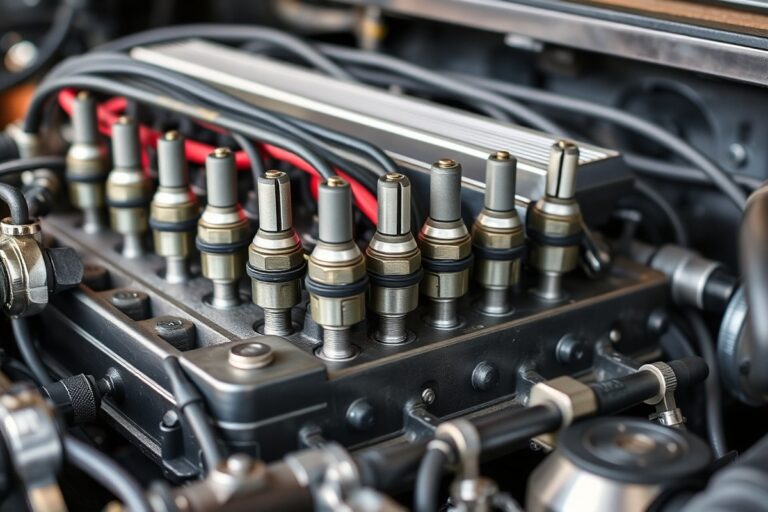

Can Spark Plugs Cause Misfire? What Actually Works to Fix It
Can spark plugs cause misfire? Yes, worn or faulty spark plugs often lead to engine misfires by failing to ignite the air-fuel mixture properly. Replacing spark plugs at recommended intervals helps maintain consistent firing and avoids misfires. Start by inspecting your spark plugs for wear or damage if you notice rough idling or loss of power.
Key Takeaways
- Replace your spark plugs every 30,000 to 100,000 miles, following the type specified and the carmaker’s guidelines.
- Check spark plug electrodes for erosion, fouling, or cracks as signs of impending misfire.
- Use the correct spark plug type and heat range to match your engine’s operating conditions.
- Inspect spark plug gaps since incorrect gaps require higher voltage and cause misfires.
- High voltage up to 45,000 volts is needed for proper spark plug firing; weak sparks can cause misfires.
- Extreme temperatures and seasonal heat can accelerate spark plug wear and increase misfire risk.
Can Spark Plugs Cause Engine Misfires?

Yes, spark plugs can cause engine misfires while you are driving. A misfire happens when the spark plug fails to ignite the air-fuel mixture inside one or more cylinders at the right moment. Spark plugs generate the spark about 10 to 40 crankshaft degrees before the piston reaches top dead center, depending on engine speed and load. A worn, fouled, or damaged spark plug may lead to incomplete or missing combustion in the affected cylinder.
Replacing spark plugs can often fix engine misfires caused by worn or dirty plugs. Mechanics typically advise changing them between 30,000 and 100,000 miles, depending on the kind of plug and the vehicle brand. New plugs ensure the ignition fires correctly and the spark stays strong, which leads to better fuel burning and engine efficiency. Spark plug costs range from about $10 to $50 each, excluding labor if you hire a mechanic. Doing the job yourself usually takes 30 to 60 minutes with basic tools and a spark plug socket.
One bad spark plug can cause a misfire in only its own cylinder, but the effect often feels like a problem with the entire engine. This is because a single misfire disrupts the engine’s rhythm, reducing power and efficiency, and may cause rough idling or stalling. Misfires in one cylinder may trigger the check engine light and can lead to damage over time if not addressed. Generally, each cylinder needs its own properly functioning spark plug, so a faulty plug will not cause all cylinders to misfire simultaneously.
To decide if spark plugs are the cause of your misfire, start by checking your vehicle’s mileage against manufacturer recommended replacement intervals. Next, examine or test the spark plugs for signs of wear or fouling such as carbon deposits, cracked insulators, or irregular electrode gaps. Running the engine under typical conditions before inspection ensures the plug’s deposits reflect current performance issues. Replacing worn or fouled plugs with the correct heat range and gap usually resolves misfires linked to ignition problems.
A plug that runs too cold for your driving conditions may foul from carbon build-up during stop-and-go traffic, causing misfires even if it functions well at high speeds. Conversely, a spark plug operated beyond its heat range can overheat and cause pre-ignition or damage, also resulting in misfires. Matching the spark plug type and heat range to your engine specifications and driving habits is important to maintaining smooth combustion.
Common Symptoms of Spark Plug Misfires to Watch For

A spark plug misfire usually presents several noticeable symptoms that you can track to pinpoint the issue. One common sign is rough idling, your engine may shake or vibrate more than normal when the vehicle is at a stop. This happens because the spark plug isn’t firing correctly, leading to uneven combustion in one or more cylinders.
Beyond rough idle, stalling can often signal trouble with the spark plugs, especially if the vehicle hesitates or dies when you stop at a light or come to a sudden halt. Misfires during acceleration or at highway speeds could also indicate spark plug issues, although these symptoms can overlap with other engine problems. Another clue might be poor fuel economy, since unburned fuel results from incomplete combustion when plugs don’t ignite the air-fuel mixture properly. To help you identify spark plug misfire symptoms, use this checklist when observing your vehicle or inspecting your spark plugs:
- Rough idle characterized by engine vibration or shaking at low speeds
- Engine stalling during stops or immediately after starting
- Poor acceleration or hesitation under load
- Noticeable drop in fuel efficiency over several tanks of gas
- Check Engine Light activated with trouble codes related to misfires (e.g., P0300 series codes)
- Visible fouling, deposits, or damage on spark plug tips during inspection
Diagnosing that the spark plugs are the root cause involves a hands-on check of the plugs themselves. You’ll need to remove them using a spark plug socket and look for signs like worn electrodes, carbon deposits, or an excessively wide or narrow gap. Spark plugs with fouled or damaged tips often fail to generate a strong, consistent spark. Using a spark plug reading viewer, a tool combining a flashlight and magnifier, can improve your inspection accuracy.
Always let the engine cool completely before removing spark plugs to avoid damaging the threads or causing burns.
Once identified, replacing faulty spark plugs typically costs between $4 and $12 per plug for parts alone, depending on your vehicle model. Labor might add $40 to $100 at a shop, but doing it yourself requires only basic tools and around 30 minutes for a four-cylinder engine. A good spark plug replacement restores smooth idling, reduces engine vibrations, improves fuel efficiency, and clears misfire-related trouble codes.
How Spark Plugs Work and Why They Fail
Spark plugs create the spark that ignites the air-fuel mixture inside your engine’s cylinders. When they wear out or get fouled, the spark weakens or becomes inconsistent, causing the engine to misfire. Understanding how spark plugs function and why they fail can help you identify and fix misfires early.
Spark Plug Construction and Function
A spark plug consists of a central electrode, an insulator, and a metal shell. The central electrode carries high voltage from the ignition coil, while the insulator isolates it electrically from the metal shell, which is threaded into the engine’s cylinder head. When the voltage reaches the electrode tip, it jumps the gap to the ground electrode, generating a spark to ignite the fuel-air mix in the combustion chamber.
Engine temperature and load affect spark plug operation significantly. The tip of the plug experiences extreme heat and thermal shocks, as fuel cools it just before combustion. The plugs need the right heat range, which depends on materials, the length of the insulator, and how much of the plug protrudes into the chamber. Plugs designed for colder conditions remove heat faster, while hotter plugs retain heat longer to burn off deposits.
Common Causes of Spark Plug Failure
Over time, normal wear gradually erodes the electrode, increasing the gap and weakening the spark. An excessively wide gap requires more voltage to jump, which can cause misfires if the ignition system can’t keep up. Fouling from carbon, oil, or fuel deposits is another frequent cause. These deposits form on the electrode surfaces if the combustion process is incomplete or the engine runs rich, dirtying the plug and preventing a strong spark.
Heat-related failure can occur if the plug’s heat range is wrong for your engine’s operating conditions. A plug running too hot can cause pre-ignition or melting, while a plug running too cold accumulates deposits faster. High torque output and engine speed increase combustion temperature and pressure, making the spark plugs work harder and more prone to failure. This is why worn plugs often cause misfires when the engine is hot or under load.
Impact of Deposits and Heat on Spark Plug Performance
Carbon deposits from unburned fuel cool the spark plug tip unevenly, leading to inconsistent sparks. Oil fouling indicates oil leaks from worn piston rings or valve guides, coating the plug with insulating layers that hamper ignition. Fuel deposits form when excess fuel doesn’t fully vaporize, further smothering sparks. These conditions cause weak or no spark, triggering misfires during idle, acceleration, or cruising.
Engine temperature dramatically influences how well spark plugs perform. During idling or low load, spark plugs remain cooler and might foul if they can’t burn off deposits. At peak power, the spark plug tip heats to a maximum temperature, helping to keep it clean, but worn plugs may fail under these conditions. Summer heat intensifies spark plug stress, worsening misfires from marginal plugs. Regular inspection and selecting the proper heat range for your vehicle’s climate and driving style can prevent many failure issues.
Types of Spark Plugs and Their Effect on Misfires
Different spark plug types affect engine misfire rates based on their materials, heat handling, and compatibility with ignition systems. Using the proper type and heat range for your engine lowers the risk of misfires and ensures reliable ignition.
Copper vs Platinum vs Iridium Plugs
Copper spark plugs conduct electricity well but wear out faster than platinum or iridium plugs. Platinum and iridium plugs last longer because their electrodes resist wear and withstand heat better. Iridium plugs offer the longest lifespan, often exceeding 60,000 miles, reducing the chances of misfires due to electrode wear.
Gap adjustments should generally be avoided with platinum and iridium plugs, as tampering risks damaging their delicate metal disks. Copper plugs allow easy gap adjustment but require more frequent replacement, increasing maintenance time and cost. Iridium and platinum plugs also require less voltage due to their fine electrodes, helping reduce misfire risk, especially in high-performance or modern ignition systems.
| Characteristic | Copper | Platinum | Iridium |
|---|---|---|---|
| Electrode Material | Solid copper core | Platinum coating | Iridium alloy |
| Lifespan (miles) | 20,000 to 30,000 | 60,000 to 100,000 | 60,000 to 120,000 |
| Gap Adjustment | Allowed | Not recommended | Not recommended |
| Voltage Needed | Standard | Lower | Lower |
| Misfire Risk Over Time | Higher as wear occurs | Lower due to durability | Lowest due to durability and fine electrode |
Choosing plugs with longer lifespans like platinum or iridium typically results in fewer misfires and lower maintenance costs, especially for daily drivers or long-distance travel.
Spark Plug Heat Range Explained
Spark plug heat range indicates how quickly the plug dissipates heat from the tip. A “hot” plug retains more heat to prevent fouling in low-speed driving, while a “cold” plug dissipates heat faster for high-performance or high-temperature engines. Using a plug with the wrong heat range can cause misfires: too hot can lead to pre-ignition and knocking, while too cold can cause fouling and weak sparks.
Most manufacturers specify the recommended heat range for each engine model. Using the wrong heat range plug may lead to symptoms like inconsistent firing and rough idling. Adjusting the heat range requires knowing your driving conditions and engine type. For example, high-revving engines or towing applications usually benefit from colder plugs to handle extra heat safely without misfiring.
Choosing the Right Plug for Your Engine
Consider your engine’s ignition system and driving habits when selecting spark plugs. Wasted spark ignition systems prefer plugs with specific voltage needs, as using a colder, blunter side as negative demands 45 percent higher voltage, increasing misfire risk if mismatched. Iridium or platinum plugs work well with modern ignition systems that supply adequate voltage and resist electrode wear.
Maintenance costs vary: copper plugs cost less but wear out faster, increasing replacement frequency. Platinum and iridium plugs cost more upfront, often between $10 and $20 each, but can last double or triple the distance. Using the manufacturer-recommended spark plug type and heat range minimizes misfires, prolongs engine life, and improves fuel efficiency.
How to Inspect and Test Spark Plugs for Misfire Diagnosis
To inspect and test spark plugs for diagnosing engine misfires, first remove them carefully and perform a visual check for deposits, wear, or damage. Then, measure the spark plug gap with a proper gauge and adjust it to the manufacturer’s specifications if needed. Finally, use a spark tester or multimeter to confirm if the plug produces a strong and consistent spark under proper conditions.
Visual Inspection of Spark Plugs
Begin by removing spark plugs from the engine using a spark plug socket and ratchet. Examine the electrodes and insulator for signs of carbon buildup, oil fouling, corrosion, or physical damage, as these can indicate combustion problems. Look for evenly worn electrodes with a light tan or gray color, which suggests normal operation. Black, sooty deposits may signal a rich fuel mixture or oil entering the combustion chamber, while white or blistered tips can reveal overheating or incorrect heat range plugs.
Checking the ceramic insulator can reveal cracks or chips that affect performance. Compare each spark plug’s condition with the others to identify cylinders with abnormal combustion, which can help pinpoint misfire sources.
Measuring and Adjusting Spark Plug Gap
Accurate spark plug gap is essential for proper ignition and avoiding misfires. Use a spark plug gap gauge, which either features a sloped disc or wire sizes corresponding to specific gap measurements, to measure the space between the center and side electrodes. The correct gap size varies by engine make and model but generally ranges from 0.028 to 0.060 inches. Follow these steps to measure and adjust the gap:
- Remove the spark plug and clean any dirt or deposits from the electrodes.
- Place the appropriate wire or disc thickness from the gap gauge between the electrodes.
- Check if the gauge fits snugly without forcing or excessive looseness.
- When the gap is too narrow, gently bend the side electrode outward to widen it.
- When the gap is too wide, carefully tap the electrode inward to reduce the gap.
- Recheck the gap with the gauge to confirm it matches the recommended size.
- Repeat for all spark plugs before reinstalling them.
Always use care when adjusting the gap to avoid damaging the electrode or insulator, which can cause worse misfires.
Using Testing Tools to Confirm Spark Performance
A spark plug tester or automotive multimeter helps verify the spark plug produces a strong spark necessary for reliable ignition. Connect the tester to the spark plug and crank the engine while observing spark intensity and consistency. Weak or intermittent sparks suggest the plug is faulty or there is a wiring or ignition coil issue. Some spark plug testers simulate load conditions, providing a more realistic check than visual observation alone.
When testing with a multimeter, check the spark plug’s resistance if applicable and compare it to manufacturer values. Also, inspect the ignition wiring and coil connections to rule out external causes of misfire. Using these tools usually costs between $10 and $30 for a basic spark tester, while multimeters range widely but can be used for other diagnostic tasks.
When and How Often to Replace Spark Plugs to Avoid Misfires
Check your owner’s manual for your vehicle’s specific interval since different engines and driving habits affect spark plug life. Short trips and stop-and-go traffic cause more deposits to build up, shortening how long plugs perform well. High-performance or turbocharged engines also place more stress on spark plugs, so replacements might be needed more often to avoid misfires and related damage. Replacing spark plugs correctly prevents misfires, but common mistakes during replacement can create new problems. Here are frequent errors to avoid: Failing to gap new spark plugs to the correct specification, which can cause weak or inconsistent sparks Cross-threading or over-tightening the spark plug, potentially damaging the threads or cylinder head Not cleaning the spark plug hole or applying anti-seize compound properly, which can affect installation and heat transfer Using the wrong type or heat range of plug for the engine, leading to poor combustion and misfires Neglecting to check ignition coils or wires when replacing plugs, missing other causes of misfires New spark plugs can cause misfires if installed incorrectly or if they are defective. Incorrect gapping can reduce ignition performance, causing rough running. Sometimes new plugs from low-quality brands have inconsistent manufacturing or contamination that leads to early failure. Always double-check the gap with a feeler gauge, use the correct plug for your engine, and buy parts from reputable sources. After installation, start the engine and listen for smooth running. Any roughness may require rechecking the plugs or additional ignition system diagnostics. Costs for spark plug replacement vary but typically range from $100 to $200 for parts and labor at a shop. If you replace plugs yourself, expect to pay about $5 to $15 per plug for quality brands. Use a torque wrench to tighten plugs to the manufacturer’s torque specification, usually between 10 to 15 ft-lbs, to avoid damage and ensure proper sealing. Spark plug holes are designed with cold-rolled threads to prevent failure from repeated thermal cycling, so proper care during replacement improve longevity and reduces the chance of misfire.
Seasonal and Environmental Factors That Increase Spark Plug Misfires
Spark plugs tend to cause misfires more often in the summer because high temperatures increase the stress on the ignition system. Engine compartments can reach temperatures exceeding 200 degrees Fahrenheit during hot weather, which accelerates wear on spark plug components. Heat affects the spark plug’s ability to maintain a consistent spark, leading to incomplete combustion or misfire. The electrode material may degrade faster, and deposits can build up more quickly under these warmer conditions.
Engine temperature plays a significant role in spark plug performance. Spark plugs rely on staying within a specific temperature range, typically between 450 and 850 degrees Celsius (850 to 1560 degrees Fahrenheit), called the “self-cleaning range.” If the plug becomes too hot, it can cause pre-ignition or heat-induced misfires. Deposits like carbon can build up and foul the spark plug when it runs too cool, causing a weak spark and resulting in misfire. The summer heat pushes the overall engine temperature higher, increasing the likelihood of spark plugs overheating or fouling faster.
Reducing summer-related misfires starts with routine inspection and maintenance focused on heat management. Use spark plugs designed for high-temperature environments or those with a higher heat range rating when you know your vehicle will operate mostly in hot weather. This information is typically available in your vehicle’s manufacturer manual or from an auto parts professional.
Also, ensure the engine cooling system is maintained properly. Check coolant levels regularly and replace old coolant following the recommended schedule, usually every 30,000 to 60,000 miles. A clean and efficient radiator helps keep engine temperatures regulated, minimizing spark plug overheating.
During summer, engine oil can thin out faster due to heat. Using the correct oil grade for high temperatures, as listed in your owner’s manual, helps maintain proper engine function and indirectly protects spark plugs from misfire issues linked to poor combustion.
Another useful step is checking ignition system components like wires, coils, and connectors for damage and corrosion. Heat accelerates the degradation of rubber and plastic parts, which can cause weak or inconsistent sparks.
Costs vary depending on your vehicle and whether you handle maintenance yourself. A set of spark plugs usually costs between $20 and $100. Professional cooling system service ranges from $100 to $200. These expenses often prevent more costly repairs, such as engine damage due to persistent misfires.
Good results mean a stable idle, smoother acceleration, improved fuel economy, and fewer engine error codes related to misfires. Persistent misfires after these steps suggest spark plugs may be worn out or other engine problems affected by heat and environmental factors.
When to Call a Professional for Spark Plug Misfire Issues
Driving with a misfire caused by spark plugs is generally unsafe and should be addressed quickly. Persistent misfires can reduce engine power, increase fuel consumption, and damage the catalytic converter, which can cost between $500 and $2,500 to replace. Risk of engine stalling while driving also rises, especially under load or at high speeds, creating a hazard for you and others on the road.
A spark plug misfire that causes noticeable shaking, loss of power, or warning lights means a professional mechanic should diagnose and repair the issue. Attempting repairs without proper tools or experience can lead to further damage or incorrect diagnosis, wasting time and money. You should also call a professional if misfires happen frequently, or if the engine warning light flashes, signaling ongoing serious combustion issues. Deciding whether to keep driving or seek immediate help benefits from a simple checklist. Review your symptoms and driving conditions to make the safest choice:
- Is the engine vibrating excessively or shaking noticeably?
- Is there a loss of acceleration or power during driving?
- Does the check engine light flash rather than stay steady?
- Experiencing engine stalling or rough idling?
- Have you already tried replacing spark plugs and the issue persists?
- Is the misfire associated with unusual smells, such as burning or fuel?
- Do the misfires happen under specific conditions like cold start, heavy acceleration, or hot engine?
Answer yes to one or more of these? Stop driving as soon as it’s safe and contact a licensed mechanic. Continuing to drive could damage the engine or exhaust system further, increasing future repair costs.
Should a misfire occur while you are on the road, slow down and find a secure place to park off the traffic flow. Turn off the engine and wait at least a few minutes before restarting, which may temporarily stop the misfire if caused by worn spark plugs. Avoid pushing the engine hard or using towing services unnecessarily. Afterward, arrange for a diagnostic test by a professional. This will identify the root cause, whether it’s faulty spark plugs, ignition coils, or related wiring issues.
Never ignore a flashing check engine light paired with misfires, this signals damage happening in real time and demands immediate attention.
Step-by-Step Action Plan for Fixing Spark Plug Misfires
Follow these steps to diagnose and address spark plug-related misfires in your engine effectively and safely.
- Before You Start: Gather basic tools like a spark plug socket, ratchet, and a gap gauge. Confirm your vehicle’s recommended spark plug type to avoid buying the wrong ones.
- Day 1: Remove and visually inspect your spark plugs for fouling or damage. If plugs look worn or dirty, that’s a key sign they may cause misfires.
- Day 2: Test spark plugs using a multimeter or spark tester to check for proper ignition. Replace any plug with readings below the manufacturer’s spec.
- Day 3: Check and adjust the spark plug gap if out of tolerance, using a gap tool. Correct gaps ensure a strong and consistent spark.
- Day 4: Replace faulty or aged plugs with the correct type and gap specified by your vehicle’s manual. After installation, clear any engine codes using an OBD-II scanner.
- Week 1: Drive your car normally and listen for engine hesitation or rough idling, signs that misfires might persist or are resolved.
- Week 2: Reinspect spark plugs and ignition components if symptoms continue. Consider replacing ignition coils or wires if available and applicable.
- As Needed: Schedule a mechanic’s inspection if misfires persist after your checks and replacements, to rule out deeper engine or fuel system issues.
Frequently Asked Questions
How to Tell If a Spark Plug Is Causing a Misfire?
A spark plug causing a misfire often leads to rough idling and engine hesitation. Checking the spark plug for fouling, wear, or incorrect gap helps confirm this cause.
Will Changing Spark Plugs Fix a Misfire?
Changing spark plugs can fix misfires if worn or faulty plugs are the root cause. Regular replacement also maintains engine performance and fuel efficiency.
What Are the Three Most Common Causes of a Misfire?
Common causes include faulty spark plugs, ignition coil problems, and fuel system issues. Spark plugs are often the simplest to check first.
What Are the First Signs That My Spark Plugs Are Bad?
Early signs include engine stalling, rough idling, and reduced acceleration. These indicate the plugs may be misfiring or failing.
Can Using the Wrong Type of Spark Plug Cause Misfires?
Yes, using the wrong spark plug type or gap can lead to misfires and engine damage. Always follow manufacturer recommendations.
Do Spark Plugs Wear Out Faster in Hot Weather?
Yes, heat can accelerate spark plug wear and cause stalling issues in warmer months. Regular checks help avoid this problem.
Before You Go
Spark plugs can indeed cause engine misfires when worn or damaged, disrupting the important ignition process. Addressing spark plug issues early prevents more serious engine problems and improves your vehicle’s performance. Start by checking your plugs carefully, then replace or adjust them as needed to keep your engine running smoothly.