Are Tonneau Cover Lock Assembly Systems Secure? A Complete Guide
Are tonneau cover lock assemblies secure enough to protect your truck’s cargo? Most lock assemblies provide solid physical security by locking the cover firmly to the side rails. They use locking pins or mechanisms with springs to prevent unauthorized access and cover movement. Checking compatibility and proper installation is key to maximizing their security benefits.
Key Takeaways
- A lock assembly secures the tonneau cover by engaging a locking pin into a locking aperture on the side rails.
- Many lock assemblies use torsion springs to store energy, ensuring locks stay engaged until manually released.
- Friction sections on side rails can help maintain cover position even without locking, adding extra resistance to theft.
- Choose a lock assembly compatible with your specific tonneau cover and truck model to ensure proper fit and function.
- Electronic lock upgrades exist that replace manual mechanisms to improve convenience without compromising security.
- Manual override options usually remain available on power lock assemblies to allow access if electronics fail.
What Is a Tonneau Cover Lock Assembly?
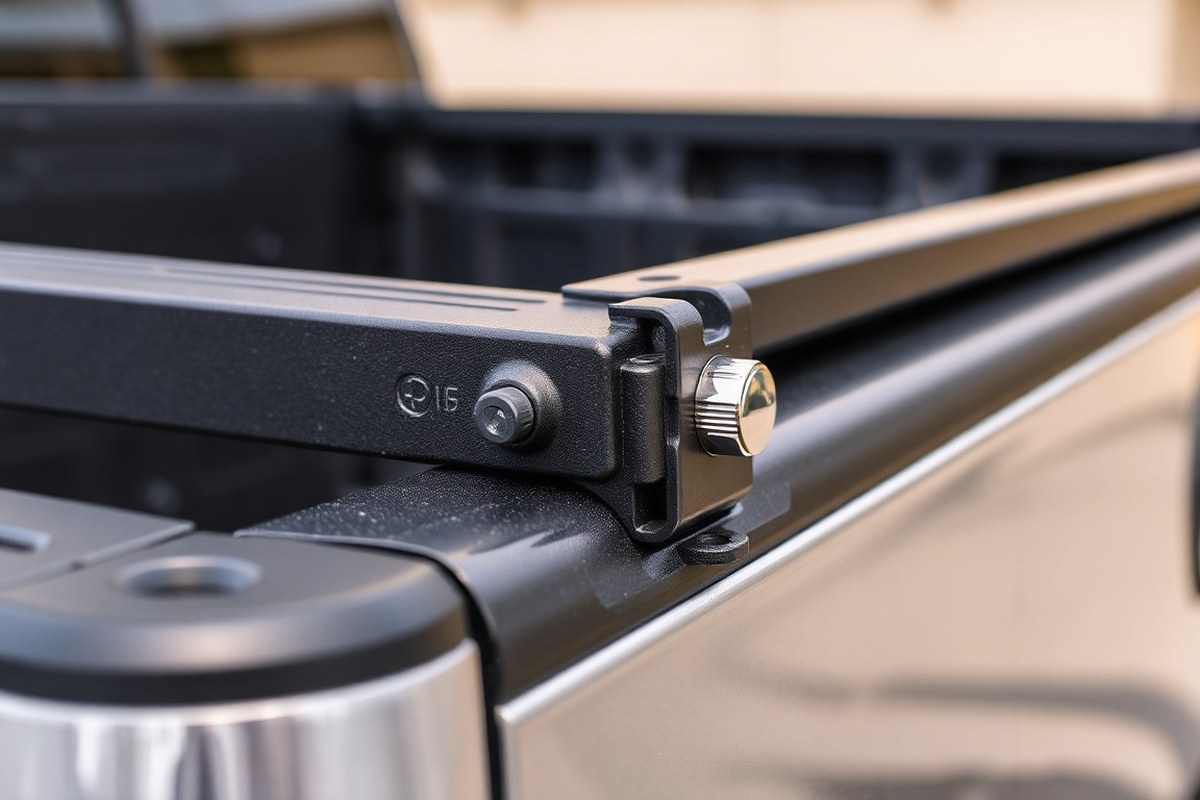
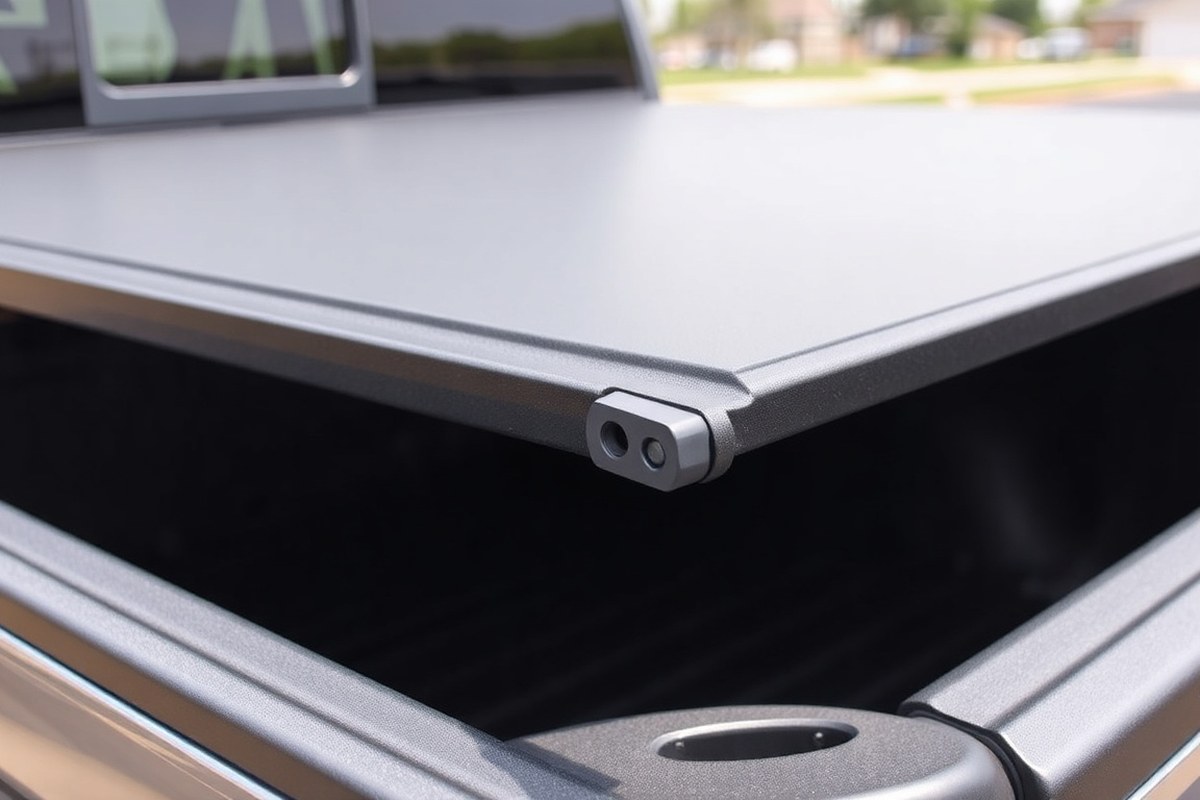
A tonneau cover lock assembly is a mechanical system designed to secure a tonneau cover over the cargo area of a pickup truck. Its primary purpose is to lock the cover in place, preventing unauthorized access and protecting the items stored in the truck bed. This assembly typically involves locking pins or devices integrated into the cover and side rails, which engage to restrict movement when locked.
The lock assembly consists of components such as locking pins, torsion springs, and locking apertures. For example, a locking pin fits into a corresponding locking aperture on the truck bed’s side rail to secure the cover. Torsion springs within the assembly store energy to help the locking pin move smoothly from the locked to unlocked position. These parts work together to hold the tonneau cover firmly over the cargo space and keep it from shifting or opening unintentionally.
Lock assemblies relate directly to securing the tonneau cover by controlling the cover’s ability to slide or lift off the cargo area. Some tonneau covers have slats or panels that move along side rails; the lock assembly restricts or prevents their motion unless deliberately released. In certain designs, side rails may also create friction to hold the cover steady without locking, but the lock assembly adds an essential layer of security. It physically blocks the cover from opening or sliding, which deters theft and keeps cargo safe from weather and road debris.
The installation of a lock assembly involves aligning the locking pin with the designated locking aperture on the truck bed side rail and ensuring the torsion spring is properly positioned for smooth operation. Costs for replacing or upgrading a lock assembly vary depending on the model, ranging from roughly $30 to over $100 for kits that include all necessary parts. Good lock assemblies maintain a tight fit over time, resist rust and wear, and allow easy locking and unlocking with a key or lever. Failure to secure the lock assembly properly can lead to difficulties locking the cover or accidental opening while driving.
Overall, a tonneau cover lock assembly plays a key role in vehicle security by physically securing the cover over the cargo area. It combines mechanical elements to restrict the cover’s movement effectively, safeguarding valuables stored in the truck bed and improving the overall functionality of the tonneau cover system.
How Does a Tonneau Cover Lock Assembly Work?

The tonneau cover lock assembly secures your truck bed by engaging locking pins into apertures along the side rails of the cover system. To lock the cover, you move the handle from the unlocked to the locked position. This motion rotates a connecting rod or lever that pushes the locking pins into matching locking apertures. These pins prevent the cover from sliding open, physically restricting movement and protecting contents in the cargo area from theft or accidental opening while driving.
A key mechanical element is the torsion spring, which stores energy when the lock handle moves toward the locked position. This spring applies a biasing force that helps return the lock assembly to the unlocked position once you actuate the handle in reverse. Typically, each locking device in the system includes its own torsion spring. These springs ensure smooth, reliable movement and a positive engagement or disengagement of the locking pins without excess force. Some tonneau covers may have a single spring positioned between two locking devices to coordinate their operation.
To visualize how the locking pins and apertures work, imagine the pins as rods aligned with holes along the side rails. When unlocked, the pins retract from the holes, allowing the cover to move freely. When locked, the pins extend into the apertures, providing a mechanical block against movement. A positive stop feature often limits the cover’s closed position, preventing over-rotation of the locking assembly or slats. This helps avoid damage and confirms the lock is fully engaged.
Recognizing the lock position usually involves noting the handle’s orientation. In many systems, the handle lies flat or in a recessed position when locked. When unlocked, the handle typically rotates upward or outward from the truck bed’s surface. Checking the handle position before driving ensures the cover is properly secured.
During locking, the torsion spring winds up and stores energy, which it uses to assist in releasing the lock when you turn the handle to unlock. This mechanism reduces wear on components and lowers the physical effort needed. If the lock assembly has two locking devices, both might include springs for redundancy. This means if one spring fails, the other maintains proper lock function.
Always check the handle position visually and try to lift the cover slightly after locking to confirm the pins fully engage the apertures and secure the tonneau cover.
Key Components of a Tonneau Cover Lock Assembly
A tonneau cover lock assembly consists of several components that work together to secure the cover and protect your truck bed. These include locking pins, torsion springs, mounting clamps, and various fasteners. Each part plays a specific role in ensuring the cover stays closed, is easy to operate, and resists theft or accidental openings.
Locking Pins and Apertures Explained
Locking pins act as the primary security mechanism, engaging with apertures or holes in the truck bed rail or slats on the cover. When you turn the lock cylinder with the key, the pins extend or retract, locking or unlocking the cover. These pins are typically made of hardened steel to resist tampering and wear.
Some tonneau covers feature multiple locking pins for added security, often located on the tail slat but sometimes positioned on other slats for additional anchoring points. The apertures must match the size and alignment of the locking pins to ensure a snug fit, preventing vibrations or rattling during driving.
Role of Torsion Springs in Locks
Torsion springs in the lock assembly provide the force necessary to return the locking pins to their default position, either extended or retracted, when the key is released. This helps maintain the lock’s secure state without requiring manual adjustment of the pins.
These springs are small but critical components that need to be properly installed to avoid lock failure or pins getting stuck. If a spring loses tension over time due to metal fatigue or corrosion, the lock might not engage fully, putting your tonneau cover’s security at risk.
Mounting Clamps and Fasteners Overview
Mounting clamps and fasteners hold the lock assembly and tonneau cover firmly attached to the truck bed frame. They have to be heavy-duty to withstand road impacts and weather conditions. Clamps typically secure the cover rails, while fasteners may attach the lock housing and associated hardware in place.
- T-slot bolts provide adjustable mounting points along the cover’s rail system.
- Heavy-duty clamps secure the edges of the cover to prevent shifting.
- Screws and rivets fasten the lock housing and end caps to the cover slats.
- End caps protect lock components and seals from dirt and moisture.
- Seals around the tail slat help prevent water intrusion where the locking points are located.
Proper selection and installation of these clamps and fasteners are essential. Using incorrect parts can lead to cover looseness, excessive wear on lock components, or water leaks. Replacement parts should match your specific tonneau cover model to maintain durability and security.
Compatibility: Choosing the Right Lock Assembly for Your Vehicle
Tonneau cover lock assemblies are usually model-specific rather than universal. Choosing the right lock assembly depends on your vehicle’s make, the type of tonneau cover you have, and the lock design it uses. Identifying the correct replacement requires checking these details carefully to ensure proper fit and function.
Matching Lock Assemblies to Vehicle Models
Lock assemblies vary by vehicle make and year because each truck has unique dimensions and mounting points. For example, a 2017 Ford F-150 lock cylinder won’t necessarily fit a Chevrolet Silverado or a Ram 1500 due to differences in door and bed frame design. Checking your vehicle’s year, model, and the exact tonneau cover installed is essential for compatibility.
The safest way to identify the correct lock assembly is by referencing the OEM part number or matching the lock to the original key code. Many suppliers provide parts coded to specific vehicle models or keys, reducing guesswork. It’s especially important if your lock uses a keyed-alike system shared across the truck’s toolbox and tonneau cover, like some BOLT toolbox latches aligned with early model GM keys.
Differences Between Hard and Soft Cover Locks
Hard retractable covers and roll-up soft covers use different lock mechanisms. Hard covers often feature mechanical lock cylinders integrated into the frame, designed for more permanent installation. Soft covers may rely on simpler latch locks or straps with locking points.
Lock assemblies for hard covers usually require more precise fitment because of frame thickness and lock housing dimensions. Soft cover locks are more flexible but less secure overall. Using a lock designed for a hard cover on a soft cover risks damaging the cover or securing it inadequately.
Universal Lock Assemblies: Pros and Cons
Universal lock kits claim compatibility with a wide range of tonneau covers. They usually include adjustable mounting hardware and generic lock cylinders. While these kits can fit many applications, they often require modification or adjustment to align with your cover’s locking points.
Costs for universal lock kits generally range from $20 to $50, making them an economical choice for users willing to customize the fit. However, universal assemblies may not match the key profile of existing locks, leading to the need for separate keys or rekeying.
Choosing OEM or aftermarket parts labeled for your truck model improves security and convenience by maintaining keyed-alike consistency. If you decide to use a universal lock, confirm the lock’s dimensions and key type will work with your cover. Keep in mind, improper fitment can cause lock failure, water leaks, or damage to the cover. Below is a comparison of typical lock assemblies by vehicle and cover type to help you make an informed decision.
| Vehicle Model | Tonneau Cover Type | Lock Assembly Type | Key Compatibility |
|---|---|---|---|
| Ford F-150 (2017) | Hard Retractable | Model-Specific Lock Cylinder | Match OEM Key Code |
| Chevrolet Silverado (Early Model) | Roll-Up Soft | Latch Lock Assembly | GM Key Code Compatible |
| RAM 1500 (2018) | Hard Retractable | Model-Specific Lock Cylinder | OEM Keyed-Alike System |
| Universal Fit | Soft or Hard Covers (Varies) | Adjustable Lock Kit | New Key or Rekey Required |
Verifying OEM versus aftermarket parts requires checking markings on the lock cylinder, packaging details, and supplier information. Genuine OEM locks come with specific part numbers and often documentation confirming fit for your vehicle and cover model. Aftermarket parts may fit well but can vary in quality and key compatibility. Reordering by your vehicle’s VIN and cover model number helps avoid errors.
Steps to Replace or Repair a Tonneau Cover Lock Assembly
Replacing or repairing a tonneau cover lock assembly requires attention to detail and the right tools. Proper removal of the old lock and careful installation of the new one will keep your cover secure and extend its lifespan. Follow these steps closely to ensure a safe and efficient process.
Tools Needed for Lock Replacement
Having the correct tools on hand makes the replacement much smoother. Basic hand tools and a few specialty items may be necessary depending on the lock type and vehicle model. Keep these ready before starting the job.
- Phillips and flathead screwdrivers
- Socket wrench set with metric and standard sizes
- Torx driver set (common for some lock hardware)
- Needle-nose pliers
- Lubricant spray (like WD-40) to loosen stuck parts
- Clean cloth or shop rags
- Optional: small flashlight for better visibility
This toolkit covers most lock assemblies on truck tonneau covers, especially retractable types. Have a container for screws and small parts to avoid losing them during the swap.
Removing the Old Lock Assembly Safely
Careful removal protects your tonneau cover and prevents damage to the bed or rails. Begin by releasing any tension or latches that hold the cover in place and exposing the lock mechanism. Refer to your specific cover model’s manual for access details. Follow these steps to remove the old lock:
- Unlock and open the tonneau cover fully to access the lock assembly.
- Remove trim or side caps near the lock using a screwdriver or trim tool.
- Locate and unscrew the fasteners securing the lock assembly to the rail or cover frame.
- Disconnect any rods, levers, or linkages attached to the lock carefully.
- Gently pull out the lock assembly, avoiding force that could damage rails or the cover surface.
- Clean the surrounding area with a cloth to remove dirt or grime before installing the replacement lock.
Wear safety glasses to protect your eyes from loose debris or springs that may snap during lock removal.
Be sure to keep all mounting screws organized for reuse if recommended by your replacement instructions.
Installing and Testing the New Lock Assembly
Installation involves aligning the new lock assembly correctly with the cover’s mounting points and ensuring smooth operation. Take time to confirm the fit and linkage before fully tightening fasteners. Follow these installation steps:
- Position the new lock assembly into the mounting area, aligning it with existing holes or fittings.
- Reconnect any rods, levers, or linkages to the new lock, matching the original configuration.
- Insert and hand-tighten screws to hold the lock loosely in place to allow minor adjustments.
- Check that the lock engages and releases smoothly when you operate the handle or key.
- Tighten all mounting screws securely but avoid overtightening, which can strip threads or deform parts.
- Replace any removed trim or end caps carefully to maintain proper cover alignment across the side rails.
- Lubricate the lock mechanism with silicone spray or the manufacturer’s recommended product to reduce wear and prevent rust.
- Test lock functionality multiple times with the cover closed and latched to confirm reliability.
Make sure no binding or misalignment occurs, improper installation can cause premature wear or failed security.
Proper installation can take between 30 to 60 minutes, depending on your experience and vehicle model. Using a step-by-step approach helps avoid common issues like stripped screws or misaligned locks that compromise cover security.
Maintenance Tips to Keep Your Lock Assembly Functioning
Regular maintenance of your tonneau cover lock assembly helps avoid rust, wear, and malfunctions. Clean and lubricate the lock every three to six months or more frequently if exposed to tough weather or salty environments. Dirt and debris can cause the lock to stick or fail, so removing contaminants is essential.
Start by wiping the exterior lock surface with a soft cloth dampened with mild soap and water. Avoid harsh chemicals that might degrade plastic or rubber parts. Use a small brush or compressed air to clear dust and grit from inside the keyhole or latch mechanism carefully.
After cleaning, apply a lubricant designed for locks, such as a graphite powder or a silicone-based spray. Avoid oil-based lubricants like WD-40 for long-term use since they attract grime and cause buildup. Use lubricant sparingly to ensure smooth operation without excess residue.
- Inspect the lock for signs of rust or corrosion, especially after winter or rainy seasons.
- Wipe down the lock assembly and the surrounding area to prevent dirt accumulation.
- Use graphite powder or silicone spray lubricant on the keyhole every three to six months.
- Apply a light coat of rust-preventive spray if the vehicle is stored outdoors frequently.
- Operate the lock several times after lubrication to distribute the lubricant evenly.
- Replace worn keys or broken lock cylinders promptly to avoid damage to the assembly.
- Cover the lock when washing your truck to keep water from seeping into the mechanism.
Maintaining the lock assembly costs little beyond basic supplies. A can of silicone spray or a packet of graphite powder typically costs under $10 and lasts for multiple uses. The main investment is the few minutes spent regularly cleaning and lubricating. Well-maintained locks function smoothly, resist freezing in cold weather, and prevent costly replacements due to corrosion or jammed parts.
Neglecting maintenance can lead to locks sticking, keys breaking, or rust that damages the internal mechanism. Locks in salty coastal areas or places that use road salt in winter require more frequent attention, perhaps every two to three months. Indoor storage or garage parking reduces maintenance frequency.
Common Mistakes and How to Avoid Them During Lock Installation
Incorrect installation of a tonneau cover lock assembly often leads to problems like misalignment, mounting issues, and lock failure. These mistakes can prevent the lock from engaging properly, making the cover insecure or difficult to operate. Ensuring proper installation is essential to maintain security and protect cargo from weather and theft.
A common error occurs when the lock assembly is not aligned with the striker or catch. This misalignment results in difficulty locking or unlocking the cover. To detect this, check if the lock’s key turns smoothly and if the latch fully engages. If you notice resistance or incomplete locking, slightly loosen the mounting screws and adjust the lock assembly position by shifting it left, right, up, or down until the latch catches firmly. After fine-tuning, retighten all screws securely to maintain stability.
Another frequent issue is improper mounting. Using the wrong screws or failing to tighten them can cause the lock assembly to loosen over time. Always use screws that match the manufacturer’s specifications. Consider applying a threadlocker compound to screws if you notice them vibrating loose. On some tonneau covers, screw holes have an exact placement, so avoid drilling additional holes that may weaken the mounting surface or compromise water seals.
- Use correct positioning to avoid lock misalignment.
- Check smooth key operation after installation.
- Use manufacturer-recommended screws and tighten them properly.
- Apply threadlocker to screws if loosening is a problem.
- Ensure seals and hinges are not obstructed by the lock.
- Test the lock multiple times before finalizing installation.
Lock failure right after installation often stems from either damage during assembly or interference with moving parts like hinges and seals. The hinges allow the cover to articulate as it opens and closes, so the lock must not obstruct their movement. Inspect the seal around the cover; if the lock presses against or displaces it, water and debris may enter the cargo area, reducing the cover’s effectiveness. To fix this, reposition the lock assembly or replace worn seals to maintain a tight closure.
Step-by-step fixes for a stuck or non-functioning lock include removing the cover panel near the lock to inspect internal components, lubricating the lock cylinder with a graphite-based lubricant, and checking the latch mechanism for signs of bending or damage. Replacement parts usually cost between $20 and $60 depending on the model, so addressing issues early can avoid the expense of a full lock assembly replacement. Testing the lock from both inside and outside the truck bed ensures smooth operation and secure closure before driving.
When to Call a Professional for Lock Assembly Issues
Calling a professional for tonneau cover lock assembly issues is advisable when problems go beyond simple replacement or adjustment. Complex lock malfunctions like broken internal parts, damaged linkages, or electronic lock failures usually require expert repair. Attempting to fix these yourself could worsen the damage or misalign the cover, affecting security and weatherproofing.
You should seek professional help if the lock assembly does not respond to key turning, the cover fails to latch securely, or you notice rust or corrosion inside the lock mechanism. Stiff or jammed locks that resist lubrication might indicate internal wear or broken components. Repeated lock failure after cleaning and lubrication signals the need for a technician’s inspection. A proper diagnosis involves disassembling the lock, checking individual parts, and sometimes ordering specialized replacements not available in basic kits.
Another important factor is warranty coverage. Many tonneau cover manufacturers require professional installation and service to keep the warranty valid. DIY repairs could void your warranty, leading to out-of-pocket expenses for parts or full replacement if something breaks. Before starting repairs yourself, check the terms on your product’s warranty and consult the manufacturer or authorized service providers.
Use this decision checklist to determine whether to attempt a DIY fix or call a professional: If the lock appears visibly damaged or missing parts, professional service is best. When the lock won’t turn but isn’t visibly broken, try cleaning and lubricating first. Call a technician when the lock does not operate smoothly. Electrical lock problems always require a pro since they involve wiring and computer-controlled components. Also, schedule professional help if your vehicle’s security depends heavily on the lock for theft prevention.
Costs vary widely but expect professional repair or replacement to run from $100 to $250 depending on lock type and labor rates. Installation alone may take 30 to 90 minutes. Good results mean the cover locks firmly, the key turns smoothly without force, and the assembly resists weather damage like moisture intrusion. Poor repairs often cause recurring lock jams, increased noise from the cover, or security vulnerabilities.
Before attempting any lock assembly repair, review your warranty details and consider the cost versus benefits of professional service to avoid costly mistakes or voiding coverage.
Step-by-Step Action Plan for Your Tonneau Cover Lock Assembly
Follow these clear steps to replace or maintain your tonneau cover lock assembly. Each phase helps ensure a secure and functional lock.
- Before you start: Identify the exact make and model of your tonneau cover and vehicle to select a compatible lock assembly. Confirm compatibility using product specs or manufacturer guidance.
- Day 1: Gather necessary tools, including screwdrivers, pliers, and lubricant. Confirm all parts are clean and undamaged before installation.
- Day 2: Remove the old lock assembly carefully by loosening fasteners and disconnecting linkages. Check that the removal process does not damage your cover or tailgate.
- Day 3: Install the new lock assembly according to the manufacturer’s instructions, ensuring linkages and components align properly. Test the lock mechanism by turning the key and verifying the cover locks securely.
- Week 1: Apply a silicone-based lubricant to the moving parts of the lock assembly to prevent rust and keep operation smooth. Confirm the lock turns fluidly without sticking.
- After 2 weeks: Inspect the lock assembly for any loosening or unusual wear. Tighten fasteners if needed and retest for secure locking and smooth operation.
- Monthly: Clean the lock assembly and check for signs of corrosion or damage. Perform regular lubrication to maintain proper function.
- If issues arise: Refer to a professional locksmith or automotive specialist to diagnose and repair complex problems beyond basic maintenance.
Frequently Asked Questions
Are Tonneau Cover Lock Assemblies Universal?
No, lock assemblies vary by make, model, and cover type. Check compatibility before purchasing to ensure proper fit and function.
Can a Faulty Lock Assembly Cause Tonneau Cover Damage?
Yes, a malfunctioning lock can misalign the cover or cause it to jam. Regular maintenance prevents damage and extends cover life.
How Long Do Tonneau Cover Lock Assemblies Usually Last?
Most last several years with proper care, but exposure to weather reduces their lifespan. Lubricate locks regularly to improve durability.
Can I Upgrade My Tonneau Cover Lock Assembly for Better Security?
Yes, aftermarket lock kits offer improve security features. Choose a lock designed to fit your specific cover and vehicle.
Are Tonneau Cover Lock Assemblies Waterproof?
Many locks have some water resistance but are not fully waterproof. Keep locks clean and lubricated to prevent rust and freezing.
How Do I Know If My Tonneau Cover Lock Needs Replacement?
Signs include difficulty locking, excessive play, or visible damage. Replace promptly to maintain security and prevent cover loss.
Final Thoughts
A properly functioning tonneau cover lock assembly keeps your truck bed contents safe and your cover secure. Start by choosing the right compatible lock, then follow the steps carefully for installation and maintenance. Taking action today to inspect or replace your lock assembly will give you peace of mind on every drive.