Where Are Bilstein Shocks Made: Origins, Quality, and Key Differences Explained
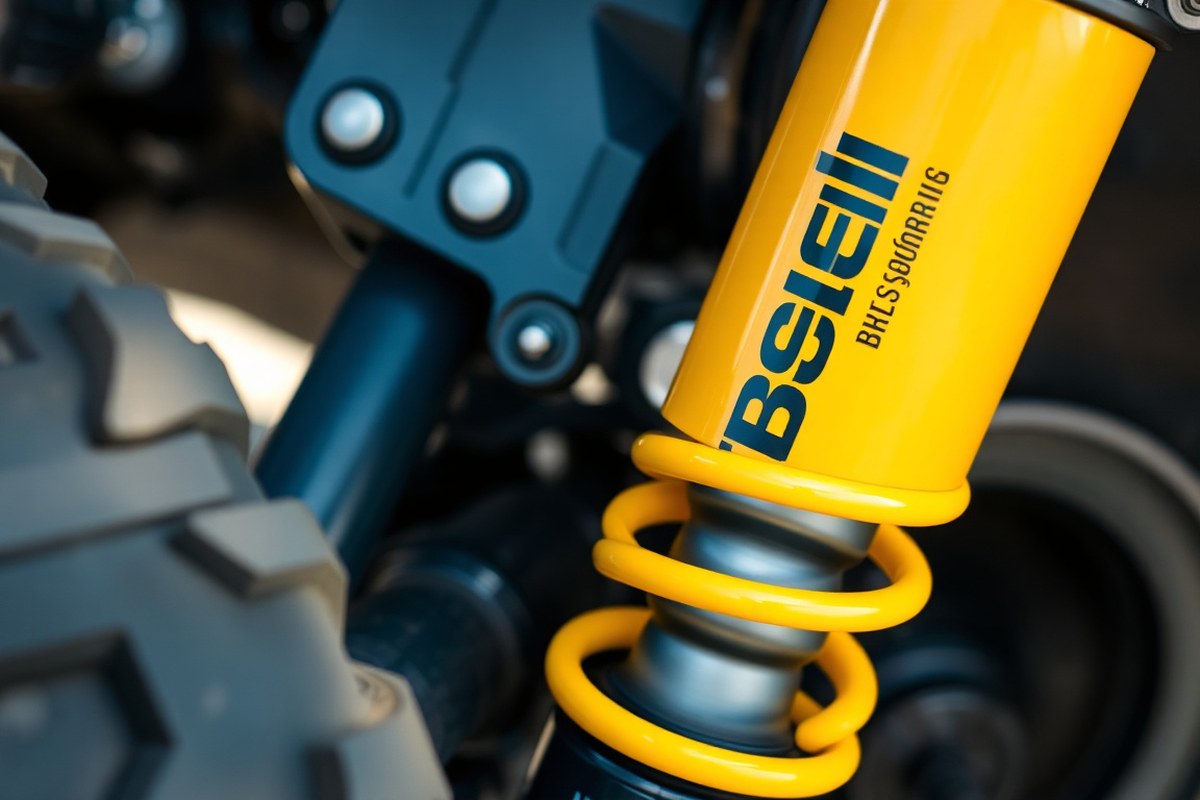
Where are Bilstein shocks made is a common question for those wanting top-quality suspension parts. Most Bilstein shocks are manufactured in Germany, maintaining a high standard of engineering and durability rooted in over 40 years of high-pressure gas technology experience. Some popular models, including certain rebuildable series, are also made or assembled in the USA to meet specific vehicle needs and market demands. To confirm your shock’s origin, check the product label or purchase from licensed dealers, ensuring genuine Bilstein quality and reliable warranty coverage.
Key Takeaways
- Bilstein shocks are primarily manufactured in Germany, known for precise engineering and consistent quality.
- Several Bilstein models, like the 5165 and 7100 series, are fully rebuildable and made in the USA.
- Bilateral manufacturing locations help Bilstein tailor shocks to regional vehicle requirements and performance standards.
- Checking the shock label or documentation confirms its manufacturing origin and authenticity.
- Bilstein shocks’ longevity often exceeds 50,000 miles, but regular inspections maintain optimal performance.
- Factory-aligned models like the 5100 series match original suspension geometry for lifted trucks and SUVs.
Where Are Bilstein Shocks Manufactured Worldwide?

Bilstein shocks are manufactured in several countries, with the primary production facilities located in Germany and the United States. The German plants, based near Bilstein’s headquarters in Ennepetal, are known for their precision engineering and use of state-of-the-art equipment. These facilities focus on producing high-performance shocks that maintain consistent quality and durability, reflecting Bilstein’s long history of innovation in high-pressure gas shock technology.
In the United States, Bilstein operates advanced manufacturing sites that combine modern production techniques with rigorous testing protocols. Shocks made in the U.S. Typically serve the North American market and include popular models like the 5100, 5165, and 7100 series, which are designed especially for trucks, SUVs, and vehicles with lifted suspensions. These shocks are built to meet the demands of off-road use and heavy-duty applications, ensuring reliable performance under rugged conditions.
Beyond Germany and the U.S., Bilstein also manufactures shocks in Romania, China, and Mexico. These locations support Bilstein’s global supply chain and production capacity but tend to focus on different product lines, often catering to specific regional markets or entry-level models. While production in China and Mexico helps keep manufacturing costs competitive, the company maintains strict quality control standards across all sites. This strategy allows Bilstein to offer a variety of shocks tailored to various vehicles and driving conditions, while maintaining performance consistency.
Knowing where a Bilstein shock is made can matter because manufacturing processes and quality control can vary slightly by location. Shocks produced in Germany and the USA generally carry a reputation for premium build quality and durability, but Bilstein’s checks ensure that products from Romania, China, and Mexico meet their performance benchmarks as well. For buyers, this means that although Bilstein shocks are made worldwide, the brand emphasizes consistent performance through standardized engineering and quality assurance practices.
Bilstein’s choice to produce shocks in multiple countries allows the company to serve a broad market efficiently. If you are sourcing shocks for a vehicle that requires rugged off-road performance or precise handling improvements, you will most likely find your Bilstein shocks manufactured either in Germany or the USA. Models designed for specialized use, like those that accommodate lifted trucks, often come from these two countries. Where production happens influences availability and price, but strict factory standards help ensure that shocks from all Bilstein facilities deliver dependable suspension performance over 50,000 miles and beyond.
Differences Between Bilstein Shocks Made in Germany and Other Countries
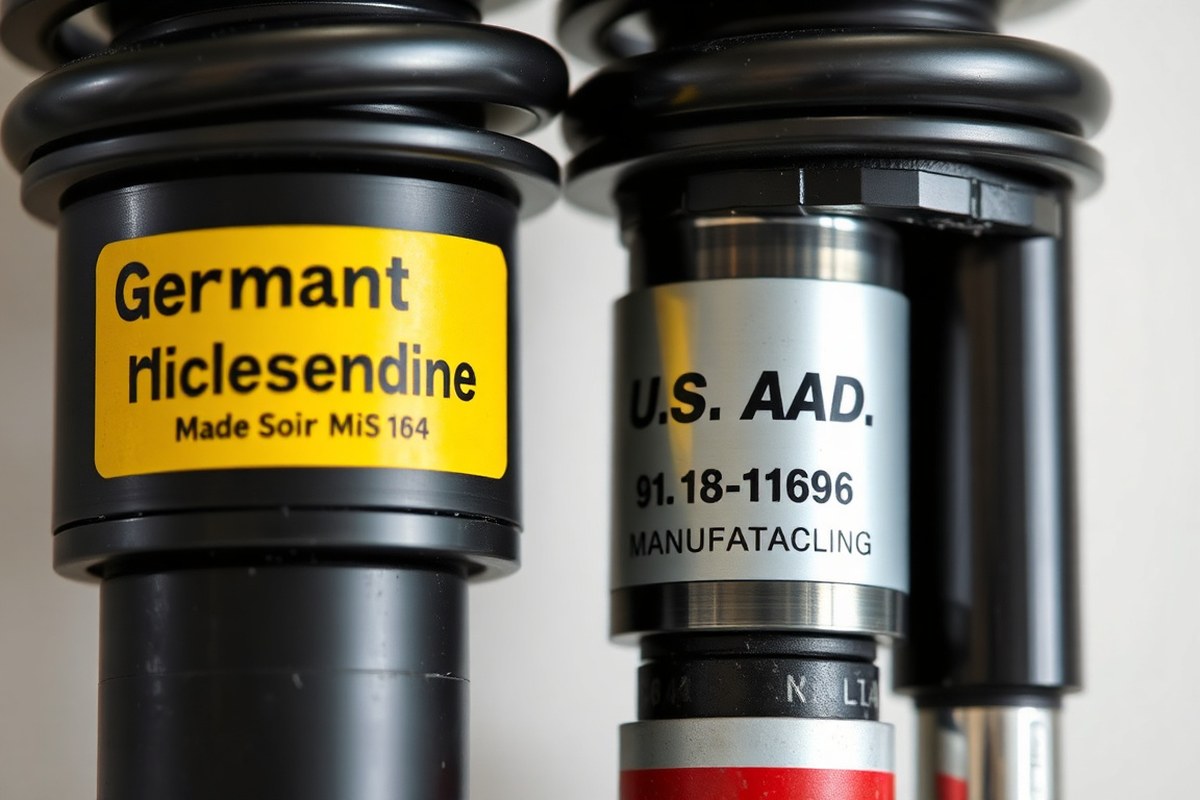
Billy Stein shocks made in Germany are often viewed as the benchmark for quality within the brand, thanks to strict quality control, premium materials, and precise engineering. Shocks produced in other countries can perform well but might have variations in parts sourcing, manufacturing processes, and final performance that reflect differences in labor skill or material standards.
Quality Control Processes in German Manufacturing
German Bilstein factories apply rigorous quality control measures at every stage, from raw material inspection to final product testing. These plants use advanced automated systems combined with skilled technicians to ensure tight tolerances, consistent damping characteristics, and defect-free finishes. Each shock often undergoes pressure testing, leak detection, and ride simulation to verify performance under stress.
Such thorough testing helps maintain the brand’s reputation for durability and reliability. The cost is higher production overhead and longer lead times, but the end shocks typically match or exceed original equipment manufacturer (OEM) specifications. This benefits users looking for sustained performance and long wear, especially in performance or off-road applications where shock failure has bigger consequences.
Materials and Parts Origins Affecting Shock Quality
Components for German-made Bilstein shocks tend to originate from European suppliers, with strict material grade adherence, including high-strength steel tubes and precision-machined piston valving. These materials resist corrosion and fatigue better under extreme conditions, helping the shock’s longevity and consistent damping performance. Polyurethane or rubber parts used in seals and mounts get tested to tolerate wide temperature ranges and exposure to elements.
In contrast, Bilstein shocks assembled in other countries might source some parts locally or regionally, which can result in subtle variability in material grades or finish quality. While Bilstein enforces global standards, real-world performance differences trace back to suppliers’ processes, affecting the shock’s ability to maintain consistent damping or resist wear over time.
Performance Variations Based on Manufacturing Location
Bilstein shocks made in Germany are frequently selected for applications demanding tight damping control and long-term durability, such as sports cars, heavy-duty trucks, and serious off-road builds. They deliver stable ride quality over rugged terrain and under high loads, thanks to precision valving and strong case construction.
Shocks from other plants can vary slightly in tuning, with some models offering softer or less consistent damping responses. Labor skill and production equipment sophistication influence the shock’s internal alignment and assembly precision, which impact reliability and comfort. For example, off-road users might notice more consistent rebound control from German models during extended rough terrain use due to these factors.
When Labor and Technical Expertise Matter Most
Manufacturing shocks involves complex assembly steps requiring skilled labor and close attention to detail, such as precise piston placement and seal fitting. German plants benefit from experienced workers backed by engineering teams trained in maintaining high standards. This reduces assembly errors that can cause noise, leaks, or premature failure.
In countries with less specialized labor forces or older machinery, you might see a higher rate of inconsistencies or minor defects. Such production differences can shorten shock life or degrade ride quality, especially under intense driving conditions. Labor expertise also influences the ability to implement new technology, like advanced valving suited for modern adjustable shocks.
Check the location printed on your Bilstein shock to gauge expected quality and consult warranty terms tied to manufacturing origin.
Which Bilstein Shock Models Are Made in the USA, and Which Aren’t?
Bilstein manufactures different shock series across several locations, including the USA and Germany. Key off-road models for lifted trucks like the 5100 and 5165 series are made in the United States, while some OEM and performance lines originate abroad. Knowing where your Bilstein shocks come from helps you understand their design purpose and suitability for your vehicle type.
Bilstein 5100 and 5165 Series Production Locations
The Bilstein 5100 and 5165 shock series are mainly produced in Bilstein’s U.S. Facilities. These shocks target lifted trucks and SUVs that need improve damping and increased ride height for rough terrain. The 5100 series, popular among Jeep owners, supports adjustable ride height in certain versions, making it ideal for off-road customization.
The 5165 series expands on this by featuring a remote reservoir, improving heat dissipation for extended off-road use. Manufacturing these series in the U.S. Allows Bilstein to tailor the shocks for North American trucks and off-road markets. This choice also potentially reduces shipping times and supports local service availability.
OEM Replacement Shocks Manufacturing Sites
Bilstein’s OEM replacement shocks, such as the B4 and B6 4600 series, typically come from Germany’s primary factories. The B4 line offers standard ride quality for full-size sedans and wagons, while the B6 4600 delivers heavier-duty valving to improve handling and stability for trucks and sportier street vehicles.
Producing these shocks in Germany ensures adherence to precise engineering standards for European and global automakers. Although these shocks fit many North American vehicles, their German production reflects Bilstein’s deep heritage in suspension technology, often involving more complex valve designs and finely tuned damping characteristics.
Specialty and Performance Series Origins
Some specialty and performance shock models come from unique production sites or collaborations. For instance, the Bilstein B8 5100 and 5125 series cater to high-performance off-road and motorsport use but may be manufactured partly in Germany or regulated locations depending on demand. The Bilstein 7100 series is fully rebuildable and used in remote reservoir or standard body configurations for off-road racing, with production focused on meeting strict motorsport durability requirements. Other companies like Eibach produce their own shocks in-house, such as in California, offering different valving and ride feels compared to similar Bilstein models like the 5100 series, which could be a factor for fine-tuning vehicle performance.
| Bilstein Shock Series | Typical Use | Manufacturing Location | Notes |
|---|---|---|---|
| 5100 Series | Lifted trucks and SUVs, off-road | USA | Adjustable ride height available; popular with Jeep owners |
| 5165 Series | Lifted trucks, remote reservoir off-road use | USA | Improved heat dissipation for rough terrain |
| B4 Series | OEM replacement for sedans, wagons | Germany | Standard ride quality |
| B6 4600 Series | OEM replacement, heavy duty valving for trucks | Germany | Improved handling and stability |
| 7100 Series | Off-road racing, prerunners | Varied (Germany/USA) | Fully rebuildable, remote reservoir option |
| B8 Series (5100, 5125) | Performance off-road, motorsport | Germany | High-performance damping |
This table outlines where several key Bilstein shock models are made and their intended vehicle types. Understanding these origins can help you select shocks best suited for your truck or SUV, especially when upgrading for lifted off-road applications.
How to Identify Where Your Bilstein Shocks Were Made
You can identify where your Bilstein shocks were made by examining the serial number, label, and packaging details. These elements typically include coding or markings that indicate the factory origin. Checking these will confirm authenticity and help verify if the shocks meet your vehicle’s requirements or warranty conditions.
Locate the Serial Number on the Shock Body
The serial number on Bilstein shocks is usually stamped or printed directly on the shock tube or near the mounting points. This number encodes manufacturing details including the factory location. Look for a sequence of letters and numbers, often found on a metal tag or etched into the shock itself.
Comparing this serial number with the Bilstein database or contacting an authorized dealer will provide specific origin information. Serial numbers starting with certain prefixes correspond to factories in Germany, the USA, or other countries. Always check directly with Bilstein or an official retailer for accurate decoding.
Check Labels and Packaging for Origin Marks
Labels on the box or shock body often state “Made in Germany” or “Made in USA,” but not all packaging includes this. Carefully inspect the shipping box and any included paperwork, such as installation instructions or warranty cards, which frequently list manufacturing location or country of origin compliance marks. Look for:
- Country of origin printed on the box
- OEM part numbers matching factory databases
- SKU or batch codes aligned with known factory outputs
- Authorized dealer stamp or holograms
- Barcodes that scan to verified product info
Packaging without these details may indicate an aftermarket or counterfeit product, especially when purchased from third-party or online marketplaces.
Use Official Bilstein Resources to Verify Origin
Bilstein maintains records to confirm the authenticity and origin of their shocks. Visit the official Bilstein website or authorized dealers to enter your shock’s serial number or part number. This is the most reliable way to verify where the part was made and confirm if it matches your model specifications and warranty terms.
For retail or online purchases, ask the seller for the serial number and proof of origin. Verify this independently before installing. This step costs no more than your time, but it protects you from buying counterfeit or improperly labeled shocks.
Checklist for Identifying Shock Origin
Here’s a quick checklist to help you determine where your Bilstein shocks were made and ensure authenticity:
- Find and record the serial number stamped or printed on the shock body
- Inspect the packaging and labels for clear country of origin markings
- Cross-reference the serial or part number with Bilstein’s official database or consult authorized dealers
- Confirm packaging authenticity through authorized retailer marks or holograms
- Verify online or retailer affiliation to avoid counterfeit sources
- Keep documentation like purchase receipts and warranty cards for future reference
Following this checklist requires no special tools and only a few minutes, but helps ensure your Bilstein shocks are genuine and correctly sourced.
Understanding What to Avoid and When to Seek Help
Poorly marked shocks, missing serial numbers, or suspicious packaging may indicate counterfeit or damaged products. Avoid installing shocks without confirmation of origin or authenticity as this could impact suspension performance and void warranties. If uncertain, ask a licensed mechanic or Bilstein dealer to inspect the shocks before purchase or installation. Attempting DIY identification may work for experienced users, but for high-value or critical vehicle parts like shocks, professional verification reduces risks and helps maintain vehicle safety and reliability.
Impact of Manufacturing Location on Bilstein Warranty and Service
The origin of your Bilstein shocks plays a key role in warranty claims and after-sales service. Bilstein maintains warranty policies that generally cover defects in material and workmanship for a specified period, but the process for filing claims and obtaining repairs or replacements can vary depending on where the shock was manufactured. Shocks made in different countries may be serviced through distinct regional repair centers or authorized dealers, affecting how quickly you can get assistance and the convenience of local support.
For example, Bilstein shocks produced in Germany often have direct access to European service networks, ensuring faster processing and shipping of replacements if needed. In contrast, shocks made in the USA typically benefit from a network of domestic repair centers and warehouses, which can decrease lead times and shipping costs for warranty service. Shocks coming from other countries may only have repair services available through specific distributors, which can extend the time needed to handle warranty claims.
Pricing for repairs or replacement parts can also differ based on manufacturing location. Domestic shocks might have lower service costs because of reduced shipping fees and localized support infrastructure. When dealing with imported shocks, you might face higher labor charges or longer delays, which can indirectly raise the total cost of ownership. Checking the region-specific warranty terms on Bilstein’s official site or with your dealer before purchase can help clarify what to expect regarding support and cost.
To manage warranty claims efficiently, you should first verify the origin of your shocks by locating the manufacturing code or label, then contact the appropriate regional Bilstein service center. Make sure to keep your purchase receipt and document any installation, as manufacturers often require proof of installation date and proper use to honor warranty. Being outside the main sales area of where your shocks originate means reaching out to the seller first can help set clear service expectations.
Choosing shocks manufactured closer to your location generally simplifies warranty and repair handling. This proximity means quicker turnaround for inspections, replacements, or adjustments, which keeps your vehicle back on the road faster. Vehicles used in off-road or campervan applications, which often rely on models like the Bilstein B6 Camper designed for specific uses, especially benefit from timely service. Neglecting these service considerations may result in longer downtime or increased maintenance expenses.
Before buying, verify your Bilstein shocks’ manufacturing location to understand your local warranty support options and avoid unexpected repair delays or costs.
Are Bilstein Shocks Assembled Differently in Each Country?
Bilstein shocks maintain a consistent assembly process across their various manufacturing locations, but regional factors introduce specific differences. The core design, including the patented digressive piston that allows the shock to respond quickly to changes in terrain, remains the same worldwide. Each factory follows strict quality control procedures to ensure shocks meet performance and durability standards set by Bilstein, which is reflected in their complete warranty against defects in material and workmanship.
Assembly involves precise installation of high-pressure gas units and carefully selected internal components, which must be calibrated to vehicle type and intended use. Factories in different countries handle these steps slightly differently to account for local supply chains and manufacturing capabilities. For example, plants that serve markets with predominantly off-road vehicles might emphasize stiffer settings and larger shock sizes tailored for tougher conditions. This adjustment occurs during the final assembly and testing stages, where the shocks are configured and validated to meet specific requirements.
Component sourcing does not rely entirely on local suppliers. Bilstein uses a global sourcing strategy for many parts, blending international quality components with regionally available materials. This approach helps control costs and assures consistent quality. Some critical parts, like the digressive piston and certain seals, are often manufactured in Germany, where Bilstein originated and holds key patents. Other components might come from Asian or North American suppliers, depending on cost, logistics, and certification standards.
This partial international sourcing means the assembly plant’s role includes quality verification to ensure all parts, regardless of origin, work harmoniously. Assembly workers and engineers must conduct functional testing that measures gas pressure, damping rates, and piston movement within strict tolerances. These tests usually happen in temperature-controlled environments since shock absorber performance can vary with temperature changes, typically tested between 32°F and 104°F to simulate real-world conditions.
Because assembly techniques and final adjustments can vary slightly by location, shocks assembled in different countries might show subtle differences in performance characteristics tailored to local driving conditions. However, these differences do not indicate a drop in overall quality but rather a thoughtful adaptation by Bilstein to serve diverse markets. For buyers, understanding that assembly is globally coordinated yet locally optimized can help explain variations in stiffness or ride behavior between shocks bought in different regions.
Common Myths and Facts About Bilstein Shock Manufacturing Origins
A common misconception is that Bilstein shocks made outside Germany are of lower quality or inferior in performance. This myth stems from the belief that all top-tier Bilstein products originate only from their German plants. The reality is more nuanced. Bilstein operates multiple manufacturing sites globally, including in the USA and other countries, each adhering to strict quality standards set by the company to ensure consistent performance across all markets.
The idea that shocks produced outside Germany lack durability or precision does not align with how Bilstein manages its production. Automotive experts highlight that Bilstein’s manufacturing technology, quality controls, and materials sourcing remain consistent regardless of location. The variation lies mainly in specific models or product lines tailored to regional vehicle demands or regulatory requirements, not in a drop in build quality.
Bilstein applies the same German engineering principles during manufacturing, whether the shocks are made in Germany, the United States, or elsewhere. This includes rigorous testing such as pressure testing in shock absorbers and endurance testing over millions of cycles to confirm damping characteristics remain optimal. Their usage of nitriding processes on piston rods and proprietary hydraulic fluids also does not vary by manufacturing site, ensuring similar corrosion resistance and wear performance globally.
Belief in inferior quality from non-German production often overlooks the role of regional manufacturing in reducing costs and improving supply chain efficiency without sacrificing performance. For instance, shocks built in Bilstein’s Tennessee plant for the North American market undergo assembly and calibration specific to local vehicle models, but conform to the same design specifications and material standards as their German counterparts.
You can verify quality by checking model numbers and product certifications rather than assuming origin dictates performance. Manufacturers are generally required to meet international automotive standards such as ISO/TS 16949, which governs quality management for automotive suppliers worldwide. Bilstein’s compliance with these standards at all plants supports the fact that shocks made outside Germany meet industry benchmarks.
For vehicle owners and mechanics, concerns about shock performance should focus on selecting the correct model type for the application and confirming proper installation rather than the country of manufacture. While origin can influence things like warranty servicing locations or availability of parts, it does not automatically indicate poorer shock function or durability.
How Bilstein’s Manufacturing Locations Affect Shock Performance and Use Cases
Bilstein designs certain manufacturing facilities to specialize in different types of shocks, which affects performance and how they should be used. For example, Bilstein’s off-road shocks often come from plants that focus on adjustable damping technology. These shocks allow you to fine-tune your suspension settings to match various terrains, whether rocky trails or muddy paths. This custom valving capability means you can dial in a softer or firmer response depending on your specific off-road needs, which is essential for maintaining control and comfort over unpredictable surfaces.
OEM shocks from Bilstein typically come from locations dedicated to producing models that meet strict manufacturer specifications. These facilities prioritize uniform quality and durability to match original vehicle performance and warranty requirements. Owning a vehicle and wanting to keep the ride as the factory intended means purchasing OEM shocks made in these specialized plants is generally a good choice. They focus less on customization and more on consistent and reliable shock absorption under everyday road and highway conditions.
Performance shocks, which target street and track use, are produced in sites that emphasize advanced valving and materials capable of handling higher speeds and more aggressive driving styles. These shocks are designed to improve handling and reduce body roll without sacrificing ride comfort. Buying performance shocks made in these facilities can help you gain better traction and stability during spirited driving or on winding roads.
Regarding rebuildable Bilstein shocks, these commonly come from facilities equipped for servicing rather than initial production, usually in regions known for offering rebuild programs. Rebuildable shocks allow you to replace worn components and revalve the unit for renewed performance, extending the lifespan of your suspension investment. This option matters to you; look for Bilstein service centers or manufacturers who specialize in maintaining rebuildable shocks made in those regions.
Choosing shocks made in a particular country is often about matching your driving style and vehicle usage to the shock’s intended function rather than focusing solely on origin. For example, off-road enthusiasts benefit most from shocks manufactured with adjustable damping in specialized plants. Regular drivers might prioritize OEM shocks from facilities focused on exact factory specifications. Performance drivers get the most from shocks built in sites tuned for aggressive handling. The key is identifying how each manufacturing location’s specialization lines up with your vehicle needs and terrain conditions.
Check the shock’s part number or label to confirm if it features adjustable damping before buying, especially for off-road use. Choosing shocks without this feature can limit your ability to fine-tune performance on varied terrain.
Step-by-Step Action Plan to Identify and Choose the Right Bilstein Shocks
Follow these steps to determine where your Bilstein shocks were made and select the best option for your vehicle’s needs.
- Before you buy: Check the product packaging and official Bilstein website for the manufacturing location of the shock model you want. Confirm it matches your quality and performance expectations.
- Day 1: Inspect the shock for stamping or labels specifying country of origin immediately after purchase. Clear markings usually indicate manufacturing location.
- Week 1: Compare your shocks against known characteristics of shocks made in Germany, the USA, or other countries, such as build finish and model type, to verify authenticity.
- Week 2: Test drive your vehicle and note any performance traits linked to shock origin, like ride firmness or handling response, especially if you switched models.
- After 1 month: Review your shocks’ warranty registration. Ensure your records reflect the correct manufacturing source to avoid service issues.
- Ongoing: Keep an eye on Bilstein updates about production shifts or new models. Adjust your future purchases based on changes in location or product lines.
Frequently Asked Questions
Are Bilstein Shocks Made in the USA?
Yes, Bilstein manufactures certain shock models in the USA, such as the 5100 and 5165 series, mainly designed for off-road and lifted trucks. These are built to meet local demand and maintain high-quality standards.
Which Is Better, Monroe or BILSTEIN?
Bilstein shocks are generally seen as superior for performance and durability due to their monotube design, while Monroe offers a wider range for everyday use and budget options. Your choice depends on your vehicle needs and driving style.
What Shocks Are Made in the USA?
Besides Bilstein’s 5100 series, many brands produce shocks in the USA, including Fox, Rancho, and KYB. Verifying the manufacturer’s website or packaging helps confirm origin for specific models.
Are Bilstein Shocks Better Than OEM?
Bilstein shocks often outperform OEM shocks because of advanced monotube technology, offering improved heat dissipation and consistent damping. They provide better ride quality, especially on rough or off-road terrain.
Can I Rebuild Bilstein Shocks?
Yes, several Bilstein models like the 5165 and 7100 series are fully rebuildable, allowing longer use with replacement parts instead of buying new shocks. This can save money and maintain performance over time.
Do All Bilstein Shocks Fit Lifted Trucks?
Not all Bilstein shocks suit lifted trucks; the 5100 series and some others are designed specifically for lifts. Always choose shocks matched to your suspension height and vehicle type for best results.
Before You Go
Bilstein shocks come from several manufacturing sites worldwide, each with its own standards and specialties that affect performance and durability. You can confidently choose Bilstein shocks by verifying their origin through labels and documentation. Start by checking the manufacturing information of your current shocks or any you plan to buy to ensure they meet your vehicle’s demands and your expectations.