How to Tell If Shocks Are Bad: 8 Reliable Ways to Diagnose Vehicle Issues
How to tell if shocks are bad comes down to noticing changes in ride quality, handling, and tire wear. If your vehicle bounces excessively, sways during turns, or rides roughly over bumps, the shocks may be worn. Start by performing a simple bounce test at home to gauge how well your shock absorbers control spring movement.
Key Takeaways
- Perform a bounce test by pressing down firmly on each corner and watching for more than two bounces.
- Look for oil leaks or dents on shock body indicating fluid loss or damage.
- Uneven or cupped tire wear patterns often point to worn shocks affecting suspension control.
- Feel for excessive body roll, nose-diving during braking, or instability at higher speeds as signs of shock wear.
- Check shocks visually every 12,000 miles or during tire rotations and alignments for early damage detection.
- Replace shocks after 50,000 miles or sooner if symptoms appear to maintain safety and ride comfort.
1. How to Tell If Shocks Are Bad by Common Symptoms

Worn shocks cause clear changes in how your vehicle feels and handles. These parts control the up-and-down movement of your car, so when shocks fail, your ride becomes bouncier and less stable. You might notice the car bouncing excessively after hitting bumps or dips in the road. This happens because bad shocks no longer absorb impacts effectively, which leads to uncomfortable rides and more strain on other suspension components.
Uneven or “cupped” tire wear is one of the most common early signs of failing shocks. When shocks don’t keep the tires firmly on the road, tire tread wears irregularly, reducing traction and causing premature tire replacement. This pattern often looks like a scalloped edge around the tire tread and can be mistaken for other problems like misalignment or worn parts in the suspension system. Checking your tires regularly for uneven wear helps catch shock issues early.
Bad shocks also affect vehicle control and safety. They increase stopping distances by allowing the vehicle to nose-dive under braking, which reduces brake effectiveness. Driving feels less secure because worn shocks cause more body roll when turning or changing lanes, increasing rollover risk and making it harder to maintain smooth control on uneven or rough roads.
- Excessive bouncing after hitting bumps or when braking
- Uneven or cupped tire wear patterns visible on tread
- Increased body roll or sway during cornering or lane changes
- Louder noises such as clunking or rattling from suspension
- Longer stopping distances noticed during braking
- Vibrations felt through the steering wheel on rough surfaces
- Reduced ride comfort with a rougher, less stable feel
Listening for unusual noises is also helpful. Bad shocks can clunk or rattle when driving over bumps due to internal wear or loose mounts. These sounds signal the shocks aren’t dampening impacts as they should. Lastly, if you notice the steering wheel or vehicle body vibrating more than usual, it could mean the shocks are failing to stabilize the car’s movements, especially at higher speeds.
Checking for these symptoms regularly lets you catch worn shocks before they cause bigger damage or safety issues. Identifying these signs early helps you plan for repair costs and maintain safe, smooth driving conditions. Replacement costs vary but are often between $200 and $400 per shock, depending on your vehicle and the type of shocks used.
2. Performing a Bounce Test to Check Shock Absorbers at Home

The bounce test is a simple, hands-on way to check if your car’s shock absorbers are functioning properly. By pushing down on a corner of the car and observing how it reacts, you can get a quick sense of whether the shocks are absorbing the movement as they should. This test helps identify worn shocks that cause excessive bouncing but has some limitations and should be combined with other checks for accurate diagnosis.
Step-By-Step Bounce Test Procedure
Performing the bounce test requires only your own strength and no tools. It works best on a flat surface to ensure stability and clear results.
- Park your car on a level ground and make sure the engine is off and the parking brake is engaged for safety.
- Go to one corner of the car, front or rear, and place both hands firmly on the fender or bumper.
- Push down hard on the corner to compress the suspension; try to use enough force to compress the shocks fully.
- Release your hands quickly and observe how the car moves.
- Watch and count the number of times the car bounces up and down before it settles.
- Repeat the test on other corners to check shocks at all four wheels for comparison.
Always perform the test when the car is stationary on flat ground, as uneven surfaces can give misleading bounce behavior.
Interpreting Bounce Test Outcomes
The car will bounce once or twice after you release pressure and then return to its stable position when the shocks are in good condition. This quick damping happens because the shocks absorb the energy from the suspension springs promptly. Excess bouncing beyond two times suggests the shocks are not controlling the suspension movement effectively, leading to a rougher ride and less stability.
For example, a car that continues to bounce three or more times after you push down is likely showing worn shock absorbers. This excessive bounce can cause safety issues like reduced braking performance and less tire contact with the road. Feeling the car sway more in wind or while turning is another sign related to weak shocks.
When the Bounce Test Might Not Be Conclusive
The bounce test is a useful initial check, but it’s not a foolproof method. It only provides a rough indication of shock absorber health and may not clearly identify all issues. Some factors, like stiff or worn springs, can affect the bouncing independently of shocks. Also, variations in vehicle weight, the wear of other suspension parts, or cold temperatures causing fluid viscosity changes in the shocks can influence results.
For precise diagnosis, a professional mechanic uses specialized equipment to measure the damping capacity of shocks more accurately. Conduct a detailed inspection or visit a garage if the bounce test raises concerns. Trusting the bounce test alone could miss early shock wear or unrelated suspension problems.
3. Visual Inspection: Signs to Look for When Checking Shocks
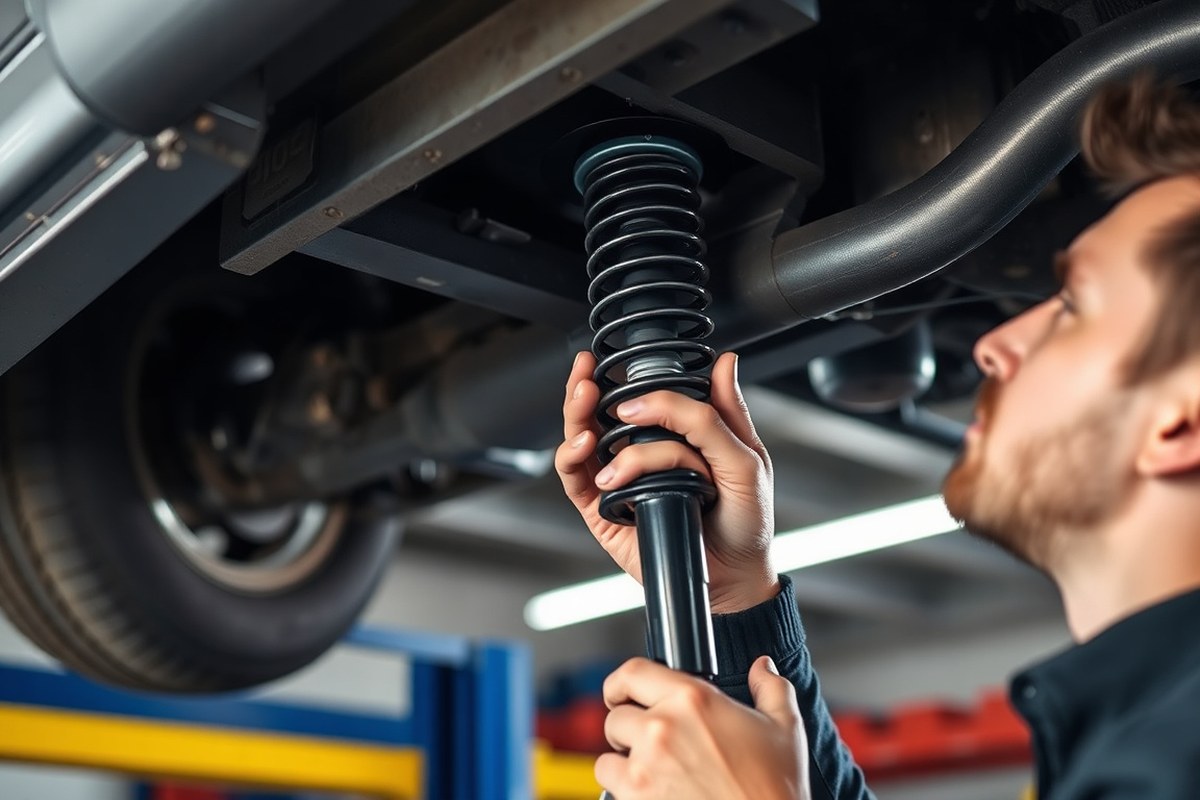
You can often spot worn shocks by carefully inspecting them for several visible signs. Look for fluid leaks, dents, rust, or problems with mounting hardware that indicate wear or damage. Distinguishing shocks from other suspension parts mainly involves locating the cylindrical hydraulic components near each wheel.
Identifying Shock Fluid Leaks
Shocks contain hydraulic fluid that controls damping and absorbs impacts. A leak occurs if the shock’s seal fails, allowing fluid to escape onto the shock body. Check for oily, clear, or light brown fluid running down the shock absorber’s cylinder. This kind of leakage is a strong sign the shock is failing and likely needs replacement. Dry or clean shocks don’t guarantee good condition, but visible fluid means the shock’s damping ability is compromised.
To inspect, park your vehicle on a level surface and use a flashlight to carefully examine the area around each shock for fresh or dried fluid tracks. Also, look underneath for fluid dripping or pooled spots. Finding fluid on the shock is a red flag that calls for professional evaluation or replacement.
Spotting Damage or Corrosion
Physical damage such as dents, bends, or deep scratches on the shock absorber body can impair shock function. Dents can restrict smooth piston movement inside the shock, reducing effectiveness. Heavy rust or corrosion is also problematic. Corrosion can cause pitting on the shock shaft and cause it to stick or leak. Rust may indicate age or previous exposure to road salt and can signal the shocks have been neglected. Look for:
- Dents or dings along the shock body or shaft
- Rust flakes or deep corrosion patches on the metal surface
- Scratches or abrasions indicating physical impact
- Any bent or misshapen sections of the shock absorber
- Signs of fluid that may stain rusty areas
Excessive corrosion or visible damage usually means the shock can no longer effectively absorb road impacts and should be replaced to maintain ride safety and comfort.
Checking Shock Mounts and Bushings
The shocks are secured to the vehicle frame and suspension by mounts and bushings that absorb vibration and provide stable attachment points. Check the mounts for cracks, looseness, or missing hardware. Worn bushings can lead to clunks, rattles, or a loose feeling in the suspension. Inspect the rubber bushings around the mount for splits, excessive cracks, or hardened, brittle material. Look closely at the top and bottom mounting points for symptoms like:
- Rust or corrosion on mounting bolts or brackets
- Loose or missing nuts and bolts
- Cracked, torn, or squashed rubber bushings
- Visible movement of the shock under gentle manipulation
- Signs of metal-on-metal contact or wear marks
Damaged or loose mounting hardware compromises how the shocks function, potentially causing noisy ride issues or further suspension damage. Tighten or replace mounts as needed to ensure the shocks operate smoothly and safely.
4. How Bad Shocks Affect Tire Wear and What Patterns to Watch
Shock absorbers control your vehicle’s ride by reducing bounce and controlling tire-to-road contact. When shocks start to fail, your tires lose consistent grip because they keep bouncing or slipping on the road. This leads to uneven tire wear that differs from the patterns caused by poor wheel alignment. Worn shocks typically cause the tire tread to develop cupping or scalloped wear, making it look like there are high and low spots across the tread surface.
Unlike misaligned tires, which usually show uneven wear along one edge or the inner or outer sidewall, shock-related wear appears as irregular bumps and dips across the tread. This happens because bad shocks cannot properly absorb road impacts, causing the tires to repeatedly lose contact and then slam back onto the road surface. Over time, this constant cycling causes the tread to wear unevenly and prematurely.
Failing shocks not only result in this uneven tread damage but also increase wear on suspension and braking components. Driving with bad shocks can shorten the life of your tires and vehicle parts, leading to costly repairs. When you replace tires without fixing the shocks, the same wear pattern will likely reappear quickly. A visual check of the tires can help you determine if shock absorbers might be the problem. Inspect both front and rear tires for cupping or scalloped edges to spot ongoing suspension issues.
Look for these wear patterns and their likely causes before investing in new tires to avoid repeating the problem. Check shocks annually or at least every 12,000 miles, especially during tire rotations or alignments. Replacing shocks usually costs between $200 and $400 per axle, and doing so can extend tire life and improve ride safety.
| Tire Wear Pattern | Common Cause | Notes |
|---|---|---|
| Cupped or scalloped tread | Worn or bad shock absorbers | Irregular tread height due to bouncing tires |
| Uneven wear on inside or outside edge | Poor wheel alignment | Tire wears more on one side, indicating alignment issues |
| Patchy uneven tread wear | Combination of shocks and alignment problems | Requires thorough suspension and alignment check |
| Normal even wear | Good shocks and alignment | Indicates healthy suspension and proper alignment |
Careful comparison of these patterns will help you identify whether tire wear points to shock absorber problems or alignment issues. A good rule is that shocks affect the tire’s surface irregularly, while alignment affects edges consistently.
Severe shock failure sometimes causes bent shock shafts, restricting movement and worsening tire wear. Catching this early by monitoring tire patterns can prevent damage to tires and other components. Regular inspections protect your tires and keep your vehicle safer on the road.
5. Driving Symptoms That Indicate Worn Shocks and Safety Risks
Worn shocks significantly reduce your vehicle’s ability to brake and steer safely, increasing risks during everyday driving and emergencies. The front end of your car dipping sharply, or “nose diving,” when braking clearly indicates the shocks are not controlling body movement properly. This pitching forward reduces tire contact with the road and lengthens stopping distances, which can be dangerous on wet or uneven surfaces. Handling becomes unpredictable, especially at high speeds or in bad weather, making emergency maneuvers riskier.
Aside from braking, bad shocks cause noticeable body roll when cornering, letting your car lean excessively on turns. This instability lowers your confidence because it feels like the vehicle might tip or slide out. Loose steering, a shaky ride, and unusual noises like clunks or rattles also point to worn shocks or related parts such as strut mounts. These symptoms are not just comfort issues, they can lead to loss of control and increased wear on suspension components, creating safety hazards. Check for these driving symptoms regularly to protect yourself and others on the road:
- Front end dipping sharply during moderate or hard braking
- Excessive body roll or leaning while turning corners
- Loose or vague steering feel, especially on rough roads
- Increased stopping distances or uneven braking responses
- Unstable or bouncy ride at high speeds
- Unexpected noises like clunking or rattling during driving
To assess whether your shocks need replacement, pay close attention to how the vehicle responds when braking and cornering. Driving on rough or wet roads exaggerates these symptoms, so testing in those conditions can reveal problems sooner. Costs for replacing shocks vary depending on your vehicle and the type of shocks installed but expect parts and labor to range between $300 to $700 per axle in most cases. Not addressing worn shocks risks more than a bumpy ride, it compromises your ability to stop and steer safely, especially in emergencies.
Never ignore frequent nose dives or body roll, as these are early warning signs of suspension failure that could lead to loss of control.
Improving handling and safety starts with recognizing these driving symptoms promptly. Addressing worn shocks keeps your car stable and responsive, reducing the chance of accidents caused by poor braking and steering performance. Notice these signs and arrange an inspection or shock replacement to improve your vehicle’s safety and ride quality.
6. Differences Between Shocks and Struts in Symptoms and Wear
Shocks and struts serve different roles in your vehicle’s suspension, though they often wear out with similar symptoms. Shocks mainly control the up-and-down movement of your tires and help absorb bumps, improving ride comfort and road handling. Struts, on the other hand, combine the shock absorber with a structural part of the suspension and steering system, often bearing some of the vehicle’s weight and aligning the suspension geometry. This distinction means symptoms and wear signs can differ depending on whether your vehicle has shocks, struts, or both.
Many vehicles have struts on the front axle because they offer both damping and steering support, while the rear suspension may use shocks or struts based on the design. Trucks and SUVs often have shocks only, especially in the rear, as they favor durability for carrying loads. Passenger cars commonly use struts up front and may have shocks or struts in the rear.
When shocks wear out, you usually notice excessive bouncing after hitting a bump, poor ride comfort, and uneven tire wear focused on the areas where tires contact the road. Since shocks only damp the movement, the steering and alignment usually remain stable, even if the ride feels loose. Worn struts show similar bouncing and rough ride quality, but you may also experience problems like steering wander, uneven tire wear that affects alignment, and noises from the suspension. Strut wear can lead to misalignment because the strut assembly affects camber and toe angles. This table compares shocks and struts by their roles and symptoms to help identify what your vehicle might have and what to watch for when diagnosing wear:
| Feature | Shocks | Struts |
|---|---|---|
| Function | Control suspension bounce | Control bounce + structural support for suspension and steering |
| Common Location | Rear or front, more common in trucks, SUVs | Front mostly, sometimes rear, common in passenger cars |
| Effect on Vehicle Weight | Does not support weight directly | Supports some vehicle weight |
| Wear Symptoms | Excessive bouncing, rough ride, tire cupping | Bouncing, rough ride, steering wander, uneven tire wear from misalignment, noises |
| Impact on Alignment | Minimal effect | Significant effect, can cause alignment issues |
Understanding your vehicle’s setup helps you decide what symptoms to check for. For example, if your car has struts in the front and you notice pulling or wandering while driving, plus vibration or uneven wear on the front tires, these signs point toward worn struts. If you drive an SUV with shocks and feel continual bouncing or hear clunking noises from the rear on rough roads, worn shocks are likely the cause.
Regularly testing the suspension’s bounce and monitoring steering response will give early clues about which components might need replacement, especially since symptoms develop gradually. Keep in mind that mileage ranges for shocks or struts replacement usually fall between 50,000 and 100,000 miles. The actual wear depends on road conditions, load carried, and driving style, so symptom observation remains essential alongside mileage tracking.
7. When and Why to Replace Shocks: Mileage, Time, and Conditions
Shocks typically last anywhere from 50,000 to 100,000 miles, but there’s no fixed mileage or time frame that applies universally. Their longevity depends heavily on driving conditions, road quality, and vehicle use. For instance, driving daily on smooth highways will cause less wear than frequent rough or unpaved road driving. Instead of relying solely on mileage, evaluate shocks based on both condition and symptoms.
Inspect shocks at least once a year or every 12,000 miles. Look for signs such as oil leaks on the shock body, which usually indicates a failed internal seal and the need for replacement. Also, pay attention to any unusual noises or changes in ride quality. If you notice oily or greasy patches on the shocks or see your vehicle bouncing excessively after hitting bumps, it is time to replace them.
| Replacement Indicator | Typical Range | Notes |
|---|---|---|
| Mileage | 50,000 to 100,000 miles | Varies by driving conditions; no set interval |
| Time | Approximately 5-7 years | Depends on vehicle use and climate |
| Physical Inspection | Once per year or every 12,000 miles | Oil leaks or visible wear indicate replacement |
| Symptoms | Any time signs appear | Excessive bouncing, noise, or tire wear |
Because shocks absorb most impacts from road imperfections, maintaining them prevents safety risks and protects tires. Regular inspections help catch deterioration early before ride comfort and control decline. Schedule professional shock inspections if you experience more than two or three symptom signs or after hitting large potholes or curbs. Mechanics can use specialized equipment to measure shock performance and confirm if replacement is necessary.
Replacing shocks yourself requires basic tools but can be challenging without experience. Professional replacement typically costs between $200 and $400 for all four shocks, depending on the vehicle. Ensuring your shocks are in good shape protects handling and braking, making timely replacement essential for safety.
8. When to Seek Professional Shock Inspection and Common Misdiagnoses
You should consider a professional shock inspection when your vehicle exhibits multiple or worsening symptoms, or when DIY tests don’t clearly identify the cause of your ride issues. Professionals can differentiate shock problems from other suspension components and use specialized tools to make accurate diagnoses. This avoids misdiagnosis and costly repairs down the road.
Signs Beyond DIY Checks Needing Mechanic Help
When your vehicle shows persistent symptoms such as uneven tire wear combined with unstable steering, excessive bouncing over bumps, and unusual noises, it’s time to take your car to a mechanic. DIY tests like the bounce test and visual inspection can indicate a problem but can’t pinpoint whether shocks or other suspension parts are causing it. Also, if symptoms develop suddenly or worsen quickly, professional evaluation ensures safety before driving further.
Another scenario calling for professional checks is after a collision or off-road incident. Damage to mounting points or internal shock components may not be visible or testable at home. Mechanics can also assess the whole suspension system together, which matters because shocks do not operate in isolation.
Common Issues Confused with Bad Shocks
Problems such as worn springs, damaged struts, wheel alignment issues, or tire balance problems can mimic shock absorber symptoms. For example, uneven tire wear can result from poor alignment, and steering instability might come from worn tie rods rather than shocks. Faulty struts may cause noises similar to bad shocks but require different repairs. Identifying the right cause helps avoid replacing parts unnecessarily.
Brake system issues, like worn brake pads or calipers, can also create sensations mistaken for shock problems, especially during stopping. Noticing exactly when the symptoms occur, under braking, cornering, or steady driving, helps clarify the true issue before replacement decisions.
Professional Shock Testing Methods
Mechanics use hydraulic or electronic shock dynometers to measure a shock absorber’s damping force precisely. These machines apply controlled pressure and record resistance, giving a quantitative result far beyond what visual or bounce tests can show. The process helps determine if a shock’s performance is within factory specifications or degraded.
Technicians also perform detailed suspension inspections using lifts, specialized tools, and gauges to check for worn bushings, mounts, and related components. Computerized wheel alignment and tire balance tests identify issues contributing to symptoms confused with shock failure. These combined methods typically take 30 to 60 minutes and cost between $50 and $150, varying by shop and location.
Never delay professional inspection if your vehicle’s handling worsens suddenly; driving on compromised shocks risks accidents and expensive damage.
Step-by-Step Action Plan to Check Your Shocks at Home
Follow these steps to quickly identify if your shocks need attention and confirm if repairs are necessary.
- Before You Drive: Perform a visual inspection of your shocks for leaks or damage to confirm obvious issues before moving.
- After Parking: Do the bounce test by pushing down on each corner of your car; fewer than two bounces means shocks are likely okay.
- During Your Next Drive: Pay attention to any excessive body roll, nose diving on braking, or instability to spot symptoms of worn shocks.
- After 3,000 Miles or Monthly Checks: Examine your tire tread wear patterns for uneven or cupped wear as signs of shock problems.
- Notice Symptoms or Damage: Schedule a professional shock and suspension inspection to get a full diagnosis and repair estimate.
- Every 50,000 Miles or According to Your Manual: Replace shocks proactively to maintain safe handling and even tire wear.
Frequently Asked Questions
Can I Drive with Bad Shocks Temporarily?
You can drive a short distance with bad shocks, but it reduces control and safety, increasing accident risk. Get them inspected and replaced soon to avoid more damage or dangerous handling.
Do Bad Shocks Cause Poor Fuel Economy?
Yes, worn shocks can lower fuel efficiency by causing your tires to lose contact with the road more often, increasing drag and engine work.
How Do Bad Shocks Affect Braking Distance?
Bad shocks increase braking distance by reducing tire contact with the road, making it harder for your car to stop quickly and safely.
Can Bad Shocks Damage Other Suspension Parts?
Yes, faulty shocks put extra stress on components like springs and bushings, leading to premature wear and costly repairs.
How Often Should Shocks Be Inspected by a Professional?
Have a certified mechanic inspect your shocks every 30,000 to 50,000 miles or if you notice handling or ride issues.
Do Warning Lights on the Dashboard Indicate Bad Shocks?
Most cars don’t have specific shock warning lights; rely on symptoms like ride quality and tire wear for signs of failing shocks.
Wrapping Up
Bad shocks can seriously affect your vehicle’s safety and tire longevity, so recognizing the signs early protects you on the road. Start by inspecting your shocks visually and performing the bounce test to catch obvious problems. Strange handling or uneven tire wear mean you should get a professional inspection before more damage happens. Taking these steps lets you stay ahead of suspension issues and keep your car driving smoothly.