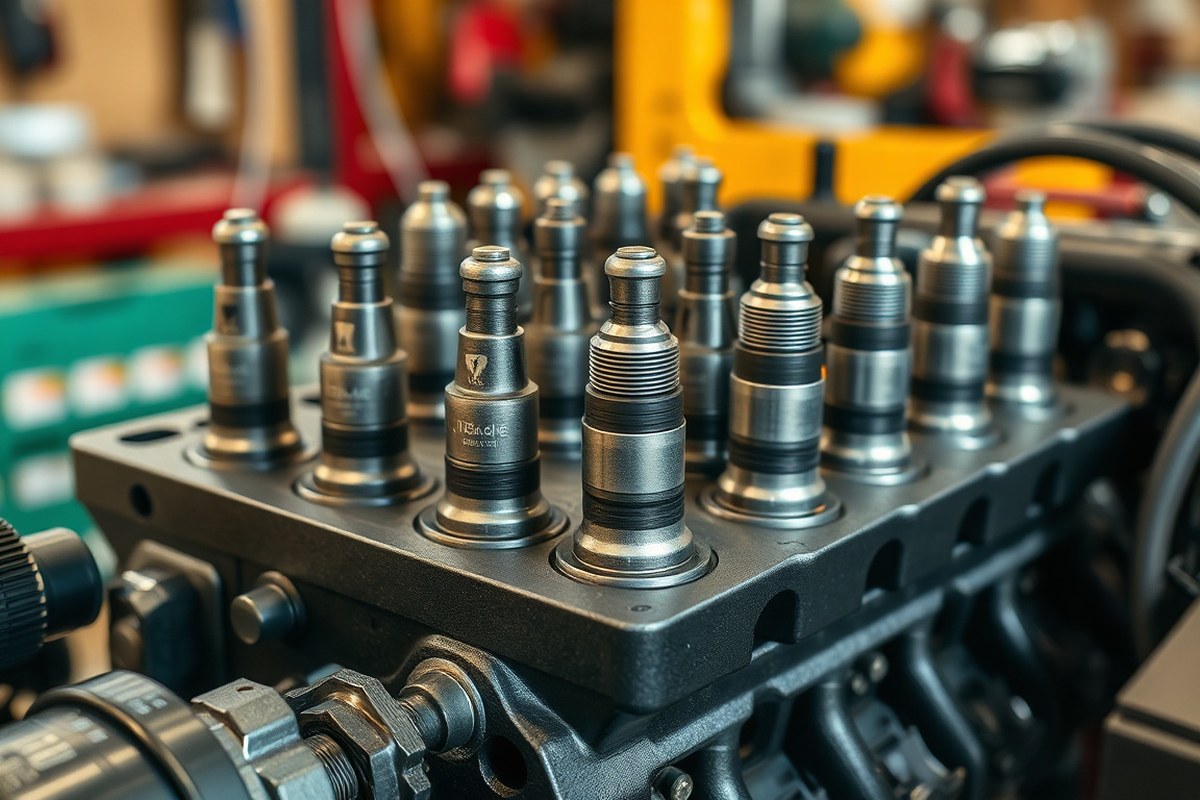
How Many Spark Plugs Are in a Diesel Engine? Complete Guide with Key Differences
Diesel engines don’t have spark plugs. They ignite the fuel by compressing air to a high temperature, so a spark isn’t needed. They use glow plugs or strong compression to begin combustion.
Key Takeaways
- Diesel engines operate without spark plugs, unlike gasoline engines which typically have one spark plug per cylinder.
- Glow plugs in diesel vehicles assist starting by preheating the combustion chamber rather than igniting fuel directly.
- The high compression in diesel engines generates enough heat to ignite fuel without any spark from plugs.
- Glow plugs usually last between 100,000 and 150,000 miles and may not need replacement in mild climates.
- Replacing all glow plugs in a typical passenger diesel vehicle can cost between $120 and $300, depending on engine accessibility.
- Cold weather increases the reliance on glow plugs to ensure smooth diesel engine starts.
How Many Spark Plugs Are in a Diesel Engine?
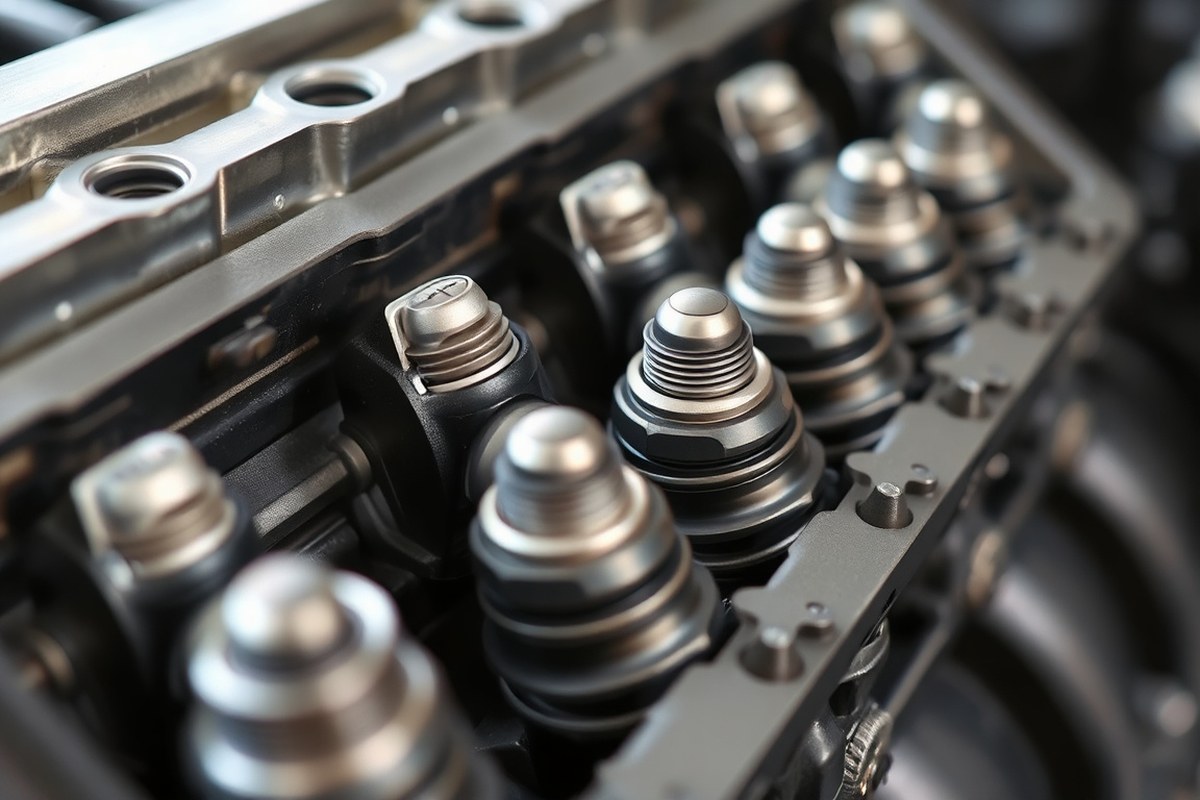
Diesel engines do not have any spark plugs. Unlike gasoline engines which rely on one spark plug per cylinder to ignite the air-fuel mixture, diesel engines ignite fuel through compression alone. This compression raises the air temperature inside the cylinder to the point where the diesel fuel spontaneously ignites without a spark. Therefore, the typical count of spark plugs in any diesel engine, regardless of the number of cylinders, is zero.
Some diesel engines, like certain older tractor models such as the Farmall F-20 and Super M-D, were exceptions that used spark plugs, but these are very rare. Modern diesel engines never include spark plugs because their combustion process depends entirely on compression ignition. The key factor here is the high compression ratio of diesel engines, which usually ranges between 14:1 and 25:1. This compression ratio heats the air inside the cylinder to temperatures high enough for the fuel to ignite on its own without a spark.
Instead of spark plugs, diesel engines are equipped with glow plugs, one per cylinder in most cases, to aid in cold starts. Glow plugs serve a completely different purpose, heating the combustion chamber to ensure the air temperature is sufficient for ignition during engine startup in cold weather. However, glow plugs do not ignite the fuel-air mixture during normal operation; the combustion process relies solely on the heat from compression. For example, a four-cylinder diesel engine has four glow plugs but zero spark plugs, while a six-cylinder diesel engine has six glow plugs and no spark plugs.
Diesel engines operate on a unique ignition principle that does not need spark plugs, no matter how many cylinders they have. Combustion happens because the air inside the cylinders gets extremely hot from being compressed. This method removes the need for parts such as ignition coils and spark plug wires, which gasoline engines rely on to start combustion.
Why Diesel Engines Don’t Use Spark Plugs
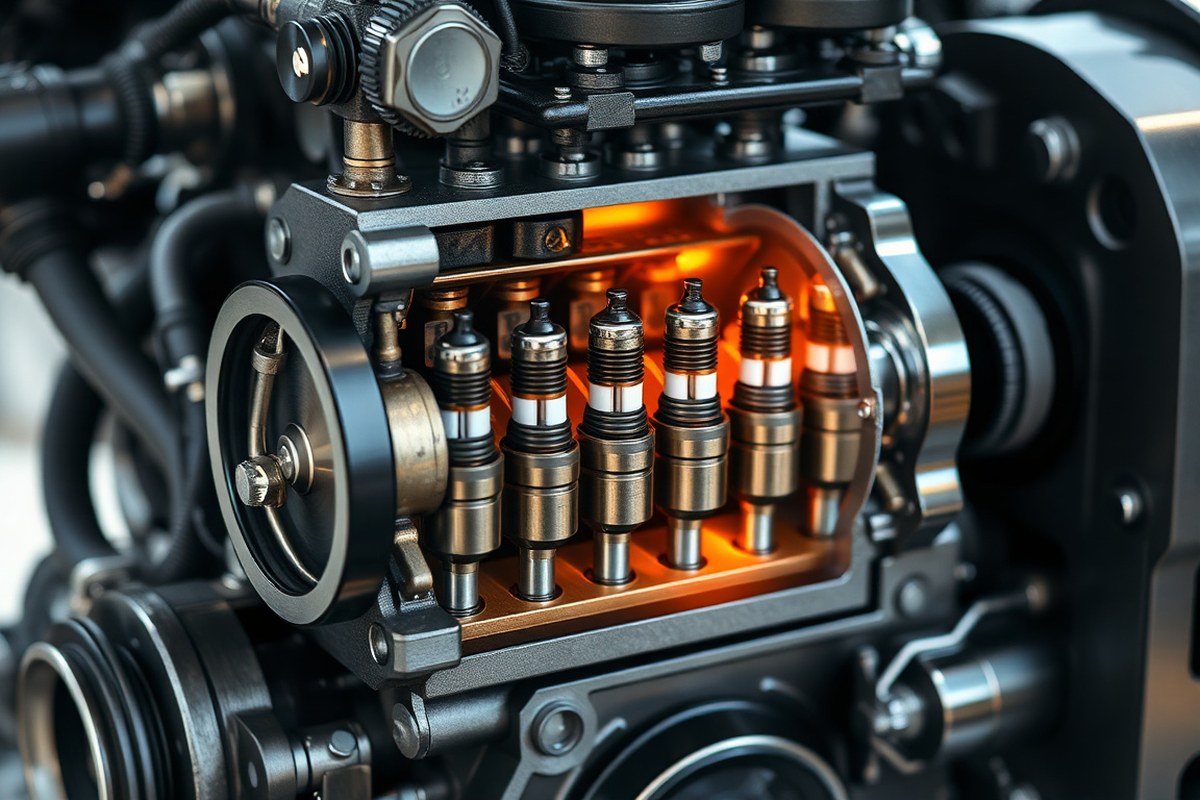
Diesel engines do not use spark plugs because they rely on a process called compression ignition to start combustion. Instead of mixing fuel and air before compression like gasoline engines, diesel engines compress only air inside the cylinder. This compression increases the air temperature to about 800 to 1,000 degrees Fahrenheit, which is hot enough to ignite the diesel fuel upon injection. The intense heat results from the very high compression ratios in diesel engines, typically ranging from 14:1 to 25:1, compared to gasoline engines that operate around 8:1 to 12:1.
Compression ignition means the moment diesel fuel is injected into the compressed, superheated air, it spontaneously combusts without needing an electrical spark. This fundamental difference in ignition makes spark plugs unnecessary and even counterproductive in diesel combustion chambers. Spark plugs create a spark to ignite gasoline’s pre-mixed air and fuel, but because diesel fuel ignites through heat generated by extreme air compression, a spark is neither needed nor used.
Diesel engine design and upkeep rely significantly on precise compression and fuel injection timing for effective ignition. Glow plugs, rather than spark plugs, are used during engine startup or in cold weather. These plugs add extra heat to the combustion chamber, supporting the heat generated from air compression until the engine warms up. After reaching operating temperature, the heat from compression by itself reliably ignites the diesel fuel.
The high compression needed to reach these temperatures impacts engine components, requiring strong construction and more precise fuel injection systems. Proper maintenance of fuel injectors and glow plugs ensures diesel engines start quickly and run efficiently without spark plugs. Ignition performance failure usually relates to issues with compression pressure, fuel delivery, or glow plug function rather than spark plug wear, since no sparks are produced.
Never try to replace or modify diesel ignition with spark plugs, as diesel combustion depends entirely on compression heat and fuel injection timing.
What Are Glow Plugs and How Do They Work?
Glow plugs are heating elements used in diesel engines to preheat the combustion chamber, helping the engine start smoothly in cold conditions. Unlike spark plugs, they do not ignite fuel by sparking but provide the necessary temperature for ignition when the engine is cold.
Glow Plug Function vs Spark Plug Role
Glow plugs and spark plugs serve very different purposes. Spark plugs create an electric spark that ignites the air/fuel mixture in gasoline engines. Diesel engines do not use spark plugs because they rely on compression ignition, where air is compressed to very high pressure and temperature to ignite diesel fuel. Glow plugs support this process by warming the combustion chamber to reach the temperature necessary for the fuel to ignite reliably in cold environments.
Fuel injectors handle the actual ignition in diesel engines by spraying atomized diesel directly into the hot compressed air. Glow plugs only aid starting; they don’t replace or create the spark like gasoline spark plugs. While glow plugs might look similar to spark plugs, their role does not involve creating an ignition spark but generating heat for better combustion conditions.
Ignition Assistance During Cold Starts
Glow plugs become active primarily during cold starts when the engine’s compression heat alone cannot raise the combustion chamber temperature to the level needed for fuel ignition. When you turn the ignition key, glow plugs heat up and raise the temperature inside each cylinder’s combustion chamber. This preheating helps prevent difficult starting, excessive white smoke, and rough running commonly experienced in cold weather.
Most diesels activate glow plugs automatically when the engine is cold, and they typically stay on for several seconds after startup to maintain optimal combustion temperatures. In extreme cold, glow plugs may be critical for the engine to start at all, especially in smaller or older diesel engines that have less compression heat. In mild climates or warm weather, glow plugs might only be active briefly or not at all.
Heating Time and Operation Cycle
Glow plugs heat up very quickly, reaching temperatures around 1,100 to 1,400 degrees Fahrenheit (600 to 760 degrees Celsius) within a few seconds after activation. This rapid heating ensures the combustion chamber reaches ignition temperature before the fuel is injected, improving the ease and reliability of cold starts. Once the engine is running, glow plugs usually turn off since combustion chamber temperatures remain high enough from engine heat and compression.
Most modern diesel engines will cycle glow plugs on and off based on temperature sensors and engine conditions to optimize fuel combustion and reduce emissions. Properly functioning glow plugs last between 100,000 and 150,000 miles under normal driving conditions. Signs of worn or failing glow plugs include longer start times during cold weather, excessive white smoke on startup, or engine misfires. Timely inspection and replacement help maintain starting performance and engine longevity.
How Many Glow Plugs Does a Diesel Engine Have?
Diesel engines generally use one glow plug for each cylinder. The number of glow plugs equals the number of cylinders, which helps provide even heating in every combustion chamber. Glow plugs sit within or close to the cylinder head, warming the air inside the cylinder and helping fuel ignite more easily when temperatures drop.
The reason diesel engines rely on one glow plug per cylinder is that each cylinder needs to reach a sufficient temperature for the fuel to ignite efficiently. Without adequate heat in each combustion chamber, starting the engine in cold weather can become difficult or cause excessive smoke and rough operation. There are a few important points about glow plug configurations to know:
- Most conventional diesel engines have one glow plug installed per cylinder.
- Engines with 4, 6, or 8 cylinders will have 4, 6, or 8 glow plugs, respectively.
- No common diesel design uses fewer glow plugs than cylinders since uniform heating is essential.
- Some advanced or modern diesel engines might include additional heaters like intake manifold heaters, but these do not replace individual glow plugs.
- Glow plugs vary in size and wattage depending on engine design but maintain this one-to-one ratio with cylinders.
Understanding the direct relationship between cylinders and glow plugs helps you plan maintenance and budgeting. Replacing glow plugs generally involves removing each plug from its cylinder head position, which can be done individually if only one fails. Costs typically range from $200 to $300 for all glow plugs and labor, depending on the vehicle model and service rates.
Glow plugs play a important role, especially in cold weather operation, by achieving even heating. Failing to have one glow plug per cylinder or using fewer plugs can cause uneven combustion temperatures, leading to increased emissions, difficulty starting, and potential engine damage over time.
Types of Glow Plugs and Their Differences
Glow plugs come in several types suited to different diesel engines and operating conditions. Ceramic, steel, and pressure sensor glow plugs each have unique features that influence how quickly they heat, efficiency, emission levels, and durability.
Ceramic Glow Plugs (CPG)
Ceramic glow plugs use advanced materials that allow them to heat much faster than traditional metal plugs. They can reach temperatures up to 1300°C in under 2 seconds, making cold starts quicker and smoother, especially in chilly climates. This rapid heating is important for decreasing engine wear and lowering emissions during startup.
Because ceramic plugs heat so fast, they require less battery power and reduce waiting time before the engine fires. They tend to cost more than steel glow plugs but deliver improved performance for newer diesel engines designed for tight emission standards and quick starts.
Steel Glow Plugs (SGP)
Steel glow plugs rely on a metal heating element that warms up more slowly than ceramic plugs. Their heating speed and maximum temperature are lower, meaning they might take several seconds longer to reach the ideal ignition temperature in cold weather. Steel glow plugs are often more affordable and simpler in design, making them common in older or simpler diesel engines.
While they may not provide the instant heat of ceramic plugs, steel glow plugs are durable and sufficient in milder climates where rapid heating is less critical. However, they may contribute to rougher cold starts and increased emissions compared to ceramic types.
Pressure Sensor Glow Plugs (PSG)
Pressure Sensor Glow Plugs combine normal heating with a piezoresistive sensor to optimize combustion by detecting pressure changes inside the cylinder. This feedback allows the engine control unit to adjust timing and fuel delivery, which helps reduce particle emissions. Their integration improves emission control but adds complexity and cost to the glow plug system.
These plugs suit modern diesel engines designed to meet stricter environmental regulations, especially in vehicles where emission standards dictate advanced sensors. PSG plugs contribute to cleaner exhaust output and better fuel economy but require specialized diagnostics and maintenance. The table below summarizes key characteristics of each glow plug type so you can understand which fits your engine and driving conditions best.
| Glow Plug Type | Heating Time | Maximum Temperature | Cost Range | Key Advantage | Best Use Case |
|---|---|---|---|---|---|
| Ceramic (CPG) | Under 2 seconds | Up to 1300°C | Higher ($50 to $100+ each) | Fast heating, quick starts | Cold climates, modern engines |
| Steel (SGP) | Several seconds | Lower than ceramic | Lower ($20 to $40 each) | Durable, lower cost | Older engines, mild weather |
| Pressure Sensor (PSG) | Similar to steel | Moderate temperatures | High (varies, $70+ each) | Emissions sensing, fuel tuning | Strict emission diesel engines |
This comparison helps you choose the right glow plug based on engine type, climate, and emission requirements. Consider the trade-offs between initial cost, heating speed, and potential improvements in emissions and fuel economy before deciding.
Always replace glow plugs as a set for consistent heating and avoid starting issues caused by uneven performance across cylinders.
Glow Plug Maintenance and Replacement Costs
Glow plugs in diesel engines should be inspected regularly and replaced typically every 60,000 to 100,000 miles or when signs of failure appear. Proper maintenance matters because malfunctioning glow plugs can cause hard starting, increased emissions, and rough idling, especially in cold weather. Checking them during routine service or at the first hint of symptoms helps avoid more costly repairs down the line.
The cost to replace glow plugs varies by engine size and accessibility. For a four-cylinder passenger diesel with easily accessible plugs, expect parts to run between $40 and $100, with labor costs ranging from $80 to $150. That sets the total replacement price at about $120 to $250. For larger engines like a 6-cylinder light truck diesel, parts cost rises to $60, $150, and labor can reach $150, $300, totaling $210 to $450. V8 large truck diesels with accessible glow plugs typically see parts at $80 to $200 and labor at $150 to $350, totaling $230 to $550. Adding seized glow plug removal can significantly increase labor, adding $200 to $600 more.
Replacement involves unscrewing each glow plug from the cylinder head and installing new ones that thread in similarly to spark plugs, though glow plugs operate differently. Replacing the entire set ensures consistent starting and performance. A full set including the controller or relay may cost $100 to $300 for parts plus $150 to $400 for labor, totaling between $250 and $700. Models with V8 engines, such as the Ford 6.0-liter Power Stroke, usually have eight glow plugs, affecting parts cost. To avoid glow plug failure and extend their service life, follow these maintenance tips:
- Test glow plugs with a multimeter during routine checks for proper resistance
- Listen for longer glow times in cold starts, signaling weakening plugs
- Inspect related components like glow plug relays and controllers for faults
- Avoid repeated short trips in cold weather without allowing full warm-up
- Replace all glow plugs at once to maintain balanced engine ignition assistance
- Watch for symptoms like excessive white smoke, rough idle, or engine misfire on start
Failing to address glow plug issues promptly can lead to increased engine stress, difficulty starting in low temperatures, and higher emissions. Professional replacement is recommended when glow plugs are hard to reach or if extraction requires special tools. Always follow manufacturer specifications for part compatibility and torque settings during installation.
Can Diesel Engines Run Without Glow Plugs?
A diesel engine can start and run without glow plugs in warm conditions because the air compressed inside the cylinder reaches a high enough temperature to ignite the diesel fuel. Glow plugs act as a heating element to help raise the combustion chamber temperature during cold starts when ambient temperatures are low. In climates where the temperature rarely drops below 50°F, the compression heat in the engine often remains sufficient for ignition, so glow plugs may not be necessary for reliable starts.
In cold weather, glow plugs are important for starting a diesel engine. Before the engine cranks, the vehicle’s electrical system sends current to the glow plugs, which then heat up to several hundred degrees Fahrenheit. This preheating phase can take between 20 and 40 seconds, depending on the engine and ambient temperature. This warmth compensates for the engine and air temperature being too low to ignite fuel efficiently on compression alone. Without functioning glow plugs in cold conditions, you may notice extended cranking times, rough starting, or even failure to start.
If glow plugs fail or become weak in freezing temperatures, the engine may struggle to reach ignition temperature. You may hear continuous cranking as the engine tries to start but doesn’t catch. This can also cause black smoke and increased white emissions after starting since the fuel-air mixture isn’t combusting properly. Replacing glow plugs before they fully fail helps avoid costly repairs or excessive wear caused by incomplete combustion. Replacement costs typically range between $50 and $150 for parts and labor, depending on engine access and glow plug type.
Engines equipped with modern glow plug controllers adjust preheating times based on outside temperatures and engine conditions. Some advanced systems include post-heating after the engine starts to maintain combustion efficiency and reduce emissions. You can see the impact of ambient temperatures firsthand: a diesel engine that starts instantly at 60°F might take 30 seconds of glow plug warming at 20°F. As glow plugs age, their ability to heat quickly diminishes, meaning they need more time to warm the combustion chamber, or the engine will show performance issues during cold starts.
In warmer climates or seasons, it’s possible for diesel engines to run without glow plugs or with some glow plugs failing without immediate symptoms. However, relying on glow plugs is a simple way to ensure consistent starting and to reduce strain on the starter motor during cold weather. Checking glow plug operation before winter arrives helps ensure smooth starting and protects the engine’s longevity.
Common Myths About Spark Plugs in Diesel Engines
Diesel engines do not use spark plugs. They rely on compression ignition, which eliminates the need for the spark-based ignition systems found in gasoline engines. While there are some hybrid systems that combine diesel engines with electric motors, they still operate without spark plugs.
Myth: Diesel Engines Need Spark Plugs
This is one of the most common misunderstandings about diesel engines. Diesel engines ignite fuel by compressing air inside the cylinder until it reaches extremely high temperatures, around 1,000 to 1,200 degrees Fahrenheit (540 to 650 degrees Celsius), which causes the diesel fuel to ignite spontaneously. Because of this high compression ignition process, spark plugs, which create an electrical spark to ignite air-fuel mixtures in gasoline engines, are unnecessary.
Diesel engines do not require spark plugs because they ignite fuel through high compression alone. They run at compression ratios from about 14:1 up to 25:1, which is significantly higher than the 8:1 to 12:1 range seen in gasoline engines. This high compression heats the air enough to cause fuel combustion without needing an electrical spark.
Myth: Glow Plugs Are the Same as Spark Plugs
Glow plugs are often mistaken for spark plugs because they also involve a component related to ignition in diesel engines. However, they serve very different purposes. Glow plugs do not ignite the fuel-air mixture directly; instead, they help raise the temperature inside the combustion chamber to assist with cold starting conditions. They typically heat up to around 1,060 degrees Fahrenheit (571 degrees Celsius) within a few seconds before starting the engine.
Unlike spark plugs that generate a rapid electrical spark to ignite the fuel, glow plugs simply provide a steady heat source. This heated air allows diesel fuel to combust more easily when the engine is cold or under low-temperature conditions, improving start-up without involving any spark.
Myth: You Can Convert Diesel to Spark Ignition
Converting a diesel engine to use spark plugs for ignition is not practical or cost-effective. The fundamental design of diesel engines revolves around high compression ratios and direct injection of fuel into highly compressed hot air for ignition. To switch to spark ignition, you would have to significantly alter the engine block, pistons, cylinder head, and fuel delivery system, essentially rebuilding it into a gasoline engine.
Such conversion would require installing a spark plug system, ignition coils, timing mechanisms, and changing the fuel type, among many other modifications. These changes cost thousands of dollars and would compromise the diesel engine’s durability and efficiency. It is more feasible to purchase a gasoline engine if spark ignition is necessary.
Hybrid diesel vehicles combine diesel engines with electric motors for improved fuel economy and emissions but still do not use spark plugs in the diesel combustion process. The diesel engine section relies entirely on compression ignition while the electric motor assists power delivery and control.
Never attempt to retrofit spark plugs into a diesel engine; it requires extensive redesign and will cause engine damage and loss of efficiency.
Step-by-Step Action Plan for Glow Plug Care in Diesel Engines
Maintaining your diesel engine’s glow plugs is key to reliable cold starts. Follow these steps to check and care for them effectively.
- Before your next cold start: Listen for any delayed engine cranking or rough starts, signs glow plugs may need attention.
- Within the first week: Locate the glow plugs on your engine and inspect for visible corrosion or damage; clean or replace if found.
- After 1 month: Use a multimeter to test glow plug resistance; compare readings to your vehicle’s service manual to identify faulty plugs.
- After 2 months: If you detect weak or nonfunctional plugs, schedule a replacement to avoid harder starting in colder weather.
- Ongoing every 6 months or 10,000 miles: Review your glow plug condition; replace any plugs showing wear or inconsistent operation.
- During regular diesel tune-ups: Ask your mechanic to check the glow plugs and the relay system to ensure the entire ignition system functions smoothly.
- Before winter season: Test your glow plugs early when temperatures begin to dip for trouble-free winter starts.
Frequently Asked Questions
How Many Spark Plugs Does a Diesel Engine Have?
Diesel engines have zero spark plugs because they use compression to ignite fuel instead of sparks. This high compression ratio eliminates the need for spark plugs entirely.
Do Diesel Engines Ever Use Spark Plugs in Any Situation?
Diesel engines generally never use spark plugs due to their ignition method, but some vintage diesel models have spark plugs combined with glow plugs.
How Many Glow Plugs Are in a Typical 6-cylinder Diesel Engine?
A 6-cylinder diesel engine usually has six glow plugs, one for each cylinder, to aid cold starts by heating the combustion chamber.
Why Do Diesel Engines Use Glow Plugs Instead of Spark Plugs?
Glow plugs help warm the cylinder for ignition under cold conditions, unlike spark plugs that create sparks to ignite fuel-air mix in gasoline engines.
Can a Diesel Engine Operate Without Glow Plugs?
Diesel engines can run without glow plugs, but starting in cold weather becomes difficult and can increase engine wear without proper glow plug function.
Do Diesel V6 or V8 Engines Have Spark Plugs?
Neither diesel V6 nor V8 engines have spark plugs; instead, they rely on high compression and fuel injection for combustion.
Before You Go
Diesel engines do not use spark plugs but rely on glow plugs for cold starts by heating the combustion chamber. Ensuring your glow plugs function well supports smooth engine ignition, especially in cold conditions. Check the condition of your glow plugs regularly, and replace them as needed to avoid starting problems. Start by inspecting your glow plugs today if you notice delayed starts or rough engine cranking in cool weather.