How Many Miles to Change Spark Plugs: A Complete Guide to Timing and Care
Replace spark plugs after driving between 30,000 and 90,000 miles, varying by your vehicle’s make, model, and spark plug material. Copper spark plugs typically have a lifespan of 20,000 to 30,000 miles, whereas platinum and iridium versions often last 60,000 to 100,000 miles before requiring replacement. Consult your owner’s manual to confirm the ideal interval for your specific car.
Key Takeaways
- Copper or nickel spark plugs need replacement around every 20,000 to 30,000 miles for reliable performance.
- Platinum spark plugs typically last 60,000 to 100,000 miles depending on vehicle conditions.
- Iridium spark plugs often exceed 75,000 miles and sometimes reach over 100,000 miles before replacement.
- Severe driving conditions, like frequent stops and idling, can shorten spark plug lifespan to about 60,000 miles.
- Reduced fuel efficiency or rough engine idling may signal that spark plugs need immediate replacement.
- A blinking check engine light could indicate spark plug issues requiring prompt attention.
How Many Miles Before You Should Change Spark Plugs
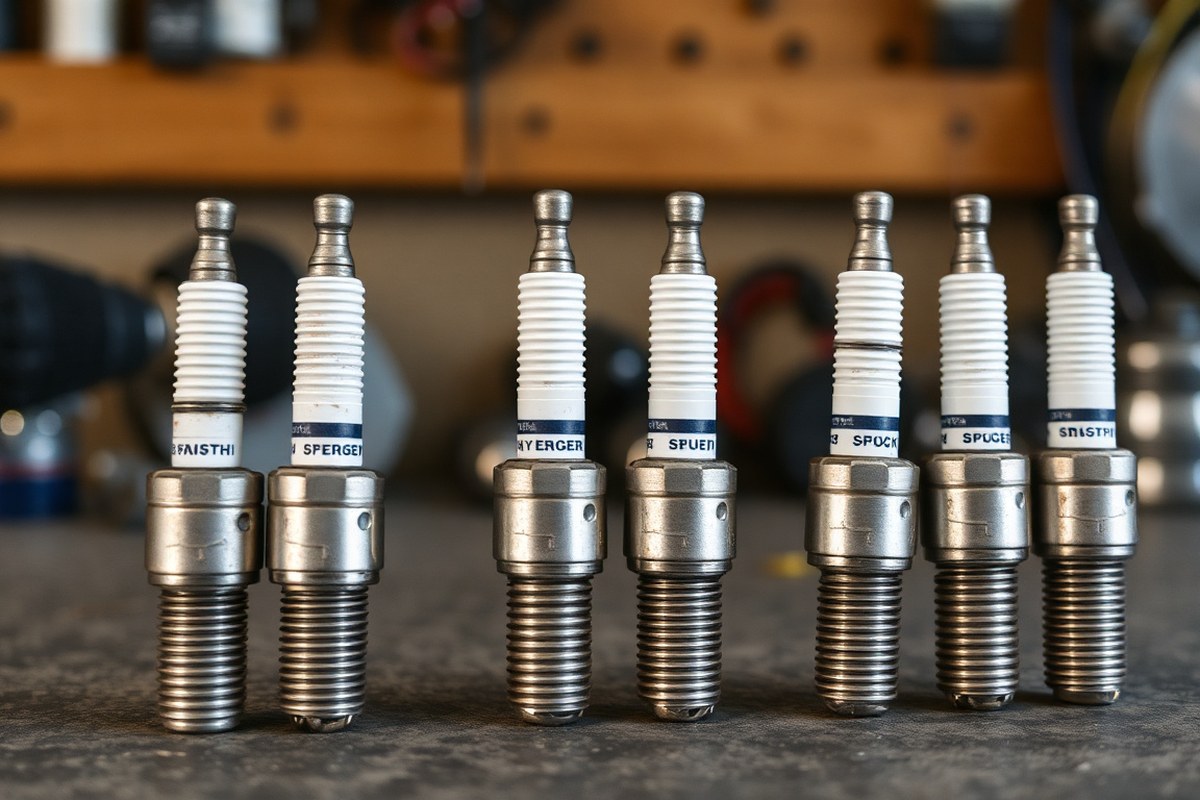
Changing spark plugs depends largely on the type of spark plug material and your vehicle’s manufacturer recommendations. Typically, spark plugs should be replaced every 30,000 to 90,000 miles. Copper and nickel plugs tend to last on the lower side, usually about 20,000 to 30,000 miles. Platinum plugs last longer, between 50,000 and 100,000 miles, while iridium plugs often exceed 75,000 and can go beyond 100,000 miles.
Vehicle brands also specify their recommended intervals based on the plug type and engine design. For example, many GMC models suggest spark plug replacement every 60,000 to 100,000 miles. Toyota vehicles, especially newer models, often come equipped with iridium or platinum plugs designed to last within the 60,000 to 100,000 mile range. Chevrolet vehicles vary: older models might need replacement closer to 30,000 miles, while late-model Chevys usually use longer-lasting spark plugs with intervals up to 90,000 miles or more. These manufacturer guidelines reflect testing for optimal engine performance and fuel efficiency.
| Spark Plug Type | Typical Mileage Range | Example Vehicle Brand Recommendations |
|---|---|---|
| Copper/Nickel | 20,000, 30,000 miles | Older Chevy models, older economy cars |
| Platinum | 50,000, 100,000 miles | Toyota, many mid-2000s to present vehicles |
| Iridium | 75,000, 100,000+ miles | Newer GMC, Toyota, Chevrolet vehicles |
You can follow these intervals as a starting point but watch for signs that your spark plugs are wearing out. Reduced acceleration, lower fuel economy, or rough idling suggest it’s time to inspect or replace them earlier. Checking your plugs during routine maintenance like oil changes is a practical habit. You’ll find that replacing plugs at the recommended mileage helps maintain smooth engine performance and prevents expensive repairs down the line.
Costs vary depending on plug material and labor, usually ranging between $100 to $300 for a full replacement. Doing it yourself requires basic tools, but some newer engines may need special equipment or training, so professional service is sometimes necessary. Delaying spark plug replacement beyond recommended miles can cause poor combustion, misfires, and increased emissions. Staying on schedule with spark plug changes helps your vehicle run efficiently and extends the life of your engine components.
How Different Spark Plug Types Affect Replacement Intervals

Spark plug types vary mainly by the materials used in their electrodes, which affects their lifespan, performance, and cost. Copper plugs offer good conductivity but wear out quickly, while platinum, double platinum, and iridium plugs last progressively longer due to harder, more durable metals. Choosing the right type depends on your vehicle’s specifications and whether you want to invest more upfront to reduce the frequency of replacements.
Copper and Nickel Spark Plugs
Copper spark plugs have a solid copper core with a nickel alloy outer layer. They provide excellent conductivity, which helps with engine performance, but their electrode wears down faster due to softer metal. Typically, copper plugs last around 20,000 to 30,000 miles before needing replacement. Their low cost makes them common in older vehicles or as budget options.
Nickel plugs are very similar in performance to copper and often grouped together. Though less durable, they do a good job if replaced on schedule. Using copper or nickel plugs in modern engines designed for platinum or iridium can cause poor combustion and reduced fuel efficiency.
Platinum and Double Platinum Spark Plugs
Platinum spark plugs have a platinum disc welded onto the electrode, increasing hardness and resistance to wear. This allows them to last about twice as long as copper plugs, often reaching 60,000 to 100,000 miles. They are better at resisting carbon buildup, which keeps the spark consistent longer and improves fuel economy.
Double platinum plugs add platinum on both the center and ground electrodes. This design balances electrode wear on both sides, extending lifespan and improving performance evenly. These are commonly recommended in engines with distributorless ignition systems to maximize longevity without sacrificing reliability.
Iridium Spark Plugs and Advanced Alloys
Iridium spark plugs use an even harder metal than platinum for the electrode tip, which means they are the longest-lasting option. They typically handle up to 100,000 miles or more before replacement. Because iridium electrodes erode very slowly, they maintain a strong electrical spark over their lifespan, improving engine power, throttle response, and fuel efficiency.
They cost more upfront, generally running two to three times the price of copper plugs, but the longer life and better performance often justify the investment, especially for modern vehicles requiring precise ignition characteristics. Some advanced all-metal alloy spark plugs use iridium blends for even greater durability and temperature resistance.
Always match spark plugs to your vehicle’s manufacturer recommendations to avoid engine damage or reduced efficiency.
Common Signs That Your Spark Plugs Need Replacing
Worn or failing spark plugs usually show clear signs that affect your car’s performance. You can spot trouble early by watching for engine misfires, rough idling, struggling starts, reduced fuel efficiency, and higher emissions. Recognizing these symptoms helps you replace spark plugs before they cause bigger issues.
Engine Misfiring and Rough Idle
When spark plugs wear out, they have trouble producing a strong, consistent spark. This causes misfires as the fuel-air mixture in the cylinder fails to ignite properly. Misfires lead to a rough idle where the engine shakes or seems uneven when stopped.
For example, if you notice your engine running unevenly and shaking at a stoplight, worn spark plugs may be the culprit. This rough idle happens because the combustion process is interrupted, making your engine struggle to run smoothly.
Reduced Fuel Efficiency and Power
Worn spark plugs reduce combustion efficiency, causing incomplete burning of fuel. This wastes gas and lowers your fuel economy, meaning you spend more to drive the same distance. You might also feel less power when accelerating or climbing hills.
Misfiring or weak plugs allow unburnt fuel to escape through the exhaust, lowering engine output. Fixing this by replacing spark plugs can restore power and improve mileage. Engines running with bad plugs typically use 10% or more fuel inefficiently depending on the extent of wear.
Difficulty Starting and Engine Vibrations
Faulty spark plugs make it harder to start your car because they fail to ignite the fuel mix effectively. This often leads to longer crank times before the engine fires up or causes the engine to stall immediately after starting.
In addition to rough starts, uneven ignition can cause noticeable engine vibrations while driving. If you feel unusual shaking or hear knocking sounds, inspecting your spark plugs is a smart first step.
- Longer cranking to start the engine
- Engine stalls or sputters right after ignition
- Persistent engine vibrations and shaking
- Reduced responsiveness when accelerating
- Check Engine light illumination related to ignition faults
Addressing these signs promptly not only improves performance but also prevents damage to other engine parts.
Increased Exhaust Emissions
Worn or fouled spark plugs contribute to incomplete combustion, raising harmful hydrocarbon emissions. Unburnt fuel exiting the cylinder enters the exhaust system, which can cause your vehicle to fail emissions tests.
Because misfires waste fuel and increase pollutants, replacing the spark plugs helps your car meet environmental standards and run cleaner. This is particularly important in areas with strict emission regulations.
How Driving Conditions Impact Spark Plug Lifespan
Driving conditions play a big role in how quickly your spark plugs wear out. Harsh situations like frequent stop-and-go traffic, city driving, towing heavy loads, or high-speed driving put extra stress on your engine. These conditions cause higher temperatures and more combustion byproducts, which accelerate electrode wear and may cause deposits to build up faster on your spark plugs. For example, towing or heavy loads increase the engine’s workload and heat, leading to faster plug degradation than normal highway cruising.
Frequent idling is another factor that shortens spark plug life. When your engine runs but the vehicle isn’t moving much, combustion temperatures can drop, reducing the spark plugs’ ability to self-clean. This can lead to fouling, where carbon or fuel deposits coat the electrodes and interfere with spark quality. The result is reduced engine performance and the need for earlier plug replacement.
To help your spark plugs last longer under tough conditions, it’s important to stick to your vehicle’s recommended maintenance schedule and use the right type of spark plug for your engine. If you tow heavy loads regularly or spend most of your time in city traffic, consider checking and potentially replacing your plugs more often than the standard interval. Performing regular engine tune-ups maintains combustion efficiency, which helps keep spark plugs clean. This includes replacing air filters and using fuel injector cleaners periodically to reduce build-up.
Using quality fuel and avoiding extended idling when possible also improve spark plug life. For example, shutting off your engine during long stops, like at railroad crossings or drive-thrus, decreases the chance of deposits forming on plugs. While this may add minor inconvenience, it could slightly extend the service interval and keep your engine running smoothly.
Maintenance in demanding conditions may cost a bit more in terms of time and parts. Checking spark plugs generally takes about 20 to 30 minutes and costs $10 to $30 for spark plugs alone if you do it yourself. Professional service ranges from $70 to $150 depending on vehicle complexity. However, by catching wear early and avoiding neglected plugs, you reduce risks of engine misfires, rough idling, or wasted fuel, which could cost more in repairs and fuel over time.
What Happens If You Delay Spark Plug Replacement
Waiting too long to replace your spark plugs can cause a chain reaction of problems in your engine. When plugs become dirty or fouled, they fail to produce a strong enough spark to ignite the fuel and air mixture efficiently. This weak spark leads to incomplete combustion, which makes the engine work harder and reduces overall performance. You’ll likely notice your car feels sluggish, struggles to accelerate smoothly, or runs roughly.
Beyond decreased power, delayed spark plug replacement wastes fuel. Since the engine is not burning fuel cleanly, more gas gets used to maintain speed, lowering your miles per gallon and increasing your trips to the pump. The unburned fuel can also cause damage over time, particularly to critical components like the catalytic converter. Excess fuel that reaches the converter can cause it to overheat and fail, which is expensive to repair, replacing a catalytic converter can cost anywhere from $1,000 to $2,500 depending on the vehicle.
Ignoring spark plug maintenance doesn’t just hit your wallet at the pump or repair shop. It also increases harmful emissions from your car. A weak spark leaves fuel partly unburned, raising levels of carbon monoxide and hydrocarbons your car emits. This contributes to air pollution and may cause your vehicle to fail state emissions tests, making it illegal to drive in some areas until repairs are made. For those who want to keep their car environmentally friendly and within legal limits, replacing spark plugs on time matters.
Mechanical risks from worn spark plugs include misfires, rough idling, and hesitation during acceleration. These symptoms can strain other engine parts, such as the ignition coils and fuel injectors, because they try to compensate for the poor spark. Over time, this added stress can lead to more frequent and costly repairs. Regular replacement keeps these parts working harmoniously and extends the overall life of your engine.
The cost of replacing spark plugs usually falls between $100 and $300 for most vehicles at a service center, including labor. DIY replacement is cheaper but requires some mechanical knowledge and the right tools. With many modern vehicles, spark plugs can last up to 100,000 miles, but driving conditions like city stop-and-go traffic or extremely hot climates may shorten that lifespan. Staying attentive to your car’s performance will help you spot issues early. Regular spark plug maintenance means better fuel efficiency, a healthier engine, fewer emissions, and avoiding expensive repairs down the road.
Delaying spark plug replacement can damage your catalytic converter and increase emissions, costing you far more than the plugs themselves.
How to Check and Inspect Your Spark Plugs Yourself
Checking the condition of your spark plugs helps you spot wear, fouling, or damage early. This inspection reveals if they’re firing correctly or need replacement. Performing this at home is straightforward with the right tools and method.
Tools Needed for Spark Plug Inspection
Gather these tools before you start to make the process smoother and safer. You’ll need a spark plug socket, a ratchet wrench, an extension bar, and a gap gauge. A torque wrench is helpful for reinstalling plugs to the correct tightness. A flashlight or good lighting helps visibility inside the engine bay. Wearing gloves protects your hands from dirt and heat.
These tools usually cost between $20 and $50 if you don’t have them already. A gap gauge is small and affordable, often under $10. Investing in these tools pays off by avoiding unnecessary visits to a mechanic.
How to Remove Spark Plugs Safely
Removing spark plugs safely prevents damage to the plug or engine components. Start by letting the engine cool for at least 30 minutes to avoid burns and reduce risk of cylinder thread damage. Open the hood and locate the spark plug wires or ignition coils, depending on your vehicle.
- Disconnect the negative battery cable to reduce electrical shock risk.
- Carefully remove the spark plug wire or ignition coil by pulling it straight off; avoid twisting to prevent damage.
- Use the spark plug socket attached to the ratchet and extension to reach the plug.
- Turn counterclockwise to loosen and remove the spark plug gently.
- Keep track of where each plug came from to avoid mixing them up during reinstall.
What to Look for on the Spark Plug
Inspecting the spark plug reveals clues about your engine’s condition. Look at the electrode and insulator tip for deposits, wear, and color. A healthy plug typically has light tan or grayish deposits. Black, oily deposits indicate fouling from oil leaks or rich fuel mixture. White or blistered insulators can suggest overheating.
Check the electrode for erosion or rounding. Sharp edges provide the best spark. Also note any cracks or chips on the ceramic insulator and corrosion on the metal shell. The plug gap should match the manufacturer’s specifications; a gap tool or gauge measures this. Wider gaps often mean worn electrodes, reducing spark efficiency.
Deciding If Replacement Is Needed
Replace spark plugs if visual inspection shows heavy deposits, electrode wear, cracks, or improper gap size beyond specifications. Failing plugs can cause poor fuel economy, rough idling, or misfires. If the spark plug shows mild wear but is within tolerance, cleaning and gap adjustment might suffice temporarily.
New spark plugs usually cost between $2 and $10 each, depending on type and brand, affordable compared to potential engine damage from ignoring bad plugs. Plan to replace all plugs at once for balanced performance unless the vehicle’s manual or your mechanic advises otherwise.
Cost and Time Involved in Spark Plug Replacement
The typical cost to replace spark plugs varies widely depending on your vehicle type and the kind of spark plugs installed. On average, a professional spark plug replacement runs from $100 to $300. This price covers both parts and labor. Labor time typically ranges from 1 to 2 hours for most passenger cars. For simple engines with easy access to spark plugs, the service may be closer to $100 and take about an hour. More complex engines, such as those in trucks or luxury cars, often push both cost and time higher, sometimes doubling the average figures.
Here’s a rough comparison by vehicle and spark plug type. For a standard 4-cylinder car with copper spark plugs, expect about $100 to $150 and 1 hour of labor. A V6 or V8 engine with platinum or iridium plugs usually costs $200 to $300 and can take 1.5 to 2 hours. Trucks or SUVs with difficult spark plug access often run $250 to $400 or more. The cost of parts alone varies from $10 per spark plug for basic types to $15 or more for premium iridium plugs. Multiply that by the number of cylinders in your engine to estimate the parts total.
Replacing spark plugs yourself can save you $50 to $200 in labor costs, but this depends on your skill level and tools. The job requires basic hand tools like a ratchet, spark plug socket, and sometimes a torque wrench to tighten plugs to specifications. Removing spark plugs carefully is important to avoid damaging the threads in the cylinder head. Your engine’s spark plugs that sit deep or near other parts require extra time and patience to reach.
Choose professional service if your vehicle has a complicated engine layout, you lack the tools, or you want a warranty on the work. Professionals can usually spot related issues during installation and ensure torque specs and gap measurements meet manufacturer standards. They also safely handle hard-to-reach spark plugs that might break or strip if handled incorrectly.
For simple 4-cylinder engines with good access, a DIY job might take 1 to 2 hours, including clean-up. Do not rush the process. Take time to gap each spark plug correctly if your new plugs aren’t pre-gapped. Cross-threading during installation is a common mistake that can cause costly damage. Feeling unsure at any point means it’s safer and often cheaper over time to stop and call a professional.
When to Call a Professional for Spark Plug Service
Knowing when to call a professional for spark plug service can save you time, money, and prevent engine damage. If your engine shows persistent misfires, rough idling, or a stubborn check engine light after you’ve tried basic inspection or replacement, it’s wise to seek expert help. Professionals have specialized tools and knowledge to diagnose deeper issues like wiring problems, incorrect gaps, or damaged ignition coils that often mimic spark plug faults.
Attempting spark plug replacement yourself can seem straightforward, but several common mistakes can cause problems. Professionals ensure the correct torque is applied during installation, preventing damage to the spark plug or cylinder head. They also verify the precise spark plug type and gap for your specific vehicle, something hard to guarantee without experience and reference to factory settings.
Vehicles with turbocharged engines, direct injection, or those using iridium and platinum plugs often benefit from professional service. These spark plugs tend to require delicate handling and precise installation to function properly and last their full lifespan. High-performance or luxury vehicles may also have higher labor costs but often need this expertise to avoid costly mistakes.
- Persistent engine misfires or check engine lights that don’t clear
- Difficulty removing spark plugs due to corrosion or tight space
- Unsure about spark plug type, gap, or torque settings
- Vehicle uses high-performance, platinum, or iridium spark plugs
- Spark plug replacement hasn’t solved the rough running or poor fuel economy
- Limited access to plugs in tight engine compartments
- Signs of damaged ignition coils or wiring during inspection
Professionals typically charge between $100 and $300 for spark plug replacement, including parts and labor, depending on the vehicle make and region. This cost avoids the risk of stripping threads or over-tightening plugs, which can cost much more to repair. Good results include smooth engine performance, improved fuel efficiency, and clear engine codes.
Avoid overtightening spark plugs by using a torque wrench set to your vehicle manufacturer’s specs to prevent damaging the cylinder head threads.
Checking your spark plugs without a professional can help spot obvious wear or fouling, but avoid replacing them if you lack the right tools or if your engine’s design restricts easy access. In such cases, a technician’s training and experience allow proper inspection and installation that protects your engine’s health and performance longevity.
Step-by-Step Action Plan for Spark Plug Maintenance
Keep your engine running smoothly by following this simple routine to know when to replace your spark plugs.
- Every 10,000 miles: Perform a visual inspection of your spark plugs using a spark plug socket and a flashlight. Look for signs of wear such as corrosion, carbon buildup, or damaged electrodes.
- At 30,000 miles: Replace standard copper spark plugs if you haven’t already. Confirm the engine runs smoother and fuel efficiency improves.
- At 60,000 to 100,000 miles: Replace iridium or platinum spark plugs as recommended by your vehicle’s manual. Expect better ignition and reduced misfires after replacement.
- After harsh driving conditions: Check your spark plugs sooner if you regularly drive in stop-and-go traffic, extreme temperatures, or dusty environments. Replace early if signs of wear appear.
- When you notice symptoms: If your car shows trouble starting, rough idling, poor acceleration, or decreased fuel economy, inspect your spark plugs right away.
- Before a long trip: Test the spark plugs for proper function and replace any that look worn. This helps you avoid breakdowns and maintain optimal engine performance on the road.
- After replacement: Reset your engine’s diagnostic system if applicable, then monitor for improved performance or unusual engine behavior.
Frequently Asked Questions
How Often Do Spark Plugs Typically Need to Be Replaced in Most Cars?
Replace spark plugs between 30,000 and 90,000 miles based on the make, model, and spark plug type for your vehicle. Regular inspections during maintenance can identify wear early and prevent performance issues.
Can Spark Plugs Really Last for 100,000 Miles?
Yes, platinum and iridium spark plugs can last between 60,000 and over 100,000 miles, thanks to advances in materials. Your vehicle owner’s manual will specify the best replacement interval for your specific plugs.
What Are Common Signs That Spark Plugs Need Immediate Replacement?
Signs include engine misfires, rough idling, poor fuel efficiency, and trouble starting your engine. Watching for these symptoms lets you replace plugs before they cause costly engine problems.
How Do Different Driving Conditions Affect How Often Spark Plugs Should Be Changed?
Harsh driving with frequent stops, short trips, or heavy loads can wear out spark plugs faster than steady highway driving. Adjust your replacement schedule accordingly if you drive under tough conditions.
What Should I Expect to Pay for a Spark Plug Replacement Service?
The typical cost ranges from $100 to $300, depending on your vehicle, type of spark plugs, and labor rates. Using high-quality plugs can cost more but last longer, potentially saving money over time.
When Is It Necessary to Call a Professional for Spark Plug Replacement Instead of Doing It Yourself?
Call a professional if your vehicle has hard-to-reach plugs, complex ignition systems, or if you’re unsure about diagnosing plug problems. Proper tool use and experience help avoid engine damage and ensure correct installation.
Final Thoughts
Replacing your spark plugs at the right interval keeps your engine efficient and reliable. Start by checking your owner’s manual for the recommended mileage and inspect your spark plugs regularly for early signs of wear. Taking care of your spark plugs today means better fuel economy and smoother driving tomorrow.