Can Am Spyder Fuel Capacity: Model Comparisons, Fuel Types & Refueling Tips
Can Am Spyder fuel capacity varies by model but generally ranges between 5.4 and 7.1 gallons. Most models allow for about 150 to 200 miles of travel on a full tank, depending on riding conditions. Always check your specific model’s tank size to plan refueling stops efficiently.
Key Takeaways
- The Can-Am Spyder RT holds about 7.1 gallons, providing the longest range among Spyder models.
- The Spyder F3 and F3-S models typically have a fuel capacity near 5.4 gallons.
- Your Spyder requires unleaded gasoline with an octane rating of 87 or higher to run optimally.
- Refuel your Spyder with the engine off to prevent fire hazards and fuel spills.
- Plan trips accounting for 150 to 200 miles per tank based on your Spyder’s fuel economy.
- Regularly check fuel lines and filters for clogs or leaks to avoid running issues on rides.
What Is the Fuel Capacity of Can-Am Spyder Models?
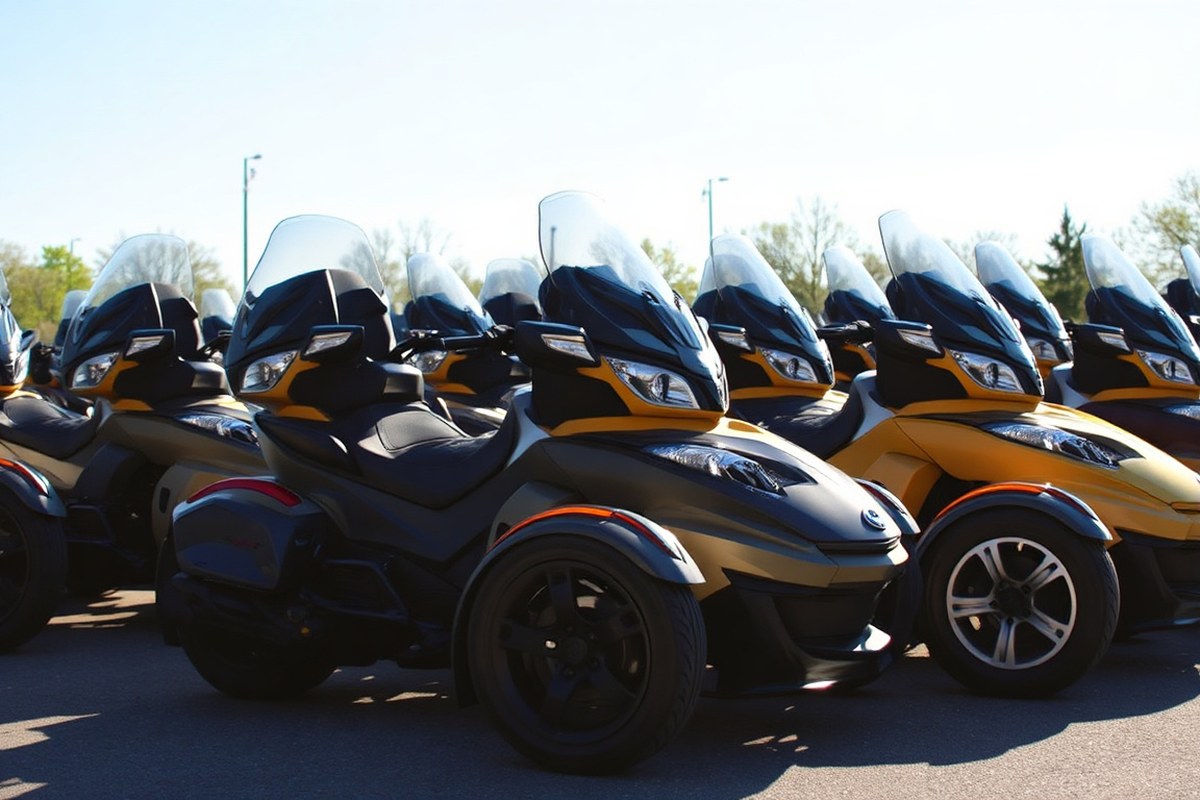
The fuel capacity of Can-Am Spyder models generally ranges between 5.4 gallons and 7.1 gallons, depending on the specific model and year. Fuel capacity matters because it directly impacts your riding range and how often you need to stop to refuel on longer trips. Earlier models, like those from around 2013 to 2016, mostly feature a fuel tank size close to 7.1 gallons, while recent models introduced after 2018 typically have slightly smaller tanks averaging around 5.4 to 5.6 gallons.
Noticeable variations occur between different model types and years, so knowing your Spyder’s fuel tank size helps with accurate trip planning and fuel management. Newer models tend to modestly decrease the capacity for weight and design considerations without significantly sacrificing range, thanks to improved engine efficiency. Below is a comparison table showing the fuel tank capacities of main Can-Am Spyder models from recent years:
| Model Year | Model | Fuel Capacity (gallons) |
|---|---|---|
| 2013 | RT Series (Touring) | 7.1 |
| 2015 | F3 Series (Sport) | 5.6 |
| 2018 | RT Series | 6.6 |
| 2021 | F3 Series | 5.4 |
| 2022 | RT Series | 6.6 |
For instance, the 2018 and 2022 RT Touring models maintain a fuel capacity around 6.6 gallons, slightly lower than the early 7.1 gallons in 2013. The F3 sport models typically have smaller tanks, roughly 5.4 to 5.6 gallons, reflecting their design focus on performance and lighter weight. Purchasing or riding a Spyder close to these years means you can expect your tank size to fall within these ranges. Always verify your specific model’s manual for exact fuel capacity since controls and fuel filler placement differ slightly across variants and years.
How Far Can a Can-Am Spyder Travel on a Full Tank?
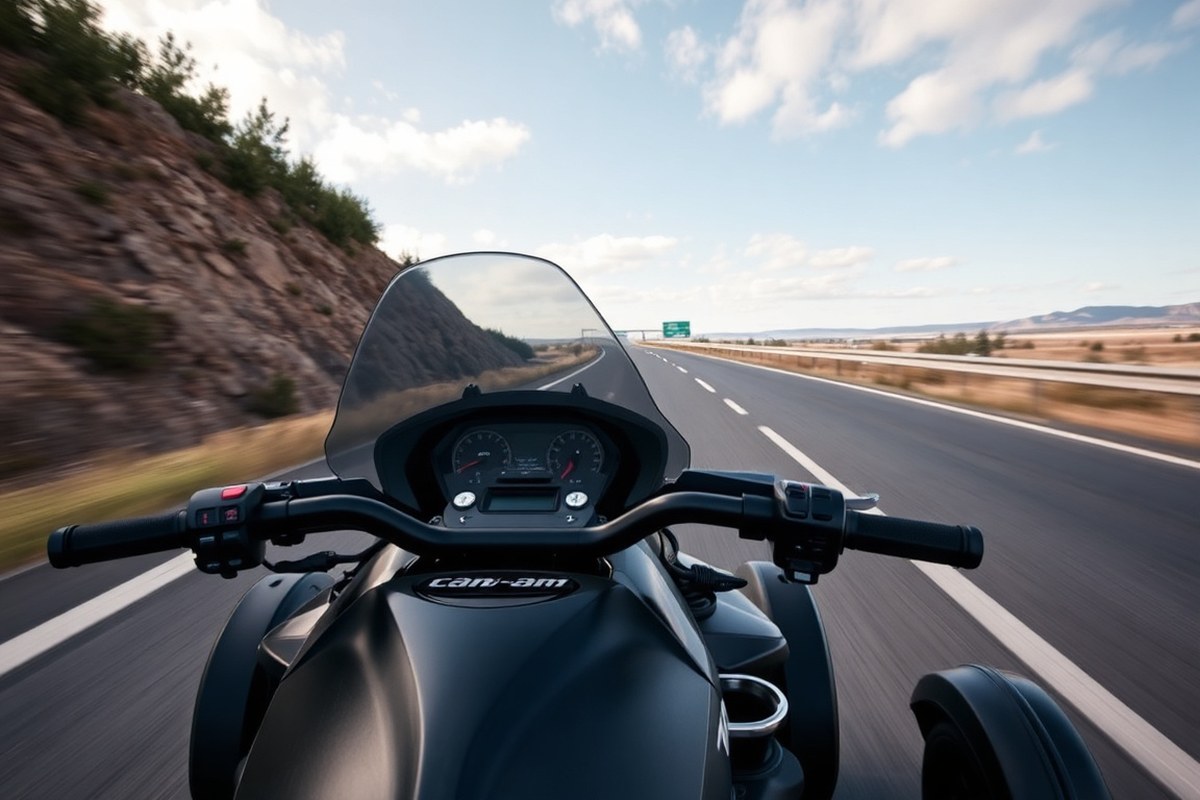
The Can-Am Spyder can typically travel between 200 and 250 miles on a full tank of fuel, depending on the model and riding conditions. With fuel tanks usually holding around 5.5 to 6 gallons, and an average fuel economy of about 35 to 40 miles per gallon, you can calculate your estimated range by multiplying tank capacity by miles per gallon. A 6-gallon tank at 38 mpg, for example, provides roughly 228 miles of travel before refueling is needed.
Real-world range varies based on factors like passenger weight, cargo, terrain, and weather. Carrying a passenger or heavy cargo adds load to the engine, which can decrease fuel efficiency by 10% to 20%. Riding in hilly or off-road terrain requires more power, increasing fuel consumption. Cold temperatures and strong headwinds also reduce mileage by forcing the engine to work harder.
To estimate fuel needs for a planned trip, multiply the trip distance by your observed or expected fuel consumption rate. For instance, if you plan a 150-mile ride and your Spyder averages 36 mpg, you would use approximately 4.2 gallons of fuel. Adding a 10-15% buffer for unexpected conditions ensures you don’t run low far from a gas station.
Adjusting speed can improve mileage. Maintaining a steady pace near 50 to 60 mph typically provides better fuel economy than frequent acceleration or high speeds. Using cruise control when available helps keep a consistent throttle and saves fuel.
Plan your ride with extra fuel reserve and monitor gas levels frequently when carrying passengers or riding in challenging terrain to avoid getting stranded.
What Type of Fuel Does a Can-Am Spyder Need?
Your Can-Am Spyder runs best on unleaded gasoline with a minimum octane rating of 91 (premium fuel). This requirement helps the engine perform efficiently and prevents knocking, which can cause damage over time. Using lower octane fuel than recommended might save money during refuels, but it risks engine pinging and reduced power, which can affect your riding experience and long-term engine health.
Stick to fuel types specified by the manufacturer, which in most Can-Am Spyder models means premium gasoline without ethanol blends higher than 10%. Ethanol can attract moisture and cause fuel system issues, especially if your Spyder sits unused for extended periods.
Additives are generally not necessary for regular use if you fuel up with quality gas from reputable stations. However, you might consider fuel stabilizers if you plan to store your Spyder for several months, especially over winter. Stabilizers prevent fuel degradation and gum buildup, making starting easier when the riding season resumes. Check the directions on stabilizer products and add them to a full tank to ensure proper mixing.
Avoid alternative fuels like E85 or diesel, as they can damage the Can-Am’s fuel system and engine. These vehicles are tuned precisely for gasoline, and using improper fuel can void warranties and harm performance.
Modifications affecting your fuel system, such as aftermarket fuel injectors, engine tuners, or exhaust upgrades, can change your Spyder’s fuel consumption and sometimes its octane needs. Aftermarket tuners might allow running on slightly lower octane, but you should rely on the tuner’s specifications and monitor your engine for knocking or irregular running. Keep in mind that such changes may require more frequent maintenance or adjustments and could impact your fuel tank’s effective capacity if additional components take up space.
To decide on the right fuel for your Spyder, start by checking your owner’s manual or the fuel cap for the minimum octane rating and any fuel recommendations. Choose premium unleaded gasoline with less than 10% ethanol content, avoid unapproved additives, and consider a stabilizer only if storing the vehicle long-term. After any modifications, consult the product instructions or a professional to ensure you use compatible fuel and maintain optimal engine performance. By following this checklist, you protect your engine, maintain power delivery, and avoid costly repairs linked to improper fueling.
How to Safely Refuel Your Can-Am Spyder
Refueling your Can-Am Spyder requires attention to safety and timing to avoid spills or damage. Knowing how to check the fuel level and refuel efficiently supports smooth rides, especially on long trips.
Preparing to Refuel: What to Check First
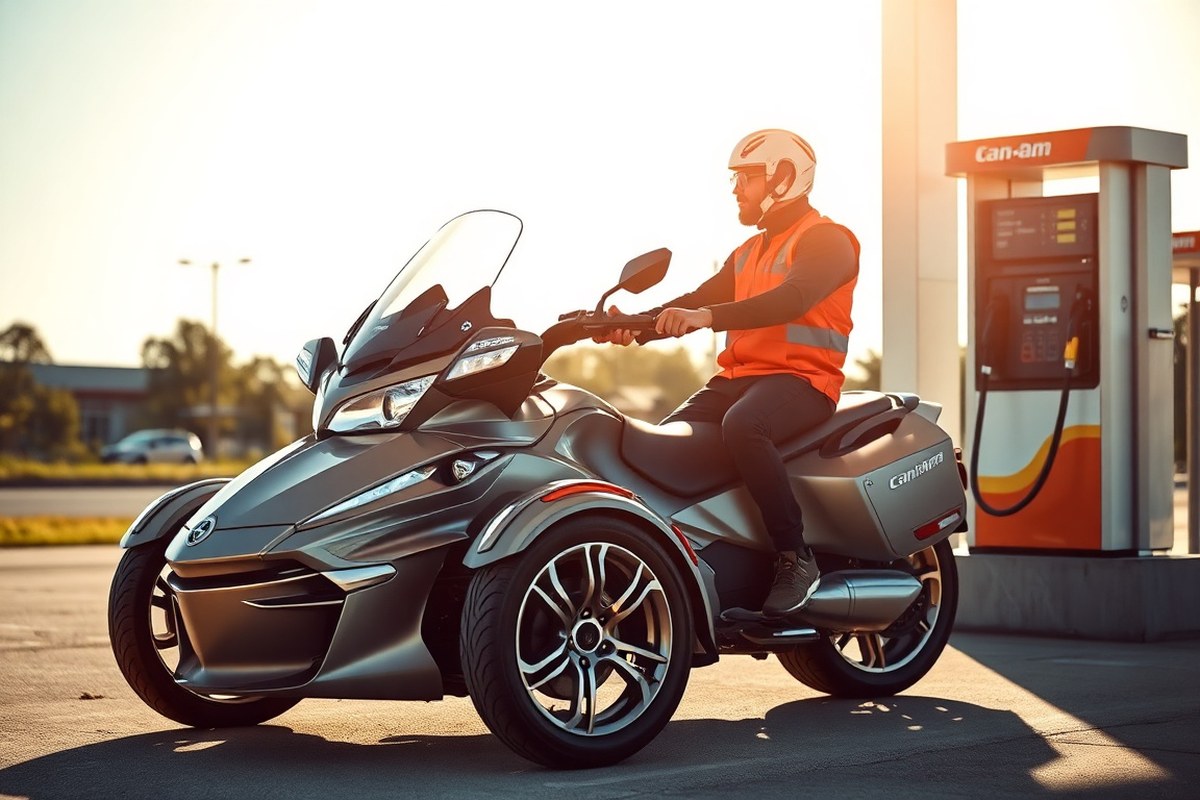
Start by checking the current fuel level via the Spyder’s digital dashboard display. This helps you decide how much fuel to add and whether you can delay refueling. Choose a flat, stable surface away from flames or sparks before approaching the fuel tank.
Make sure the engine is off and cool to prevent any fire hazards. Avoid refueling immediately after a long ride, as the engine and fuel system heat up, increasing vapor risks. Gather your fuel container or ensure the pump nozzle suits your Spyder’s filling port.
Step-By-Step Refueling Process
Follow these steps to safely and efficiently refuel your Can-Am Spyder:
- Turn the ignition off and remove the key from the ignition switch.
- Open the fuel cap by pressing or twisting according to your model’s method, usually located under the seat or on the front trunk.
- Insert the fuel nozzle fully into the filler neck to reduce spills and vapors.
- Begin fueling slowly to prevent overflows; fill until the automatic nozzle shuts off or appears nearly full, usually taking about 2 to 3 minutes depending on the pump flow.
- Withdraw the nozzle carefully and wipe any drips with a clean cloth to avoid fuel on the paint or plastic parts.
- Securely close and lock the fuel cap to avoid vapor leaks or contamination.
- Dispose of any used towels or gloves responsibly, especially if soaked with fuel.
Refueling typically takes less than 5 minutes. Avoid topping off the tank after the nozzle clicks off, as this can cause spills or damage the evaporative emissions system.
Post-Refuel Inspection and Precautions
After refueling, double-check that the fuel cap is tight and locked. Verify there is no fuel smell or visible leaks around the tank area by looking and smelling carefully, especially if you refueled quickly.
Allow the engine to rest a minute before restarting to let any vapor dissipate. If you experience strong fuel smells inside the cockpit or notice poor engine performance after refueling, have the fuel system inspected by a professional.
For long rides, plan fuel stops ahead and try to refuel during cooler parts of the day to minimize vapor buildup. Carry a small, approved fuel container for emergencies, but avoid transferring fuel between containers on the Spyder to prevent spills and fire hazards.
Common Fuel-Related Issues and Maintenance Tips
Can-Am Spyder owners should be aware of some common fuel system issues such as fuel line blockages, clogged fuel filters, and fuel pump failures. These problems often arise from debris or water contamination in the fuel tank, especially if the fuel sits unused for long periods. Ignoring these issues can lead to poor engine performance, hard starting, or even stalling mid-ride. Regular inspections and maintenance help you avoid breakdowns and keep your Spyder running smoothly.
Inspect your fuel system thoroughly every 6 months or 3,000 miles, whichever comes first. Start by checking the fuel tank for signs of rust or contamination. Drain any old fuel if it’s been sitting for over a year; stale fuel can clog injectors and filters. Next, examine the fuel lines for cracks or leaks, and replace any damaged hoses. Check the fuel filter and change it annually or every 15,000 miles based on your riding conditions. Using ethanol-blended fuel may require more frequent filter changes because ethanol attracts moisture.
Running low on fuel while riding on your Can-Am Spyder can harm the fuel pump and cause the engine to sputter or shut off. The fuel pump relies on gasoline for cooling and lubrication, so consistently riding on reserve can cause premature pump failure. To prevent issues, monitor your fuel gauge closely and refuel before reaching the last quarter of your tank. Running out of fuel means you can’t just add fuel and expect your bike to restart immediately; priming the fuel system or checking for air locks is necessary by following the manufacturer’s recommended procedure to prevent damage.
When maintaining your fuel system, keep a simple checklist: verify fuel quality and freshness, inspect lines and connections, replace the fuel filter periodically, and never ignore warning signs like hesitation or rough idling. A clean, sealed fuel system improves engine efficiency and extends component life, saving you money on costly repairs. Typical maintenance costs include fuel filter replacements, which range from $15 to $40, and occasional fuel line replacements costing up to $100 depending on parts and labor.
Always store your Spyder with a full tank and use a fuel stabilizer if it will sit unused for more than a month to prevent fuel degradation and system issues.
Differences in Fuel Capacity Among Spyder Variants
Can-Am Spyder models differ in fuel capacity mainly among the RT, F3, and Ryker lines, with special editions occasionally featuring unique fuel tank setups or supplemental storage options. These variations affect how far you can ride before refueling and influence ride planning, especially on longer trips.
Fuel Capacity in RT Models
The RT series, designed primarily for touring, comes with the largest fuel tanks among Can-Am Spyders. Most RT models hold around 7.1 gallons of fuel, supporting extended rides without frequent stops. This larger tank size suits the RT’s touring focus, allowing for longer travel and more luggage capacity without compromising balance or fuel range.
The RT models also often include integrated features like heated grips and audio systems, which can slightly increase fuel consumption but do not impact tank size. Maintaining consistent fuel levels is important during longer touring rides to avoid running low and losing these conveniences unexpectedly.
Fuel Capacity in F3 Models
F3 Spyders offer sportier styling and performance with somewhat smaller fuel tanks than RTs. The F3 typically features a fuel capacity closer to 5.6 gallons. This reduction aligns with F3’s focus on agility over long-distance cruising, allowing for a lighter overall weight and sharper handling.
This smaller tank means you may need to refuel more often especially during aggressive riding or spirited weekend trips. Being mindful of fuel levels on the F3 becomes more critical since it won’t cover as many miles per fill as the RT.
Special Editions and Limited Runs
Special edition and limited run Spyders may have unique fuel system features or slight variations in capacity to accommodate special paint, trim packages, or added equipment. While specific fuel capacities for these editions differ by year and model, they generally stay within the range set by the base RT and F3 models. Some special editions also add storage compartments that indirectly influence how riders carry fuel or supplies for extended trips. Owners should check the specifications for each edition because fuel-related features might vary with added comfort or technology upgrades, potentially affecting fuel economy but rarely altering tank size significantly.
| Model | Fuel Capacity (gallons) | Fuel Capacity (liters) |
|---|---|---|
| Can-Am Spyder RT | 7.1 | 27 |
| Can-Am Spyder F3 | 5.6 | 21 |
| Can-Am Spyder Ryker | 5.4 | 20.5 |
| Limited Editions (varies) | 5.6 to 7.1 | 21 to 27 |
The table highlights fuel capacities across main Can-Am Spyder variants. Ryker models, aimed at entry and mid-level riders, have the smallest tanks for lighter weight and easier handling. Limited editions fit into this capacity range but may include features impacting fuel use rather than tank volume itself.
Estimating Fuel Range and Trip Planning for Can-Am Spyder Rides
Calculating your Can-Am Spyder’s fuel needs for a trip starts with combining the fuel capacity and expected fuel consumption. The fuel capacity tells you the maximum amount of fuel your Spyder can hold, typically around 7 gallons for many models. Fuel consumption, usually expressed in miles per gallon (mpg), shows how far the vehicle travels on one gallon of fuel. Multiplying the fuel capacity by the mpg gives you an estimated maximum range.
For example, if your Can-Am Spyder has a 7-gallon tank and averages about 35 mpg, multiply 7 gallons by 35 mpg to get an estimated range of 245 miles on a full tank. This assumes ideal riding conditions and moderate speeds. Keep in mind, real-world factors often reduce this range. Riding style, terrain, weather, and load weight all influence fuel consumption. Riding aggressively or at high speeds increases fuel use, cutting down your actual fuel range.
Trip planning benefits from precise fuel range estimates to avoid running low in remote areas. A practical way to calculate fuel needs is to first determine your planned trip distance. Then divide that distance by your average mpg to estimate gallons needed. For instance, a 150-mile ride averaging 35 mpg would require about 4.3 gallons. Since your tank holds 7 gallons, you have enough fuel to complete the trip without refueling.
When riding in hot weather or carrying extra gear, expect mpg to drop. This adjustment matters if your route passes through long stretches without fuel stops. Adding a 10 to 15 percent buffer to your fuel calculation helps ensure you don’t run dry. For a 245-mile estimated range, plan on needing fuel at around 210 to 220 miles to stay safe.
Several tools make trip planning easier. Smartphone apps and GPS devices often let you enter fuel capacity and mpg to calculate range and alert you when to refuel. Keep a fuel log during rides to track your actual mpg under various conditions, refining your estimates for future trips. This practical data is valuable since factory mpg numbers may not match your personal riding habits or local terrain.
Road conditions like heavy traffic or steep hills also cause more fuel consumption. Planning fueling stops more frequently in hilly or urban areas makes your trip smoother. For road trips lasting several hours or multiple days, dividing the total distance by your tank range helps decide how many fuel stops to expect.
In summary, estimating your fuel needs involves multiplying your Spyder’s fuel capacity by your expected mpg, considering real-world factors, and incorporating a safety margin. Tracking your consumption over time improves accuracy and helps you plan routes with enough fuel availability, reducing risk and stress during rides.
Fuel System Care Tips to Maximize Efficiency
Maintaining your Can-Am Spyder’s fuel system is key to getting the most out of its fuel capacity and ensuring smooth rides. Regular inspections, proper cleaning, and avoiding contamination protect fuel components and improve efficiency. Paying attention to these areas reduces costly repairs and keeps your Spyder running reliably.
Routine Fuel System Inspections
Inspecting your fuel system roughly every 6 months or every 3,000 miles helps catch issues early before they worsen. Focus on the fuel tank, lines, fuel pump, and fuel filter for signs of damage or wear. Look for cracks, leaks, or loose connections that could cause fuel loss or air intrusion, which reduce performance.
Check the fuel tank’s vent and cap seals for tight fit and cleanliness to prevent vapour leaks. Replace the fuel filter as recommended in your Spyder’s owner manual, typically every 12,000 miles or annually, whichever comes first. Neglecting these inspections risks clogging, pressure loss, and engine hesitation.
- Look for cracks or swelling in fuel lines
- Ensure the fuel cap seals properly and is clean
- Check for rust or sediment in the fuel tank vent area
- Listen for unusual noises from the fuel pump
- Review fuel filter condition per service schedule
Wear disposable gloves and use proper lighting when inspecting. Document any irregularities to discuss with a mechanic if unsure. Timely inspections pay off by identifying maintenance needs that improve fuel economy and reliability.
Recommended Cleaning and Additives
Using fuel additives designed for fuel system cleaning can help remove deposits on injectors and valves, improving fuel flow and combustion. Look for additives with detergents that meet the standards set by the EPA’s Top Tier rating. Add additives every 3,000 to 5,000 miles or with every oil change, depending on riding frequency.
Before adding any additive, ensure your Spyder’s fuel tank is at least one quarter full. Pour in the additive as per product instructions, usually half a bottle per full tank. Avoid excessive additives as they may upset fuel mixture or cause deposits of their own.
Only use fuel additives approved for your Can-Am Spyder’s engine type to avoid damaging fuel system components.
For stubborn residue or if the fuel system is noticeably sluggish, professional cleaning during scheduled servicing is advisable. Clean fuel injectors and carburetor components, if applicable, typically every 20,000 miles or as symptoms arise.
Avoiding Fuel Contamination
Fuel contamination damages the fuel system and reduces fuel quality, lowering efficiency and causing breakdowns. Purchase premium gasoline from trusted stations to avoid water, dirt, or ethanol blends that degrade fuel. Ethanol-free or low-ethanol fuels reduce risk of absorbing moisture and fuel phase separation.
Empty the fuel tank if storing your Spyder for three months or longer and use a fuel stabilizer to prevent oxidation and varnish buildup. Avoid topping off fuel tanks because it can flood the vapor recovery system and cause leaks. Store your Spyder indoors or under a cover to limit exposure to moisture and dirt entering fuel openings.
- Fill with high-quality, ethanol-free fuel when possible
- Use fuel stabilizers before long-term storage (3+ months)
- Never spill fuel on painted surfaces or electronics
- Keep fuel caps tightly sealed after refueling
- Drain old fuel if it sits more than 6 months without stabilizer
Fuel contamination can lead to costly repairs like replacing injectors or fuel pumps. Clean, dry, and fresh fuel ensures your Can-Am Spyder’s fuel system lasts longer and runs efficiently.
Fuel Management Quick-Start Action Plan for Your Can-Am Spyder
Follow these steps to manage your Can-Am Spyder’s fuel effectively and keep your rides smooth and worry-free.
- Before Your First Ride: Check the fuel tank capacity for your specific Spyder model in the owner’s manual to know your max fuel volume.
- After Filling Up: Use the recommended fuel type (usually regular unleaded, check your model’s specs) and confirm the fuel gauge reads full to ensure proper refuelling.
- During Your Ride: Monitor your fuel gauge regularly, and plan stops if you notice fuel dropping below a quarter tank to avoid running out in remote areas.
- Weekly: Inspect fuel lines and the tank area for leaks or damage; address any issues immediately to prevent fuel loss or safety hazards.
- Monthly: Clean or replace the fuel filter if needed, and check fuel injectors for clogs to maintain efficient fuel flow and engine performance.
- Every 3 Months or 3,000 Miles: Add a fuel stabilizer if the Spyder will sit unused for over two weeks to prevent fuel degradation and injector problems.
- Before Long Trips: Estimate your fuel range based on your Spyder’s capacity and typical mileage, then map out refuelling stops so you never run low on fuel.
- After 6 Months: Visit a professional mechanic to perform a full fuel system inspection, ensuring your Spyder’s fuel system stays clean and functional.
Frequently Asked Questions
How Much Fuel Does a Can-Am Spyder Hold?
A Can-Am Spyder typically holds between 5 and 5.5 gallons of fuel, depending on the model. This capacity supports reasonable range for recreational rides without frequent refueling stops.
How Many Miles per Gallon Does a Can-Am Spyder Get?
A Can-Am Spyder generally gets around 30 to 40 miles per gallon, depending on riding habits and conditions. Efficient cruising at steady speeds can maximize fuel economy on longer trips.
Does a Can-Am Spyder Require Premium Gasoline?
Most Can-Am Spyder models recommend or require premium gasoline to maintain engine performance and avoid knocking. Using the right fuel helps protect the engine and supports optimal power output.
What Are Some Common Problems with Can-Am Spyders?
Common issues include electrical glitches, brake and suspension wear, and occasional fuel system blockages. Regular maintenance, especially checking fuel filters and lines, helps prevent these problems.
What Is the Top Speed of a Can-Am Spyder?
The top speed varies by model, but the Can-Am Spyder can generally reach between 100 and 115 mph. Some sportier models can exceed this, but riders should follow local speed laws.
How Often Should I Check the Fuel System on My Can-Am Spyder?
Check the fuel system at least once a year or every 5,000 miles. Regular inspections prevent fuel clogs and keep performance steady on your rides.
Wrapping Up
Knowing the exact fuel capacity and your Spyder’s fuel needs lets you enjoy every mile without unexpected stops. Checking and using the correct fuel type, along with planned maintenance, keeps your Can-Am Spyder running efficiently. Start by reviewing your model’s fuel tank specs today, and schedule your first fuel system inspection to build good habits from the start.