How Long Do Jeep Patriots Last? Reliable Lifespan and Proven Tips
How long do Jeep Patriots last? Typically, they run well between 150,000 and 200,000 miles, with some lasting up to 300,000 miles under ideal conditions. Consistent maintenance plays a key role in reaching these mileages safely and avoiding major repairs.
Choosing newer model years and following a regular upkeep schedule improve your Jeep Patriot’s lifespan markedly. Prioritizing maintenance helps prevent costly breakdowns later on.
Key Takeaways
- The Jeep Patriot models from 2014 through 2017 offer the highest reliability among all years.
- Proper maintenance can extend your Jeep Patriot’s life to well over 200,000 miles.
- Mileage just below 200,000 is considered high but still passable with good service records.
- Older Jeep Patriots require extra care due to common mechanical issues in earlier models.
- Gentle driving habits reduce wear and prolong engine and transmission life.
- Harsh environments and heavy off-road use can shorten your Jeep Patriot’s lifespan.
How Long Do Jeep Patriots Typically Last in Miles and Years?
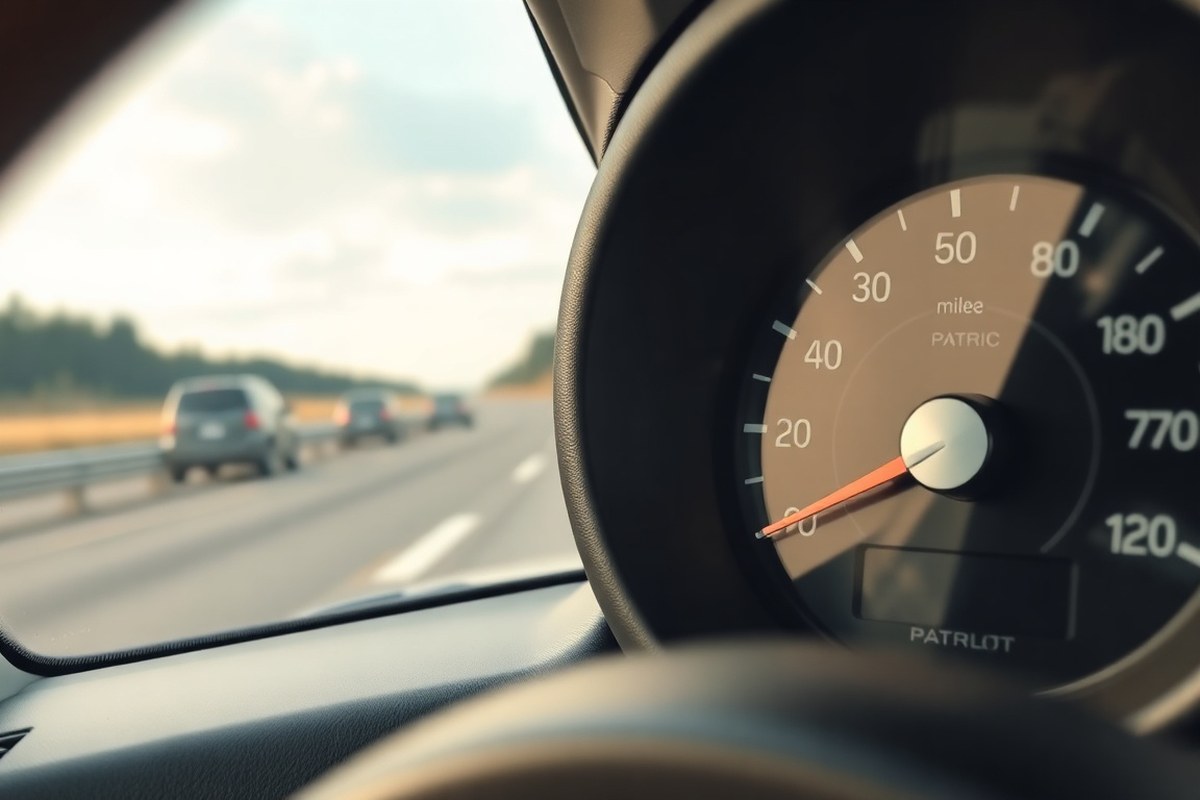
The average Jeep Patriot lasts between 150,000 and 200,000 miles before major repairs become common enough to think about replacing the vehicle. With regular maintenance like oil changes, brake inspections, and timely repairs, many owners report reaching 180,000 miles or more without severe issues. Beyond 200,000 miles, some Patriots still perform well but may require more frequent upkeep and part replacements.
In terms of years, a Jeep Patriot typically lasts around 10 to 15 years under average use. This assumes about 12,000 to 15,000 miles driven annually, which is typical for most drivers. Owner feedback suggests that consistent care can extend the lifespan to the higher end of this range. Examples exist of Patriots staying on the road for over 15 years, especially when buyers address issues promptly and avoid harsh driving conditions.
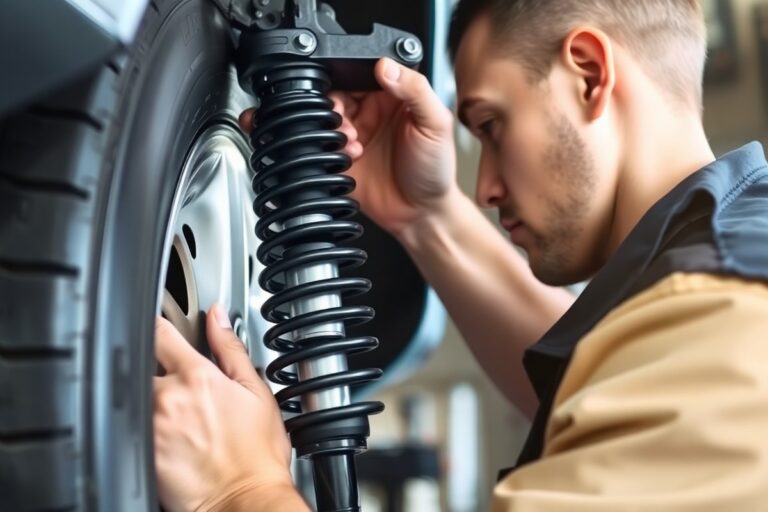
Owners who maintain their Patriots regularly often see fewer unexpected problems, which helps extend life both in miles and years. For instance, replacing worn-out suspension components, monitoring the drivetrain, and fixing small electrical issues early all contribute to longevity. Neglecting these can shorten a Jeep Patriot’s lifespan significantly, causing earlier major repairs and higher costs.
There are cases where Jeep Patriots have surpassed 200,000 miles, with some reaching 250,000 miles or more, but this often depends on factors like careful driving habits and a well-documented maintenance history. Off-road use may reduce lifespan due to additional strain on mechanical parts. In contrast, mostly highway driving tends to be gentler.
Budgeting for routine maintenance can range from $300 to $600 per year, depending on how much service the vehicle needs and labor rates in your area. As the Jeep Patriot ages past 10 years or climbs over 150,000 miles, expect more frequent visits to a mechanic. Regular checks on the CVT transmission fluid and belt, cooling system, and brakes are particularly important since failures there can lead to costly repairs.
For anyone considering buying a used Jeep Patriot, mileage near or just under 200,000 miles can still indicate a solid vehicle if it has maintenance records. A well-kept Patriot can serve reliably for a decade or more, making it a reasonable choice for buyers mindful of upkeep. Stretching beyond expected lifespan requires vigilance and readiness to handle repairs as the SUV gets older.
Which Jeep Patriot Model Years and Engines Are Most Reliable?

Jeep Patriot reliability varies considerably by model year and engine choice, which affects how long your vehicle will last. Avoid the 2007 to 2010 models because they frequently experience CVT transmission failures, water leaks, engine stalling, and rust problems. These issues often lead to costly repairs and reduce the overall lifespan of the SUV. The 2014 to 2017 model years are known for being the most reliable in the Patriot lineup, benefiting from improved engineering and fewer critical failures.
Engine type also plays a key role in durability. Patriots equipped with the 2.4L four-cylinder engine generally have fewer reported issues and longer lifespans than those with the 2.0L engine. The higher torque and better thermal management of the 2.4L engine contribute to its durability, particularly if you maintain oil changes every 5,000 miles or six months, as recommended for typical driving conditions. This consistent upkeep helps prevent premature engine wear.
Choosing a later model year with the 2.4L engine can significantly increase your chances of owning a Jeep Patriot that lasts beyond 150,000 miles and up to 15 years or more. This is especially true if the vehicle has documented maintenance history and has been driven primarily on-road rather than off-road in harsh environments.
| Model Years | Common Issues | Reliability Impact |
|---|---|---|
| 2007-2010 | CVT transmission failure, water leaks, stalling, rust | High repair costs, shorter lifespan |
| 2011-2013 | Improved but some transmission and electrical issues | Moderate reliability, better than earlier years |
| 2014-2017 | Fewer critical failures, smoother transmission | Best reliability, longer expected lifespan |
Regular maintenance combined with choosing the right model year and engine type is the best strategy for achieving a longer Jeep Patriot lifespan. The three-and-a-half out of five reliability score reflects that many owners find these SUVs dependable, especially models from the second half of the Patriot’s production run. Persistent mechanical problems mostly affect older models with the smaller engine and early production issues, driving up long-term maintenance costs and decreasing durability.
Consistently change your oil every 5,000 miles or six months to extend engine life and avoid leaks common in the Patriot’s 2.4L engine.
Patriots produced after 2013 generally provide a more durable ownership experience, with fewer unexpected repairs. When shopping for a used Patriot, prioritize those years and confirm the vehicle’s maintenance history, especially regarding transmission servicing and rust prevention. This approach will save money and increase your odds of driving a reliable SUV for well over a decade.
How Regular Maintenance Affects Jeep Patriot Longevity
Regular maintenance directly affects how long your Jeep Patriot lasts by preventing early wear and costly breakdowns. Sticking to scheduled oil changes, fluid checks, and other care tasks keeps the engine and critical systems running well, extending the vehicle’s overall life. Neglecting these steps often leads to parts failing sooner, cutting your Patriot’s service years short.
Oil Changes and Fluid Checks
Oil changes are the most important routine service for your Jeep Patriot. Changing the engine oil every 5,000 miles helps keep internal engine parts lubricated, reducing friction and wear. Old or dirty oil thickens, cannot cool engine parts effectively, and allows sludge buildup, which severely damages engine performance and lifespan.
Besides oil, checking other fluids monthly supports longer-lasting components. Coolant prevents overheating, brake fluid ensures stopping power, and transmission fluid keeps gears shifting smoothly. Low or contaminated fluids lead to overheating, braking failure, or transmission damage, which become expensive repairs or replacements.
Tire Rotation and Brake Inspections
Tire rotation every 7,500 miles promotes even tire wear, improving handling and fuel efficiency. Uneven tire wear forces the suspension and steering components to work harder, making them wear out faster, which risks costly repairs. Brake system checks include pads, rotors, and fluid inspections for safety and to avoid damage to calipers or master cylinders.
Ignoring brake wear often leads to noisy braking, reduced stopping capability, and potential rotor warping, which are more expensive to fix than routine pad replacements. Regular inspections also allow early detection of leaks or worn brake lines.
Timing Belt and Transmission Maintenance
The timing belt in a Jeep Patriot should typically be checked around 60,000 to 90,000 miles, depending on the engine type. A worn or broken timing belt can cause major engine damage and costly repairs. Following manufacturer recommendations for timing belt replacement extends engine life and ensures smooth performance.
Transmission maintenance includes fluid changes or flushes based on driving conditions. For city or rugged terrain driving, more frequent transmission fluid checks prevent overheating and gear slipping. Neglecting transmission care frequently leads to failure, which can cost thousands in repairs or a replacement transmission.
Addressing Warning Lights Early
Dashboard warning lights are early signals of potential issues. Addressing them promptly helps avoid full system failures. For example, a check engine light related to oxygen sensors or ignition misfires signals that ignoring it could lead to poor fuel economy and engine damage over time.
Electrical faults, such as TIPM (Totally Integrated Power Module) problems affecting some Jeep models, often show warnings before severe symptoms appear. Getting these warnings diagnosed and repaired early prevents engine seizure and costly diagnostic bills.
- Change oil every 5,000 miles
- Check coolant, brake, and transmission fluid monthly
- Rotate tires every 7,500 miles
- Inspect brakes regularly and replace pads promptly
- Replace timing belt at manufacturer’s recommended intervals
- Monitor and change transmission fluid as advised by driving conditions
- Respond quickly to all dashboard warning lights
Following these maintenance steps not only keeps your Jeep Patriot reliable but also helps avoid premature failures. The time and cost of simple services like oil changes and fluid checks are minimal compared to the expenses caused by major repairs resulting from neglect.
Common Mechanical Issues and Their Impact on Lifespan
Jeep Patriots, especially models from 2007 to 2010, often encounter transmission and electrical system problems that can reduce their useful life. One major concern is the continuously variable transmission (CVT) failures, which can be costly to repair and may force premature replacement of the vehicle if left unattended. In addition to transmission issues, electrical problems such as alternator failure and wiring faults can cause intermittent breakdowns and reduce overall reliability.
| Component | Common Issues |
|---|---|
| Alternator | Failures leading to electrical issues |
| Check Engine Light | Often linked to catalytic converter issues |
| Transmission | CVT failures causing shifting problems |
| Electrical System | Wiring problems and electronic component malfunctions |
| Infotainment | Touchscreen and audio glitches |
| Water Leaks | Seal failures leading to interior moisture damage |
Common issues vary slightly by model year; earlier Patriots are more prone to transmission and electrical faults. These problems can develop with regular commutes or off-road use due to wear and exposure. Repairing transmission or alternator issues as soon as they appear is critical. For instance, replacing a faulty alternator typically costs between $300 and $500, while transmission repairs or replacements can exceed $1,000 depending on the extent of damage. Quick fixes help prevent further damage and extend the vehicle’s life.
To decide whether repairing or replacing a component makes sense, use this simple rule: if repair costs are less than 50% of the Jeep Patriot’s current market value and no more major problems exist, proceed with the fix. Otherwise, it may be more economical to look for a different vehicle. Diagnostic scans for check engine lights, thorough electrical inspections, and routine transmission fluid checks can catch problems early. Addressing water leaks by replacing seals prevents rust and costly structural damage, which otherwise shortens the SUV’s lifespan.
Small electrical issues like infotainment glitches do not usually affect the lifespan but can impact comfort and convenience. For serious electrical or transmission problems, consult a licensed mechanic with experience on Jeep Patriots to ensure repairs follow manufacturer specifications. These measures help maintain functionality and can extend the SUV beyond 200,000 miles under normal driving conditions.
Driving Habits That Help or Harm Jeep Patriot Longevity
Driving style has a significant impact on how long your Jeep Patriot holds up. Aggressive habits like rapid acceleration, hard braking, and frequent sharp turns speed up wear on components such as brakes, tires, and suspension. You face more frequent repairs and reduced overall vehicle life if your daily routine involves this kind of driving.
Using the Jeep Patriot for off-road adventures causes more stress on its drivetrain, suspension, and undercarriage than typical city or highway driving. Loose rocks, mud, and uneven terrain can lead to faster degradation of skid plates, control arms, and tires. On the other hand, mainly highway driving tends to produce less mechanical wear thanks to consistent speeds and fewer harsh stops.
Still, you can take concrete steps to protect your Patriot’s longevity no matter your driving conditions. Gradual acceleration and gentle braking reduce strain on drivetrain and brake parts. When going off-road, pick routes that avoid excessive roughness and give your Patriot time to cool down afterward to prevent overheating the transmission or transfer case. A routine inspection of off-road wear points like CV joints and protective shields helps catch problems early.
- Accelerate and brake smoothly, avoiding sudden moves
- Limit off-road trips to trails suited for your vehicle’s capability
- Allow cool-down periods after intense off-road use
- Inspect tires and suspension regularly for damage
- Avoid carrying extra, unnecessary weight
- Follow scheduled maintenance every 6,000 to 8,000 miles
Excessive use of four-wheel drive on dry pavement can cause drivetrain damage; engage it only on loose or slippery surfaces.
Stop-and-go city driving causes more frequent brake wear and idling-related engine stress compared to highway driving. Adjusting your speed early to avoid sudden stops improves brake life and fuel efficiency. Using cruise control on highways can help maintain consistent speeds, reducing strain on engine and transmission.
The cost of repair due to harsh habits can quickly add up. Brake pads may wear out twice as fast under aggressive use, with replacements costing between $150 and $300 per axle. Suspension parts damaged from rugged off-road use might cost several hundred dollars each to restore. Monitoring driving habits and making adjustments is a low-cost way to save on these expensive repairs, and get more miles out of your Jeep Patriot.
Environmental and Usage Factors That Affect Jeep Patriot Life
Harsh weather conditions like extreme heat, freezing cold, or heavy humidity can significantly affect your Jeep Patriot’s components. High temperatures accelerate oil and fluid breakdown, while severe cold thickens these fluids, making the engine and transmission work harder. Over time, exposure to these extremes can cause rubber seals and hoses to crack, leading to fluid leaks and costly repairs. Protecting your Jeep by parking it in a garage or using a high-quality car cover limits direct exposure to sun, ice, and moisture, helping maintain seals and paint quality. Expect to spend around $50 to $150 on a durable cover or consider a garage for longer-term protection.
Road conditions also play a big role in how long your Jeep Patriot lasts. Rough terrains, gravel roads, and potholes put extra stress on the suspension, tires, and undercarriage. These issues may force you into more frequent maintenance such as tire rotations, suspension repairs, and alignment adjustments. Driving regularly on unpaved or damaged roads often shortens the lifespan of these parts, increasing overall maintenance costs by several hundred dollars annually compared to smooth pavement driving. Taking care to avoid deep potholes and reducing speed on rough roads can help lessen this wear.
Exposure to salty road treatments or coastal environments with salty air causes faster corrosion, especially to the Patriot’s frame and brake lines. Salt accelerates rust formation on metal parts, which can weaken structural elements over time. Washing your Jeep thoroughly, particularly the underbody, every two weeks during winter or in salty climates removes salt residue and slows rusting. Using rust-proofing sprays or getting professional undercoating treatments every couple of years adds extra protection but costs between $100 and $300. Ignoring salt buildup can lead to costly frame repairs or premature vehicle retirement.
Heavy towing and carrying frequent heavy loads can also reduce your Jeep Patriot’s lifespan. The additional weight stresses the drivetrain, brakes, and suspension components, causing earlier wear and tear. Jeep recommends not exceeding the towing capacity listed for each Patriot model, usually around 1,000 to 2,000 pounds, to avoid damage. If you regularly tow near the limit, plan for more frequent brake replacements and transmission fluid changes, which can double associated maintenance costs compared to light driving. Staying well below the towing capacity and unloading the vehicle when not towing helps maintain reliability over time.
How to Identify Good Mileage and When to Avoid Buying a Jeep Patriot
Good mileage for a used Jeep Patriot usually falls below 100,000 miles, indicating moderate wear and decent remaining life. Higher mileage models need more detailed scrutiny, especially beyond 150,000 miles, since repair costs can increase significantly. Evaluating mileage alongside visible wear and maintenance records helps you avoid costly surprises.
Mileage Thresholds and Risks
Mileage is one of the most straightforward ways to gauge a used Patriot’s condition, but context is key. Around 60,000 to 100,000 miles typically represents average use for a 6- to 10-year-old vehicle, suggesting it still has plenty of life left if properly maintained. Once mileage crosses 120,000 to 150,000, wear on key components like the transmission, suspension, and engine mounts increases, often leading to expensive repairs.
For Patriots over 150,000 miles, expect to check for replaced parts like timing chains or water pumps, which in some models may fail around this range. Vehicles with more than 200,000 miles should have a thorough evaluation before purchase, especially if maintenance records are scarce. In general, lower mileage is better but factoring in the vehicle’s age and upkeep gives a fuller picture of reliability.
Inspection Checklist for Used Patriots
Before sealing a deal, run through this checklist to identify a Jeep Patriot that balances mileage with mechanical soundness. Even a low-mileage Patriot can hide issues if it sat unused for long periods.
- Check service records for consistent oil changes every 5,000 miles or less.
- Test the transmission for smooth shifting without jerking or delays.
- Inspect suspension components for excessive play or worn bushings.
- Look for fluid leaks under the vehicle, especially oil and coolant.
- Ensure the timing chain or belt has been replaced if recommended in the owner’s manual.
- Listen for unusual engine noises, such as knocking or rattling.
- Verify that all electronics and gauges function properly.
Completing this checklist requires either a trained eye or a professional mechanic’s inspection, which can cost $100 to $150. Investing in this pre-purchase step can save you thousands by highlighting hidden problems before you buy.
Signs of Poor Maintenance History
Beyond mileage, poor maintenance history often drives used Jeep Patriots into expensive repairs. Spotting these signs early helps you decide whether to negotiate the price or pass on the purchase altogether.
Common warning signs include uneven tire wear hinting at suspension or alignment issues, grime accumulation on engine parts pointing to oil leaks or neglect, and faded or missing service stickers. Also, beware of worn brake pads and rotors, which if ignored can lead to more damage. The failure to replace key timing components at mileage intervals specified in the manual often results in catastrophic engine failure.
Missing or inconsistent maintenance records raise a red flag and require more careful mechanical inspection. You might also ask the seller specific questions: how often was the oil changed, what repairs were done recently, and if the vehicle was subject to off-road or heavy towing use. Answers that seem vague or evasive often mean potential hidden damage or neglect.
Proven Tips to Extend the Lifespan of Your Jeep Patriot
Extending the life of your Jeep Patriot depends largely on how well you follow a routine maintenance schedule, care for it after use, and manage driving conditions. Simple, consistent actions prevent most breakdowns and costly repairs, helping your Patriot pass well beyond 150,000 miles. Applying specific care for off-road or heavy use situations also keeps the vehicle reliable longer.
Regular Preventive Maintenance
Consistently following the manufacturer’s recommended maintenance schedule is the most effective way to extend your Jeep Patriot’s lifespan. This includes regular oil changes every 5,000 to 7,500 miles using the correct grade of synthetic oil, which keeps the engine lubricated and reduces wear. Tire rotations every 6,000 miles help maintain even tread wear, improving safety and extending tire life.
Check fluid levels routinely, coolant, brake fluid, and transmission fluid should be inspected monthly and replaced as advised, usually every 30,000 to 60,000 miles depending on the fluid and driving conditions. For example, heavy or off-road use may require more frequent transmission fluid changes.
- Change engine oil and filter every 5,000 to 7,500 miles
- Rotate tires every 6,000 miles
- Inspect and replace air filters every 15,000 miles or sooner in dusty areas
- Check and top off all fluids monthly
- Replace brake pads before they wear below 3 mm thickness
- Inspect belts and hoses at 60,000 miles
- Schedule coolant flush every 50,000 miles
Adjust your schedule for severe settings like dusty roads or cold climates by doubling inspection frequency. Regular checks help catch problems early before they cause major damage.
Proper Storage and Cleaning
Protecting your Jeep Patriot from the elements during storage reduces corrosion and prevents damage that occurs from dirt and grime buildup. If you don’t drive it daily, parking in a covered spot or garage shields it from sun, rain, and snow. Use a high-quality car cover if indoor storage isn’t available, especially in harsh weather.
Regularly washing your Patriot, especially after off-road adventures, removes mud, salt, and debris that can erode paint and metal parts. Pay close attention to the undercarriage and wheel wells, where buildup can trap moisture and cause rust. Waxing twice a year adds a protective layer that slows oxidation. Proper cleaning also helps your Jeep’s sensors and brakes work better by removing grime buildup.
Driving and Load Management
How you drive and what you carry in your Jeep Patriot have a big impact on how long it lasts. Stick to moderate speeds and avoid quick accelerations or braking, which put extra stress on the engine, transmission, and suspension. For off-road trips, engage 4WD only on rough terrain and avoid prolonged use on dry pavement to reduce drivetrain wear.
You should avoid carrying loads over the Jeep Patriot’s maximum payload limit (typically around 1,000 pounds). Overloading strains suspension and braking systems, increasing maintenance costs and accelerating part wear. Regularly remove unnecessary cargo to preserve fuel economy and lessen suspension wear. For rough terrain or heavy use, lower tire pressures slightly to improve traction but remember to restore the recommended psi for highway driving to avoid uneven tire wear.
Always scan your load weight against the owner’s manual limits to prevent costly suspension damage and safety hazards.
Timely Repairs and Part Replacements
Addressing mechanical issues as soon as you detect them prevents minor problems from turning into expensive repairs that shorten your Jeep Patriot’s usable life. Common warning signs like unusual noises, vibrations, or dashboard lights should be checked promptly by a professional.
Keep an eye on wear items, brake pads, tires, and battery, for timely replacements. For example, cheap, worn tires or weak batteries can cause other parts to fail prematurely. Replacing worn components within a few hundred miles of noticing wear indicators avoids escalating damage. Maintain records of services and repairs you complete to better track part life cycles and identify recurring problems early.
Step-by-Step Action Plan to Maximize Your Jeep Patriot’s Lifespan
Follow these steps to ensure your Jeep Patriot stays reliable and lasts as long as possible. Each step helps you track progress and catch issues early.
- Before Buying: Check the vehicle’s maintenance records and verify mileage; look for consistent service history and mileage under 100,000 to avoid high-wear issues.
- Week 1: Schedule a full mechanical inspection with a trusted mechanic, focusing on known common issues like the timing chain and door locks; ensure no immediate repairs are needed.
- Month 1: Establish a maintenance schedule based on the owner’s manual, including oil changes every 5,000 miles and brake inspections; track completion dates for reference.
- Quarterly: Check and maintain tire pressure and suspension condition; uneven wear or poor suspension affects handling and long-term wear.
- Every 30,000 Miles: Replace timing chain components if needed and inspect engine cooling systems; staying ahead prevents major engine damage.
- Seasonally: Adjust driving habits to minimize harsh acceleration and heavy braking, especially in winter or hot weather; smoother driving reduces wear.
- Annually: Clean and lubricate door locks and hinges to prevent sticking and electrical issues; addressing minor problems prevents costly failures.
- Continuously: Monitor warning lights or unusual noises and address them promptly to avoid escalating repairs; quick response maintains reliability.
Frequently Asked Questions
How Long Do Jeep Patriots Usually Last with Average Use?
Jeep Patriots typically last about 200,000 to 300,000 miles with regular maintenance. This mileage range depends on how well you maintain the vehicle and your driving conditions.
What Should I Watch for When Buying a High-Mileage Jeep Patriot?
Look closely at service records and signs of major repairs before buying a Patriot with over 150,000 miles. This can help avoid costly fixes later.
Do Jeep Patriots Hold Value Well as They Age?
They tend to depreciate faster than some SUVs, especially beyond 100,000 miles. Proper upkeep can improve resale value, though.
Are Jeep Patriots Good for Off-Roading Long-Term?
Yes, but frequent off-road use can increase wear and reduce lifespan. Regular checks of suspension and drivetrain parts are essential.
Is It Expensive to Maintain a Jeep Patriot After 150,000 Miles?
Maintenance costs typically rise past 150,000 miles due to parts wear. Staying ahead with routine servicing limits bigger expenses.
Can Neglecting Minor Repairs Shorten a Jeep Patriot’s Life?
Skipping small repairs often leads to bigger problems, reducing the vehicle’s lifespan. Address issues promptly to keep it running longer.
Key Points to Remember
Jeep Patriots typically last well beyond 150,000 miles when properly maintained and driven carefully. Tackling minor issues early and sticking to a regular service routine makes the biggest difference. Start by securing a detailed maintenance history or scheduling a professional inspection on your current model to protect your investment moving forward.