Does Subaru 2004 Fuel Gauge Read Empty Key Is Off – Complete Diagnostic Guide
Does Subaru 2004 fuel gauge read empty key is off? Yes, the fuel gauge can show empty when the key is off because the system isn’t powered to display accurate readings. This is normal for many vehicles, including the 2004 Subaru, since the fuel gauge relies on electrical signals that only activate with the ignition on. To confirm accurate fuel levels, turn the key on and watch the gauge settle.
Key Takeaways
- The 2004 Subaru fuel gauge relies on electrical power, so readings with the key off often show empty.
- A faulty fuel sending unit is the most common cause of incorrect fuel gauge readings.
- Fuel gauge signals stop when the ignition is off, making empty readings normal in that state.
- Opening and closing all doors, locking/unlocking, and waiting 10 minutes can help reset some electronic fuel gauge issues.
- Faulty resistors or float arm failures in the fuel sending unit may cause a constant empty reading even with power on.
- Diagnose fuel gauge problems by checking for related Diagnostic Trouble Codes like P0462, P0463, or P0464.
Does the 2004 Subaru Fuel Gauge Read Empty When the Key Is Off?

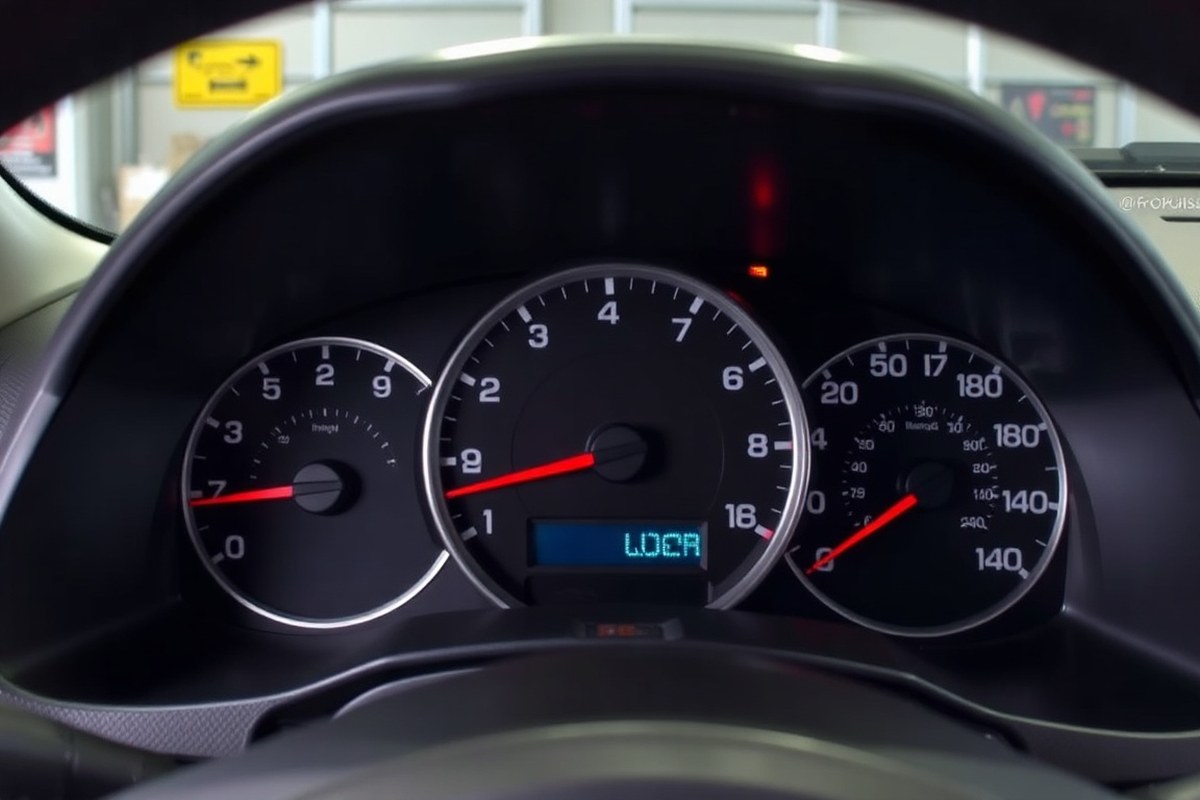
The fuel gauge on a 2004 Subaru typically shows empty when the ignition key is off. This is standard behavior because the fuel gauge requires electrical power from the ignition circuit to display the accurate fuel level. When the key is turned off, power to the gauge is shut down, which causes it to default to the empty position. This does not mean your fuel tank is empty, just that the gauge is not active.
After you turn off the ignition, the fuel gauge needle often moves to empty immediately. This happens because the gauge’s pointer is powered by an electric circuit linked to the ignition switch. Without power, the needle can no longer maintain a reading and drops to the default position, usually empty. The same effect occurs if you open the door or lock the car with the key out; the gauge won’t show a fuel level until power is restored by turning the key back to the ON position.
This behavior is not unique to Subaru. Many vehicles across various makes and models exhibit the fuel gauge dropping to empty or returning to a resting position when the ignition is off. The gauge depends on an electrical signal from the fuel sending unit in the tank, which only sends data while ignition power is applied. When that power cuts off, the gauge cannot update or hold a reading.
To confirm the reading is accurate after turning the key back on, insert your key and turn it to the ON position without starting the engine. The gauge will then receive current and display the fuel level indicated by the sending unit’s float. You can test this by observing if the gauge returns to reflect your known fuel level, such as full after filling up. The gauge staying stuck on empty or full with the key on likely signals a problem with the sending unit or electrical connections, not a normal shutoff behavior.
In practice, you might also notice the fuel gauge briefly fluctuate after turning the ignition on as the system checks the sending unit. This is normal and part of the gauge initializing. To avoid confusion, wait about 10 seconds after switching the ignition on for the gauge to stabilize. Your fuel gauge not matching the tank level after this means you need to take more diagnostic steps.
Because the fuel gauge relies on the fuel sending unit’s resistance reading, a failed float, broken resistor, or wiring issue can cause incorrect readings at any time the ignition is on or off. However, just seeing the fuel gauge needle rest on empty with the key off is expected and does not alone indicate a problem. The gauge’s display depends on ignition power to show accurate fuel levels, so a resting position at empty while off is normal for your 2004 Subaru.
How the Fuel Gauge and Sending Unit Work in a 2004 Subaru

The fuel gauge system in a 2004 Subaru relies on the fuel sending unit inside the gas tank to measure the fuel level and send that information to the dashboard gauge. This system primarily consists of three parts: a float, a metal arm connecting the float to a variable resistor, and the resistor itself. The fuel sending unit translates the physical position of the float into an electrical signal that the fuel gauge interprets as the current fuel level.
Fuel Sending Unit Location and Components
Inside the fuel tank, the fuel sending unit is usually part of the fuel pump assembly, though sometimes it exists separately. It includes three main components. A buoyant float made of plastic or foam rests on the fuel’s surface and moves according to the fuel level. A metal rod or arm connects to the float, transmitting its motion to a variable resistor, called a rheostat, which changes electrical resistance depending on the arm’s position to send the correct signal to the gauge.
Because the unit is inside the tank, it is exposed to fuel and harsh conditions, so corrosion and wear are common issues over time. The float must move freely; if it sticks, the gauge reading will be inaccurate. The sending unit’s design ensures constant contact with fuel, which is why the materials and electrical connections are critical for reliable readings.
How Float and Variable Resistor Create a Reading
As you drive and use fuel, the float drops or rises with the fuel level. The metal arm connected to the float moves in tandem, changing the position of a wiper on the variable resistor. The resistor adjusts the resistance in the circuit in proportion to the float’s position. When the tank is full, the resistor allows more electric current to flow, and when the tank is near empty, it restricts current flow.
This change in resistance modifies the voltage signal sent to the dashboard gauge. The gauge interprets higher current as a fuller tank and lower current as emptier. The continuous motion caused by fuel consumption leads to a constantly changing signal, which should make the gauge needle move smoothly.
Electrical Signals and Gauge Expectations
The fuel sending unit gets power from the car battery and creates a variable electrical signal through the resistor. This signal is a voltage that ranges from nearly zero when the tank is empty to a higher voltage when the tank is full. The dashboard fuel gauge reads this voltage and moves the needle accordingly to reflect the fuel level.
The variable resistor effectively modulates the electrical current by changing resistance as the float moves. Corroded wiring or bad ground connections between the sending unit and gauge can cause incorrect signals, such as the needle sticking full or empty. The gauge expects a steady, variable voltage signal that corresponds precisely to the float’s fuel level, so any disruption or shorts in the wiring can cause false readings.
Ensure wiring connections between the fuel sending unit and gauge are clean and properly grounded to avoid inaccurate fuel readings.
Common Terms Explained
The float is the component that physically measures the fuel level by floating on top of the fuel. The metal rod or arm transmits the float’s movement to the variable resistor. The resistor, sometimes called a rheostat or fuel sender unit, varies electrical resistance based on the float position. These three parts work together to convert mechanical fuel level readings into electrical signals for the fuel gauge.
You will see different terms for this unit such as fuel sending unit, fuel tank sending unit, or fuel level sensor. All describe the same core components inside the tank. Understanding these terms helps when diagnosing fuel gauge issues or sourcing replacement parts.
Common Reasons the Fuel Gauge Reads Empty with Key Off
The fuel gauge on a 2004 Subaru can read empty with the ignition key off due to several mechanical and electrical faults in the fuel sending unit or its wiring. Issues such as a damaged float arm, wiring corrosion, or grounding problems commonly cause the gauge to show a false empty reading. Understanding these faults helps you identify symptoms and decide if you can fix the problem yourself or need professional help.
Faults in the Fuel Sending Unit Causing Empty Readings
The fuel sending unit measures the fuel level by moving a float connected to a variable resistor. When the float arm is damaged, stuck, or fuel-logged, it can fail to move properly, sending incorrect resistance signals to the fuel gauge. This often leads the gauge to read empty even when fuel remains in the tank.
Sharp bends or breaks in the float arm disrupt its motion. A common sign is a fuel gauge that stays stuck at empty regardless of tank level changes. Repairing this involves removing the fuel pump assembly to inspect and replace or repair the float arm, which can cost around $100 to $300 in parts and labor depending on local rates and parts availability.
Wiring Faults and Grounding Issues Leading to Empty Gauge
The wiring harness connecting the sending unit to the dashboard gauge can develop faults like broken wires, loose connectors, or corrosion. These faults interrupt the electrical signal path, often resulting in a fuel gauge stuck on empty. Ground wires are especially prone to corrosion or breakage, which can cause intermittent or consistent empty readings.
Checking for these issues involves visually inspecting wiring for rust, burnt marks, or loose pins in the connectors near the fuel tank and beneath the dashboard. Use a multimeter to test continuity and ground quality. Cleaning corroded terminals with electrical contact cleaner and resecuring connectors often restores proper function at low cost.
Damaged Float Arm Effects on Fuel Level Signal
A bent or broken float arm physically restricts the free movement of the float on the fuel level. This causes the variable resistor in the sending unit to produce a constant high resistance value, interpreted as an empty tank by the gauge. Unlike electrical faults, this mechanical issue directly affects the signal sent out rather than how the wiring carries it.
Symptoms include delayed or no change in gauge reading after refueling and the needle stuck at empty. Repair requires accessing the fuel tank’s sending unit by removing bolts and the fuel pump cover. Replacement float arms cost approximately $20 to $50, but full sender units range higher if the issue extends beyond the float arm.
Common Mechanical and Electrical Issues Checklist
Identifying the root cause requires a clear symptom checklist before disassembling parts or buying replacements. Here are typical problems to look for:
- Fuel gauge needle stuck at empty regardless of fuel tank level
- No change or delayed response after a full tank refill
- Visible corrosion on fuel sender connector pins or wiring harness
- Continuity test showing broken or worn wiring to the sending unit
- Float arm bent, jammed, or saturated in fuel preventing movement
- Intermittent gauge readings that worsen in damp conditions (indicating water intrusion)
This symptom list narrows down if the problem is mechanical, electrical, or a combination. Perform visual inspections first, then use diagnostic tools like a multimeter and service manual specs to confirm component function before costly replacements.
Tips to Identify Corrosion or Breakage in Fuel Gauge Components
Corrosion often forms where moisture and fuel vapors accumulate, around connectors near the tank and inside the dashboard. Removing the plastic cover over the fuel sending unit reveals the wiring terminals. Look for green or white deposits and clean them with electrical contact cleaner to avoid replacement expenses.
Check wiring insulation for cracks or exposed metal threads. Gently wiggle wires to detect intermittent breaks. The float arm should move smoothly without catching. Hold the arm and ensure it returns freely when released. If it feels stuck or loose, replacement is likely necessary.
How to Diagnose a Fuel Gauge Problem on Your 2004 Subaru
To diagnose whether the fuel sending unit, wiring, or gauge is causing your 2004 Subaru’s fuel gauge issue, start by testing the sending unit’s resistance, then inspect the wiring connections and grounds, and finally check the dashboard fuel gauge function on its own. Each step confirms or eliminates one part of the fuel level system.
Testing the Fuel Sending Unit Resistance
The fuel sending unit adjusts resistance in response to the fuel level inside the tank, which the gauge reads to show tank fullness. Measuring the sender’s resistance verifies if it works correctly or is stuck, open, or shorted. For a 2004 Subaru, expect resistance values typically between about 10 ohms (full tank) and 90 ohms (empty tank), but check your specific model’s service manual for exact specs.
- Turn off the ignition and disconnect the negative battery cable to avoid shorts.
- Access the fuel sending unit, usually inside the tank or under the rear seat.
- Disconnect the wiring harness from the sending unit.
- Set a digital multimeter to the ohms (Ω) setting, preferably with a range covering 0, 200 ohms.
- Attach multimeter leads to the sender terminals: one to the signal wire terminal, one to ground.
- Move the float arm gently through its full range (emulating fuel levels) and observe resistance changes.
- Note if resistance changes smoothly without jumps or infinite readings; erratic or no change means the sender is faulty.
- Reinstall components if the sender checks out, or replace the fuel sending unit if it fails.
Inspecting Wiring and Connectors for Damage
Fuel gauge wiring transmits the resistance signal to the dashboard gauge. Faulty connectors, damaged insulation, corroded terminals, or poor grounds cause false readings. Checking wiring integrity rules out these issues.
- Turn off the ignition and ensure the key is out.
- Locate the wiring harness between the fuel tank sending unit and the instrument cluster.
- Visually inspect connectors for corrosion, loose pins, or broken wires.
- Use a multimeter set to continuity or resistance to check each wire: ensure no open circuits or shorts to ground.
- Verify that the ground wire has a strong connection by measuring continuity to a clean metal chassis ground.
- Clean all connectors and terminals with electrical contact cleaner and secure any loose wires.
- Retest fuel gauge operation after repairs to confirm the issue wasn’t wiring-related.
Checking the Dashboard Fuel Gauge Response
The dashboard fuel gauge itself can fail. Testing the gauge independently verifies if the instrument cluster needle responds correctly to known signals.
- Turn off the ignition and remove the instrument cluster from the dashboard.
- Find the fuel gauge terminals on the back of the cluster according to the service manual wiring diagram.
- With a variable resistor or a simple jumper and external resistor, apply test resistance values in the expected range (around 10 to 90 ohms).
- Turn the vehicle power on and observe the fuel gauge needle movement matching the resistance changes.
- If the needle remains stuck or erratic despite correct test signals, replace the dashboard cluster or fuel gauge.
How Immobilizer Keys and Security Systems Affect Fuel Gauge Readings
The immobilizer system and security features on a 2004 Subaru do not directly cause the fuel gauge to read empty when the key is off. However, these systems include timers and security locks that can affect how the fuel gauge displays fuel level just after turning the ignition off or when the vehicle is disarmed. The immobilizer chip in the key verifies authorization to start the engine, and when the key is removed or the security system arms, it can trigger a delay before the fuel gauge shows accurate readings again.
The 2004 Subaru’s security system often incorporates a key-off delay for certain dashboard functions, including the fuel gauge. After the ignition is turned off, the gauge might temporarily show empty due to the system powering down non-essential electronics as part of its security logic. This delay can last a few seconds up to half a minute, depending on the model’s alarm and immobilizer setup. This behavior helps prevent false readings and system errors while the vehicle’s security modules check the status of the ignition and locks.
Your fuel gauge reads empty and you suspect the security system interferes; you can reset it by disarming the alarm using the remote fob or manual key cycles. For example, pressing and holding the remote unlock button for about two seconds will disarm the system and assist the fuel gauge in returning to normal function. Unlocking the door manually or with a valet key might trigger the alarm; turning the ignition key to the “ON” position three times within five seconds resets the immobilizer and security system state.
Owners who have lost their remote or valet keys should note that relying solely on the key to get the doors without the remote can cause the alarm to sound and the fuel gauge to behave erratically until the system is properly reset. In such cases, repeating the ON-LOCK cycling mentioned above or replacing remote fobs (which typically cost between $50 and $150 from Subaru dealers) will restore normal communications between the immobilizer and the vehicle’s electrical systems.
When the system is correctly reset, the fuel gauge readings stabilize quickly, reflecting the true fuel level. The gauge keeps reading empty or acts inconsistently after resetting because the problem might be a faulty fuel sending unit or wiring issue, not the immobilizer or alarm system.
Holding the UNLOCK button on your remote for at least two seconds after opening the driver’s door disarms the alarm and helps your fuel gauge return to accurate readings. Avoid manually unlocking the doors without the remote if possible.
How Far Can You Drive When the Fuel Gauge Reads Empty on a 2004 Subaru?
When your 2004 Subaru’s fuel gauge reads empty, it still usually has a reserve of about 1.5 to 2.5 gallons left in the tank. This reserve can allow you to drive approximately 20 to 30 miles (32 to 48 kilometers) before completely running out of gas. This estimation depends on factors like driving conditions, terrain, and your car’s fuel efficiency, which typically hovers around 20 to 25 mpg for many Subaru models of that year.
Keeping your car running on the empty reserve is generally not safe for long distances. The reserve is meant to give you enough time to reach a gas station, not to continue normal driving indefinitely. Continuing to drive after the gauge shows empty increases the risk of running completely out of fuel, which can leave you stranded. It is best to stop and refuel as soon as the light comes on.
Running the fuel tank to very low levels regularly can cause harm to your Subaru’s fuel system. The fuel acts as a coolant and lubricant for the fuel pump, which sits inside the tank. Without enough fuel to cover the pump, it can overheat and wear out prematurely. In addition, sediment and debris that settle at the bottom of the tank can be swept into the pump and fuel filter if fuel levels get too low, causing clogging or mechanical issues.
Before driving any further with the fuel gauge reading empty, take this safety checklist: First, confirm that the fuel light is actually on. Turn the key to the “on” position without starting the engine to see if the empty light illuminates. Avoid high speeds or aggressive acceleration, which increase fuel consumption. Plan the shortest route to the nearest gas station. When the distance exceeds 25 miles or the gauge acts erratically, consider calling roadside assistance to avoid risking damage to your vehicle.
To reduce risks associated with running low on fuel, refuel when the gauge shows around a quarter tank instead of waiting for empty. This habit helps keep the fuel pump submerged and minimizes sediment disturbance. Never keep cranking the starter when you run out of gas; refuel first, then restart the engine to avoid stress on the electrical system.
Maintaining Your 2004 Subaru’s Fuel Gauge and Sensor for Reliability
Keeping your 2004 Subaru’s fuel gauge sensor reliable requires consistent maintenance focused on preventing mechanical wear and electrical faults. Checking the sensor regularly helps catch float arm damage and corrosion early, maintaining accurate fuel level readings and avoiding false empty warnings.
Start by inspecting the float arm inside the fuel tank every 30,000 to 50,000 miles or during fuel system servicing. Look for any debris buildup or corrosion that could cause it to jam. Cleaning the float arm gently with a soft cloth and mild cleaner can restore smooth movement. Avoid leaving the tank near empty, as driving with very low fuel stresses the float mechanism more and raises the chance of sensor damage.
Electrical contacts and wiring related to the fuel gauge sensor also need attention. Corrosion or loose connections can cause erratic gauge behavior or error codes such as P0463, which indicates a high input signal from the fuel level sensor. Prevent problems by cleaning contacts with an electrical cleaner spray annually and ensuring wiring harnesses remain secured and free from abrasion.
- Inspect the float arm during fuel system maintenance or every 30,000-50,000 miles
- Clean debris and corrosion gently with a soft cloth and suitable cleaner
- Don’t wait until the fuel tank is empty to refill; topping off earlier helps prevent damage to the float.
- Check wiring and connectors annually for corrosion or looseness
- Use electrical contact cleaner spray on sensor connections once a year
- Replace the fuel level sensor if readings remain inconsistent after cleaning
Signs that your fuel sensor may need replacement include persistent erratic fuel gauge readings, inability to register fuel level changes accurately, or a diagnostic trouble code related to the sensor input. Fuel level sensors for the 2004 Forester generally cost between $40 and $100, depending on parts supplier and whether you’re installing it yourself or using a mechanic. Keeping up with the maintenance steps above reduces the risk of sensor failure and helps your fuel gauge remain a dependable tool for monitoring gas levels.
When to Repair Yourself and When to Call a Professional Mechanic
You can handle some fuel gauge issues on your 2004 Subaru yourself, especially if the problem is simple and related to visible parts like the fuse or gauge connections. For instance, checking and replacing a blown fuse or cleaning corroded terminals often requires only basic tools and about 10 to 30 minutes, costing less than $15 for parts. Problems like a stuck fuel gauge needle or inconsistent readings might be fixed by this kind of quick DIY. Look for signs like loose wiring at the fuel sending unit inside the tank or damaged gauge face, which you can inspect after removing the necessary panels with a screwdriver or socket set.
More complex faults call for professional help. Issues involving the fuel sending unit itself, electrical wiring in the fuel pump circuit, or the Subaru’s immobilizer system affecting gauge readings require specialized diagnostic tools and technical skills. A professional mechanic can test voltage levels, scan for error codes, and perform fuel system pressure measurements safely. Complex electrical repairs might cost $150 to $400 depending on the extent of damage, while fuel system replacements, such as sending units or pumps, can range from $400 to $800 including labor. Avoid DIY if you notice symptoms like erratic gauge behavior, no fuel pressure, or a fuel smell due to possible leaks, as these pose safety hazards.
- Check the fuse related to the fuel gauge circuit as your first step.
- Inspect wiring and connectors at the fuel tank access points for corrosion or looseness.
- Test the fuel gauge movement by turning the ignition on and observing the needle.
- Avoid opening the fuel tank or handling fuel pump components unless you have the right tools and experience.
- Look out for fuel smells or erratic gauge performance as signs to stop DIY and call a mechanic.
- Use an OBD-II scanner to check for related diagnostic trouble codes before taking action.
Finding a trustworthy mechanic experienced with Subaru fuel systems can save time and money. Ask for referrals from local Subaru clubs or online forums specific to 2004 Subaru models. Verify the shop’s certifications, such as ASE (Automotive Service Excellence), and confirm they use proper diagnostic equipment, including fuel system testers and OBD-II scanners. When you take your car in, clearly describe the symptoms: “The fuel gauge reads empty with the key off, and sometimes shows inaccurate fuel levels when driving.” Mention any recent repairs or fuel issues to help them diagnose faster.
Never attempt fuel system repairs without proper ventilation and safety gear, as gasoline vapors are flammable and toxic.
Step-by-Step Action Plan to Address Your 2004 Subaru Fuel Gauge Reading Empty with Key Off
Follow these steps to identify and resolve a fuel gauge that reads empty when your Subaru’s key is off. Each step helps you check common causes and confirms progress.
- Before you start: Verify that the fuel gauge behaves normally when the key is on. This confirms the issue happens only with the key off.
- Day 1: Inspect the fuel sender unit wiring at the fuel tank for damage or loose connections. Repair any issues and test if the empty reading persists when the key is off.
- Day 2: Test the fuel gauge grounding points in the dashboard. Clean and secure grounds to ensure proper signal return. Check if the empty reading disappears.
- Day 3: Check for any aftermarket security or immobilizer devices that might affect the gauge signal. Temporarily disable or bypass these systems and observe changes.
- Day 4: Use a multimeter to measure the resistance at the fuel sender with the key off. Compare readings to Subaru specifications to identify a faulty sender.
- Day 5: Reset the vehicle’s electrical system by disconnecting the battery for 10 minutes. Reconnect and see if the fuel gauge reading normalizes with the key off.
- After 1 week: If steps above don’t fix the problem, consider replacing the fuel sender unit or the fuel gauge assembly. Use parts specified for a 2004 Subaru to ensure compatibility.
Frequently Asked Questions
Does the Subaru 2004 Fuel Gauge Read Empty When the Key Is Off?
No, the fuel gauge in a 2004 Subaru does not read empty when the key is off because the gauge only receives a signal when the ignition is on.
How Do I Fix the Fuel Gauge Reading Empty on My 2004 Subaru?
Fixing a fuel gauge that reads empty often involves testing and possibly replacing the fuel sending unit or repairing a faulty resistor blocking the signal.
How Far Can a Subaru Go on Empty?
A 2004 Subaru can generally drive about 30 to 50 miles on empty, but it’s best not to rely on this to avoid running out of fuel.
My Subaru Gas Gauge Isn’t Working. What Should I Do?
Start by checking the fuel sending unit and wiring for damage, as these are common causes of a non-working gas gauge.
How Do I Tell If My Fuel Gauge Is Off?
If your fuel gauge stays fixed on full or empty despite refilling the tank, or fluctuates wildly, it’s likely off.
Can a Faulty Fuel Gauge Cause My Subaru to Stall?
Yes, a faulty fuel gauge can lead to unexpected stalling if you misjudge fuel levels and run out of gas.
Before You Go
Your 2004 Subaru’s fuel gauge should not read empty when the key is off. This issue often traces back to wiring faults, grounding problems, or security system interference. Start by checking those areas yourself, and if the problem remains, a professional mechanic can help with diagnostic tests and repairs. Taking action now prevents misreading fuel levels and potential driving surprises.