
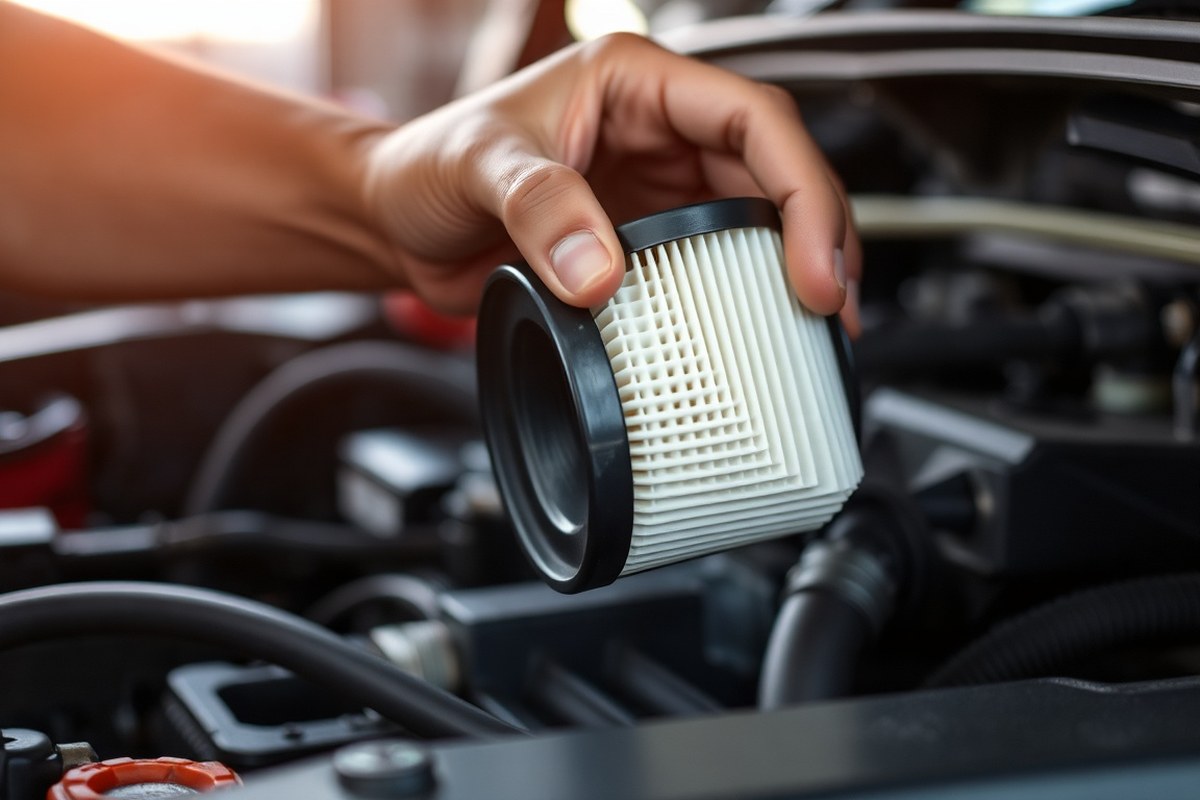
Do You Need to Change Oil Filter Every Time? A Complete Guide That Saves Your Engine
Do you need to change oil filter every time you change the oil? Yes, replacing the oil filter with each oil change is essential to keep your engine running smoothly. The filter traps debris and contaminants that accumulate in your oil, preventing engine damage. Start by checking your vehicle’s owner manual for manufacturer recommendations on oil and filter change intervals.
Key Takeaways
- Change your oil filter every time you replace the engine oil to ensure optimal filtration and engine protection.
- Follow your owner’s manual guidance as oil and filter change intervals can range from 3,000 to 10,000 miles.
- Use high mileage oil filters if your manufacturer recommends extended oil change intervals for better durability.
- Ineffective oil filtration can cause contaminants to circulate and increase engine wear or damage.
- Replace your oil filter even if you extend oil change intervals beyond conventional 3,000-mile limits.
- Switching to synthetic oil often means longer oil and filter change intervals, typically up to 7,500 to 10,000 miles.
Do You Need to Change the Oil Filter Every Time You Change Oil?
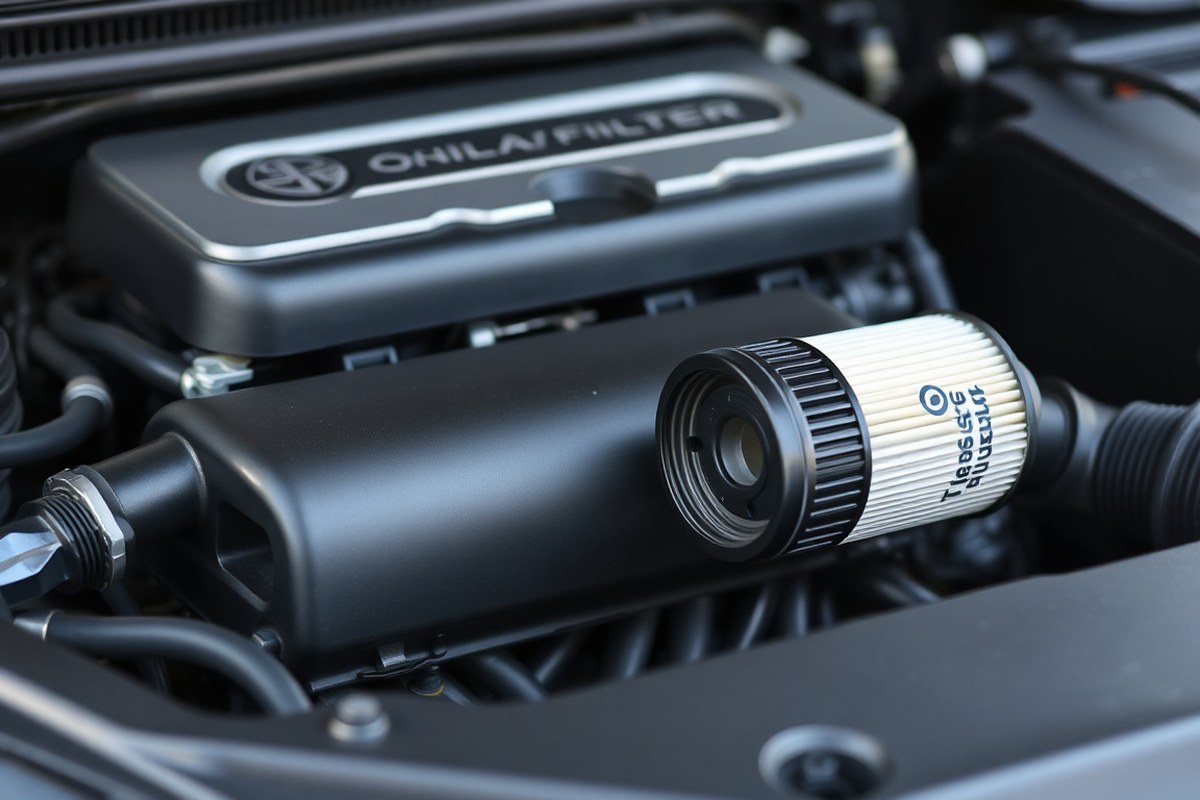
You should change your oil filter every time you change your engine oil. Vehicle manufacturers consistently recommend replacing the oil filter at each oil change to maintain the engine’s health and performance. Replacing the filter ensures that contaminants and debris trapped during the previous oil cycle do not remain in your engine system, which could potentially harm the new oil and reduce its effectiveness.
Although some people consider reusing the oil filter for multiple oil changes to save money or effort, this approach is risky. Over the typical oil change interval, usually about 3,000 miles, the filter collects particles and sludge that can clog it. A clogged filter restricts oil flow and reduces the ability of the oil to lubricate and cool the engine properly. This can lead to increased engine wear or even damage. Draining or flushing the oil filter instead of replacing it is not a reliable solution because it is difficult to remove all trapped debris effectively.
Following your vehicle’s maintenance guide is the best way to know when to change the oil filter. Most manufacturers set oil and filter change intervals together, often around every 3,000 to 5,000 miles or every three to six months, depending on your driving conditions. For example, if your owner’s manual recommends an oil change every 5,000 miles, you should also replace the oil filter at that time. This keeps your engine oil clean from the start of each cycle and prevents leftover contaminants from compromising engine performance.
Skipping the oil filter replacement or extending its use beyond the recommended interval can lead to costly engine problems. Trying to remember to replace the oil filter every other oil change often results in forgetting it completely for several changes. Replacing the filter with every oil change is a straightforward rule that minimizes the risk of neglect and protects the engine consistently.
The cost and effort to change an oil filter are relatively low compared to potential engine repairs. An oil filter typically costs between $5 and $15, and most oil change services include filter replacement to give you a complete maintenance package. Doing it yourself requires minimal tools and time, making it a practical practice to maintain your vehicle’s longevity and avoid premature engine wear.
What Is an Oil Filter and How Does It Protect Your Engine?

An oil filter plays a important role in your vehicle’s lubrication system by removing contaminants from the engine oil. As your engine runs, microscopic dirt, metal fragments, and combustion byproducts contaminate the oil. The oil filter traps these particles, ensuring only clean oil circulates through the engine. This process prevents damage to engine components and helps maintain efficient engine operation.
The filter achieves this by using a thick, porous media made of synthetic fibers or cellulose. As oil flows through this media, dirt and debris get caught on the surface or inside the fibers. This stops contaminants from scratching or clogging the engine’s delicate parts. Over time, the filter accumulates particles and becomes less effective, which is why manufacturers recommend changing it every oil change. For example, by around 3,000 miles, a typical oil filter can become so full that it can’t properly trap new contaminants.
Clean oil passing through a fresh filter forms a reliable lubrication layer between moving engine parts. This reduces friction, heat, and wear, ultimately extending your engine’s lifespan. When you replace oil without changing a clogged or dirty filter, fresh oil quickly picks up old contaminants leftover in the filter, negating the benefit of new oil. Placing a new filter alongside fresh oil ensures the entire lubrication system works as designed, offering the best protection and efficiency.
Replacing the oil filter usually takes 15 to 30 minutes and costs around $10 to $30 for the part, depending on your vehicle and filter choice. Spending a few dollars more on a new filter can prevent engine damage that might cost hundreds to repair later. Consider this a small, effective investment in your vehicle’s health, especially if you drive in dusty areas or harsh conditions where contaminants build up faster.
Neglecting to replace the oil filter regularly risks contaminants circulating through your engine, potentially causing expensive damage and reducing performance.
How Often Should You Change Your Oil Filter According to Different Types
Oil filter replacement intervals vary by type: conventional oil filters generally need changing every 3,000 to 5,000 miles, while synthetic oil filters can last up to twice as long. High mileage oil filters are designed for vehicles with over 75,000 miles and can help extend filter life between oil changes. Vehicle type and manufacturer recommendations also influence how often you should replace oil filters.
Conventional vs. Synthetic Oil Filters
Conventional oil filters are typically replaced every 3,000 to 5,000 miles along with conventional oil changes. Synthetic oil filters, on the other hand, can last up to two times longer due to their improved materials and design. Since synthetic oil itself often has change intervals of 7,500 to 10,000 miles, the oil filter should also be replaced less frequently, matching the oil change schedule.
Using synthetic oil does not always require a special synthetic oil filter, but some drivers opt to use higher-quality filters to get the most out of synthetic oil’s longevity. Changing the oil filter whenever you change the oil is generally recommended, though if you change your oil more often than recommended, the filter might not need replacement each time.
High Mileage Oil Filters and Their Benefits
High mileage oil filters are engineered for cars with over 75,000 miles. They contain improve filtration media and sealants that help handle contaminants typically found in older engines. Since many newer cars have oil change intervals up to 10,000 miles, a high mileage oil filter can maintain better engine protection over longer periods.
These filters can cost more, generally ranging toward the higher end of the typical $10 to $30 price range, but they offer improved dirt and sludge trapping capability. If your vehicle’s manufacturer recommends extended oil change intervals, investing in a high mileage filter helps prevent engine wear during these longer service intervals.
Manufacturer Recommendations by Vehicle Type
Different car types and manufacturers set varying oil filter and oil change schedules based on engine design, oil type, and driving conditions. Conventional vehicles often require oil changes and filter replacements every 3,000 to 5,000 miles. Vehicles running synthetic oil can have intervals up to 7,500 or even 10,000 miles between changes, usually matching the filter replacement schedule.
Pickup trucks, heavy-duty vehicles, and older cars might benefit from more frequent oil filter changes due to heavier engine stress or degraded seals, while certain modern vehicles approve longer intervals but specify using recommended filters. Following your vehicle manufacturer’s guidelines ensures the best balance between engine protection and maintenance cost. Here is a table summarizing oil filter change intervals by oil and vehicle type:
| Oil Filter Type | Recommended Change Interval (miles) | Typical Cost Range | Best Used For |
|---|---|---|---|
| Conventional | 3,000, 5,000 | $10, $20 | Older vehicles, conventional oil users |
| Synthetic | 7,500, 10,000 | $15, $30 | Modern cars, synthetic oil users |
| High Mileage | Up to 10,000 (aligned with synthetic oil changes) | $20, $30 | Vehicles with 75,000+ miles, extended oil intervals |
Changing oil filters according to these intervals helps maintain engine cleanliness and performance. Staying within the recommended mileage range for your filter type and vehicle ensures your engine oil and filter provide effective protection against contaminants and wear.
What Happens If You Don’t Replace the Oil Filter Regularly?
Neglecting to replace your oil filter regularly can lead to serious engine problems. Over time, dirt, metal particles, and sludge build up in the filter, causing it to clog. A clogged oil filter restricts the flow of oil, which means less lubrication reaches essential engine parts. This reduction in oil circulation can make your engine run hotter and increase friction among moving parts, accelerating engine wear. When your oil pressure falls below the safe limit, the oil pressure warning light in your vehicle may illuminate, alerting you to take immediate action.
When the oil filter is old or clogged, the oil pump has to work harder to push oil through the restriction. This strains the oil pump and can cause it to fail prematurely. An engine running with reduced oil pressure faces risks like bearing damage and increased engine heat, which can cause metal components to warp or seize. In severe cases, parts like pistons and valves may sustain permanent damage, leading to costly repairs or even engine replacement. Repair bills for internal engine damage can easily go into the thousands of dollars, far exceeding the price of a new oil filter, which generally costs between $5 and $20.
Some newer vehicles and synthetic oil users might tolerate longer intervals between oil filter changes, but skipping the filter replacement entirely still increases the chance of damage. Dirt and contaminants that aren’t caught by the filter will circulate in the engine oil, accelerating wear and potentially clogging oil passages. This leaves your engine vulnerable to sludge buildup and corrosion, shortening its lifespan. For drivers using conventional oil and shorter oil change intervals, skipping oil filter changes can quickly lead to noticeable engine problems within a few thousand miles.
Changing the oil filter at every oil change is a smart preventive measure. It takes just a few minutes with common tools like a filter wrench, drain pan, and a new filter. Doing this yourself cuts out labor fees that usually range from $20 to $50 at shops and lowers the chance of installing a dirty filter. For intense use such as towing, off-roading, or frequent stop-and-go driving, follow the manufacturer’s schedule closely or change the filter sooner since these activities increase dirt buildup and engine wear.
Signs like unusual engine noise, a sudden oil leak, or a strong burning oil smell point to oil circulation problems and should prompt an immediate filter check or change. Ignoring these signs increases the risk of extensive engine damage. Preventing this damage by routinely replacing your oil filter avoids expensive repairs and keeps your engine running smoothly and efficiently.
How Driving Habits and Conditions Affect Oil Filter Life
Driving habits and the environment around you can significantly affect how quickly your oil filter gets clogged and when it needs to be replaced. Stop-and-go traffic, such as city driving, typically causes more strain on your oil filter compared to steady highway driving. This happens because frequent acceleration and braking generate more engine contaminants, including metal particles and carbon buildup, that the filter must trap.
Driving in dusty, sandy, or harsh climates also shortens the life of your oil filter. Dust and debris from these environments accumulate faster in the filter, causing it to block more quickly and reducing its effectiveness. High temperatures, especially those exceeding 95°F, can speed up oil breakdown and cause more contaminants to form, which in turn clogs the filter faster. Cold starts in freezing weather make oil thicker, straining the oil pump and filter until the engine warms up.
Adjusting your oil filter replacement intervals based on these conditions helps maintain engine health and performance. For example, if the normal recommendation is every 5,000 miles, reduce that to about 3,000 to 4,000 miles when driving in harsh or severe conditions.
- Stop-and-go city driving clogs oil filters faster due to frequent engine load changes.
- Highway driving is gentler on filters but still requires regular replacement as per vehicle guidelines.
- Dusty roads and off-road conditions introduce more debris into the oil, shortening filter life.
- Extreme heat accelerates oil degradation, increasing filter workload.
- Cold starts can stress the filter as oil thickens in low temperatures.
- Adjust oil filter change intervals to every 3,000-4,000 miles in severe driving conditions.
- Keep a checklist of your typical driving environments to know when to change filters sooner.
Note your driving routes and environment types so you can tell your mechanic if you need a more frequent oil filter replacement schedule.
By tracking your typical driving patterns and climates, you can create a simple maintenance checklist. Include the type of driving (city, highway, off-road), climate conditions (dusty, hot, cold), and the average mileage between changes. This helps you decide when to bring your vehicle in for an oil filter change, potentially saving thousands in engine repairs. Skipping filter replacement, especially in tough conditions, allows contaminants to circulate and cause accelerated engine wear.
Signs Your Oil Filter Needs Changing Now
A clogged oil filter can cause several warning signs, indicating it’s time for a replacement. One of the most noticeable signals is the oil warning light on your dashboard. This light may come on if the filter is restricting oil flow, causing low oil pressure. In some cases, the check engine light could also appear if the engine detects irregular oil pressure or performance issues related to the filter.
Unusual engine noises are another key sign to watch for. A failing filter might not let enough oil reach critical engine parts, resulting in increased friction. This shortage can cause knocking or ticking sounds, especially when the engine is cold or under heavier loads. Similarly, burnt oil smells inside or near the engine compartment may suggest that oil isn’t circulating properly due to a blocked filter.
Poor engine performance is a clear symptom of a dirty oil filter. If your car struggles to accelerate or feels sluggish compared to normal, the cause could be dirty motor oil blocked by a clogged filter. This blockage reduces lubrication, causing the engine to work harder. You might also notice rough idling or hesitation during acceleration. Below is a checklist to help you identify if your oil filter needs changing now:
- Oil pressure warning light illuminated on the dashboard
- Engine noise like knocking, ticking, or unusual sounds during startup or acceleration
- Burning oil smell near the engine area
- Reduced acceleration or sluggish engine response
- Check engine light turns on without other clear causes
- Engine running hotter than usual, signaling poor lubrication
Checking these signs regularly can prevent engine damage caused by restricted oil flow. Replacing the oil filter typically costs between $10 and $30 for the part, plus labor if done at a shop. Doing it yourself requires basic tools and about 15 to 30 minutes per filter change, depending on your vehicle. Worn-out filters won’t always look dirty on the outside, so don’t rely solely on visual inspection. Monitor engine behavior and dashboard warnings closely to decide the best time for a change, especially under severe driving conditions.
How to Change Your Oil Filter Yourself: Tools and Step-by-Step
Changing your oil filter yourself is straightforward with the right tools and careful steps. Doing it properly ensures your engine stays clean and runs smoothly. Avoiding common mistakes helps prevent leaks and filter damage.
Essential Tools and Materials Required
You need a few specific tools and materials before starting. An oil filter wrench helps remove stuck filters easily. A drain pan catches old oil to avoid spills. Have new engine oil on hand along with the replacement oil filter matching your vehicle’s specifications.
Other helpful items include a rag or gloves to improve grip, a funnel for pouring oil, and some fresh oil to lubricate the new filter’s gasket. Make sure you have a jack and jack stands or ramps if you need extra clearance under your vehicle.
Step-by-Step Oil Filter Removal Process
Follow these steps carefully to remove the old oil filter without making a mess or causing damage:
- Warm up your engine for a few minutes then turn it off to let the oil drain slightly.
- Place the drain pan under the oil filter location to catch any spilling oil.
- Use an oil filter wrench or a gloved hand to turn the oil filter counterclockwise until it loosens.
- Remove the filter by hand once loose, keeping it upright to prevent dripping oil.
- Inspect the old filter’s gasket to ensure it came off with the filter and is not stuck on the engine.
- Clean the filter mounting surface on the engine to remove old oil and debris.
Installing the New Oil Filter Correctly
Installing the new oil filter the right way prevents leaks and ensures full oil flow. Follow these steps:
- Apply a thin layer of fresh engine oil to the rubber gasket on the new oil filter.
- Screw the new filter onto the engine’s filter mount by hand, turning clockwise until the gasket contacts the mounting surface.
- Tighten the filter according to the manufacturer’s instructions, typically ¾ to 1 full turn after the gasket contacts the surface. Avoid over-tightening which can damage the gasket.
- Lower the vehicle if you raised it, fill the engine with the recommended amount and type of fresh oil.
- Start the engine and check the oil filter area for leaks. Tighten slightly if you notice any drips, but don’t force it.
Lubricating the gasket before installation helps the filter seal better and makes it easier to remove during the next oil change. Avoid using tools to tighten the filter beyond hand tight plus the recommended fraction of a turn to prevent leaks or damage.
Choosing the Right Oil Filter for Your Vehicle and Budget
Selecting the right oil filter for your vehicle depends on its specific requirements, your driving habits, and your budget. Choosing a filter made for your car model ensures proper fit and filtration, protecting your engine effectively. Balancing price with quality helps you make a practical choice without overspending.
Matching Oil Filters to Your Vehicle Requirements
Start by checking your vehicle’s owner manual or manufacturer recommendations. Vehicles differ in engine size, oil type, and filter design, so using the exact model or a compatible filter is critical. Online parts stores and auto shops often have search tools that match filters by your car’s make, model, and year.
Filters designed specifically for your engine help maintain oil pressure and filtering efficiency. Using an incorrect filter risks leaks, poor engine performance, or damage. Consider your driving style as well, frequent short trips or dusty environments may require filters with higher filtration capacity.
Price vs. Quality Comparison of Popular Brands
Oil filter prices vary widely, usually from $5 at the lower end to around $20 or more for premium brands. Budget filters offer basic filtration, meeting minimum standards. Mid-range brands like Valvoline combine reliability with moderate cost, often meeting or exceeding original equipment manufacturer (OEM) standards.
Premium filters typically feature advanced filtering media and reinforced construction, serving better in extreme conditions but costing two to three times more than budget options. Below is a comparison table showing typical price points, quality standards, and expected benefits for common filter categories.
| Filter Category | Price Range | Quality Standard | Key Benefits |
|---|---|---|---|
| Budget Filters | $5 – $8 | Meets ASTM filtration minimum | Basic protection, less durable |
| Mid-Range (e.g., Valvoline) | $10 – $15 | Meets/exceeds OEM specs | Reliable filtration, improves engine care |
| Premium Filters | $18 – $25+ | High-capacity filtration, reinforced housing | Better filtering in extreme conditions |
This comparison helps you decide depending on how demanding your driving conditions are and what value you place on engine longevity. A filter that slightly costs more may save money on repairs down the line.
When to Opt for Premium or High Mileage Filters
Premium or high mileage filters are worth the extra investment if your vehicle has over 75,000 miles or often runs in harsh environments including stop-and-go traffic, dusty roads, or extreme temperatures. These filters typically have improve filtering materials and anti-drain back valves to protect your engine more effectively.
Your decision rule can be: choose a premium filter if your driving conditions exceed ordinary daily commuting and you want to extend the time between service intervals without risk. For typical drivers following regular oil change schedules, a mid-range filter usually offers sufficient protection.
Always verify that the oil filter matches your vehicle and oil type to avoid leaks or engine damage, especially when switching to a different brand or filter style.
Step-by-Step Action Plan for Oil and Oil Filter Maintenance
Follow these steps to keep your engine healthy by managing oil and oil filter changes effectively.
- Before your next oil change: Check your vehicle’s owner manual for the recommended oil and oil filter change interval.
- Day of oil change: Replace both the oil and oil filter together unless the filter has a significantly longer manufacturer-specified life; confirm the filter is the correct type for your vehicle.
- After the oil change: Start your engine and check for leaks around the oil filter and drain plug to ensure installation was done correctly.
- Every 3,000 to 5,000 miles (or as per your vehicle’s recommendation): Monitor driving conditions; perform more frequent oil and filter changes if you drive in harsh conditions like stop-and-go traffic, extreme temperatures, or dusty roads.
- Weekly: Check your oil level and color using the dipstick, and watch for signs like engine noise or reduced power that could indicate filter clogging or oil degradation.
- When signs of filter wear appear: Change the oil filter immediately if the engine shows signs of insufficient lubrication or if the oil has become dirty prematurely.
- Every time you buy oil filters: Select high-quality filters compatible with your engine type and budget to ensure adequate protection and longevity.
- After any extended maintenance or repairs: Inspect the oil filter and oil condition before resuming regular driving.
Frequently Asked Questions
Is It Okay to Change Oil Without Changing the Filter?
Yes, you can change oil without changing the filter, but it’s not recommended because a dirty filter reduces oil quality and engine protection. Replacing the filter with every oil change keeps your engine cleaner and extends its life.
Is It Okay to Use the Same Oil Filter Twice?
It’s not advisable to reuse an oil filter because it can become clogged, reducing its effectiveness. Changing the filter each time you change oil ensures contaminants are properly removed from the engine oil.
Do I Really Need to Change the Oil Filter?
Yes, changing the oil filter every oil change is essential to trap dirt and protect your engine. Skipping this step risks dirty oil circulating and damaging engine components.
What Happens If I Never Change My Oil Filter?
Failing to change your oil filter causes sludge buildup and poor oil flow, leading to increased engine wear and possible failure. Regular filter changes prevent costly repairs.
Can I Change the Oil Filter Myself Without Professional Tools?
Yes, basic hand tools and a proper filter wrench are enough for most oil filter changes. Always ensure you follow safety steps and the vehicle’s manual instructions.
Does Synthetic Oil Require Changing the Oil Filter Differently?
Synthetic oil doesn’t change the need to replace your oil filter at every oil change. Always swap the filter to maintain clean oil circulation regardless of oil type.
The Bottom Line
You should change your oil filter every time you change your oil to maintain engine protection and avoid damage from contaminants. Consistent filter replacement supports clean oil circulation and prolongs engine life. Start with checking your vehicle’s manual and schedule regular oil-and-filter changes based on your driving conditions.


