How to Remove Tree Sap from Tonneau Cover: 8 Proven Methods for Fast, Safe Cleaning
Knowing how to remove tree sap from tonneau cover fast prevents permanent damage and sticky buildup. Use a gentle solvent or rubbing alcohol applied with a soft cloth to dissolve fresh sap safely without harming the cover’s material. Always test the remover on a small area first to avoid discoloration or damage.
Key Takeaways
- Act quickly to remove sap before it hardens for easier cleaning and less risk of stains.
- Use isopropyl alcohol or specialized sap removers, applying gently to avoid abrasion.
- Soft microfiber cloths prevent scratches while wiping sap from matte or vinyl surfaces.
- Check your tonneau cover’s material to choose a compatible cleaning solution and avoid damage.
- Clean retractable cover canisters every six months to maintain smooth operation after sap removal.
- Temperature affects sap consistency; cleaning in warm conditions softens sap for easier removal.
1. Safe Methods to Remove Tree Sap from Your Tonneau Cover
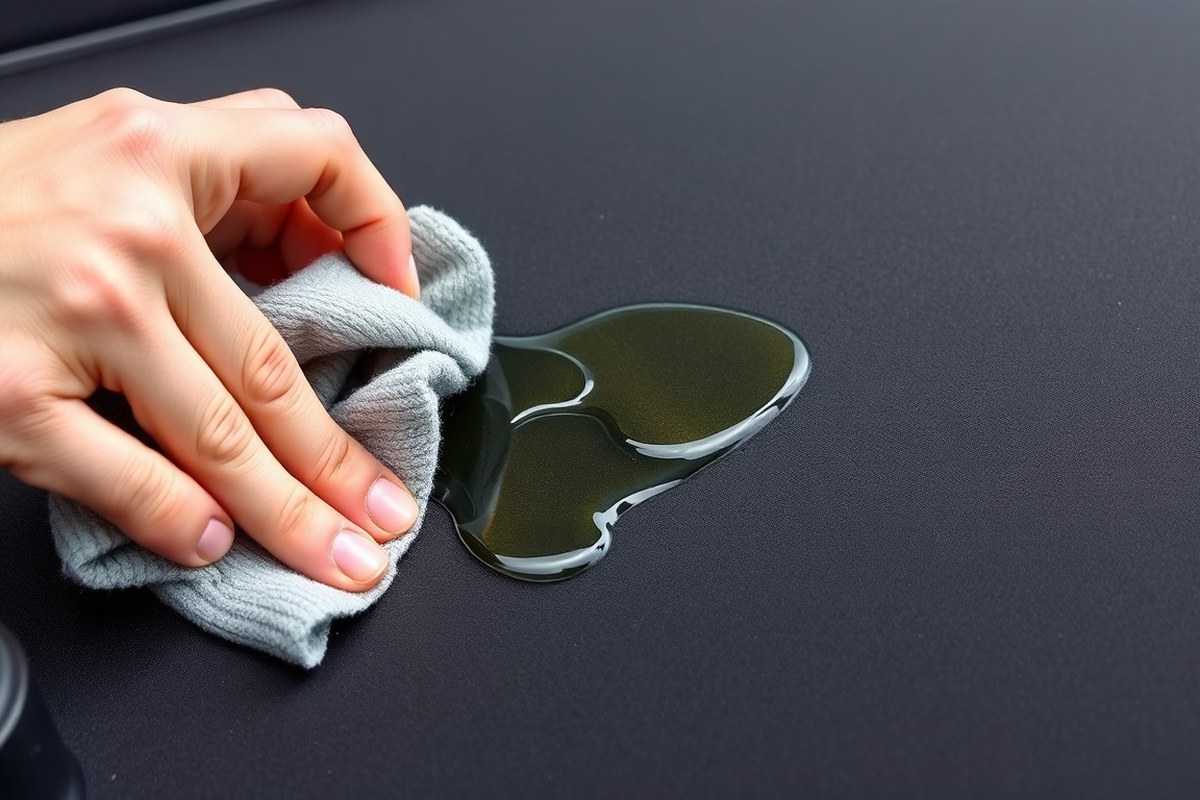
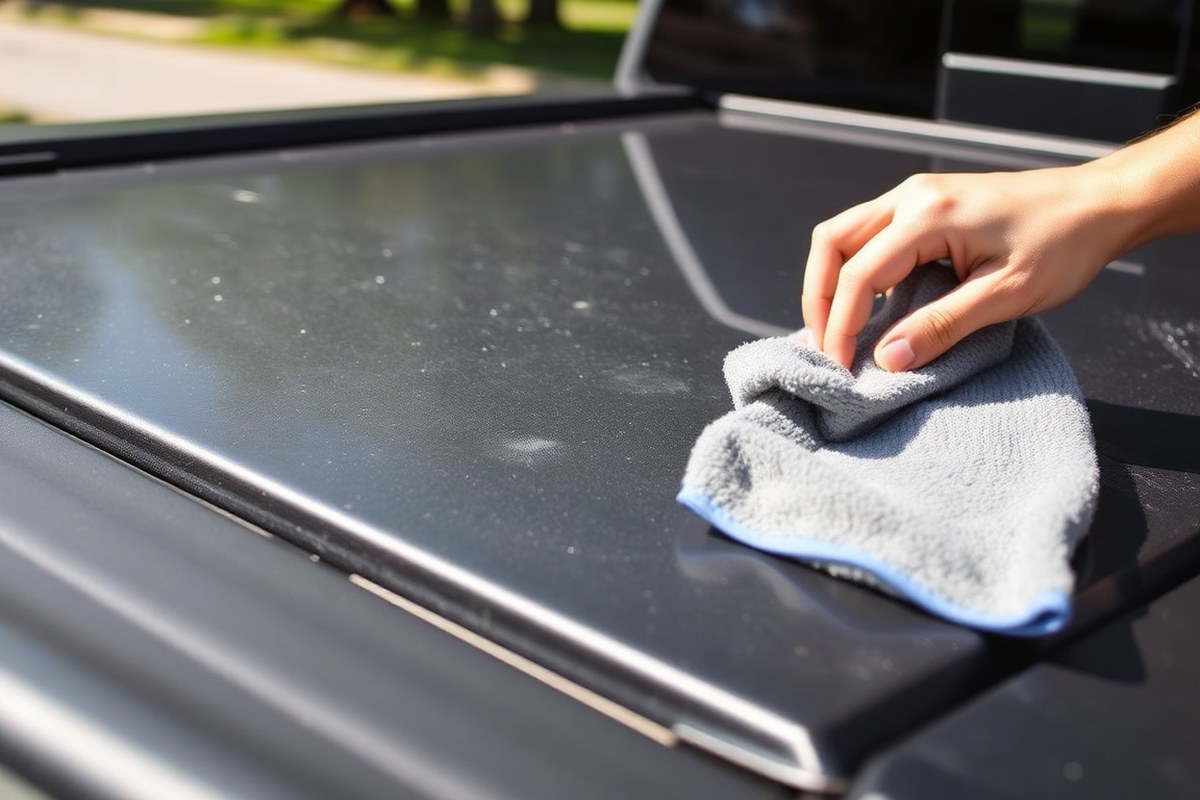
Removing tree sap from your tonneau cover safely requires a method suited to the type of material, soft vinyl, hard plastic, or aluminum slats, so you avoid damage. Sap is sticky and bonds strongly to surfaces, and if left too long, it hardens and becomes much tougher to remove. Quick action while the sap is fresh makes a big difference, reducing the risk of stains and surface harm.
For soft tonneau covers, like vinyl or fabric, using harsh chemical solvents can cause discoloration or degrade the material. Household products such as rubbing alcohol or WD-40 can remove sap but must be tested on a hidden area first. Rubbing alcohol can dry out or discolor vinyl, and WD-40 can leave oily residues that attract dirt. Choose mild, material-safe cleaners designed for automotive surfaces or use a clay bar system with a lubricant to gently lift sap without abrasion, especially on painted hard covers.
Hard roll-up covers, often made of aluminum or composite materials, can handle gentle solvents in small amounts. Use isopropyl alcohol diluted with water (about 50-70%) on a microfiber cloth to spot-treat sap. Avoid soaking the cover or spraying solvents directly, as this can affect seals or mechanisms. Always rinse and dry the treated area afterwards. For soft covers, a gentle detergent mixed with warm water and a soft cloth can work to loosen fresh sap more safely before moving to stronger methods.
- Identify the tonneau cover material. Check your owner’s manual or manufacturer website to confirm if your cover is soft vinyl, hard plastic, or aluminum to choose the safest removal method.
- Act quickly on fresh sap. Lightly blot or rinse the sap area with cool water to remove any loose debris before sap bonds deeper to the surface.
- Test any cleaning product. Apply rubbing alcohol or WD-40 sparingly on an inconspicuous part of the cover. Wait 10 minutes to check for effects like fading or stickiness.
- Apply a material-safe cleaner or clay bar with lubricant. For hard covers, follow the clay bar instructions: spray lubricant, glide the clay bar gently, and wipe clean. For soft covers, use warm water mixed with a gentle detergent and a soft cloth, rubbing carefully over the sap spot.
- Avoid scraping or harsh abrasion. Using tools like credit cards or scrapers risks scratching coatings or tearing vinyl. Let the cleaner or clay bar lift sap naturally.
- Rinse thoroughly with cool water. Remove any cleaner residue, dirt, or loosened sap and pat dry with a microfiber towel to prevent water spots.
- Repeat as necessary in small sections. Treating too large an area at once can prolong drying and increase risk of damage; working gradually ensures control and thorough sap removal.
Safe sap removal takes patience and attention to material types. Using a clay bar on painted hard covers avoids clearcoat damage, while milder solutions preserve soft vinyl appearance. Testing any solvent first avoids unpleasant surprises like fading or sticky spots. Proper rinsing and drying at every step guarantee the best results without harm. Avoid strong solvents on plastic or vinyl covers and never attempt scraping, which risks permanent damage. Good surface care prolongs your tonneau cover’s life and maintains your truck’s style.
2. Why Timing and Temperature Affect Sap Removal Success
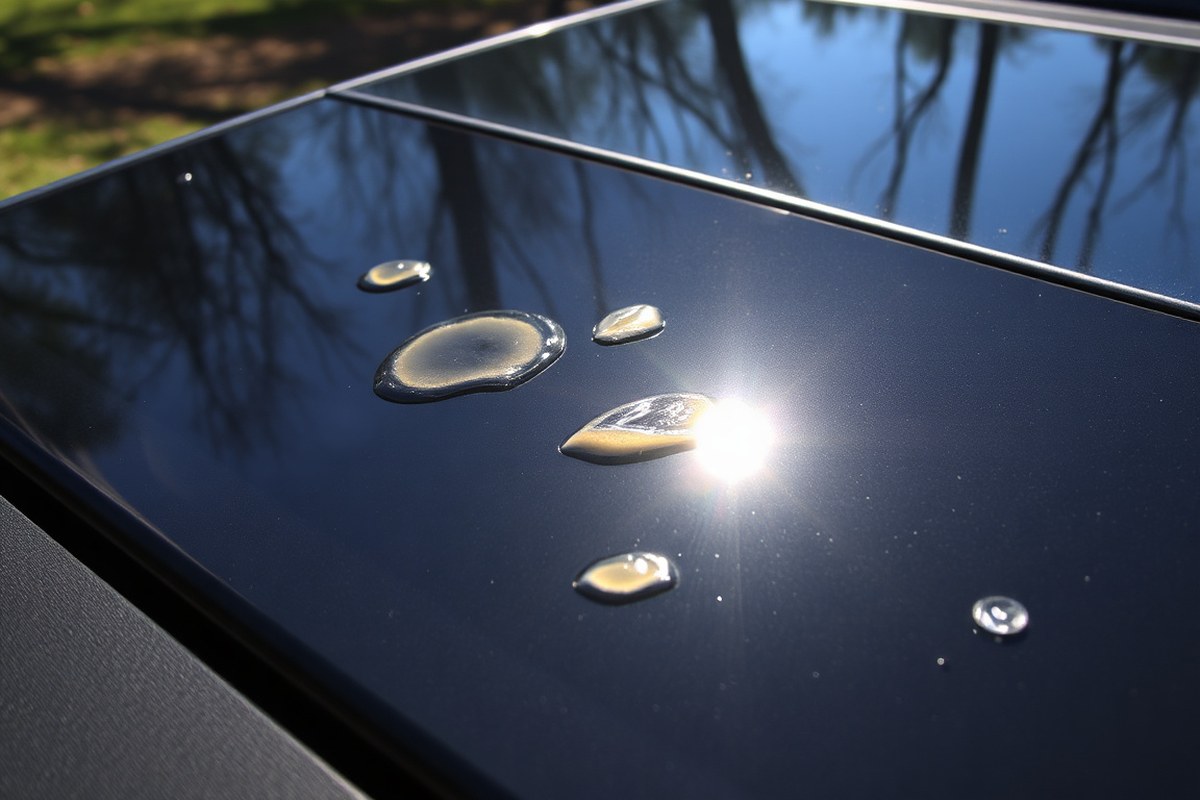
Tree sap changes its texture and bond strength depending on how long it’s been on your tonneau cover and the temperature of the environment. Fresh sap that has set for just a few hours remains sticky and soft, making it easier to remove with gentle washing or solvents. Within a few days to a week, sap begins to harden as it loses moisture and bonds more tightly to the surface, which increases the effort needed to clean it off.
Environmental temperature directly affects sap hardness and flexibility. Warm temperatures soften sap, making it more pliable and easier to wipe away or dissolve with mild cleaning agents. On hot days, sap becomes gummy, so cleaning works best when your truck is parked in the shade or early in the morning before the cover heats up. Cold temperatures below 50°F cause sap to harden and become brittle. In freezing climates or during winter months, sap can solidify further, increasing the risk of cracking the cover if aggressive scraping is used.
When sap has hardened over weeks or months, removal becomes more challenging because it often penetrates the cover’s protective layers. For these cases, softening the sap before removal is important. You can warm the sap gently using a heat gun on a low setting or by applying warm water-soaked cloths, but avoid direct high heat or letting the cover temperature exceed 120°F, which may damage vinyl or other materials. After softening, use a plastic scraper or a clay bar to lift off the sap carefully. Persistent sap residues present for months might etch into the cover’s finish, requiring a light polishing compound to restore appearance.
Keeping the timing and temperature in mind limits damage and improves removal effectiveness. Spot sap while it’s fresh and clean it off quickly to prevent more difficult cleaning later. When sap has hardened for a long time, set aside extra time and gather tools to soften it before scrubbing. In extremely cold conditions, avoid folding or rolling the cover below 20°F to prevent material damage while attempting sap removal.
Attempting to scrape hardened sap in cold weather without softening it first can cause permanent scratches or cracks in your tonneau cover.
3. Tools and Supplies Needed for Effective Sap Removal
Removing sap from a tonneau cover requires the right combination of tools and cleaning products to avoid damage and achieve effective results. The key supplies include gentle cleaners, specific sap removers safe for the material, and tools that won’t scratch or harm seals or finishes. Using the proper products and tools helps preserve the cover’s appearance and functionality.
Essential Cleaning and Removal Supplies
A basic toolkit for sap removal on tonneau covers includes mild soaps, soft cloths, and plastic scrapers. These items allow you to clean the surface without scratching or peeling protective coatings. A spray bottle for applying solutions evenly and a bucket with warm water will assist in rinsing and washing off residue.
For gentle cleaning before sap removal, use a mild detergent mixed with warm water, avoiding harsh chemicals or abrasives. When dealing with tree sap spots, select a sap remover compatible with the cover’s material, such as isopropyl alcohol diluted to 70%, or commercial sap removers made specifically for automotive finishes that state they are safe for vinyl, aluminum, or composite covers.
- Soft microfiber cloths or sponges
- Mild soap or detergent (pH-balanced)
- Isopropyl alcohol (70%) or commercial sap remover labeled safe for auto vinyl and aluminum
- Plastic scraper or plastic putty knife
- Spray bottle for applying solutions
- Bucket with warm water for rinsing
Using soft cloths instead of brushes and plastic tools instead of metal ones helps prevent scratching. Avoid products containing acetone or harsh solvents as they may damage seals or coatings.
Household vs Commercial Sap Removers
Common household products such as isopropyl alcohol, rubbing alcohol, or even hand sanitizer can remove sap effectively without harming most tonneau cover materials when used carefully and diluted. These DIY methods are cost-effective, usually under $5 per bottle, and safe for most vinyl or fabric covers.
Commercial sap removers are formulated to target sticky resin while protecting automotive surfaces and finishes. These products often cost between $10 and $20 and include ingredients designed to break down sap without degrading seals or finishes. However, always read the label to ensure compatibility with your tonneau cover’s material; some are made specifically for hard aluminum or composite panels while others suit soft roll-up covers.
Test any product on a small inconspicuous area before full application to check for adverse reactions. Avoid commercial removers containing acetone or strong solvents, especially on soft covers, as they may cause discoloration or brittleness.
Lubricants and Protectants for Post-Cleaning Care
After removing sap, applying a UV protectant maintains the cover’s flexibility and prevents cracking or fading, especially on soft roll-up covers. Products like Truck Gear Total Care UV Protectant guard against sun damage and keep seals supple. These protectants cost around $15 for a 12-ounce spray and should be applied according to the manufacturer’s instructions, typically after cleaning and drying.
Lubricants, such as silicone-based sprays, can also be used on hinges and seals of folding or hard tonneau covers to maintain smooth operation and prevent wear. Avoid petroleum-based lubricants as they might degrade rubber and plastic components. Proper post-cleaning care extends the life of your tonneau cover and keeps it looking good while protecting your truck bed.
4. Step-by-Step Guide to Remove Tree Sap from Different Tonneau Covers
Removing tree sap from tonneau covers depends on the type of cover you have, soft, hard, or retractable. Each material reacts differently to cleaning agents and techniques, so following a tailored approach helps avoid damage. Avoid abrasives and sharp tools that can scratch or puncture the cover.
Cleaning Soft Vinyl or Fabric Tonneau Covers
Soft tonneau covers made of vinyl or fabric need gentle cleaning to preserve their flexibility and water resistance. Sap can stick stubbornly to the surface but dissolves with the right solvent combined with careful cleaning.
Use an automotive vinyl cleaner or isopropyl alcohol diluted 50/50 with water to soften sap without harming the cover. Avoid harsh chemicals or scrubbing pads.
- Spray the sap spot with a vinyl cleaner or the diluted isopropyl alcohol solution.
- Let the solution sit for about 5 minutes to loosen the sap.
- Gently wipe the sap with a soft microfiber cloth in circular motions.
- Repeat application and wiping if any sap remains, avoiding excessive rubbing.
- Rinse the area with clean water to remove residue.
- Dry the cover with a soft towel or let air dry in shade to avoid UV damage.
- Apply a vinyl protectant to restore flexibility and resist future sap buildup.
Removing Sap from Hard and Painted Covers
Hard tonneau covers, including aluminum tri-fold or painted surfaces, can tolerate slightly stronger solvents but still require care. Solvent-based sap removers or rubbing alcohol typically work well here.
Scraping should be limited to plastic scrapers with gentle pressure to avoid scratches. Avoid metal blades that can damage the hard finish. Cleaning products designed for automotive paint are useful for painted covers.
- Apply a small amount of rubbing alcohol or a dedicated automotive sap remover to a clean cloth.
- Gently rub the sap spot until it softens and begins to lift.
- Use a plastic scraper if needed to carefully lift sap without scratching.
- Wash the area with mild car wash soap and water to remove solvent residues.
- Dry the cover promptly with a soft microfiber towel.
- Apply a quality car wax or sealant to protect the painted surface and maintain shine.
Careful Sap Removal from Retractable Tonneau Systems
Retractable tonneau covers feature complex mechanisms and materials like polycarbonate or aluminum tracks that need cautious cleaning. Avoid liquid solvents that could seep into the roll-up mechanism and damage it.
Use light solvents applied sparingly and avoid scraping tools. Testing in a small hidden area before full application helps prevent damage.
- Apply a small amount of isopropyl alcohol diluted with water to a microfiber cloth.
- Lightly dab or wipe the sap spots, avoiding excess liquid near seals and tracks.
- Use only soft cloths to prevent scratching delicate surfaces.
- If sap hardens in seams or tracks, gently loosen with a plastic pick or soft brush.
- Wipe the entire area with a damp cloth to remove residues.
- Dry thoroughly and ensure mechanism components are free of liquids.
- Lubricate tracks if recommended by the manufacturer after cleaning to maintain smooth operation.
5. Common Mistakes to Avoid When Removing Tree Sap
Removing tree sap from your tonneau cover requires attention to avoid damaging the cover or its components, like seals and hardware. One common mistake is using harsh chemicals such as bleach or ammonia, which can degrade finishes, harm rubber seals, and even cause discoloration. Instead, opt for mild soap mixed with water or specialized sap removers designed for automotive surfaces.
Another error is applying excessive force or using abrasive tools like scrapers or stiff brushes. This can leave scratches or dents, especially on delicate soft covers. You should never use pressure washers on the sap spots, as the high water pressure might force water into seals, leading to potential leaks or hardware corrosion.
Many people overlook the effects of sap removal products on weather seals and hardware. Some solvents and oil-based lubricants attack rubber and attract dirt, reducing seal effectiveness over time. To protect these parts, clean seals separately with a damp cloth and mild soap, avoiding petroleum-based products.
Certain situations call for professional help. If the sap has hardened over a long period, covers made from vinyl or composite materials might require expertise to avoid damaging the surface during removal. Also, if you notice any physical damage or uncertainty about the cover’s material compatibility with cleaning agents, contacting a specialist can prevent costly repairs.
- Avoid harsh chemicals, bleach, or ammonia for sap removal.
- Do not use abrasive tools or scrape the sap aggressively.
- Skip pressure washers on areas with sap and near seals.
- Use mild soap and water or recommended sap removers.
- Clean rubber seals with mild soap only, avoiding oil-based products.
- Test removal products on a small area before widespread application.
- Call a professional if sap is heavily embedded or the cover is delicate.
Never apply oil-based lubricants or harsh chemicals near rubber seals to avoid degrading them and causing leaks.
Following these precautions will help maintain your tonneau cover’s appearance and functionality while effectively removing sap. Expect the process to take 15 to 30 minutes for moderate sap buildup, using gentle techniques. Repairing scratches or seal damage can cost from $100 to $500 depending on the cover type and extent of damage, which is usually avoidable by careful sap removal.
6. Preventing Tree Sap Buildup on Your Tonneau Cover
Preventing sap from sticking to your tonneau cover starts with regular care and simple habits. Sap accumulates mostly when your cover stays parked near trees that produce sticky resin. Washing your cover every two weeks during peak sap season helps remove any early deposits before they harden. Use mild soap and water to avoid damaging the cover surface. After washing, dry it completely with a soft cloth to prevent water spots and keep the surface smooth, which reduces places for sap to cling.
Inspecting your tonneau cover every three months is key to catching sap build-up early and spotting any damage like small tears or worn stitching, especially near the tailgate where stress is highest. Dirt and grime can trap sap and make removal harder, so use a damp cloth on hinges and latches to clear away buildup. This maintenance also lets you notice changes in the cover’s texture or colour that signal sap residue or protection loss.
Lubricating your tonneau cover after sap removal maintains the protective layer on clearcoats and prevents cracking or brittleness that sap exposure can cause. Apply a silicone-based spray or a wax polish suitable for your cover’s material. Spread it evenly with a microfiber cloth, then buff lightly to restore shine and repel water. Doing this every time you remove sap, or at least once a season, gives the cover a barrier that reduces sap’s grip and makes future cleaning easier.
For vinyl or fabric covers, use a protectant formulated for those materials rather than wax. These products keep surfaces supple and less prone to sap sticking. Expect to spend about $10 to $20 on a quality protectant, which typically lasts for several cleanings. Avoid heavy oils or grease, which trap dirt and worsen sap buildup over time.
During parking, try to avoid positioning your truck under or near trees known for sap release. If that’s not possible, consider using a breathable cover over the tonneau when parked for extended periods. This extra layer collects any falling sap and can be washed separately.
Failing to clean or protect your tonneau cover regularly can lead to hardened sap spots that stain, degrade the cover’s surface, and cause costly repairs or early replacement. Consistent washing, drying, inspecting, and lubrication are affordable steps that keep sap off your cover and your truck looking ready for the road.
7. Post-Removal Care: Protecting and Maintaining Your Cover
Restoring protection and shine after removing tree sap is essential to keep your tonneau cover looking good and functioning well. Applying UV protectants and sealants shields the cover from sun damage and future stains. Lubricating moving parts preserves smooth operation, and addressing any stains or damage promptly prevents long-term problems.
Applying UV Protectants and Sealants
After cleaning sap residues, restoring your tonneau cover’s protective layers helps maintain its appearance and durability. UV protectants prevent fading and cracking caused by sun exposure, while sealants create a sacrificial barrier that reduces sap bonding and makes future cleaning easier. Follow these steps to apply protectants and sealants effectively:
- Clean the cover with a vinyl-specific cleaner like Meguiar’s Vinyl Cleaner to remove any residues and prepare the surface.
- Dry the cover completely with a microfiber towel to avoid trapping moisture.
- Choose a UV protectant such as 303 Aerospace Protectant or Armor All Ultra Shine based on your budget ($8, $20 range) and apply according to the label instructions, usually spraying evenly and wiping with a clean cloth.
- Allow the UV protectant to dry for about 15 to 20 minutes in shade, not direct sunlight, to avoid uneven absorption.
- Apply a sealant or wax layer over the dry surface to form a protective barrier that sap will bond to instead of the clearcoat or cover material.
- Buff the surface lightly to restore shine and remove excess product.
- Repeat this process every 2 to 3 months or more often if your cover is frequently exposed to sunlight and sap.
Consistent application strengthens defense against sap acids, which can etch clearcoat if left too long. This routine helps delay wear and keeps the cover looking newer.
Lubricating Hinges, Tracks, and Weather Seals
Tree sap can stick to the moving parts of your tonneau cover, causing stiffness or damage over time. Maintaining lubrication in hinges, tracks, and weather seals ensures smooth operation and prevents cracks.
Use a silicone-based spray lubricant, which resists dust and moisture without attracting dirt. Avoid petroleum-based products that can degrade rubber seals and vinyl covers.
- Wipe any visible dirt or sap from hinges and tracks with a damp cloth.
- Spray a light coating of silicone lubricant on hinges to keep them moving freely.
- Apply lubricant on weather seals to keep them flexible and watertight.
- Work the cover open and closed several times to distribute the lubricant evenly.
- Check for any sticky spots or buildup monthly and clean as needed to maintain performance.
Well-lubricated parts reduce wear caused by friction or stuck sap residues and contribute to your cover’s lifespan.
Addressing Persistent Staining or Clearcoat Damage
Sap can sometimes cause permanent stains or etching, especially if left on the cover or clearcoat for several days. Acidic compounds in sap leave indentations or discoloration that normal cleaning and waxing won’t fix. If you notice stubborn marks after cleaning, attempt the following steps:
- Apply a specialized vinyl or plastic polish designed to restore scratched or dulled surfaces, testing first on a small hidden area.
- Use a gentle rubbing compound on hard areas of etching, following product instructions carefully to avoid further damage.
- For severe clearcoat etching, consider consulting a professional detailer who can evaluate sanding or refinishing options.
- Reapply UV protectant and sealant after treating stains to prevent further damage.
Permanent etching compromises the cover’s waterproof and UV-resistant layers, accelerating deterioration. Acting quickly reduces permanent damage and restores the cover’s look and function as much as possible.
8. Choosing the Right Removal Method Based on Cover Type and Condition
Choosing the right method to remove tree sap depends heavily on your tonneau cover’s material, finish, and the sap’s severity. Harder surfaces like fiberglass or aluminum tolerate stronger solvents or scrubbing better than soft vinyl or fabric covers, which require gentler cleaning agents to avoid damage. Knowing your cover’s type helps prevent discoloration, warping, or finish stripping.
Environmental conditions matter too. Sap is sticky and hardened when cold, making removal tough below 60°F. Warm temperatures soften sap, allowing it to lift off with mild solvents or warm water. High heat, though, risks softening or shrinking some cover materials. Early spring or fall with moderate temperatures offers the best window for sap removal. Avoid direct sun during cleaning to prevent solvent evaporation before sap loosens. To decide on the safest and most effective sap removal approach, consider the following:
| Cover Material | Recommended Removal Method | Sap Severity | Environmental Factors |
|---|---|---|---|
| Hard Fiberglass/Aluminum | Use isopropyl alcohol or commercial sap remover; gentle scrubbing with microfiber | Light to heavy sap crust | Temperatures 60°F, 85°F; avoid direct sunlight |
| Vinyl or Soft Plastic | Warm water with mild soap; if needed, trace amounts of rubbing alcohol; soft cloth only | Light to moderate sap; heavy sap may require professional cleaning | Temperatures above 65°F; avoid harsh chemicals |
| Fabric (cloth or canvas) | Warm water and fabric-safe cleaner; gentle blotting; no scrubbing | Light sap spots only | Avoid excess moisture; clean in shade or moderate temperature |
| Roll-up or Tri-Fold Vinyl | Mild soap and water; minimal rubbing; protective UV treatments post-clean | Light to moderate sap | Clean during cooler parts of day; protect after cleaning |
| Hard Tonneau (painted metal) | Water-based sap removers; follow with a mild polish/protectant | Light to heavy sap | Dry weather; avoid temperature extremes |
Start sap removal during mild weather for easier sap softening and reduced material stress. Hard sap crusts benefit from pre-warming with a warm, damp cloth for 5, 10 minutes before applying solvents. Use a microfiber towel to minimize scratching. For delicate covers, limit chemical use to protect fabric or vinyl finishes, and always rinse with water afterward to remove residue.
Test removal products on a small, hidden area of your cover first to avoid permanent damage or discoloration.
You should apply a protectant such as Truck Gear by LINE-X Total Care UV Protectant after sap removal to shield your cover from UV damage and weathering. This protects the finish and helps with cleaning sap next time. Vinyl and fabric covers need gentle care to keep their flexibility and water resistance; strong scrubbing or harsh chemicals may damage these properties.
Step-by-Step Action Plan for Removing Tree Sap from Your Tonneau Cover
Follow these steps to safely and effectively clear tree sap and keep your tonneau cover in top shape.
- Before you start: Gather all necessary tools and supplies, including isopropyl alcohol, soft cloths, a plastic scraper, and mild soap. Confirm the cover type to select the suitable removal method.
- Day 1: Warm the cover gently if the weather is cool, allowing sap to soften for easier removal. Check softness by gently pressing on the sap spots.
- Day 1: Apply a small amount of isopropyl alcohol on a soft cloth and dab the sap spots. Wait a few minutes and gently rub to lift sap without damaging the surface. Successful removal will leave the area smooth and clean.
- Day 2: Rinse the cleaned spots with mild soap and water to remove any residue, then dry completely. The area should appear spotless and residue-free.
- Day 3: Apply a protectant designed for your tonneau cover material to restore hydration and shield against future sap buildup. The cover will feel smooth and look evenly finished.
- Week 1 and beyond: Inspect your cover regularly, especially after parking under trees. Remove any new sap spots promptly using the same technique to prevent hardening.
- Monthly: Perform a thorough cleaning and protection routine to maintain your cover’s condition and extend its lifespan.
Frequently Asked Questions
Will Dawn Dish Soap Remove Tree Sap?
Dawn dish soap can help break down tree sap if applied promptly, but it may not remove heavy or dried sap completely. Using a dedicated automotive sap remover or clay bar offers better results for tougher sap stains on your tonneau cover.
Does WD-40 Take Off Tree Sap?
WD-40 can soften and loosen tree sap, making it easier to wipe away, but it may leave an oily residue. Always clean the cover afterward with mild soap to avoid attracting dirt or damaging the tonneau cover material.
Does Goo Gone Automotive Remove Tree Sap?
Goo Gone Automotive is effective at dissolving tree sap without harming automotive finishes. Follow by rinsing thoroughly and washing with tonneau cover-safe soap to prevent any lingering stickiness or residue.
What Will Dissolve Tree Sap?
Solvents like isopropyl alcohol, rubbing alcohol, and specialized sap removers dissolve tree sap by breaking down its sticky resin. Test any solvent on a small inconspicuous area first to avoid damage to your tonneau cover material.
The BEST Tree Sap Removal Product for Your Car Is?
Clay bars are considered the best product for removing sap from vehicle surfaces, including tonneau covers, as they lift sap gently without harsh chemicals. Pair clay bar treatment with gentle soap washing for best results.
Can Tree Sap Damage My Tonneau Cover Long Term?
Yes, tree sap left on a tonneau cover can harden and cause staining or material breakdown over time. Prompt cleaning prevents permanent damage and helps maintain the cover’s durability and appearance.
Wrapping Up
Removing tree sap from your tonneau cover requires patience and the right approach to avoid damage. Start by identifying your cover type and use gentle solvents like isopropyl alcohol during warmer conditions for best results. Regular care and prompt sap removal will keep your cover looking great and protect your truck bed effectively. Begin your cleaning today and make sap removal part of your maintenance routine.