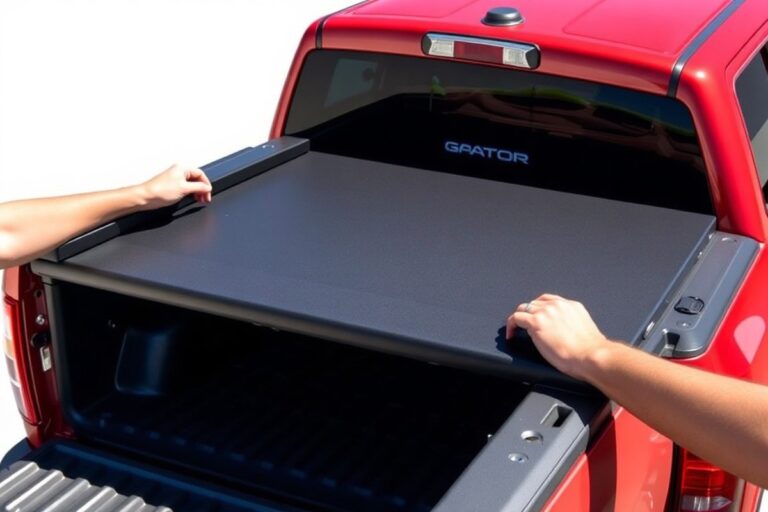
How to Replace Tonneau Cover Straps: Simple Steps for Safe, Easy Repair
How to replace tonneau cover straps starts with identifying the worn or broken straps, removing them carefully, and installing new, compatible straps in their place. Using the right tools and matching replacement straps ensures a secure fit and restores cover stability. Begin by confirming your cover type and strap compatibility to avoid fitment issues.
Key Takeaways
- Always confirm replacement strap compatibility with your specific tonneau cover model before purchasing.
- Use nylon straps with carabiner clips for durability in manual retractable tonneau covers.
- Soak new nylon straps in water for 24 hours to soften and stretch them for easier installation.
- Securely clip both stowage straps when folding the cover to prevent it from unfolding during removal.
- Check whether your tonneau cover uses rails or clamps to determine strap attachment points properly.
- Remove old straps gently to avoid damaging the cover or mounting hardware.
How to Replace Tonneau Cover Straps Step-by-Step
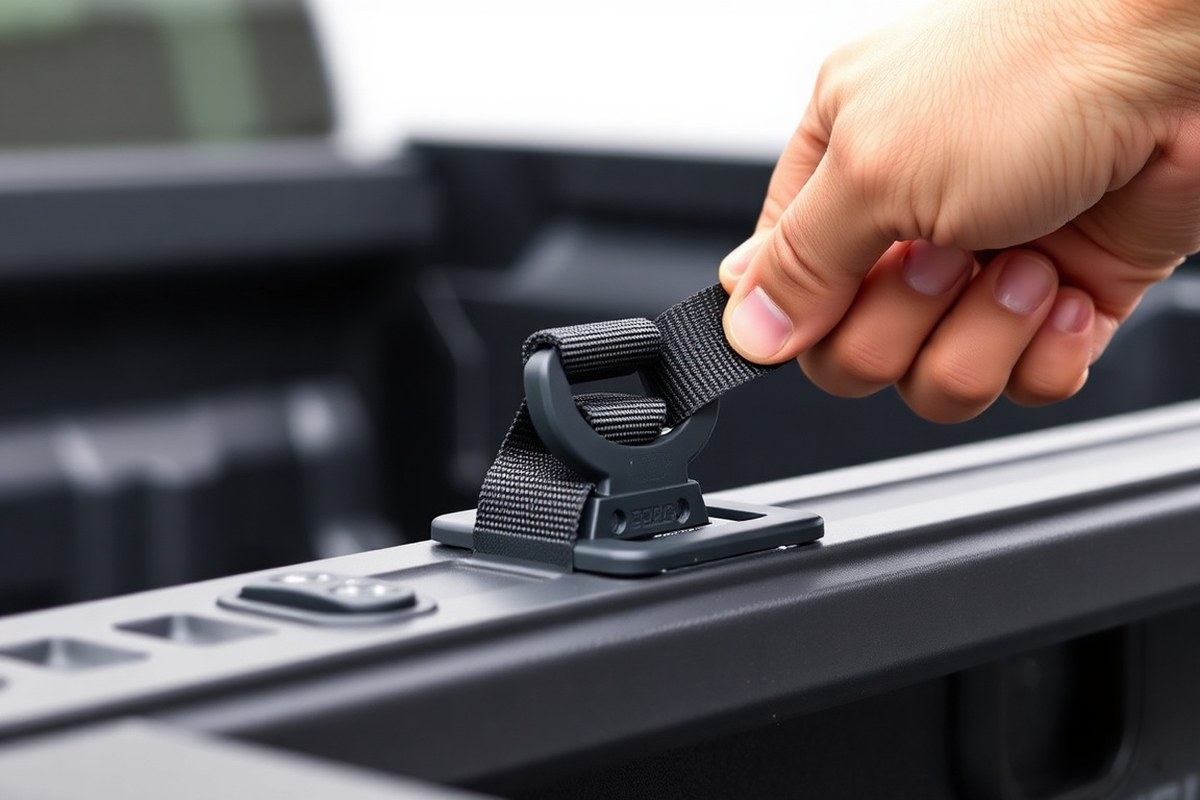
Replacing your tonneau cover straps involves careful removal of the worn straps and secure installation of new ones without removing the entire cover. Use safety measures to avoid damage to the cover or yourself, especially when handling clamps and strap attachments. Below is a clear step-by-step process you can follow to safely complete the replacement.
Removing the Old Strap Without Damage
Make sure your tonneau cover is fully folded and latched with all stowage straps engaged before you begin removal. This keeps the cover panels secure and prevents any tearing or deformation. Avoid forcing any clamps or wires; instead, carefully release them to protect the cover material. Follow these steps to safely remove the damaged strap:
- Fold the tonneau cover completely and latch all front latches and stowage straps.
- Locate the strap you want to replace; identify its attachment points typically near the header or side rails.
- Carefully unclip the strap’s carabiner or clip without pulling aggressively to avoid tearing the cover fabric.
- When the strap connects to a spring-loaded header guide, carefully remove the header guide by following the cover-specific instructions.
- Remove any clamps or retaining loops holding the strap in place, ensuring the clamp and wire are stowed properly to prevent damage.
- Set aside the old strap and all removed hardware for reference during installation.
Installing the Replacement Strap Securely
The new strap should match the original in length and type, most replacement straps are nylon with clips designed for your specific tonneau cover model. Installation requires reattaching all hardware and making sure the strap is tensioned correctly to hold the cover securely when in use. Follow these instructions to install the replacement straps properly:
- Align the replacement strap at the exact location of the old strap’s attachment points.
- Reinstall any spring-loaded header guides or clamps removed earlier, making sure they seat properly without pinching or stressing the cover material.
- Attach the strap clips or carabiners firmly to the designated hooks or loops on the cover or bed rail.
- Adjust the strap length as needed to ensure a snug fit that secures the cover without excess slack.
- Check for proper strap tension by gently pulling on it; it should hold the cover folded without risk of pulling loose or damaging fabric.
Final Checks Before Operating the Cover
Before folding or unfolding the tonneau cover for regular use, verify that each strap is securely fastened and that clamps or guides are correctly positioned. Improper installation could cause cover damage or make the cover difficult to operate. Take these final steps:
- Inspect the straps and hardware to confirm all parts are tight and in place.
- Manually operate the cover a few times to ensure the straps hold the cover panels properly folded when stowed.
- Look for any signs of pinching or stress on the cover material near strap mounts.
- Secure both front latches and stowage straps before using the cover on the road.
Completing these checks helps avoid damage and ensures the replacement straps will function properly over time.
Tools and Materials Needed for Strap Replacement

Replacing tonneau cover straps requires a straightforward set of tools and materials, but the exact needs depend on your cover type and strap model. Most replacement tasks involve basic hand tools. A good starting point is a flathead screwdriver and a pair of pliers for removing clips or prying loose old straps. Some covers use screws or bolts to secure straps, so a socket set with common sizes like 8mm or 10mm will often be necessary.
Straps themselves vary. You may find nylon pulling straps for manual retractable covers or leather-like vinyl straps for soft roll-up designs. Specialized clips or retainer loops often accompany these straps, especially from brands like TruXedo and Access. If your strap fastens with Velcro, having replacement adhesive Velcro strips sized about 1 1/2 inches by 17 feet is useful. These ensure a firm hold and a neat finish.
- Flathead screwdriver and needle-nose pliers for clip removal and strap manipulation
- Socket set (8mm and 10mm) for bolt or screw removal
- Replacement strap (nylon, vinyl, or manufacturer-specific model)
- Replacement clips or retainer loops as required by the strap type or brand
- Adhesive Velcro strips for covers that use hook-and-loop fasteners
- Optional: a utility knife for trimming Velcro or cutting loose strap ends
- Optional: rubber gloves to improve grip and protect hands during removal
Checking your tonneau cover’s manual or the strap package instructions helps confirm whether you need any unique tools for your model. Some retractable or canister-style covers have special clamp designs requiring brand-specific clips or retention hardware. In those cases, using compatible parts avoids damage and ensures the cover operates smoothly. Preparing all materials before starting helps avoid interruptions during the job.
Always stow clamps and latches in the proper position before starting; driving with a partially secured cover can be dangerous.
Tools and parts cost varies. Basic hand tools are often already in a DIY truck owner’s collection. Replacement straps typically range from $15 to $40 depending on material and brand, while clips or Velcro replacement strips tend to cost under $20. Don’t substitute parts, as cheap or incompatible clips can wear quickly or fail. Preparing this specific toolkit ensures your strap replacement goes smoothly, minimizes the chance of damage, and helps you get the tightest, most dependable fit for your tonneau cover.
How to Identify and Choose the Right Replacement Strap
Replacement straps for tonneau covers are generally not universal and often vary by brand and model. To find the right strap, identify your tonneau cover’s make and model, then check compatibility with either original equipment manufacturer (OEM) parts or aftermarket options. Confirming fit involves reviewing strap length, attachment points, and sometimes color to ensure the new strap functions properly and matches your cover.
Common Strap Types by Cover Brand
Different tonneau cover brands use straps that differ in length, material, attachment methods, and design. These straps either secure the cover when rolled up or act as safety ties to hold it during transport. Knowing these differences helps you pick the strap your truck and cover require.
| Brand | Strap Type | Material | Attachment Style | Approximate Length |
|---|---|---|---|---|
| Lund Black Pearl | Storage Strap | Durable nylon webbing | Fed through holes in cover with buckle | 12 inches |
| Pace Edwards Switchblade | Retracting Safety Strap | Heavy-duty polyester | Mounted with clamps and hooks | 15 inches |
| TruXedo Lo Pro | Quick-release Strap | Elastic nylon | Snap button attachment | 10 inches |
| Retrax One | Clamp-style Strap | Reinforced nylon | Secured via rail clamp | 14 inches |
Use this table as a starting point to match your cover brand with the typical strap used. Measure your current strap to verify length and check attachment style against your cover’s fittings.
Compatibility Factors to Check
When choosing a replacement strap, check if the strap fits the mounting holes or clamps on your tonneau cover exactly. The strap should align with the manufacturer’s design to avoid damage or poor restraint. Length matters too, straps that are too short won’t secure correctly, and excess length can flap and wear prematurely. Color matching can maintain your cover’s appearance but is secondary to fit and function.
Bed liners also affect fit. If your liner overlaps the rails and your cover sits between rails, some straps or clamps might not fit properly. In those cases, cutting a notch in the bed liner according to the original installation instructions may be necessary. Verify strap compatibility by testing it on your truck bed and cover before final installation.
Pros and Cons of OEM vs Aftermarket Straps
OEM straps match the original parts included with your tonneau cover, assuring exact fit, material quality, and warranty compliance. They typically cost more, often between $15 and $30 per strap, but you reduce the risk of improper fit or premature wear.
Aftermarket straps are usually less expensive and available in various styles and materials, sometimes offering added features like UV resistance or reinforced stitching. However, they may be incompatible with your specific cover brand or require modifications. Using aftermarket straps that don’t fit properly can affect the cover’s performance, potentially causing wind noise, improper closure, or damage. Follow these steps to choose between OEM and aftermarket straps:
- Identify your tonneau cover brand and model exact name or number.
- Compare measurements and attachment styles of replacement straps.
- Look for customer reviews or manufacturer guidance about fit.
- Decide if a potential savings from aftermarket straps outweighs the risk of fit issues.
- Always verify strap installation fits securely with no forced modifications or alterations.
Strap Replacement Differences by Tonneau Cover Type
Replacing straps varies significantly depending on the tonneau cover type you have, affecting both the process and tools needed. Soft roll-up covers use straps typically attached with Velcro or snaps for quick release. These straps help hold the cover down when rolled up. When replacing them, expect to detach the worn straps from the Velcro or snap fasteners and press the new straps firmly into place. Soft covers allow easier access to straps, making replacement straightforward and quick, often under an hour without expert help.
Retractable tonneau covers feature straps or latches that secure the cover when extended over the bed. The straps are usually linked to a locking mechanism inside a canister housing the rolled cover. Replacing these straps often requires positioning the couldister first before installing the rails. Handle clamps carefully during the replacement since improper tension can interfere with smooth retraction. Setting strap tension correctly is important to avoid damage or difficulty in operating the cover. This type tends to demand more care and sometimes specific instructions from the manufacturer.
Tri-fold covers have straps located near the hinges or folding sections that keep the cover tight and secure. Straps on these covers often use semi-permanent clamps, which may require small hand tools like screwdrivers or socket wrenches to remove. When replacing tri-fold straps, avoid overtightening clamps since too much pressure can distort the cover edges or cause premature wear. Aim for firm but flexible tension allowing easy folding without slack. Check that the new straps align correctly with the fold points for a snug fit, maintaining waterproofing and aerodynamics.
Hinged lid covers, commonly solid slabs, have straps that attach near the lid or side rails. Some include a supporting rod to hold the lid open, but strap systems generally involve heavy-duty clamps or bolts rather than simple snaps or Velcro. Replacing straps here requires loosening the clamps securely holding the cover, replacing the straps, and then tightening clamps with proper torque to prevent shifting or rattling during driving. Because these covers are heavy, it may need two people for safe handling while working on strap replacement. The cost tends to be higher for these straps due to their durability and hardware quality.
For all cover types, strap replacement matters because loose or damaged straps can reduce cover function, letting water or debris enter the bed or causing wind noise. Straps must hold tension evenly without overly stressing the clamps or cover material. Paying attention to clamp handling and strap tension ensures the cover stays secure and lasts longer. Temporary clamping methods are easier to adjust but less durable, while semi-permanent clamps provide a longer-lasting hold but require more precise installation. Retractable and hinged covers especially benefit from careful strap adjustment because of their mechanical and weight demands.
Common Mistakes When Replacing Tonneau Cover Straps
One common mistake when replacing tonneau cover straps is failing to relieve the tension properly before removal. Straps under tension can snap back and damage the cover or your truck bed. Always loosen or unhook the straps completely before detaching them to avoid tearing the cover material or injuring yourself.
Improper strap tension after installation also causes problems. If the straps are too loose, the cover may flap in the wind, leading to accelerated wear or damage. Conversely, straps that are overtightened can strain attachment points and distort the cover’s fit. Aim for snug tension where the cover is firm but not overstretched. You can adjust tension by tightening or loosening buckles slowly and testing the cover’s flexibility.
Incorrect attachment points or hardware can weaken the cover’s sealing and security. Some strap designs require specific mounting locations on the rails or sidewall. Using the wrong attachment can cause straps to pull at awkward angles, increasing wear on both the strap and the cover. Check the replacement strap’s instructions or your tonneau cover’s manual for exact attachment guidelines.
- Do not force the strap clips or buckles; use compatible hardware only.
- Keep the cover panels held together during strap replacement to prevent folding damage.
- Use multiple helpers or mechanical assistance if handling heavy hard-top covers.
- Inspect straps for fraying before installation to avoid early failure.
- Replace damaged mounting brackets along with straps to maintain structural integrity.
Handling the cover roughly during strap replacement can cause scratches, dents, or tears. Covers with multiple panels must be carried and folded carefully; this is especially critical with heavy-duty hard-top models that may require two or more people or even a forklift. Damaged straps or improper installation can lead to water leaks, reduced cargo protection, and decreased cover lifespan.
Always check strap tension after driving a short distance to ensure the cover remains secure and adjust if needed.
Repairing problems like loose straps typically involves retightening and realigning attachment points, which takes only a few minutes but prevents bigger issues down the road. Avoid signs of damage by inspecting your cover and straps regularly and replacing components at the first sign of wear. This approach protects your truck bed’s contents and saves time and money over the long term.
Preparing and Maintaining Replacement Straps for Longevity
Prepping new tonneau cover straps by softening and stretching them before installation makes fitting easier and avoids damage. Maintaining the straps with regular cleaning, inspection, and protection from elements prolongs their lifespan and preserves their function across seasons.
Soaking and Stretching New Straps
New nylon straps can be stiff and hard to stretch over the anchoring points. Soaking them in water softens the material, allowing for easier installation without forcing or tearing. Allowing straps to dry while fastened also helps them hold the proper tension once installed.
- Fill a container large enough to submerge the straps completely with clean water at room temperature.
- Place the new tonneau cover straps in the water and ensure they are fully submerged.
- Let the straps soak for 24 hours to soften the nylon fibers.
- Remove the straps from the water and drain off excess moisture gently without wringing.
- Install the straps onto the cover and anchor points immediately after soaking.
- Fasten the straps to the correct tension, avoiding overtightening.
- Allow the straps to air dry fully while attached; this dries them in the proper stretched form.
This soaking and drying approach reduces the risk of tearing or damage caused by forcing stiff straps. Some kits may include buckles or fasteners easier to attach before positioning the cover.
Regular Cleaning and Inspection
Repeated exposure to road grime, dirt, and chemicals can degrade straps over time. Cleaning the straps every month or after heavy use removes debris that abrades the fibers. Inspecting for frays, cracks, or weakened spots helps catch issues before failure. Replace straps showing significant damage immediately to maintain cover security.
- Wipe off loose dirt and dust with a soft brush or cloth.
- Mix mild soap with warm water in a bucket.
- Scrub the straps gently using a soft brush dipped in the soapy water.
- Rinse thoroughly with clean water to remove all soap residue.
- Let the straps air dry in a shaded area away from direct heat sources.
- Inspect the entire length of each strap for any cuts, frayed threads, discoloration, or stiffness.
- Check the fastener components for rust, corrosion, and secure attachment.
Skipping cleaning or inspection allows grime and UV damage to accumulate, weakening strap materials. Nylon generally resists rot but can become brittle without maintenance.
Protecting Straps from Sun and Weather
Ultraviolet rays and weather exposure cause nylon straps to degrade, fade, and eventually fail. Avoiding prolonged direct sun exposure and harsh weather delays this breakdown. Applying UV protectant sprays designed for nylon fabrics can help shield straps. Store your truck indoors or use a cover when not in use for extended periods. Check straps more frequently after winter due to cold-induced brittleness and moisture exposure.
Using UV inhibitors with a spray-on application every 3 to 6 months helps maintain flexibility and colour integrity. Allow the spray to dry completely before reinstalling straps. Avoid harsh chemicals or solvents that degrade nylon fibers.
Safety Tips and Precautions During Strap Replacement
Replacing tonneau cover straps can be risky without proper precautions. Heavy covers, especially hard-top models, can cause strains or injuries if lifted alone. A forklift or at least two helpers are necessary to manage the weight safely. Never attempt strap removal or installation by yourself on a heavy cover to avoid accidents.
Protecting your hands and eyes is important. Wear durable gloves to prevent cuts from sharp hardware or edges on the cover. Safety glasses shield your eyes from debris or sudden hardware movement. Appropriate footwear with non-slip soles reduces the risk of slips or dropped tools during installation.
When dealing with clamps and hardware, always double-check their tightness before loosening or tightening straps. Use the right tools to avoid slipping, which can lead to injury or damage to the cover or truck bed. Work on a flat, stable surface to keep the cover steady during the process.
- Wear thick gloves and safety glasses during the entire replacement process
- Use a forklift or at least two other people to lift heavy covers safely
- Secure the cover with clamps before removing or replacing straps
- Keep tools organized and ensure proper fit to avoid slips or damage
- Work on level ground to prevent cover shifting or falling
- Clear the working area of obstacles to move safely around the truck
- Do not rush; take breaks if muscles feel tired or strained
Hard-top covers, which are heavier than soft roll-up types, require mechanical support or multiple helpers. Failing to secure the cover can cause it to drop unexpectedly, damaging the truck bed or injuring anyone nearby. This is why driving with an open hard-top cover is also discouraged, as it compromises safety and the integrity of the fastening system.
Pay attention to the torque settings recommended by the tonneau cover manufacturer when tightening bolts or straps. Over-tightening can strip threads or break parts, while under-tightening leaves the cover unsecured. Correct handling prevents future issues and ensures the cover remains stable while you drive.
When to Call a Professional for Strap Replacement
Replacing tonneau cover straps can often be handled without professional help, but some situations clearly call for expert service. When the cover’s mounting points or frame are bent, cracked, or damaged in any way, replacing only the straps won’t fix the issue and might cause more damage or safety risks. Covers with built-in tension systems, complex locking mechanisms, or integrated wiring (like powered covers) require professional attention because incorrect installation may void warranties or cause malfunctions.
Straps attached with rivets or special fasteners can be difficult to remove without the right tools. Attempting DIY replacement on these fastened straps can lead to stripped hardware or damage to the cover fabric. Also, if the replacement strap recommended by the manufacturer is a unique part or must meet specific tension specifications, relying on a professional ensures the right components are used. Professionals usually have access to OEM parts and proper equipment.
Risks in DIY strap replacement extend beyond cosmetic damage. Improperly installed straps may loosen during transit, allowing cargo or the cover to shift unexpectedly. This can increase wear on the cover or even cause safety hazards when driving. For heavier covers or those installed on trucks used for towing or carrying sensitive loads, strap failure can result in costly damage or potential accidents. Calling a professional decreases these risks because shops follow detailed procedures and quality checks.
To decide whether you should seek professional strap replacement, ask these questions: Is the cover damaged beyond just the straps? Does the cover use complex hardware or locking systems? Does your replacement strap require special tools or precise torque settings? Answering yes to any of these questions means you should consider using a professional service. Typical professional offerings include strap removal and reattachment, cover frame inspection and repair, adjustment of tension assemblies, and warranty validation.
Finding a qualified repair service is straightforward. Look for businesses specializing in truck accessories or tonneau covers. They should be certified or authorized dealers for your cover brand. Online reviews and references can help confirm their experience and reliability. Contacting your cover’s manufacturer for a list of recommended service centers ensures you deal with technicians trained on your particular model.
Before authorizing work, ask about warranty coverage. Professional repair shops usually back their service for 6 to 12 months and will follow manufacturer guidelines, which protects your truck’s investment and avoids issues with future claims.
Attempting strap replacement on a damaged or complex tonneau cover without expert tools and knowledge can void your warranty or create safety hazards on the road.
Step-by-Step Action Plan for Replacing Tonneau Cover Straps
Follow this plan to replace your tonneau cover straps safely and ensure a secure fit on your truck bed cover.
- Before you start: Gather the correct replacement straps and tools listed for your tonneau cover type. Confirm fit by comparing with old straps.
- Day 1, Removal: Carefully detach the old straps using pliers or a screwdriver without damaging the cover. Check that all fasteners are removed.
- Day 1, Inspection: Inspect the mounting points and cover edges for wear or damage. Replace or repair as needed before installing new straps.
- Day 1, Installation: Attach the replacement straps following manufacturer instructions, ensuring clips or hooks align with mounting points properly. Test strap tension by pulling gently.
- Day 2, Adjustment: Adjust strap length and tension to secure the cover without warping or stress. Confirm that the cover closes smoothly and holds tight under mild pressure.
- After 1 week: Recheck the straps for tightness and any signs of slipping or wear. Readjust as necessary to maintain proper fit and function.
- Ongoing maintenance: Clean and inspect straps monthly and after heavy use. Replace straps at first sign of cracking, fraying, or hardware failure to avoid cover damage.
Frequently Asked Questions
How to Replace Tonneau Cover Straps?
Fold the cover completely and attach the stowage straps, then remove the old straps and install the new ones at the designated points. Make sure to follow your cover’s specific instructions to avoid damage.
What Tools Are Needed to Replace Tonneau Cover Straps?
Basic hand tools like a screwdriver or wrench are usually required, depending on your cover model. Check the replacement strap kit for included hardware and specific tool needs.
Can I Replace Tonneau Cover Straps on a Soft Roll-Up Cover?
Yes, soft roll-up covers like TruXedo Lo Pro require attaching replacement straps at front latch points. Ensure the cover is fully folded before starting.
Are Replacement Straps Standardized Across All Tonneau Covers?
No, replacement straps vary by brand and model, so select straps designed for your specific tonneau cover. Check manufacturer compatibility before purchasing.
How Do I Prevent Damage During Strap Replacement?
Always secure the cover with stowage straps fully engaged and latched before working on replacement straps to avoid unfolding or damage. Avoid forcing parts.
Is It Necessary to Call a Professional for Strap Replacement?
Not usually; DIY replacements are possible with the right tools and care. Call a professional if the cover requires complex removal or if you’re unsure about installation.
Before You Go
Replacing your tonneau cover straps carefully keeps your truck bed cover secure and protects your cargo. Select straps designed for your cover type and follow installation steps precisely to avoid common problems such as improper tension or damage. Start today by removing your worn straps and taking note of the mounting hardware condition before installing replacements. Timely maintenance will save you from costly repairs or professional services down the road.