How to Clean Tonneau Cover: Complete Steps and Best Products That Protect
How to clean tonneau cover involves choosing the right cleaner and using a gentle washing technique to protect its material and finish. Start by rinsing off loose dirt with water, then apply a cleaner made for your cover type, whether vinyl or hard aluminum. Regular cleaning every 2-3 months helps maintain appearance and extends the cover’s life.
Key Takeaways
- Use mild soap and water for soft roll-up covers to avoid damaging the vinyl surface.
- Clean hard covers like LINE-X’s with a non-abrasive cleaner to protect their powder-coated finish.
- Apply vinyl-specific protectants on soft covers to prevent cracking and fading over time.
- Rinse covers thoroughly before cleaning to remove grit that can cause scratches during washing.
- Inspect seals and hardware during cleaning to spot damage early and maintain water resistance.
- Avoid harsh chemicals or abrasive brushes that can strip finish or weaken materials.
How to Clean Your Tonneau Cover Step-by-Step
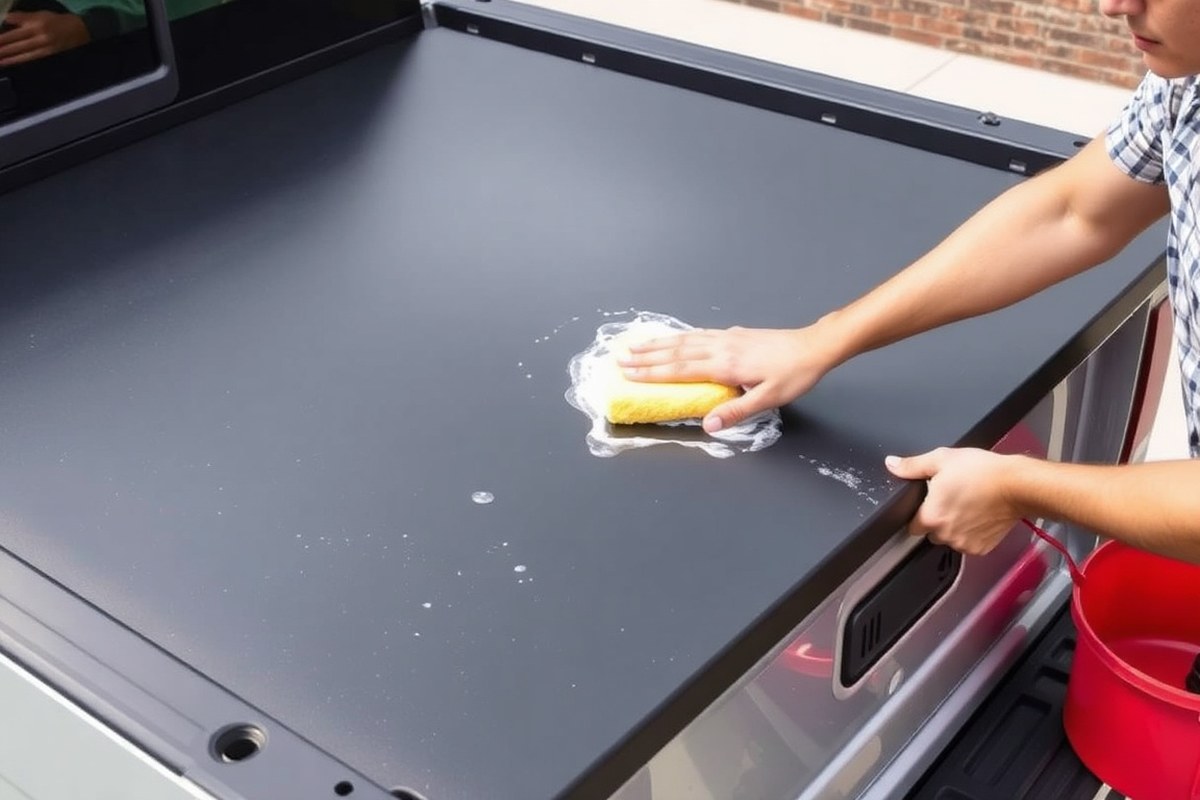
Cleaning your tonneau cover properly protects it from damage and keeps it looking good. Starting with clean water to soak the cover loosens dirt and grime, which helps prevent abrasion as you clean. Take extra care around seams and edges, especially on soft covers, to avoid tears or fraying during the process.
Gather soft microfiber towels, a gentle vinyl or fabric cleaner made for tonneau covers, a hose or bucket of clean water, and a soft-bristled brush if you have tough spots. Avoid harsh chemicals that can deteriorate the cover’s material or strip protective coatings.
- Rinse the cover thoroughly with clean, cool water. Use a hose or bucket to soak the surface and loosen surface dirt. Avoid high-pressure sprays that can damage seams or edges.
- Apply a cleaner designed for your tonneau cover’s material. Spray or spread it evenly over small sections, letting it sit for about 3 to 5 minutes to break down grime without letting it dry on the surface.
- Gently scrub using a soft brush or microfiber cloth. Work in small circular motions, paying attention to seams and folds. Avoid scrubbing too hard to prevent abrasion or fraying.
- Rinse the cover thoroughly with cool water again. Remove all cleaner residues to prevent buildup that can attract dirt or damage the finish.
- Inspect the edges and seams. If you spot any dirt trapped in these areas, use a soft brush to clean gently without pulling or stretching the fabric.
- Dry the cover using a clean microfiber towel. Pat or lightly wipe the surface to remove water, preventing water spots. Avoid rubbing vigorously which can stress the cover’s material.
- Allow the cover to air dry completely with the tailgate open, if possible. This step ensures moisture doesn’t remain around seams or hardware, which can cause mildew or corrosion over time.
Choosing the Best Cleaners and Protectants for Your Cover

Choosing the right cleaners and protectants depends on your tonneau cover’s material. Vinyl covers require specially formulated cleaners to maintain flexibility and prevent fading, while hard aluminum or composite covers need milder soaps that won’t damage their finish. Avoid household products like Armor All or WD-40; they can cause long-term harm to most tonneau covers.
Vinyl Cleaner and Conditioner Recommendations
Vinyl tonneau covers need cleaners that both clean and protect their surface. Products specifically made for vinyl or tonneau covers help maintain suppleness, prevent cracking, and preserve color. Examples include Wolfsteins Raggtopp Tonneau Cleaner and Protectant, which handle dirt, grime, and UV exposure safely.
Hand washing with a vinyl cleaner and conditioner helps you control cleaning pressure and avoid abrasions. Using a vinyl protectant after cleaning restores the deep black color on black vinyl covers and adds a UV barrier, which slows fading.
Regular cleaning with the right products can extend your cover’s life significantly, preventing brittleness and peeling. Stay away from harsh detergents or household soaps that strip the vinyl’s protective finish.
Safe Cleaners for Hard Aluminum and Composite Covers
Hard tonneau covers made of aluminum or composite panels handle cleaning differently from vinyl. Mild automotive soaps or regular soap and water are effective without risking damage to the powder-coated finish. Use a soft brush or cloth to remove dirt, avoiding abrasive scrubbers that can scratch.
These covers are sturdy and can support significant weight but need a cleaning approach that preserves their matte or painted finish. Avoid cleaners with solvents, fuels, or harsh chemicals that can deteriorate sealants and coatings. For covers with a durable powder finish, like the LINE-X Retractable cover, simply using mild soap and water maintains appearance and function without extra protectants.
Products to Avoid to Prevent Damage
Some products common in automotive care are unsafe for tonneau covers. Avoid Armor All, WD-40, rubbing alcohol, household cleaners, dish soap, Clorox, and Lysol wipes on vinyl surfaces as they can cause fading, drying, or material breakdown.
Using the wrong protectants, like vinyl conditioners on hard covers, can result in shrinkage or damage. Harsh cleaners or chemicals degrade seals, potentially leading to leaks or rust on metal parts.
Following the manufacturer’s advice guarantees better results. Err on the side of mild soap solutions and products labeled specifically for tonneau covers to keep your cover looking new and functioning properly.
| Maker | Recommended Cleaner | Substances to Keep Off |
|---|---|---|
| Tyger | Regular soap and water | Abrasive cleaners |
| Gator | Mild automotive soap and water, soft brush | Vinyl conditioners (can shrink vinyl) |
| Rough Country (hard) | Mild soap and water | Fuel, oils, chemicals |
| Wolfsteins (vinyl) | Wolfsteins Raggtopp Tonneau Cleaner and Protectant | Household cleaners, Armor All |
This table highlights what to use and avoid according to different cover makers, ensuring you pick products that prevent damage and maintain your specific cover’s performance.
Always choose cleaners made for your cover’s material, and never apply protectants like Armor All on vinyl tonneau covers, it can cause fading and surface damage.
Differences Between Cleaning Soft and Hard Tonneau Covers
Soft and hard tonneau covers differ mainly in the materials used, which affects how you clean and maintain them. Soft covers are usually made from vinyl or fabric materials, requiring a gentler touch to avoid damage. Hard covers consist of rigid materials like fiberglass, aluminum, or plastic panels, usually more durable but needing a different approach to prevent scratches and wear.
When cleaning soft covers, use a soft sponge or cloth with mild automotive soap and water. Avoid abrasive brushes or harsh chemicals that might degrade the vinyl or stitching. Soft covers benefit from wiping gently and ensuring they dry completely to prevent mold or mildew buildup, especially after heavy rain or washing.
Hard covers allow for the use of a soft sponge or microfiber cloth with the same gentle soap and water mixture but require caution to avoid scratching their painted or coated surfaces. Pressure washers can be used cautiously on hard covers but should be held at least 12 inches away and at a low setting. For best results, rinse thoroughly and dry with a soft towel to avoid water spots.
Frequency of cleaning depends on how often you use your truck and exposure to elements. Generally, soft covers need cleaning every 4 to 6 weeks, as their fabric can attract dirt and dust more easily. Hard covers usually require cleaning every 6 to 8 weeks since their rigid surface repels dirt better but still collects dust and water spots over time.
Choosing the right tools matters. For both cover types, use automotive soap, avoid household detergents, and pick soft sponges or microfiber cloths. For soft covers, a gentle brush with nylon bristles helps clean seams without damage. Hard covers do well with microfiber towels or soft sponges to prevent scratches during scrubbing.
| Aspect | Soft Tonneau Covers | Hard Tonneau Covers |
|---|---|---|
| Material | Vinyl or fabric | Fiberglass, aluminum, plastic |
| Cleaning method | Soft sponge/cloth, mild soap, gentle wipe | Soft sponge/microfiber cloth, mild soap, careful rinse |
| Water usage | Manual rinse, dry completely | Rinse or low-pressure wash, dry to avoid spots |
| Recommended cleaning frequency | Every 4-6 weeks | Every 6-8 weeks |
| Recommended tools | Soft sponge, gentle nylon brush for seams | Microfiber towel, soft sponge |
Soft covers require special attention on seams and edges, where dirt and debris can accumulate, creating wear points if left untreated. With hard covers, focus on preventing surface scratches by using only soft materials and gentle motions. Both benefit from routine cleaning with automotive soap and water to maintain their appearance and functionality over time.
Common Cleaning Mistakes and How to Fix Them
Using harsh chemicals or abrasive tools when cleaning your tonneau cover can cause premature wear by degrading the material and damaging its protective coating. Avoid scrubbing with stiff brushes or sharp objects because even minor scratches reduce your cover’s ability to repel water and resist UV damage. These mistakes often lead to cracking or tears over time, especially under hot summer conditions when the cover material softens and becomes more vulnerable.
Minor tears or scratches you might find during cleaning can usually be repaired with a specialized vinyl or fabric repair kit. These kits include adhesive patches and sealants designed to bond securely but remain flexible. Clean the damaged area thoroughly, let it dry fully, then apply the patch right over the tear. Follow the product instructions closely, which generally recommend letting the repair cure for 24 to 48 hours before using the cover again. If the damage looks deep or covers a large area, professional repairs are safer to avoid worsening the problem.
Loose seals or clamps often appear after cleaning due to the materials contracting or swelled seals drying out. Check the clamps on the edges to ensure they stay tight and replace any damaged ones quickly. For rubber seals, if you notice freezing during cold weather, gently warm them with a hairdryer on low heat rather than forcing or scraping them. Applying a silicone-based lubricant every few months can keep seals flexible and help prevent cracking and leaks.
- Use only mild soap and water with a soft cloth or sponge
- Never use bleach, ammonia, or strong solvents
- Avoid pressure washers closer than 12 inches to cover surface
- Inspect for small tears regularly and repair within a week
- Tighten clamps after cleaning to prevent shifting
- Warm frozen seals gently; do not force open
- Apply silicone spray or protectant to seals every 3 to 6 months
Following these care tips can prevent early damage and keep your tonneau cover water-tight and looking good. Non-professional repairs with patches cost around $10 to $30 depending on kit size, while professional fixes range from $50 to $150 depending on complexity. Regularly tightening hardware and treating seals reduces leaks without expensive replacements. Monitoring your cover’s condition during each cleaning ensures small issues don’t turn into costly problems.
Cleaning and Maintaining Electric or Retractable Covers
Cleaning electric or retractable tonneau covers requires extra care to avoid damaging the mechanical and electrical components. You need to use gentle cleaning methods and avoid excess water around the motor and wiring. Proper inspection and lubrication are essential to keep these covers operating smoothly and extending their lifespan.
Inspecting Electrical Components Before Cleaning
Check the cover’s electrical wiring and motor housing for any visible signs of damage or corrosion before starting the cleaning process. Ensure all electrical connections are secure and dry. Look for cracked or frayed wires, loose connectors, or water intrusion points that could cause short circuits or mechanical failure.
Inspect the sealing around motor and control boxes. Water can get inside when the seals are damaged during cleaning, leading to permanent damage. Also, confirm the cover is fully closed and locked to protect sensitive parts while you clean the outer surfaces and mechanisms.
Cleaning the Cover Surface Without Harm
Use a mild soap solution mixed with water, avoiding harsh chemicals or abrasive cleaners that can strip protective coatings or seep into electrical components. Spray lightly and wipe with a soft microfiber cloth or a sponge. Avoid directly spraying water or cleaning fluids onto the motor, hinges, or retractable tracks. Follow these steps for safe cleaning:
- Disconnect your truck’s battery or switch off the cover’s power to prevent accidental activation.
- Use a gentle cleaner recommended by the cover manufacturer or a diluted car wash soap.
- Lightly spray the cleaner onto the cover surface, not the mechanical parts.
- Wipe with a soft cloth or sponge, focusing on removing dirt without scrubbing hard.
- Use a damp cloth to gently clean the retractable tracks and hinges, avoiding water buildup.
- Dry all surfaces with a clean, dry microfiber towel to prevent moisture buildup.
- Re-enable power only after all parts are fully dry.
Never use pressure washers or harsh chemicals on retractable mechanisms to avoid disabling motors or sensors.
Lubrication and Aftercare for Moving Parts
Keep moving parts like hinges, tracks, and locks well-lubricated with a silicone-based lubricant, which prevents rust and reduces wear without attracting dirt. Avoid oils that can gum up or damage rubber seals. Lubricate these components every 3 to 6 months or as recommended by the manufacturer.
After cleaning and lubrication, check that the cover opens and closes smoothly without unusual noise or resistance. Properly secured and maintained covers ensure reliable operation and protect your truck bed from damage. Notice sticking or unresponsive motors during testing? Have a licensed professional inspect the system to prevent further damage.
Seasonal Care and Storage Recommendations
Keeping your tonneau cover on during winter protects your truck bed and its contents. Removing snow and ice regularly avoids damage and maintains smooth operation. When storing your cover off-season, clean and dry it thoroughly, then keep it in a protected, shaded spot.
Winter Cleaning and Protection Steps
Leaving your cover on through winter helps prevent snow and ice from accumulating inside the bed, which can cause rust and damage to the truck. However, consistent maintenance is necessary. Clean the cover as often as possible to avoid buildup from road salt and grime, which accelerate wear. Use mild soap and water or a cleaner designed for your cover type.
After washing, dry the cover completely to prevent moisture from freezing and causing cracks or stiffness. A soft protectant can help maintain flexibility, especially on soft covers. Check all the seals and clamps to confirm the cover remains tightly secured. Loose covers increase the risk of water or ice intrusion.
- Clean with mild soap and water regularly
- Dry cover fully after each cleaning
- Apply recommended protectant for flexibility
- Inspect seals for damage or looseness
- Keep the cover secured with clamps or locks
Following these steps after every snowfall or road trip will keep your cover reliable all winter long.
Safe Removal of Snow and Ice
Removing snow and ice promptly reduces pressure and prevents warping or tears. Use a soft-bristled brush or a foam snow broom to clear loose snow gently. Avoid sharp tools like ice scrapers or metal shovels, which can gouge or scratch the surface.
If ice forms, apply de-icing spray safe for automotive plastics and fabrics to loosen it before brushing gently. Do not try to force open the cover when it’s frozen shut. Instead, warm the edges with warm water or allow the truck to heat up inside a garage. This reduces the risk of cracking hinges or seals.
Proper Off-Season Storage Techniques
Removing your tonneau cover for the offseason requires careful cleaning and drying. Wash off all dirt, salt, and residues, then dry the cover thoroughly to prevent mold or mildew. Store it flat or supported evenly to avoid warping.
Choose a cool, dry, and shaded storage area away from direct sunlight, which can degrade materials over time. A climate-controlled garage or basement works best. Cover the tonneau cover itself with a breathable fabric to protect from dust while allowing air circulation.
- Wash and dry cover completely before removal
- Store flat or on even supports to maintain shape
- Keep in a cool, dry place away from sunlight
- Use a breathable cover to protect from dust
- Avoid stacking heavy objects on top
Following these storage practices preserves your cover’s appearance and function for the next season.
Safety Tips and When to Call a Professional
Handling clips, rails, and clamps carefully during cleaning prevents damage to your tonneau cover and its mounting system. These components can be fragile or easily misaligned, affecting the cover’s fit and water resistance. Avoid applying excessive force or using sharp tools that might scratch or bend parts. Instead, gently wipe hardware with a soft cloth dampened with mild cleaner. Make sure any metal parts are dried thoroughly to prevent rust.
Not all issues should be tackled with do-it-yourself methods. Avoid DIY cleaning or repairs if your tonneau cover has tears, broken frames, or if the retractable mechanism jams. Such problems often require specialized tools or replacement parts only available to professionals. Improper fixes can worsen damage and void warranties. Seeking professional evaluation ensures the integrity and performance of your cover remain intact, especially for expensive or complex models.
Improper cleaning methods can cause several risks. Using harsh chemicals or abrasive materials might degrade the vinyl, fabric, or coating. Over-saturating the seams or seals can lead to water intrusion under the cover, resulting in mold or rust on the truck bed. Rough scrubbing could loosen clips or wear out surfaces. Following the correct cleaning approach protects the cover’s lifespan and appearance.
- Wear gloves to avoid cuts from metal clips or clamps
- Use only mild, non-abrasive cleaners meant for automotive fabrics or plastics
- Inspect clips and rails gently for loose or damaged parts before cleaning
- Dry metal components thoroughly after cleaning to prevent rust
- Avoid submerging retractable or electric mechanism parts in water
- Schedule professional service for tears, mechanical issues, or mounting damage
- Refer to the manufacturer’s manual for torque specs when adjusting hardware
Routine inspection helps spot issues early, but choosing professional maintenance saves you time and avoids costly repairs. LINE-X experts recommend checking your tonneau cover’s condition seasonally and after heavy storms, since normal snow load is supported but unusual weight or impact could cause hidden harm. Professional repair costs vary by issue but often range from $100 to $500 depending on parts and labor. Trusting trained technicians protects your investment and keeps your cover functioning as intended.
Routine Inspection and Maintenance Tips to Extend Cover Life
Regular inspections help catch small problems before they damage your tonneau cover. Focus on checking the vinyl or fabric for cracks, tears, or fading from sun exposure. Also, examine the frame, hinges, and seals for rust, loose bolts, or worn parts. Pay close attention to any Velcro strips, snaps, or hooks to ensure they fasten securely and remain free of dirt and debris. These areas often wear out faster and can reduce the cover’s weather resistance if neglected.
Apply a vinyl protectant every three months to prevent the material from drying out and cracking. For painted aluminum covers, use a protectant suitable for metal surfaces on the entire area after cleaning. This will maintain the cover’s appearance and prevent corrosion or fading. Protectants are affordable and easy to apply, you can usually find them at auto parts stores for between $10 and $20. Avoid leaving your cover rolled up in freezing weather, as unfolding it when stiff might cause damage.
- Inspect vinyl or fabric surface for cracks, tears, and sun damage monthly
- Check frame, hinges, and seals for rust and loose bolts every two months
- Clean and test Velcro, snaps, and hooks during each inspection
- Apply vinyl or metal protectant every three months, more often in harsh climates
- Lubricate moving parts like rollers and hinges with a silicone-based spray quarterly
- Address small tears by using a vinyl repair kit immediately to prevent worsening
Never use harsh solvents or abrasive tools on your cover’s surface, they can accelerate wear and damage seals.
Minor repairs like patching small holes or resealing edges can extend the cover’s life significantly. Use repair kits designed for your cover’s material, applying patches with clear instructions. Fix loose bolts or hinges quickly with a basic tool kit to maintain proper tension and alignment. Regular cleaning of mechanisms such as rolling tracks or latches ensures smooth operation and prevents rust buildup. Taking these steps helps keep your cover durable and functional without large expenses or professional help.
Step-by-Step Action Plan for Your Tonneau Cover
Follow these simple steps to keep your tonneau cover clean and well-maintained, ensuring it lasts longer and looks good.
- Before you start: Inspect your tonneau cover for damage or debris. Clear off loose dirt using a soft brush or cloth to prevent scratching during cleaning.
- Day 1: Wash the cover with a mild, non-abrasive soap and water solution. Use a sponge or microfiber cloth and rinse thoroughly. You’ll know it worked when the surface feels smooth and free of dirt.
- Day 2: Apply a UV protectant designed for your cover type. This helps prevent fading and cracking. It worked if the surface appears evenly coated and not sticky.
- Weekly: Wipe off any dirt or bird droppings as soon as possible using a damp cloth to avoid stains and damage.
- Monthly: Check all fasteners, seals, and rails for tightness and wear. Fix loose components to avoid water leaks and ensure proper fit.
- Seasonal: Before storing the cover, clean it thoroughly and let it dry completely. Store it in a dry, shaded area using a cover bag if available.
- As needed: For electric or retractable covers, follow the manufacturer’s maintenance guidelines. Call a professional if you notice unusual noises or mechanical issues.
Frequently Asked Questions
What Is the Best Thing to Clean a Tonneau Cover With?
Use a cleaner specifically designed for vinyl surfaces to clean your tonneau cover. Applying it directly and wiping with a soft microfiber towel helps protect the cover while removing dirt effectively.
Is It Okay to Go Through a Car Wash with a Tonneau Cover?
A touch-free car wash is best if you must take your tonneau cover through a car wash. Avoid brush-style washes that could scratch or damage the cover’s surface.
Can You Use WD-40 on a Tonneau Cover?
It’s not recommended to use WD-40 on a tonneau cover as it may damage the material or degrade protective coatings. Stick to cleaners made for your cover type instead.
Can I Use Armor All on My Tonneau Cover?
Using Armor All on vinyl tonneau covers is advised against because it can harm the material. Choose a product formulated for vinyl instead to maintain appearance and durability.
How Do I Avoid Water Spots After Washing My Tonneau Cover?
Dry your tonneau cover with a clean microfiber towel right after washing to prevent water spots from forming on the surface.
Can I Clean My Tonneau Cover with Dish Soap?
Avoid dish soap since it can strip away necessary protective layers on your tonneau cover. Use a cleaner made specifically for automotive or vinyl surfaces instead.
Final Thoughts
Keeping your tonneau cover clean and maintained protects your truck bed and extends the cover’s life. Start by giving it a gentle wash this week to see an immediate improvement. Routine care makes a difference and ensures your cover stays functional and attractive over time.