How to Install Tonneau Cover with Bed Liner: A Complete Step-by-Step Guide
How to install tonneau cover with bed liner involves ensuring the cover fits over or around the liner without gaps or interference. Choose a cover compatible with your bed liner type, measure carefully, and adjust the liner only if needed for a snug fit. Start by confirming the cover design and clamps will work with your liner’s profile and edges.
Key Takeaways
- Check tonneau cover compatibility with your specific bed liner before purchasing or installation.
- Measure your truck bed with the liner installed to avoid fitment issues.
- Soft roll-up and folding covers often install easier over bed liners than rigid designs.
- Cut or notch flush bed liners carefully to accommodate clamps or mounting brackets.
- Clamps usually attach above the bed liner edges; if liner wraps over rails, fit may be tight.
- Soak vinyl liners in water to soften them before stretching or trimming for better fit.
How to Install a Tonneau Cover on a Truck with a Bed Liner
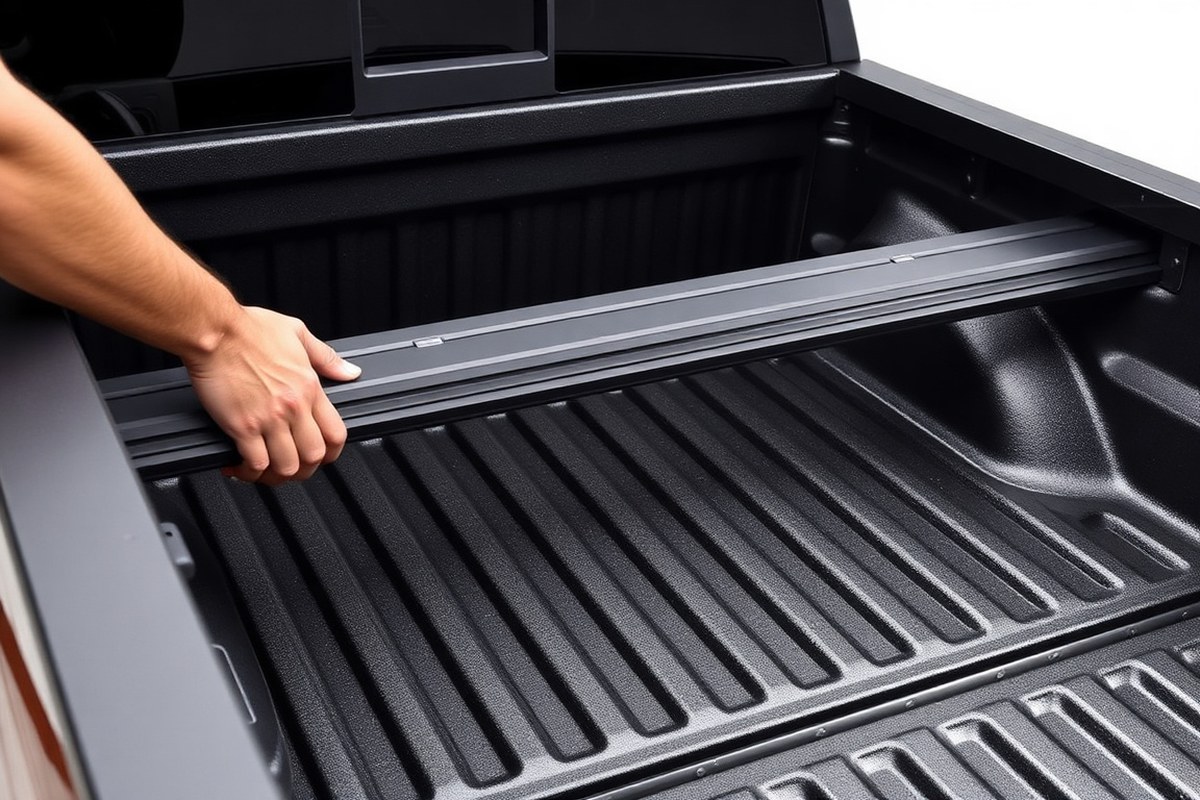
Preparing your truck bed with a liner for a tonneau cover installation means checking the liner’s edges where rails and clamps attach. Drop-in liners often require trimming to clear mounting areas or to fit clamps properly. Properly positioning bolts and clamps prevents damage and ensures the cover stays secure. Follow these steps to install your tonneau cover over a bed liner properly:
- Clear the truck bed edges. Remove any debris or loose material from the top edges where the rails will be installed. Use a utility knife to carefully cut or notch the bed liner when it obstructs clamp mounts or creates an uneven base that could interfere with rail installation.
- Fit the mounting rails. Place the rails on each side of the bed, resting them against the truck bed edges. Ensure the rails align flush with the trimmed or original edge of the bed liner. Rails must sit evenly to avoid uneven pressure on the tonneau cover when closed.
- Mark clamp locations. Use a pencil or marker to note the clamp positions on the bed liner or truck bed edge per the tonneau cover instructions. This is critical if you need to cut additional notches in the liner for clamp clearance.
- Attach clamps securely. Install clamps by aligning them with pre-marked positions, snapping them into the guide rails, and tightening bolts or screws as specified. For thick liners, consider using adapter or extension clamps designed to accommodate added thickness and ensure a firm grip.
- Install the tonneau cover. Place the cover onto the mounted rails, locking or snapping it in following the manufacturer’s instructions. Confirm the cover operates smoothly and the rails hold it securely without gaps.
- Test the fit and sealing. Close the cover and check all sides for tightness against the truck bed edges and liner. Inspect for any uneven gaps where water or dust might enter. Adjust clamps or trim liners further if necessary to improve the seal.
Proper clamp alignment avoids stress on the bed liner, preventing cracks or lifting. Misaligned clamps can cause rails to shift, leading to leaks or cover damage. Using a utility knife carefully on drop-in liners to clear mounting points typically takes 15 to 30 minutes but helps secure the rails more reliably. Your liner’s thickness may require adapters, which usually cost between $20 and $40 and create enough space for clamps without altering the liner. Always tighten bolts to the recommended torque in the instructions to avoid over-compressing the liner while ensuring a stable installation.
How Different Bed Liner Types Affect Tonneau Cover Installation
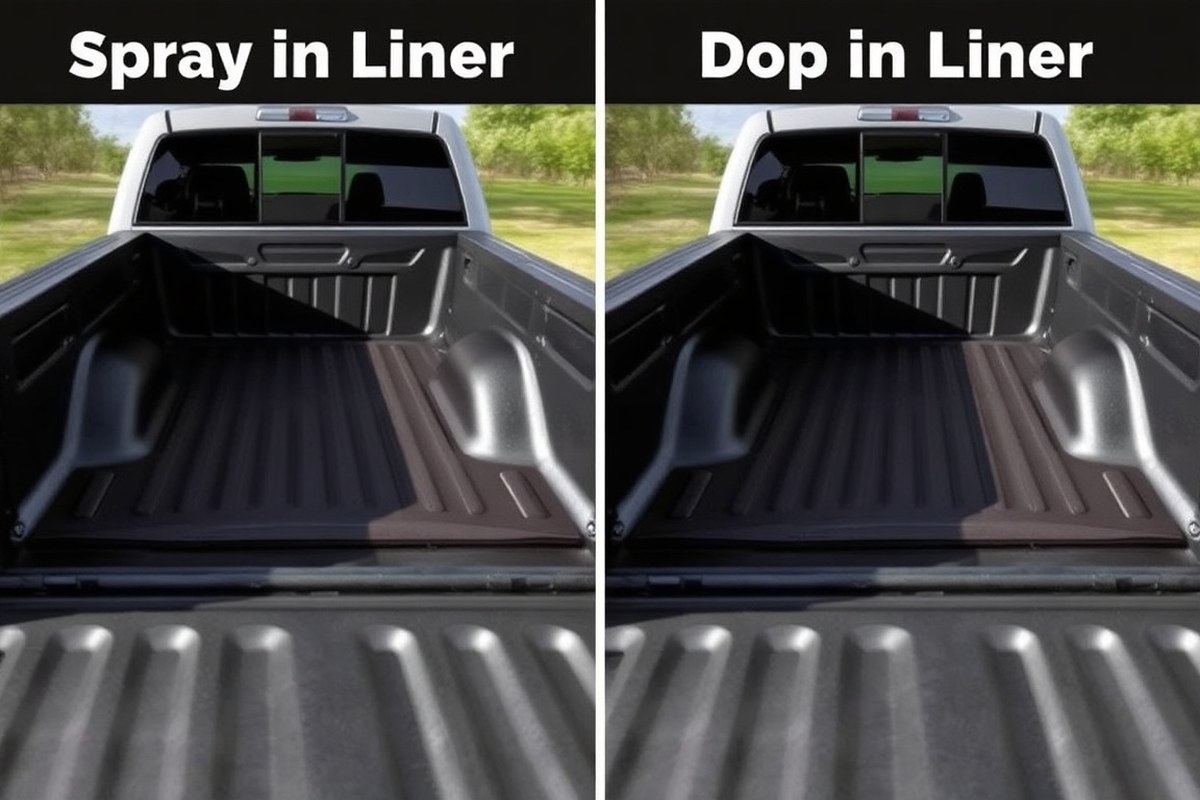
Spray-in liners generally offer the easiest fit for tonneau covers since they conform directly to your truck bed without adding extra thickness. Drop-in liners most often require some modification due to their raised edges. Rubber mats and carpet liners affect installation less but can still interfere if they are thick or cover the bed rail areas where tonneau cover clamps fit.
Spray-In Bed Liners and Installation Ease
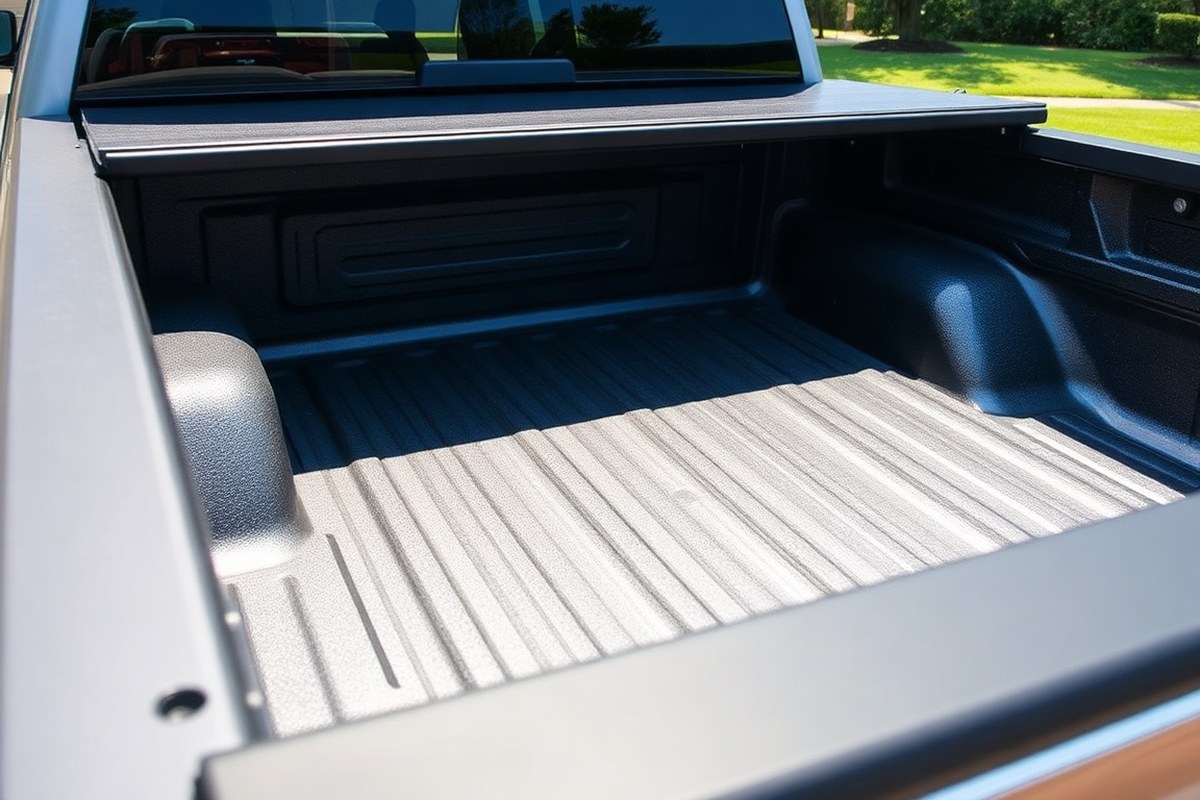
Since spray-in bed liners form directly onto the truck bed surface, they don’t increase edge thickness or alter the bed shape. This tight, custom fit means any tonneau cover type, rolling, folding, or hardtop, fits well without adjustment. Spray-in liners maintain the original cargo box structure. Because of this, you can expect a smooth installation without needing to modify the liner or cover parts.
Spray-in liners also help achieve a tight weather seal since the cover clamps can grip firmly on the original metal edges. Covers usually install within 30 to 90 minutes depending on your experience and cover type.
Challenges with Drop-In Plastic Liners
Drop-in liners add thickness to the cargo box edges and sides, often raising the lip by 1/4” to 3/4” depending on the liner type. This thicker edge can prevent the tonneau cover rails and clamps from fitting tightly. For example, plastic liners add a raised edge that covers attachment points and clamping surfaces.
To install a cover over these liners, you frequently need to modify the bed liner by trimming or cutting a notch at clamp locations to clear the thickened edges. Otherwise, you must select a tonneau cover model specifically designed for drop-in liners, which accommodate the added thickness. These modifications take skill and care to avoid compromising the liner’s protection or causing gaps in sealing.
Rubber and Carpet Liners: Pros and Cons
Rubber bed liners mainly protect the bottom surface and generally do not cover or raise the edges of the cargo box, making them highly compatible with nearly all tonneau covers. They rarely require adjustments and allow clamps and rails to fit snugly on the metal edges.
Carpet liners vary in thickness and coverage. If the carpet is too thick, it can slightly interfere with some lower-end tonneau covers by affecting how the clamps grip along the edges. However, most mid and high-end covers account for minor thickness differences. Minimal trimming or selective repositioning usually resolves any fit problems. Both rubber and carpet liners allow for easier installation than drop-in liners but may still need slight notching if the edge coverage is substantial.
| Bed Liner Type | Effect on Bed Edge Thickness | Tonneau Cover Installation Impact | Typical Modifications Needed | Compatibility with Most Covers |
|---|---|---|---|---|
| Spray-In Liner | None (applies directly on metal) | None; fits original bed shape | None | High |
| Drop-In Plastic Liner | Increases edge thickness by ~0.25″-0.75″ | May interfere with clamps and rails | Cut notches or trim liner edges | Moderate, requires modification |
| Rubber Mat Liner | Minimal; usually just bed floor | Rarely interferes with edge clamps | Generally none | High |
| Carpet Liner | Varies; thicker carpet affects edges | May slightly affect clamp fit on low-end covers | Slight trimming sometimes needed | Moderate to high |
Choosing the right liner type depends on how easily you want to install and seal your tonneau cover. Spray-in and rubber liners simplify installation, while drop-in liners require more preparation.
Cut a small notch in the bed liner where clamps attach if the liner edge is too thick; always check the fit before final installation to avoid damaging sealing surfaces.
How to Measure Your Truck Bed When a Bed Liner Is Installed
Accurate measuring around a bed liner is critical to ensure your tonneau cover fits perfectly and functions correctly. Bed liners add thickness and shape changes to the truck bed edges, which shifts the usual measuring points. Use precise tools and follow a checklist for measurements to avoid problems during installation.
Measuring Length and Width Inside the Bed
Start by measuring the inside length and width of your truck bed from the floor, ignoring the liner thickness at first. Use a steel measuring tape for a stiff, straight measurement. Position the tape at the very front wall of the truck bed for length, pulling it to the tailgate edge. For width, measure between the side walls just above the bed floor, not including the bed liner’s raised edges.
For better accuracy, take two measurements for each dimension and average them. Record these numbers clearly. This step gives you the baseline bed size before the liner thickness is considered, which will be added next for a proper fit.
Accounting for Rail Thickness and Liner Edges
Since bed liners add thickness and sometimes irregular edges, measure the liner itself along the bed rails where the tonneau cover mounts. Use the tape to check the liner’s thickness on the top edge and near mounting points. Some liners can add up to 1/2 inch or more in thickness. This affects how the cover rails fit and where mounting holes line up.
Use a ruler or caliper to get the thickness of the liner near each mounting hole. Add this thickness to your length and width measurements to find the total space your tonneau cover must cover. Measuring across the liner edges avoids gaps or forced fits that can cause leaks or damage.
- Measure inside bed length and width from wall to tailgate, above floor
- Measure liner thickness at each rail and mounting point
- Add liner thickness to inside bed dimensions
- Use a steel tape and a caliper for precise results
- Record each measurement twice to confirm accuracy
- Check for any liner irregularities or curved edges
- Note liner overlap areas that could block hardware installation
Common mistakes include forgetting to factor in liner thickness, measuring from the liner surface instead of bed walls, or using a flexible tape that sags. Avoid these by always measuring carefully and double-checking numbers.
Verifying Measurements Against Manufacturer Specs
After collecting your final measurements, compare them with the tonneau cover manufacturer’s specifications for your truck’s bed length and width. Most manufacturers specify cover sizes to fit standard bed dimensions without liners. Adjust your chosen cover size based on your added liner thickness measurements.
Some tonneau covers list compatible bed sizes, often in whole inches (e.g., 5-foot-7-inch bed or 6-foot-7-inch bed). Verify your adjusted measurements match these categories closely. If your measurements fall between sizes due to liner thickness, consider a cover designed for the next larger bed size or one that can be trimmed around the mounting points carefully.
Precision within 1/8 inch is usually sufficient for a tight, weatherproof fit. A poor fit can cause water leaks, wind noise, or mounting hardware failure. Taking time to measure accurately and confirm with the product specs helps avoid costly returns or modifications later.
Tools and Materials Needed for Installing over Bed Liners
Installing a tonneau cover on a truck bed with a liner requires some specific tools and materials to ensure a secure fit without damaging the liner or truck. Generally, you won’t need special tools unique to bed liners, but you will need standard hand tools and a few supplies designed to handle the liner’s material and shape.
Most tonneau covers come with mounting hardware, but you’ll want to have a set of basic hand tools available, such as a socket wrench set and screwdrivers that match the bolts and screws included. If your truck bed liner has a lip or uneven edges, you might need a utility knife or a sharp blade to trim or create minor adjustments in the liner. This is especially true for spray-in liners that can extend beyond the bed rails.
Sealing materials are important to prevent water leaks, especially where the tonneau rails contact the bed liner. You should plan to use weatherproof seals or automotive-grade foam tape. These materials provide cushioning, help achieve a tight seal, and protect the liner from scratches or pressure damage caused by mounting brackets.
- Socket wrench set and compatible bits
- Phillips and flathead screwdrivers
- Utility knife or heavy-duty scissors for trimming
- Automotive-grade foam tape or rubber weather stripping for sealing
- Measuring tape for precise placement
- Cleaning supplies such as isopropyl alcohol and clean rags
- Optional bump stops or drainage tubes (often included with premium tonneau covers)
Cleaning the bed liner surface where the cover and rails will mount is important. Use isopropyl alcohol to remove dust, dirt, and oils, ensuring better adhesion of any tape or seals. Take accurate measurements of the bed width and length to confirm the tonneau cover fits well over the liner’s thickness and shape. Some users choose to add bump stops, small rubber or plastic pads, to prevent the tonneau cover from hitting the truck cab when opened hard. These add a layer of protection if your cover type requires it.
For cutting or modifying spray-in liners, work carefully with a sharp utility knife. Take your time and make precise cuts, wearing gloves to avoid injury. Cutting does permanently alter your liner, so only trim when necessary. Foam tapes and weather stripping usually cost between $10 and $25 for a roll and should be applied evenly along the mounting surfaces for the best weatherproof seal and to prevent liner damage. Optional accessories like drainage tubes can reroute rainwater away from the tailgate area, reducing water buildup inside the bed.
When and How to Modify a Bed Liner for Tonneau Cover Fit
Determine if your bed liner needs cutting by fitting the tonneau cover’s rails or clamps over the liner and checking for any interference or gaps that prevent a flush fit. Modify the liner only when absolutely necessary to avoid damaging its protective properties or voiding warranties. Use precise cutting tools and seal all cut edges to maintain weatherproofing and protect your truck bed.
Assessing the Liner for Interference Points
Begin by laying the tonneau cover rails or clamps on the bed liner as they would be installed. Look for raised edges, bulges, or liner textures that block the rails from sitting flat. Pay special attention to drop-in liners where the rail footprint often conflicts with higher sidewall edges or bolt holes.
Check for bolt locations and fasteners beneath the liner that may require notching. Access any manufacturer guides or forums for your specific bed liner type to understand common clearance issues. In many cases, only minor trimming or notching along the edges near the front or sides is necessary.
Safe Cutting and Notching Methods
Only cut the liner if the tonneau cover hardware cannot be installed without interference. Use a fine-tooth oscillating multi-tool blade or a plastic-cutting circular saw blade designed for bed liners. Avoid heavy grinders that can create heat damage or rough edges.
Wear safety glasses and masks to protect against plastic debris. Work slowly to keep cuts straight and clean. Test-fit the tonneau cover hardware frequently during trimming to stop as soon as clearance is achieved. Minor sanding of cut edges with fine-grit sandpaper improves the fit and appearance.
- Mark cut or notch lines precisely with a fine-tip marker using the tonneau cover rail as a template.
- Secure the bed liner piece firmly to prevent shifting during cutting.
- Use an oscillating multi-tool or plastic-cutting saw blade to follow the marked lines.
- Remove cut sections carefully and test-fit the rails or clamps.
- Smooth edges with medium then fine sandpaper to prevent chipping.
- Clean dust and loose particles from the cut area with a damp cloth.
Cut only as much as needed to maintain liner protection and avoid exposing the metal truck bed.
Applying Weatherproof Sealants and Finishing Touches
After cutting or notching, seal exposed edges with a high-quality automotive-grade silicone or polyurethane sealant designed for plastic and metal. This prevents water intrusion, rust, and dirt buildup. Apply the sealant evenly along every cut edge and allow curing for at least 24 hours per product instructions.
Use painter’s tape to keep sealant lines neat and to protect adjacent liner areas during application. Check for any gaps or bubbles in the seal and smooth them with a gloved finger dipped in soapy water before the sealant sets. Proper sealing maintains the liner’s effectiveness and prolongs the lifespan of your truck bed.
Common Installation Challenges with Bed Liners and How to Fix Them
A common reason a tonneau cover won’t fit flush over a bed liner is that the liner changes the bed’s edge height or contour. This can cause gaps where the cover’s rails or seals meet the truck bed. To fix this, check that the rails are aligned and tightened according to the manufacturer’s instructions. Sometimes you may need to adjust the clamps or reposition the rails by loosening and re-tightening them. Proper rail placement is essential because rails out of position prevent a snug seal, which lets in water and debris.
Water leaks often happen if the cover isn’t sitting flush or if the seals are damaged or dirty. Dirt and liner texture can prevent the gasket or seal from making full contact. Clean the seals and the liner edges with rubbing alcohol before installation. When water still gets in, apply automotive-grade weatherstrip adhesive to improve the seal’s grip. Allow the adhesive to dry for the time specified on the product label, usually a few hours, before closing the cover.
Clamps designed for bare metal edges might struggle to grip over a bed liner, especially if it’s thick or textured. When clamps won’t hold, swap them for adjustable or padded clamps made for bed liners. These clamps can tighten over thicker material without slipping or damaging the liner. When replacements aren’t an option, use rubber shims or washers between the clamp and liner to improve grip and prevent damage.
- Inspect and realign rails to avoid gaps caused by bed liner thickness
- Clean and inspect seals; use weatherstrip adhesive for better water protection
- Replace clamps with adjustable models made for liners or add rubber shims
- Test fit the cover and clamps before final tightening
- Check the liner’s edge for uneven surfaces and trim or sand as allowed
Uneven surfaces on the bed liner can create pressure points or gaps under the tonneau cover, causing leaks or loose fit. Use a fine-grit sandpaper or a plastic scraper to gently smooth rough or high spots on the liner edge. Avoid aggressive sanding, which can damage the liner’s protective qualities. After smoothing, retest the cover fit and adjust clamps as needed for uniform pressure.
Good results mean the cover sits evenly and firmly against the liner edge without movement, no water stains inside the bed after rain or washing, and clamps stay securely in place without distortion or damage to the liner. Problems like persistent water pooling inside the bed, loose rails, or clamps slipping indicate you need to revisit these troubleshooting steps or consider professional assistance if liner modifications are necessary.
How Different Tonneau Cover Types Work with Bed Liners
Selecting the right tonneau cover depends on your truck bed liner type and what you value most, speed of installation, security, or style. Soft roll-up covers are generally the easiest and fastest to install over bed liners. They clamp directly onto the liner without extra prep in many cases, making them a solid choice for quick setup. However, they offer less security because they can be cut open with a sharp tool.
Hard folding covers demand more care during installation, especially when paired with thick or spray-on liners. You may need to trim or modify the liner around clamp areas to ensure a flush fit and proper sealing. These covers tend to be heavier and costlier, often around $650-$700, but they provide superior protection and a sleek look. Models similar to the Bakflip MX4 or those from Rough Country exemplify this category.
Retractable tonneau covers combine style and functionality but require precise alignment and sometimes special installation kits when used with bed liners. Their mechanism sits inside the bed rails, so a thick liner can interfere with rail dimensions. You might need to check liner thickness and, if necessary, adjust bedding or mounting points to avoid jamming.
Some covers have clamp-free installations, using designs that don’t compromise bed liner integrity or require liner modification. These are ideal if you want to avoid drilling or trimming the liner but might come at a higher price or offer fewer style options.
| Cover Type | Installation Speed | Bed Liner Prep Needed | Security Level | Typical Price Range |
|---|---|---|---|---|
| Soft Roll-Up | Fastest (Under 1 Hour) | Minimal to None | Low (Can Be Cut) | $200, $300 |
| Hard Folding | Moderate (1, 3 Hours) | Possible Trimming or Adjustments | High (Lockable Panels) | $650, $700 |
| Retractable | Moderate to Slow (2+ Hours) | Check and Modify Bed Rail Fit | High | $700, $1,200 |
| Clamp-Free Designs | Varies | None | Varies | Varies, Often Higher |
For soft covers, clamp positions usually sit on top of the liner, so you’ll mostly just tighten clamps as directed. Hard folding covers may need small trimming near clamp zones or adjusting liner contours to avoid gaps or interference. Check thickness; if liners exceed about 1/4 inch, confirm clamp reach and rail clearance.
With retractable covers, take careful measurements of rail and liner dimensions before installation. Rail interference often causes misalignment or difficulty in rolling the cover. Use appropriate hand tools to adjust liner edges or rails if your rig’s liner is unusually thick or uneven.
Overall, consider how much effort you want to spend modifying your liner and the level of security required. Soft roll-up covers win for ease and cost but fall short on protection. Hard folding covers strike a balance with more installation effort but stronger security. Retractable covers need the most precision for installation over liners but add convenience and style. Clamp-free options avoid liner changes altogether by design but often cost more.
Tips for Ensuring a Weatherproof Seal with Bed Liner Installation
Preventing water intrusion around your tonneau cover installed over a bed liner means focusing on sealing and maintenance. Gaps often form if the bed liner was trimmed or drilled during installation. Carefully inspect all edges where the liner meets the truck bed and the cover’s rails. Use a flashlight to spot small openings where water could seep through, especially after rain or washing your truck.
Sealing gaps starts with choosing the right materials. Weather-resistant automotive sealants like polyurethane or silicone work well because they stay flexible and adhere to plastic or metal surfaces typical of bed liners and tonneau covers. Avoid household sealants that dry hard and can crack. For example, applying a bead of clear silicone sealant along small gaps under the bed rail or at drilled spots helps maintain a tight barrier against moisture without damaging liner material.
Gaskets or foam tapes specifically made for automotive application can improve seal tightness. Install self-adhesive EPDM rubber strips along the top edges of your bed liner or the rails where the tonneau cover clamps down. These strips compress when the cover closes, blocking drafts and water entry. Be sure the gasket you pick resists UV light and temperature swings between -20°F and 130°F, common outdoors in many climates.
Inspect the seals monthly, especially after harsh weather or washing sessions. Look for splitting, shrinking, or adhesive failure where sealants and gaskets meet the liner or cover. If you see cracking or peeling, remove the old sealant or tape using a plastic scraper and alcohol-based cleaner, then reapply fresh material. Keeping these areas clean prevents dirt and debris from breaking the seal.
In addition, check the tightness of clamps and fasteners securing the tonneau cover. Loosening can create gaps and reduce sealing pressure. Use a torque wrench to tighten bolts to the manufacturer’s specified settings, usually between 5 and 8 foot-pounds for clamp screws. Over-tightening risks crushing or deforming the liner and cover edges, compromising the seal.
Prevent problems by avoiding bed rail caps made from diamond plate or other thick metals, which interfere with forming a weather-tight seal by preventing correct fitment of the cover. Plastic or rubber rail caps usually pose less risk.
Always test your seal integrity before the first heavy rain by spraying water on the cover edges and checking for leaks inside the bed, correct any issues immediately to avoid damage.
Step-by-Step Action Plan for Installing Your Tonneau Cover over a Bed Liner
Follow these steps to correctly install your tonneau cover on a truck already equipped with a bed liner. Each step helps ensure a secure fit and weatherproof seal.
- Before You Start: Clean the truck bed and bed liner thoroughly. Make sure the surface is free of dirt and debris to avoid interference with the tonneau cover seal.
- Day 1: Measure the truck bed dimensions with the bed liner in place. Use a tape measure to confirm length, width, and height to select the right tonneau cover size.
- Day 2: Check compatibility of your chosen tonneau cover with your bed liner type (spray-in, drop-in, or plastic). Review manufacturer instructions to identify any required liner modifications.
- Day 3: Gather necessary tools like clamps, screwdriver, sockets, and weatherproof sealant. Have replacement fasteners ready in case your bed liner bolts interfere with mounting hardware.
- Day 4: If needed, carefully trim any protruding or tight liner edges that block mounting rails. Use a plastic cutting tool to avoid damage and test fit the cover rails before final installation.
- Day 5: Install the tonneau cover rails onto the bed liner edges, following the cover’s instructions. Use clamps and fasteners provided, ensuring rails sit flush and secure without stress on the liner.
- Day 6: Attach the tonneau cover to the rails and adjust tension or seals. Check that the cover opens and closes smoothly without gaps or catching on the liner.
- After Installation: Examine all seals where the cover meets the bed liner. Apply additional weatherproof sealant if needed to ensure a tight, waterproof fit that withstands rain and dust.
Frequently Asked Questions
How to Install a Tonneau Cover with a Bed Liner?
Installing a tonneau cover with a bed liner usually works if the liner doesn’t block clamp points. You may need to trim notches in the liner for clamps or edges to fit securely on the truck bed.
Can You Install a Tonneau Cover with a Bed Liner?
You can install a tonneau cover over a bed liner, but the ease depends on the liner style. Spray-on liners create a thin, even surface without extra bulk, while drop-in liners might need some adjustments.
Can I Install a Tonneau Cover Myself?
You can install a tonneau cover yourself with basic hand tools and careful measurement. Follow the manufacturer’s instructions and check the fit over your bed liner to avoid interference.
Is It Better to Roll or Spray Bed Liner?
Spray bed liners fit tighter to the bed and don’t add thickness, aiding tonneau cover installation. Roll-on liners add some thickness and might require trimming for a proper fit with covers.
Do Trucks Get Better Gas Mileage with a Tonneau Cover?
Yes, tonneau covers improve aerodynamics, which can slightly increase gas mileage by reducing wind drag over the open truck bed. The gain varies based on driving conditions.
What Type of Tonneau Cover Works Best over a Drop-In Bed Liner?
Hard folding or snap-on covers often work best, as they can accommodate the liner’s thickness with minimal modifications.
Before You Go
Installing a tonneau cover over a truck bed liner takes careful preparation and attention to detail, especially with measuring and compatibility checks. Double-check all fittings and weather seals after installation to maintain durability and function. Start by cleaning and measuring your truck bed today to set your project on the right path.