Can You Install a Tonneau Cover with a Bedliner? A Complete Guide That Works
Installing a tonneau cover over a bedliner is usually possible, but selecting matching types is essential for a good fit. Begin by confirming the style of your bedliner and the design of the tonneau cover to make sure they are compatible.
Key Takeaways
- Most tonneau covers install in 30 to 60 minutes using basic hand tools you likely already have.
- Spray-on and drop-in bedliners typically work best with tonneau covers, offering solid compatibility.
- Confirm your bedliner doesn’t interfere with the cover’s clamps or rails before installation.
- Prepare the truck bed by cleaning it thoroughly to improve tonneau cover fit and seal quality.
- Locking tonneau covers add security for your cargo and are preferred by over 60% of truck owners.
- Installing a tonneau cover reduces wind resistance, potentially improving your truck’s gas mileage by 5% to 10%.
Can You Install a Tonneau Cover over a Bedliner?
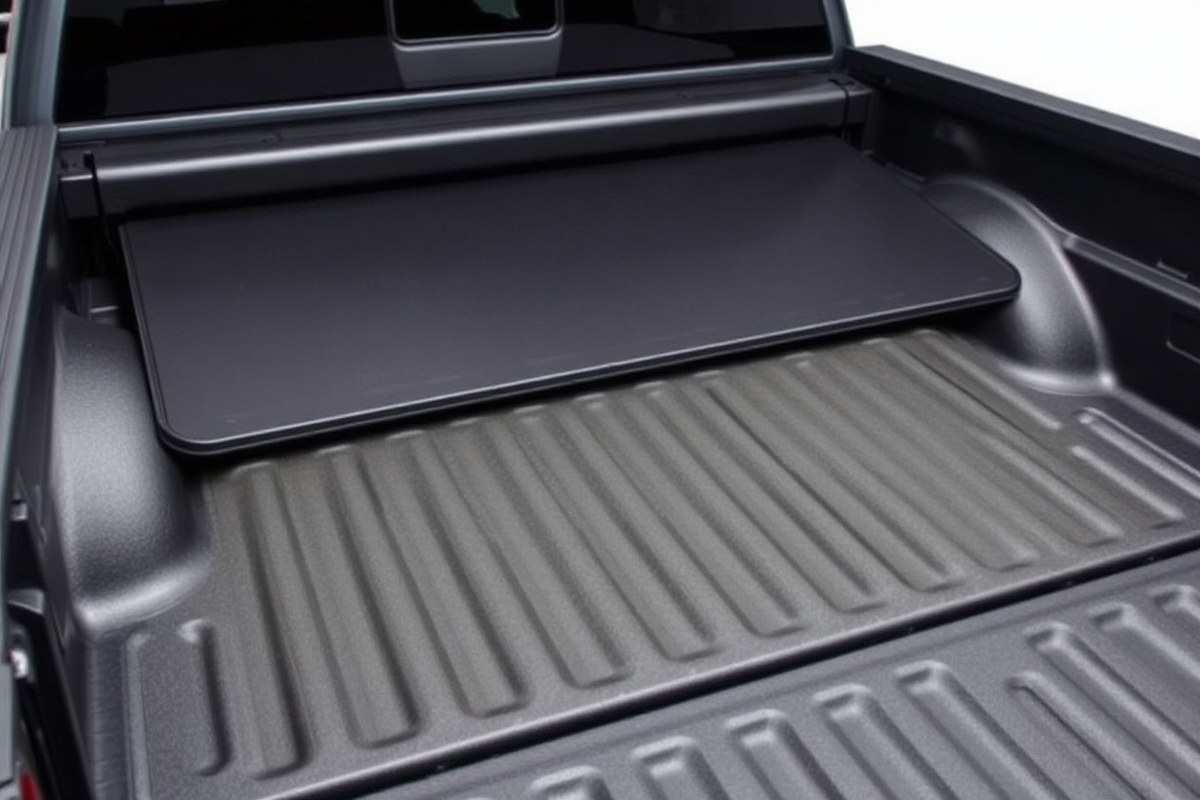
A tonneau cover can be placed over a bedliner, but how well it fits depends on matching the cover type, bedliner style, and your truck’s make and model. Selecting compatible parts is key for secure fitting, long-lasting use, and good protection of your truck bed.
The two most common bedliner types are drop-in and spray-on. Spray-on bedliners typically provide a smooth, flush surface that allows tonneau covers to mount directly, often with the cover clamps attaching to the truck bed’s rails without interference. Drop-in bedliners, on the other hand, are thicker and may require additional adjustments such as notching or adding spacers to the clamps to avoid clearance issues and ensure a tight seal. These modifications help the tonneau cover sit securely above the bedliner without gaps that could let in moisture or debris.
Starting the installation requires cleaning and drying both the bedliner and the truck bed rails thoroughly. Dirt, debris, or moisture can prevent clamps from gripping properly and cause premature wear. Once the surfaces are prepared, gather the necessary tools specified by the tonneau cover manufacturer. Installation typically takes between 30 and 60 minutes depending on the complexity of the cover and your experience.
Compatibility also depends on the truck’s make and model because bed dimensions and rail designs vary. Some covers are designed specifically for certain truck models or bedliner combinations, providing pre-cut components, precise clamp designs, and clear mounting instructions. Selecting these ensures a snug fit, fewer installation issues, and avoids the need for custom modifications that increase costs and installation time.
Although installing a tonneau cover with a bedliner is generally straightforward, watch for potential challenges such as clamp misalignment or interference with bedliner edges. These problems may require small adjustments like repositioning clamps or trimming the bedliner edges carefully. Improper installation can lead to loose covers that flap in the wind or water leaks that damage the bed and cargo.
Costs associated with installing a tonneau cover over a bedliner include the price of the tonneau cover itself, which can range from $300 to over $1,000 depending on the style and material, plus possible expenses for professional installation if you encounter fitment issues. DIY installation saves money but requires careful attention to detail to ensure proper fit and secure attachment.
Installing a tonneau cover with a bedliner requires choosing products that work together, prepping the surfaces properly, and carefully following the installation instructions. Paying close attention to the bedliner type, truck details, and clamp placement helps ensure the cover works well to shield your cargo from weather and theft while looking neat and integrated.
Which Bedliner Types Work Best with Tonneau Covers?

The two main bedliner types, spray-on and drop-in, differ significantly in thickness and surface texture, which impacts how a tonneau cover fits and installs. Spray-on liners create a flush, thin coating that usually works with most tonneau covers without modification. Drop-in liners add extra thickness and edges that often require trimming or adjustment for a proper fit.
Spray-On Bedliners
Spray-on liners are applied directly to the truck bed as a protective coating, forming a thin, even layer that bonds tightly to the metal. Their flush surface maintains the original dimensions of the cargo box, making it easy to install tonneau covers that use clamps or rails inside the bed. Most tonneau covers designed for under-the-rail mounting work well with spray-on liners without modification.
The smooth, uniform texture prevents interference with attachment points and seals, minimizing gaps that could let in dust or water. Spray-on liners also protect the mounting clamps from corrosion by coating the metal surfaces underneath. This type of liner requires minimal installation effort compared to drop-in options and usually costs between $300 and $800, depending on quality and area.
Drop-In Bedliners
Drop-in liners consist of rigid, pre-formed plastic shells that fit into the cargo box. They add thickness, sometimes several millimeters, and raise edges above the bed rails, which can interfere with tonneau cover clamps and frames. Due to the added bulk, some drop-in liners require trimming along the tailgate or rails to prevent misaligned covers.
Installing a tonneau cover over a drop-in liner often demands moderate to high effort. You may need tools such as a rotary cutter or saw to carefully remove excess plastic. Even with trimming, the thicker surface can cause seal degradation or incomplete closure if the cover frame doesn’t sit flush. Drop-in liners typically cost between $100 and $300 but may increase installation difficulty and time.
Flush and Other Specialized Liners
Special liners such as roll-on coatings and rubber mats vary in thickness and texture. Roll-on liners resemble spray-on types but can be thicker and more textured, potentially affecting clamp positioning. Rubber bed mats, often used as a last layer, do not usually affect tonneau cover fit if thin but can prevent tight sealing if thick or if they bunch under clamps.
When using these liners, evaluate the exact thickness against your tonneau cover’s mounting needs. Some covers offer spacer kits to adjust for irregular surfaces or added material thickness, improving fit and weather sealing. Always check for secure clamp alignment and sealing around the edges after installation.
| Feature | Spray-On/Under-the-Rail Bedliner | Over-the-Rail Bedliner (Drop-In) |
|---|---|---|
| Installation Effort | Low | Moderate to High |
| Compatibility | Most Tonneau Covers | May Require Trimming |
| Weather Protection | Excellent | Good |
| Cargo Security | High | Moderate |
Consider the liner type carefully to choose a tonneau cover that matches your truck’s specific bed configuration. Spray-on liners generally simplify installation and maintain performance, while drop-in liners may necessitate adjustments and increased effort to achieve a secure fit.
Trim drop-in liners cautiously; removing too much plastic risks exposing the metal bed, while too little trimming can prevent the tonneau cover from sealing properly.
How to Prepare Your Bedliner and Truck Bed for Installation
Preparing your bedliner and truck bed properly before installing a tonneau cover ensures a secure, long-lasting fit without damaging either component. You need to clean, inspect, dry, and measure your bedliner and truck bed thoroughly, using the right tools and materials. Doing this prevents misalignment, warping issues, or moisture buildup that could weaken the cover’s attachment or your truck’s protection.
Cleaning the Bedliner
Start by removing all dirt, debris, and moisture from the bedliner and truck bed surfaces. Dirt or moisture trapped under the tonneau cover can cause rust or mildew and reduce adhesion if your cover mounts with adhesive pads or clamps. Use a soft brush or sponge and mild soap designed for automotive use. Avoid harsh chemicals like bleach or ammonia, which can damage paint or liner materials.
Use a hose or pressure washer with moderate pressure to rinse away cleaning agents and loosened dirt. Pay special attention to corners and crevices where dust and grime tend to accumulate. Cleaning thoroughly also helps you spot any damage or warping during inspection.
Inspecting and Measuring
Inspect the bedliner closely for cracks, tears, warping, or loose edges. Damage can interfere with the mounting points of your tonneau cover or cause uneven seating, leading to leaks or cover failure. Measure the truck bed dimensions and the bedliner thickness where the cover will attach to confirm compatibility with your tonneau cover model. Accurate measurements ensure there is enough clearance and that mounting clips or rails fit securely without pressure on liner edges.
Use a tape measure to check the length, width, and height of the bed along the edges and floor. Look for any bedliner sections that extend beyond the normal bed lips, as these might prevent flush tonneau cover installation. Note any irregularities so you can adjust or trim if the cover or liner allows. Carry out a test fit by placing the cover or its frame loosely on the bed to verify alignment.
Drying and Final Checks
Completely dry the bedliner and truck bed before installation to avoid moisture trapping and corrosion. Use clean microfiber towels to wipe down all surfaces after rinsing. Let the truck bed air dry in a warm, shaded area for at least 1 to 2 hours, depending on humidity and temperature. Avoid installing the tonneau cover when surfaces feel damp to the touch, especially in cool or humid weather.
Before final installation, review all mounting points on the bedliner and truck bed for any signs of damage or deformation. Verify that clamps or adhesive pads will have solid contact points and will not press on warped or sharp edges. Confirm that the cleaning and drying process left no residues or water pooling. This final check reduces the risk of slipping, gaps, or cover wear due to improper support.
- Gather tools and materials including mild automotive soap, soft brush or sponge, hose or pressure washer, microfiber towels, and tape measure.
- Remove all cargo and loose debris from the truck bed.
- Wash the bedliner and truck bed surfaces thoroughly using soap and water, focusing on edges and corners.
- Rinse off all cleaning products completely and inspect the liner for damage or warping.
- Measure the bed’s length, width, and height, noting any liner overhang or unusual thickness.
- Dry the entire bedliner and truck bed with towels and allow time to air dry fully in a shaded, warm area.
- Conduct a test fit with the tonneau cover or frame to check alignment and mounting clearance.
- Perform final inspection of mounting points and surface conditions before proceeding to installation.
Step-By-Step Installation of a Tonneau Cover with a Bedliner
Installing a tonneau cover with a bedliner is doable with careful alignment and secure mounting. It’s important to position rails and clamps properly to avoid instability and leaks. Following specific steps helps achieve a snug fit and proper sealing over most bedliner types.
Mounting the Rails
Start by positioning the tonneau cover rails along the edges of the truck bed where the bedliner is installed. Since drop-in bedliners add thickness around the edges, you’ll need to ensure the rails sit flush without lifting or uneven gaps. Rails should rest securely over the bedliner’s sides but not be forced, which could damage either component.
The best technique involves placing each rail carefully and checking alignment before tightening any fasteners. Use hand tools like screwdrivers or wrenches to hold the rails in place during this process. Rails installed below bed rails generally avoid interference, but drop-in liners require extra attention to avoid an unstable setup.
Securing the Clamps
Once the rails are in position, fastening the clamps properly is essential. The clamps will hold the rails, and ultimately the tonneau cover, tightly against the truck bed and bedliner. With thick bedliners, clamps might need to be adjusted or use longer bolts to accommodate the extra material thickness.
Check that the clamps align with the holes or cutouts on the liners and rails. You might need to snap clamps into guide rails or use bolts to fasten them securely. Avoid over-tightening, which could crack plastic bedliners or warp metal rails. Clamps should press firmly without creating gaps or pressure points.
Aligning and Sealing
After the rails and clamps are secure, align the tonneau cover on top, making sure it fits evenly along the bedliner edges. Proper alignment prevents uneven seams and ensures the cover opens, closes, and locks smoothly. Check that any locking mechanisms operate without obstruction from the liner.
Sealing the edges is critical to keep water and dust out. Most tonneau covers have built-in rubber weatherstripping along the edges. Confirm that this seal presses against the bedliner firmly and evenly for a watertight barrier. For additional protection, you can apply a thin bead of automotive-grade silicone sealant where the rails meet the bedliner edges. Avoid excess sealant that could trap dirt or interfere with cover movement. Regularly inspect the seal after installation, especially following heavy rain or washing, to maintain full coverage and adjust clamps or rails if leaks appear.
- Clean the bedliner edges to ensure no dirt or debris interfere with rail placement.
- Place the tonneau cover rails along the truck bed edges, checking for even contact without forcing.
- Secure the rails temporarily with clamps or bolts, adjusting for bedliner thickness as needed.
- Mark and drill any necessary holes for clamps or mounting hardware according to your cover’s instructions.
- Attach clamps firmly but carefully, avoiding over-tightening that could damage the liner or rails.
- Position the tonneau cover onto the mounted rails, ensuring uniform alignment across all edges.
- Test the cover’s opening, closing, and locking functions to verify smooth operation over the bedliner.
- Inspect weatherstripping and apply silicone sealant along rail edges if extra waterproofing is desired.
Common Installation Challenges and How to Fix Them
Fitment problems often arise from the combined thickness and shape of bedliners plus the specific tonneau cover design. Drop-in liners can create uneven edges or raised lips that interfere with clamps or rails on the cover. If the clamps don’t sit flush or the cover edges don’t seal well against the bed, water and debris may leak in. Adjusting clamp tension often solves rubbing or fit issues, as too much pressure can damage the liner surface or the clamps themselves.
Protecting your bedliner and cover from damage starts by careful clamp placement. Clamp arms should rest on solid metal areas, avoiding fragile liner edges that may crack or deform. Avoid overtightening clamps, which can cause indentations or tears in both hard plastic and spray-on liners. When you notice any friction points or scuff marks, reposition or pad clamps with rubber washers or tape to reduce abrasion.
Do not use harsh chemicals or abrasive cleaners when cleaning your tonneau cover or bedliner, as they can weaken materials and cause premature wear.
Modifying drop-in bedliners can be necessary when they block proper cover installation. Carefully trimming raised lips or recessed areas with a utility knife or fine saw blade improves fit and makes the bedliner compatible with clamps and rails. Measure twice, cut once: remove only what’s needed to allow snug contact without creating new gaps or sharp edges. Modifying a bedliner is usually a DIY task but takes about 30 minutes and may cost just a few dollars for hand tools. Common troubleshooting steps include:
- Loosening clamps, then repositioning them to evenly distribute pressure on solid truck bed metal
- Adjusting tension bars or cover rails to eliminate rubbing on liner edges
- Trimming excessive liner lips that interfere with clamp or rail fit
- Adding rubber or foam padding under clamps to prevent scratches or dents
- Ensuring all mounting surfaces are clean and dry before installation
- Double-checking cover alignment after installation and tightening clamps gradually
- Checking for leaks by lightly spraying water along the cover edges
Correctly tackling fitment issues leads to a secure cover that won’t leak or damage your bedliner. Good results show a level, tight seal without clamp marks or liner wear after normal driving. Common pitfalls include overtightened clamps or aggressive trimming that weakens the bedliner’s structure and protection. Taking the time to fit the cover carefully minimizes future problems and extends the lifespan of both parts.
Benefits of Using a Tonneau Cover with a Bedliner
Installing a tonneau cover together with a bedliner significantly boosts your truck’s cargo security. Many truck owners prefer locking tonneau covers, which add a physical barrier to prevent theft or unauthorized access. When combined with a bedliner, which cushions and protects the truck bed surface, this duo safeguards your gear from both tampering and damage. The bedliner prevents scratches and dents caused by shifting cargo, while the tonneau cover keeps items hidden from view and locked down, adding peace of mind during transport or while parked.
Beyond security, this combination effectively defends your truck and cargo against weather. Bedliners create a protective layer that resists moisture, corrosion, and surface wear, while tonneau covers shield the entire bed from rain, snow, and UV rays. This reduces the risk of rust and fading, helping to maintain the truck’s resale value. Properly sealed tonneau covers also prevent water pooling inside the bed, keeping everything dry and avoiding mildew or rust buildup under your cargo. Together, they form a durable barrier against the elements, which is especially important if you frequently haul tools or materials that must stay dry.
Using a tonneau cover with a bedliner can improve fuel efficiency by reducing aerodynamic drag. When your truck bed is open, air flows into it, increasing resistance and causing your engine to work harder. A low-profile tonneau cover smooths out airflow over the bed, decreasing drag and thus improving gas mileage. Studies and owner reports indicate a typical gain of 5% to 10% fuel efficiency, depending on driving conditions and cover type. The bedliner itself has minimal impact on aerodynamics but contributes overall by maintaining the bed’s clean, intact surface that supports the tonneau cover’s tight fit.
The combination also extends the lifespan of your truck bed by preventing common damage. Bedliners protect against scratches, dents, and rust caused by hauling heavy or abrasive loads, while tonneau covers protect the bed surface from UV degradation and weather exposure. By keeping the bed dry and shielded from sunlight, these accessories reduce corrosion and material weakening. Regular maintenance like cleaning debris out of the bedliner and wiping down the tonneau cover seals will maximize durability. This means fewer repairs and longer intervals before needing repainting or liner replacement, saving you money over several years.
Though tonneau covers do reduce vertical cargo space slightly, they keep your load more stable and secure, which can prevent damage during transport. Overall, the benefits of improved cargo protection, weather resistance, increased fuel efficiency, and truck bed preservation make installing both a tonneau cover and bedliner a practical choice for pickup owners looking to protect their investment and keep hauling efficiently.
Selecting the Right Tonneau Cover for Your Bedliner Type
Choosing the right tonneau cover depends greatly on the type of bedliner installed in your truck bed. Spray-on bedliners, which preserve the original dimensions of your cargo box, work well with nearly all cover types. Dry and durable, spray-on liners allow roll-up, folding, and retractable covers to fit without needing adjustments to mounting or compromising the truck bed’s integrity. Drop-in liners, however, add thickness and can create clearance issues for clamps, so selecting a compatible cover requires more care.
It’s essential to check the mounting style of the tonneau cover against your bedliner’s characteristics. Most covers use clamps that attach to the truck’s bed rails. Compatible clamps are usually designed for under-the-rail liners or spray-on liners where the original bed edges are exposed. Drop-in liners often block or alter these attachment points, so clamp-style covers might not fit or require custom solutions. Some cover types, especially folding or retractable hard covers, might need rails or mounts that either sit on top of or inside the bed rails, affecting compatibility.
| Tonneau Cover Type | Best Fit for Spray-On Bedliners | Best Fit for Drop-In Bedliners | Mounting Considerations |
|---|---|---|---|
| Roll-Up | Excellent fit; clamps attach to existing bed rails | Possible if clamps clear liner edges; verify clamp size | Clamp mounts require clearance; under-rail clamps preferred |
| Folding | Good fit; fold panels rest on rails with spray-on liner | Varies; may require rail adapters or custom brackets | Check if rails can be installed over drop-in liners without damage |
| Retractable | Fits well; retractable rails can mount to spray-on edges | Challenging; limited clamp compatibility without rail mods | Requires full rail mounting; consistent clearance essential |
| Hinged/Hard Cover | Compatible; bolts often drill into spray-on protected bed | Possible; must accommodate liner thickness and rail height | Permanent mounting; plan for seals over liner edge to prevent leaks |
Before purchasing a tonneau cover, measure the thickness of your bedliner and inspect how much clearance the mounting clamps need. For spray-on liners, you can expect most clamps to fit around the rails without issues since the liner is thin and follows the original bed shape. Drop-in liners add 1/8 to 1/4 inch or more in thickness, which can lift the clamps and reduce grip strength. Use a ruler or caliper to check if clamps will hold firmly or if rail adapters are necessary.
Costs vary with mounting complexity. Roll-up covers with simple clamp mounts typically range from $200 to $500, while folding or retractable options that require rail installation or modifications can cost $600 to over $1,000. Paying extra for a cover designed to work with your bedliner type can prevent damage, installation headaches, and water leaks. Confirm mounting instructions and compatibility lists from the cover manufacturer before finalizing your choice to avoid surprises.
Maintenance Tips to Protect Your Tonneau Cover and Bedliner
Cleaning your tonneau cover and bedliner every two to four weeks helps prevent dirt buildup and protects materials from wear and UV damage. Use mild soap and water rather than harsh chemicals. Harsh cleaners can degrade the cover’s vinyl or fabric and strip protective coatings from the bedliner, which may cause premature cracking or fading.
Inspect seals and clamps at least monthly to make sure everything is secure and watertight. Look for signs of cracks, tears, or hardening in the rubber seals, and replace them if they no longer compress properly. Check that clamps hold the cover firmly without being overtightened, which can warp the bed rails or damage the bedliner surface.
Lubricate vinyl tonneau cover seals or hinge points lightly with a silicone-based spray every six months. Avoid petroleum-based lubricants, as they can damage rubber parts. Bedliners typically don’t need lubrication but give them a rinse and scrub with a soft brush during cleaning to keep the surface free of debris.
- Wash with mild soap and water using a soft cloth
- Rinse thoroughly and dry with a microfiber towel
- Check for seal cracks, tears, or hardening regularly
- Inspect clamps for looseness or overtightening
- Apply silicone spray to seals or hinges biannually
- Avoid abrasive brushes and strong chemical cleaners
- Store tonneau cover rolled or folded per manufacturer instructions to maintain shape
When cleaning, avoid power washers or excessive water pressure near seams, as this can force water under seals and cause corrosion or mold. Also, prevent oil or grease contamination on rubber seals, they weaken the material and reduce sealing performance. Keep an eye out for bending or warping of any frame components during inspections, especially after winter salt exposure or off-road driving. Address issues immediately to avoid costly repairs or reduced weather protection.
Overtightening clamps can damage your bedliner or truck rails, tighten clamps just enough to secure the cover without bending parts.
Step-by-Step Action Plan for Installing a Tonneau Cover over a Bedliner
Follow these steps to correctly install your tonneau cover over your truck’s bedliner and ensure a secure fit.
- Before you start: Clean the truck bed and bedliner thoroughly to remove dirt and debris preventing proper attachment.
- Day 1: Check the compatibility of your tonneau cover with your bedliner type, focusing on whether it suits a drop-in or spray-on liner.
- Day 2: Dry fit the tonneau cover clamps or rails to identify any adjustments needed for a tight seal without damaging the bedliner.
- Day 3: Apply any recommended protective tape or padding between the bedliner and tonneau hardware to avoid scratches.
- Day 4: Secure the tonneau cover according to the manufacturer’s instructions, confirming clamps are tight but not over-squeezed.
- Day 5: Test the opening and closing of the cover to ensure it operates smoothly without catching on the bedliner edges.
- After 1 week: Inspect the cover’s fit and look for any signs of shifting or damage caused by the bedliner surface.
Frequently Asked Questions
Can You Install a Tonneau Cover After a Spray-On Bedliner Is Applied?
Yes, you can install a tonneau cover after a spray-on bedliner, but ensure the cover’s clamps or rails fit securely without damaging the liner’s surface. Check for specific model compatibility to avoid fit issues.
Will a Tonneau Cover Fit over a Drop-In Bedliner’s Raised Edges?
Most tonneau covers fit over drop-in bedliners, but some may need adjustment for raised edges. Confirm manufacturer guidance to avoid gaps or pressure points that could damage the bedliner.
Does Installing a Tonneau Cover Damage the Bedliner Underneath?
Proper installation usually does not damage the bedliner if you follow instructions carefully. Avoid overtightening clamps to prevent indentations or scratches on the liner’s surface.
Can I Install an Electric or Retractable Tonneau Cover with a Bedliner?
Yes, electric and retractable covers can work with bedliners, provided the mounts secure correctly. Make sure wiring or track placement doesn’t interfere with the bedliner or cause water pooling.
Do I Need to Remove My Bedliner Before Installing a Hard Tonneau Cover?
Typically, you don’t need to remove a bedliner before installing a hard tonneau cover, but some hard covers require specific mounting that may not fit over thick bedliners. Verify compatibility before purchase.
How Does a Bedliner Affect My Truck’s Fuel Economy When Using a Tonneau Cover?
A bedliner has minimal effect on fuel economy, but combining it with a tonneau cover can improve aerodynamics and gas mileage by reducing air drag in the bed.
Wrapping Up
Installing a tonneau cover over a bedliner is possible when you select compatible products and prepare your truck bed properly. Taking time to adjust and protect both surfaces helps prevent damage and extends their lifespan. Next, pick a tonneau cover specifically designed to work with your bedliner type, then start the installation with careful cleaning and fitting to avoid common issues.