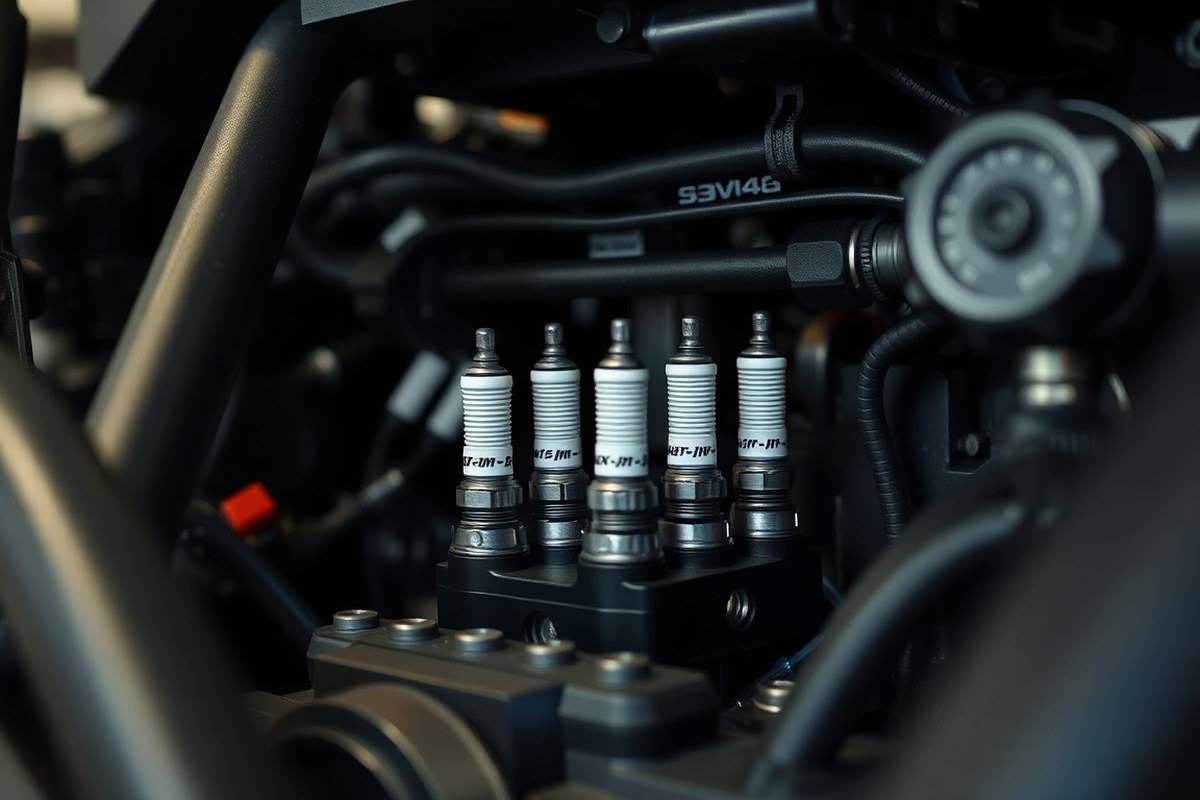
Can Am x3 Spark Plugs: Best Choices, Replacement Steps, and Key Specs
Can Am X3 spark plugs recommended are genuine NGK Laser Iridium LMAR9AI-8D or Brisk Silver Racing plugs for high performance and longevity. These plugs match OEM specs, handle turbo boost well, and resist fouling under tough conditions. Start by choosing a complete set of three to service your entire 3-cylinder engine properly.
Key Takeaways
- Change Can Am X3 spark plugs every 18,000 miles or 30,000 kilometers for optimal engine health.
- Use spark plugs with trivalent metal plating to prevent thread galling in aluminum heads.
- Silver electrode plugs excel under high boost and vibration, ideal for racing or turbocharged X3 models.
- Only purchase spark plugs sold in matching sets of three for complete engine service.
- Replacing all plugs simultaneously ensures balanced performance and consistent ignition timing.
- Inspect spark plugs regularly for fouling from fuel blends like ethanol, methanol, or E85.
What Spark Plugs Are Recommended for the Can-Am X3?

The Can-Am Maverick X3 typically uses spark plugs designed for high-output turbocharged engines that withstand improve combustion pressures and temperatures. Genuine OEM spark plugs for this UTV include NGK Laser Iridium models, specifically the LMAR9AI-8D. These plugs feature a laser-welded fine-wire iridium center electrode and a platinum-tipped ground electrode, offering excellent durability and consistent performance under boost.
Beyond OEM options, Brisk Turbo Racing plugs are a popular choice in the aftermarket segment. They are engineered for forced-induction engines like the X3 turbo models, focusing on vibration resistance, reduced fouling, and durability at high cylinder pressures. Among Brisk plugs, the Silver Racing variant stands out for its silver center electrode, which provides superior thermal and electrical conductivity, pulling heat away faster than iridium or platinum electrodes. This can help the engine manage heat loads better during extended high-RPM runs or racing conditions.
Replacing Can-Am X3 spark plugs with high-quality iridium or silver electrode plugs directly impacts engine smoothness and combustion quality. Iridium plugs excel in longevity, resisting wear even in tough conditions, while silver electrode plugs excel at heat dissipation, reducing the risk of overheating in extreme boost scenarios. Both types replace OEM parts with part numbers including 415130363, 715900492, 90526, and the NGK LMAR9AI-8D, ensuring compatibility without modifications.
| Model | Type | Center Electrode | Applications | OEM Part Numbers Replaced | Price Range (Set of 3) |
|---|---|---|---|---|---|
| NGK Laser Iridium LMAR9AI-8D | OEM Replacement | Iridium | All Can-Am Maverick X3 Turbo Models (2017, 2026) | 415130363, 715900492, 90526 | $50, $60 |
| Brisk Turbo Racing Silver Racing | Aftermarket Racing | Silver | High-Boost, Racing, Extreme Conditions | OEM Equivalent (Direct Fit) | Approx. $53 |
Choosing the right spark plug depends on your Maverick X3’s use case. If you primarily ride in stock or lightly modified conditions, NGK Laser Iridium plugs offer reliable service life with excellent fouling resistance. For riders pushing high boost pressures, upwards of 40 psi or more, or running sustained racing RPMs, the Brisk Silver Racing plugs help maintain spark stability and prevent heat-induced misfires or fouling.
Purchasing a set of three plugs ensures your entire 3-cylinder engine is equally serviced. Expect to pay around $50 to $60 for genuine NGK sets, while the Brisk racing set costs about $53. Both plug types come with anti-galling plating on the threads to protect your aluminum cylinder heads, simplifying installation and removal.
How Often Should Spark Plugs Be Changed on the Can-Am X3?

For the Can-Am Maverick X3, spark plugs should generally be replaced every 25 to 30 hours of engine use or about every 600 to 1,000 miles under normal conditions. More aggressive driving, such as racing or frequent turbocharged runs, will require changing them sooner to maintain peak engine performance and prevent damage. Recognizing the signs of spark plug wear can help you decide exactly when replacement is necessary.
Recommended Replacement Intervals by Usage
The factory service schedule suggests changing spark plugs every 25, 30 engine hours during common trail or recreational riding. This range typically translates to around 600 to 1,000 miles, depending on terrain and throttle use. For extended trail rides or daily use in typical off-road conditions, sticking to this interval balances cost and engine reliability.
Riders who push the turbocharged Can-Am X3 hard, especially on racing circuits or aggressive trail segments, should reduce this interval to around every 10, 15 hours of operation. The higher combustion temperatures and pressures put extra stress on plugs, accelerating wear. Checking plugs more frequently during racing seasons is a good practice to avoid misfires or engine damage.
How Driving Conditions Affect Spark Plug Life
Dry, dusty environments can result in fouled spark plugs with carbon buildup, causing misfires at lower mileages or hours. In contrast, consistently wet or muddy conditions can lead to corrosion on the electrode and gaps. High-altitude riding may also require more frequent inspections because air-fuel mixtures differ and can affect spark plug wear rates.
Turbocharged Can-Am X3 variants, including the Turbo RR models with up to 200 horsepower, experience hotter combustion chambers, which increase the risk of melted electrodes or pre-ignition damage. This scenario makes timely plug checks important to avoid expensive engine repairs.
Signs Your Spark Plugs Need Replacement
Watch for reduced engine power, rough idling, difficulty starting, or increased fuel consumption as early symptoms of worn plugs. Visual inspection reveals dark carbon deposits, worn electrode edges, or gap erosion beyond specifications, usually 0.028 to 0.031 inches for the Can-Am X3’s stock plugs. Cracks or blistering on the ceramic insulator also indicate plug failure.
Perform a visual check after every 20 hours of hard use and at least once a year for casual riders. Using a spark plug gap gauge helps detect gap changes that can disrupt optimal firing. Plug fouling can also cause the engine to hesitate under acceleration, which is another sign to replace them.
Costs and Practical Replacement Tips
Spark plugs suitable for the Maverick X3 typically cost between $8 to $15 each, with the engine needing one plug per cylinder (3 plugs total). Replacement is straightforward but should be done with the engine cold to avoid damage to the cylinder head threads. Using a torque wrench is important to tighten plugs to the manufacturer’s specification, generally around 13 lb-ft.
After installing new plugs, clear any diagnostic trouble codes if applicable and test the engine’s operation. Expect smoother starts and steadier throttle response. Avoid over-tightening, which can strip threads or crack the plug porcelain, as this creates a costly repair.
Always change spark plugs with a cold engine and use a torque wrench set to the OEM recommended value to prevent thread damage or porcelain cracking.
How to Replace Spark Plugs on Your Can-Am X3
Replacing the spark plugs on your Can-Am X3 involves a straightforward process that can take about 30 to 45 minutes with the right tools. The spark plugs are located on the engine, accessible by removing the engine cover, making replacement manageable with basic mechanical experience.
Required Tools and Materials
You will need a spark plug socket (5/8 inch or 16 mm), a 3/8 inch drive ratchet, and an extension bar to reach the plugs. A torque wrench is recommended for proper tightening. Also, have a spark plug gap gauge, dielectric grease, and new spark plugs designed for your specific Can-Am X3 model. Optional items include a clean rag or compressed air to clear debris around the spark plugs, and a spark plug boot puller to ease removal without damaging the ignition wires.
Step-By-Step Spark Plug Removal and Installation
Follow these steps to replace the spark plugs efficiently. Work on one plug at a time to avoid mixing up the ignition sequence.
- Remove the engine cover by unscrewing the bolts securing it, exposing the spark plug wells on the engine.
- Use compressed air or a rag to clean any dirt or debris from around the spark plug wells to prevent contaminants from entering the cylinders.
- Disconnect the spark plug wire boot by pulling straight out with your hand or using a boot puller to avoid damaging the wire.
- Attach the spark plug socket to the extension and ratchet, then carefully loosen and remove the old spark plug by turning counterclockwise.
- Check the gap on the new spark plug using a gap gauge and adjust it to the manufacturer’s specification if necessary (typically between 0.028 and 0.032 inches for Can-Am X3 models).
- Apply a small amount of dielectric grease inside the spark plug boot to ensure a good electrical connection and prevent moisture intrusion.
- Thread the new spark plug into the cylinder by hand to avoid cross-threading, then tighten it with the torque wrench to about 18 lb-ft (24 Nm) as recommended for Can-Am engines.
- Reconnect the spark plug wire boot securely over the new plug, then repeat the process for each remaining spark plug before reinstalling the engine cover.
Safety Precautions During Replacement
Ensure the engine is cool to the touch before starting the replacement to prevent burns. Disconnect the battery to avoid accidental electrical shocks, especially when handling ignition components.
Handle the spark plugs carefully to avoid dropping them, as the ceramic insulator can crack and cause malfunctions. Keep your work area clean to prevent debris from entering the engine during plug removal and installation.
Understanding Spark Plug Specifications for the Can-Am X3
The correct spark plug gap for the Can-Am X3 typically falls around 0.028 to 0.031 inches. This gap ensures that the spark fires efficiently, producing a strong ignition without requiring excessive voltage from the ignition system. A gap too wide can cause misfires or weak sparks, especially under the high boost pressure and quick throttle transitions common to the X3’s turbocharged engine. Checking and adjusting the gap with a feeler gauge before installation is important for consistent performance.
Heat range describes how quickly a spark plug transfers combustion heat from its tip to the engine head. The Can-Am X3 requires spark plugs with an appropriate heat range to avoid pre-ignition or fouling. A plug that gets too hot will cause knocking or damage, while one that runs too cold will foul with carbon, especially during technical crawling or cold starts. High-conductivity copper cores found in some spark plugs help dissipate heat rapidly, preventing hot spots that cause early ignition, which is important for the X3’s high-performance turbo engine.
SPED technology stands for Spark Plug Electrode Design. This refers to features like the shape, size, and materials of the electrodes designed to optimize spark delivery and durability. For the Can-Am X3, premium dual-precious-metal electrodes minimize erosion and reduce firing voltage demands. This leads to longer service life and reliable spark initiation, even under high boost pressure. SPED technology also improves anti-fouling resistance, helping maintain stable ignitions during cold starts and slow-speed maneuvering where combustion conditions vary.
The electrode materials best suited for turbocharged engines like the X3’s include platinum and iridium alloys. These precious metals resist wear, reducing electrode gap growth over time. Iridium, in particular, withstands the extreme temperatures and pressures in a turbo engine’s combustion chamber. Combining these materials in a dual electrode setup, such as an iridium center with a platinum ground electrode, offers high durability and consistent spark performance. These materials also allow for a smaller electrode size, which improves spark intensity and ignition reliability without sacrificing lifespan.
Understanding spark plug parts helps clarify these specs. The center electrode, at the core of the plug, carries the high voltage and produces the spark by jumping the gap to the ground electrode. A copper core inside the center electrode improves thermal conductivity, quickly pulling heat away from the combustion area. Around these electrodes lies the ceramic insulator, which isolates the high voltage. The precise gap between the electrodes and the heat range of the plug must match the engine’s demand to optimize combustion, power, and longevity.
Why Choose Racing or Silver Electrode Spark Plugs for the Can-Am X3?
Upgrading to racing spark plugs for your Can-Am Maverick X3 can improve performance, especially under high rpm and boosted conditions. Racing plugs feature a finer or differently shaped center electrode that delivers a hotter spark, promoting faster and more complete combustion. This helps the engine respond better to increased throttle and improve throttle crispness. These plugs also typically resist fouling better, which is important when pushing the X3 hard in off-road or competitive settings.
Silver electrode plugs use silver, a metal with the highest electrical conductivity, for the center electrode. This conductivity reduces voltage requirements to generate a spark, resulting in more consistent ignitions. Silver electrodes also dissipate heat faster than typical copper plugs, which can prevent overheating and reduce the chances of pre-ignition or detonation during aggressive driving. For the X3’s turbocharged engine, this heat management is beneficial under heavy load or steep hill climbs where temperatures spike.
Racing plugs tend to cost more than standard or even copper plugs, sometimes 20% to 50% higher per unit because of specialty materials and design. Installing them is the same process as standard plugs: remove the old spark plug with a proper socket, check and gap the new plug as recommended (usually 0.024 to 0.028 inches for the X3), then hand-tighten and torque it to about 18 ft-lbs. The material and design differences mean you should inspect these plugs more frequently, around every 10 to 15 hours of riding instead of the typical 25 hours for stock plugs, to check wear and fouling.
Choosing between racing and silver electrode plugs depends on your riding style and engine setup. If you run your Maverick X3 mostly on trails or moderate terrain, the stock iridium or copper plugs suffice and last longer with less maintenance. For aggressive riders who race, do serious hill climbs, or run modified engines with higher boost or fuel flow, racing plugs offer better spark consistency and heat resistance. Silver electrode plugs serve as a middle ground, offering improved heat control and spark efficiency without the full cost of racing plugs.
Be cautious with plug gaps when switching to racing or silver spark plugs. Use a feeler gauge to confirm the gap matches your engine’s needs and adjust if necessary. Incorrect gaps affect ignition quality, fuel economy, and can cause misfires or power loss. Also, these plugs perform best with matching high-performance ignition systems to fully use their spark efficiency. Running expensive racing plugs on a stock ignition coil may not yield noticeable benefits.
Always torque new spark plugs to the manufacturer’s specification to avoid damage; over-tightening can crack the porcelain, while under-tightening risks poor combustion sealing.
How Fuels and Engine Conditions Affect Spark Plug Choice
Fuel type and engine conditions significantly impact spark plug performance and lifespan on your Can-Am Maverick X3. Ethanol blends, like E85, and race fuels tend to run hotter and can cause spark plugs to wear faster. These fuels increase cylinder temperatures and combustion pressure, which demands spark plugs with higher heat ranges and better heat dissipation capabilities. Standard plugs often fail early under these conditions, while plugs with a pure alumina silicate ceramic insulator and tapered ground electrodes handle these stresses better due to superior heat transfer and mechanical strength.
Turbocharged engines on Can-Am Maverick X3 models, especially the Turbo R and Turbo RR with 172 to 195 horsepower, operate under higher cylinder pressures. This environment calls for spark plugs designed to endure intense thermal and mechanical loads. High-performance plugs used in racing, which have integrated tapered ground electrodes, are built to maintain firing reliability at high RPMs and under vibration. They reduce fouling risks, even when the combustion mix is rich or more volatile fuels like methanol or nitrous are in use.
Choosing the right spark plug depends on the boost level and fuel. For moderate boost and pump gasoline, standard heat range plugs generally suffice. When running E85 or race fuel blends at higher boost, upgrade to plugs with a hotter heat range and improve ceramic insulators to avoid pre-ignition and fouling. Drivers using methanol or nitrous should switch to plugs specifically designed for those fuels, as they typically demand colder plugs due to their cooling effect but require good durability against electrode wear.
Preventing spark plug fouling involves tuning your fuel/air mixture carefully to match your chosen fuel and conditions. Lean mixtures cause overheating and electrode wear, while rich mixes leave carbon deposits and wet fouling on the plug. Regularly inspect plugs after rides to check for black soot indicating fouling or white blistering showing overheating. Cleaning faulty plugs is often a short-term fix; replacing plugs designed for your fuel and boost conditions is a more reliable solution.
Maintaining proper ignition coil saturation is important in high-RPM racing situations, where fuel blends and turbo boost strain ignition systems. Plugs that fire consistently even during fouling reduce misfires and maintain power output. Expect high-performance racing plugs to cost more, $15 to $25 each, but they provide longer service life and better reliability under harsh desert or trail riding conditions. Standard plugs may cost half as much but fail sooner in forced-induction or alternative fuel setups.
In summary, select spark plugs for the Can-Am X3 based on your fuel type and turbo pressure. Use hotter plugs with superior ceramics for ethanol, race fuels, and high boost to handle increased cylinder temperatures and prevent fouling. Keep your ignition system in check and monitor plug condition regularly to ensure optimal performance and engine longevity.
Common Spark Plug Installation Mistakes and How to Avoid Them
One of the most frequent mistakes when installing spark plugs in a Can-Am Maverick X3 is setting the incorrect gap between the electrodes. The gap affects the spark’s intensity and engine performance. Using a gap tool or feeler gauge calibrated to the Can-Am X3 specifications ensures a precise gap, usually around 0.028 to 0.032 inches for this engine. Too wide a gap can cause misfires and hard starting, while too narrow reduces spark energy, leading to sluggish throttle response.
Another common error involves the torque applied during installation. Over-tightening spark plugs can damage the cylinder head threads or even crack the plug’s ceramic insulator. Under-tightening can lead to poor heat transfer and leaks. Use a torque wrench set to the manufacturer’s recommended range, typically between 18 to 22 foot-pounds for the Can-Am X3 plugs. Tighten plugs finger-tight first, then use the wrench to apply the exact torque gradually. This prevents thread stripping and ensures proper sealing.
Cross-threading the spark plugs is a risk if you don’t start screwing them in carefully. The tapered metal threads can strip or gall if forced at an angle. Start by hand-threading plugs gently until they feel seated, then switch to a wrench. If you feel resistance or roughness early, back out and retry. Thread galling happens when metal surfaces rub and deform threads, which special anti-seize coatings on spark plug threads can prevent. These coatings reduce friction and protect expensive cylinder head threads from damage during installation and removal.
Using the wrong spark plug type or heat range for your Can-Am X3 can cause overheating, fouling, or engine knocking. Always confirm the plug model matches your engine’s specifications and expected conditions. Racing plugs or those with silver electrodes require careful matching because their different heat dissipation affects ignition timing and stability. Avoid plug models not approved for off-road use or the X3’s turbocharged setup.
- Check and set the spark plug gap precisely before installation with a feeler gauge.
- Start threading plugs by hand to avoid cross-threading.
- Use a torque wrench and tighten plugs to 18-22 ft-lbs as specified.
- Apply a thin layer of anti-seize compound if plugs lack factory coating.
- Verify plug model and heat range match Can-Am X3’s recommended specs.
- Replace plugs when visibly worn, damaged, or after the recommended service interval.
Correct spark plug installation avoids engine damage, reduces misfires, and sustains performance. A properly torqued plug fits snugly to transfer heat from the combustion chamber to the cylinder head, maintaining reliable idle and throttle response. Failure to follow these steps increases the risk of costly repairs or engine issues, as the X3’s high-performance turbocharged engine operates within tight ignition and thermal tolerances.
How to Inspect and Maintain Spark Plugs for Long Engine Life
Inspecting and maintaining the spark plugs on your Can-Am X3 is essential for keeping its Rotax 900 ACE Turbocharged 3-Cylinder engine running smoothly and reliably. Regular checks help detect wear, fouling, or incorrect gaps that can reduce engine performance or cause coil stress. Proper cleaning and adjustment prolong both plug and ignition system life, while timely replacement prevents breakdowns and costly repairs.
Visual Signs of Wear and Fouling
Start by removing each spark plug carefully after the machine has cooled down. Look for deposits on the electrode and insulator tip. A light tan or grayish color usually means the plug is healthy and firing correctly. Black, sooty deposits indicate carbon fouling, often caused by a rich air-fuel mixture or clogged air filter. Oily deposits suggest an oil leak inside the combustion chamber, while white, blistered insulators point to overheating.
Check the electrode for rounding, pitting, or erosion. Worn electrodes cause weak sparks that reduce combustion efficiency. Also, examine the ceramic for cracks or chips, as damaged insulators can cause misfires. Spark plugs that look normal after cleaning but repeatedly show fouling signs may signal engine tuning issues or fuel problems.
Cleaning and Gapping Spark Plugs
Cleaning fouled spark plugs can restore performance but should be done cautiously. Use a soft wire brush or non-metallic abrasive to gently remove carbon deposits from the electrode and insulator. Avoid harsh sandblasting, which may damage the plug. After cleaning, blow off debris with compressed air. Cleaning might only extend the plug’s life if fouling is minor and recurring problems are addressed.
Adjust the spark plug gap using a quality wire gauge or feeler tool. The proper gap for the Can-Am X3 plugs usually ranges from 0.028 to 0.031 inches, but confirm this from your specific model’s specs. To adjust, gently bend the ground electrode outward or inward until the gap matches your measurement tool’s thickness. A consistent gap ensures reliable ignition and reduces coil stress, helping prevent premature ignition system wear.
Always double-check and set the plug gap before reinstalling; an incorrect gap can cause misfires that harm engine performance and increase wear on ignition components.
When to Replace Versus Maintain
Replace spark plugs if the electrode is worn down past specifications or if cleaning does not restore good firing conditions. Damage such as cracked insulators, significant pitting, or persistent fouling despite engine tune-ups indicates it’s time for new plugs. Using plugs beyond their effective life risks misfires, poor throttle response, and increased fuel consumption.
Maintenance extends plug life when fouling is light or caused by temporary conditions, like short-term rich running during breaks in riding. Regular gap checks and cleaning every few hundred miles can help you avoid early replacements. However, the Rotax turbocharged engine runs hot, so timely replacement is often the safest choice to maintain optimum performance and protect ignition coils and leads.
Step-by-Step Action Plan for Your Can-Am X3 Spark Plugs
Follow these steps to choose, install, and maintain the best spark plugs for your Can-Am X3, ensuring reliable performance and engine longevity.
- Before your first ride: Check your owner’s manual for the recommended spark plug type and gap specs to match your engine and riding style.
- Day 30 (after initial use): Inspect the installed spark plugs for proper gap and signs of fouling or wear to confirm correct installation and fuel compatibility.
- Every 50 hours of riding: Clean or replace spark plugs depending on their condition. Clean plugs should be free of deposits and wear; replace if electrodes are worn or damaged.
- Before intense rides or racing: Consider upgrading to racing or silver electrode plugs to improve spark efficiency under high stress and engine heat.
- After changing fuel type or tuning: Inspect and adjust spark plugs to match the new engine conditions, especially if you use higher octane or different mixtures.
- Every 100 hours or annually: Replace spark plugs with fresh ones that meet OEM or recommended aftermarket specs to maintain peak engine performance.
- After every replacement: Verify proper torque during installation (check your service manual) to avoid misfires or damage and ensure a long service life.
Frequently Asked Questions
How Many Spark Plugs Does a Can-Am X3 Take?
The Can-Am X3 uses three spark plugs, one for each cylinder in its 3-cylinder engine. This is important to know when ordering parts or planning maintenance to keep the engine running smoothly.
Can I Use Racing Spark Plugs on My Can-Am X3?
Yes, racing spark plugs like Brisk Turbo Racing can be used for better performance under high stress. They handle high cylinder pressure and vibration typical in the Maverick X3’s turbocharged engine.
What Is the Correct Number for Can-Am Maverick X3 Spark Plugs?
The common spark plug number for the Can-Am Maverick X3 is NGK LMAR9AI-8D. This model suits turbocharged engines and provides reliable ignition with the right heat range.
How Often Should I Change the Spark Plugs on My Can-Am X3?
Change your spark plugs every 20,000 to 25,000 miles or if you notice rough idling or poor performance. Regular checks ensure your engine stays efficient and prevents fouled plugs.
Which Spark Plug Is Recommended for the Can-Am X3?
NGK Laser Iridium plugs LMAR9AI-8D are recommended for the Can-Am X3 turbo models. They have features like trivalent metal plating to resist thread galling and rapid heat dissipation to extend spark plug life.
Can I Reuse Spark Plug Gaskets When Servicing My Can-Am X3?
It’s best to replace spark plug gaskets each time to ensure a proper seal. Reusing gaskets can cause compression leaks and affect engine performance.
The Bottom Line
Choosing the right spark plugs and maintaining them on schedule keeps your Can-Am X3 running strong and responsive. Regular checks give you the chance to catch wear or fouling before it affects riding. Start by inspecting your current plugs today and plan replacements based on usage for smooth performance in every ride.