Are Jeep Gladiators Reliable? What to Expect and How to Choose
Are Jeep Gladiators reliable? Overall, yes, most models offer strong performance and durability that make them suitable for both off-road and daily driving. Choosing the right transmission and staying on top of maintenance are key to maximizing reliability and ownership satisfaction. Opt for the eight-speed automatic transmission over the manual to avoid common issues reported in manual versions, and maintain regular servicing to extend vehicle life.
Key Takeaways
- Prioritize Gladiator models with the eight-speed automatic transmission for better reliability after 30,000 miles.
- Avoid earlier manual-transmission Gladiators due to recalls and mechanical concerns.
- Regular maintenance significantly improves the lifespan and dependability of your Gladiator.
- Model years 2018 to 2023 have recalls; check for updates before purchase.
- Higher trims and optional packages can raise purchase cost but don’t necessarily impact reliability.
- Gladiators are known for high towing capacity, up to 7,700 pounds when properly equipped.
Are Jeep Gladiators Reliable Overall?

The Jeep Gladiator is generally considered reliable, especially when compared to other midsize trucks, but it has some notable caveats. Its overall score of 8.6 out of 10 in the midsize pickup segment underlines solid performance and user satisfaction. Gladiators excel in off-road capability and towing capacity, with a top tow rating of about 7,700 pounds when properly equipped, which is among the highest in its class. This strength appeals to buyers who value ruggedness and versatility.
Owner feedback highlights the drivetrain as a strong point, particularly when paired with the eight-speed automatic transmission. This setup tends to deliver smoother shifts and better fuel efficiency than the manual option, which has seen some recalls and is less favored by most users. Suspension systems generally perform well off-road, although some owners mention that on-road ride quality and interior refinement lag behind competitors. For example, interior rattling has been a common complaint regardless of model year, indicating a trade-off between tough off-road build and everyday comfort.
Compared to rivals like the Toyota Tacoma or Ford Ranger, the Gladiator stands out for its combination of truck utility and Jeep-style adventure. However, the Gladiator’s reliability mix is improving rather than flawless. Gradual updates by Jeep based on owner input have helped address earlier issues, boosting confidence in newer models such as the 2026 version, which ranks fifth in its category. Still, the Gladiator experiences recalls affecting manual transmissions and diesel engines, which can concern prospective buyers who prioritize drivetrain dependability.
Maintaining a Gladiator involves regular upkeep typical of a midsize truck with off-road use. Costs vary but expect routine expenses for oil changes, brake pads, and suspension inspections to be comparable to other midsize pickups. Good results come from sticking closely to Jeep’s maintenance schedule and choosing the automatic transmission when possible, as it reportedly reduces drivetrain wear. Problems tend to arise after higher mileage thresholds, so active care can extend vehicle longevity considerably.
In summary, the Jeep Gladiator’s reliability rating reflects a vehicle designed more for capability and character than polished daily driving. Its rugged mechanical components perform well in rough conditions, and owner feedback is mostly positive about drivetrain and suspension durability. The trade-offs include some interior quality issues and the potential for recalls in select powertrain configurations. The Gladiator suits those willing to balance its adventurous spirit with the need for diligent maintenance and selective model year choices.
What Are the Most Common Jeep Gladiator Problems?
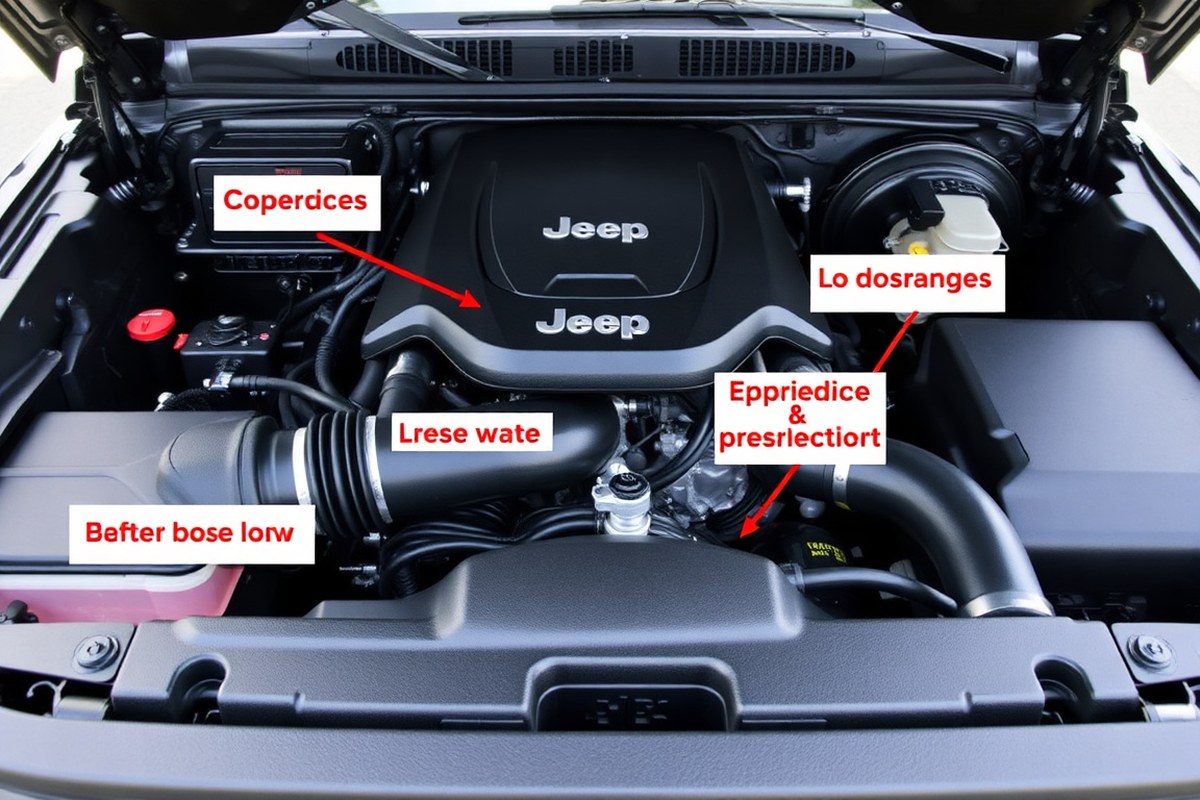
Jeep Gladiators often face a few recurring problems buyers should know before committing. Mechanical issues, especially in models equipped with manual transmissions, have drawn attention. Specifically, a recent recall addressed clutch and six-speed manual transmission faults, requiring dealers to inspect and potentially replace the clutch assembly. This means if you own or buy a manual Gladiator, keeping an eye on clutch performance is important. Costly repairs might stem from neglecting early signs like slipping gears or unusual noises when shifting.
Electrical and infotainment troubles are also frequent complaints. The Uconnect system, notably the upgraded 8.4-inch touchscreen with Alpine audio, can suffer glitches that interfere with usability. These may manifest as freezing screens, unresponsive controls, or loss of Bluetooth connectivity. Since these issues can disrupt daily use and convenience, updating software regularly and resetting the system as recommended by Jeep helps maintain smooth operation. Electrical quirks extend beyond just infotainment, owners report occasional problems with sensors and warning lights, which should not be ignored as they can lead to larger concerns.
Aside from software, some build quality inconsistencies affect practicality, such as rattles from doors or the removable hard top. These rattles can especially bother drivers using the Gladiator’s open-air features frequently. Tightening fasteners and replacing worn weatherstripping typically resolves most noises but requires attention after off-road trips due to increased vibration. The rugged design comes at the cost of occasional fit-and-finish issues compared to more polished pickups.
Automatic transmissions generally experience fewer problems than manuals, making them a more reliable choice if low-maintenance ownership is a priority. Maintenance costs for mechanical and electrical repairs can run several hundred dollars per visit, depending on whether you handle minor fixes yourself or need dealer service. For example, Volkswagen’s handbook-style recalls on manual transmission units highlight the importance of timely service to avoid bigger expenses later.
Check for software updates on your Uconnect system regularly, and schedule clutch inspections if you own a manual Gladiator to avoid unexpected repair bills.
Which Jeep Gladiator Model Years Should You Avoid?
Generally, you should approach early 2020 Jeep Gladiator models with caution due to their initial teething issues and limited features compared to later years. Mid-generation updates addressed some shortcomings from the debut year, making 2021 and later models more reliable and user-friendly. The 2024 refresh introduced noticeable improvements, resulting in the most refined Gladiators yet, though it’s important to review recall history as some issues persist across model years.
Early 2020 Models’ Strengths and Weaknesses
When Jeep launched the Gladiator in 2020, it earned praise for delivering a distinctive off-road experience and winning the 10Best award. Early models, especially the Mojave, featured strong off-road credentials and unique capabilities such as a high-speed rear differential locker introduced in 2021 but absent in 2020 versions. However, first-year Gladiators showed some flaws including uncomfortable ergonomics, a small pickup bed, and on-road performance that lagged behind midsize truck competitors.
Reliability concerns with early models included a limited suite of standard safety features and some recalls affecting basic components. Noticeably, these vehicles did not include the more advanced driver assistance systems found in newer years, and headlight performance was rated poorly, a common complaint among reviewers.
Mid-Generation Updates and Impact
Jeep addressed some of the initial concerns when it updated the Gladiator for the 2021 and 2022 model years. Enhancements focused largely on the drivetrain and off-road technology, including the addition of high-range four-wheel-drive rear differential lockers in Mojave trims. These improvements upgraded traction at higher speeds and increased overall drivability for off-road enthusiasts.
Beyond mechanics, incremental comfort and convenience upgrades helped make Gladiators easier to use daily. Ergonomics improved slightly, and new trims with more features became available to suit different needs without sacrificing ruggedness. Recall activity during these years was relatively moderate and mainly involved software updates or minor component fixes. These updates led to better reliability scores and fewer complaints from owners compared to 2020.
Latest Generation (2024, Present) Reliability
The 2024 refresh brought the most significant changes to the Gladiator, refining the platform without altering its core off-road personality. Upgrades included modernized interiors, updated technology, and improve safety features. These changes made newer Gladiators more comfortable and road-friendly without compromising their trail capabilities. Reliability data indicate fewer mechanical issues, reflecting Jeep’s learning curve from earlier years.
Recalls still occur but tend to be less frequent or severe, primarily involving electronics or emissions components. The newer models, including the 2026 Shadow Ops edition, come with factory-installed winches and heavy-duty bumpers, showing Jeep’s commitment to improving durability. Newer Gladiators consistently offer better owner satisfaction and represent safer bets for buyers seeking a capable midsize pickup with proven dependability.
| Aspect | 2020 Model | 2021, 2023 Models | 2024, Present Models |
|---|---|---|---|
| Rear Differential Lock | Not available | High-range lock available on Mojave | Standard or improved |
| Safety and Driver Assistance | Basic, some recalls | Improved features, moderate recalls | Improve, fewer recalls |
| Interior Comfort and Ergonomics | Uncomfortable for some users | Incremental improvements | Notably refined and modernized |
| Off-Road Capability | Strong, foundational | Improved | Maintained with added technologies |
| Headlight Rating | Poor | Improved but variable | Better technology, improved ratings |
This table highlights that earlier Gladiators had some key limitations, especially with rear differential locking and basic safety technology. Updates after 2020 progressively closed these gaps, making newer models more reliable and easier to live with day to day. When deciding on a used Gladiator, choosing a model from 2021 or later generally offers better reliability and fewer headaches.
How Long Do Jeep Gladiators Typically Last?
Jeep Gladiators typically last between 150,000 and 200,000 miles with proper maintenance. Their longevity depends heavily on driving habits, service frequency, and terrain use. Knowing what to expect at different mileage points helps you judge a Gladiator’s remaining life and plan repairs accordingly.
Typical Mileage Milestones and Maintenance Needs
The first 30,000 miles are critical for routine checks and establishing good maintenance habits. Standard service like oil changes every 7,500 miles, tire rotations, and brake inspections set the stage for long-term durability. After about 60,000 miles, components such as the timing chain, suspension bushings, and cooling system should receive closer attention to prevent wear-related failures.
Between 100,000 and 150,000 miles, expect to replace heavier parts including the alternator, water pump, and potentially the clutch on manual models. These milestones serve as a checklist for essential upkeep to avoid costly repairs down the road.
- Oil changes every 7,500 miles or 6 months
- Tire rotation and brake inspection every 10,000 miles
- Timing chain and suspension check around 60,000 miles
- Coolant flush and replacement at 100,000 miles
- Alternator and water pump replacement between 100,000 and 150,000 miles
- Clutch inspection for manual transmissions at 120,000 miles
Tracking service records in a log or app can alert you when each milestone approaches, helping you judge your Gladiator’s health and estimate remaining life.
Common Repairs Linked to Mileage
Repairs tend to cluster at specific mileage intervals. Around 30,000 miles, owners commonly report minor electrical glitches and suspension noises, which are often fixable with software updates or part replacements. By 60,000 miles, drivetrain components such as the transfer case seal and axle joints may require servicing or replacement.
Past 100,000 miles, watch for more significant repairs like alternator failure, overheating issues from radiator leaks, and premature brake wear. Labor and parts costs for these jobs vary but expect $500 to $1,200 depending on the part and labor shop rates. Promptly addressing these repairs keeps your Gladiator running well beyond 150,000 miles.
Usage and Terrain Effects on Longevity
Driving mainly on paved roads results in a longer lifespan for your Gladiator compared to frequent off-road use. Off-roading exposes the vehicle to harsher conditions: rough terrain, water crossings, and constant vibration. These increase wear on suspension components, underbody parts, and drivetrain seals.
Monitoring after off-road trips is important. Perform quick inspections of the skid plates, shock absorbers, and axle seals for damage or leaks. A detailed check-up after every 5,000 miles of rough terrain can detect problems early and avoid unexpected breakdowns.
- Inspect suspension and shocks after off-road use
- Check for underbody damage or water intrusion regularly
- Replace fluid seals proactively in wet or muddy conditions
- Adjust tire pressure to reduce wear on hard surfaces
Keeping ride quality and suspension tuning appropriate for your primary terrain will improve both reliability and comfort throughout your Gladiator’s lifespan.
How Does Maintenance Affect Jeep Gladiator Reliability?
Regular maintenance has a direct impact on Jeep Gladiator reliability and ownership costs. Following the recommended service schedule helps avoid breakdowns and extends the truck’s lifespan, while neglecting upkeep can result in expensive repairs. Preventive care keeps components working efficiently, saving you money over time.
Recommended Service Intervals and Tasks
Your Gladiator’s maintenance plan involves specific tasks at set mileage intervals to maintain reliability. Oil and filter changes should happen every 6,000 to 8,000 miles, depending on driving conditions. At 30,000 miles, more detailed inspections and fluid replacements are required to prevent wear-related issues. Typical scheduled services include:
- Oil and oil filter change every 6,000-8,000 miles
- Engine air filter replacement at 30,000 miles
- Transmission fluid and filter service around 30,000 miles
- Transfer case fluid change at 30,000 miles
- Brake system inspection and possible pad replacement
- Tire rotation and replacement as needed
- Suspension checks, especially after off-roading or rough use
Following this schedule reduces the likelihood of common mechanical problems like transmission issues or fluid leaks. Logging each completed service will help ensure nothing gets missed, protecting your investment.
Cost Breakdown for Routine Maintenance
Routine maintenance on a Jeep Gladiator averages a few hundred dollars per visit, varying by service complexity. For example, an oil-and-filter change cost $66 at 27,308 miles, while a full 30,000-mile service including inspections and fluid changes ran about $286. Over time, regular maintenance added up to around $622 after 30,000 miles.
Budgeting for these expenses helps avoid surprise costs from unexpected repairs due to neglected maintenance. Maintenance costs can rise if the vehicle frequently handles demanding tasks like off-roading, which accelerates wear on tires, brakes, and suspension components. Keeping tires properly inflated, avoiding aggressive driving, and cleaning or replacing filters promptly helps reduce maintenance frequency and expenses.
Warranty Coverage Essentials and Limits
Your Jeep Gladiator comes with a basic warranty covering defects and major repairs during the initial years or mileage limits. Common failures like transmission problems are typically addressed under warranty if reported within coverage limits. For instance, a transmission replacement under warranty happened at 8,424 miles but resulted in 29 days out of service, showing that warranty fixes can be time-consuming. Knowing what the warranty covers protects you from significant repair bills early on, but regular maintenance must be followed to keep the warranty valid.
Keep detailed service records to ensure warranty claims are honored and to support resale value.
Warranty services generally cover:
- Defective drivetrain components including transmission and engine
- Electrical system faults
- Factory recalls and safety-related repairs
- Limited corrosion protection for specified years
Routine wear items like brake pads, tires, and fluids are not covered and require out-of-pocket maintenance. After the warranty expires, maintenance and repairs become your responsibility, making preventive care even more critical to reduce long-term costs.
Do Different Gladiator Trims and Configurations Affect Reliability?
Different Jeep Gladiator trims affect reliability mostly through their intended use and powertrain options. For example, the Rubicon and Mojave trims are designed for off-road performance but have different specializations that influence durability. Rubicon models focus on rugged terrain with features like locking differentials and upgraded suspension, while Mojave trims specialize in desert running with reinforced components and a Desert Rated badge.
The choice between manual and automatic transmissions also impacts longevity. The Mojave offers a six-speed manual that lowers towing capacity to 4,500 pounds compared to 6,000 pounds with the automatic eight-speed. The manual transmission might be less suited for heavy towing or frequent highway use, which can cause more wear if drivers exceed the recommended load or usage. The diesel V-6 engine, only available with the automatic transmission and not offered on Mojave trims, provides smoother highway driving and could extend drivetrain life for long-distance or heavy towing users.
| Trim | Base Price | Powertrain Highlights | Towing Capacity | Notable Features |
|---|---|---|---|---|
| Sport S | $43,015 | 3.6L V-6 with standard automatic | Up to 6,000 lbs | Heated mirrors, adaptive cruise control, 17-inch wheels |
| Sahara | $48,115 | Includes Sport S features plus heated seats and leather | Up to 6,000 lbs | Hardtop, 18-inch wheels, automatic climate control |
| Willys | $45,750 | Sport S base, improve off-road features | Up to 6,000 lbs | 32-inch mud-terrain tires, limited-slip rear diff |
| Rubicon | $52,520 | Off-road focused, automatic transmission typical | Up to 6,000 lbs | Lockers, upgraded suspension, off-road tires |
| Mojave | $53,215 | 6-speed manual or $2,000 eight-speed automatic | 4,500 lbs (manual), 6,000 lbs (automatic) | Desert Rated, reinforced frame, sand-optimized suspension |
Payload for all trims generally maxes out at 1,200 pounds, which keeps stress apart from towing capacity manageable. You should match trim choice to your driving needs. If heavy towing or highway endurance matters most, stick with an automatic transmission version like the Sahara or Rubicon and consider the diesel V-6 option for smoother power delivery. For serious desert or off-road driving, Mojave or Rubicon trims offer more durable off-road hardware but with different tradeoffs on transmission and towing.
To evaluate which trim fits your reliability expectations, consider how each is equipped and designed for use. Pay attention to towing limits, going above posted ratings risks accelerated wear. Also, manual transmissions generally require more driver skill to avoid strain but can offer better control in off-road low-speed conditions. Automatic transmissions simplify daily driving and can better preserve drivetrain components over time, especially with heavier loads.
How Does Jeep Gladiator Reliability Impact Resale Value?
Jeep Gladiators typically retain their value better than many midsize trucks, thanks to their unique combination of off-road capability and Jeep branding. This stronger resale value can help lower your overall ownership cost by reducing depreciation, which is the largest expense for most vehicle owners. Buyers looking for used Gladiators often focus on specific model years since changes in steering feel, technology, and comfort affect the driving experience strongly. A well-maintained Gladiator with fewer miles will command a higher price and sell faster than one with common issues.
Resale value depends heavily on reliability because buyers want reassurance that their investment won’t lead to costly repairs soon after purchase. When Gladiators are known for dependable engines, transmission, and suspension systems, demand stays higher, supporting better resale prices. Conversely, trucks with known problems or patchy maintenance records tend to depreciate faster and face slower sales. To prepare a Gladiator for resale or to check one as a buyer, focus on the following checklist that covers key reliability factors and common deal-breakers:
- Inspect for consistent oil changes and documented routine maintenance to ensure proper engine health.
- Check the condition of the tires and brake components, as worn parts can signal neglect or add immediate costs.
- Test all electronics and infotainment systems, since updates and year-to-year changes impact usability.
- Evaluate steering feel and suspension for any looseness or unusual noises that indicate wear or damage.
- Look for signs of rust or frame damage, especially in Gladiators used in harsh environments.
- Verify towing capacity meets your needs, remembering ratings vary by trim and configuration.
- Review any recall completions or service bulletins related to your Gladiator’s model year.
Buyers may hesitate if they encounter unreliable electronics, poor ride comfort compared to newer models, or unclear maintenance histories. Sellers can combat this by offering thorough service records and addressing minor repairs ahead of sale. This transparency builds trust and reduces perceived risk. Accurate pricing aligned with the current market and the truck’s condition helps prevent lengthy listings or forced price drops.
What Practical Steps Extend Jeep Gladiator Lifespan?
Keeping your Jeep Gladiator running smoothly depends heavily on routine maintenance and prompt attention to issues. The Gladiator weighs around 4,500 to 5,200 pounds depending on the model and trim, so its components experience more stress than lighter vehicles. This makes staying on top of service intervals critical for avoiding costly repairs.
Regular oil changes every 6,000 to 7,500 miles help protect the engine from wear and prevent buildup that can cause failures. Use the recommended oil type and filters specified in your owner’s manual. Equally important is checking and replacing the air filter every 15,000 miles or more often in dusty conditions, which can improve fuel economy and engine longevity.
Inspect brakes and tires often since the Gladiator’s weight demands more from these parts. Brake pads should be replaced around 30,000 to 70,000 miles depending on your driving style and conditions. Tires need consistent rotation every 6,000 to 8,000 miles and careful monitoring for uneven wear.
- Change engine oil and filter every 6,000, 7,500 miles using Jeep’s recommended oil
- Swap air filters every 15,000 miles or sooner in dusty areas
- Inspect brake pads at least annually or every 10,000 miles
- Rotate tires every 6,000, 8,000 miles
- Flush coolant every 60,000 miles to avoid overheating
- Check drivetrain fluids (transfer case, differential) every 30,000 miles
- Monitor for unusual noises or leaks and address them quickly
Flushing and replacing the coolant every five years or 60,000 miles prevents corrosion and overheating issues, which can cause severe engine damage. The transfer case and differentials also need their fluids inspected and replaced periodically, around every 30,000 miles. This keeps your four-wheel-drive system and axles functioning reliably during off-road or heavy-duty use.
Many owners report that addressing warning lights or abnormal sounds right away can prevent small issues from escalating. If you notice decreased fuel efficiency, engine misfires, or rough shifts, schedule a professional diagnosis early. Mechanics can catch electronic or mechanical faults that often lead to expensive repairs if ignored.
Ignoring early warning signs or skipping recommended fluid changes can lead to expensive drivetrain and engine damage that could otherwise be avoided.
Following this checklist and consulting a licensed mechanic annually creates a solid defense against common Gladiator problems. Maintenance costs vary but budgeting around $500 to $700 annually on basic upkeep tends to keep your Gladiator reliable. More extensive repairs become less likely when preventive care is consistent. You can also extend component life by limiting heavy towing and off-road use unless you adjust service intervals accordingly.
Your First 30 Days: A Quick-Start Plan for Jeep Gladiator Owners
Start building confidence in your Jeep Gladiator’s reliability with these practical steps. Follow this plan to keep your truck running smoothly and identify any early issues.
- Day 1: Check the owner’s manual to understand your Gladiator’s specific maintenance schedule. Knowing when and what to service helps prevent problems.
- Week 1: Inspect tires, fluid levels, and lights yourself. Look for leaks, uneven tire wear, or warning lights that could signal early issues.
- Week 2: Schedule your first oil change, if due. A clean oil change reduces engine wear and improves long-term reliability.
- Week 3: Test your 4×4 system and other trim-specific features. Make sure all parts are functioning, especially if you have an off-road package.
- End of Month 1: Book a thorough inspection with a trusted mechanic familiar with Jeep Gladiators. Catch minor issues before they grow costly.
- Ongoing: Use a maintenance tracking app or log to record services and repairs. Keeping records helps maintain resale value and ensures nothing gets overlooked.
Frequently Asked Questions
How Many Miles Do Jeep Gladiators Typically Last?
Jeep Gladiators often last over 150,000 miles with proper maintenance. Regular servicing and timely repairs help extend their lifespan significantly.
What Are the Negatives of a Jeep Gladiator?
Negatives include road noise and interior rattles, common even in newer models. Some find on-road refinement lacking compared to other midsize trucks.
Why Are Jeep Gladiators Not Selling Well?
Sales lag partly because of a niche market appeal and strong competition in midsize trucks. Limited fuel efficiency and higher pricing can also deter some buyers.
What Years to Avoid for Jeep Gladiator?
Avoid Gladiator models from 2020 due to recalls on manual transmissions and some diesel engines. Later years show improvements in reliability and features.
Gladiator 4 Years and 116500 Miles Update – Are They Reliable?
At 116,500 miles, a Gladiator can remain reliable with proper upkeep. Watch for common wear items and follow maintenance schedules to avoid issues.
Is the Eight-Speed Automatic Better Than the Manual in Gladiators?
The eight-speed automatic generally offers smoother shifting and better reliability after 30,000 miles. Manuals may appeal to enthusiasts but can have concerns.
Wrapping Up
The Jeep Gladiator can be a reliable workhorse if you stay proactive with maintenance and address issues early. Pay attention to known weak spots specific to model years or trims to avoid surprises. Start by scheduling your next routine service and keep a close eye on your truck’s performance as you put miles on it.