How Often to Replace Shocks: A Complete Guide to Timing and Signs
The replacement schedule for shocks varies mainly based on miles driven and the type of roads. Generally, you want to check them carefully at around 50,000 miles and consider replacing them somewhere between 50,000 and 100,000 miles. Routine inspections can spot wear early enough to maintain both safety and ride quality.
Key Takeaways
- Start inspecting shocks thoroughly by 50,000 miles, even without obvious problems.
- Plan for replacement between 60,000 and 80,000 miles if you drive on rough roads or heavy traffic.
- Replace shocks sooner if you notice any signs of leaking or excessive bouncing.
- Shocks typically wear faster on vehicles frequently driving over potholes, curbs, or uneven terrain.
- Don’t ignore shaking during braking, which often signals worn shock absorbers.
- Replacing shocks on time maintains vehicle stability and braking efficiency.
How Often Should Shock Absorbers Be Replaced?
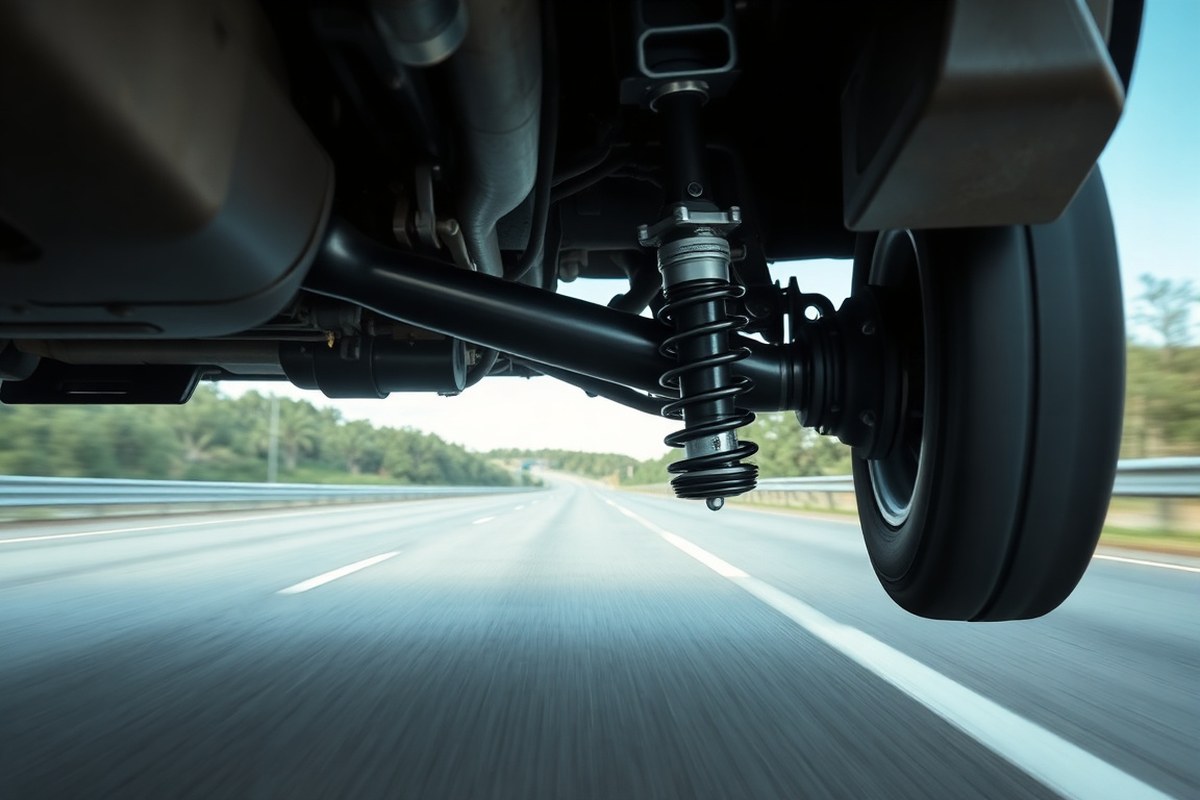
Shock absorbers typically need replacement between 50,000 and 100,000 miles, depending heavily on driving conditions and vehicle use. Most manufacturers and repair shops recommend inspecting shocks starting around 50,000 miles and considering replacement closer to 80,000 to 100,000 miles if they show signs of wear. This range allows for variations in road surfaces, vehicle load, driving habits, and climate, all of which influence shock lifespan.
Driving on smooth highways generally extends shock life since the suspension faces less impact and stress. In contrast, frequently driving on rough or unpaved roads causes shocks to wear out faster, often making replacement necessary before reaching 50,000 miles. Aggressive driving styles with hard braking, rapid acceleration, and sharp cornering also reduce shock longevity by increasing strain on the suspension system.
When shocks are original equipment and have reached high mileage, replacing all four at once ensures balanced handling and prevents uneven wear. This approach improves vehicle stability and can save time and costs compared to replacing only one or two shocks later. For drivers who experience regular city driving with potholes and curbs, shocks commonly start showing meaningful wear between 60,000 and 80,000 miles.
Time is another factor to consider alongside mileage. Even if your vehicle does not reach the upper mileage limits, shocks can deteriorate after 5 to 7 years due to aging seals and exposure to weather, which may cause leaks or loss of damping efficiency. Regular inspections help identify when shocks degrade over time, regardless of miles driven.
When you replace your shocks, check related suspension parts like mounts, bushings, and tires for wear as part of the process. Replacing shocks without correcting these can reduce performance gains and impact safety. Costs vary by vehicle and shock absorber type, but expect to spend between $200 and $800 in parts and labor per axle at a repair shop.
Aim to monitor your shocks starting at 50,000 miles and plan to replace them between 60,000 and 100,000 miles depending on how you drive. Shocks on rough roads or under heavy loads will require replacement closer to the lower end of this range, while smooth highway driving can push that closer to 100,000 miles. Regular inspection ensures you maintain safe handling and ride comfort without unnecessary early replacements.
Key Signs Indicating It’s Time to Replace Shocks
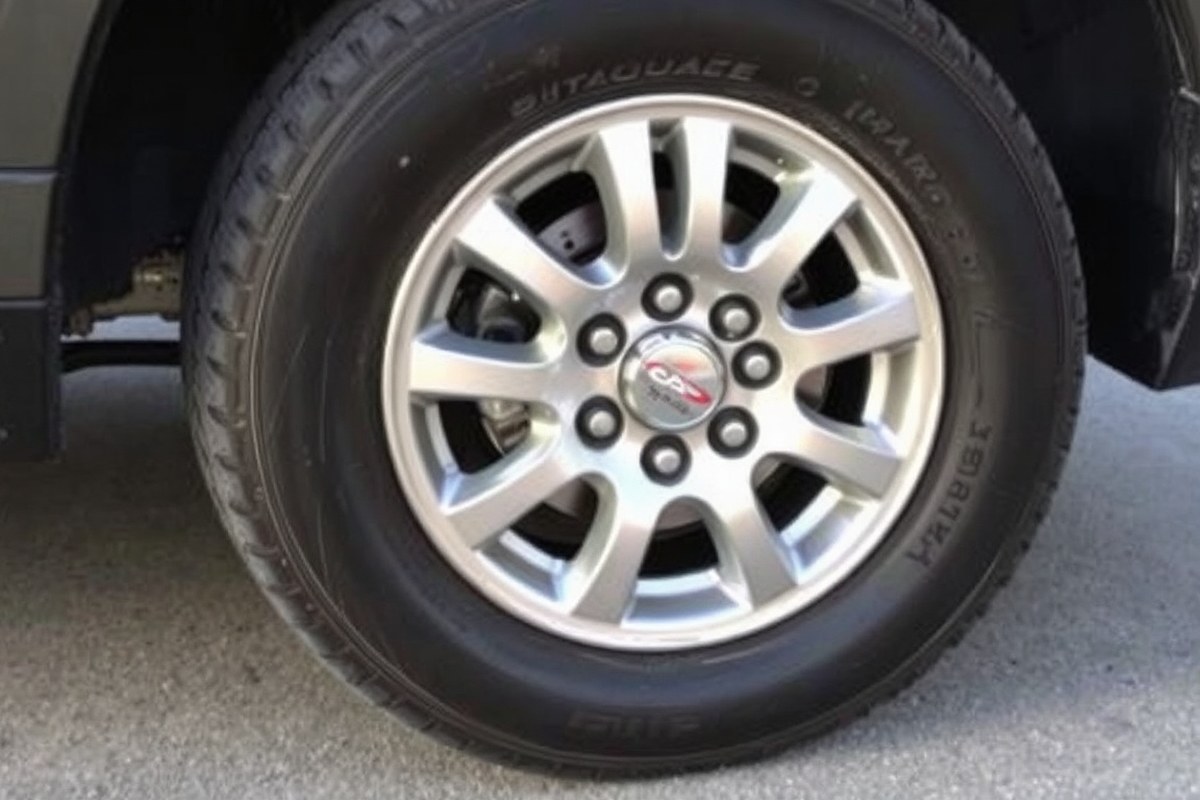
Signs that your vehicle’s shocks need replacement often show up in how the car rides and handles on the road. One of the first physical clues is a bumpy or excessively rough ride. Notice the vehicle bouncing dramatically after hitting a pothole or dip; this signals worn shock absorbers that no longer dampen road impacts effectively.
Visual signs can be subtle, as shocks don’t always leak fluid when worn out. Sometimes the shock body looks intact but has lost its internal pressure, leading to poor suspension performance. However, leaking fluid, usually oil, on or around the shock absorber is an unmistakable sign it has failed and needs immediate replacement.
Handling symptoms also provide key hints. The front of your vehicle diving sharply when braking, known as nose-diving, indicates the shocks are no longer controlling weight transfer properly. Bad shocks can also cause poor steering response or make the vehicle feel unstable during turns, demanding greater steering effort or causing a vague, wandering sensation.
- Excessive bouncing over bumps or rough roads
- Vehicle nose-diving when braking hard
- Uneven tire wear patterns, especially scalloped or cupped treads
- Leaking oil or fluid on shock absorber body
- Poor steering feel or delayed steering response
- Increased stopping distances or instability under braking
- Visible damage such as dents or bent shock bodies
Uneven tire wear often accompanies worn shocks but doesn’t alone confirm shock failure. This wear happens because bad shocks allow tires to lose constant contact with the road, causing uneven tread wear patterns. Checking tire condition together with ride and steering issues offers a clearer picture of shock health.
Don’t ignore early symptoms like slight bouncing or steering hesitation; addressing worn shocks early helps protect tires and brake performance and keeps suspension parts from more costly damage.
Performing road tests at moderate speed lets you feel these handling problems firsthand. Check for a smooth, steady ride without excessive body movement. When shocks lose effectiveness, they may allow the vehicle to bounce instead of controlling rebound. Replacing shocks that leak fluid or show other signs usually restores good ride control and steering accuracy. Cost and effort vary by vehicle but expect around one to two hours of labor and parts typically $50 to $150 each for standard shocks, depending on quality and brand.
How to Inspect Shock Absorbers at Home: Step-by-Step
You can inspect your shock absorbers at home using simple methods like the bounce test, tire examination, and visual inspection for leaks or damage. Each step helps identify signs of wear that affect your car’s handling and safety. Combining these with a road test offers a thorough picture of shock performance without special tools.
Performing the Bounce Test Correctly
The bounce test is a quick way to check if your shocks are working by judging how your car reacts to pressure on the suspension. It helps spot worn shocks that no longer control the car’s bounce effectively. However, passing this test doesn’t guarantee your shocks are in perfect condition because damage can be subtle or internal. Follow these steps for an accurate bounce test:
- Stand at the front corner of the vehicle and firmly press down on the hood or fender.
- Release the pressure quickly and watch how the car responds.
- Repeat the test on the rear corners, pressing down near each wheel.
- Count the number of bounces before the car settles completely.
- Note that a healthy shock will allow the car to settle within one or two bounces.
- The vehicle bouncing three or more times usually means the shocks are worn and should be replaced.
Checking Tires for Related Wear
Tires reveal clues about your shocks because worn shocks cause uneven tire wear and faster tread loss. Examining your tires closely can save you from expensive replacements or more severe suspension damage down the line. Look for these signs on your tires:
- Feathered edges: Smooth on one side and sharp on the other, indicating poor shock damping.
- Cupping or scalloping: Raised sections or dips in tread, caused by the tire bouncing excessively.
- Uneven tread depth: More wear in certain spots than others, especially on one side, signaling shock or alignment problems.
Notice wear patterns that last past 50,000 miles or come back after tire rotations? That signals it’s time to check the shocks.
Visual Inspection for Leaks and Damage
Visual checks help spot obvious defects like leaking fluid or warped shock bodies that confirm failure. You’ll need to get under the vehicle or use a jack to safely examine the shocks and surrounding components. Use this checklist when inspecting your shocks:
- Look for oil or fluid dripping down the shock absorber, which suggests a seal failure.
- Check each shock for dents, cracks, or bent rods that can cause improper damping.
- Examine mounting points and bushings for cracks or signs of rust.
- Inspect nearby suspension parts such as springs, control arms, and sway bar links for damage or wear that may mimic shock failure.
- Note any clunks or rattles felt while pressing or moving suspension components by hand.
Any obvious leaks or physical damage signals immediate replacement is necessary to maintain safe handling and prevent further suspension damage.
Assessing Suspension Response During a Road Test
A home inspection gains reliability when combined with observing your car’s behavior on the road. Driving tests reveal how shocks perform under normal operating conditions. During your test drive, pay attention to:
- Body control: Excessive swaying, dipping when braking, or nose-diving on stops point to worn shocks.
- Ride smoothness: Large or frequent jolts over bumps show the shocks are not dampening properly.
- Handling stability: Feel for looseness, instability in turns, or trailing after lane changes, which indicate reduced shock effectiveness.
Couple this with prior inspections to decide if the shocks are worn enough to need replacement. Note that sometimes subtle issues appear only while driving, so a full evaluation is the most reliable method.
Factors That Affect Shock Absorber Lifespan
Shock absorbers last longer or shorter depending on several factors, including the roads you drive on, how heavy your vehicle is, your driving style, and the climate you live in. Heavy loads, rough terrain, and aggressive driving can wear shocks faster, while smooth highway driving and mild weather can extend their life. Knowing how each factor affects your vehicle helps you predict when shocks might need replacing.
Impact of Road Quality and Terrain
Driving mostly on smooth highways usually allows shock absorbers to last well beyond 75,000 miles, sometimes close to 100,000 miles for some vehicles. Rough roads, such as gravel, dirt, or pothole-filled streets, speed up wear. Constant impacts from uneven surfaces cause shocks to work harder absorbing vibrations and jolts, which breaks down seals and internal components sooner.
If your routes include rough terrain or unpaved roads regularly, expect to replace shocks sooner, often between 40,000 and 60,000 miles. This range depends on how rough the roads are and how often you drive on them.
Effect of Vehicle Weight and Load
Heavier vehicles and carrying extra load or towing put additional stress on shock absorbers. The shocks have to manage more weight and force, causing quicker deterioration. For example, delivery vans or trucks used for work often require shock replacement earlier than passenger cars, sometimes well before 60,000 miles.
Regularly towing trailers or hauling heavy cargo can reduce shock lifespan, as the system must stabilize more mass during driving, braking, and cornering. Vehicles carrying loads near their maximum weight capacity will wear shocks out faster than lightly loaded ones.
Role of Driving Habits and Frequency
Driving style impacts shocks significantly. Frequent sharp turns, abrupt stops, or aggressive acceleration put more strain on shocks, which can lead to faster wear. Drivers who avoid sudden maneuvers and maintain smooth driving patterns usually get longer shock life.
Daily drivers on shorter trips might experience wear differently than those who log many highway miles. Highway driving is less jarring on shocks but can accumulate mileage faster. Thus, driving frequency combined with style determines how quickly shocks degrade.
Contribution of Climate and Contamination
Extreme temperatures, moisture, and road salts can accelerate shock absorber wear. Cold climates may let seals become brittle, increasing the chance for leaks, while hot climates can cause oil inside shocks to break down faster. Salt and dirt from salted roads or muddy conditions also cause corrosion and contamination.
Keeping shocks clean and avoiding frequent exposure to corrosive substances helps maintain their lifespan. A vehicle in a dry, temperate climate often experiences less shock wear than one used in wet or snowy regions. Below is a comparison table summarizing how these factors influence shock absorber lifespan, based on mileage estimates and usage conditions.
| Factor | Typical Shock Lifespan (Miles) | Effect on Shock Wear |
|---|---|---|
| Smooth Highway Driving | 75,000 to 100,000 | Lower wear; shocks last longer due to less impact |
| Rough or Unpaved Roads | 40,000 to 60,000 | Higher wear; frequent impacts break down shocks faster |
| Heavy Loads or Towing | 40,000 to 60,000 | Increased stress; shocks deteriorate faster under heavy weight |
| Gentle Driving Habits | 80,000 to 100,000+ | Less strain; extends shock life with smooth maneuvers |
| Aggressive Driving Habits | 50,000 to 70,000 | More strain; shocks wear faster due to sudden movements |
| Temperate, Dry Climate | 75,000 to 100,000 | Slower wear; less corrosion and seal damage |
| Cold, Wet, or Salted Roads | 40,000 to 60,000 | Faster corrosion and seal wear; leaks develop sooner |
Keeping track of your vehicle’s average mileage along with these conditions gives a clearer picture of shock absorber life. Regular inspection is key, especially if your driving involves rough roads, heavy loads, or extreme environments. This way, you catch wear before shocks become dangerously ineffective.
When Should Shock Replacement Be Done Immediately?
Shock replacement becomes urgent when you notice clear signs of severe wear or physical damage that directly affect your vehicle’s control and safety. Excessive bouncing or swaying, especially when driving over bumps or around corners, means your shocks can no longer absorb road impacts properly. This loss of damping reduces tire contact with the road, which increases the risk of skidding or losing control, particularly on wet or uneven surfaces. Continuing to drive under these conditions raises your chance of accidents and can cause further damage to suspension components.
Visible leaks of hydraulic fluid on the shocks or struts are a definite need for immediate replacement. These leaks indicate the internal seals failed, and the shock cannot perform its damping function. Driving with leaking shocks compromises stability, braking, and steering precision. Physical damage such as bent or broken shock bodies, mounts, or piston rods also demands prompt replacement. Such damage can occur from hitting potholes, curbs, or debris and undermines the structural integrity required to keep your vehicle safely aligned and balanced.
If your car exhibits these symptoms, schedule shock replacement without delay. Typical costs range between $300 and $800 for replacing all four shocks, including parts and labor, depending on your vehicle model and location. A complete replacement is preferred since new shocks work best in pairs or all four to maintain even suspension performance and avoid uneven wear on tires and components.
To decide if immediate replacement is necessary, inspect for fluid around the shocks or excessive bouncing during short test drives on smooth and rough surfaces. Avoid waiting for gradual decline signs because many drivers inadvertently adapt to worsening shocks, which can delay addressing safety-critical issues. Different driving conditions, such as rough roads or heavy loads, worsen shock wear and can turn a routine check into an urgent repair.
Do not ignore leaks or physical damage on your shocks; driving with compromised shocks risks serious control loss and expensive future repairs.
Should You Replace All Shocks or Just Pairs?
Shocks should be changed in pairs on the same axle to keep suspension performance even and your vehicle stable. Using new shocks on one side while the other side remains worn can cause uneven handling. This difference may make your car lean or dip more during turns, braking, or acceleration. For instance, replacing only one front shock while the other stays old can cause uneven tire wear and make the vehicle harder to control.
Replacing all four shocks at once is not always necessary unless your vehicle has very high mileage or all four shocks show signs of wear. Many cars can run well by replacing only the front or rear pair, especially if the other pair remains in good condition. However, if the front shocks or struts need replacement, it is wise to check the rear shocks to see if they also require attention. This helps avoid mismatched ride quality and ensures even performance front to back.
Using different brands or types of shocks on the same axle is generally not recommended. Shock absorbers vary in damping characteristics, and pairing mismatched shocks can lead to inconsistent handling and discomfort. Exact matches preserve ride balance and prevent one shock from working harder than its counterpart. When shocks need replacing one at a time due to cost or parts availability, choosing the same brand and model helps maintain consistent handling and ride quality.
Replacing shocks and struts yourself is technically possible but can be challenging without proper tools and know-how. Professional replacement typically costs between $200 and $400 per pair, including parts and labor, depending on your vehicle’s make and model. Balancing the ride by changing shocks in pairs not only improves driver control but also extends the life of other suspension components by reducing uneven stress.
In some cases, partial replacement is acceptable if only one axle’s shocks are worn or damaged, such as front shocks failing while rear shocks are still performing well. Always have a professional inspect your suspension to rule out other mechanical issues before installing only one pair of shocks. Proper inspection ensures you don’t waste money replacing a shock that only masks a deeper problem like broken springs or worn bushings.
Vehicles driven mainly on smooth highways can have shocks last closer to 80,000 to 100,000 miles before replacement is needed. Cars used regularly on rough roads may require shocks sooner. At around 75,000 miles, most struts and shocks are still good, but by 100,000 miles, replacement is often necessary to retain safety and ride comfort. Check your owner’s manual or consult a trusted dealer to confirm your vehicle’s recommended maintenance schedule.
Common Mistakes and Myths About Shock Replacement
Many drivers mistakenly assume shock absorbers either work perfectly or suddenly fail, but these parts usually wear out gradually over time. This slow decline means your car’s handling and comfort can worsen before obvious signs appear. Relying solely on the classic bounce test, pushing down on the car’s hood or trunk to see how quickly it settles, can miss early shock wear. This test often only flags shocks nearing the end of their life, not those losing effectiveness slowly.
A common misconception is that all worn shocks leak visible fluid. Shocks are mostly sealed, so leaks aren’t always present even when performance falters. Instead, corrosion around mounting hardware or damage to seals may cause fluid loss and further frame issues, but absence of leaks doesn’t guarantee shocks are fine.
These errors in diagnosing shock condition can lead to premature or unnecessary replacements or worse, driving on dangerously degraded shocks that increase stopping distances and vehicle instability. Avoiding these pitfalls starts with regular inspections around 50,000 miles and paying attention to subtle performance changes, such as increased nose-diving on braking or body roll during turns.
- Mistake: Waiting for visible leaks before replacing shocks, Fact: Shocks can lose effectiveness without leaking.
- Mistake: Trusting only the bounce test, Fact: It detects only severe wear, missing gradual shock failure.
- Mistake: Replacing shocks too early based on mileage alone, Fact: Condition varies by driving habits and environment.
- Mistake: DIY removal without proper tools or knowledge, Fact: Removing top nuts can be tricky; use correct sockets and torque specs.
- Mistake: Replacing only one shock, Fact: Always replace shocks in pairs for balanced handling.
- Mistake: Ignoring corrosion on shock mounts, Fact: Corroded mounts can complicate replacement and affect suspension.
To diagnose shocks accurately, check for uneven tire wear, listen for unusual noises over bumps, and assess how your vehicle responds to braking and cornering. If you decide to replace shocks yourself, prepare by gathering the right tools and follow torque specifications for components. Professional inspections and replacement often cost between $300 and $800 for all four shocks, varying based on vehicle type and region. Spotting issues before symptoms worsen helps avoid unsafe driving conditions and extra repair costs down the road.
Additional Maintenance and Professional Help Recommendations
To keep your vehicle’s suspension system functioning properly, regularly inspect shocks and consider related parts that may need attention at the same time. Professional help is advisable when dealing with suspension components that affect safety and ride quality. Alignments after shock replacement and routine check-ups ensure the vehicle handles well and wears evenly.
Parts Often Checked or Replaced Together
When shocks wear out, other suspension components often suffer wear or damage too. Springs, struts, bushings, mounts, and control arms should be inspected since they work alongside shocks to control ride and handling. Struts especially serve as a load-bearing part of the suspension and frame, so replacing just shocks may not address all issues. When you hear clunking sounds or see uneven tire wear, these parts might need replacement along with shocks.
Mounting hardware can loosen or corrode over time, affecting shock performance. During a professional inspection, technicians check for oil leaks on the shocks, dents, bent parts, and condition of rubber bushings. Shocks that require spring compression to remove, as with struts, call for special tools and training, making DIY typically impractical and unsafe.
Alignment and Calibration After Replacement
Replacing shocks or struts typically changes your vehicle’s suspension geometry, so a wheel alignment is generally required afterward. Alignments adjust the angles of the wheels to the manufacturer’s specifications, preventing uneven tire wear and ensuring straight driving. Without proper alignment, you may feel pulling to one side, a crooked steering wheel, or accelerated tire wear.
A standard alignment service costs between $75 and $150 depending on your location and vehicle type. It usually takes 1 hour and includes adjustments to camber, caster, and toe angles. Some newer vehicles or those with advanced driver assistance systems may require additional calibration, which a professional automotive shop can provide.
When to Consult a Professional Mechanic
Consult a professional if you notice persistent vibrations, excessive bouncing, nose diving during braking, or uneven tire wear. These symptoms indicate shocks or related suspension parts may fail soon. Professional inspections include checking not only shocks but associated components like springs, mounts, and alignment to provide a thorough diagnosis.
Attempting shock replacement without proper tools or knowledge, especially on vehicles with struts or integrated coil springs, can be dangerous. Compression springs store significant energy and must be handled safely. Professionals will also recycle old parts correctly and ensure all fasteners meet torque specifications for safety.
Always wear safety glasses and use spring compressors designed for your vehicle if you attempt any work on struts; improper handling can cause serious injury.
Scheduling Regular Shock Inspections
Check your shocks during routine maintenance such as tire rotations, brake services, or whenever you notice ride quality changes. Vehicle manufacturers do not set a fixed interval for shock inspection but suggest visual and functional checks every 20,000 to 30,000 miles. Frequent inspections help spot leaks, damage, or decline in damping performance early.
During these inspections, your mechanic will assess oil leaks, physical damage, and mount conditions, and test drive the vehicle to observe braking and maneuvering behavior. Regular inspections contribute to safer driving and can extend the shocks’ service life by allowing early detection and repair of minor issues before they worsen.
Step-by-Step Action Plan for Your Shock Replacement
Follow these steps to keep your shocks in good condition and replace them when needed. Checking regularly will help your ride stay smooth and safe.
- Before you start: Read your vehicle’s manual to find the recommended shock absorber replacement interval and note it down.
- Monthly: Do a quick visual inspection for leaks, dents, or damage on each shock absorber; if you see any, plan replacement soon.
- Every 12,000 miles: Perform the bounce test by pushing down on each corner of your car; if the vehicle bounces more than twice, it’s time for new shocks.
- After noticing signs: If you experience swaying, uneven tire wear, or longer stopping distances, schedule a professional shock inspection immediately.
- When replacing: Always replace shocks in pairs on the same axle to maintain balance and handling.
- Post-replacement: After installing new shocks, drive gently for the first 100 miles to seat them properly and check for any issues in alignment or handling.
- Seasonal checks: Inspect shocks before and after harsh weather seasons, especially winter, since road salt and potholes reduce shock lifespan.
- Every 50,000 miles: Even without clear symptoms, consider a professional check as shocks often wear out by this mileage under typical conditions.
Frequently Asked Questions
How Often Should I Replace My Car’s Shocks?
The typical replacement interval for most shocks falls between 50,000 and 100,000 miles, considering normal driving habits. Around 50,000 miles, start monitoring your shocks closely for any signs they might be wearing out prematurely.
Can I Replace Shocks on Just One Side of the Axle?
It’s best to replace shocks in pairs on the same axle to maintain balanced handling and even wear. Replacing only one can cause uneven performance and potential safety issues.
What Causes Shocks to Wear Out Faster Than Usual?
Rough roads, potholes, and frequent braking speed up shock wear. Driving mostly on smooth highways can extend their lifespan closer to 100,000 miles.
How Can I Tell If My Shocks Are Leaking Fluid?
Visible oil or fluid on the shock body indicates a leak. This compromises shock performance and means immediate replacement is needed.
Will Uneven Tire Wear Always Mean I Need New Shocks?
Not always, but unusual tire wear patterns can signal worn shocks. It’s a good cue to inspect shocks closely along with the tires.
What Happens If I Ignore Worn Shock Absorbers?
Worn shocks reduce vehicle control and increase tire wear. This can lead to longer stopping distances and unsafe driving conditions.
Key Points to Remember
Your shocks usually last around 50,000 miles but can wear out sooner depending on road and driving conditions. Pay close attention to handling changes and physical damage to spot when replacement is needed. The next step is to check your shock absorbers today using the bounce test and a visual inspection to catch any early signs of wear.