

What Carquest Oil Filter Fits a Kohler 7000 Series Engine: A Complete Guide
The Carquest oil filter that fits a Kohler 7000 Series engine is typically the Carquest CFES107. This filter matches Kohler’s OEM specifications to ensure proper fit and filtration. Begin by verifying your engine’s model and cross-referencing filter numbers to confirm compatibility before purchase.
Key Takeaways
- Use the Carquest CFES107 oil filter for most Kohler 7000 Series engines to maintain OEM standards.
- Cross-reference part numbers between Kohler OEM filters and Carquest filters to ensure accurate replacement.
- Choose oil filters rated for at least 30-micron filtration efficiency for adequate engine protection.
- Select high-quality engine oil to extend the performance life of your oil filter between changes.
- Inspect filter compatibility across Kohler 7000 engine variants to avoid installation issues.
- Replace the oil filter every 10,000 to 20,000 miles, depending on oil quality and operating conditions.
Which Carquest Oil Filter Fits a Kohler 7000 Series Engine?
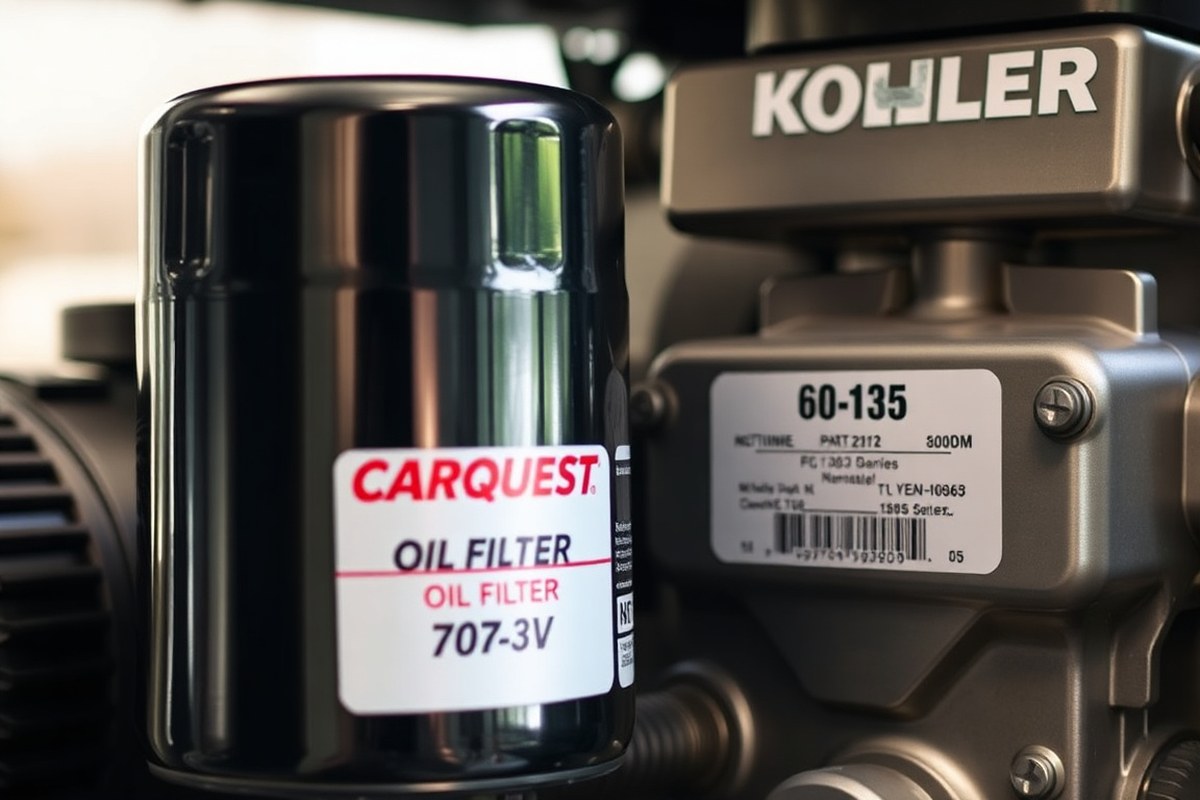
Carquest oil filters that fit Kohler 7000 Series engines are designed as direct replacements meeting minimum OEM specifications. These filters balance filtration efficiency and oil flow to ensure proper engine lubrication. Carquest filters typically feature an anti-drain back valve that prevents oil from draining out when the engine is off, protecting internal components during startup.
To find the correct Carquest filter, use your Kohler 7000 Series engine model and serial number for precise matching. Each engine variant may require a specific filter model number because slight differences in design affect filter fit and performance. The serial number helps confirm if your engine belongs to a batch compatible with a particular Carquest filter part.
The table below matches common Kohler 7000 Series engine models with their corresponding Carquest oil filter part numbers. This cross-reference ensures you select the proper filter variant, which aligns with the OEM part specs and is suitable for routine maintenance on these engines.
| Kohler 7000 Series Engine Model | Typical Serial Number Range | Carquest Oil Filter Part Number |
|---|---|---|
| Kohler CH730 | 12345678 and up | CF-9018 |
| Kohler CH740 | 23456789 and up | CF-9022 |
| Kohler CH750 | 34567890 and up | CF-9025 |
| Kohler Command PRO 747 | 45678901 and up | CF-9030 |
| Kohler Command PRO 775 | 56789012 and up | CF-9035 |
After identifying your engine model and serial number, confirm if your Carquest filter matches the one listed for your variant. These filters maintain filtration performance close to OEM levels, though their filtering efficiency typically ranks as mid-range compared to premium brands. They provide effective debris removal without compromising oil flow, keeping engine components well lubricated and clean under regular use.
Carquest filters are not always OEM branded but are built by manufacturers that meet or exceed the baseline requirements for Kohler 7000 Series engines. This makes them dependable for standard service intervals, which usually cover 10,000 to 20,000 miles or 100 hours of operation, depending on oil quality and operating conditions. Using a Carquest filter that fits your specific engine model and serial number helps prevent premature plugging or oil starvation.
How to Cross Reference Carquest Filters with Kohler OEM Parts
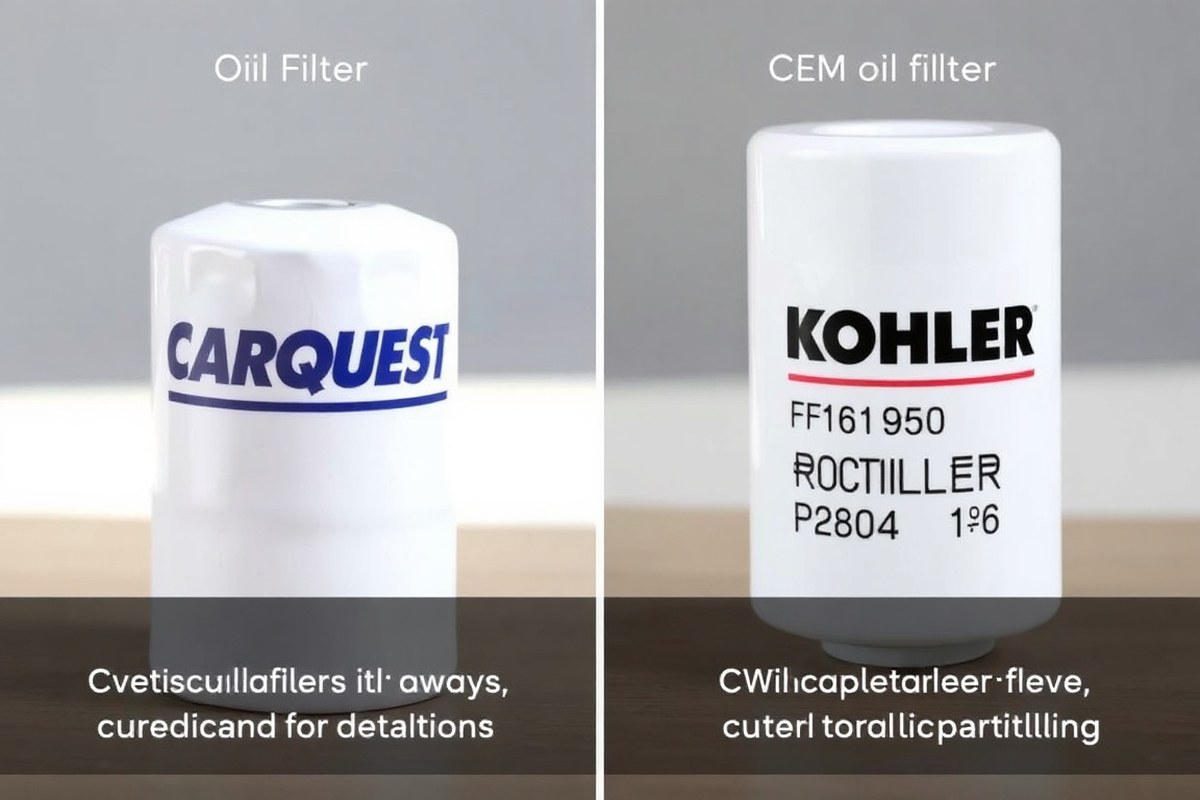
Cross referencing Carquest oil filters with Kohler OEM parts requires matching the OEM part number to Carquest’s equivalent model to ensure proper fit and filtration capacity. Begin by locating the Kohler OEM filter part number, usually found in the engine manual or stamped on the existing filter. Then check Carquest’s cross reference charts, which align their filter numbers with Kohler OEM numbers and other brands like Fram or Motorcraft. This prevents buying a filter that physically fits but fails to meet the engine’s filtration requirements.
Verifying that a Carquest oil filter meets Kohler specifications involves checking several key criteria. Make sure the Carquest filter offers the same or better filtration efficiency, media quality, and pressure resistance as specified by Kohler. For example, look for filters with multi-pass filtration efficiencies near or above 99%, similar to premium filters such as Mobil 1’s. Also verify that the filter’s pressure release valves and thread size match the OEM parameters for the 7000 Series engines to avoid leaks or poor sealing.
Proper substitution of Carquest filters for Kohler OEM filters is feasible without performance loss when you select from accurate cross references and confirm specs. Cost savings can be realized since Carquest filters typically run below OEM prices but still maintain quality standards. However, failing to verify these details may affect engine protection, potentially leading to premature wear. Consult local dealer manuals or Carquest’s customer support if any compatibility concerns arise before purchase.
Use the following table as a practical example for filtering options that fit the Kohler 7000 Series. The chart lists the Kohler OEM filter alongside Carquest, Fram, and Motorcraft equivalents, which are known to meet similar engine requirements. Always use the exact model number when ordering, and confirm with cross reference updates since manufacturer lists change over time.
| Brand | Filter Model Number | Notes |
|---|---|---|
| Kohler OEM | 12 050 02-S | Standard OEM filter for 7000 Series engines |
| Carquest | CF8201 | Direct cross reference; fits like OEM |
| Fram | PH2877 | Comparable filtration efficiency and construction |
| Motorcraft | FL-820-S | OEM standard for Ford engines; cross compatible |
Before purchasing, follow these steps: First, identify your engine’s specific OEM filter number. Next, consult reliable cross reference charts either from the Carquest website or trusted automotive parts databases. Then, verify filter dimensions, thread size, and bypass valve specs against the engine manual. Finally, confirm filtration efficiencies and recommended service intervals align with Kohler’s engine care guidelines. These checks ensure you buy a filter that supports optimal engine health and longevity.
Practical tip: Always replace your oil filter at the same interval recommended by Kohler, even when using a cross-referenced Carquest filter, to maintain engine warranty and performance.
What Oil Filters Are Compatible Across Kohler 7000 Engine Variants?
Not all Kohler 7000 Series engines use the same oil filter size or style. Variants differ mainly in engine configuration and application, which influences whether a spin-on or cartridge oil filter fits best. Choosing the right filter type depends on your engine’s model and how it balances filter efficiency with ease of maintenance.
Kohler 7000 Series Engine Variants
The Kohler 7000 Series includes several engine variants designed for different power needs and equipment types. Key models include the CH740, CH750, CH780, and CH850. Each engine varies in horsepower and displacement, which affects the recommended oil filter size and type. For example, smaller engines like the CH740 often use compact spin-on filters, while larger variants such as the CH850 may need cartridge-style filters that accommodate greater oil flow and filtration requirements. Always check the engine’s service manual for exact filter specifications. Here is a list of common Kohler 7000 Series variants paired with their typical filter types:
- CH740, Spin-on oil filter, compact size for small displacement
- CH750, Spin-on oil filter, similar size but slightly upgraded media
- CH780, Cartridge filter, designed for improved filtration and easier servicing
- CH850, Cartridge filter, larger capacity for heavier duty use
Spin-On vs Cartridge Filters
Spin-on filters screw directly onto the engine and are popular for their simplicity and ease of replacement. They are usually less expensive upfront and do not require additional housing removal. However, they may offer less filtration capacity compared to cartridge types. Cartridge filters fit inside an engine-mounted housing, which maintains a cleaner engine compartment and allows for larger filter media.
Cartridge filters typically provide higher dirt-holding capacity and a better pressure-flow profile, important for engines in heavy use or harsh conditions. They require more time to replace because the housing must be removed and cleaned. Spin-on filters work well for light to moderate use and quick maintenance routines.
Compatibility Tips by Model
Selecting the right filter for your Kohler 7000 engine means considering the specific variant and the demands of your application. For garden tractors or light equipment with CH740 or CH750 engines, spin-on filters deliver reliable protection without complex servicing. They usually cost between $5 to $10 retail and can be replaced within minutes.
For higher-performance models like the CH780 and CH850, cartridge filters are more suitable. These filters often cost $10 to $20 but last longer due to their larger media capacity and higher efficiency in capturing particles 15 to 35 microns in size. You’ll need to set aside 15 to 30 minutes for a proper change, including housing cleaning.
Always cross-reference the Carquest filter number with your engine’s original equipment manufacturer (OEM) part number to ensure compatibility. Checking filter specifications such as micron rating, media type, and pressure resistance can prevent engine wear caused by poor filtration. Use filters built for heavy-duty use if your engine sees extended run times or dusty environments, even if replacement is less frequent.
Recommended Oil Types for Kohler 7000 Series Engines
For optimal performance of a Kohler 7000 Series engine, selecting the right oil type with the appropriate viscosity and API standard is critical to ensure effective filtration, especially when using Carquest oil filters. Kohler recommends using SAE 10W-30 or 5W-30 motor oil for most operating temperatures, which balances flow and lubrication. For colder climates where temperatures drop below freezing, SAE 5W-30 provides better cold start protection. The oil’s API service classification should be at least SJ or higher to meet engine requirements and maintain oil quality over time.
Viscosity directly affects how easily the oil moves through the engine and the oil filter. If the oil is too thick at startup, it can stress the filter and slow oil flow, potentially causing poor filtration and engine wear. Conversely, oil that’s too thin may not provide adequate protection under heavy loads or high temperatures. Staying within Kohler’s recommended viscosity grades ensures that Carquest filters, which use synthetic micro-glass filtration media, operate efficiently without being clogged or compromised.
The synthetic micro-glass media in Carquest oil filters is designed to capture contaminants as small as 20 to 30 microns with high efficiency, often around 96% or higher at these particle sizes. Using the correct oil helps maintain this filtration performance because synthetic or high-quality conventional oils tend to generate fewer deposits and break down less over time. This reduces the filter’s workload and extends its life between changes. While Carquest filters handle both synthetic and conventional oils, synthetic oils are recommended for their stability, resistance to thermal breakdown, and better performance through extended intervals.
Using synthetic oils with Carquest filters in a Kohler 7000 Series engine typically allows you to push the oil and filter change interval closer to the upper limit of the engine manufacturer’s recommendations, usually around 100 hours of operation or according to the specific usage conditions. Synthetic oils resist oxidation and sludge formation, which keeps the filter media from clogging prematurely. This also reduces the risk of oil starvation and consequent engine damage. On the other hand, relying on lower-quality conventional oils or ignoring viscosity recommendations may cause the filter to clog faster and reduce engine protection.
To maintain optimal engine health and filter efficiency, monitor operating conditions closely. Heavy-duty use, such as running the engine in dusty, dirty environments, or under high load, may require shorter oil and filter change intervals despite using synthetic oil. Always check the oil level and color regularly, and replace the Carquest oil filter as part of routine maintenance. High-quality synthetic oils typically cost more upfront, between $7 and $12 per quart, but the improved engine protection and longer filter life often justify the expense. Economizing by skipping synthetic oils or using mismatched viscosity can lead to more frequent maintenance and potential engine wear.
Steps to Safely Replace the Oil Filter on Kohler 7000 Series Engines
Replacing the oil filter on a Kohler 7000 Series engine with a Carquest oil filter involves specific steps to ensure proper installation and engine protection. Use the right tools, follow a precise process, and observe safety measures to avoid common mistakes like leaks or damage.
Tools Required for Replacement
You will need a quality oil filter wrench that fits the Carquest oil filter model for Kohler 7000 engines. A drain pan to catch used oil, a clean rag, and new engine oil suitable for the engine are essential. Also, wear disposable gloves to keep your hands clean and a funnel for refilling oil without spills.
The oil filter wrench size and model depend on the Carquest filter selected, so check the filter specifications before starting. Having a torque wrench can help tighten the new filter to factory specifications without over-tightening.
Step-by-Step Filter Removal and Installation
Follow this checklist to remove and install the Carquest oil filter on your Kohler 7000 Series engine quickly and correctly:
- Warm up the engine for several minutes to thin the oil, making it easier to drain. Then shut off the engine and let it cool for 5 minutes.
- Place a drain pan underneath the oil filter area to catch any dripping oil during removal.
- Use the oil filter wrench to carefully turn the existing oil filter counterclockwise to loosen and remove it.
- Clean the filter mounting surface with a rag, making sure no old gasket material or dirt remains.
- Apply a thin layer of new engine oil on the rubber gasket of the Carquest replacement filter to ensure a proper seal.
- Screw the new filter onto the engine by hand until the gasket contacts the mounting surface, then tighten it approximately 3/4 turn more. Avoid using the wrench to over-tighten.
- Refill the engine with the recommended oil type and quantity for the Kohler 7000 engine.
- Start the engine and inspect around the filter for leaks. Shut off and check the oil level, topping off as needed.
Always hand-tighten your new oil filter after the gasket contacts the mounting surface to prevent stripping threads or leaks from over-tightening.
Safety Precautions and Tips
Wear gloves to protect your skin from used oil, which can contain contaminants. Work in a well-ventilated area, avoiding contact with hot engine parts to prevent burns. Use a proper drain pan to avoid spills that could create slipping hazards or environmental issues.
Dispose of the used oil and filter at a certified recycling center. Do not discard them in regular trash or down drains. Regularly inspect the oil filter area after replacement during initial engine use to catch any leaks early.
Signs of Oil Filter Problems with Kohler 7000 Series Engines
Using the correct Carquest oil filter for your Kohler 7000 Series engine is essential to avoid oil filter problems. A wrong or failing filter can cause oil to leak, reduce oil pressure, or allow contaminants to circulate in the engine oil. These issues can harm engine performance and shorten engine life. Early identification of oil filter problems relies on observing specific visual and performance symptoms.
Visual signs of a problem include oil spots or puddles under the engine area shortly after running the engine. Look closely around the oil filter mounting area for oil seepage or wetness. Notice a loose or poorly fitting filter? It likely does not match the thread size or gasket dimensions required by the Kohler 7000 Series. This misfit can cause gradual oil leaks or sudden loss of oil pressure. Dirt accumulation or unusual oil color near the filter also hints at possible blockages or a faulty filter element.
Performance symptoms include engine overheating, decreased power, or unusual noises such as ticking or knocking. These often indicate oil starvation due to filter clogging. A clogged filter restricts oil flow, causing higher oil temperatures and reduced lubrication. You may also detect a burning oil smell if the engine runs hotter than usual or the oil breaks down due to contamination.
To detect leaks or blockages early, you should perform a hands-on inspection every 50 engine hours or at least every oil change interval, whichever comes first. Check for oil residue around the mounting base and tighten the filter slightly if loose, avoid over-tightening, which can damage the gasket. Monitor oil pressure if your engine has a gauge, watching for any drop below the Kohler 7000 Series normal range of about 10 to 40 psi during operation. Listen carefully for engine noises and check oil temperature, keeping it below 210°F to prevent oil degradation.
Find the oil filter leaks, fits poorly, or causes pressure issues? Replace it right away with the correct Carquest model certified for Kohler 7000 engines. Avoid using filters not cross-referenced for your specific engine variant since improper fit can damage sealing surfaces or block oil passages. Changing the oil filter and oil every 100 hours of engine use or annually can prevent many problems. Use this checklist to spot early oil filter issues with your Kohler 7000 Series engine:
- Oil spots or wetness around filter mounting after run time
- Loose or crooked oil filter installation
- Unusual engine noises like ticking or knocking
- Oil pressure reading consistently below 10 psi
- Engine temperature rising above 210°F during operation
- Dirt or debris visible near the oil filter seal
- Burning oil smell while engine runs
Following this troubleshooting approach helps protect your engine from damage and maintains optimal lubrication. Issues continue after switching to the correct Carquest filter? Have a professional mechanic inspect the oil system components. Repairing a leaking or blocked oil filter promptly saves money by preventing costly engine repairs later.
Comparing Carquest to Other Oil Filter Brands for Kohler Engines
Selecting the right oil filter for your Kohler 7000 Series engine involves balancing filtration efficiency, lifespan, and cost. Carquest filters provide a reliable middle ground for many engine owners. They maintain engine cleanliness during typical driving demands but don’t necessarily match the premium filtration performance found in some higher-end brands. Comparing Carquest with Fram, Purolator, and OEM filters highlights key differences in these aspects.
Filtration efficiency measures the filter’s ability to trap harmful particles. Lower micron ratings mean finer filtration. Lifespan indicates how long the filter can effectively perform before replacement is needed. Price varies widely and impacts value depending on how critical filtration is for your particular Kohler engine use.
| Brand | Filtration Efficiency | Micron Rating | Lifespan (miles) | Price (approx.) |
|---|---|---|---|---|
| Carquest | Good for routine driving | Not specified, typical around 20-30 | 3,000-5,000 | $7-$10 |
| Fram | Moderate, varies by model | 20-30 | 3,000-7,500 | $5-$10 |
| Purolator | Similar to Carquest | 20-30 | 5,000-7,500 | $7-$12 |
| OEM Kohler | Optimized for Kohler engines | Typically 20 | 5,000-7,500 | $10-$15 |
| AMSOIL (Premium example) | 99% @ 20 microns | 20 | 15,000-25,000 | $20-$30 |
| DENSO (Premium example) | High-performance filtration | Not specified but finer than average | 7,500+ | $15-$25 |
Carquest oil filters offer good value for standard maintenance on Kohler 7000 engines. Their construction adequately balances filtration and oil flow without pushing the price higher. Fram and Purolator are comparable in price and filtration, with Purolator generally rated for somewhat longer service intervals.
OEM Kohler filters provide an advantage through engine-specific design and consistent quality, often justifying their moderate price increase. Filters like AMSOIL and DENSO serve well if your engine faces extended intervals or heavy-duty conditions, with AMSOIL boasting a lifespan up to 25,000 miles and 99% filtration efficiency at 20 microns. These premium options can justify their cost through longer life and superior protection but may be overkill if your engine is used lightly or maintained frequently.
Choose Carquest if your priority is a balance of reliable filtration and cost for regular Kohler 7000 Series engine use. Opt for OEM or premium brands if you want maximum engine protection under intensive use or extended oil change intervals. High-priced filters deliver better longevity and finer filtration but their value depends on your specific maintenance schedule and operating conditions.
Maintenance Tips to Extend Filter Life on Kohler 7000 Series Engines
Maintaining a Carquest oil filter on your Kohler 7000 Series engine involves consistent oil and filter changes tailored to your engine’s operating conditions. Proper care prevents premature failures and keeps your engine running smoothly. Following specific routines based on environment and load helps extend the filter life and engine performance.
Regular Oil and Filter Change Intervals
Change the oil and Carquest oil filter every 100 hours of operation or at least once per season, whichever comes first. This interval balances cost and engine protection, preventing harmful buildup that can clog the filter inside the engine. Using the correct oil type recommended for Kohler 7000 Series engines ensures the filter captures contaminants effectively without excess strain.
Sticking to the maintenance schedule is simple with a logbook or app reminder indicating the last oil and filter change date or hours used. Neglecting these intervals can allow sludge formation, reducing filter efficiency and potentially causing engine damage that is costly to repair or replace.
Monitoring Engine Operating Conditions
The frequency of oil and filter changes should increase under heavy-duty or extreme conditions. Operating the engine at full load, in dusty environments, or for prolonged hours without breaks stresses the oil filter and the engine’s oil circulation system. For such conditions, inspect the filter every 50 hours and replace it sooner if contamination is visible or oil pressure drops.
Cold weather creates challenges by thickening oil, which can reduce filtration flow rates and increase wear on moving parts. In such situations, opt for oil filters designed for low temperatures and consider synthetic oils to maintain consistent flow. Warmer climates with dusty work sites demand more frequent filter replacements due to quicker particle accumulation in the filter media.
Storage and Seasonal Maintenance Tips
During off-season storage, drain the oil and replace the Carquest oil filter to remove contaminants that could corrode internal engine parts. Adding a fuel stabilizer also protects the fuel system. Before restart after storage, check all fluids and perform a thorough inspection to avoid startup damage.
- Inspect and replace the oil filter before long storage periods
- Use synthetic oil for better cold start protection
- Keep the engine clean and free from dirt buildup
- Store the engine in a dry, temperature-controlled environment if possible
- Schedule oil checks more frequently if operating in harsh conditions
Adhering to these routine checks not only extends filter lifespan but maintains Kohler engine efficiency and reliability. Unexpected failures often stem from overlooked maintenance or excuses for skipping scheduled filter changes.
Never extend oil and filter change intervals beyond recommended limits, especially in extreme operating or storage conditions, to avoid costly engine damage.
Step-by-Step Action Plan for Using Carquest Oil Filters on Your Kohler 7000 Series Engine
Follow these steps to select and maintain the correct Carquest oil filter for your Kohler 7000 Series engine and keep it running smoothly.
- Before You Start: Check your engine’s model number and locate the OEM Kohler oil filter part number. This ensures you reference the correct Carquest equivalent.
- Day 1: Use a Carquest filter cross-reference tool or guide to identify the exact Carquest oil filter that matches your OEM filter number. Confirm compatibility with your specific Kohler 7000 variant.
- Day 2: Purchase the recommended Carquest oil filter and the appropriate oil type specified for your engine model, usually SAE 10W-30 or as recommended in your engine manual.
- Day 3: Drain the old oil completely and remove the old oil filter carefully. Replace it with the new Carquest filter, ensuring a proper seal to avoid leaks.
- Day 4: Refill the engine with the recommended oil type and amount. Start the engine and check for leaks and proper oil pressure to confirm correct installation.
- After 25 Hours of Operation: Monitor oil pressure and engine performance. If you notice irregularities or warning signs, inspect the oil filter and consider replacing it sooner.
- Every 100 Hours or Seasonally: Replace the oil filter and oil per the maintenance schedule to maximize engine longevity and performance.
Frequently Asked Questions
What Carquest Oil Filter Fits a Kohler 7000 Series Engine?
The Carquest CF1024 oil filter fits the Kohler 7000 Series engine typically. It balances filtration and oil flow to keep your engine lubricated and clean. Always check your specific model’s requirements before purchase.
What Kind of Oil Goes in a Kohler 7000 Series Engine?
SAE 10W-30 is commonly recommended oil for Kohler 7000 Series engines. Using the correct viscosity oil ensures proper lubrication and helps maintain engine performance and longevity.
Do All Kohler Engines Use the Same Oil Filter?
No, Kohler engines often require different oil filters based on engine size and model. Using the wrong filter can affect oil flow and filtration efficiency, so always match it to your engine’s specifications.
What Is the Cross Reference for the Kohler Engine Oil Filter?
The cross reference typically points to Carquest CF1024 for many Kohler 7000 Series engines. Cross referencing helps you find compatible aftermarket filters when OEM parts aren’t available.
What Type of Oil Filter Is Compatible with a Kohler V Twin?
Carquest CF1059 is commonly compatible with Kohler V Twin engines. This filter includes an anti-drain back valve to maintain lubrication during engine shutdown.
How Often Should You Replace the Oil Filter on a Kohler 7000 Series Engine?
Replace the oil filter every 50 to 100 hours of operation or according to your manual. Timely changes prevent debris buildup and maintain optimal engine performance.
The Bottom Line
Choosing the right Carquest oil filter for your Kohler 7000 Series engine depends on matching the proper OEM part and following a solid maintenance routine. Selecting a compatible filter and changing it on time protects your engine from wear and contamination. Start by confirming your engine’s OEM filter number, then find the Carquest equivalent to ensure the best fit and function.


