How to Flat Tow a Jeep Wrangler: Complete Steps, Gear, and Safety Tips
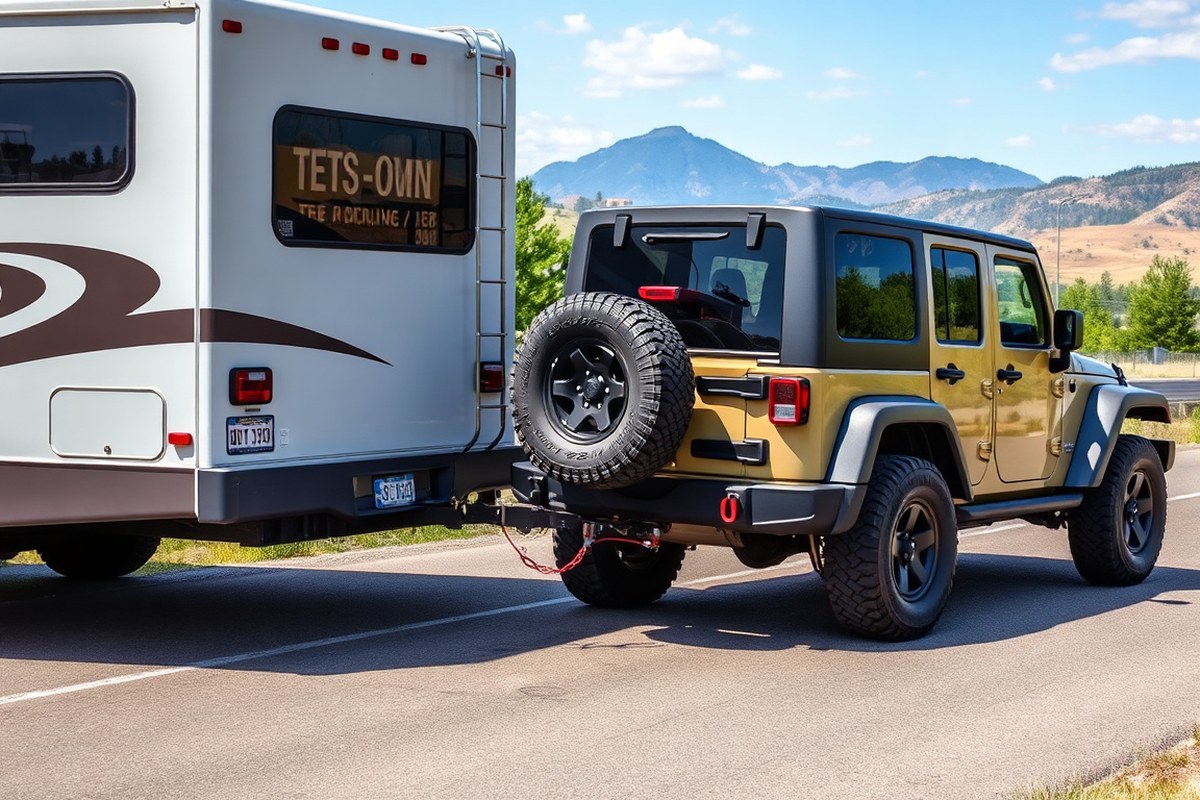
How to flat tow a Jeep Wrangler involves setting up the vehicle correctly so you can safely tow it with all four wheels on the ground. Jeep officially allows four-down flat towing for all JL Wrangler models at speeds up to 65 mph without any mileage limit, provided you use the right gear and follow proper procedures. Start by installing a base plate to connect your tow bar securely.
Key Takeaways
- Use a factory-approved base plate designed specifically for your Jeep Wrangler model.
- Limit your towing speed to 65 mph to reduce stress on the drivetrain and tow bar connections.
- Always connect safety cables to prevent the Wrangler from separating from the tow vehicle.
- Install a supplemental braking system in your Wrangler to comply with road safety regulations.
- Attach a light kit to ensure your Wrangler’s brake and turn signals mirror your RV’s lighting.
- Check and level the tow bar properly to maintain stable towing and minimize wear.
Can You Flat Tow a Jeep Wrangler Four-Down?
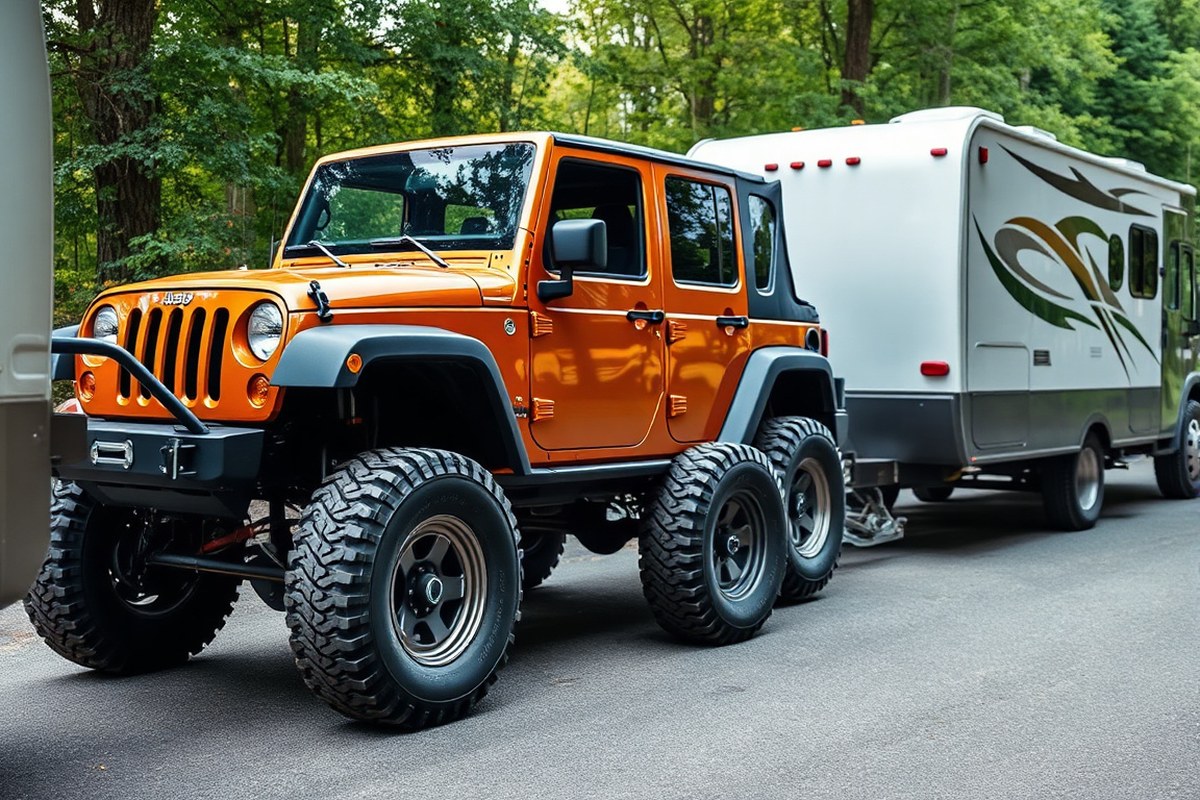
Yes, Jeep officially approves flat towing a Jeep Wrangler four-down, meaning all four wheels remain on the ground during towing. This approval is clear in the owner’s manual for all current JL Wrangler models, including the Sport, Sahara, Rubicon, and the 4xe hybrid. The factory’s endorsement ensures that Jeep Wranglers are designed to withstand flat towing without damage when done correctly.
Flat towing a Jeep Wrangler is possible because the vehicle’s drivetrain and transmission are designed to allow the wheels to roll freely without causing mechanical harm. For manual transmission Wranglers, you can flat tow with the transfer case in neutral, which disengages the drivetrain. Automatic transmission models require the transmission to be placed in “Neutral,” but be sure to double-check your specific model year’s manual as some older automatics might have restrictions.
Jeep sets a maximum recommended towing speed of 65 mph when flat towing. Staying at or below this speed helps reduce stress on the vehicle’s drivetrain and maintains stability during the tow. Jeep does not specify a mileage limit for flat towing, so regular towing over long distances is permissible as long as the recommended setup and guidelines are followed.
One consideration is that flat towing does affect the Jeep’s odometer. Since the wheels are turning, the odometer will accumulate miles even though the engine isn’t running. This can slightly increase the vehicle’s recorded mileage, which is important to note if you track usage closely for warranty or resale purposes. However, this is a normal result of flat towing and does not indicate damage.
To flat tow your Jeep Wrangler four-down safely, follow the factory instructions carefully. This includes shifting the transfer case into the proper position (usually Neutral), installing the required base plates and tow bar, and attaching safety cables and lighting kits that comply with local laws. Using the correct equipment and following speed guidelines ensures your Jeep’s driveline remains protected while towing.
Not following these instructions can lead to damage such as transmission overheating or driveline wear. For example, towing with the transfer case out of Neutral or exceeding the recommended speed can cause internal stress and costly repairs. Also, improper setup without essential components like a supplemental braking system can make towing unsafe and illegal.
Owners considering flat towing should consult their Jeep Wrangler’s owner’s manual for details specific to their model year and trim. This manual provides exact shift lever positions, break-in steps, and special notes for the 4xe hybrid model. Adhering closely to factory guidance guarantees that flat towing your Jeep Wrangler will be trouble-free and compliant with warranty terms.
Essential Equipment Needed to Flat Tow Your Jeep Wrangler
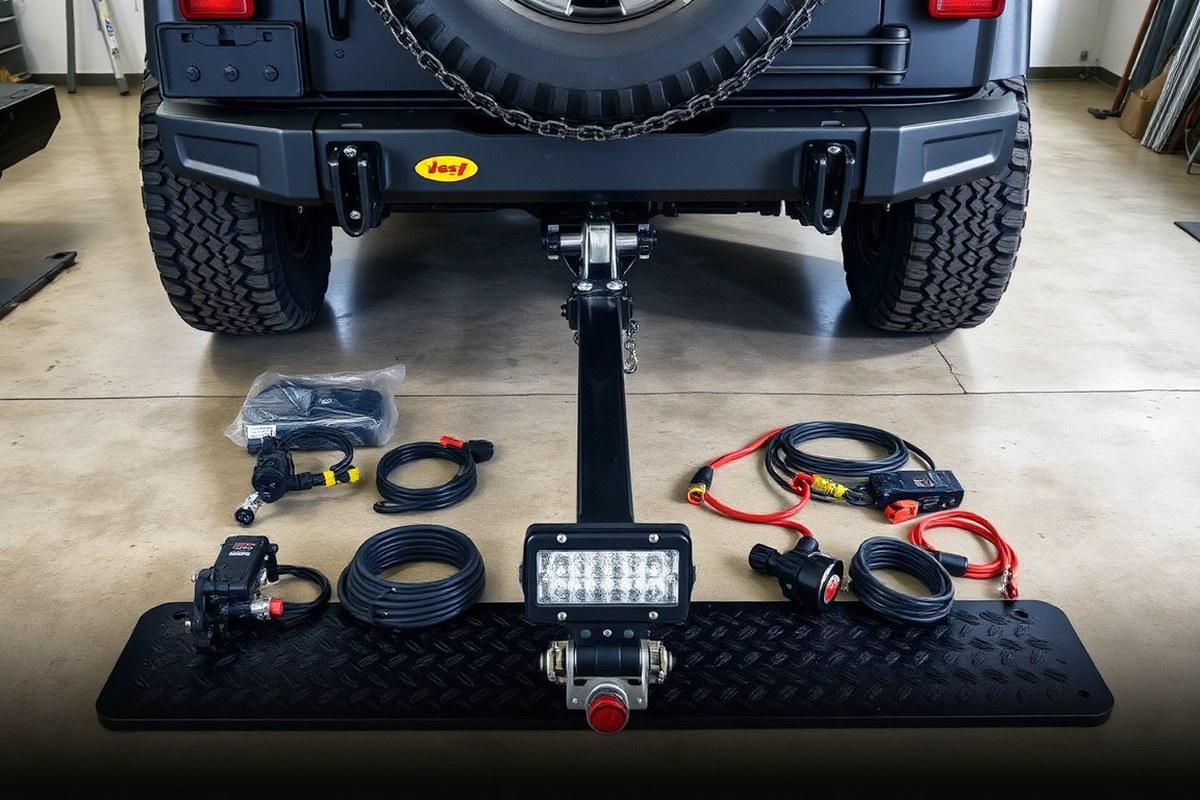
Flat towing a Jeep Wrangler requires specific equipment to ensure both safety and proper functionality. The base plate is essential; it mounts directly to the Wrangler’s frame and serves as the anchor point for the tow bar. For Jeep Wranglers, base plates from Blue Ox and Roadmaster are commonly recommended due to their fit and durability. Each Wrangler model may need a base plate designed specifically to match the frame and mounting points, so selecting one that fits your model year and trim is critical.
The tow bar links your Jeep to the RV or tow vehicle. Common options such as the Roadmaster Falcon and Blue Ox Aventa fit the Jeep Wrangler well. They support the Wrangler’s weight and include adjustable arms to align with the base plate. Choose a tow bar that meets the Wrangler’s towing requirements and includes quick-release mechanisms for easy setup.
Safety cables are required by law in most states and must be crossed under the tow bar. This configuration prevents the Jeep from dropping to the ground if the tow bar connection fails. Most tow bar kits include safety cables, but confirm they have enough length and strength. Installing them correctly by crossing underneath forms a cradle, improving security.
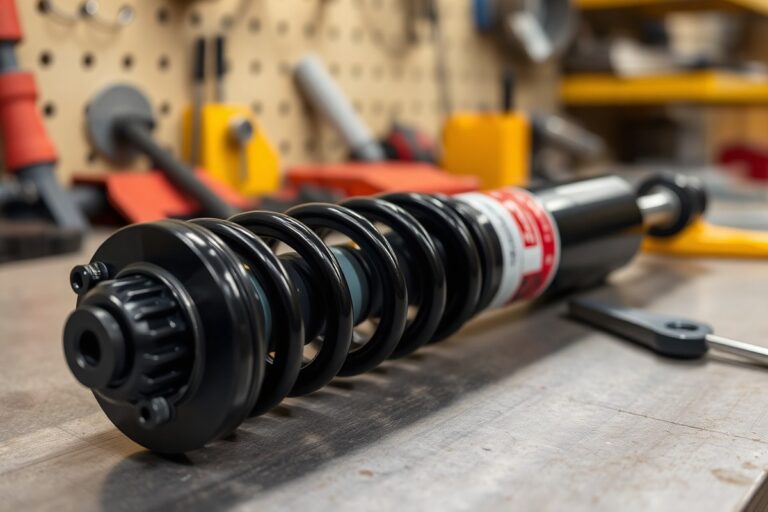
Supplemental braking systems are mandatory for flat towing and protect both the Jeep and the tow vehicle by providing additional stopping power. The braking system must integrate with your motorhome’s controller and activate the Jeep’s brakes to reduce wear on the tow bar and prevent accidents. Popular supplemental brake brands include Blue Ox and Roadmaster, compatible with a variety of motorhome control units.
Lighting kits are necessary for legal and safe towing. They ensure the Jeep’s brake lights, turn signals, and running lights mirror those of the towing vehicle. The T-One diode kit is a popular choice for Jeep Wranglers because it installs easily and protects the Jeep’s electrical system. Magnetic light bars are another option but typically require manual setup during each trip.
- Base plates: Blue Ox or Roadmaster, model-specific for your Wrangler
- Tow bars: Roadmaster Falcon or Blue Ox Aventa, rated for WR weight
- Safety cables: included with tow bar, crossed under connection per law
- Supplemental braking systems: compatible with your motorhome system
- Lighting kits: T-One diode kit for plug-and-play wiring
- Installation tools: wrenches, drill, wiring harness tools
- Transfer case must be set to neutral and parking brake off during towing
| Equipment | Purpose | Popular Brands | Typical Cost Range |
|---|---|---|---|
| Base Plate | Frame-mounted tow bar connection point | Blue Ox, Roadmaster | $250 – $450 |
| Tow Bar | Connects Jeep to RV hitch | Roadmaster Falcon, Blue Ox Aventa | $400 – $600 |
| Safety Cables | Backup connection if tow bar fails | Included with tow bar kits | Included |
| Supplemental Braking System | Activates Jeep brakes from motorhome | Blue Ox, Roadmaster | $400 – $700 |
| Lighting Kit | Replicates towing vehicle lights on Jeep | T-One diode kit, Magnetic light bar | $150 – $300 |
Ensure safety cables are crossed under the tow bar to create a cradle that prevents the Jeep from dropping if the tow bar disconnects.
Proper selection and installation of all these components are necessary before flat towing your Jeep Wrangler to avoid costly damage or legal issues. Using compatible equipment designed specifically for your model improves ease of setup and safety on the road. Expect to spend between $1,200 and $2,000 for the complete setup, depending on brand choices and installation costs. Always verify local regulations on towing equipment to ensure compliance.
How to Install a Base Plate on a Jeep Wrangler
Installing a base plate on your Jeep Wrangler is essential for safe and secure flat towing. The process involves preparing the vehicle, correctly positioning the base plate, and verifying its attachment. Following precise steps helps ensure the base plate holds firmly under towing conditions.
Preparing the Jeep for Installation
Start by parking your Jeep on a flat, level surface and engage the parking brake to keep it steady. You’ll need basic automotive tools such as a socket set, wrenches, screwdrivers, and torque wrench. Remove any undercarriage covers or skid plates obstructing access to the frame where the base plate mounts.
Put the transfer case in “Neutral” to prevent transmission damage during towing. Disconnect the battery to avoid electrical shorts during installation. Gather all parts included in the base plate kit, usually brackets, bolts, and pins, and review the kit’s manual for vehicle-specific details. Clearing this workspace and having all tools ready shortens installation time and reduces mistakes.
Aligning and Attaching the Base Plate
Precise alignment is critical. The base plate must line up exactly with existing mounting points on the Jeep’s frame. Incorrect alignment can cause undue stress and unsafe towing conditions. Follow these steps carefully to position and attach the base plate:
- Raise the front of the Jeep with a jack and secure it on jack stands for easier access to the underside.
- Locate the mounting holes on the Jeep’s frame, typically near the radiator support and front crossmember.
- Hold the base plate up to the frame, matching its bolt holes to those on the Jeep. Use a helper if needed to keep it steady.
- Insert the supplied bolts through the aligned holes. Start all bolts by hand to avoid cross-threading.
- Tighten bolts snugly with a wrench, then torque them to manufacturer specifications, usually between 50 and 70 ft-lbs.
- Reinstall any undercarriage parts you removed earlier, ensuring they do not interfere with the base plate or tow bar attachments.
Keep the bolts tight and avoid overtightening, which might damage threads or distort the frame. Check for any gaps between the base plate and frame, and adjust positioning before final tightening.
Verifying the Installation
After attaching the base plate, confirm its security before towing. Pull gently on the base plate to test for any movement. Loose or shifting parts can lead to dangerous detachment on the road.
Double-check all bolts are torqued to spec. Inspect the alignment visually to make sure the base plate sits flush and level with the Jeep’s frame. If you have a tow bar handy, connect it briefly to confirm proper fitting and swaying freedom.
Professional installation is recommended if you lack mechanical experience or proper tools. Certified installers ensure accurate alignment and torque, minimizing risks of damage or unsafe towing. Kits usually cost from $200 to $400, with professional installation adding $100 to $200, depending on location and labor rates.
Step-by-Step Process to Flat Tow Your Jeep Wrangler Safely
Flat towing your Jeep Wrangler requires careful preparation and secure connections to ensure safety on the road. This process includes setting the Jeep’s drivetrain properly, attaching the tow bar and safety cables, connecting the brake system, and completing final safety checks on all connections and lighting.
Preparing Jeep’s Drivetrain and Brakes
Before attaching your Jeep Wrangler to the tow vehicle, make sure the drivetrain and brakes are set correctly to prevent damage. Shift the transmission into neutral and place the transfer case in the “neutral” or “tow” position, depending on your specific model. Locking the steering column by removing the key ensures the wheels stay straight while towing.
Failing to set these correctly can cause serious damage to the transfer case or transmission. It’s important to consult your owner’s manual for the exact steps and confirm the transfer case returns to neutral before connecting the tow bar.
Connecting Tow Bar and Safety Equipment
Securing the physical link between your Jeep and the tow vehicle involves attaching the tow bar, safety cables, and brake system in a way that allows safe and controlled towing.
- Align the tow vehicle and Jeep Wrangler so they are straight and close enough for the tow bar to connect without pulling or slack.
- Attach the tow bar arms to the base plates installed on the Jeep. Ensure both sides lock into place, listening for a click to confirm they are secure.
- Connect safety cables in a crossed pattern between the Jeep and tow vehicle. These cables act as backup restraints if the tow bar fails.
- Attach the wiring harness from the Jeep’s lighting system to the tow vehicle’s plug. This controls the Jeep’s brake lights, turn signals, and tail lights during towing.
- Hook up the supplemental brake system (if required in your state). Test the connection by activating the brake controller in the tow vehicle.
Final Checks and Testing Before Towing
Performing thorough checks after setting up confirms that everything will function safely throughout the drive. First, verify the tow bar remains level between the Jeep and the tow vehicle to avoid undue stress on the equipment. Check all connection points for tightness, including the base plates, tow bar locks, and safety cable knots or clasps. Inspect the lighting by walking around the Jeep and towing vehicle while signaling turns and braking; all lights should respond correctly.
During your trip, stop periodically to inspect the tow bar and cables, looking for wear, looseness, or damage. This diligence can prevent accidents and costly repairs down the road.
Special Considerations for Flat Towing the Jeep Wrangler 4xe Hybrid
Flat towing a Jeep Wrangler 4xe hybrid requires special attention to its hybrid battery and braking system. You need to manage the 12-volt battery drain and set your supplemental braking unit to a specific pressure range to match the hybrid’s electric brake booster. These adjustments prevent damage and ensure safe towing performance.
Battery Drain and Charge Management
The 4xe hybrid’s 12-volt battery loses charge more quickly in tow mode compared to a standard Wrangler since the hybrid setup keeps using power even with the engine turned off. This steady energy use may drain the battery on lengthy towing trips, potentially shutting down essential systems in your Jeep.
To prevent battery drain, run a 12-volt charge line from your motorhome’s electrical system to the 4xe’s battery. This setup maintains battery voltage over extended towing distances, avoiding the need to stop frequently just to recharge. The charge line kit usually costs between $100 and $200 and can be professionally installed or self-installed if you have automotive wiring experience.
Without a charge line, the 4xe’s battery can drain completely on long treks, potentially leaving you stranded or damaging the hybrid system.
Adjusting the Supplemental Brake System
The 4xe features an always-on electric brake booster that delivers more braking power than a standard vacuum booster. For flat towing, adjust your supplemental braking unit to apply between 5 and 15 PSI of braking force. This calibrated setting matches the hybrid’s brake system to avoid excessive or insufficient braking.
Most supplemental brake controllers have an adjustable pressure dial or digital settings. Set the pressure on the low end of 5 PSI for gentle deceleration situations, and increase up to 15 PSI for heavier braking or steep grades. Avoid exceeding 15 PSI because too much force can cause premature brake wear and possible tow bar strain.
Towing Limits Specific to the 4xe
The Jeep Wrangler 4xe is rated for flat towing like other Wrangler models, but the need to manage battery drain imposes an effective distance limitation if no charging line is used. Without a charge line, the battery ultimately drains after roughly 30 to 50 miles, depending on temperature and power draws.
Speed limits for 4xe flat towing match those for gas-engine Wranglers, typically staying below 65 mph to maintain control and reduce wear. Charging options during long tows include portable solar chargers or inverter setups, but these rarely provide reliable continuous power compared to a direct charge line from your RV.
Connecting and Leveling the Tow Bar Correctly
Start by inserting the main body of the tow bar into the hitch receiver on your towing vehicle. Make sure it seats fully by aligning the holes on the receiver and tow bar, then secure them with a hitch pin or locking bolt. This gives you a sturdy connection point for attaching the tow bar arms to your Jeep’s base plate.
Next, attach the tow bar arms to the base plate brackets on your Jeep. These brackets usually have hooks or pins that match the tow bar’s connectors. Secure the connection by locking the pins or clamps according to your tow bar’s design. This step is important to ensure the Jeep is safely attached and won’t separate during travel.
Make sure the tow bar is set level to avoid putting extra strain on your Jeep’s base plate and the hitch receiver. Keeping the tow bar level ensures your Jeep follows straight behind the RV, which helps prevent uneven tire and suspension damage. Place a bubble level on the tow bar or align its angle with the RV’s hitch receiver. Change the tow bar arm lengths as needed until the bar sits flat when both vehicles are parked on even ground.
Signs of a poor connection include visible gaps or play between the tow bar and base plate, the tow bar not sitting level, or the Jeep not tracking directly behind the tow vehicle. You might also notice strange noises or dragging from the connection area during a test drive. Address these issues before heading out.
Check all connections every time before a trip and at regular stops during travel. Fasteners can loosen, and shifting loads may affect your setup. Frequent inspection helps prevent accidents and keeps your Jeep towed safely.
- Insert tow bar body fully into the hitch receiver and secure with pin or bolt.
- Attach tow bar arms to the Jeep’s base plate and lock pins/clamps firmly.
- Use a bubble level to confirm the tow bar is horizontal.
- Adjust tow bar arm length to level the connection on flat ground.
- Check for play, gaps, or dragging before driving.
- Confirm the Jeep tracks directly behind the tow vehicle in a test pull.
- Inspect connections before each trip and at rest stops.
Following these mechanical and visual checks ensures the tow bar holds the Jeep securely and maintains proper alignment. The typical cost for quality tow bars with easy-leveling features ranges from $300 to $600, depending on brand and model. Spending time on proper leveling reduces wear and tear on your Jeep’s drivetrain and suspension during flat towing.
Safety Cables, Lighting, and Supplemental Braking Requirements
Safety cables are legally required whenever you flat tow a Jeep Wrangler to provide a backup connection between the Jeep and the tow vehicle in case the primary tow bar fails. These cables must be crossed under the tow bar and securely attached to both vehicles. This crossed pattern prevents the towed vehicle from hitting the ground or veering off course if the tow bar disconnects. Without safety cables, you risk losing control of your Jeep on the road, which can lead to accidents and fines since most states enforce their use by law. Make sure to use cables rated at least equal to the towing capacity of your setup, typically costing between $20 and $60 for a quality pair.
Lighting kits are essential to ensure your Jeep’s brake lights, turn signals, and taillights operate properly while being flat towed. These kits connect your Jeep’s lighting system to the tow vehicle’s electrical system using a wiring harness and adapters specific to your Jeep Wrangler’s model year. Most kits plug into the Jeep’s factory connector ports without cutting wires. Performing a simple test before hitting the road helps confirm the lighting signals work in sync. Have someone operate the brake and turn signals while you observe the Jeep’s light responses. Defective or unhooked lighting can mislead other drivers and violate traffic laws. Expect to spend around $100 to $200 on a reliable lighting kit, depending on the brand and features like LED compatibility.
Supplemental braking systems are often required by law when the total weight of the towed vehicle exceeds certain limits, which varies by state. These systems apply the Jeep’s brakes when the tow vehicle brakes, improving safety and reducing wear on the tow vehicle’s brakes. Compatible options for a Jeep Wrangler include proportional braking systems that connect to the Jeep’s brake lines or electronic braking systems that use sensors and a controller. Installation involves mounting the brake controller inside the tow vehicle and wiring it properly to communicate with the Jeep’s brakes. Checking the system’s functionality means performing a slow test stop in a safe area with the tow lights on; you should feel the Jeep’s brakes engage smoothly without jerking. Supplemental braking systems can cost between $300 and $800, with installation time ranging from one to several hours, depending on the system and your tools.
Regulations for lighting and brakes vary significantly by state. Some require auxiliary brake lights on the towed Jeep if the original Jeep brake lights do not synchronize perfectly with the tow vehicle’s lights. Others mandate specific brake controllers or supplemental braking systems if the Jeep’s weight exceeds 1,500 to 3,500 pounds. Always check your state’s Department of Motor Vehicles or transport authority website for exact rules before towing. Adhering to these regulations avoids penalties and ensures safer road operations for yourself and others.
Maintaining safety cables, lighting kits, and braking systems also means periodic inspections. Before each trip, visually check cables for frays or corrosion, confirm wiring connections are tight and free of damage, and test the braking system under controlled conditions. Disconnect and store equipment properly after use to prevent weather-related wear. Proper maintenance keeps all components functioning correctly, reducing the risk of roadside breakdowns or accidents during flat towing.
Driving Tips and Common Mistakes to Avoid When Flat Towing
Maintaining a speed of 65 mph or lower is essential when flat towing your Jeep Wrangler. This limit follows Jeep’s recommendation and helps reduce stress on the tow bar and connection points. Driving faster increases the risk of connection failure and can cause uneven wear on the Jeep’s drivetrain and tires.
Leave extra space between your vehicle and others to allow for longer stopping distances. Adding at least three seconds of following distance beyond usual driving conditions helps accommodate the extra momentum of towing. This buffer gives you time to brake gently, preventing jerks that could strain the tow bar or cause sway.
Handling turns requires careful attention because your Jeep Wrangler on the tow bar moves with your rig. Practice making wide and gradual turns in a safe area before hitting the road. Avoid sharp corners or sudden lane changes. Your Jeep’s rear tires will track close to your truck’s path, so adjust your steering to keep the towed vehicle aligned and prevent dragging or tire scrubbing.
- Keep speed at or below 65 mph to protect connections and reduce stress.
- Increase following distance by at least 3 seconds to ensure safe stopping.
- Make slow, wide turns and avoid sudden lane changes.
- Stop after the first few miles to re-check all connections and safety cables.
- Inspect tow bar, brackets, and lighting every 50 miles during longer trips.
- Use supplemental braking on your Jeep if required by state law or towing conditions.
- Practice towing maneuvers in a quiet area before highway driving.
Common mistakes include failing to check and tighten bolts on the base plate and tow bar, which can cause disconnects or damage. Inspecting the lights and safety cables is often overlooked, yet these can fail during travel, creating hazards. Another error is towing with unstripped or improperly prepared drivetrains; this causes binding and serious mechanical issues.
| Mistake | Cause | How to Fix |
|---|---|---|
| Tow bar disconnects during driving | Loose quick-release pins or safety cables not attached | Always double-check pins lock securely and cables attach to frame points before departure |
| Uneven tire wear or driveline bind | Improper transfer case or transmission setup | Ensure neutral is correctly engaged and driveline is prepared according to Jeep instructions |
| Lighting failure or noncompliance | Incorrect wiring or loose connectors | Test all lights before trips and fix wiring using adapter kits recommended for the Wrangler |
| Unsafe turns causing tire scrubbing | Turning too sharply without practice | Practice wide, slow turns and adjust steering input accordingly |
Stop after about 5 miles of towing to inspect all connections and safety cables; repeat checks every 50 miles for longer trips to avoid accidents or costly damage.
Step-by-Step Action Plan for Flat Towing Your Jeep Wrangler
Follow these clear steps to get your Jeep Wrangler ready for flat towing, ensuring safety and compliance throughout your trip.
- Before towing: Confirm your Jeep model allows flat towing four-down, including checking the owner’s manual for any restrictions or special needs.
- Day 1: Acquire all necessary equipment like a base plate, tow bar, safety cables, lighting kit, and supplemental braking system if required. Verify each part fits your Jeep Wrangler model.
- Day 2: Install the base plate securely on your Jeep using the manufacturer’s instructions. Confirm the base plate is aligned properly and all bolts are tightened to the specified torque.
- Day 3: Attach the tow bar and safety cables, then connect the lighting and supplemental braking system. Test each connection by driving slowly with lights and brakes activated to confirm full functionality.
- Pre-trip: Double-check tow bar height and level to avoid strain on the connectors. Use a leveler and adjust position until the Jeep sits evenly when hooked to your RV.
- Day of towing: Perform a pre-drive inspection of all attachments and safety equipment. Ensure signal lights and brakes respond correctly from the RV controller before hitting the road.
- Ongoing: Monitor your Jeep and tow equipment every 50 to 100 miles for looseness or wear. Stop safely to retighten or fix any issues as they arise.
Frequently Asked Questions
Can You Flat Tow a Jeep Wrangler Without a Supplemental Braking System?
No, a supplemental braking system is required by law to safely flat tow your Jeep Wrangler and to comply with road regulations in most states.
Do You Need to Disconnect the Driveshaft When Flat Towing a Jeep Wrangler?
For the JL Wrangler model, disconnecting the driveshaft is not necessary when flat towing with all four wheels down.
How Often Should You Inspect the Flat Towing Equipment on a Jeep Wrangler?
Inspect the tow bar, base plate, and safety cables before every trip to ensure safe and reliable towing.
Is It Necessary to Put the Jeep Wrangler in Neutral When Flat Towing?
Yes, putting your Jeep Wrangler in neutral is essential to prevent transmission damage during flat towing.
Can You Flat Tow a Modified Jeep Wrangler?
Modifications may affect flat towing capability, so consult your vehicle manual or a professional before towing a modified Wrangler.
What Is the Maximum Speed Limit When Flat Towing a Jeep Wrangler?
Jeep’s official guidance sets the maximum speed at 65 mph to maintain safety and mechanical reliability while flat towing.
Final Thoughts
Flat towing your Jeep Wrangler correctly demands careful preparation and adherence to safety guidelines to protect your vehicle and ensure legal compliance. Start by confirming your Wrangler’s suitability for flat towing and gathering the right equipment. Taking the next step to install and test your setup on a calm day can save you trouble on the road. Prioritize safety checks before every trip, and your flat towing experience will be more secure and enjoyable.