

How Do I Mix 2 Stroke Fuel: Simple Steps for Perfect Ratios and Safe Mixing
How do I mix 2 stroke fuel? Combine the correct ratio of fresh unleaded petrol and two-stroke oil, usually 40:1 or 50:1, to ensure proper engine lubrication and performance. Measure the oil precisely before mixing it with petrol containing less than 10% ethanol. Always start with clean fuel and mix thoroughly to protect your engine from damage.
Key Takeaways
- Use unleaded petrol with 91, 95, or 98 RON rating and ethanol content below 10% for best engine health.
- Mix two-stroke oil at a 40:1 ratio for most engines; that’s 125 ml oil per 5 liters of petrol.
- Pour measured oil into petrol, then stir or shake the container to blend the mix evenly.
- Avoid storing mixed fuel longer than 30 days to maintain fuel stability and engine performance.
- Never use fuel older than 30 days to prevent loss of combustibility and potential engine issues.
- Keep your measurements simple by buying fuel in whole liters for easy oil calculation.
How to Mix 2 Stroke Fuel Correctly Step-By-Step
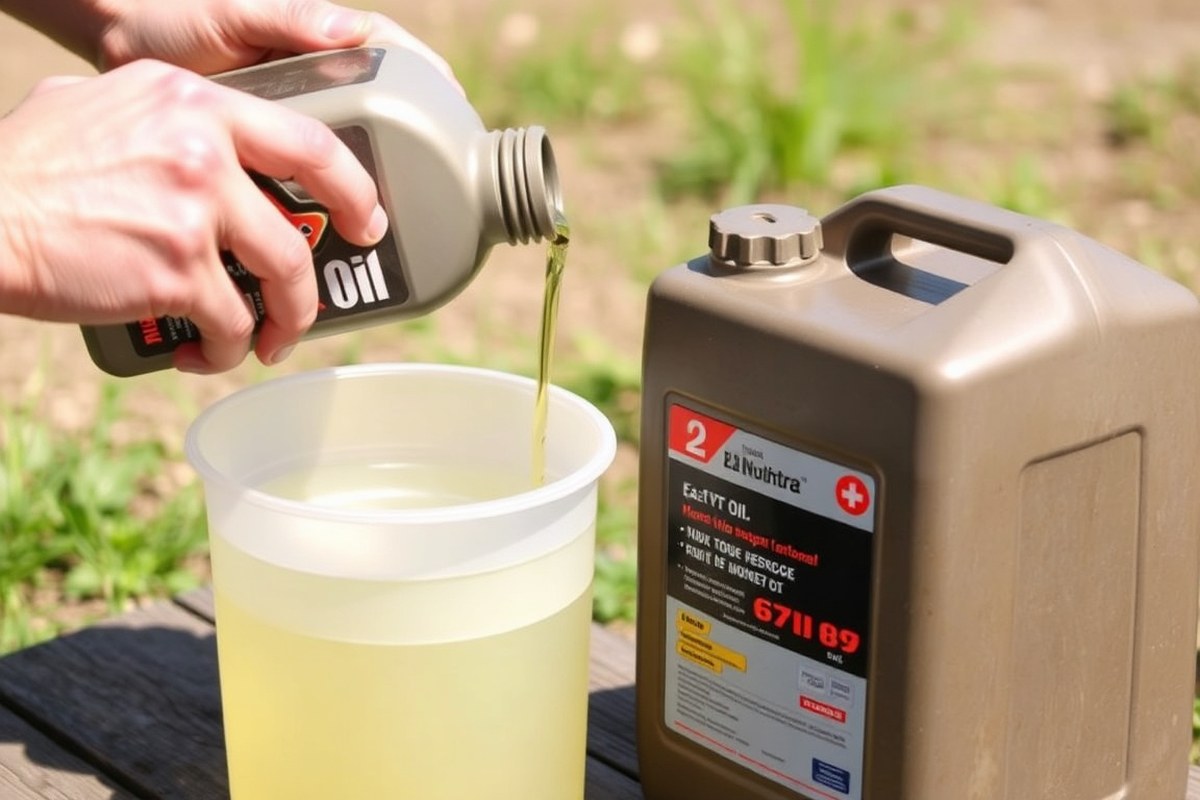
Mixing two-stroke fuel correctly takes careful measuring and thorough blending to protect your engine from damage. Mixing the oil and petrol in a separate container ensures even distribution of the oil throughout the fuel, which prevents engine wear and maintains smooth performance. NEVER add oil directly into the engine’s fuel tank because the oil won’t mix well, leading to poor lubrication and possible engine failure. Use a clean, approved petrol container that can hold slightly more than your total fuel and oil volume to avoid spills and leaks.
Measure the amounts precisely based on your engine’s fuel-to-oil ratio. For example, a 50:1 ratio means 50 parts petrol to 1 part oil, so for 5 liters of petrol, measure 100 milliliters of two-stroke oil. Pour the oil into the container first, then add the petrol to avoid splashing or foaming. After adding both liquids, seal the container tightly and shake vigorously for at least 30 seconds to ensure a thorough blend. Doing so creates a consistent fuel mixture that lubricates the engine properly and reduces smoke and deposits.
- Measure the petrol: Pour the exact amount of unleaded petrol needed into a clean, approved mixing container. Whole litres make measuring easier, 5 liters is common for many equipment tanks.
- Measure the two-stroke oil: Using a precise measuring cup or graduated container, measure the oil according to your fuel-to-oil ratio. For a 40:1 ratio with 5 liters of petrol, measure 125 milliliters of oil.
- Add the oil to the container first: Pour the measured two-stroke oil into the empty petrol container before adding the petrol. This helps prevent the oil from sticking to the container’s sides.
- Pour in the petrol: Slowly add the petrol into the container with oil. Avoid splashing, which can cause fumes or spills.
- Seal and shake the mixture: Screw the container lid on tightly. Shake vigorously for at least 30 seconds, inverting the container several times to mix oil and petrol into a uniform solution.
- Store the mixed fuel safely: Keep your mixed fuel in a cool, dry place in a sealed container that’s labeled clearly as two-stroke fuel mix. Use within 30 days for best engine performance.
Exact measuring avoids under-oiling or over-oiling, which can cause engine running problems or damage. Mixing outside the engine tank avoids layering or settling of the oil. Thorough shaking ensures the oil is fully blended, reducing engine deposits and smoke. Using a clean container prevents contamination that might clog fuel lines. Following these steps costs just a few cents more per gallon of fuel but extends your small engine’s life and reliability.
What Fuel-To-Oil Ratio Should I Use for 2 Stroke Engines?

Most two-stroke engines use a specific fuel-to-oil ratio to ensure proper lubrication and function. The common ratios include 50:1, 40:1, and 32:1, but the exact number depends on your engine’s size and manufacturer recommendations. Using too little oil risks engine damage, while too much can lead to excessive smoke and carbon buildup.
Common Fuel-To-Oil Ratios and Their Uses
Typical two-stroke fuel-to-oil ratios depend on the engine’s design and intended use. A 50:1 ratio means 50 parts fuel to 1 part oil, for example, mixing 1 liter of fuel with 20 milliliters of two-stroke oil. Smaller, modern engines often use this ratio as it provides good protection with efficient combustion.
Some engines, especially older or larger models like those over 75cc, may require richer mixtures such as 40:1 or 32:1. These ratios supply more oil to handle increased engine stresses and prevent wear. Dirt bikes, chainsaws, and trimmers from different brands might have varied requirements depending on horsepower and technology.
The table below outlines common two-stroke ratios and their typical engine uses. Use it as a quick reference, but always check your manual for specifics.
| Fuel-to-Oil Ratio | Oil per 1 Liter of Fuel | Typical Engine Application |
|---|---|---|
| 50:1 | 20 mL | Most modern 2-stroke engines up to 75cc, including many Husqvarna models |
| 40:1 | 25 mL | Older or higher-load engines, mid-sized outdoor power equipment |
| 32:1 | 31 mL | High-performance or heavy-duty engines needing extra lubrication |
Choosing the correct ratio helps maintain engine health and fuel efficiency by balancing lubrication and combustion quality.
How to Find Your Engine’s Recommended Ratio
Your equipment’s owner’s manual is the most reliable source for the correct fuel-to-oil ratio. Manufacturers test engines rigorously to optimize lubrication without fouling the engine or increasing emissions. Using their recommendation avoids guesswork and potential damage.
If you no longer have a manual, look for a label on the equipment’s fuel tank or engine housing. Many manufacturers include basic mix ratios there. Online resources or the manufacturer’s website often provide downloadable manuals or technical support contact info as well.
Follow this decision rule: always prioritize the manufacturer’s ratio over any generic guideline. Engines are designed for specific oiling needs; choosing a ratio not intended for your model can lead to early failure or reduced performance.
Effects of Incorrect Mixing Ratios
Using too little oil risks severe engine damage. Insufficient lubrication causes increased friction and heat, leading to worn piston rings, scored cylinder walls, or even engine seizure. Overheating may shorten your engine’s lifespan and require costly repairs.
On the other hand, mixing too much oil leads to excessive smoke, fouled spark plugs, and carbon build-up inside the engine and exhaust. This can cause rough running, reduced power, and increased emissions, along with more frequent maintenance needs.
It’s safer to mix a bit more oil than too little, but always stick close to your engine’s recommended ratio to avoid performance issues.
Which Oils and Fuels Work Best for Two-Stroke Fuel Mixes?
Use high-quality synthetic or semi-synthetic two-stroke oil combined with unleaded petrol rated at 91, 95, or 98 RON that contains less than 10% ethanol. Synthetic oils perform better under stress, while mineral oils are more affordable but less effective. Avoid fuels with high ethanol content as it attracts moisture, which can degrade the fuel and damage the engine. Fuel stabilizers can help preserve mixed fuel if it needs to be stored longer than a month or two.
Types of Two-Stroke Oils
Synthetic two-stroke oils consist of chemically engineered base stocks designed to provide superior lubrication, cleaner combustion, and reduced smoke compared to mineral oils. They protect the engine better under hot conditions, making them ideal for high-performance dirt bikes or professional-grade chainsaws. Semi-synthetic oils blend mineral and synthetic components, offering a balance of cost and performance suitable for regular use in lawn mowers and trimmers. Mineral oils are petroleum-based and more affordable, but they tend to burn less cleanly and offer lower protection, which can lead to increased exhaust deposits and faster engine wear.
Choose oil formulated specifically for air-cooled or petrol-powered two-stroke engines. Avoid oils intended for water-cooled engines like boat outboard motor oil, as they have additives that don’t match the requirements of land-based tools and can cause engine damage. Synthetic oils cost between $15 and $25 per liter but can extend engine life and improve performance, while mineral oils may cost $8 to $15 per liter but require more frequent oil changes or maintenance checks.
Selecting Unleaded Petrol
Two-stroke engines need fuel with at least a 90 RON octane rating to prevent knocking and maintain smooth operation. Commonly available unleaded fuels rated at 91, 95, or 98 RON work well, with higher octane fuels offering slightly better performance under load or at higher compression ratios. Avoid using fuels with ethanol content above 10%, as ethanol attracts moisture which can separate from the fuel and cause corrosion inside engine parts or carburetor issues over time.
Opt for fresh gasoline purchased from reputable service stations that display ethanol content clearly. Some retailers provide ethanol-free petrol or blends with lower ethanol percentages; these options reduce the risk of engine damage and fuel degradation, especially if you store your mixed fuel or use equipment seasonally. Prices generally range from $3 to $4 per gallon for regular unleaded, with ethanol-free fuels costing more depending on location.
Additives and Fuel Stabilizers
Fuel stabilizers are additives designed to slow down oxidation and prevent the breakdown of gasoline when stored. Adding a stabilizer to your two-stroke fuel mix before storage helps maintain fuel quality by reducing moisture absorption and chemical degradation. This can extend the useful life of your mixed fuel from a few weeks up to around twelve months. Without stabilizers, mixed fuel can become stale and gummy within 30 to 60 days, potentially clogging carburetors and increasing engine wear.
Applying a fuel stabilizer is straightforward: measure the recommended dose according to the product instructions (usually 1 ounce per 2.5 gallons of fuel) and mix it into your petrol before adding oil. This is especially helpful if you ride dirt bikes or use chainsaws seasonally and expect unused fuel to sit for months. While stabilizers add cost, usually just a few dollars per treatment, the expense is low compared to the risk of engine damage or frequent maintenance caused by degraded fuel.
How Long Can Mixed 2 Stroke Fuel Be Stored Safely?
Mixed 2-stroke fuel should not be stored for more than 30 days to maintain its quality and engine performance. After this period, the fuel’s combustibility and stability degrade, which can cause starting problems, poor engine operation, or damage. This 30-day limit applies regardless of whether the fuel is stored in a container or inside a small engine like a chainsaw or trimmer.
Storing the fuel properly helps preserve its stability. Use a clean container explicitly designed for fuel storage, such as an approved plastic or metal gas can with a tight-sealing lid. Store the container in a cool, dry, and well-ventilated area away from direct sunlight and heat sources to slow down evaporation and chemical breakdown. Avoid storing fuel near ignition sources or where temperatures can fluctuate dramatically, as this accelerates degradation.
Leftover fuel that has been stored longer than 30 days should generally not be reused. Using stale fuel risks poor engine performance or even damage. Before pouring mixed fuel into your equipment’s tank, check for signs of degradation. Look for changes in the fuel’s color, cloudiness, or separation layers. If the fuel smells sour or has an unusual odor, discard it properly. Presence of sediment or a gummy residue also indicates the mix has gone bad.
When you have mixed fuel that has sat for a few weeks but is still within the safe storage window, gently swirl the container before use. This redistributes the oil and fuel that may have separated. Always ensure you shake or stir the mix thoroughly right after combining the oil and gasoline to produce a consistent blend from the start. Using a funnel to fill your fuel tank helps prevent spills and contamination.
Equipment manuals often give specific recommendations, so it can help to check those for your particular model. Some professional users mix smaller batches more frequently to avoid storing fuel for any length of time. This practice reduces waste and ensures fresh fuel with consistent performance. Remember that different environmental factors like temperature and container type can slightly affect how fast the fuel degrades, but the 30-day guideline is a reliable maximum for general use.
Common Mistakes and How to Fix Them When Mixing Fuel
Using dirty containers to mix or store two-stroke fuel leads to contamination, which can clog carburetors and damage your engine. Always clean containers thoroughly with soap and hot water, drying them completely before use. Avoid mixing fuel directly in the engine tank because uneven mixing can cause inconsistent lubrication, increasing wear and risking engine seizure.
When you accidentally use the wrong fuel-to-oil ratio, the best course is to drain the tank fully and refill it with correctly mixed fuel. Running the engine with an incorrect ratio might cause smoke, reduced performance, or engine damage over time, especially if the oil is too low. For minor errors, topping off the tank with the correct mixture can sometimes help, but thorough draining is safest.
Preventing contamination and spills starts with having a clean, dedicated mixing container and a steady pouring method. Using a funnel reduces spills, while a measuring cup or marked container helps maintain accuracy. Store mixed fuel in approved, airtight containers to avoid dirt and moisture introduction.
- Clean containers with hot soapy water and dry before mixing each time
- Always mix fuel and oil in a separate container, not in the engine tank
- Measure oil and fuel precisely to avoid an incorrect ratio
- Use a funnel to reduce spills during transfer
- Store mixed fuel in sealed, approved containers away from heat
- Label mixed fuel containers with ratio and date made
Owner vigilance in these simple steps minimizes engine wear and unexpected failures, which can cost $100 or more in repairs. Regularly check your containers for residue buildup or damage; replace them if needed to keep fuel clean. Notice excess smoke or reduced power? Check your fuel mix ratio and drain the tank to refill if needed.
Always mix two-stroke fuel in a clean, separate container and never directly in the equipment’s fuel tank.
How Does Ethanol Affect Two-Stroke Fuel Mixing and Engine Health?
Ethanol in two-stroke fuel can cause several issues affecting engine performance and longevity. Keeping ethanol content under 10% helps maintain fuel stability and engine safety. Ethanol attracts moisture from the air, leading to water contamination in the fuel. This moisture causes phase separation, where water and ethanol settle at the bottom of the tank, resulting in poor combustion and corrosion inside the engine. Over time, this damage reduces engine reliability and may cause starting problems.
Fuel mixtures containing higher ethanol percentages degrade faster than ethanol-free blends. Ethanol promotes oxidation and varnish buildup, which can clog carburetors and fuel lines. Keeping ethanol below 10% slows down these chemical reactions, preserving fuel quality for several months when stored in airtight containers away from heat and sunlight. Using fuel stabilized specifically for two-stroke engines further helps maintain stability, especially if you plan to store mixed fuel longer than 30 days.
Choosing the right oil is important when ethanol is present in the fuel. Some two-stroke oils are designed to be compatible with ethanol blends, offering better lubrication and protection against the corrosive effects of ethanol and moisture. Oils labeled as “ethanol compatible” usually include additives that prevent corrosion and reduce deposit formation. Using non-compatible oils with ethanol fuel can increase wear and damage, especially to piston rings, cylinder walls, and exhaust ports.
To avoid ethanol-related issues, look for unleaded gasoline with an ethanol content labeled E10 or lower. Many small engine fuel suppliers provide ethanol-free gasoline or blends specifically formulated for outdoor power equipment, though these fuels may cost 10-20% more than standard pump gas. You can also use fuel additives that neutralize ethanol’s effects, but these should be added before mixing fuel and stored following the additive’s instructions.
When mixing two-stroke fuel, measure both gasoline and oil precisely, then mix thoroughly in a clean container. Store the mixture in a sealed, opaque fuel container to minimize exposure to air and light. If you need to store fuel for more than a month, adding a fuel stabilizer can extend its usability. Avoid purchasing gasoline with ethanol content above 10% for your two-stroke engine to reduce moisture absorption and engine wear, which also lowers the risk of carburetor clogging and starting delays common in ethanol-damaged engines.
Safety and Environmental Best Practices When Mixing 2 Stroke Fuel
Using personal protective equipment (PPE) when mixing 2 stroke fuel protects your skin and lungs from harmful chemicals. Wear chemical-resistant gloves and safety glasses or goggles to prevent contact with fuel and oil. Avoid breathing in fumes by mixing fuel outdoors or in a well-ventilated area, such as a garage with doors and windows open or a space with an exhaust fan. Even brief exposure to fuel vapors can cause headaches and dizziness.
Choose a flat, stable surface outdoors or in a ventilated workspace for mixing fuel. Avoid areas near open flames, sparks, or heat sources because 2 stroke fuel is highly flammable. Use a clean container that is clearly labeled with the fuel mixture type and date to avoid confusion and accidental misuse. Always keep fuel containers tightly sealed and away from children and pets.
Preventing spills is key to protecting the environment and your property. Pour fuel slowly and carefully, using a funnel if needed, to reduce the risk of drips and overspill. Wipe up any spills immediately with an absorbent cloth. Never pour leftover fuel down drains, on soil, or into water bodies because it contaminates soil and waterways and harms wildlife.
Disposing of old or unused mixed fuel safely minimizes environmental damage and complies with local regulations. Many communities have hazardous waste collection sites or events where you can drop off old fuel. Transport fuel in approved, sealed containers to these facilities. Avoid mixing small quantities of fuel oil to reduce leftovers; instead, measure only the amount you need.
- Wear chemical-resistant gloves and safety glasses.
- Mix fuel outdoors or in a well-ventilated area.
- Use clean, clearly labeled containers.
- Avoid open flames and sparks near fuel.
- Pour fuel slowly using a funnel.
- Clean spills immediately with absorbent material.
- Dispose of old fuel at local hazardous waste facilities.
Clearly marking your fuel container reduces the chance of using the wrong fuel accidentally. Write down the fuel-to-oil ratio and the date you made the mixture. Keep the container somewhere cool and dry, avoiding sunlight, heat, or anything flammable. Inspect the container regularly for leaks or damage. Sticking to these safety and eco-friendly steps helps keep you, your equipment, and the environment safe when dealing with 2 stroke fuel.
Tools and Tips to Calculate and Measure Two-Stroke Fuel Mix Amounts
Calculating the correct two-stroke fuel mix amount involves dividing the volume of petrol by the fuel-to-oil ratio. Accurate measurements ensure optimal engine performance and avoid damage. You can use simple formulas, digital calculators, or precise measurement tools to get the right quantities every time, especially when mixing fuel for different engines.
Formula for Calculating Oil Volume
The basic formula to find the amount of two-stroke oil you need is: oil volume equals the quantity of petrol divided by the fuel-to-oil ratio. For instance, if you have 5 liters of petrol and your engine requires a 50:1 ratio, divide 5 by 50 to get 0.1 liters, which is 100 milliliters of oil. This method works with gallons as well, simply divide the gallons of petrol by the ratio to get the oil volume in gallons or convert it to ounces.
This calculation makes it easy to adjust for any ratio your engine needs. If one tool uses a 40:1 mix and another uses 50:1, calculate each separately. Mixing different ratios in one batch can cause performance problems or engine wear, so keep batches separate or choose the ratio for your most sensitive engine and avoid under-oiling. Always double-check your math to prevent damage from too lean or too rich mixtures.
Using Online or Mobile Calculators
Several websites and mobile apps are available for calculating two-stroke fuel mix ratios. These tools allow you to enter the quantity of petrol and your desired ratio, then automatically provide the exact volume of oil you need. This approach reduces errors in manual calculations and saves time, especially if you mix fuel often or for different engines.
Some calculators also convert between metric and imperial units, so you don’t have to worry about converting liters to gallons or milliliters to ounces. They can also suggest recommended fuel-oil ratios based on your engine type or brand. These are usually free and compatible with smartphones, making them handy for on-the-go mixing.
Tips for Accurate Measurements
Use tools designed for measuring small volumes of oil, such as marked syringes, graduated measuring cups, or dosing bottles with clear calibration lines. These tools improve accuracy over guessing or using common kitchen utensils. Two-stroke oil is viscous, so transparent containers with clear markings help avoid over- or under-measuring.
For smaller quantities, a syringe marked in milliliters can cost under $10 and provides precision. Avoid mixing oil directly in the petrol container without first measuring it separately. Pour the petrol into a clean container, measure the oil, then add it carefully to ensure an even blend. Mixing different oils or incorrect measurements can result in poor combustion, smoke, or engine damage.
Always measure the oil before adding it to petrol to avoid spills and inaccurate mixing.
Step-by-Step Action Plan to Mix 2 Stroke Fuel Safely
Use this plan to mix your 2 stroke fuel correctly and maintain your engine’s performance and longevity.
- Before you start: Gather the right oil and gasoline free of ethanol or with low ethanol content (under 10%), plus a clean approved container and a precise measuring tool. This ensures accurate mixing and reduces engine damage risks.
- Mixing time: Add the measured oil first, then pour gasoline into the container to reach your desired ratio, such as 50:1 or 40:1. The mix should appear uniform with no oil separation, indicating proper blending.
- Storage check: Label the fuel container with mixing date and ratio, then store in a cool, dry spot away from sunlight and heat sources. Use the mix within 30 days to prevent fuel degradation and engine problems.
- Pre-use test: Before pouring fuel into your equipment, shake the container well, then check for clear appearance without cloudiness or separation. This confirms the mix remains balanced.
- After each use: Empty unused fuel from your machine into a safe container, then run the engine dry to avoid gum and varnish buildup. This helps prevent clogging and maintains engine health.
- Every 3 months: Review your stored fuel and discard any old or improperly stored mix following local hazardous waste disposal rules. This keeps your work area safe and the fuel effective.
Frequently Asked Questions
Does a 2-stroke Dirt Bike Need Mixed Gas?
Yes, a 2-stroke dirt bike requires a specific mix of petrol and two-stroke oil for proper lubrication and engine performance. Using plain petrol without oil can severely damage the engine over time.
What Is the Mix for Two-Stroke Petrol?
The common mix ratio is 50:1, meaning 50 parts petrol to 1 part two-stroke oil, such as 5 liters of petrol mixed with 100 milliliters of oil. Adjust the ratio according to your engine manufacturer’s specifications.
What Happens If You Put Too Much 2-stroke Oil in Gas?
Adding too much oil can cause excessive smoke, carbon buildup, and poor engine performance. It may also foul the spark plug and increase maintenance needs.
What Happens If You Put 2-stroke Mixed Fuel in a 4 Stroke Engine?
Using two-stroke mixed fuel in a four-stroke engine can damage engine components because four-stroke engines have separate oil systems and don’t burn oil with the fuel. This can lead to poor engine operation or failure.
Can I Store Mixed 2-stroke Fuel in My Regular Gas Can?
It’s best to use a dedicated gas can for storing mixed two-stroke fuel to avoid contamination and reduce fire risk. Label the container clearly to prevent accidental use of the wrong fuel.
Is It Okay to Mix Fuel and Oil Directly in the Engine’s Tank?
No, never mix two-stroke oil and petrol directly in the engine’s fuel tank. Always mix them in a separate container first for a consistent blend and to avoid damage.
Final Thoughts
Taking care to mix your 2 stroke fuel correctly protects your engine from damage and ensures it runs smoothly. Start mixing your fuel today by measuring your oil and gasoline precisely and mixing in a clean, sealed container. This simple step keeps your equipment ready for use and extends its life.


