How Long Do Fuel Pumps Last? A Complete Guide with Lifespan Facts
How long do fuel pumps last? Most automotive fuel pumps typically last between 100,000 and 150,000 miles, with many reaching beyond 200,000 miles when properly maintained. Factors like fuel quality and usage influence longevity, so keeping your fuel system clean helps extend pump life.
Key Takeaways
- Monitor fuel system cleanliness to prevent premature fuel pump wear and failure.
- Expect fuel pumps to last at least 100,000 miles under normal driving conditions.
- Avoid running your vehicle on low fuel to keep the pump properly cooled and lubricated.
- Some fuel pumps can exceed 150,000 miles with regular maintenance and quality fuel.
- Fuel pumps often last the life of the vehicle, so replacement is usually necessary only after symptoms appear.
- Engine type and driving habits directly affect how long your fuel pump will last.
How Long Do Fuel Pumps Usually Last?
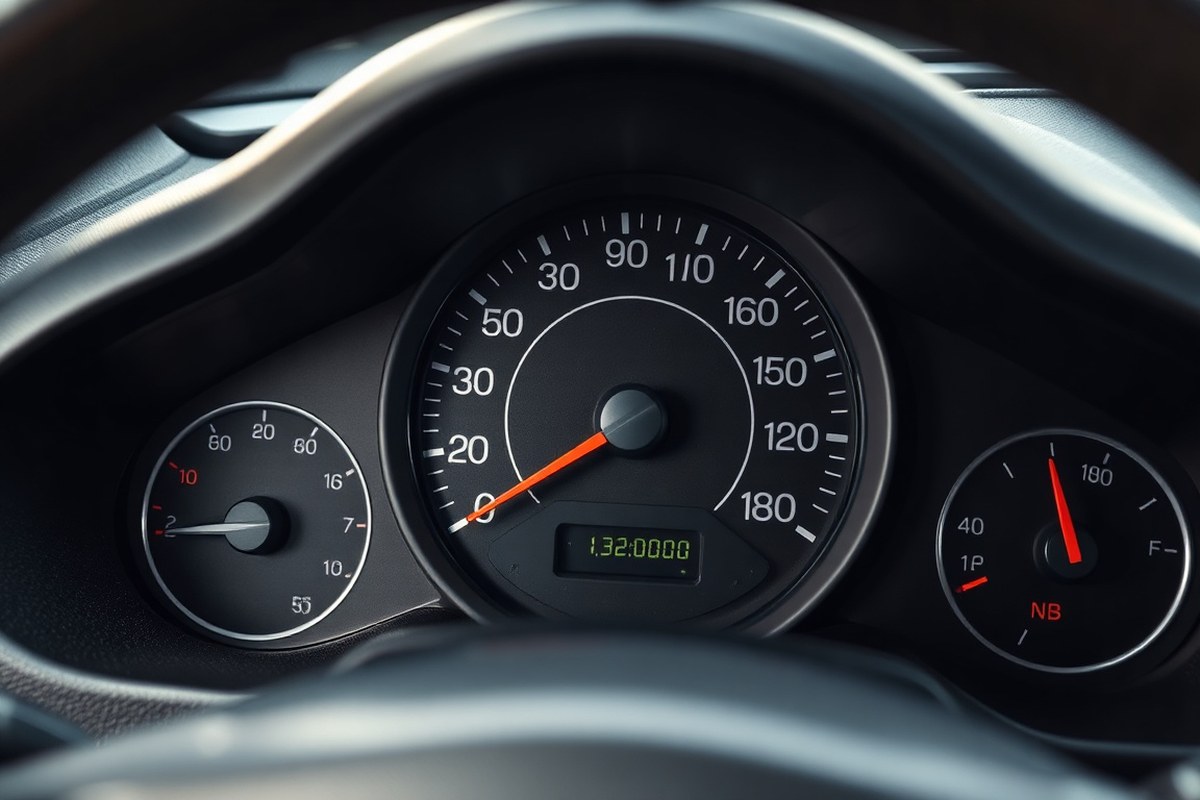
The typical fuel pump in most vehicles lasts between 100,000 and 150,000 miles. This range covers normal driving conditions and proper fuel system maintenance. Translating miles to years, a fuel pump generally lasts about 7 to 10 years depending on how much you drive annually. A pump that reaches this lifespan means it supplies fuel reliably throughout a significant portion of your vehicle’s functional life.
Some fuel pumps can last for the entire life of the vehicle, especially in cases where the vehicle is well maintained and not subjected to harsh driving or poor fuel quality. In-tank electric pumps, commonly used in port-injected gasoline engines, tend to have the longest practical lifespan. These pumps benefit from being cooled and lubricated by the fuel they draw, which helps prevent early wear and allows many to surpass the 150,000-mile mark or more without failure.
Modern fuel pumps have improved durability compared to older models, partly due to better materials and engineering. Older mechanical fuel pumps, found in vintage or classic cars, usually lasted between 50,000 and 100,000 miles before requiring replacement. In contrast, today’s electric fuel pumps, both in-tank and those used in direct-injection engines, often reach higher mileage averages, with some lasting well over 200,000 miles under ideal conditions. This longer life is possible because modern pumps are designed to handle higher pressures and are built to tighter manufacturing standards.
High-pressure fuel pumps in direct-injected engines, which operate under more stress due to increased fuel pressures, typically have shorter lifespans around 100,000 to 120,000 miles. These pumps work harder and run hotter, which can lead to earlier wear compared to traditional in-tank pumps. Diesel fuel pumps, which include lift and injection pumps, generally last about 100,000 to 200,000 miles but are very sensitive to contamination and water in the fuel, which can reduce their lifespan significantly.
Purchasing a vehicle with a high-quality fuel pump or replacing your pump with an OEM or reputable aftermarket part can also impact longevity. For example, newer luxury vehicles often use higher-grade components that can stretch pump life beyond the average. Checking the manufacturer’s specifications and following recommended maintenance can help you get pumps that meet or exceed the typical lifespan ranges.
When monitoring your vehicle’s fuel system, be aware that pumps usually fail suddenly rather than gradually. Maintenance practices such as keeping the fuel tank adequately filled and avoiding contaminated fuel also help fuel pumps run longer. A failing pump replacement can cost between $800 and $1,500, which makes understanding expected pump life and preventive care worthwhile.
Types of Fuel Pumps and Their Lifespans
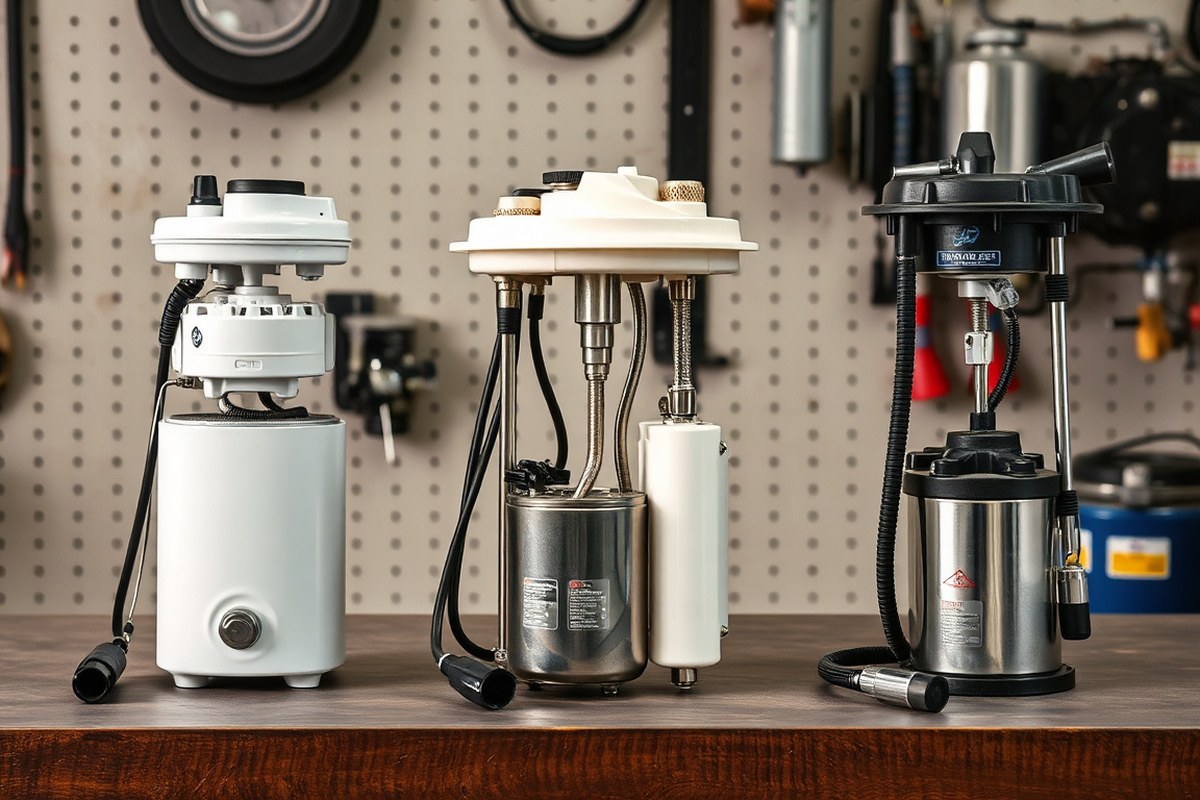
Cars typically use mechanical or electric fuel pumps, each with distinct designs and lifespans. Mechanical pumps appear mostly in older carbureted engines and tend to wear out faster due to their moving parts. Electric pumps dominate modern vehicles, especially those with fuel injection, offering longer service life but varying based on pressure and application.
Electric In-Tank Fuel Pumps
Electric in-tank fuel pumps are standard in most modern cars. These pumps sit inside the fuel tank, which helps keep them cool and reduces wear. Their design allows a steady, reliable fuel flow to the engine while also lowering the noise they produce compared to older external pumps.
Typically, electric in-tank pumps last between 150,000 and 200,000 miles with proper maintenance and driving habits. They benefit from continuous submersion in fuel, which acts as a coolant and lubricant. However, consistently running the tank low can overheat the pump, risking premature failure.
High-Pressure Direct Injection Pumps
High-pressure pumps used in gasoline direct injection and diesel engines differ significantly. These pumps must generate much higher fuel pressure, often several thousand psi, to inject fuel directly into cylinders, requiring stronger, more precise internal components.
Due to operating at extreme pressure, mechanical strain, and heat, these pumps typically wear out faster, often around 100,000 miles under normal use. Frequent hard acceleration, towing, or harsh conditions can further reduce their lifespan.
Mechanical and Performance Fuel Pumps
Mechanical fuel pumps, common in older vehicles with carburetors, rely on engine-driven levers or cams to move fuel. Their exposed moving parts tend to wear faster, usually lasting under 100,000 miles depending on use. These pumps can be simpler and cheaper to replace but do not provide the precision required for modern fuel systems.
Performance vehicles sometimes use external electric pumps or upgraded mechanical pumps to meet higher fuel demands. These aftermarket or performance pumps may have different durability based on their build quality and operating stresses, but they generally require more frequent inspection and possible earlier replacement compared to standard factory pumps.
| Type of Fuel Pump | Location | Typical Lifespan | Fuel System Compatibility | Notes |
|---|---|---|---|---|
| Electric In-Tank Pump | Inside fuel tank | 150,000 – 200,000 miles | Port fuel injection, standard modern engines | Runs cooler submerged; quieter operation |
| High-Pressure Direct Injection Pump | Engine compartment or tank | ~100,000 miles | Gasoline direct injection, diesel engines | Wears faster due to high pressure and heat |
| Mechanical Fuel Pump | Engine-mounted, external | Less than 100,000 miles | Older carbureted engines | Exposed moving parts wear faster |
| Performance/Electric External Pump | External, engine bay or chassis | Varies, often less than standard electric | High-performance or modified engines | Subject to higher stress; needs frequent checks |
Understanding these differences helps you predict when replacement might be necessary and guides maintenance choices. The physical location, precise application, and fuel system type all influence how long a pump will function properly before signs of failure appear.
Running your fuel tank consistently low risks overheating electric pumps, especially in-tank types, which can significantly shorten their lifespan.
Key Factors That Affect Fuel Pump Lifespan
The quality of fuel you use directly impacts the wear and lifespan of your fuel pump. Poor quality or contaminated fuel carries particles that can clog or damage the pump’s internal components. These impurities can cause increased friction and wear, leading to premature failure. To protect the pump, always fill up with fuel from reputable stations that maintain clean storage tanks. Should you suspect your fuel is contaminated, adding a fuel system cleaner according to the product instructions can help reduce deposits and buildup.
Your driving habits also play a big role in fuel pump durability. Frequently running the vehicle with a low fuel level causes the pump to overheat since the fuel acts as a coolant for the pump. Operating the pump without sufficient fuel can lead to overheating and eventual failure. Keeping your fuel tank at least one-quarter full helps maintain proper cooling and prolongs pump life. Aggressive driving or stop-and-go traffic where the engine runs continuously can also increase wear by making the pump work harder over time.
Regular maintenance is important for fuel pump longevity, with fuel filter replacement being one of the most important tasks. A clogged filter forces the pump to operate under strain while trying to push fuel through blockages. This strain shortens the pump’s life and can cause abrupt failure. Most manufacturers recommend replacing the fuel filter every 30,000 to 60,000 miles. Checking your vehicle’s owner’s manual for the exact interval is essential. Expect fuel filter replacements to cost between $50 and $150, depending on the vehicle and parts quality. After replacement, a smoother-running engine and consistent fuel pressure signal a healthy fuel system.
To maintain your fuel pump, keep a checklist in mind: always use quality fuel, avoid running too low on fuel, and replace the fuel filter as scheduled. Driving in dusty or harsh conditions means you might need to check your filters more often. Mechanical fuel pumps in older vehicles are less tolerant of contaminants and usually require more routine inspection than electric pumps in modern cars. Adhering to these practices reduces the chances of costly pump repairs or replacements.
Fuel pump lifespan varies based on vehicle design and operating conditions, but poor fuel quality, unsafe driving habits like low fuel levels, and neglected maintenance accelerate wear. Sticking to clean fuel sources and a disciplined maintenance schedule helps you get the most out of your fuel pump. Conversely, ignoring these factors leads to overheating, contamination buildup, and higher chances of early pump failure.
Signs Your Fuel Pump Is Failing
Whining or humming noises coming from near the fuel tank are often the first signs of a failing fuel pump. This sound indicates the pump’s motor is under strain or starting to wear out. Hearing this noise means you should have a professional inspect the pump right away, as driving on might lead to total pump failure and could harm your engine.
Difficulty starting your vehicle or an engine that cranks but takes an unusually long time to start can mean the pump isn’t delivering enough fuel. Likewise, if your engine hesitates, sputters during acceleration, or loses power while driving, these could signal reduced fuel pressure. A drop in fuel pressure starves the engine of fuel, causing poor performance and stalling risks.
Various issues such as clogged injectors, a failing fuel pressure regulator, or ignition problems can produce similar symptoms, making a professional evaluation necessary. Mechanics check fuel pressure using gauges at the fuel rail or line, ensuring it matches your vehicle’s recommended PSI. When pressure falls short or is unstable, pump repair or replacement is usually needed.
- Unusual whining or humming from the fuel tank area
- Engine takes longer than normal to start or fails to start
- Engine sputtering or hesitation under load
- Unexpected engine stalling at idle or while driving
- Noticeable loss of engine power during acceleration
- Recurring trouble codes related to fuel delivery or pressure
Noticeable drops in fuel pressure may feel like sluggish acceleration or engine hesitation. Testing fuel pressure yourself requires a gauge designed for your vehicle’s fuel system and knowledge of safe procedures due to fuel’s flammability. Costs for having a professional perform this test typically range from $50 to $100, though prices vary by location and shop rates. Good results show fuel pressure holding steady at the manufacturer’s specified PSI; poor results include pressure below spec, which confirms pump weakness.
It’s smart to schedule a fuel system check as soon as you observe two or more of these symptoms. Prompt diagnosis prevents total pump failure, which can strand you and lead to costly repairs. A professional will identify whether the pump itself is failing or if other components like filters, relays, or sensors are at fault before recommending replacement or repair. Fuel pumps normally last between 100,000 and 150,000 miles, so symptoms appearing near or after this range should raise suspicion.
When and How to Replace a Fuel Pump
Fuel pump replacement generally becomes necessary when the current pump fails or shows signs of wear that affect performance. Preventive replacement solely based on mileage is usually not recommended since a healthy fuel pump can last well beyond 150,000 miles. However, if your vehicle is approaching or has passed the 100,000-mile mark and you notice symptoms such as sputtering, delayed starts, or loss of power, it’s wise to have the pump inspected and consider replacement as a precaution.
Costs for replacing a fuel pump vary depending on your car’s make and model as well as labor rates in your area. Parts alone typically range from $100 to $400 for a new fuel pump assembly. Labor often represents the larger expense, varying between $200 and $700 or more. This is because technicians usually need to lower the fuel tank to access and remove the pump, which can be time-consuming. Overall, expect to pay between $800 and $1,500 for a complete replacement, including parts and labor.
The replacement procedure involves several key steps. First, the fuel system must be depressurized to avoid leaks or spraying fuel. Next, the fuel tank is carefully lowered, usually by disconnecting straps or bolts and detaching fuel lines and electrical connectors. With the tank lowered, the old pump is removed from the tank’s top or side access panel. Installing the new pump includes cleaning the mounting area, replacing any associated seals, and carefully resealing the tank and connections. Finally, the tank is reinstalled, and the system is tested to ensure proper fuel delivery and engine performance.
This process can take approximately two to four hours, depending on how accessible your vehicle’s fuel tank is and the complexity of the fuel system. Cars with easier access to the fuel pump, such as some models with an access panel inside the vehicle rather than under the tank, may incur lower labor costs. Conversely, vehicles that require significant disassembly under the body can push labor costs higher.
Always relieve the fuel system pressure before starting replacement to avoid fuel spray, which is a serious safety hazard.
Maintenance Tips to Prolong Fuel Pump Life
Replacing your fuel filter at regular intervals matters because a clogged filter forces the fuel pump to work harder, increasing wear and the risk of failure. Most manufacturers recommend changing the fuel filter every 30,000 to 60,000 miles, but check your vehicle’s owner’s manual for specifics. Replace the serviceable inline fuel filter in your car using the recommended OEM or quality aftermarket part; note that some modern vehicles feature non-serviceable filters integrated with the pump and need professional servicing.
Keeping the fuel tank at least a quarter full prevents overheating and wear. Fuel pumps rely on the surrounding gasoline to cool and lubricate their moving parts, so running on low fuel causes higher operating temperatures. Frequent low fuel levels can lead to premature pump failure, as overheating degrades internal components. Filling up before the gauge falls below 1/4 tank reduces the pump’s workload and helps it maintain optimal performance over many miles.
Choosing high-quality fuel reduces contaminants like dirt, rust, and water that can clog filters and damage the pump. Buy gasoline from busy, well-maintained stations with a good turnover to ensure fresh fuel and less contamination. Avoid very cheap or off-brand fuels known for inconsistent quality. Using fuel with proper octane ratings also ensures the engine and fuel system run smoothly and reduces strain on the pump and injectors.
- Change the fuel filter every 30,000 to 60,000 miles according to your owner’s manual.
- Keep the fuel tank above one-quarter capacity, topping off early on long trips or erratic driving schedules.
- Purchase fuel from reputable, busy stations to avoid stale or contaminated gasoline.
- Inspect electrical connectors on the fuel pump at scheduled maintenance intervals to ensure reliable power supply.
- Address fuel system issues like hesitation, sputtering, or unusual noises promptly to prevent pump damage.
Inspecting connections and wiring of the fuel pump can prevent electrical issues that cause pump failure. Corrosion or loose plugs increase resistance, forcing the pump to draw more current and overheat. Notice erratic engine performance or warning lights? Get the fuel system checked right away. Repairing minor electrical faults early can avoid replacing the entire pump.
Following these maintenance practices calls for modest investment, fuel filter replacements typically cost $20 to $50 for parts and labor depending on your vehicle, and keeping the tank above a quarter full costs little other than regular fueling. The payoff comes as fewer fuel pump repairs and less risk of breakdowns, which can cost several hundred dollars or more to fix. Regular care extends pump life and avoids unexpected roadside failures that disrupt your schedule and add repair costs.
How Vehicle and Engine Types Influence Fuel Pump Durability
Fuel pump durability varies according to the vehicle and engine type, with factors such as manufacturer design, engine technology, and fuel system pressure influencing how long a pump lasts. Luxury and newer cars sometimes have pumps designed for longer service intervals, while turbocharged or direct injection engines often demand higher pressures that can reduce pump lifespan. Comparing these elements helps you anticipate maintenance needs and avoid premature pump failure.
Impact of Engine Type on Pump Life
Engine type has a significant influence on fuel pump durability due to the varying pressure requirements and fuel delivery systems. Vehicles with turbocharged engines or direct injection technology typically use high-pressure fuel pumps that operate at pressures far exceeding those in naturally aspirated engines. For example, high-pressure fuel pumps in direct injection systems often work at pressures above 2,000 psi, compared to around 60 psi in conventional systems. This increased stress accelerates wear, often shortening pump life to closer to 80,000 to 120,000 miles.
Diesel engines, such as those with an L5P Duramax, rely on strong lift pumps and high-pressure systems designed specifically for diesel fuel’s properties. These pumps tend to be more durable, handling higher temperatures and pressures, but also require specialized maintenance to prevent premature failure. High operating temperatures and the inherent toughness required for diesel fuel systems generally mean these pumps can last longer with proper care, sometimes crossing 150,000 miles.
Differences Between Vehicle Makes and Models
Fuel pump longevity differs by manufacturer because of varied design approaches, materials, and production quality. Luxury brands often build fuel pumps with higher quality components and tighter tolerances, which can extend service life. For instance, some pumps in luxury or premium vehicles feature advanced cooling or filtration systems to reduce wear, potentially pushing lifespan beyond 150,000 miles under proper maintenance.
Mass-market models might use more standardized fuel pump designs that balance cost with durability, typically lasting between 100,000 and 130,000 miles. Certain manufacturers have earned reputations for more reliable pumps due to proprietary technology or better integration with the engine management system. Understanding your specific make and model’s fuel pump characteristics and replacement history can help anticipate when servicing will be necessary, potentially saving on unexpected replacement costs.
Fuel System Technology and Longevity
The type of fuel system technology installed in a vehicle directly shapes fuel pump wear and reliability. Older carbureted or low-pressure injection systems require less powerful pumps that generally last longer due to simpler operation and lower stress. In contrast, modern fuel injection systems, especially direct injection, depend on pumps that maintain very high fuel pressures continuously, which increases mechanical and electrical load.
Regular maintenance, such as keeping fuel filters clean, prevents debris from stressing the pump. Vehicles with sophisticated fuel delivery technologies often incorporate multi-stage pumps or separate low- and high-pressure pumps, which can distribute workload and improve overall system longevity. However, complexity sometimes introduces more failure points, demanding strict adherence to service schedules. Costs for high-pressure fuel pump replacement typically range from $600 to over $1,200 depending on the vehicle, making understanding these technology impacts important for budgeting and care planning.
Testing and Diagnosing Fuel Pump Problems
Testing a fuel pump involves checking fuel pressure, flow rate, and electrical function. These steps help pinpoint whether the pump itself or related components cause problems. Professional help is recommended if tests show abnormal pressure, no pump operation, or electrical irregularities.
Measuring Fuel Pressure
Fuel pressure testing confirms if the pump delivers fuel at the correct pressure specified by the manufacturer. Low pressure can indicate issues such as a clogged fuel filter, bad regulator, or pump failure. Check the vehicle’s manual for the exact pressure range, often between 30 to 60 psi for many gasoline engines. Follow these steps to measure fuel pressure accurately:
- Locate the Schrader valve or test port on the fuel rail.
- Attach a fuel pressure gauge securely to the test port.
- Rotate the ignition key to the “on” position without cranking the engine to activate the fuel pump.
- Read the pressure on the gauge, then compare it to factory specifications.
- Start the engine and observe if the pressure remains stable.
- Turn off the engine, then monitor how quickly pressure falls; a rapid drop suggests leaks or failing check valves.
Always relieve fuel system pressure before attaching a gauge to prevent fuel spray and injury.
Conducting Flow and Volume Tests
Pressure alone doesn’t always reveal the pump’s true condition. A pump can have acceptable pressure but insufficient flow, which starves the engine during demand spikes. A volume test measures how much fuel the pump can deliver over time.
To conduct a flow test, disconnect the fuel line at a safe point and catch the fuel output in a container. Run the pump for 30 seconds and measure how many ounces or liters it delivers. Compare this against specifications from the vehicle or pump manufacturer. Low flow with good pressure suggests partial blockages in the pump’s internal parts or issues with the fuel filter, which should be replaced before condemning the pump.
Electrical and Relay Checks
The fuel pump relies on steady electrical power to operate. Testing power and ground at the pump ensures the wiring, fuse, and relay are functioning properly. Without good electrical health, the pump will either not run or will run intermittently.
Use a multimeter to measure voltage at the pump connector while cranking the engine. It should read close to battery voltage (12.6 volts or slightly less). Check the continuity of relay terminals and inspect fuse condition to rule out faults. Inconsistent voltage or no voltage confirms electrical failure, which requires repairing wiring, replacing relays or fuses, or installing a new pump assembly if the motor is damaged.
Step-by-Step Action Plan to Monitor and Maintain Your Fuel Pump
Follow these steps to keep your fuel pump running smoothly and catch issues early.
- Before you start: Check your owner’s manual for fuel pump specs and recommended maintenance intervals to set a baseline for upkeep.
- Monthly: Inspect your fuel filter and replace it if dirty. A clean filter reduces strain on the fuel pump and ensures better performance.
- Every 15,000 miles: Test your fuel pump pressure using a gauge to verify it stays within the manufacturer’s recommended range. Correct pressure means the pump operates well.
- At signs of trouble: Listen for unusual noises like whining or sputtering, and note any engine hesitation. These symptoms indicate a failing pump that needs further diagnosis.
- When fuel runs low: Avoid regularly driving with less than a quarter tank of gas. This helps keep the fuel pump submerged and cool, preventing early wear.
- Every 3 years or 60,000 miles: Consider a professional fuel system inspection to check pump condition and fuel lines, especially if your vehicle is older or driven hard.
- After repair or replacement: Monitor fuel efficiency and engine performance. Improved responsiveness and steadier idling suggest successful fuel pump service.
Frequently Asked Questions
How Often Should I Replace My Fuel Pump?
Most fuel pumps last between 100,000 and 150,000 miles, so consider replacement near that range or if you notice performance issues. Regular maintenance can help you avoid unexpected pump failure.
Can Fuel Type Affect Fuel Pump Lifespan?
Yes, using ethanol-blended fuels may cause more wear and corrosion in some pumps. Stick to manufacturer recommendations for fuel type to protect your fuel system components.
Is It Cheaper to Replace the Fuel Pump or Repair It?
Replacing a fuel pump is generally more cost-effective because repairs often don’t fully restore functionality. A new pump ensures reliability and usually comes with a warranty.
Do Aftermarket Fuel Pumps Last as Long as OEM Pumps?
Aftermarket fuel pumps can last less than OEM parts depending on quality. Choosing a reputable brand can reduce risks, but OEM remains the safest bet for longevity.
Can Running on Low Fuel Damage the Fuel Pump?
Frequently running on low fuel can cause the pump to overheat since fuel cools it. Aim to keep your tank at least a quarter full to extend pump life.
How Does Driving Style Impact Fuel Pump Longevity?
Aggressive driving with hard accelerations increases fuel demand and heat, which may stress the pump. Smooth and steady driving helps maintain fuel pump health over time.
Wrapping Up
Fuel pumps typically last between 100,000 and 200,000 miles, depending on your vehicle, driving habits, and maintenance. Keeping the pump cool, clean, and well-maintained helps it reach the upper end of that range. Start by scheduling a fuel pressure test to check your pump’s current health and address any issues before they lead to breakdowns.