What Causes Spark Plugs to Foul: Complete Guide to Diagnosing and Fixing
Spark plugs can become fouled when buildup forms on their electrodes, leading to ignition problems and rough engine running. Causes may include running too rich a fuel mix, oil entering the combustion chamber, carbon deposits, or using spark plugs that don’t match your engine’s requirements for type or heat rating. Knowing these factors lets you identify fouling early and prevent expensive engine damage.
This information is designed for car owners and DIY enthusiasts who maintain gasoline engines. It offers clear explanations and practical steps to identify, clean, or replace fouled spark plugs, improving your engine’s reliability and fuel efficiency.
Key Takeaways
- Check your spark plugs at least every 30,000 miles or as part of your routine maintenance to catch any fouling early before it gets worse.
- Rich air-fuel mixtures result in carbon deposits that coat spark plugs and reduce ignition quality.
- Oil contamination on plugs signals worn piston rings or valve guides needing prompt mechanical attention.
- Using spark plugs with incorrect heat ranges often causes overheating or fouling, impairing engine function.
- Short trips frequently cause carbon buildup since the engine doesn’t reach full operating temperature.
- Spray fuel injector cleaner on fouled spark plugs and wait 7 to 10 minutes before cleaning or reinstalling.
What Causes Spark Plugs to Foul in Engines

Spark plugs foul primarily due to fuel mixture problems, oil contamination, carbon buildup, and overheating. Each of these reduces the spark plug’s ability to ignite the air-fuel mixture correctly, causing engine misfires, rough idling, and reduced performance. Understanding exactly how these fouling types occur helps you diagnose and address the issues properly.
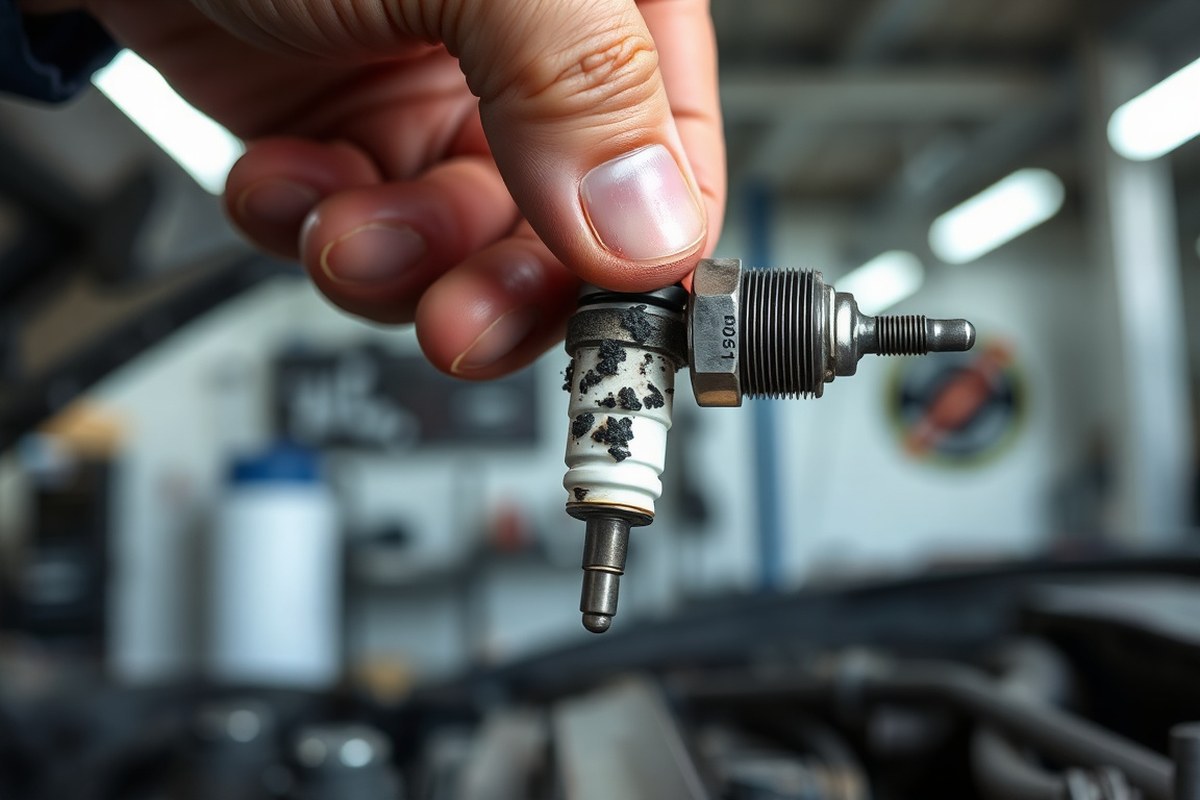
Fuel mixture quality plays a major role. A rich fuel mixture means there’s too much fuel compared to air entering the engine, which prevents complete combustion. This leaves a dry, sooty black carbon deposit on the spark plug’s electrode. Driving conditions like short trips or excessive idling worsen this because the engine doesn’t reach optimal temperature to burn fuel fully. A malfunctioning mass air flow sensor or oxygen sensor can misread airflow or exhaust oxygen content, causing the engine control unit to deliver too much fuel, further fouling the plugs with carbon deposits.
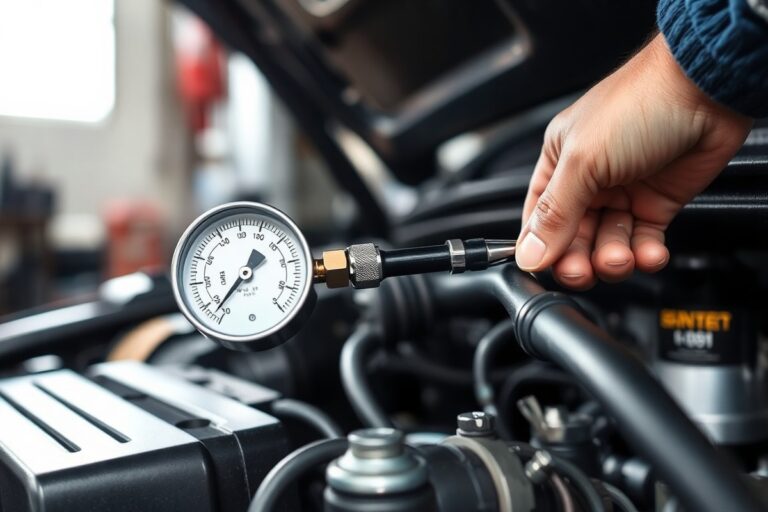
Oil contamination on spark plugs occurs when engine oil leaks into the combustion chamber. Common causes include worn piston rings, failed valve seals, or a blown head gasket. Oil leaves a wet, shiny, black oily coating on the spark plug, unlike dry carbon buildup. Because the oil absorbs and cools the spark plug tip, it suppresses the spark significantly, causing engine misfire. To confirm this, perform a compression test and inspect seals for damage. Repairing or replacing worn engine components along with cleaning or changing the plugs is necessary to stop oil fouling.
Overheating can also foul plugs in several ways. Excessive heat may cause the spark plug electrode to blister or develop a white or gray powdery ash deposit from burning oil additives or coolant leaks. Overheating often results from using spark plugs with an incorrect heat range, poor ignition timing, a loose spark plug, or a lean fuel mixture. High combustion temperatures damage the electrode, causing it to lose its ability to hold the correct gap or fire reliably. In this case, correcting the heat range mismatch or engine tuning is important to prevent recurring damage.
Each fouling cause directly affects combustion efficiency and can lead to symptoms like rough idle, misfiring, poor acceleration, and difficulty starting. Routine inspection of spark plugs reveals the fouling type, guiding you to address the underlying problem. Changing spark plugs alone won’t solve fouling if the source, whether fuel mixture imbalance, oil leaks, or overheating engine, isn’t fixed. You can expect fouled plugs to appear dark and dirty within a few thousand miles if the problem persists. Timely diagnosis and repair of these conditions keep your engine running clean, improving fuel economy and reliability.
How Fuel and Air Mixture Problems Lead to Spark Plug Fouling

Fuel and air mixture imbalances, either rich or lean, cause spark plug fouling by leaving deposits or damaging the plug’s electrodes. A rich mixture causes black carbon buildup by flooding the plug with unburned fuel, while a lean mixture overheats the plug, leading to electrode wear. Sensors such as oxygen and mass airflow sensors play key roles in maintaining proper fuel mixtures; faults in these sensors often trigger fouling.
Rich Mixture and Carbon Deposits
When the engine runs with a rich air-fuel mixture, excess fuel enters the combustion chamber and does not burn completely. This leftover fuel coats the spark plug tip, creating black, dry, sooty carbon deposits. These deposits interfere with the spark plug’s ability to ignite the mixture properly, leading to misfires and poor engine performance.
Common causes of a rich mixture include faulty fuel injectors, dirty air filters, or incorrect carburetor settings. The buildup forms as dry carbon rather than wet fuel because the unburned hydrocarbons partially break down during combustion but leave behind sticky soot. This carbon can accumulate quickly during frequent short trips or idling, as low engine temperature further prevents complete fuel vaporization and combustion.
Sensor Errors Causing Mixture Problems
Oxygen sensors (O2 sensors) and mass airflow sensors (MAF) monitor the exhaust gases and incoming air to help the engine control unit (ECU) adjust the fuel injection. A faulty sensor sends incorrect signals, causing the ECU to enrich or lean out the air-fuel mixture improperly.
For example, a failing oxygen sensor might falsely indicate a lean condition, so the ECU compensates by adding more fuel, creating a rich mixture that fouls the spark plugs with carbon deposits. Similarly, a dirty or malfunctioning MAF sensor can misread airflow and cause the ECU to overfuel the engine.
Replacing a faulty upstream oxygen sensor typically costs between $100 and $250, depending on the vehicle model and labor rates.
Effects of Lean Mixtures on Spark Plugs
A lean air-fuel mixture has too little fuel compared to air, causing the engine to run hotter. This high-temperature environment can burn the spark plug electrodes, leading to rounded or eroded edges and white or blistered insulator tips. Unlike carbon fouling, lean mixture damage damages the plug physically rather than coating it with residue.
Lean conditions often result from vacuum leaks, clogged fuel injectors reducing fuel flow, or faulty sensors signaling too much air intake. Although lean mixtures avoid carbon fouling, the risk of overheating can cause engine knocking and permanent spark plug damage, which reduces ignition efficiency and increases emissions.
How Oil Contamination Fouls Spark Plugs and What It Means
Oil fouling on spark plugs happens when engine oil makes its way into the combustion chamber and coats the plugs. This contamination typically stems from worn piston rings, degraded valve seals, or head gasket leaks. Recognizing oil fouling quickly can help you diagnose underlying engine problems before they lead to more expensive repairs.
Common Engine Causes of Oil Fouling
Worn piston rings are a primary cause of oil fouling. These rings seal the gap between the piston and cylinder wall. Over time, wear or damage can allow oil to seep past, filling the combustion chamber with oil. Repairing this requires major engine work, often costing $1,500 to $4,000, and is not a job for most DIY mechanics.
Valve stem seals, which prevent oil from leaking down the valve stems into the combustion chamber, also degrade with use. When these seals wear out, oil can drip onto the spark plugs during engine operation. Replacing valve seals is a labor-intensive job typically handled by professional shops, with costs ranging from $500 to $1,200. Unlike piston rings, valve seal replacement is usually considered a medium-level repair.
Head gasket leaks can introduce oil along with coolant into the combustion chamber. A blown or leaking head gasket often causes persistent fouling on one or more spark plugs. Repairs usually run between $1,500 and $3,000 and are not suitable for DIY. You might also notice engine overheating or white smoke from the exhaust when this happens.
Identifying Oil Fouled Spark Plugs
Oil-fouled spark plugs show a distinct appearance compared to plugs fouled by carbon or fuel. The electrodes and insulator tip appear wet, shiny, and black due to the oily coating. This appearance differs from dry carbon fouling, which leaves dull, powdery deposits. You may also observe rough idling, misfires, or decreased engine power.
During an engine run, cylinders affected by oil fouling often misfire since the oily deposits prevent proper spark generation. Regular oil wetting on spark plugs, especially the same cylinder, confirms oil is entering that combustion chamber. This symptom helps narrow the issue down to components related to that cylinder, like piston rings or valve seals.
Short-Term Fixes and When to Call a Mechanic
For mild oil fouling, cleaning the spark plugs might restore performance temporarily. Use a spark plug cleaner with abrasive media or replace the fouled plugs if cleaning isn’t effective. However, this only addresses the symptom, not the cause. Expect fouling to recur if the engine issues remain unaddressed.
When oil fouling comes back quickly after cleaning or replacing plugs, do not keep trying to fix it yourself. Persistent fouling signals internal engine problems requiring professional diagnosis and repair. Big repair costs come with worn piston rings, valve stem seals, or head gasket leaks. Addressing these promptly can prevent further damage and improve engine reliability.
Impact of Carbon Buildup and Short Trips on Spark Plug Fouling
Carbon buildup on spark plugs results mainly from incomplete combustion inside the engine’s combustion chamber. This incomplete combustion leaves behind carbon deposits, especially on the plug’s electrodes and insulator tip. When your engine runs at lower temperatures, these carbon deposits do not burn off, leading to fouling. The fouled spark plugs produce a weaker spark, impairing ignition and causing poor engine performance such as misfires, rough idling, and reduced acceleration.
Short trips play a major role in increasing carbon fouling because the engine often doesn’t reach its optimal operating temperature. Engines need to be hot enough to burn off fuel residue and carbon deposits that accumulate during combustion. Frequent cold starts and trips under 5 to 10 minutes keep the plugs too cool for this self-cleaning process. These conditions encourage the buildup of dry soot and thick carbon layers on the spark plug, which directly reduces spark intensity.
Common driving conditions that increase carbon buildup include short daily drives, stop-and-go city traffic with lots of idling, and low-load driving where the engine is not under heavy demand. Each of these conditions prevents the combustion chamber temperature from reaching around 1,100 to 1,300 degrees Fahrenheit, the range where spark plugs can self-clean by burning off deposits. When temperatures stay below this threshold, carbon deposits build quickly.
Driving habits significantly impact how fast carbon fouling develops. Longer drives on highways or routes that allow the engine to warm fully and maintain steady operating temperatures help keep plug tips clean. For example, a continuous drive of 20 to 30 minutes at highway speeds raises combustion temperatures enough to reduce carbon buildup. Taking longer drives once a week can help reduce carbon fouling, especially if most of your trips are short.
To tackle carbon buildup, inspect for causes of incomplete combustion like weak ignition sparks or spark plugs with an incorrect heat range. Choosing premium gasoline lowers deposit formation. Keeping up with vehicle maintenance ensures proper air flow and ignition timing, which cuts down on carbon fouling.
Although the cost of cleaning fouled spark plugs is low, typically around $10 to $20 per plug if done yourself, replacing them is often recommended if fouling is severe. New spark plugs restore full ignition power, improving fuel efficiency and engine smoothness. Persistent fouling means the root cause, often short trips or rich fuel mixture, needs correction to prevent repeated issues.
How Incorrect Spark Plug Type and Heat Range Cause Fouling
Choosing the right spark plug type and heat range is critical to avoid fouling and maintain engine performance. Spark plugs come in various materials like copper, platinum, and iridium, each with different lifespans and fouling resistance. The heat range refers to the plug’s ability to dissipate heat from the tip into the engine’s cooling system. Using a plug with an incorrect heat range, either too hot or too cold, can accelerate fouling or cause premature wear and damage.
A plug that runs too hot can burn off deposits but will eventually overheat the electrode, causing glazing or cracking of the insulator tip. In contrast, a plug running too cold does not reach the temperature needed to burn off deposits, making fouling more likely. Both cases reduce the lifespan of the plug and impair engine performance.
| Plug Material | Approximate Lifespan | Fouling Resistance | Typical Cost Per Plug |
|---|---|---|---|
| Copper | 20,000 to 30,000 miles | Low | $2 – $5 |
| Platinum | 60,000 to 100,000 miles | Medium | $8 – $15 |
| Double Platinum | 80,000 to 120,000 miles | High | $12 – $20 |
| Iridium | 100,000 to 120,000 miles | Very High | $15 – $25 |
To select the correct heat range, consult your vehicle’s owner manual or service information. The engine and combustion chamber design dictate the ideal temperature range for spark plugs. Using a heat range that is too hot risks overheating symptoms such as white, blistered, or cracked insulator tips. Conversely, plugs that run too cold fail to self-clean and accumulate deposits quickly, which also leads to fouling.
Always match the spark plug’s thread reach and gap specifications to your engine’s design. Incorrect gap size can compound fouling problems by affecting ignition timing and combustion efficiency. Adjusting ignition timing to suit the plug’s characteristics can help prevent fouling but should only be done according to manufacturer guidelines.
Practical Tip: Always replace spark plugs with the exact type, heat range, and gap recommended by your vehicle manufacturer to reduce fouling risk and extend spark plug life.
Recognizing Symptoms and Diagnosing Fouled Spark Plugs
You can detect fouled spark plugs primarily by noticing certain engine symptoms like misfires, rough idling, hard starts, and decreased fuel efficiency. These issues occur because fouled plugs cannot generate a strong enough spark to ignite the air-fuel mixture properly. This causes incomplete combustion, which reduces power and increases fuel consumption. A foul plug may also cause hesitation during acceleration or a noticeable fuel odor in the exhaust without immediate misfires, pointing to a rich fuel mixture that the plug struggles to ignite.
Visual inspection remains the most direct diagnostic step. First, remove the spark plugs using a standard spark plug socket and ratchet. Clean the threads gently with a wire brush if rust or deposits are present. Look closely at the plug tip and electrode for deposits that reveal the fouling type. Light tan or gray deposits indicate normal operation, but wet black soot suggests a fuel fouling problem caused by an overly rich mixture. Dry, fluffy black carbon buildup usually relates to short trips or weak ignition. Oily deposits on the plug tip signal oil fouling, often from worn piston rings or valve seals. White or blistered insulator glaze may suggest overheating or incorrect heat range plugs.
- Misfire and rough idle: often paired with black, dry carbon fouling
- Hard starts with fuel odor and wet black soot: fuel fouling
- Poor acceleration and increased fuel use: common signs of fouled plugs
- Oily deposits on plug tip: indicates oil fouling requiring further engine inspection
- Plug insulator glazing and white deposits: suggests overheating or wrong plug type
After visual inspection, use a multimeter or ignition tester to check the spark plug’s resistance and ignition coil function. A spark plug gap gauge can verify if the plug gap remains within manufacturer specifications, usually between 0.028 to 0.060 inches depending on the vehicle. Confirming a weak or inconsistent spark helps differentiate between fouled plugs and other ignition system faults. At a professional shop, a cylinder compression test might also be done to check for internal engine issues that contribute to fouling.
Regular inspection every 30,000 miles or during routine maintenance helps catch fouling early and prevents costly damage. Taking photos or notes of fouling patterns can assist in comparing plug condition over time or when consulting a mechanic. Prompt replacement of fouled plugs restores engine smoothness and better fuel economy, typically costing between $15 and $40 per plug for most standard vehicles. Avoid delaying repair, as extended fouling wears ignition coils and catalytic converters faster, increasing repair costs.
Safe Methods to Clean or Replace Fouled Spark Plugs
Cleaning fouled spark plugs is possible with simple tools and proper care, but replacement becomes necessary when deposits are heavy or damage is present. Follow safety steps to remove plugs, clean them using a wire brush and quick-drying cleaner, and reinstall with the correct torque and gap. Proper cleaning restores spark efficiency, while timely replacement ensures reliable engine performance.
Preparing to Remove Spark Plugs Safely
Before removing spark plugs, let your engine cool completely to avoid burns and prevent threading damage caused by removing hot plugs. Gather essential tools like a spark plug socket, ratchet wrench, an extension bar, and possibly a torque wrench for reinstallation. Also, have safety glasses and gloves ready to protect yourself from debris and sharp edges.
Disconnect the ignition coil or spark plug wires carefully to avoid damaging connectors. Work in a clean area to prevent dirt and debris from falling into the combustion chamber once the plugs are out.
Cleaning Process for Fouled Spark Plugs
Cleaning involves removing carbon, oil, or fuel deposits that coat the spark plug electrodes and insulator tip. A wire brush and a quick-drying spray cleaner designed for spark plugs effectively remove fouling without harming the plug’s surface. After cleaning, it’s important to dry the plugs thoroughly to avoid moisture-related misfires. Follow these steps for safe cleaning:
- Spray the fouled spark plugs with a quick-drying fuel or carburetor cleaner to loosen deposits.
- Use a wire brush to gently scrub the electrode and insulator tip, removing carbon build-up and debris.
- Blow compressed air across the plug to clear any remaining dirt and dry the cleaner fully.
- Inspect the spark plugs for cracks, worn electrodes, or melted parts, do not clean if you spot damage.
- Verify and adjust the spark plug gap as recommended by your vehicle’s manufacturer before reinstalling.
When to Replace Spark Plugs
Replacing spark plugs is advised if cleaning fails to restore performance or if signs of wear appear. Cracked insulators, burnt electrodes, heavy carbon layers that resist cleaning, and significant electrode erosion require plug replacement for reliable ignition.
Repeated fouling after cleaning indicates underlying engine issues such as fuel mixture problems or oil leaks. Fixing those problems and replacing spark plugs is often more effective than recurring cleanings, which might not fully eliminate fouling or damage.
Correct Spark Plug Reinstallation
Reinstall spark plugs with the correct torque to avoid over-tightening, which can strip threads or crack heads, and under-tightening, which causes poor sealing and loss of compression. Refer to your vehicle’s service manual for exact torque specifications; typical passenger car spark plugs require 13 to 22 ft-lbs.
Check plug gaps before installation using a feeler gauge. Adjust to the manufacturer’s recommended gap, usually between 0.028 and 0.060 inches, depending on your engine. Tighten plugs by hand initially, then finish with a torque wrench for the specified setting.
A torque wrench is essential for consistent, proper tightening. If you don’t have one, tighten snugly by hand plus a quarter to half turn, but replace plugs when possible with tools for best reliability.
Preventing Spark Plug Fouling Through Regular Maintenance
Checking your spark plugs around every 30,000 miles or as part of regular maintenance can help spot fouling promptly. Watch for dark, oily deposits or heavy carbon buildup on the electrodes. Finding these signs early avoids engine issues and expensive fixes.
Regular maintenance plays a key role in keeping spark plugs clean and functional. Change your oil and replace air and fuel filters according to your vehicle’s schedule, usually every 5,000 to 7,500 miles for oil changes and 15,000 to 30,000 miles for air filters. Clean filters prevent dirt and contaminants from reaching the combustion chamber and fouling the plugs. Using quality fuel with fewer additives also reduces residue buildup that can clog spark plugs.
Proper engine tuning keeps the air-fuel mixture balanced, reducing fouling caused by running too rich or too lean. Adjust your fuel system by monitoring fuel trims and checking intake ducting for leaks or blockages if you notice dark plugs or a strong fuel smell from the exhaust. Maintaining the correct spark plug gap and heat range specified for your vehicle prevents overheating or excessive deposits.
- Check and replace air filters every 15,000 to 30,000 miles.
- Change engine oil and oil filters every 5,000 to 7,500 miles to avoid oil contamination.
- Inspect spark plugs every 30,000 miles or during tune-ups.
- Use high-quality fuel to limit additives that cause buildup.
- Ensure proper spark plug gap and select the correct heat range.
- Fix oil leaks promptly to prevent oil from fouling plugs.
- Maintain proper engine tuning to keep fuel mixture balanced.
Adjust your driving habits to cut down on fouling by avoiding short trips that don’t allow the engine to reach its optimal operating temperature. This cold running leads to incomplete combustion and deposits on the plugs. Longer drives at moderate speeds help burn off residue and keep combustion chambers cleaner. Also, avoid excessive idling or rough engine starts, which contribute to fouling.
Regular inspections and timely replacement of filters are simple steps that greatly reduce spark plug fouling and extend their lifespan.
Step-by-Step Action Plan to Prevent and Address Spark Plug Fouling
Follow these steps to keep your spark plugs clean and your engine running smoothly. Each step helps you catch issues early and confirm your fixes are effective.
- Before your next drive: Check your spark plugs visually for signs of soot, oil, or deposits. Look for obvious fouling to decide if cleaning or replacement is needed.
- After 500 miles: Inspect the air filter and replace it if dirty. A clean air filter ensures proper fuel-air mixture, reducing fouling risk.
- Within the first 1,000 miles: Use a spark plug cleaner or replace fouled plugs. Test by starting the engine; smooth idling indicates plugs are working better.
- Every oil change (3,000 to 5,000 miles): Check for oil leaks around the valve cover and piston rings. Oil on plugs indicates worn engine parts requiring professional inspection.
- Monthly: Monitor your engine’s performance and fuel economy. Any drop or rough idling suggests possible fouling needing early diagnosis.
- Every 30,000 miles or per your owner’s manual: Replace spark plugs with the recommended type and heat range to avoid fouling from incorrect plugs.
- After driving mostly short trips: Take your car on a longer drive at highway speeds to burn off carbon deposits. Check plugs afterward to confirm reduced fouling signs.
- After maintenance checks: Clear any stored engine trouble codes using an OBD-II scanner. Monitor if codes return, indicating ongoing fouling-related problems.
Frequently Asked Questions
Can an Overheating Engine Cause Spark Plugs to Foul Faster?
Yes, an overheating engine can cause spark plugs to foul quickly by damaging the plug’s electrode. This usually means the cooling system or ignition timing needs checking to prevent further plug damage.
Do Faulty Fuel Injectors Contribute to Spark Plug Fouling?
Faulty fuel injectors can cause spark plugs to foul by delivering too much fuel, creating a rich mixture. This excess fuel leaves deposits that coat the spark plug, leading to misfires.
How Does Driving Style Affect the Likelihood of Spark Plug Fouling?
Frequent short trips and stop-and-go driving can cause carbon buildup on spark plugs. These conditions prevent the engine from reaching optimal temperature, promoting fouling.
Can Using Low-Quality Fuel Increase the Risk of Spark Plugs Fouling?
Yes, low-quality fuel often contains impurities that leave deposits on spark plugs. Using higher-quality fuel helps reduce buildup and maintains plug performance.
Does a Dirty Air Filter Directly Cause Spark Plug Fouling?
A dirty air filter reduces airflow, causing a rich fuel mixture that fouls spark plugs. Regular air filter changes improve fuel combustion and spark plug life.
Is Misfiring Always Caused by Fouled Spark Plugs?
Misfiring is commonly linked to fouled spark plugs but can also result from ignition system or fuel delivery issues. Proper diagnosis confirms the root cause.
The Bottom Line
Keeping spark plugs free from fouling depends on regular inspection, correct maintenance, and understanding what causes deposits or oil contamination. Start with a thorough check of your plugs and the air and oil systems. Taking quick action on fouling signs can save you costly repairs and keep your engine efficient.