How Hot Does Airplane Fuel Burn? Accurate Temps and Key Safety Facts
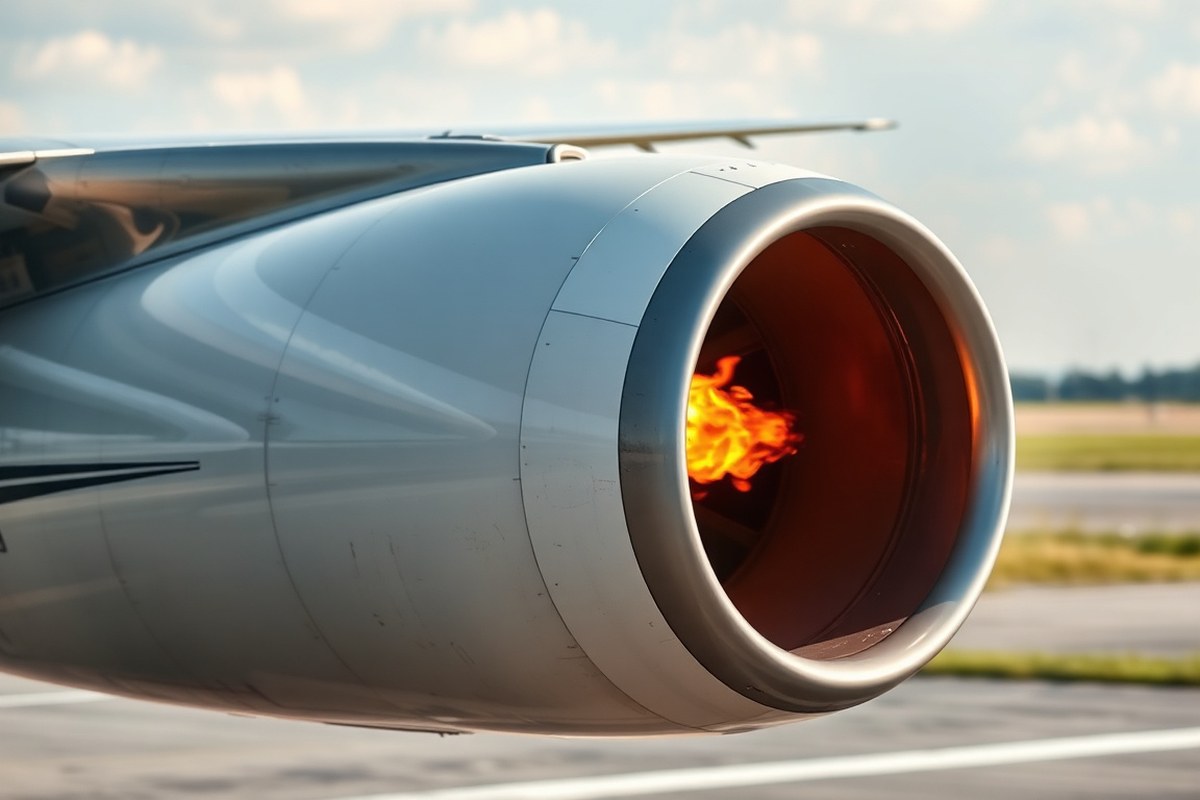
How hot does airplane fuel burn? Jet fuel typically burns between 1,400 and 2,100 degrees Celsius (about 2,550 to 3,800 degrees Fahrenheit) depending on conditions. This temperature range powers jet engines efficiently while maintaining safe operation. Controlling these burn temperatures is important for both engine performance and fire safety.
Key Takeaways
- Jet fuel’s open-air flame temperature commonly ranges from 980°C to 1,500°C (1,800°F to 2,700°F).
- Adiabatic flame temperature varies around 1,900°C to 2,100°C based on pressure and fuel composition.
- Jet A and Jet A-1 fuels burn at about 1,030°C (1,890°F) in ambient air.
- Jet engine systems use fuel to cool engine oil and warm fuel before combustion, controlling temperature.
- Jet fuel burns hotter than gasoline but cooler than propane, which can exceed 1,980°C (3,600°F).
- Maximum theoretical jet fuel burn temperature can exceed 2,000°C (3,600°F) under ideal conditions.
How Hot Does Airplane Fuel Burn in Typical Conditions?

Jet A and Jet A-1 aviation fuels typically ignite and sustain flames within a temperature range of roughly 980 to 1,500 degrees Celsius (1,796 to 2,732 degrees Fahrenheit) when exposed to open air. The exact burning temperature varies based on the composition of the fuel, the ratio of air to fuel in the mixture, and the ambient pressure near the flame. In standard combustion scenarios, jet fuel flames usually reach around 1,030 degrees Celsius (1,890 degrees Fahrenheit), reflecting common burning conditions rather than reaching the maximum heat possible.
The difference between flame temperature and combustion temperature plays a key role in understanding how hot jet fuel burns. Flame temperature refers to the temperature at the visible flame front, the zone where fuel and oxygen actively react, producing heat and light. Combustion temperature can be broader, sometimes including theoretical maximums like adiabatic flame temperature, which assumes an idealized scenario where all fuel burns completely with exactly enough oxygen, no heat loss, and no dilution. For kerosene-based jet fuels such as Jet A and Jet A-1, the maximum adiabatic flame temperature ranges roughly between 1,700 and 2,000 degrees Celsius (3,100 to 3,600 degrees Fahrenheit). This value represents the upper limit of heat generation during combustion but is rarely reached outside controlled experimental or engine conditions.
In jet engines, actual combustion temperatures must be maintained within a range that ensures efficient fuel use without damaging engine components. Typical combustion temperatures inside a jet engine lie between 980 and 1,500 degrees Celsius (about 1,796 to 2,732 degrees Fahrenheit). Operating within this range helps maintain smooth engine performance and prevents overheating. Engine designers achieve this by controlling the precise mix of air and fuel, as well as managing the flow of cooling air around critical parts.
Open-air burning and engine combustion also differ because open-air flames are subject to heat loss through convection and radiation to the environment, making flame temperatures lower than the theoretical maximum. In contrast, jet engines provide a confined combustion chamber where temperatures can be higher and more carefully regulated. Fuel additives and impurities further influence the burning temperature. Additives may slightly increase combustion efficiency or alter flame characteristics, while contaminants can reduce the temperature by causing incomplete combustion.
Knowing these typical temperature ranges helps you understand the heat a jet fuel fire produces and its implications for aircraft operation and fire safety. Monitoring and controlling combustion temperatures during flight is essential to keep the engine running efficiently, minimize emissions, and avoid mechanical stress. Beyond the numbers, the real-world burn temperature you encounter depends on the exact fuel batch, engine type, air pressure, and mixture control, so precise measurement and control devices are critical for safe aviation fuel use.
What Factors Influence Jet Fuel’s Burning Temperature?
Jet fuel combustion temperature depends on several chemical and physical factors working together during burning. Oxygen availability plays a major role since combustion requires oxygen to react with the hydrocarbon molecules in the fuel. When oxygen is limited, the mixture is rich, leading to incomplete burning with unburnt fuel and soot, which lowers the actual flame temperature compared to the theoretical maximum. In contrast, a stoichiometric mixture has the ideal fuel-to-oxygen ratio, allowing complete combustion and producing the highest flame temperature. Too much oxygen results in a lean mixture, which cools the flame and risks flame-out but reduces soot and smoke.
The chemical composition of jet fuel also influences burn temperature. Jet fuel is a kerosene-based mixture of hydrocarbons with additives to improve performance and prevent issues at low temperatures, such as gelling. Different types of jet fuel, including military grades like JP-8 or JP-5, maintain similar temperature ranges but additives can slightly change burn characteristics like ignition ease or emissions. These compositional differences affect how quickly and efficiently the fuel burns, impacting temperature.
Pressure and altitude affect combustion temperature by altering oxygen density and combustion chamber conditions. At higher altitudes, lower atmospheric pressure reduces oxygen availability, which can lower flame temperature or require adjustments to the air-fuel mixture. Air pressure inside the combustion chamber is controlled to maintain efficient combustion and safe temperatures, often around 1,500 °C. Managing pressure helps sustain optimal burning despite changes in external conditions.
- Ensure the air-fuel ratio is close to stoichiometric for peak flame temperature and efficient burn
- Monitor oxygen levels to avoid rich mixtures that produce soot and reduce temperature
- Consider jet fuel type and additives since composition can affect ignition and burning behavior
- Account for altitude and pressure changes when adjusting fuel mixtures to maintain combustion efficiency
- Use additives designed to improve cold-weather performance without compromising combustion temperature
Properly balancing these factors leads to controlled, efficient combustion that produces the thrust needed for flight. A well-managed fuel mixture keeps burning temperatures within safe limits to avoid damage and maintain engine performance. You can start combustion by heating the fuel to ignition temperature or by providing an ignition source to a well-mixed air-fuel combination. Understanding and controlling these variables helps prevent flame instability and excessive emissions.
Maintaining a near-stoichiometric fuel-to-oxygen ratio is essential to optimize combustion temperature and prevent soot buildup that reduces efficiency and increases engine wear.
Maximum and Theoretical Burn Temperatures of Jet Fuels
Jet fuel’s maximum theoretical burn temperature, known as the adiabatic flame temperature, can reach around 2,000°C (3,632°F). Actual burning temperatures are lower due to heat loss and combustion conditions. The autoignition temperature of jet fuel is approximately 210, 260°C (410, 500°F), while its flash point sits above 38°C (100°F), defining the safety thresholds for ignition and handling.
Adiabatic Flame Temperature Explained
The adiabatic flame temperature is the highest temperature achievable when burning a fuel in ideal conditions, with no heat loss to the surroundings. It reflects the maximum energy the fuel can release through combustion. Engineers use this theoretical value as a benchmark to understand the fuel’s potential, although real flames never reach this temperature due to heat absorbed by engine parts or exhausted gases.
For jet fuels like Jet A and Jet A-1, the adiabatic flame temperature is close to 2,000°C (3,632°F), representing the upper heat limit during combustion. This temperature corresponds to complete combustion in a stoichiometric mixture with oxygen and helps determine engine design limits and cooling requirements.
Typical Temperature Ranges in Real Conditions
In practical engines or fires, jet fuels burn at temperatures ranging roughly between 980°C and 1,500°C (1,800°F to 2,700°F). Factors such as oxygen availability, fuel-air mixing, and heat transfer to surfaces reduce the flame temperature compared to the ideal adiabatic flame temperature. For comparison, household fuels often burn below 1,100°C, making jet fuel considerably hotter under normal conditions.
Different jet fuel types have varying burn profiles. For example, JP-5, the US Navy’s jet fuel, includes additives that lower volatility and raise the flash point, contributing to a more stable and controlled burn. Despite differences, all aviation fuels emphasize efficient combustion to balance power output and safety.
| Fuel Type | Typical Burn Temperature (°C) | Adiabatic Flame Temperature (°C) | Autoignition Temperature (°C) | Flash Point (°C) |
|---|---|---|---|---|
| Jet A / Jet A-1 | 980, 1,500 | ~2,000 | 210, 260 | >38 |
| JP-5 | Similar to Jet A, but more stable | ~2,000 | ~210, 260 | ~60 (higher than Jet A) |
| Wood (Residential Fires) | 600, 1,100 | N/A | N/A | N/A |
The table highlights how jet fuels reach much higher flame temperatures than common household fuels like wood. The flash point and autoignition temperature data guide safe storage and handling procedures to avoid accidental ignitions.
Autoignition vs Flash Point Differences
The flash point defines the lowest temperature at which a fuel produces enough vapors to ignite when exposed to a flame or spark. Jet A and Jet A-1 fuels have flash points above 38°C (100°F), meaning they are safer to handle at ambient temperatures below this. JP-5 has an even higher flash point, making it suitable for naval environments where stability is critical.
Autoignition temperature is the point where the fuel ignites spontaneously without any external ignition source. For jet fuels, this occurs around 210, 260°C (410, 500°F), depending on the grade and environment. This temperature is critical in engine design to prevent pre-ignition or engine knocking caused by high compression pressures and temperatures.
How Do Jet Engines Manage Heat from Burning Fuel?
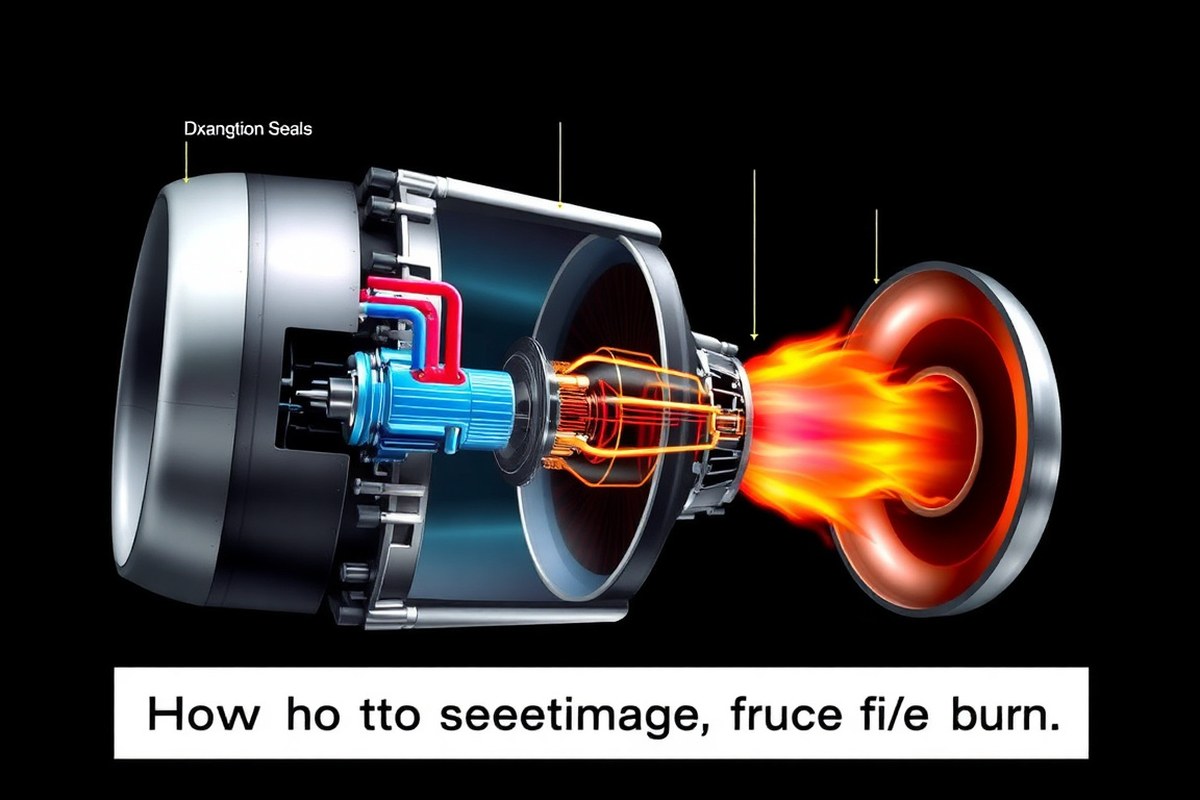
Jet engines manage the extreme heat from burning airplane fuel through a combination of advanced cooling techniques, special heat-resistant materials, and precise temperature control during various flight phases. These measures prevent damage to engine components while maintaining efficient combustion. Without effective heat management, components would quickly degrade, reducing engine performance and safety.
Cooling Methods Inside Combustion Chambers
The combustion chamber in a jet engine operates at very high temperatures, often exceeding 1,400 to 1,800 °C at the turbine entry. To prevent structural failure, designers use several cooling strategies that mix cooler air with hot gases or circulate cooling air around hot parts. These methods help maintain temperatures within material limits while allowing fuel to burn efficiently.
Common cooling techniques include staged air injection, where cooler compressor air is introduced after the fuel burns to dilute hot gases and reduce peak temperatures. Another approach is film cooling, where a thin layer of cooler air flows over the combustor’s inner surfaces, protecting them from direct flame contact.
Fuel cooling is also used; some designs pump liquid fuel through hot areas before injection, absorbing heat and lowering metal temperatures. Integrating these methods ensures a balance between maximizing combustion heat for thrust and minimizing thermal stress on components.
Heat-Resistant Materials in Turbine Blades
Turbine blades face the highest thermal loads and must endure temperatures up to roughly 1,500 °C. Materials used for these components are carefully chosen for strength, thermal stability, and resistance to deformation (creep) under prolonged heat.
| Material Type | Key Characteristic | Primary Use |
|---|---|---|
| Standard Steel | High strength, lower heat tolerance | Engine casings and mounts |
| Nickel Superalloys | Maintains strength at 700°C+ | Turbine disks and structural parts |
| Single-Crystal Alloys | Zero grain boundaries, resists creep | High-pressure turbine blades |
Single-crystal superalloys, which lack grain boundaries, resist the creep effects caused by heat and stress better than traditional metals. These alloys allow turbine blades to operate nearer their temperature limits without failure. Ceramic thermal barrier coatings are often applied over the metal blades to reduce heat transfer further.
Temperature Control During Different Flight Phases
Thermal management adapts dynamically throughout a flight. Takeoff and climb generate the highest thrust demands, producing peak combustion temperatures. Cruise phases allow engines to operate at more moderate temperatures, extending component life.
During startup and idle, fuel flow and combustion are reduced to prevent unnecessary heating, aiding engine longevity and fuel efficiency. Control systems in modern aircraft monitor turbine entry temperatures (TET or T4), typically between 1,400 and 1,800 °C, to regulate fuel flow and air mixing, preventing overheating.
These systems adjust cooling air flows and fuel injection rates based on flight conditions to maintain safe, efficient burning temperatures. Precise temperature control reduces wear, protects against thermal fatigue, and optimizes performance. Modern jet engines manage high combustion temperatures through the following steps:
- Introduce compressor air into the combustion chamber to control flame temperature and dilute hot gases.
- Apply film cooling by directing cooler air along combustor walls to protect metal surfaces.
- Circulate fuel through hot engine sections before combustion to absorb heat and reduce thermal stress.
- Use nickel superalloys and single-crystal alloys in turbine blades for high-temperature strength and creep resistance.
- Apply ceramic thermal barrier coatings to turbine blades to decrease heat load on the metal.
- Monitor turbine entry temperatures continuously to adjust fuel flow and airflow dynamically during flight.
- Optimize engine operating modes during different flight phases, launch, climb, cruise, and idle, to balance heat production and cooling.
Comparing Jet Fuel Flame Temperature to Other Common Fuels
Jet fuel flames usually reach temperatures from 980 to 1,500 degrees Celsius (1,800 to 2,732 degrees Fahrenheit). This heat level is higher than many common fuels used at home but is lower than what some industrial gases, like propane, can reach. These temperatures allow jet engines to run efficiently while avoiding the extreme heat produced by certain gases. Combustion temperatures vary during flight, changing with engine power and the mix of air and fuel.
Understanding how jet fuel compares to other fuels helps you grasp the combustion intensity and safety considerations when working around aircraft fuel. For instance, gasoline, common in general aviation piston engines and cars, burns near the lower end of jet fuel’s temperature at around 980 °C (1,800 °F). Propane flames, used in heating and industrial applications, burn considerably hotter at about 1,980 °C (3,600 °F), which is nearly double the lower range of jet fuel flames.
| Fuel Type | Typical Flame Temperature (°C) | Typical Flame Temperature (°F) | Typical Uses |
|---|---|---|---|
| Jet Fuel (Jet-A, JP-8) | 980, 1,500 | 1,800, 2,732 | Commercial and military aircraft turbine engines |
| Gasoline | 980 | 1,800 | Automobiles, general aviation piston engines |
| Propane | 1,980 | 3,600 | Heating, cooking, industrial fuel |
The variation in jet fuel flame temperature occurs due to changes in engine thrust and altitude, which alter combustion efficiency. Lower thrust settings during cruising typically produce temperatures closer to 980 °C, while high-thrust phases like takeoff push the extremes toward 1,500 °C. Comparatively, gasoline’s lower burning temperature means quicker ignition and shorter flame duration, which suits pistons but is insufficient for sustained turbine combustion. Propane’s higher flame temperature allows intense heat output but typically isn’t used in aviation because of storage and energy density limitations.
Practical tip: Always handle jet fuel and other flammable liquids away from ignition sources; remember that even small differences in flame temperature can change fire behavior significantly.
Safety Considerations When Jet Fuel Burns
Burning jet fuel poses significant safety hazards due to its high combustion temperatures and the scale of fires that can result from spills. Jet fuel fires can reach between 800°C and 1100°C (1470°F to 2000°F), particularly in pool fires where large quantities of spilled fuel ignite and spread. These temperatures are much hotter than many common fires, such as wood fires that burn around 600°C (1100°F), creating extreme conditions for anyone nearby and requiring specialized fire safety measures. Firefighters expect intense heat and rapid flame spread, making immediate and well-coordinated response important.
The risks connected with jet fuel fires include structural damage from thermal stress, health hazards from toxic smoke, and difficulty in controlling the fire once it has spread. Pool fires, created by fuel spilled over a flat surface, burn differently from jet fuel combustion inside an engine. Inside engines, the fuel burns in a controlled environment designed to contain the heat between about 100°F and 200°F as it warms and combusts to power the aircraft efficiently without overheating components. In contrast, pool fires are uncontrolled and present dangers, such as intense radiant heat and wide spread of flames, influencing emergency response techniques.
Handling jet fuel fires requires specific firefighting tactics due to the fuel’s behavior and temperature range. Emergency responders often use foam agents to suppress oxygen from reaching the fuel surface, effectively controlling the fire and preventing re-ignition. Cooling nearby structures and equipment is important to prevent heat damage or ignition of secondary fires. Protective gear for personnel must withstand severe heat and exposure to toxic fumes, and fire retardant barriers are sometimes deployed to control fire spread. The cost of response involves specialized equipment and trained firefighters prepared for prolonged firefighting operations in extreme heat.
- Keep a safe distance and use appropriate personal protective equipment (PPE).
- Apply high-expansion foam or AFFF (aqueous film-forming foam) to suppress flames.
- Use water spray to cool surrounding areas, avoiding direct water streams on burning fuel.
- Control fuel sources to limit spill size and prevent pooling.
- Establish emergency exclusion zones to protect personnel and bystanders.
- Coordinate with airport fire and rescue teams trained in aviation fuel fires.
- Be prepared for prolonged firefighting due to fuel volume and heat persistence.
Following these precautions reduces injury risk and helps control the fire efficiently. Failing to implement the right techniques can allow the fire to intensify, causing structural failures or spreading to adjacent hazards. Firefighters must anticipate extreme temperatures so they can manage resources and personnel effectively throughout the incident.
How Jet Fuel Temperature Affects Aircraft Performance and Environment
Burning jet fuel at optimal temperatures is critical for maintaining engine efficiency and overall aircraft performance. The combustion temperature directly influences the energy extracted from fuel; higher temperatures generally improve thermal efficiency by producing more thrust per unit of fuel. Engines operating closer to their designed combustion temperatures achieve better fuel economy, reducing the amount of fuel needed for a given flight. For pilots, this means improved range and payload capacity. Conversely, combustion at lower than ideal temperatures leads to incomplete fuel burning, which lowers engine efficiency and increases fuel consumption. This inefficiency not only impacts operational costs but also contributes to environmental harm through greater emissions.
Environmental impact relates closely to jet fuel burn temperature because combustion quality dictates the types and amounts of pollutants released. When combustion temperatures fall below the optimal range, unburned hydrocarbons and carbon monoxide emissions rise due to incomplete oxidation. Improve combustion temperatures, however, can increase nitrogen oxides (NOx) production, which contributes to atmospheric pollution and affects air quality around airports. Modern turbine engines use precise temperature monitoring and control systems to balance this tradeoff, optimizing combustion to minimize harmful emissions while maintaining thrust and efficiency.
Inside the aircraft, fuel temperature behaves differently from the combustion chamber. In flight, jet fuel stored in tanks often cools significantly, especially when flying at high altitudes where temperatures can drop below -40°F (-40°C). The cold fuel can affect engine performance if it is too far from optimal operating temperatures, potentially causing issues with fuel atomization and combustion stability. Engineers design fuel systems with heating mechanisms or circulation processes to manage this temperature variance. Careful temperature control ensures fuel remains within safe and efficient limits before reaching the engine, supporting reliable ignition and consistent power output.
Maintaining precise combustion temperature requires detailed monitoring using sensors placed strategically in the engine. These instruments relay continuous data to the aircraft’s control systems, which adjust fuel flow and air intake accordingly. This real-time management helps avoid combustion temperature extremes that could damage engine components or reduce their lifespan. For example, turbine blades exposed to excessive heat can suffer from accelerated wear or failure, leading to costly repairs or unsafe flight conditions. Temperature management also influences maintenance schedules and engine overhaul intervals, affecting operational budgets and aircraft availability.
In practice, operating engines within their ideal combustion temperature range typically yields fuel consumption figures that comply with regulatory standards while minimizing environmental impact. Airlines and operators track these metrics closely, as deviations can indicate performance problems that require immediate attention. An engine running too hot or too cool can signal fuel system malfunctions, sensor errors, or combustion inefficiencies, all of which demand prompt corrective action. By understanding and controlling burn temperatures, you ensure safer flights, reduced fuel costs, and lower emissions, aligning with both economic and environmental goals in aviation.
Common Misconceptions About Jet Fuel Burn Temperatures
Many claims about how hot jet fuel burns are rooted in misunderstandings or outdated information. Common figures like 980 °C are often cited without context, understating jet fuel’s true burning potential. Accurately interpreting these temperatures requires distinguishing theoretical maxima from real-world measurements.
Myth: Jet Fuel Burns Only Up to 980 °C
The popular statement that jet fuel burns only up to 980 °C fails to capture the full picture. This temperature is sometimes cited in discussions about jet fuel combustion, but it is not the maximum flame temperature achievable. The 980 °C figure often appears in simplified references or older sources without clarifying the conditions under which it applies.
Jet fuel, a kerosene-based hydrocarbon, can burn at significantly higher temperatures under ideal conditions. In some controlled laboratory or engine scenarios, flame temperatures can exceed 2,000 °C (about 3,600 °F). The lower figure typically reflects partial combustion or measurements taken in ambient air rather than pure oxygen or optimized combustion chambers.
Clarifying Theoretical vs Practical Temperatures
The difference between theoretical and practical burn temperatures explains the confusion. Theoretical temperatures represent the maximum possible flame temperatures if the fuel burns completely and efficiently in pure oxygen with no heat losses. Practical temperatures result from actual combustion environments, which include variations in air supply, fuel-air mixing, and heat dissipation. Theoretical maximum flame temperatures for jet fuel combustion can reach above 2,000 °C. Practical measurements inside jet engines or burn tests often record lower temperatures because:
- Combustion air includes nitrogen and other gases that absorb heat
- Flame spread and incomplete combustion reduce peak temperature
- Cooled surfaces and surrounding materials lower measured flame heat
- Fuel properties vary depending on refinement and additives
- Measurement instruments differ in accuracy and positioning
Understanding these factors helps you interpret temperature data correctly and avoid oversimplified conclusions.
Why Context Matters for Temperature Data
Burn temperature claims often vary because of the measurement context. For example, an open-air flame from ignited jet fuel will not reach the same temperatures seen inside a jet engine combustion chamber. Environmental conditions like wind, humidity, and oxygen availability play major roles.
Statements about temperature must specify the fuel state (liquid spray, vapor, or mist), combustion type (diffusion or premixed flame), and where the temperature is recorded, close to the flame, on a surface, or inside an engine nozzle. Misunderstanding any of these details leads to misinformation.
Never rely on a single temperature figure to assess jet fuel fire risks; always consider fuel state, air mixture, and measurement location for accurate safety planning.
Step-by-Step Action Plan for Understanding and Applying Jet Fuel Burn Temperatures
Follow these steps to deepen your knowledge of how hot airplane fuel burns and use that insight to improve safety and performance.
- Today: Review key jet fuel burn temperature ranges to build your foundational understanding, noting typical flame temperatures around 980 to 1,500°F (527 to 815°C).
- Within 3 days: Study factors like altitude, engine design, and fuel type that influence actual burn temperatures to appreciate variability in conditions.
- After 1 week: Analyze how jet engines control combustion temperature using cooling techniques and airflow to prevent overheating, confirming this by reviewing engine thermal management basics.
- After 2 weeks: Compare jet fuel flame temperatures to other fuels such as gasoline and diesel, recognizing advantages and hazards related to each fuel’s combustion heat.
- After 3 weeks: Examine safety protocols and fire suppression methods related to jet fuel fires; practice identifying potential thermal hazards in aviation environments.
- Ongoing: Monitor updates in aviation fuel technology and regulations that affect fuel combustion and temperature thresholds, verifying information through industry sources like the FAA or ICAO.
Frequently Asked Questions
Can Jet Fuel Ignite Without Sparks or Flames?
Jet fuel needs an ignition source like a spark to burn; it won’t ignite by itself at room temperature. Handling fuel safely means avoiding open flames and static electricity to prevent accidental fires.
Does Temperature Affect Jet Fuel Storage Safety?
Yes, keeping jet fuel below 70°F prevents evaporation and reduces fire risk. Proper storage in double-walled tanks keeps the fuel stable and safe during transport and storage.
How Does Jet Fuel Burning Compare to Aviation Gasoline?
Jet fuel burns at higher temperatures, around 1,890°F, while aviation gasoline burns cooler, near 950°F. This difference affects engine design and efficiency in jets versus piston-engine aircraft.
Can Jet Fuel Burn in Low Oxygen Environments?
Jet fuel requires sufficient oxygen, approximately 21% like in air, to burn efficiently. Lower oxygen levels reduce flame temperature and stability, impacting combustion in high-altitude conditions.
What Happens If Jet Fuel Burns Hotter Than Normal in an Engine?
Excessive combustion temperature can damage engine components and reduce performance. Jet engines use cooling systems and fuel flow adjustments to keep temperatures within safe limits.
Is the Smoke from Burning Jet Fuel Toxic?
Yes, jet fuel combustion produces harmful gases and particulates, including CO2 and soot. Proper ventilation and fire suppression systems are necessary to protect crew and passengers.
Wrapping Up
Airplane fuel typically burns at temperatures that vary widely based on environment and engine design, but managing this heat is key to safe, efficient flight. Understanding how combustion temperature impacts engine performance and safety helps you better evaluate risks and operational limits. A practical next step is to review current aviation safety guidelines related to fuel handling and fire prevention to apply this knowledge effectively in your area.