Will a 2020 f150 Tonneau Cover Fit a 2023? Complete Compatibility Guide
Will a 2020 F-150 tonneau cover fit a 2023 model? Most tonneau covers designed for the 2020 F-150 will fit the 2023 model if both trucks have the same bed length and cab style. Checking your F-150’s bed size and cover type first ensures the best fit and reliable protection.
Key Takeaways
- Verify that your F-150’s bed length matches precisely before assuming cover compatibility across model years.
- Cab style variations between 2020 and 2023 models can change how a tonneau cover fits and installs.
- Soft roll-up covers generally offer more flexibility for year-to-year compatibility than hard folding covers.
- Aftermarket bed accessories might interfere with older tonneau cover installation and require adjustments.
- Measure your truck bed carefully from inside wall to inside wall for accurate cover selection.
- Installation methods can differ between years, affecting how securely a 2020 cover fastens on a 2023 bed.
Will a 2020 F-150 Tonneau Cover Fit a 2023 Model?
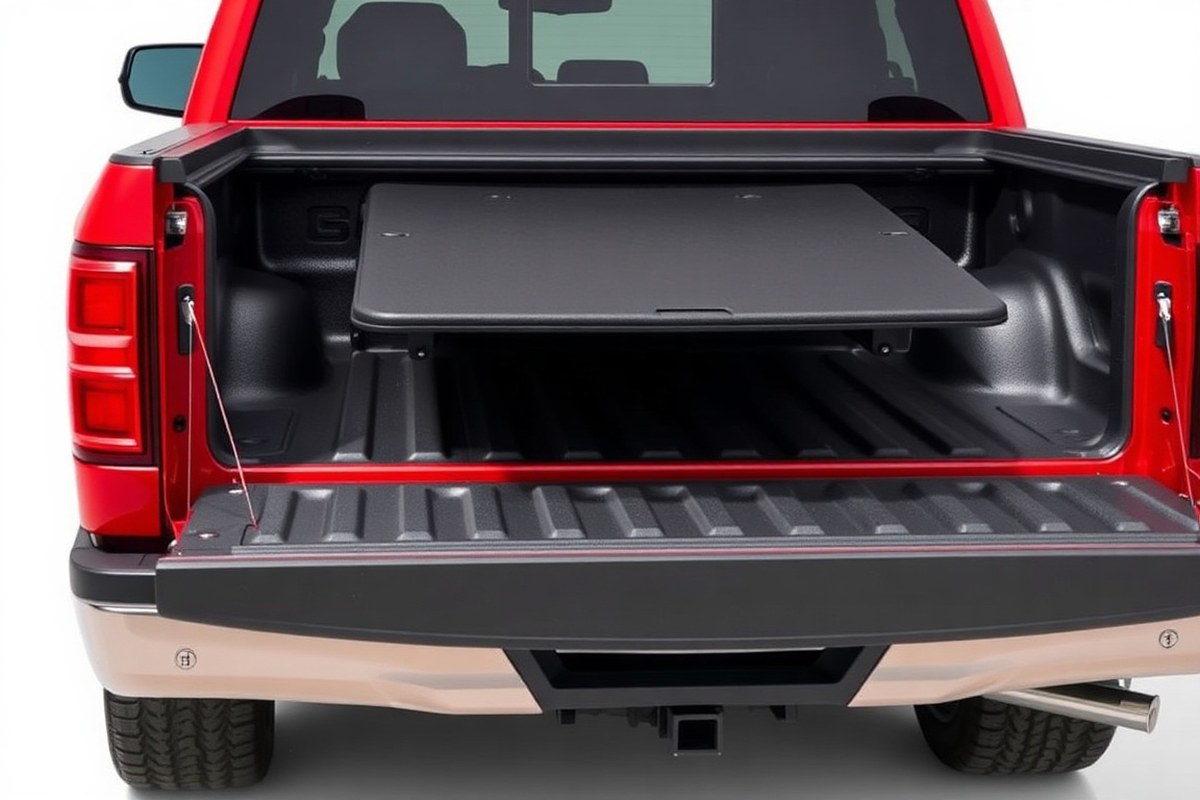
A 2020 Ford F-150 tonneau cover will generally fit a 2023 F-150 model if both trucks share the same bed length and cab style. Tonneau covers designed for the 2015 to 2026 F-150 models, including 2020 and 2023, are custom-fit to accommodate the truck bed dimensions across those years. This means that the physical size, rail profile, and mounting points stay consistent enough for the cover to secure properly and provide dependable coverage.
Compatibility depends primarily on wether the bed length matches between the two trucks. For example, a tonneau cover sized for a 5.5-foot bed in a 2020 F-150 will fit a 2023 F-150 with a 5.5-foot bed. When the bed size differs, such as a 6.5-foot bed in one and a 5.5-foot bed in the other, the cover won’t fit securely or attach properly. You should measure the exact bed length before reusing a cover from a different model year.
The 2023 model introduced some refinements in truck design and bed features, but those have not significantly altered the mounting rails or bed dimensions relevant to tonneau covers. That means covers from 2020 remain compatible without modification. However, any aftermarket bed accessories or changes to the bed rails might interfere with proper fit and seal.
Installation usually involves clamping or mounting the cover to pre-existing bed rails. With matching bed sizes and stock rails, a 2020 cover will install on a 2023 model following the same steps as on the original truck. Expect to spend about 30 minutes to an hour on installation if you have the right tools. Avoid drilling or permanent modifications unless the cover instructions explicitly call for it, as drilling voids warranties and risks damaging the truck or cover.
Cost-wise, using a previously owned 2020 cover on a 2023 truck saves money compared to buying a new one, which typically costs between $300 and $1,200 depending on style and brand. Just ensure the cover shows no significant wear or damaged seals, which can cause leaks or reduced security. Good fit means no gaps between the cover and bed rails, smooth operation of folding or rolling mechanisms, and a tight seal that prevents water ingress.
Failing to match bed size or ignoring minor changes in the truck bed rails can cause poor fit. Symptoms include loose edges, rattling during driving, water pooling, or difficulty sealing the cover. You might notice these issues after installing a 2020 cover on a 2023 F-150; switching to a cover made for the 2023 model is a better choice. In most cases, covers labeled for the 2015, 2026 F-150 range are designed with these year-to-year similarities in mind, ensuring a reliable and secure fit when swapped correctly.
Key Differences Between 2020 and 2023 F-150 Truck Beds

Bed dimensions and design details between the 2020 and 2023 Ford F-150 trucks show some changes that affect tonneau cover fit. While the overall bed length options (5.5 ft, 6.5 ft, and 8 ft) remain consistent, slight variations in width and rail height around the bed rails and tailgate can impact fitment. The 2023 model’s bed rails may have updated styling and mounting points due to newer features like the Ford Pro Access tailgate system. These design tweaks can prevent direct swapping of older covers without adjustment or compatible mounting brackets.
The rails on the trucks serve as the attachment surfaces and differ in profile and height. The 2023 F-150 tends to have a slightly taller rail height for improved water shedding and accessory integration, which means a cover built for the 2020 rails might not clamp or seal properly on a 2023 bed. Tailgate designs also carry new lock mechanisms and contours, so covers that latch or seal around the tailgate edge have to account for these shape differences to ensure proper coverage and security.
Mounting points, such as integrated T-slot mounts or clamp-on rail hardware, vary between the two model years. While many modern covers use clamp systems that avoid drilling and can accommodate bed liners and tie-down systems, mismatched mounting spacing or rail thickness can cause issues with stability and seal integrity. For example, a tonneau cover designed for the 2020 bed might not align with the 2023’s updated mounting brackets without replacement parts.
| Feature | 2020 Ford F-150 | 2023 Ford F-150 |
|---|---|---|
| Bed Length Options | 5.5 ft, 6.5 ft, 8 ft | 5.5 ft, 6.5 ft, 8 ft |
| Bed Rail Height | Standard rail height | Slightly taller rails for better water management |
| Rail Mounting System | Clamp-on compatible with most covers | Updated clamp mounting with integrated T-slot mounts |
| Tailgate Design | Traditional tailgate lock and shape | Ford Pro Access tailgate with new locking features |
| Bed Liner Compatibility | Compatible with standard bed liners | Compatible with bed liners, but installer must confirm fit |
This updated bed rail and tailgate styling in 2023 allows for improve accessory integration, such as racks or bed lights, that were less common or differently routed on the 2020 model. When considering reusing a 2020 tonneau cover on a 2023 truck, assessing these dimensional and structural differences can save you from poor fit, wind noise, or water leaks.
Tip: Measure the rail height and check mounting points on your 2023 bed before installing an older cover, mounting hardware may require adjustment or replacement.
How to Measure Your F-150 Bed to Check Cover Compatibility
Measuring your F-150 bed accurately is essential to ensure your tonneau cover fits correctly. Focus on bed length, width, and rail dimensions, as these directly affect fit and installation. Use a tape measure and take careful notes while performing these steps.
Measuring Bed Length and Width
The bed length is the linear distance from the inside edge of the bulkhead (behind the cab) to the inside edge of the tailgate when closed. Bed width is the space between the inside bed rails, which varies slightly by model year and trim. Accurate length and width measurements prevent buying a cover that is too short, too long, or too wide.
To measure your bed length and width, prepare a tape measure at least 12 feet long, and keep measurements to the nearest 1/8 inch. This helps match the cover to your specific F-150 bed model and configuration.
- Open the tailgate fully and pull out the tape measure.
- Measure from the inside edge of the bulkhead to the inside edge of the tailgate for bed length.
- Close the tailgate and measure across the width between the inner edges of the two bed rails, near the tailgate end.
- Record both measurements, noting whether your bed has any liners or accessories.
Checking Rail Height and Mounts
Rail height determines whether the clamp-on or other mounting systems will work with your tonneau cover. Most aftermarket covers clamp onto the top of the bed rails, so you need to measure from the top of the rail to the bed floor’s bottom inside the bed.
Using precise measurements here prevents improper clamping that can cause leaks or damage. Look for any build-up on rails like bed liners, which add height or thickness.
- Use a tape measure or a ruler to measure the vertical height of the bed rail from its top edge down to the bed floor.
- Examine the bed rails for any pre-installed accessories, such as tie-down anchors or rail caps, and note their dimensions.
- Check for rail deformation or damage that could affect fit and clamp sealing.
Verifying Tailgate and Bed Liner Clearance
Clearance matters to prevent interference between your tonneau cover and the tailgate or bed liner. A tailgate assist kit or bed liner can add thickness, changing the overall fit. Ensuring these components don’t obstruct installation avoids gaps or damage. Measure the thickness of any installed bed liner and tailgate accessories to confirm your cover’s mounting system can accommodate them.
- Inspect the tailgate closely for any assist kits or locking components that extend beyond the normal edge.
- Measure the thickness of your bed liner, including spray-in or drop-in options, with a tape or caliper.
- Combine these measurements with your bed rail height to determine total installation clearance.
Common Tonneau Cover Types and Their Year-to-Year Compatibility
Tonneau cover compatibility across Ford F-150 model years varies by the type of cover and its installation method. Soft roll-up covers generally adapt well between years due to their flexible, clamp-on design. Hard folding and tri-fold covers fit multiple model years without modification if they share the same bed dimensions and mounting style. Bolt-on covers tend to have less year-to-year interchangeability compared to clamp-on types.
Soft Roll-Up Covers and Fit Flexibility
Soft roll-up tonneau covers are made of vinyl or canvas stretched over the truck bed and anchored with clamps. This design allows them to accommodate slight variations between model years without the need for drilling or special adjustments.
Because they clamp onto the bed rails, they are easier to remove and reinstall on different F-150s from nearby years like 2020 or 2023. They also tend to be the most affordable options, costing typically between $150 and $400 depending on brand and features. Their adaptability comes at the cost of less security compared to hard covers and occasional issues with wind noise if not clamped tightly.
Hard Tri-Fold and Folding Covers
Hard folding and tri-fold tonneau covers typically have panels crafted from aluminum or composite materials that are joined with hinges. Well-known products like Tyger’s T3 Soft Tri-Fold and T5 Alloy Hard Folding covers fit Ford F-150 trucks starting in 2009 without modification since the mounting rails stayed the same throughout those model years.
These covers usually install with clamps that avoid drilling, making them somewhat interchangeable between years if the bed size and rail style remain the same. They provide a better security level with integrated locking systems that connect to the tailgate lock. However, prices are higher, typically starting around $500 and going up to $1,000 or more for premium versions.
- Clamp-on installation favors easy transfer between model years
- Compatibility depends on consistent bed dimensions across years
- Integrated locks improve security compared to soft covers
- Installation time ranges from 30 minutes to an hour
- Material durability reduces worries about wear when moving covers
- More expensive than soft covers but offer a professional look
Hard folding covers work well for F-150 owners who want a sleek design and reliable weather protection while keeping the option to fold the cover out of the way for full bed access.
Retractable and Hinged Covers
Retractable and hinged tonneau covers usually feature a bolt-on installation that secures the cover firmly to the bed frame. This method involves drilling or precise mounting that limits interchangeability between different F-150 years unless the earlier and later models use identical mounting hole patterns.
These covers are heavier and more complex, often offering high security and weather resistance. Hard roll-up versions may be more adaptable than rigid models but still require matching bed lengths and rail configurations. Expect professional installation or careful adherence to instructions to ensure proper fit and function.
For those considering switching covers between a 2020 and 2023 F-150, soft roll-ups and clamp-on tri-fold/folding covers are the easiest. Retractable and bolt-on hinged covers usually need to be matched more precisely to the specific model year and bed specifications to avoid installation issues.
Impact of Cab Style and Bed Length on Cover Fit Across Years
The compatibility of a tonneau cover between a 2020 and 2023 F-150 depends heavily on cab style and bed length variations. A cover designed for a 5.5-foot bed will not fit a 6.5-foot bed because these covers are tailored to the exact length of the truck bed. Even a half-foot difference changes the cover’s dimensions, making it either too short or too long. You’ll need to match the cover length to your specific bed length to ensure a proper seal and fit.
Cab style, regular, crew, or supercrew, also affects cover selection, though less directly than bed length. The truck’s cab influences bed accessibility and the height of the bed rails. For example, crew and supercrew cabs typically pair with longer beds, but these configurations can vary by model. Sometimes owners swap beds or change configurations, making it important to confirm your truck’s exact bed dimensions rather than relying on cab style alone.
Mixed configurations, such as using a cover from a truck with a supercrew cab on a regular cab bed, can cause fitment problems. The mounting points and rail heights may not align, causing gaps or improper fastening. If your 2023 F-150 has a different cab and bed combo from your 2020 model, check that the mounting system matches. Some covers use snap-on or clamp-on methods that offer more flexibility, while others that mount via drilled holes may not be compatible across different setups.
Installing a tonneau cover designed for a different bed length or cab style often leads to poor fit, water leaks, and increased noise while driving. To avoid this, measure your current bed’s length precisely and confirm rail height and mounting options before attempting to swap covers. Costs to modify a cover for an ill-fitting bed can be high, sometimes over $100 for custom brackets or rail adapters, making a new cover a better option in many cases.
Always measure your truck bed length and verify rail height before purchasing a tonneau cover to avoid compatibility issues and wasted expense.
Installation Methods Affecting Cover Compatibility and Fit
Installation style significantly affects whether a 2020 F-150 tonneau cover fits a 2023 model. Clamp-on mounts generally offer more universal compatibility since they don’t require drilling, unlike bolt-on systems. Knowing which method your cover uses helps you avoid modifications, extra costs, or poor seal issues.
Clamp-On vs Bolt-On Mounting Systems
Clamp-on mounting systems attach the cover directly to the truck’s bed rails using clamps. These are popular among major brands like BAK, Retrax, TruXedo, Undercover, and Lund because they avoid drilling or permanent modifications. This makes swapping covers between model years easier, assuming the bed rail dimensions haven’t changed significantly.
Bolt-on mounts require fastening the cover with bolts through the truck’s bed rails, often involving pre-existing holes or drilling new ones. While bolt-on plates can provide a very secure attachment, their compatibility depends more on exact alignment with mounting points that may differ between years. Besides, removal usually leaves holes behind, potentially leading to leaks or corrosion if not sealed properly.
Installation Without Drilling: Benefits and Limits
Most clamp-on tonneau covers install without drilling, reducing risks like rust or damage to your F-150’s bed rails. They typically use rubber or plastic pads between clamps and rails to protect the paint. This non-invasive approach means you can try a cover on your 2023 without permanent alterations.
However, even clamp-on covers must match rail designs and bed widths well to form a tight seal. Models like the XR and TS Series come with integrated T-slot rails that fit common racks and accessories without modifications, showing how rail design changes can matter. If rails differ slightly between 2020 and 2023, clamps might not grip properly or cover seals might leak.
Bolt-on installs nearly always require drilling or at least securing to factory bolt points. Before attempting a bolt-on swap, check if the mounting holes line up or if new drilling may be needed. Modifications may add $50-$150 for tools or professional help, plus sealing materials to prevent water damage.
Tools and Best Practices for Installation
For clamp-on covers, you usually only need basic hand tools like a ratchet wrench or screwdriver per the cover’s instructions. Thoroughly clean rails to ensure clamps grip firmly and use a torque wrench, if specified, to avoid overtightening that can damage clamps or rails. When bolt-on mounting is required, prepare these items:
- Drill and appropriate metal bits for any holes
- Screwdrivers and sockets matching bolt sizes
- Sealant to protect drilled holes and prevent leaks
- Torque wrench to secure bolts to recommended tightness
- Protective gloves and eye safety glasses
Work on a flat surface, and measure twice before drilling. Follow the manufacturer’s outlined torque specs to avoid stripping bolts or damaging the bed. Test the cover for secure fit and leak issues by spraying water around the edges or inspecting after rain. A correctly installed clamp-on cover should feel snug without gaps or play, and a bolt-on cover must sit flush with no visible hardware misalignment.
Common Fitment Issues and How to Fix Them When Reusing Covers
Signs that a 2020 tonneau cover doesn’t fit your 2023 F-150 bed correctly include gaps between the cover and bed rails, difficulty securing clamps, and noticeable movement of the cover when driving. Poor sealing often causes water pooling or leaks, while uneven tension can lead to rattling or wind noise. Identifying these problems early prevents long-term damage to both the cover and your truck bed.
Adjusting clamps and rails is a common way to improve the fit. Most aftermarket covers use adjustable clamps that slide along the bed rails to tighten the grip. Start by loosening all clamps, then position the cover evenly over the bed, ensuring side-to-side alignment. Gradually tighten each clamp in sequence, checking that the cover maintains even tension across the entire width. Avoid overtightening, which might warp the rails or damage the cover material.
In cases where your 2023 F-150 has utility rails or a truck bed with slightly different dimensions compared to 2020, you may need specialty clamps or adapters. Some covers, like those from Tyger Auto, offer compatibility with RamBox style beds and can be adjusted to fit rails with or without utility features.
- Check for ridges or uneven gaps when the cover is closed
- Look for clamp movement during test tightening
- Ensure the cover lays flat without wrinkles or bends
- Use a tape measure to verify even spacing from edge to edge
- Inspect seals for cracking or gaps that allow water entry
- Test drive at varied speeds for rattling or loose fit signs
- Refer to cover-specific clamp adjustment instructions to avoid damage
Some fitment issues go beyond quick adjustments. If you can’t achieve a snug, even fit after multiple clamp tweaks, or if the cover’s mounting brackets do not line up with your bed’s mounting points, it’s wise to consult a professional installer. Experts have the tools to modify rail mounts or recommend replacement parts that maintain your cover’s integrity without damaging the paint or structure.
Professional help typically costs between $50 and $150 depending on the service and complexity. Spending this on proper fitment reduces risks of water damage, lost security, and costly cover replacement down the line. A well-installed cover provides a uniform seal and secure hold, ensuring it withstands wind resistance, road vibrations, and weather changes.
When to Replace Instead of Reusing Your Older Tonneau Cover
Assessing your older tonneau cover’s condition begins with checking for signs of wear such as cracks, fading, or broken seals. Look closely at the hinges, locks, and fabric for any damage that might allow water or dust inside. Spotting any leaks or a cover that won’t latch securely clearly signals it’s time for a replacement. Measuring the cover against your 2023 F-150 bed dimensions is important because even small fit differences can leave gaps or stress the mounting points, causing long-term damage or poor protection.
The fit difference between a 2020 and a 2023 F-150 bed can depend on cab style and bed length changes manufacturers make year by year. An older cover that sits loosely, shifts while driving, or is hard to install might justify investing in a newer model designed for your current truck. Newer covers often provide better sealing technology, more secure locking options, and improved materials that resist UV damage and harsh weather conditions better than older versions.
New cover models may also offer improve ease of installation, streamlined design for aerodynamics, and improved durability. Depending on the cover type, prices typically range from $300 for basic roll-up styles to over $1,000 for high-end hardcovers with locks and multi-panel designs. Consider the cost of repairs for your older cover against this price range; minor repairs might be viable for budget constraints, but extensive damage or fit problems often cost as much as a new cover and don’t guarantee protection or fit.
To decide, follow this decision rule: if your cover shows visible damage or leaks, cannot be securely mounted, or the price of repairs exceeds 50% of a new compatible cover’s cost, purchasing a new tonneau cover designed for the 2023 F-150 is the better option. This ensures your belongings stay protected, and you avoid stressing the truck bed or the cover’s mounting system. Remember that using a cover not perfectly matched to your model year risks voiding any remaining warranty on the cover or your truck bed components.
Always test the cover’s locking mechanism and weather seal with a hose or spray bottle before committing to reuse or replacement to ensure maximum protection.
Step-by-Step Action Plan for Checking Your Tonneau Cover Fit
Follow these steps to quickly determine if your 2020 F-150 tonneau cover will fit your 2023 model and address any fit issues.
- Before you start: Measure your 2023 F-150 bed for length and width to compare with your 2020 cover specifications. Success means dimensions closely match within 1 inch.
- Day 1: Identify your cab style and bed length on both vehicles. Confirm that these match or that your cover is designed to accommodate slight variations.
- Day 2: Check the type of your 2020 tonneau cover (roll-up, folding, retractable) and research if it’s recommended for use across these model years. Verifying this shows compatibility guarantees or warnings.
- Day 3: Test fit your cover on the 2023 truck bed without tightening clamps. Look for gaps, misalignment, or interference around rails and tailgate.
- Day 4: Adjust installation method if necessary, using new clamps or seal strips designed for 2023 beds. Fit improvements indicate good adaptability.
- Day 5: If you notice leaks or poor fit, apply weatherproofing strips or contact the manufacturer about specific adapters. These fixes help maintain bed protection and functionality.
- After 1 week: Evaluate the overall fit and function after driving. If issues persist or installation is unstable, plan to replace your tonneau cover with one designed for 2023 F-150s.
Frequently Asked Questions
Will a 2020 F-150 Tonneau Cover Fit a 2023 Model?
Yes, a tonneau cover made for 2020 Ford F-150 with a 5.5 ft bed fits the 2023 model if the bed length matches, as these covers are designed for 2015-2026 models with consistent bed sizes. Always double-check your specific bed length before installing.
Are Tonneau Covers Interchangeable Between Different Pickup Brands?
Tonneau covers are usually not interchangeable between different truck brands due to variations in bed designs and mounting systems. For example, a cover for a Ford F-150 won’t fit a Chevy Silverado without adjustments. Stick to covers designed for your truck make and model to ensure proper fit.
Are All Ford F-150 Beds the Same Size Across Model Years?
Ford F-150 beds come in standard lengths like 5.5 ft, 6.5 ft, and 8 ft, which remain consistent across recent model years. However, small changes in bed rail shape and mounting points can affect tonneau cover fit, so measuring your actual bed is essential for compatibility.
What Year Ford F-150 Models Should I Avoid When Buying Parts?
Some owners report fitment and feature issues with the 2021 F-150 due to major redesign changes. Parts between pre-2021 and post-2021 models often do not swap easily. Research any model-specific updates before buying accessories or parts to ensure compatibility.
What Is the Best Tonneau Cover for a Ford F-150?
The best tonneau cover depends on your needs but look for one made specifically for your F-150’s year and bed size. Covers from 2015 to 2026 models offer custom fits, durable materials, and features like weather resistance, ensuring long-term protection and style.
Can I Install a Tonneau Cover If I Have Bed Accessories Like a Toolbox?
You can install some tonneau covers over bed accessories, but it depends on the accessory’s height and mounting style. Low-profile accessories are usually compatible with soft or tri-fold covers, while hard covers might require removing or modifying accessories.
Key Points to Remember
Checking your 2020 F-150 tonneau cover against your 2023 model depends on precise measurements and understanding differences in bed styles and installation methods. Testing the fit without full installation helps spot potential problems without damage. Start by measuring your bed now to see if your current cover is a practical option or if an update is needed for a secure, weatherproof fit.