
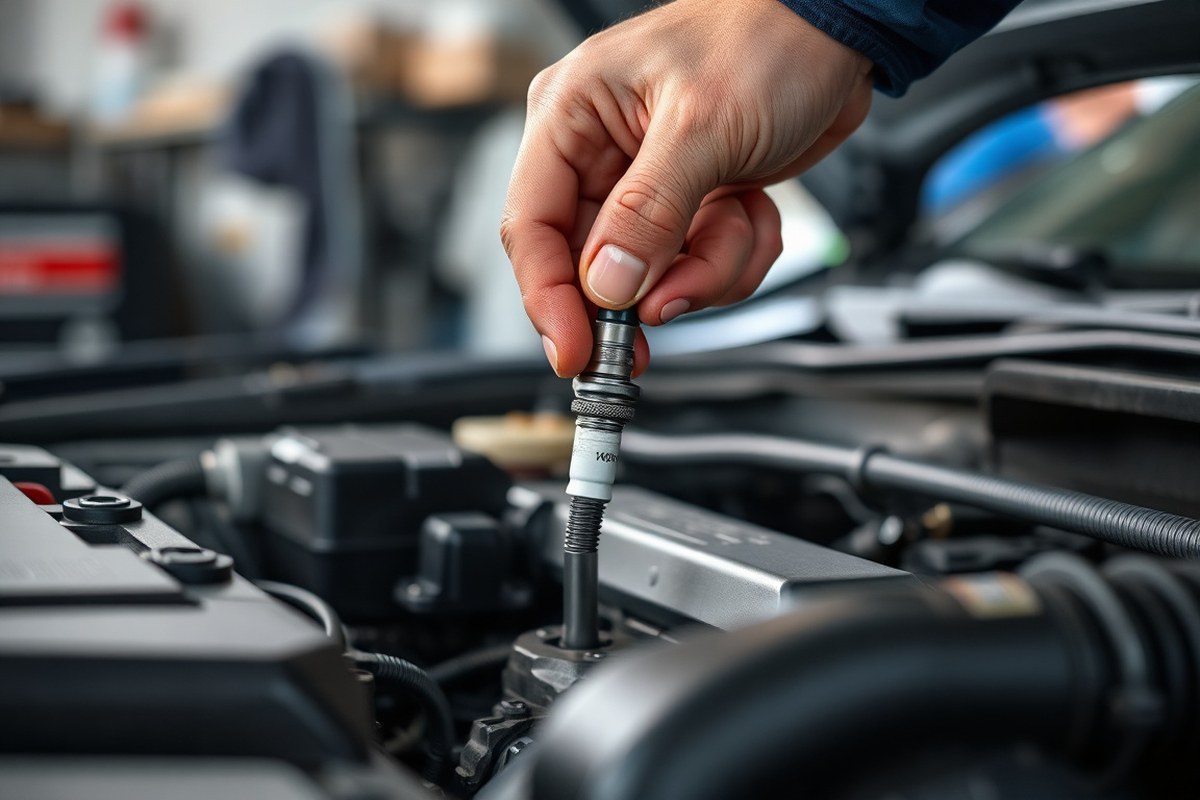
Who Changes Spark Plugs Near Me: A Complete Guide to Costs, Shops, and Quality Service
Finding out “who changes spark plugs near me” means relying on local auto repair shops that offer professional maintenance services. Certified mechanics at these shops replace spark plugs using manufacturer-specified parts and verify your engine’s performance afterward. Start by searching for trusted shops with good reviews and clear warranty policies to ensure quality work.
Key Takeaways
- Spark plugs typically last about 80,000 miles but check your vehicle’s manual for exact replacement intervals.
- Local shops like Tommy’s Hi Tech Auto Repair provide spark plug replacement with warranties for added peace of mind.
- Professional spark plug replacement includes performance verification to confirm smooth engine operation after installation.
- Choosing a repair shop near major routes improves convenience and reduces downtime during maintenance visits.
- Using manufacturer-approved spark plugs ensures compatibility and optimal engine performance during replacements.
- Regularly replacing spark plugs prevents engine misfires, poor fuel economy, and harder starts.
Who Changes Spark Plugs Near Me and What Services They Offer

Several types of automotive businesses offer spark plug replacement services, making it convenient for you to find help nearby. Independent auto repair shops, dealership service centers, and some national or regional automotive chains handle spark plug replacement as part of routine vehicle maintenance. These shops employ trained technicians familiar with various car makes and models and equipped to meet manufacturer specifications for spark plug installation.
Independent shops like Auto Works Automotive Service in Woodbury, Minnesota, or Tommy’s Hi Tech Auto Repair in Denton are common choices for spark plug replacement. Technicians at these locations typically have ASE certification or equivalent training, enabling them to diagnose ignition system issues and recommend timely spark plug replacement. These businesses usually provide personalized service and post-replacement testing to ensure your engine runs smoothly.
Many major automotive service chains such as Jiffy Lube also provide spark plug replacement, although the availability of this service can vary by location. Big-box retailers like Walmart typically do not offer spark plug replacement services, focusing more on oil changes and tire services. Confirming with your local branch whether they provide spark plug replacements beforehand can save you a trip. When looking for spark plug replacement services near you, the following types of businesses are your best options:
- Independent auto repair shops with certified technicians
- Dealer service centers specific to your vehicle’s make
- National and regional automotive service chains like Jiffy Lube (check local availability)
- Specialty ignition and tune-up shops with expertise in engine performance
- Mobile mechanics offering on-site spark plug replacement in some areas
To find these service providers nearby, you can use online search tools or map apps by entering “spark plug replacement near me” followed by your city or ZIP code. Checking customer reviews and ratings on platforms such as Google or Yelp helps identify reliable shops. Confirming that the technicians are experienced with your vehicle type and use manufacturer-approved spark plugs ensures the quality of service. Booking an appointment with a certified mechanic guarantees timely and effective replacement, often completed within an hour.
Typical Cost and Pricing Factors for Spark Plug Replacement Nearby
The typical cost for spark plug replacement ranges between $100 and $300 at local shops, depending on several factors. These expenses include parts and labor, with labor accounting for a significant portion because the job requires engine access and precise work. Prices can vary based on the type of spark plugs used, the vehicle make and model, and the shop’s labor rates.
Higher-end spark plugs, such as iridium or platinum types, tend to cost more but last longer than basic copper plugs. Some vehicles have hard-to-reach spark plugs, increasing the labor time and therefore the price. Also, local mechanics or dealerships in urban areas might charge more due to their overhead costs. Places offering free or discounted spark plug installation typically require the purchase of parts on-site or combined service packages, so truly free replacements are rare.
| Pricing Factor | Typical Cost Range | Effect on Total Price |
|---|---|---|
| Spark Plug Type (Copper, Platinum, Iridium) | $10 – $60 per plug | Higher-quality plugs increase parts cost but improve lifespan |
| Labor Costs | $50 – $150 | Varies based on vehicle access and shop rates |
| Vehicle Engine Type | Variable | Some engines require more time, raising labor charges |
| Shop Type (Dealer, Independent, Quick Lube) | $100 – $300 total | Dealerships generally charge more than independents |
| Promotional Offers | Possible savings of $20-$50 | Required purchase of parts or bundled services |
You can ask local shops if they offer free installation with the purchase of spark plugs from them. This method can lower your overall cost but might limit your plug options. Keep in mind that very cheap replacements may use low-grade parts that wear out faster and reduce engine performance.
Always check the quality and compatibility of spark plugs recommended by your mechanic before approving service to avoid premature wear and poor engine response.
How Long Does Spark Plug Replacement Take at Local Shops?
Changing spark plugs at a local shop typically takes about 1 to 2 hours depending on your vehicle’s engine type and condition. Factors like engine layout, number of cylinders, and spark plug accessibility play a key role in how long the service lasts.
Inspection and Diagnosis Time
Before replacing the spark plugs, technicians spend time inspecting them for wear, fouling, or damage, and also check related ignition parts. This step is essential to avoid unnecessary parts replacement and ensures any signs of abnormal wear or contamination are identified early.
On average, the inspection and diagnosis stage takes around 15 to 30 minutes. Engines with complicated ignition components or hard-to-reach spark plugs may require more time for a thorough assessment.
Removal and Replacement Process
The actual removal and replacement of spark plugs involves carefully loosening and extracting the old plugs, then installing new ones with the proper gap and torque specifications. Proper procedure prevents damage to the cylinder head and ensures optimal engine performance. Steps involved include:
- Locate each spark plug and clear any debris around the area to prevent contaminants from entering the cylinder.
- Disconnect the ignition coil or spark plug wire attached to each plug carefully.
- Use a spark plug socket and ratchet to loosen and remove the old spark plug from the cylinder head.
- Inspect the spark plug hole and clean it if necessary to remove deposits or debris.
- Check and adjust the gap on the new spark plugs to match manufacturer specifications, usually around 0.028 to 0.060 inches depending on the vehicle.
- Install and hand-tighten the new spark plugs to avoid cross-threading.
- Use a torque wrench to tighten the spark plugs to the recommended torque, typically between 13 and 22 ft-lbs, ensuring a proper seal.
- Reconnect the ignition coil or plug wire securely.
This full cycle often takes between 45 minutes to 90 minutes for a typical 4- or 6-cylinder engine. Vehicles with tight engine compartments or more cylinders can take longer.
Post-Installation Testing and Cleanup
Once the spark plugs are replaced, technicians start the engine to verify smooth operation without misfires. This testing confirms the spark plugs fire correctly and the ignition system functions normally.
Post-installation cleanup involves wiping down the engine area of any dirt or dropped tools and clearing diagnostic trouble codes if the check engine light previously illuminated. This step usually takes 10 to 20 minutes but helps prevent future issues and leaves the engine bay clean.
Spark Plug Types and Their Impact on Service and Costs
The type of spark plug you use does affect service frequency and cost. Common spark plug materials include copper, platinum, and iridium. Each type has different durability and pricing, which impacts how often they need replacement and the total cost of service.
Copper spark plugs have a solid copper core and are the most affordable option. They conduct electricity well but tend to wear out faster, typically lasting about 20,000 to 30,000 miles. These plugs are best for older or budget-friendly vehicles that don’t require long service intervals. Since copper plugs wear faster, you’ll need to replace them more frequently, increasing labor costs over time.
Platinum spark plugs contain a platinum disc welded to the center electrode, making them more resistant to wear than copper plugs. Platinum plugs usually last around 60,000 miles before needing replacement. Their price runs higher than copper plugs but lower than iridium. They offer better performance and durability for newer vehicles without a large jump in service cost.
Iridium spark plugs use a very hard iridium alloy on the center electrode, offering the best wear resistance. These plugs often last 90,000 to 120,000 miles, which means fewer replacements over the vehicle’s life. Iridium spark plugs cost more upfront, sometimes two or three times as much as copper, but their longevity can save money on labor in the long run. They also promote better engine performance and fuel efficiency by maintaining a consistent spark. The table below summarizes key differences in spark plug materials, their approximate lifespan, typical cost range, and replacement frequency:
| Material | Approximate Lifespan (miles) | Cost per Plug (USD) | Replacement Needed Every… |
|---|---|---|---|
| Copper | 20,000 – 30,000 | $2 – $5 | 20,000 – 30,000 miles |
| Platinum | 60,000 | $10 – $15 | 60,000 miles |
| Iridium | 90,000 – 120,000 | $15 – $25 | 90,000 to 120,000 miles |
Choosing the right spark plug depends on your vehicle’s requirements, driving habits, and budget. Using iridium plugs means longer intervals between replacements, which suits drivers who want fewer visits to the repair shop. Copper plugs might lower upfront costs but require more frequent changes. Platinum plugs strike a middle ground with solid longevity and moderate cost. Professional shops like Heights Auto Repair can advise on the best match for your engine and local driving conditions in Houston, helping you balance cost and performance efficiently.
What to Expect When You Get Spark Plugs Replaced Professionally
During a professional spark plug replacement, expect a thorough inspection followed by precise removal and installation. The technician will test the new plugs to confirm they function correctly. Scheduling this service alongside routine maintenance can save time and help keep your vehicle in top shape.
Initial Vehicle Inspection
The process begins with a careful inspection of your vehicle’s ignition system. A technician checks the spark plugs’ condition and looks for signs of wear or damage, helping determine if replacement is necessary. This assessment also includes scanning for engine trouble codes, which may indicate related issues.
This step matters because worn spark plugs can cause poor engine performance and increased emissions. Knowing the exact condition informs the technician of the right service approach and prevents unnecessary part changes.
Spark Plug Removal and Replacement
Replacing spark plugs involves carefully removing the old plugs, inspecting their condition, and installing new ones at the correct gap setting specific to your vehicle. Proper torque is critical to avoid damage or poor contact. Here are the common steps a technician follows:
- Allow the engine to cool to avoid burns and prevent spark plug threads from seizing.
- Disconnect the battery or ignition coil connectors to ensure safety.
- Remove ignition coils or spark plug wires to access the plugs.
- Use a spark plug socket to carefully remove each old plug.
- Inspect the old plugs for fouling, deposits, and electrode wear to assess engine health.
- Check and adjust the gap on new plugs if needed, following manufacturer specifications.
- Install new plugs by hand to avoid cross-threading, then tighten with a torque wrench to the recommended torque (typically 13 to 22 ft-lbs).
- Reconnect ignition coils or wires and the battery.
Caution: Over-tightening spark plugs can strip the threads in the cylinder head, which may require costly repairs.
Functionality Testing and Quality Check
After installation, the technician tests the spark plugs’ performance by starting the engine and checking for smooth idling and acceleration. Diagnostic tools may be used to monitor misfires or ignition timing anomalies.
This testing verifies the new plugs fire correctly, ensuring reliable combustion and engine efficiency. Any issues detected at this stage can be addressed immediately.
Additional Recommended Services
Technicians often suggest combining spark plug replacement with other routine maintenance like air filter changes, fuel system cleaning, or ignition coil inspections. These services improve overall performance and may uncover related problems early.
You can usually schedule spark plug replacement alongside oil changes or tire rotations, which saves time and sometimes reduces labor costs. Staying on your vehicle’s recommended maintenance schedule helps avoid breakdowns and costly repairs.
When to Call a Professional for Spark Plug Replacement
Engine misfires or shakes while idling or accelerating Decreased miles per gallon compared to usual fuel economy Delayed engine start or multiple attempts needed to start Unusual engine noises, such as rattling or knocking sounds at low speeds Check engine light turning on without another obvious cause Engine hesitates or stumbles under load or at higher RPMs Excessive exhaust emissions or black smoke Professional mechanics use specialized tools to inspect, clean, or replace spark plugs, plus adjust ignition timing to restore your engine’s efficiency. The process usually takes less than an hour but varies with vehicle design and access. On top of improving your vehicle’s fuel economy and smoother running, professional spark plug replacement can prevent costly chain damage to related engine parts. In cases where you notice rough engine behavior combined with warning lights or difficulty starting, it’s best to seek immediate professional service. Neglecting these signs increases the chance of stalling or breakdown, especially in extreme weather or during long drives. Calling a trusted local mechanic promptly ensures your vehicle stays reliable and avoids surprise roadside repairs.
DIY vs Professional Spark Plug Replacement: Pros, Cons, and Decision Guide
Changing spark plugs yourself can save money but comes with several risks. The most common issues include damaging the spark plug threads in the cylinder head, incorrect gap settings, or even breaking a spark plug which may require expensive repairs. Without the right tools, such as a torque wrench and a spark plug socket, you might overtighten or undertighten the plugs, leading to engine misfires or stripped threads. Also, improperly installed spark plugs can cause poor engine performance and reduced fuel efficiency.
Professionals typically have the necessary tools, experience, and access to manufacturer specifications. They know the exact torque settings and sequence needed for your engine type, which reduces the risk of damage. A professional service also avoids the chance of contaminating the spark plug or the combustion chamber, an issue that can occur if the plugs are handled without adequate care. They usually complete the job within 30 to 60 minutes, depending on the vehicle model and engine layout.
Knowing when to hire a professional can depend on several factors. Complex vehicles with hard-to-reach spark plugs, like those with coil-on-plug systems or deep engine wells, usually require professional handling. If your engine’s manual specifies precise torque and gap measurements, and you don’t have a torque wrench or feel uncertain, it’s safer to choose a professional. Also, if your vehicle’s engine requires removing other parts to access the spark plugs, such as intake manifolds or engine covers, a mechanic’s expertise prevents additional damage and saves time.
For basic spark plug replacement, you’ll need a ratchet, spark plug socket with an extension, a torque wrench, and a gap gauge. Before removal, the engine should be cool to avoid burns and thermal expansion issues. Clean the area around the spark plug well with compressed air to prevent dirt from falling into the cylinder. When removing plugs, turn them counterclockwise carefully until free. To install, check and adjust the spark plug gap to match your vehicle’s specifications, usually between 0.028 and 0.060 inches. Hand-thread the plug at first, then tighten with a torque wrench to 13 to 22 ft-lbs, depending on the spark plug type and engine manufacturer recommendations.
The decision rule is simple: If your vehicle’s manual outlines a straightforward procedure and you have the basic tools, confidence, and time, you can replace spark plugs yourself. Otherwise, or if cross-threading or breakage risks are a concern, hiring a professional is the safer choice. Professionals usually charge between $100 and $200 for spark plug replacement, including parts and labor, which may be worth the investment to avoid costly engine repairs.
How to Choose the Best Local Shop for Spark Plug Replacement
For reliable spark plug replacement, check certifications, compare prices, review warranties, and read customer reviews carefully. Shops located near busy roads such as North Shepherd Drive and I-610 offer convenient access for drivers from The Heights and surrounding areas. Prepare a checklist to assess your choices and inquire about important details before scheduling service.
Check Certifications and Experience
Look for shops with certified technicians, such as those with ASE (Automotive Service Excellence) certification. Certification shows that mechanics have been tested on their knowledge and skills specific to ignition systems and spark plug replacement. Also, consider how long the shop has been operating in the area. Experienced shops are more likely to handle different vehicle models and potential complications.
A shop that invests in ongoing training can keep up with new spark plug technologies and engine designs. Ask about the technician’s specific experience with your car’s make and model. This helps ensure proper installation and avoids issues like misfiring or damage to the engine.
Compare Pricing and Warranties
Prices for spark plug replacement vary depending on the shop type and the plugs used. Independent local mechanics often charge lower labor rates than national chains. For example, a local shop might charge $80 to $120 for labor, while a chain could charge $100 to $150 or more. The cost of spark plugs also differs by type, from $10 ceramic plugs to $30 iridium plugs each.
Warranties on parts and service show confidence in the work quality. Check if the shop offers warranties covering parts and labor for at least 12 months or 12,000 miles, which is common. Some shops might provide lifetime warranties on specific spark plugs or free rechecks within a short period after replacement.
- Compare labor rates and parts costs separately
- Ask if diagnostics are included or billed extra
- Confirm warranty length on parts and labor
- Check if warranty covers related repairs
- Consider shops offering free post-service inspections
Remember that the cheapest option may not include a warranty or high-quality plugs, which can lead to more costs later. Choosing a shop with solid warranties and transparent pricing helps protect your investment.
Read Customer Reviews
Online reviews on platforms like Google, Yelp, or local Facebook groups provide insight into a shop’s reputation. Look for recent reviews that mention spark plug replacement specifically. Pay attention to feedback on professionalism, timeliness, pricing transparency, and whether the problem was fixed correctly the first time.
A consistent pattern of positive recommendations suggests reliability. Watch for complaints about upselling unnecessary parts or poor customer communication, which can be red flags. You may also find reviews that mention how the shop handles warranty claims or follow-up visits if there were issues.
Ask About Included Services and Guarantees
Before booking, call the shop and use this checklist to get clear answers:
- What type of spark plugs do you recommend for my vehicle?
- Are labor and diagnostic fees included in the price?
- What warranty do you offer on parts and labor?
- Will you inspect related components like ignition coils or wires?
- Do you provide a written estimate before starting?
- How long will the replacement take, and do you need an appointment?
- Do you offer free follow-up checks or adjust timing if needed?
Clear answers help set expectations and prevent surprises. Some shops offer guarantees promising to correct issues caused by faulty installation at no extra charge within a certain period. Knowing exactly what services are included protects you from hidden fees or incomplete repairs.
Ask for a written quote and warranty details before authorizing any work to avoid unexpected costs and ensure your spark plugs are replaced correctly.
Step-by-Step Action Plan for Getting Your Spark Plugs Replaced Nearby
Follow these steps to quickly find a reliable local shop and ensure your spark plug replacement goes smoothly.
- Today: Search online or ask for recommendations to create a list of nearby auto shops that offer spark plug replacement.
- Within 1 day: Compare prices and services from at least three shops, focusing on reviews that mention spark plug work. Choose the one with fair prices and good feedback.
- Before your appointment: Check your vehicle’s manual to know the recommended spark plug type and replacement interval, so you can confirm this with the shop.
- On service day: Drop off your vehicle on time and ask for an estimated completion time. Expect the service to take about 30 to 90 minutes depending on your car model.
- After service: Inspect the invoice to verify the correct spark plug type was used and the total cost matches the estimate.
- Within 1 week: Monitor your vehicle’s performance for smoother starts and engine idling. Contact the shop promptly if any issues arise.
Frequently Asked Questions
How Much Should It Cost to Get Your Spark Plugs Changed?
Spark plug replacement usually costs between $100 and $300, depending on your car’s make, the type of plugs, and labor rates. Getting a detailed quote helps avoid surprises since prices vary by location and vehicle model.
Does Jiffy Lube Change Spark Plugs?
Jiffy Lube typically does not offer spark plug replacement as part of their standard services. They focus more on oil changes and basic maintenance, so check with your local Jiffy Lube before expecting spark plug service.
Will AutoZone Change Spark Plugs for You?
AutoZone sells spark plugs but generally does not perform installation or replacement services. They provide advice and tools for DIY replacement but recommend visiting a mechanic for professional service.
Does Walmart Replace Spark Plugs?
Walmart Auto Care Centers usually do not replace spark plugs; their services focus on oil changes and tire rotations. For spark plug replacement, you’ll need to visit a dedicated auto repair shop.
Can I Get Spark Plugs Replaced on the Same Day?
Same-day spark plug replacement is often possible at most local shops if parts are in stock and the shop isn’t busy. Call ahead to confirm availability and schedule.
Should I Replace All Spark Plugs at Once?
Yes, replacing all spark plugs together ensures even engine performance and prevents future issues caused by uneven wear. It’s best to follow your vehicle manufacturer’s maintenance schedule.
Before You Go
Getting your spark plugs replaced by a trusted local professional ensures your engine runs efficiently and reduces the risk of future problems. Start by finding a well-reviewed shop near you and confirm they use the right spark plugs for your car. Booking an appointment soon helps maintain your vehicle’s performance and avoid costly repairs down the line.


