Are Autolite Spark Plugs Good? In-Depth Review and Buying Guide
Are Autolite spark plugs good? Yes, they deliver reliable ignition performance with a strong balance of durability and affordability. Their iridium spark plugs can last up to 100,000 miles, making them ideal for modern engines needing precise fuel combustion. Start by choosing Autolite iridium plugs for long-lasting service and improved fuel efficiency.
Key Takeaways
- Autolite iridium spark plugs typically offer up to 100,000 miles of service, reducing frequent replacements.
- Copper Autolite plugs require replacement every 15,000-30,000 miles due to their faster wear rate.
- Switching to premium Autolite plugs can improve fuel economy by 2-3% compared to worn or basic plugs.
- Autolite XP plugs have a low failure rate (1.9%) and are cost-effective for turbocharged or direct injection engines.
- Proper spark plug removal should occur on a warm engine around 120°F to prevent damage to aluminum heads.
- Autolite has been manufacturing spark plugs since 1935, building a strong reputation under the FRAM Group.
Are Autolite Spark Plugs Good for Most Vehicles?
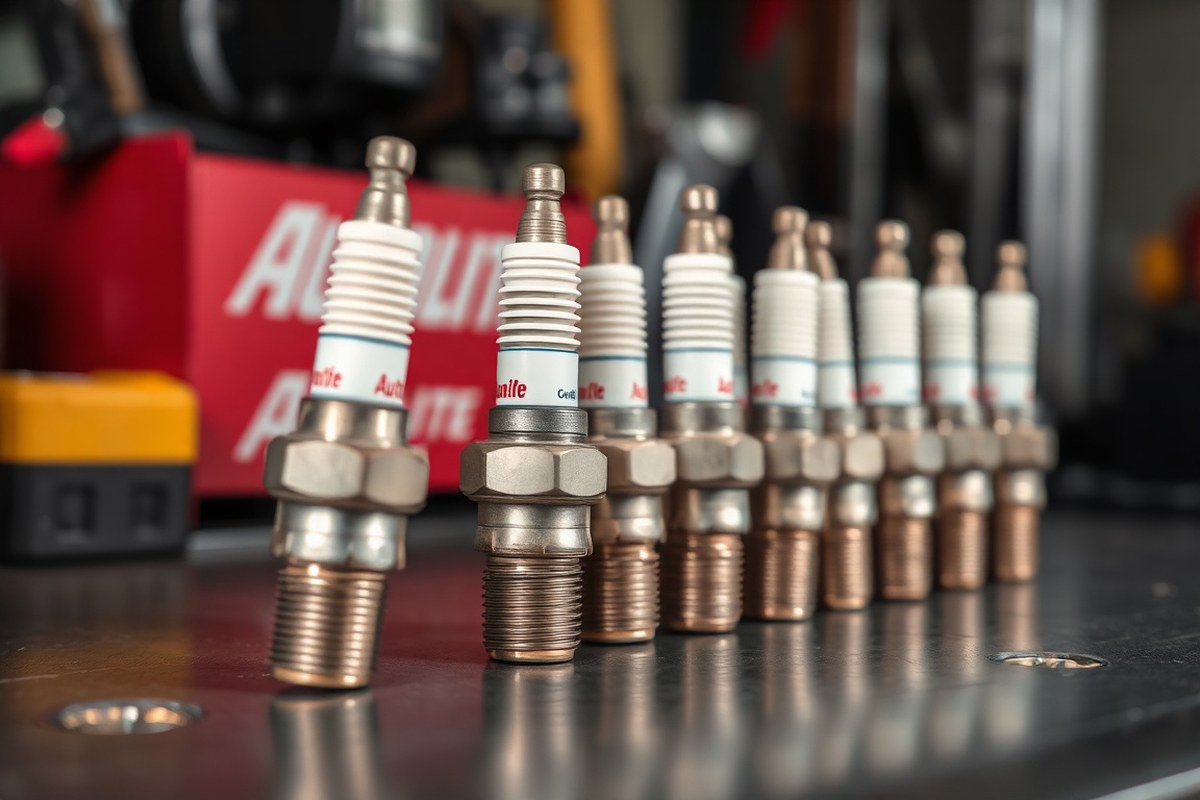
Autolite spark plugs are a trustworthy and affordable choice for most vehicles, especially if you need reliable ignition without spending a lot. They typically deliver up to 100,000 miles of performance, which suits everyday driving and routine maintenance. This longevity means you don’t have to replace them frequently, saving you both time and money over the life of your vehicle. Their budget-friendly pricing often ranges significantly below premium brands, making them accessible for regular car owners and DIY mechanics alike.
Reliability matters because spark plugs are critical for engine combustion. An unreliable plug can cause misfires, poor fuel efficiency, or rough engine idling. Autolite plugs use materials and engineering that help maintain consistent spark quality throughout their lifespan. Many users report solid performance, noting steady engine starts and smooth running under standard driving conditions. They also have broad compatibility across a range of common vehicles, from daily commuters to light trucks, thanks to Autolite’s extensive product lineup.
Choosing an Autolite spark plug usually involves matching the plug to your vehicle’s specification found in the owner’s manual or a trusted parts catalog. Most auto parts stores stock models compatible with popular domestic and import cars. Installation is straightforward: after removing the old plugs safely with a spark plug socket, screw in the Autolite plugs by hand until snug, then tighten with a torque wrench to the manufacturer’s recommended setting, generally around 10 to 15 foot-pounds, to avoid over-tightening and damaging the threads.
Cost-effectiveness comes from the balance of price and performance. Autolite plugs are often nearly half the cost of premium options like NGK yet provide reliable operation for typical use. Some drivers who push engines harder or need high-performance tuning might find benefits in specialized plugs, but for most, Autolite plugs hold up well in fuel economy, spark consistency, and engine smoothness. Feedback from real-world use tends to highlight dependable starting, fewer ignition issues, and good resistance to fouling, all at a reasonable price point.
Potential downsides to consider include slightly less advanced materials compared to the top-tier brands, which could reduce extreme durability or peak performance under high-stress conditions like racing or heavy towing. However, in regular driving and moderate engine conditions, these factors rarely affect day-to-day reliability or satisfaction. Many users find Autolite plugs meet their needs for standard maintenance cycles without complaints or premature failure.
Which Types of Autolite Spark Plugs Should You Choose?

Choosing between Autolite’s copper, platinum, double platinum, and iridium spark plugs depends on your vehicle’s requirements, your driving habits, and budget. Copper plugs offer reliable performance at a low cost but wear out quicker. Platinum and double platinum types extend service life and suit daily driving, while iridium plugs provide the longest lifespan and best performance for modern or high-tech engines. Racing or high-performance plugs in the Autolite XP series cater to more demanding ignition needs but may not be ideal for extreme racing use.
Copper Autolite Spark Plugs: Pros and Cons
Copper spark plugs have a solid copper core with a nickel alloy electrode, offering excellent conductivity and a strong spark. They are usually the most affordable option, often costing less than $3 to $5 per plug. Copper plugs work well for older engines or vehicles designed for a hotter spark but tend to wear out faster, with an average lifespan of around 20,000 to 30,000 miles. This makes them less ideal for modern vehicles or drivers looking for longevity.
The main drawback is quicker electrode wear and higher maintenance frequency, as their soft metal electrode erodes faster under combustion heat and pressure. Copper plugs also may increase emissions compared to platinum or iridium types, which can be a concern for newer emissions-controlled engines.
Using copper plugs in engines designed for platinum or iridium can reduce spark efficiency and accelerate wear, so always check your vehicle’s specifications.
Platinum and Double Platinum Features
Platinum plugs include a thin platinum disc welded to the electrode, which resists wear better than copper. Their typical lifespan ranges from 60,000 to 100,000 miles, making them a middle ground in price and durability. Autolite’s double platinum spark plugs feature platinum on both the center and ground electrodes, improving spark stability and further increasing their service life beyond standard platinum plugs. This design is especially beneficial for engines with a waste spark ignition system, which fires both electrodes.
These plugs offer improved fuel efficiency and lower emissions compared to copper, making them a solid choice for most daily drivers. They tend to cost about $6 to $10 each, which balances cost and longevity well. They aren’t as expensive or long-lasting as iridium plugs but outperform copper in consistency and lifespan.
Iridium XP and Racing Plug Highlights
Autolite’s iridium plugs, such as the Iridium XP series, use a fine wire iridium electrode to provide the strongest, most durable spark. These plugs are designed for modern engines that require precise ignition control, helping maximize fuel economy and lower emissions. Iridium plugs typically last over 100,000 miles, making them the longest-lasting option in the Autolite lineup. They are priced higher, usually between $10 and $15 per plug, reflecting their advanced materials and performance benefits.
For drivers of performance or modern vehicles, iridium plugs offer smoother starts, better throttle response, and greater durability in variable driving conditions. Autolite also offers performance-oriented racing plugs, designed for improve ignition capabilities in high-performance engines. These plugs focus on durability under increased pressure and heat but are not always suitable for the most extreme racing conditions, where specialized racing brands may be better.
Don’t substitute iridium plugs with copper or platinum in high-tech engines; it can degrade performance and cause misfires.
Choosing the Right Plug for Your Vehicle
Match your spark plug choice to both your vehicle’s factory recommendations and your driving habits. If your car originally came with iridium plugs, replacing them with Autolite iridium plugs helps maintain optimal performance and durability. For older or basic engines, copper plugs might be sufficient and budget-friendly. Daily drivers seeking balance between cost and longevity often benefit most from platinum or double platinum spark plugs.
Consider your driving style: frequent short trips, stop-and-go traffic, or towing may benefit from iridium plugs, which maintain consistent ignition under stress. Occasional highway cruising and mild driving scenarios can work well with platinum types. For racing or high-performance street vehicles, the Autolite XP racing plugs provide extra ignition strength but may not hold up under extreme track conditions. Prices and longevity increase along the progression from copper to iridium, so weigh what you need against what you are willing to spend and replace over time.
How Long Do Autolite Spark Plugs Last Compared to Others?
Autolite spark plugs last different amounts depending on the materials used, how the engine runs, and matching the plug to the right car. Copper plugs usually work well for 20,000 to 30,000 miles. These plugs cost less but need to be swapped out more often. Platinum versions typically stay effective between 60,000 and 100,000 miles. They have a platinum layer that protects the center electrode from wearing out quickly and keeps the spark steady. Autolite’s iridium plugs, including the Iridium XP series, often last close to or beyond 100,000 miles. Iridium is tougher and melts at higher temperatures, which helps the electrodes keep their shape and ensures a steady spark over many miles.
A comparison with other brands shows Autolite plugs offer competitive longevity, especially for platinum and iridium types. Brands like NGK, Bosch, and Denso also produce platinum and iridium spark plugs with similar expected lifespans. For example, NGK’s Iridium plugs commonly reach 90,000 to 100,000 miles and have a strong reputation for durability and ignition performance, backed by thousands of user ratings. Bosch and Denso plug lines emphasize precision engineering, often serving luxury vehicles or higher-performance engines, with comparable mileage expectations. Autolite’s plugs often cost less, providing a balance between performance and affordability.
Durability is influenced by factors beyond plug construction. Proper installation, selecting the correct heat range, and engine tuning play major roles in extending spark plug life. Engines running hotter than ideal or with ignition timing issues can wear plugs faster. Likewise, use in dusty, sandy, or highly humid environments can cause fouling or corrosion, reducing lifespan. Autolite’s proprietary trivalent metal plating helps protect against corrosion, which can improve spark plug life under challenging conditions. Still, regular inspection every 30,000 miles for copper and 60,000 miles for platinum or iridium plugs can catch signs of wear such as electrode erosion or gap widening.
| Autolite Spark Plug Type | Expected Mileage | Comparison Notes |
|---|---|---|
| Copper | 20,000, 30,000 miles | Lower lifespan; requires frequent replacement; affordable |
| Platinum | 60,000, 100,000 miles | Resists wear better than copper; good value |
| Iridium (Iridium XP) | Up to 100,000 miles or more | Highly durable; similar to NGK, Bosch, and Denso premium plugs |
Choosing plugs that match your engine’s specifications and operating conditions will maximize the lifespan and performance. Copper plugs suit older or budget applications but plan on more frequent change intervals. Platinum and iridium are better for modern vehicles and long-term reliability. Planning routine checks and following manufacturer recommendations on installation torque and gap settings maintain plug life and engine efficiency. Autolite’s balance of technology and price makes its platinum and iridium plugs a solid choice if you want longevity comparable to premium brands without their higher cost.
What Are the Benefits and Drawbacks of Autolite Spark Plugs?
Autolite spark plugs offer several benefits that have made them popular among everyday drivers. They are designed with high-quality materials that contribute to durability and consistent performance. Many users notice smoother engine operation and improved fuel efficiency after switching to Autolite plugs. Their design aims to optimize combustion, which can result in better acceleration and reduced emissions. The brand offers a range of plugs, including the premium Iridium XP line, which caters to drivers seeking improve performance without a significantly higher price tag than some competitors.
Quality control for Autolite spark plugs is generally good, but there have been occasional reports of variability in production. This can occasionally lead to plugs that do not perform at peak levels or wear unevenly over time. While these issues are not widespread, they are worth considering if you prioritize very high reliability or demand flawless performance for critical driving conditions.
Performance under extreme conditions, such as very high compression or highly modified engines, is where Autolite spark plugs sometimes fall short. High-performance vehicles or racing applications may require specialized spark plugs with unique designs or materials beyond what Autolite typically offers. In these cases, users might experience reduced spark efficiency or a shorter lifespan, especially compared to brands engineered specifically for extreme environments.
Potential drawbacks to keep in mind include the fact that Autolite plugs may not always meet specific OEM requirements for unique engine designs. Some drivers report that while Autolite plugs improve daily-driving experience, they might not deliver the peak power gains or super-high durability needed for extreme performance upgrades. Also, since proper installation strongly affects performance, failing to torque the plugs correctly or neglecting regular inspection can lead to misfires or premature wear.
For everyday drivers, Autolite spark plugs provide a cost-effective option that balances reliability, performance, and fuel savings. Prices typically range to suit most budgets, making them accessible for routine maintenance. To maximize their benefits, installation should follow manufacturer torque specifications and intervals. Monitoring plug condition every 30,000 to 50,000 miles helps catch any issues early, maintaining optimal engine function. Engines without unusual requirements generally benefit well from Autolite’s technology, but drivers with highly specific needs or extreme setups might look elsewhere for their spark plug choices.
How to Properly Install and Maintain Autolite Spark Plugs
Proper installation and maintenance of Autolite spark plugs ensure they last longer and keep your engine running smoothly. This involves setting the right gap, applying the correct torque, removing and replacing plugs carefully, and routinely checking for fouling or damage. Avoiding common mistakes during installation helps prevent misfires and poor engine performance.
Step-by-Step Installation Guide
Start by checking the gap on your new Autolite spark plugs with a feeler gauge. The recommended gap depends on your vehicle’s specs, usually between 0.028 and 0.060 inches. Adjust the gap carefully without damaging the electrode. Before installing, apply a small amount of anti-seize compound to the threads to prevent sticking, especially if you expect to replace the plugs again later. Screw the plug into the cylinder head by hand to avoid cross-threading, then tighten it using a torque wrench.
Torque requirements typically range from 13 to 20 ft-lbs depending on plug size and engine. Refer to your car’s manual for exact specs. Over-tightening can strip threads or crack the plug insulator, while under-tightening can cause poor contact and misfires. After installation, reconnect the spark plug wires or coil packs firmly to ensure proper electrical connection.
When removing Autolite plugs, clean around them first to keep dirt from falling into the cylinder. Use a spark plug socket with an extension and turn counterclockwise. If a plug resists, carefully apply penetrating oil and allow it to soak before retrying. Avoid using excessive force to prevent thread damage.
Maintenance Tips for Longevity
Regular inspection of Autolite spark plugs is key to preventing fouling and misfires. Check every 15,000 miles or sooner if you notice rough idling or performance loss. Look for signs like carbon buildup on the electrode, worn or rounded electrodes, or oil deposits. Cleaning fouled plugs with a wire brush or spark plug cleaner can extend their life but replacement is recommended if wear is severe.
Maintaining your ignition system helps plugs last longer. Replace ignition wires, coils, and air filters at recommended intervals to avoid misfires caused by weak sparks or poor air-fuel mixture. Using the correct fuel grade and keeping your engine tuned also reduces carbon buildup on plugs, improving efficiency.
Common Installation Errors and Fixes
Cross-threading is a frequent mistake when installing spark plugs. This happens when the plug isn’t started straight into the cylinder head threads. To avoid this, always screw in by hand before using a wrench and stop if you feel resistance. Stripped threads from over-tightening require professional repair, sometimes rethreading or inserting a helicoil.
Another error is neglecting the correct gap. A gap that’s too wide can cause weak sparks, while too narrow a gap leads to misfires. Using a calibrated gap tool and double-checking measurements before installation prevents this. Also, not tightening plugs to manufacturer torque specs can cause engine performance issues. Using a reliable torque wrench is the best way to get this right consistently.
Always start threading spark plugs by hand to avoid damaging the threads, which can be costly to repair.
How Do Autolite Spark Plugs Perform Under Extreme Conditions?
Autolite spark plugs perform reliably under a range of extreme conditions, but their suitability depends on the specific type of plug and engine demands. Copper-core Autolite plugs, like those in the standard AP series, are generally not recommended for highly boosted or nitrous-equipped engines running over 20 psi. These plugs lack the thermal conductivity and durability needed to manage the increased combustion pressures and heat, which can cause overheating, misfires, or pre-ignition issues. For engines with moderate performance upgrades or daily driving pressure levels, copper plugs can still perform well and maintain consistent ignition.
Iridium XP plugs from Autolite are better suited for high-performance and modern engines. Their finer iridium electrodes improve ignition efficiency, fuel economy, and offer a longer lifespan compared to copper plugs. These iridium plugs handle higher combustion temperatures and more aggressive timing without degrading quickly, making them a stronger choice for engines running under demanding conditions, including some racing scenarios. However, for extremely tuned racing engines or peak ignition consistency in motorsports, professional racers often lean towards specialized racing plugs designed explicitly for very high RPMs and extreme thermal cycles.
In cold climates, Autolite’s iridium and platinum plugs generally hold up well by providing easy starts and quick combustion, even at lower temperatures. Their fine electrodes and stable construction allow spark delivery to remain consistent despite the cold reducing fuel vaporization. Copper plugs can also start engines reliably in cold weather but may require more frequent replacement due to faster wear and corrosion under harsh conditions like salt and road chemicals.
In very hot climates, the heat resistance of the plug material becomes critical. Iridium plugs resist wear and potential melting better than copper ones. Autolite’s higher-grade plugs handle combustion chamber temperatures well, preventing issues such as pre-ignition and fouling that can occur with inferior plugs. Choosing plugs with the correct heat range rating is important for sustained performance in hot environments; using a plug with too cold a heat range can lead to spark plug overheating and engine damage.
For racing applications, selecting specialized plugs designed for high RPM and extreme operating conditions is advisable. While Autolite offers durable and reliable plugs suitable for many high-performance street vehicles, racers often select products engineered to maintain optimal gap and ignition stability under continuous high load and temperature cycles. This includes plugs with solid copper cores and strong iridium or platinum tips specifically manufactured for motorsports. The cost of racing plugs is typically higher, but the consistent performance and durability they provide justify the investment in competitive or heavily modified engines.
How Do Autolite Spark Plugs Compare to NGK, Bosch, and Other Brands?
Autolite spark plugs stand out for offering OEM-level reliability at a lower cost compared to brands like NGK and Bosch. While Autolite’s failure rate is slightly higher, its cost-efficiency and user satisfaction make it a strong contender for everyday drivers. Understanding how they stack up requires examining failure rates, price per mile, warranty coverage, and user ratings.
Reliability and Failure Rates
Autolite’s XP line registers a failure rate of about 1.9%, reflecting solid reliability especially for direct injection and turbocharged engines. NGK and Bosch typically report failure rates closer to 1.0-1.5%, slightly better but not dramatically so. This difference matters most in high-performance or extreme conditions where peak durability is critical. For routine driving, Autolite provides dependable spark ignition without frequent replacement needs.
The 1.9% failure rate suggests that out of 100 plugs installed, roughly two may experience issues before their expected service intervals. This rate is competitive enough to satisfy everyday users and those looking for a balance between cost and durable operation. Autolite’s engineering focuses on consistent ignition quality, which reduces engine start problems and maintains smooth operation.
Price and Value Analysis
On cost, Autolite offers a significant advantage with an estimated $0.094 per mile expense. This figure is derived from the price of the plugs and their average lifespan, providing a precise metric to compare brands. NGK and Bosch plugs often cost more per unit and sometimes have longer lifespans, but their price per mile usually falls between $0.12 and $0.15. This marks Autolite as a more budget-conscious choice without compromising basic performance.
Choosing Autolite can save you money over multiple maintenance cycles, especially on vehicles where spark plugs are replaced in the 30,000 to 100,000 mile range depending on type and engine. The brand emphasizes affordable quality for daily drivers, which appeals to consumers mindful of maintenance budgets but wanting reliable starts and decent fuel efficiency.
User Ratings and OEM Applications
User reviews consistently highlight Autolite plugs as a cost-effective option with good engine starting reliability and smooth running performance. Many owners report that Autolite plugs perform on par with more expensive brands in typical driving conditions. However, some drivers with high-performance or older engines prefer NGK or Bosch for their broader OEM compatibility and advanced plug designs.
Warranty-wise, Autolite generally offers coverage comparable to major spark plug makers, but exact terms depend on the retailer and vehicle manufacturer. NGK and Bosch often hold a slight edge in OEM fitments, with many OEMs specifying their plugs first. That said, Autolite’s widespread OEM use, especially in domestic vehicles, makes it a reliable aftermarket alternative.
Choosing the Right Autolite Spark Plug for Your Engine
Choosing the right Autolite spark plug starts with matching the plug model to your engine’s specifications. Check your vehicle’s owner’s manual or a trusted parts catalog to find the exact model recommended for your make, model, and engine type. This ensures proper fitment, correct heat range, and ideal gap size, all of which impact your engine’s performance and longevity. Using the wrong plug can cause misfires, reduce fuel economy, or even damage the engine.
Beyond the baseline fit, factors such as engine type and fuel system influence plug choice. For example, high-compression or turbocharged engines often require spark plugs with a specific heat range and materials to handle increased temperatures and pressures. Vehicles with direct fuel injection may also benefit from plugs designed to provide reliable ignition under leaner air-fuel mixtures. Consider how you drive: aggressive driving or towing heavy loads can generate higher engine temperatures, suggesting a need for plugs rated for higher heat dissipation.
Upgrading to iridium or racing spark plugs makes sense when you want longer-lasting plugs or better ignition performance under demanding conditions. Autolite’s Iridium XP plugs offer improved durability and smoother starts thanks to a finer iridium electrode that requires less voltage to spark. Racing plugs, although more expensive, suit modified or high-performance engines where consistent ignition at high RPMs is critical. These plugs may cost around $10 to $15 each versus $3 to $6 for standard copper plugs.
For older vehicles or those with simpler engine designs, cheaper copper plugs can be a sensible choice. Copper plugs conduct electricity well but wear faster and dissipate heat less efficiently. If your engine runs cooler and doesn’t see heavy loads, copper plugs can deliver acceptable performance at a lower price, typically in the $2 to $5 range. Be aware that copper plugs generally require more frequent replacement, around 20,000 to 30,000 miles, compared to 60,000 to 100,000 miles for iridium plugs.
Use this checklist when selecting your Autolite spark plug model: verify your vehicle’s exact specifications, consider your engine’s heat range and fuel system, assess your typical driving conditions, and decide on your budget and maintenance planned. Correctly gapping and torquing the plugs during installation completes the process and preserves engine efficiency.
Always double-check the plug gap and torque settings to your vehicle’s manufacturer specifications to avoid performance issues or potential engine damage after installation.
Step-by-Step Action Plan for Using Autolite Spark Plugs
Follow these steps to select, install, and maintain Autolite spark plugs for reliable engine performance.
- Before Installation: Identify your engine’s spark plug type based on the owner’s manual or vehicle specifications to pick the correct Autolite model. Confirm correct fit by matching thread size and heat range.
- Installation Day: Remove old plugs carefully and use a torque wrench to install new Autolite plugs to the manufacturer’s recommended torque. Check for clean and tight seating to avoid misfires.
- First 500 Miles: Listen for any unusual engine noises or misfires. If the engine runs smoothly, the plugs are properly installed and functioning.
- Every Oil Change (about 5,000 miles): Inspect the spark plugs visually for deposits or wear. Clean or replace if signs of fouling appear to maintain efficiency.
- After 30,000 to 50,000 Miles: Replace Autolite spark plugs according to their lifespan rating, especially if you notice decreased fuel economy or rough idling. This ensures continued reliability and performance.
- Under Extreme Conditions: Use Autolite’s double platinum or iridium plugs for vehicles regularly exposed to high temperatures or heavy loads. Check plugs more frequently to prevent premature wear.
Frequently Asked Questions
Are Autolite Spark Plugs Suitable for High-Performance Vehicles?
Autolite iridium spark plugs are designed for modern engines and perform well in high-performance vehicles requiring precise ignition and fuel efficiency, making them a solid choice for many sports and performance cars.
Do Autolite Spark Plugs Require Special Tools for Installation?
No special tools are typically needed beyond a standard spark plug socket and a torque wrench. Proper installation should follow the manufacturer’s torque specifications to avoid damage or improper seating.
Are Autolite Spark Plugs Compatible with Turbocharged Engines?
Yes, Autolite iridium spark plugs work effectively in turbocharged engines, providing stable ignition and durability under higher heat and pressure conditions associated with forced induction.
Can Autolite Spark Plugs Help Improve Fuel Economy?
Yes, Autolite spark plugs, especially iridium types, can boost fuel efficiency by ensuring optimal combustion. Properly functioning spark plugs improve engine performance and reduce unburned fuel waste.
What Is the Difference Between Autolite Copper and Iridium Spark Plugs?
Copper spark plugs are basic and affordable, best for older engines, while iridium plugs last longer and offer better performance for modern vehicles with high-tech ignition systems.
Are Autolite Spark Plugs Easy to Find in Local Stores?
Autolite spark plugs are widely available in auto parts stores and online retailers, making it convenient for most car owners to purchase replacements as needed.
Wrapping Up
Autolite spark plugs offer a good balance of reliability and cost-effectiveness for most engines, with proper selection and installation key to their performance. Start by verifying your engine’s specifications and follow recommended installation steps to reduce issues. Keeping an eye on plug condition during routine maintenance will help you get the most out of them over time. Consider upgrading to premium Autolite models if your driving demands harsher conditions or longer intervals.