How to Fix Jeep Wobble: 8 Practical Steps for a Smooth Ride
How to fix Jeep wobble starts with identifying worn or loose suspension parts, especially the track bar, tie rod ends, and control arm bushings. Tightening or replacing these components and ensuring proper wheel alignment usually stops the wobble. Begin by examining suspension bolts and tires for uneven wear, as loose parts and bad tires often cause the shaking.
Key Takeaways
- Check all suspension bolts and torque them to the manufacturer’s specifications, typically between 80 and 100 ft-lbs.
- Inspect track bars and tie rod ends for wear or damage and replace if they show any signs of play.
- Rotate and balance your tires every 5,000 miles to maintain even wear and reduce wobble risk.
- Adjust the caster angle within the ideal range of 4 to 6 degrees for most Jeep models to improve stability.
- Use heavy-duty or high-quality aftermarket parts when replacing suspension components to improve durability.
- Ensure steering stabilizers and suspension bushings are in good condition, as worn parts can worsen wobble.
1. What Causes Jeep Wobble and How It Works

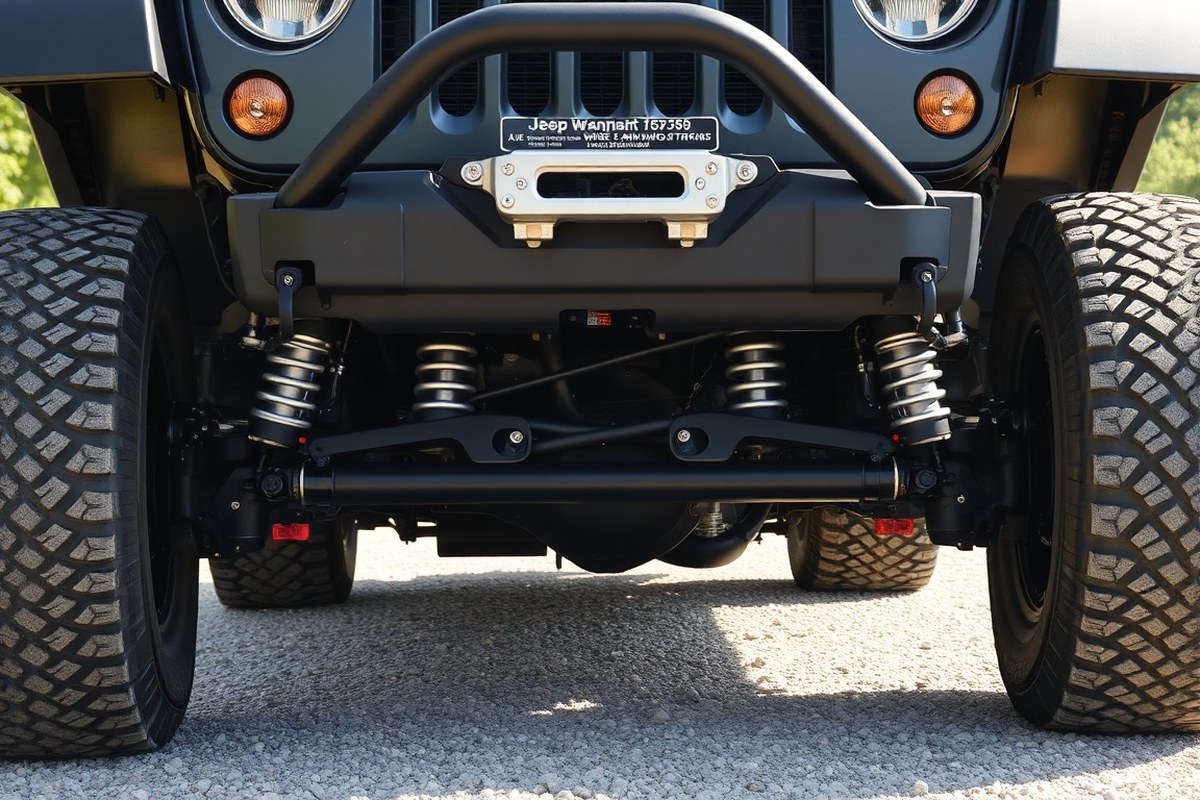
Jeep wobble, often called Death Wobble, usually starts with worn or loose suspension and steering parts. The track bar is the most common culprit. It keeps your axle centered under the frame, and if its bolts loosen or the bar itself gets worn, you’ll feel a shaking or oscillation through the front end. Tightening or replacing the track bar can improve stability and stop the wobble. Many Jeep owners report success with upgrading to a heavy-duty track bar for longer-lasting results.
Tie rods are another key part. They connect your steering box to the wheels and help control movement. When tie rod ends wear out or loosen, your steering gains extra play, which can cause the front wheels to oscillate. Replacing worn tie rods or just tightening loose ones often reduces or eliminates wobble. This fix shows positive results in about 60% of cases related to steering components.
Tires also play a major role. If your tires are unbalanced, it creates uneven forces as you drive, which can feel like wobble. Regular balancing and rotation every 5,000 to 7,000 miles help keep tire balance in check. Proper wheel alignment is important, too. Modifications to your Jeep’s suspension or hitting rough terrain can knock alignment off, causing uneven tire wear and instability. A professional alignment is recommended by 90% of Jeep owners after suspension changes to maintain even tire wear and smooth handling.
Your suspension setup affects wobble because it determines how forces transfer from the road to your wheels and steering. Over time, bushings in control arms, track bars, and other components wear out, allowing excess movement. This wear can lead to instability and wobble. Replacing worn rubber bushings with tougher polyurethane versions is a common upgrade that improves suspension firmness and reduces play. Ball joints also wear with age and mileage. Worn ball joints let the steering knuckle move too much, which contributes to Death Wobble, especially on rough trails.
The Jeep Wrangler YJ and Liberty models commonly experience wobble due to their solid axles and suspension design. In these vehicles, checking and maintaining the track bar, tie rods, ball joints, and bushings is critical. Costs for parts and labor vary but expect to pay $50 to $100 for track bar tightening or replacement parts and $40 to $60 for tire balancing. Steering stabilizers, while sometimes replaced to help wobble, have lower success rates and shouldn’t replace addressing the main worn suspension and steering components.
Understanding these causes lets you focus on inspecting the track bar, tie rods, ball joints, and tires first. Look for any looseness or play in bolts and joints, check tire condition and balance, and get a professional alignment if your Jeep has undergone suspension modifications. Fixes targeting these specific parts provide the best chance to stop the wobble and restore safe, controlled driving.
2. How to Diagnose Jeep Wobble Step-by-Step

Diagnosing Jeep wobble starts with a thorough inspection of suspension components and tires. Use a step-by-step approach to check for loose bolts, worn parts, and tire issues. Employ basic tools and simple tests to identify the exact source of the wobble and prevent costly repairs.
Inspect the Track Bar and Bolts
Begin by inspecting the track bar and its mounting bolts. The track bar keeps your Jeep’s axle centered, and loose bolts here are the top cause of wobble. Check for any visible movement or play in the bar and verify that the bolts are properly tightened.
Use a torque wrench to tighten the track bar bolts according to Jeep factory specifications, typically around 85-120 ft-lbs depending on your model. Make sure to inspect the track bar bushings for cracks or excessive wear. Worn bushings allow unwanted movement that can trigger the wobble.
Test Tie Rod Ends and Ball Joints
Next, test the tie rod ends and ball joints for excessive play. These parts link the steering components to the wheels and are subject to wear. Place the front wheels in the straight-ahead position and lift the Jeep using a jack, safely supported on jack stands.
Use your hands to grasp each front tire at the 3 and 9 o’clock positions and rock it back and forth. Excessive movement indicates looseness in the tie rod ends. For ball joints, grasp the tire at 6 and 12 o’clock and repeat. Any more than 0.05 inches of vertical or horizontal play suggests them worn or failing, meaning replacement is needed.
- Park your Jeep on level ground and engage the parking brake.
- Loosen the lug nuts slightly before raising the vehicle.
- Use a hydraulic jack to lift the front end and place jack stands under the frame.
- Spin and rock the front tires side to side and up and down to detect play.
- Inspect tie rod ends and ball joints visually for torn boots or grease leakage.
- Use a pry bar gently under control arms to check for bushing play.
- Note any excessive looseness or damage for repair or replacement.
Never perform these inspections without the vehicle securely supported on jack stands to prevent injury.
Check Tire Condition and Balance
Check your tires for uneven wear, bulges, or damage to the sidewalls. Unbalanced or damaged tires often cause vibration that mimics or worsens wobble. Look for cupping, flat spots, or uneven tread depths across the tire.
Balancing your tires removes heavy spots that cause vibration. This service typically takes about 30 to 45 minutes at a tire shop and costs around $15 to $30 per tire. Before ruling out suspension issues, ensure your tires are balanced and inflated to manufacturer specifications.
Assess Wheel Alignment and Suspension
Misaligned wheels can cause pulling and wobble while driving. Check for signs such as your Jeep drifting to one side, uneven tire wear, or a crooked steering wheel at highway speeds. A professional wheel alignment is often required to correct this and usually costs $75 to $150 depending on the shop and location.
Inspect other suspension components like control arms and bushings for cracks, splits, or missing parts. Use a flashlight to look for damaged rubber bushings and signs of metal fatigue. Replacing worn components restores proper suspension geometry and reduces wobble risk.
3. Tightening and Replacing Key Suspension Parts
To fix Jeep wobble, tighten track bar bolts if they’re loose, but replace the track bar if you see bending, wear, or persistent wobble after tightening. Swap tie rod ends when they show play or damage. Change ball joints if they feel loose or cause uneven tire wear. Always torque bolts to the manufacturer’s specs using the correct tools to prevent further issues.
Tightening Loose Track Bar Bolts Correctly
The track bar stabilizes your Jeep’s front axle and keeps it aligned, so its mounting bolts must be tight. Tighten these bolts when you detect any looseness by feel or visual inspection, especially after off-road use or lifts. If wobble continues after tightening or the track bar shows damage like bends, replace it instead.
- Park the Jeep on a flat surface and engage the parking brake.
- Locate the track bar and clean the mounting bolts with a wire brush.
- Use a torque wrench to tighten bolts to factory specs, usually around 100-150 ft-lbs, but check your Jeep’s manual.
- Inspect the track bar for dents, bends, or cracks; replace if found.
- Test drive the Jeep to confirm wobble is gone.
Loose bolts let the axle shift, causing wobble. Overtightening risks stripping threads or harming bushings, so stick to torque specs. For lifted Jeeps, expect more stress on these bolts and double-check tightness more often.
Replacing Worn Tie Rod Ends Safely
Tie rod ends link the steering system to your wheels. Worn tie rod ends cause play in steering and contribute to death wobble. Signs include looseness when you wiggle the wheels, uneven tire wear, or vibration during driving. Replace them promptly if you find play or damage.
- Lift the Jeep and remove the front wheels.
- Mark the position of the old tie rod ends to keep alignment as close as possible.
- Use a wrench to loosen the jam nut on the tie rod.
- Remove the cotter pin and nut securing the tie rod end to the steering knuckle.
- Use a tie rod puller or pickle fork to separate the tie rod end from the knuckle.
- Unscrew the tie rod end from the tie rod and replace it with a new one.
- Tighten all nuts, install a new cotter pin, and torque to specs (generally 65-85 ft-lbs).
- Get a wheel alignment after replacement.
Replacing tie rod ends yourself saves money but needs careful torque and alignment afterward to avoid safety risks or uneven tire wear.
Swapping Out Bad Ball Joints
Ball joints connect control arms to the steering knuckle and allow smooth articulation. Worn ball joints feel loose or produce clunking sounds. Growing tire wear or steering looseness often means ball joints must be replaced. Leaving them worn risks suspension failure and dangerous wobble.
- Raise the Jeep and secure it on jack stands.
- Remove the front wheel to access the ball joint.
- Remove any clips or bolts holding the ball joint to the control arm and knuckle.
- Use a ball joint press or suitable tools to separate the ball joint from mounting points.
- Install the new ball joint and secure it with bolts or clips as per manufacturer instructions.
- Torque the bolts to the exact specification, normally between 65 and 100 ft-lbs depending on the model.
- Reinstall the wheel and lower the Jeep.
- Test drive carefully to ensure the wobble is resolved.
Replacing ball joints is moderately challenging and might require special tools. Costs vary widely from $50 to $150 per joint, plus labor if done by a shop. Neglecting worn ball joints increases risk of suspension collapse during driving.
Torque Specifications and Tools Needed
Use a quality torque wrench and sockets sized for your Jeep’s bolts. This ensures proper tightness without damage. Incorrect torque can lead to loose components causing death wobble or stripped threads making parts hard to remove later. Typical torque values for these components:
| Component | Torque Range (ft-lbs) |
|---|---|
| Track Bar Bolts | 100, 150 |
| Tie Rod End Nuts | 65, 85 |
| Ball Joint Bolts | 65, 100 |
Follow these tips:
- Always refer to your Jeep Wrangler’s official service manual for exact specs.
- Use penetrating oil on rusty bolts before loosening.
- Double-check torque after initial drive, as bolts can settle.
- Replace any worn or damaged nuts and bolts during reassembly.
4. Wheel Alignment and Tire Maintenance to Eliminate Wobble
Misaligned wheels cause uneven tire wear and unsteady handling, both of which can trigger or worsen Jeep wobble. The wheels must be aligned so they roll straight and true. When alignment is off, your Jeep might pull to one side or the steering wheel can vibrate, especially at highway speeds. This uneven tire contact causes instability and sets the stage for the Death Wobble.
Rotating tires every 5,000 miles evens out wear patterns across all four tires. Balanced tires prevent vibrations that come from uneven weight distribution around the wheel. Balancing involves adding small wheel weights to offset heavy spots on the tire and rim. Without this, the Jeep can develop a rhythmic shake or wobble as it gains speed. Likewise, rotating tires moves front tires to the rear and vice versa, ensuring no single tire wears faster or develops flat spots that disrupt stability.
Tire pressure also plays a key role. Underinflated tires flex too much, causing poor handling and increasing wobble. Overinflated tires wear unevenly and reduce traction. It’s best to check tire pressure monthly and inflate according to the Jeep’s placard, usually around 32, 35 psi for most Wrangler trims. Slight pressure imbalances on one side can induce steering vibration and imbalance, so maintaining equal pressure front to back and side to side is essential.
Worn tires with uneven tread heights or visible damage reduce grip, making it harder to maintain control. Inspect tires regularly for bald spots, cracks, or bulges that can contribute to wobble. Rough, patchy wear patterns are signs the alignment should be checked and corrected.
- Rotate and balance tires every 5,000 miles to prevent uneven wear and vibrations
- Check tire pressure monthly; keep all tires within the recommended psi range
- Inspect tires regularly for uneven wear, cracks, or bulges affecting stability
- Schedule a professional alignment check if your Jeep pulls, vibrates, or shows uneven tire wear
- After lifting or installing bigger tires, get the alignment adjusted to handle changes in suspension geometry
Professional wheel alignments usually cost between $75 and $150 depending on the shop and location. Expect the process to take around 30 to 60 minutes. The technician will adjust camber, caster, and toe angles to factory specs. A proper alignment improves steering response, reduces tire wear, and lowers the likelihood of experiencing Death Wobble. Balancing and rotating tires can typically be done during oil changes or routine service visits.
Maintaining these tire and alignment practices limits the wobble risk caused by uneven forces on your Jeep’s front end. Neglecting them leads to faster wear, poor handling, and recurring vibration issues that no suspension fix alone can fully solve.
5. The Role of Steering Stabilizers and Suspension Bushings
A steering stabilizer on a Jeep acts like a shock absorber for the steering system, dampening minor vibrations and helping control steering feedback. However, it does not fix Death Wobble on its own. This is because Death Wobble usually stems from multiple suspension and steering components being out of alignment or worn, such as axle mounts, control arms, and especially suspension bushings. Replacing or upgrading the stabilizer without addressing these underlying causes often only masks the symptoms temporarily rather than curing the problem.
Suspension bushings play a key role by cushioning metal suspension parts and reducing play between joints. When bushings wear out, they allow excess movement and looseness in the suspension, which disturbs proper alignment and can create the conditions for wobble. Worn bushings often cause the steering to feel vague or uneven, with a loose or shaky front end when driving over bumps or at certain speeds. Replacing bushings typically involves removing the control arms or other suspension components, pressing out old bushings, and installing new polyurethane or rubber ones. Expect the part cost to run between $50 and $150 per bushing set, and labor at most shops to take 1 to 2 hours.
Heavy-duty steering stabilizers are a popular upgrade for Jeep owners wanting extra control, especially on lifted or off-road vehicles. These stabilizers add more damping force than stock units and sometimes include adjustable settings for tuning. Installing a heavy-duty stabilizer or adding a second stabilizer can reduce steering flutter and help keep the front end steadier under harsh conditions. While these upgrades improve feel and reduce the chance of Death Wobble, they do not replace the need for proper suspension component inspection and bushing replacement. They are best viewed as part of a complete approach to managing wobble.
In practice, replacing suspension bushings comes first if they are visibly damaged, cracked, or if you notice the steering feels sloppy. Once bushings, control arms, and other components are tight and properly aligned, upgrading to a heavy-duty steering stabilizer can provide finer steering control and improved confidence during highway or off-road driving. Avoid relying on a stabilizer alone to fix Death Wobble. The root cause needs repair to ensure lasting safety and performance.
Always check suspension bushings for wear before spending on a heavy-duty stabilizer; worn bushings often cause the core wobble that a stabilizer can’t fix.
6. Cost, Time, and Difficulty of Common Jeep Wobble Fixes
Common causes of Jeep wobble vary in the cost, time, and difficulty of repair. Addressing these issues yourself requires basic tools like wrenches, sockets, a torque wrench, jack stands, and possibly a ball joint press. Simple fixes, such as tightening or replacing track bars, usually cost between $100 and $400 for parts and labor when done by a mechanic. Doing it yourself eliminates labor fees but adds the time investment, typically about 1 to 3 hours for track bar replacement.
Replacing ball joints demands more effort, often taking 3 to 6 hours depending on your model and experience. It requires special tools such as a ball joint press and a good floor jack. This task can be challenging due to rust and tight components. Many Jeep owners prefer professionals for ball joint replacement to ensure proper installation and safety.
Some repairs, like adjusting caster angles or swapping out steering stabilizers and bushings, are more straightforward and beginner-friendly. They usually take less than an hour and need only standard hand tools. However, if your Death Wobble persists after these steps, a professional mechanic’s expertise might be necessary to diagnose and fix less obvious problems.
| Repair Type | DIY Time | Parts Cost | Professional Labor Cost | Difficulty | Required Tools |
|---|---|---|---|---|---|
| Track Bar Replacement | 1 to 3 hours | $50 to $150 | $100 to $300 | Medium | Wrenches, sockets, torque wrench, jack stands |
| Ball Joint Replacement | 3 to 6 hours | $70 to $150 | $200 to $400 | High | Ball joint press, floor jack, wrenches, sockets |
| Steering Stabilizer Replacement | 30 to 60 minutes | $40 to $100 | $60 to $100 | Low | Wrenches, sockets |
| Suspension Bushing Replacement | 1 to 2 hours | $30 to $80 | $100 to $200 | Medium | Wrenches, sockets, press or bushing tool |
| Caster Angle Adjustment | Less than 1 hour | Free to $50 (if parts needed) | $100 to $200 | Low | Wrenches, sockets, alignment tools (optional) |
Good results show a smooth, stable steering feel with no pull or vibration at highway speeds. Most DIY fixes succeed when you follow torque specs and use proper lifting and safety equipment. Mistakes like under-tightening hardware or not performing a wheel alignment after repair can leave wobble issues unresolved or cause new problems. Professionals can handle complex tasks faster and with specialized equipment, reducing the chance of installation errors, but their services come with higher labor costs.
7. Common Mistakes When Fixing Jeep Wobble and How to Avoid Them
Tightening bolts alone often isn’t enough to fix Jeep wobble. Loose bolts can cause steering issues, but worn-out parts like ball joints, tie rod ends, or track bars usually need replacing. If a bolt isn’t tight, you might stop the wobble instantly by torquing it properly, but replacing damaged components is important to prevent the problem from returning. Use a torque wrench to tighten bolts to the manufacturer’s specifications, typically found in your Jeep’s service manual. Over-tightening can strip threads or stress components, while under-tightening leaves play in the steering system.
Relying only on steering stabilizers is another mistake. Stabilizers help reduce steering feedback and vibrations but don’t fix the root causes like worn suspension parts or misalignment. Steering stabilizers can mask problems temporarily, leading to more severe wear or sudden wobble if underlying issues aren’t addressed. For example, a bad track bar or uneven tire wear still needs fixing even if you add a new stabilizer.
Ignoring tire balance can worsen wobble significantly. Unbalanced tires create vibrations that echo through the steering and suspension, especially at highway speeds above 50 mph. Have your tires balanced every 5,000 to 7,000 miles or during tire rotation. Balancing costs $15 to $50 per tire but is essential for smooth handling and tire life. Unbalanced tires also lead to uneven wear patterns, which can make wobble worse and potentially damage suspension components faster.
Proper bolt torque is important for lasting repairs. Use a calibrated torque wrench and set it to the exact spec from the Jeep service manual. Tightening bolts in the right order and to the correct torque prevents warping parts and maintains correct suspension geometry. For example, tightening track bar bolts to 110 to 130 ft-lbs is common, but verify your model’s specs. Double-check torque after the first 100 miles of driving post-repair to ensure bolts remain secure as parts settle.
- Check for loose bolts first, then inspect for worn suspension components
- Replace damaged parts rather than relying solely on steering stabilizers
- Balance tires regularly to avoid vibration-related wobble
- Use a torque wrench calibrated to manufacturer specs for all bolts
- Re-torque bolts after initial driving to account for settling
- Consult Jeep forums for model-specific torque and repair tips
Failing to address these common errors leads to recurring wobble and potentially unsafe steering conditions. Every fix should start with a full inspection followed by a mix of tightening, replacing, and balancing. The process might cost between $50 to $300 depending on parts and labor if done professionally but can be a satisfying DIY if you have basic tools like a torque wrench, jack stands, and good lighting. Results are clear when your Jeep responds without shimmy or vibration at all speeds, especially over bumps and rough roads.
8. Preventing Jeep Wobble After Repairs
Preventing Jeep wobble after repairs means sticking to a solid maintenance routine. Regularly checking suspension bolts, keeping tires in good shape, upgrading to heavy-duty parts when needed, and installing lift kits carefully can keep that front-end wobble away over the long term.
Regular Torque and Suspension Inspections
Suspension bolts and key components should be checked and tightened every 6,000 miles or at least twice a year. Loose bolts are a common cause of returning wobble because even slight movement changes your Jeep’s suspension geometry. Use a torque wrench to tighten bolts to factory specifications, typically listed in your Jeep’s service manual.
During these inspections, look for cracked or worn bushings, loose track bars, and damaged tie rods. Catching issues early keeps you from bigger repairs and wobble recurrence.
- Check track bar bolts and mounting points
- Inspect tie rod ends for play and damage
- Tighten all suspension bolts to the correct torque
- Examine bushings for cracks or wear
- Look over steering stabilizer for leaks or damage
- Test suspension joints for unusual movement
Never drive your Jeep with a known wobble; it worsens fast and can cause suspension failure.
Consistent Tire Rotation and Balancing
Tires have a big role in wobble prevention. Rotate your tires every 5,000 to 7,000 miles to ensure even wear. Uneven tire wear leads to imbalance that triggers the wobble effect. Get your Jeep’s tires professionally balanced at the same intervals.
Regular tire pressure checks add stability too. Keep pressures at the levels Jeep recommends, as uneven or low pressure can cause wandering and shakes. Bigger, heavier tires require more frequent balancing and sometimes different balancing weights.
Choosing Quality Aftermarket Parts
Upgrading to heavy-duty suspension parts like track bars, tie rods, and stabilizers pays off, especially if you run a lift kit or oversized tires. These parts handle extra stress and reduce the chance of premature failure that causes wobble.
Heavy-duty parts cost more upfront, expect at least $150 to $300 for upgraded tie rods and track bars, but they last longer and improve safety. Avoid cheap aftermarket components that might not meet Jeep’s specifications; poor-quality parts tend to worsen wobble over time.
Safe Lift Kit Installations and Adjustments
Lifts change suspension geometry, so improper installation can cause or worsen front-end wobble. Follow manufacturer instructions precisely or have your lift kit installed by a professional with Jeep experience.
After installing a lift, upgrade to heavy-duty track bars, tie rods, and steering stabilizers designed for lifted Jeeps. Always get a professional wheel alignment right after any lift or tire size change to keep suspension angles correct.
Properly adjusted lift kits improve off-road capability without sacrificing on-road stability. Plan to recheck all suspension fasteners and ride height measurements after about 500 miles of driving the lifted Jeep.
Step-by-Step Action Plan to Stop Your Jeep Wobble
Follow these steps in order to identify and fix the wobble quickly and safely. Each step builds on the last to narrow down the cause and confirm the fix.
- Before You Start: Inspect tires and check for uneven wear or low pressure. Correcting tire issues can often stop wobble right away.
- Day 1: Tighten all suspension bolts and check for loose components. Wobble should lessen or disappear when everything is secure.
- Day 2: Replace worn steering stabilizers and suspension bushings. Test drive to see if the steering feels steadier without shaking.
- Day 3: Get a professional wheel alignment or use calibrated tools yourself. Proper alignment removes pull and wobble caused by uneven angles.
- Day 4: Recheck tires for proper balance and rotation. Balancing tires can resolve any remaining vibration at higher speeds.
- Week 1: Monitor for any signs of wobble during daily drives. When the wobble comes back, check your suspension and steering parts again or get advice from a professional.
Frequently Asked Questions
What Are the First Signs That Indicate My Jeep Might Have a Wobble Issue?
The first signs include shaking or vibration in the steering wheel, especially at highway speeds. Early detection helps prevent further damage and keeps driving safe while you prepare to diagnose the cause.
Can Replacing Tires Alone Stop Jeep Wobble?
Replacing tires alone rarely fixes Jeep wobble unless the tires are severely worn or unbalanced. Proper alignment and suspension checks are critical for a full fix.
How Often Should I Inspect Suspension Parts to Prevent Jeep Wobble?
Inspect suspension parts at least twice a year or after off-road trips. Regular checks help catch wear early before it causes wobble.
Does Adding a Steering Stabilizer Eliminate the Need for Other Repairs?
A steering stabilizer can reduce wobble symptoms but doesn’t replace worn suspension or steering parts. Use it as a supplement, not a standalone fix.
Is Professional Alignment Necessary After Fixing Jeep Wobble Myself?
Yes, professional alignment ensures all angles are correct post-repair, preventing wobble from recurring. DIY repairs should include a final alignment check.
Can Lifting My Jeep Increase the Chance of Death Wobble?
Lifting your Jeep can increase the chance if suspension geometry changes are not properly addressed. Correct installation and calibration are important after lifts.
The Bottom Line
Stopping Jeep wobble requires careful attention to suspension, steering, and tires. Taking clear, step-by-step action helps ensure the problem is fixed securely and lasts. Start by checking your tires and tightening bolts today to gain better control and safer driving. Should the wobble continue, a professional can identify hidden problems and help you avoid wasting time.