How Do I Stop My Tonneau Cover from Flapping? 8 Proven Fixes That Work
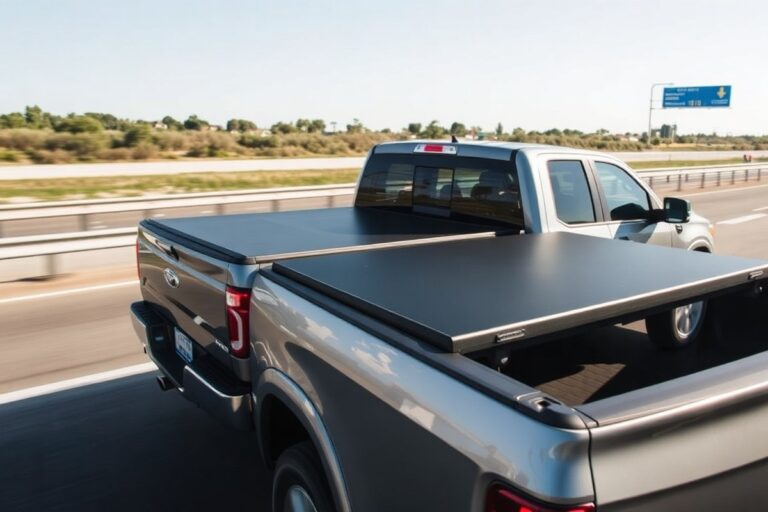
How do I stop my tonneau cover from flapping? The best way is to properly adjust the cover’s tension and ensure it is securely fastened to prevent air from getting underneath. Installing weather stripping or foam inserts can also help seal gaps that cause vibrations and noise. Start by checking that the cover is tight and correctly aligned with your truck bed.
Key Takeaways
- Adjust the tension of your tonneau cover to minimize slack and reduce flapping.
- Secure all fasteners and latches completely to avoid gaps that let air in.
- Install weather stripping along the edges to block wind from lifting the cover.
- Use foam inserts beneath the cover for extra cushioning and noise reduction.
- Patch tears under 6 inches quickly to maintain cover integrity and prevent flapping.
- Consider upgrading to a hard tonneau cover for better wind resistance if flapping persists.
How to Stop Your Tonneau Cover from Flapping While Driving

Securing your tonneau cover properly and making targeted adjustments are essential for stopping it from flapping while you drive. Loose or improperly tensioned covers allow wind to catch underneath, causing noise and possible damage. Using accessories like weather stripping or bungee cords can also help keep the cover tight, reducing movement caused by airflow. Flapping is more common with soft covers, so focusing on a tight fit and minimizing wind gaps will make the biggest difference.
To reduce flapping, follow these practical steps that cover installation, tension adjustments, and the use of supplementary accessories. These actions can turn an irritating flap into a quiet, secure cover.
- Check and tighten all clamps, bolts, or latches. Ensure the tonneau cover is firmly anchored to the truck bed. Loose fasteners allow wind to get under the cover causing vibration and noise. Use a torque wrench when applicable to meet manufacturer specs.
- Adjust the cover’s tension straps or tensioners. Most soft covers include straps that pull tight across the truck bed. Increase tension gradually until the cover feels snug, but do not overtighten and risk tearing the material.
- Install foam inserts beneath the cover edges. Place foam along the side rails or rear edge where the cover may gap. Foam fills air pockets and supports the cover, limiting movement in windy conditions.
- Apply weather stripping to cover edges and tailgate. Self-adhesive rubber or foam weather stripping costs roughly $10 to $20 for a 10-foot roll. Seal gaps along the perimeter to block air infiltration, reducing flapping and rattling sounds.
- Use bungee cords to add extra hold-down points. Attach cords from built-in anchor points on the bed sides to reinforced points on the cover. Bungee cords provide flexible tension, which helps stabilize soft covers during gusty driving.
- Install wind deflectors at the cab or tailgate edges. These accessories reroute airflow over the cover rather than under it, cutting down wind turbulence. Wind deflectors typically cost $30 to $100 and can be bought online or at truck accessory stores.
- Drive at moderate speeds, especially on open highways. Higher speeds increase wind pressure under the cover, magnifying flapping. Reducing your speed by 10 to 15 mph during test runs can offer insight into cover performance.
Applying these measures usually leads to a securely fastened, quieter tonneau cover. Your cover should lay tight without visible gaps, produce little to no flapping noise, and remain stable at highway speeds. Excess tension risks damage, while insufficient tension leaves the cover vulnerable to wind. Adjust slowly and test until you find the optimal balance.
Common Causes of Tonneau Cover Flapping and Noise

Tonneau covers flap or produce noise primarily due to how wind interacts with their materials and installation. Soft tonneau covers, made of flexible vinyl or cloth, are most prone to flapping because their material vibrates or lifts when air flows over it. This vibration creates a drumming or flapping sound that worsens as your driving speed increases, especially above 50 mph. Hard tonneau covers, while generally more wind-resistant, can also generate noise if they become misaligned or if their wind seals are damaged.
Wind speed plays a clear role in flapping. The faster you drive, the stronger the air pressure and turbulence over and around the cover. This turbulence causes soft covers to ripple and flap, while even hard covers may rattle if not tightly sealed. Weather conditions like strong crosswinds or gusts increase this effect, making noise more noticeable. Over time, exposure to sun and wind stretches soft cover materials, reducing their tension and making them looser, which worsens flapping and noise issues.
Improper installation is another common cause of noisy tonneau covers. For soft covers, the fabric must fit tightly across the truck bed and be secured firmly to prevent lifting. Loose or uneven attachment lets the cover move with air pressure, increasing noise. For retractable or roll-up types, misaligned rails cause uneven tension and allow movement during driving. Hard folding covers produce noise when seams or hinges are not properly fastened or become worn. Ensuring correct installation means aligning rails precisely, checking seals for damage, and tightening all clamps or snaps uniformly.
The design and material choice also influence how much noise you might hear. Soft covers are more vulnerable to wind noise because their flexible materials act like sails. Hard covers resist this better but can still generate rattling sounds if they develop gaps or worn parts. Use tight-fitting covers with proper seals and durable materials designed for your truck model. Periodically check for looseness, stretched fabric, damaged seals, or misaligned rails and adjust or repair them as needed.
Check your tonneau cover’s tension and rail alignment regularly, especially after long trips or harsh weather, to prevent flapping and reduce noise.
Adjusting Tension Properly to Prevent Flapping
Adjusting the tension on your tonneau cover correctly is key to minimizing flapping without risking damage. The right tension will keep soft fabric covers taut and hard covers secured while allowing proper movement on folding sections. Use the built-in tightening mechanisms carefully to reach a firm fit that stops noise but doesn’t overstress any part of the cover.
Tension Adjustment on Soft Roll-Up Covers
Soft roll-up tonneau covers rely on tension straps or cables and durable latches to keep the fabric tight against the truck bed. A loose cover flaps loudly in the wind and could lead to accelerated wear. The goal is a tightness that holds the cover flat but doesn’t overly stretch the vinyl or fabric material.
Start by inspecting the tension adjustment system, typically a set of straps along the sides or back of the cover. These straps often feed through buckles or ratchets that let you increase or decrease tension without tools. Tightening them pulls the fabric taut across the bed.
Tension Adjustment on Tri-Fold Covers
Tri-fold tonneau covers use a combination of tensioned seals and hinges. They require the hinges to align properly so each panel rests firmly against the truck bed rail. Uneven or slack tension often causes the cover to lift or flap, especially in crosswinds.
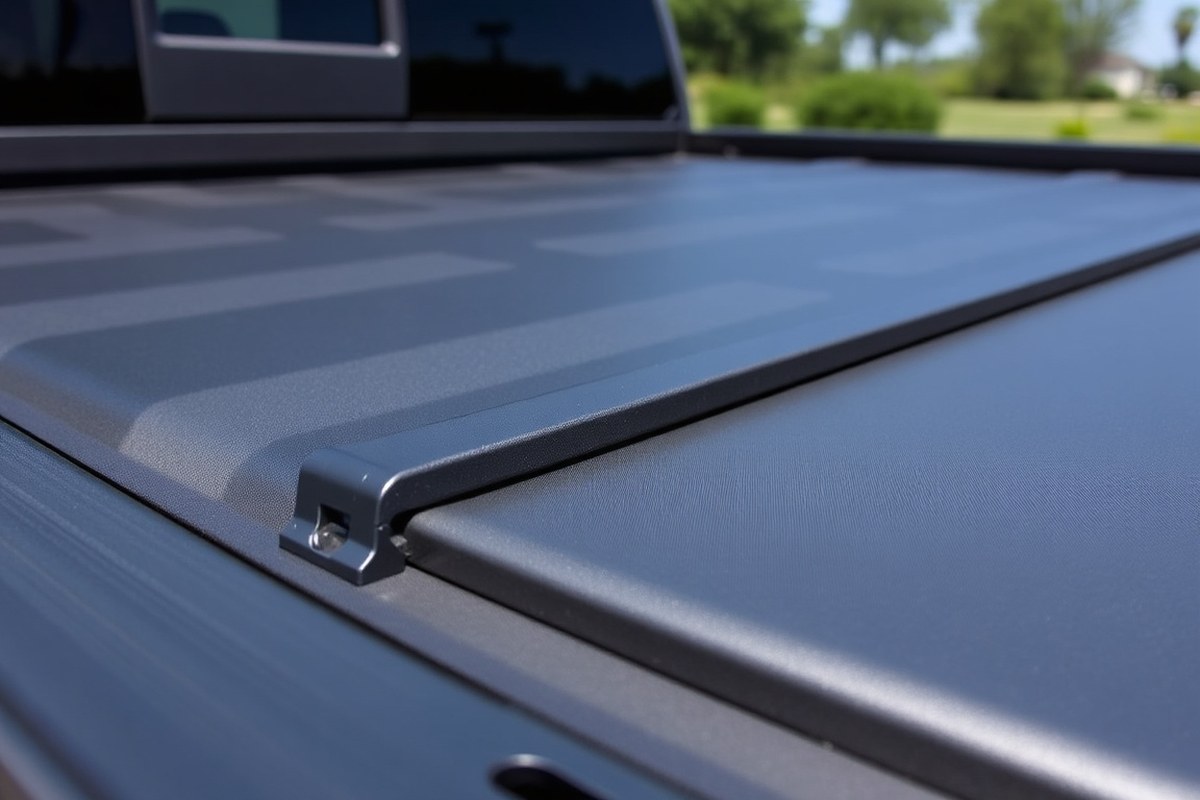
Adjust tension by tightening the latch clamps located on the front and sides of the cover. Some tri-folds may also feature adjustable tension bars or straps under the cover to pull panels tightly together. Ensure all clamps engage fully and the cover lies flat without visible gaps.
Applying and Testing Tension Safely
Applying the correct tension involves tightening straps or clamps gradually and testing after each adjustment to avoid overstretching or stressing parts. Your cover should feel firm without excessive pull that could damage fabric or break hinges. Follow this checklist to adjust tension safely:
- Locate all adjustable straps, buckles, latches, and clamps on your tonneau cover.
- Loosen all tension control points before starting.
- Tighten straps or clamps evenly on both sides to maintain balance.
- After initial tightening, manually press on the fabric or panels to check for slack.
- Drive your truck at moderate speed (around 30-40 mph) in a quiet area and listen for flapping or rattling sounds.
- If flapping persists, incrementally tighten tension points further and retest.
- Avoid over-tightening; if the cover feels too stiff or pulls excessively on attachment points, loosen slightly to prevent damage.
- Inspect your tonneau cover regularly, especially after seasonal temperature changes or heavy storms that can reduce tension.
Proper tension adjustments typically take under 15 minutes and require no tools beyond what comes with your tonneau cover. In some cases, replacement rubber seals or new latch clamps costing between $20 and $50 may improve tension retention and reduce flapping over time.
Differences Between Hard and Soft Tonneau Covers for Wind Resistance
Hard tonneau covers handle wind resistance better than soft covers because of their rigid panels and secure locking systems. Made from sturdy materials like aluminum or fiberglass, hard covers don’t move in the wind, which significantly reduces flapping noise and potential damage. On the other hand, soft covers, typically made of vinyl or fabric, are more flexible and prone to flapping, especially at highway speeds or in windy conditions.
The rigidity of hard covers means they maintain a tight seal over the truck bed, making them an ideal choice in areas with strong winds. Many are designed with aerodynamic shapes that further reduce drag and prevent air from catching underneath. Soft covers often rely on snap buttons, Velcro, or elastic tension, which can loosen over time and lead to increased noise and wear.
| Feature | Hard Tonneau Cover | Soft Tonneau Cover |
|---|---|---|
| Material | Rigid aluminum, fiberglass, or composite panels | Vinyl, fabric, canvas |
| Wind Resistance | High due to tight fit and aerodynamic design | Lower, prone to flapping and noise |
| Durability | More durable and secure | Less durable, vulnerable to tears |
| Installation | Usually professional recommended, takes 1-2 hours | Easier DIY install, under 1 hour |
| Price Range | $500 to $1,500 | Starting at $200 |
| Maintenance | Low, occasional cleaning and lubrication of locks | Higher, regular tightening and fabric care needed |
| Suitability for Windy Regions | Highly recommended for stability and quietness | Less suitable due to potential flapping |
Choosing a hard tonneau cover offers a clear advantage if you often drive in windy regions. Its design and materials keep it stable and silent, avoiding the flapping noises that soft covers typically create. Installation might require more effort or professional help, which is worth considering for a secure fit and long-term performance. Soft covers suit lighter use and tighter budgets but expect to spend more time on adjustments and repairs if wind is a regular challenge.
Hard covers like the Worksport AL3 Quick Latch provide easy access and limit hassle while maintaining rigidity, a key feature for wind resistance. However, single-piece hard covers can be two to three times more expensive than folding or soft models, so weigh your budget against your need for durability and reduced flapping under wind pressure.
Installing Weather Stripping and Foam Inserts to Secure the Cover
Adding weather stripping, foam inserts, and seals along your tonneau cover’s edges tightens the fit and blocks wind from entering underneath. These materials work by creating a buffer that reduces movement and dampens vibrations, stopping flapping effectively. Applying them carefully improve your cover’s stability and extends its lifespan.
Choosing the Right Weather Stripping
Select weather stripping designed for outdoor use, such as rubber or EPDM foam tape. These materials resist water, UV rays, and temperature changes, holding up well on a truck bed. Look for strips about 1/4 to 1/2 inch thick with a strong adhesive backing for easy application.
Weather stripping prevents wind from slipping under the tonneau cover, cutting down on noise and air pressure fluctuations that cause flapping. The adhesive should stick firmly to metal or plastic edges and remain flexible in temperatures ranging from 0°F to 140°F, typical for many climates.
Installing Foam Padding Correctly
Foam inserts serve as cushions between your cover and the truck bed or between sections of a folding cover. They absorb vibrations and reduce rattling caused by wind and road bumps. Closed-cell foam types resist moisture and compression better, making them suitable for this use.
Use foam pads that are between 1/4 to 3/4 inch thick, depending on the gap size you need to fill. Measure the edges and cut foam to fit snugly without forcing the cover out of alignment. Applying double-sided adhesive tape designed for outdoor use will keep foam in place.
- Clean the truck bed edge and cover frame with isopropyl alcohol to remove dirt and oils.
- Measure gaps along the cover edges for appropriately sized foam strips.
- Cut foam padding to length and width to fit flush in the gap.
- Apply double-sided outdoor adhesive tape to one side of the foam.
- Press the foam firmly into position along edges or between cover sections.
- Allow the adhesive to cure for 24 hours before closing or driving.
- Check periodically for any shifting or wear and replace foam yearly if it compresses excessively.
Do not stretch foam inserts when placing them; compression can degrade their ability to absorb vibrations.
Sealing Tailgate Edges with Adhesive Tape
Applying adhesive rubber sealing tape along the tailgate edges creates a flexible barrier that closes gaps where wind can enter. Seals designed for automotive weatherproofing typically last 3 to 5 years outdoors and handle exposure to rain, mud, and temperature swings.
Before applying, wipe the tailgate edges clean and dry. Peel the tape’s backing gradually as you press it firmly along the edge, ensuring a continuous seal without gaps or bubbles. This sealing limits air pressure differences that cause fabric covers to flap and reduces noise inside the truck bed area.
Maintaining Your Tonneau Cover to Prevent Flapping and Damage
Inspect your tonneau cover at least once every month to catch issues like minor tears, loose fasteners, or stiffness before they cause flapping or further damage. Frequent checks are particularly important if you drive at highway speeds or use the bed cover daily. Make sure to look closely at the seams, corners, and frame attachment points, as these areas often show early signs of wear.
Cleaning regularly with a mild soap and water solution helps maintain flexibility and prevents dirt buildup that can degrade the material. Avoid harsh detergents that may dry out or crack the vinyl or canvas. After washing, apply a vinyl or fabric conditioner specifically designed for tonneau covers every two to three months. These products restore suppleness and create a protective barrier against UV rays and moisture, both of which cause brittleness and cracks leading to flapping.
Use isopropyl alcohol or a similar cleaning agent to prep the surface if you plan to repair small tears. Minor rips under 12 inches should be patched quickly using a vinyl or canvas repair kit with adhesive like vinyl cement or fabric glue. Prompt repairs stop tears from expanding and minimize cover movement. Repairs on tears larger than 12 inches or those affecting the frame often need professional help or replacement, as patching in these cases rarely holds up under stress.
Here’s a maintenance schedule template you can follow: First, visually inspect the cover monthly, checking tension and fasteners. Next, clean the cover with mild soap and water every one to two months, especially after harsh weather or dusty conditions. Third, condition the material every two to three months to maintain flexibility. Lastly, repair any small damages immediately and consider professional repair or replacement when damage exceeds 12 inches or affects the frame.
A well-maintained tonneau cover fits snugly without overstretching. Overly tight covers can stress seams and fabric, causing premature failure. A secure, flexible cover reduces wind noise and flapping. Neglecting these steps risks increased wear, cracked material, and fastener failure, leading to frequent cover adjustments or replacement. Budget about $10 to $30 for cleaning and conditioning supplies and $15 to $40 for repair kits, depending on your cover’s material. Switching to a hard tonneau cover might be necessary if frequent heavy use causes recurring damage despite proper maintenance.
When and How to Repair or Replace a Damaged Tonneau Cover
Deciding whether to repair or replace a damaged tonneau cover depends primarily on the size and severity of the tear or damage. Small tears under 6 inches typically respond well to patching, while larger or multiple tears often require stitching or reinforcement. When damage continues or impacts how the cover fits, replacing it might be needed to stop the flapping for good.
Patching Small Tears Under 6 Inches
Small tears that measure less than 6 inches can be patched using a vinyl repair patch with adhesive designed specifically for tonneau covers. Begin by cleaning the area around the tear thoroughly with mild soap and water, then let it dry completely. Cut a patch slightly larger than the tear, round the edges to prevent peeling, and apply it firmly over the tear, smoothing out any bubbles or wrinkles. Allow the adhesive to cure according to the product’s instructions, which often recommend 24 to 48 hours at temperatures above 60°F for the best bond. Properly patched small tears should stop flapping by restoring the cover’s tautness and preventing further wind intrusion.
Cheap over-the-counter patches may not stick well under outdoor conditions and can peel off quickly, causing flapping to return. For best results, use patches made for vinyl or soft tonneau materials, as these are formulated to withstand exposure to sun, moisture, and temperature changes common in truck bed environments.
Handling Large or Multiple Tears
Tears larger than 6 inches or multiple tears close together often require more than just a patch. Stitching the damaged area and reinforcing it with vinyl or fabric patches on both sides of the cover can provide extra durability. Start by cleaning the damaged zone, then use a heavy-duty needle and UV-resistant thread designed for outdoor fabrics to sew the tear closed. After stitching, apply a reinforcing patch over the stitch line to protect the repair from further stress and water intrusion.
This method takes more time and care but can extend the life of the cover significantly if the rest of the material remains pliable and undamaged. Repair kits designed for tonneau covers, which combine adhesive patches and thread, are available for this purpose. Consider stitching carefully, as incorrect technique or use of inappropriate thread can cause the repair to unravel or trap moisture, accelerating material breakdown and resulting in continued flapping.
Signs Replacement Is Necessary
Replacement becomes the better option when damage compromises the cover’s structure and fit beyond repair. Signs include large, jagged tears, extensive material thinning, or brittle, cracked surfaces that won’t hold patches or stitching. Cover flapping that keeps happening after repairs and adjustments, or seals too worn to hold tension, signals it’s time to get a new cover.
Replacing an old or severely damaged tonneau cover can be cost-effective in the long run. Soft-rolling models like the RealTruck TruXedo TruXport offer an affordable and accessible upgrade if you want full truck bed access with reduced flapping noise. More durable options, such as the GatorTrax Manual Retractable Tonneau Cover, provide sleek designs that resist wind better and can improve fuel efficiency. Installation times vary but most soft covers can be installed within a few hours using basic hand tools, and prices range from under $300 to over $1,000 depending on features and materials.
Choosing replacement ensures a proper fit and restores effective coverage, eliminating the flapping caused by compromised material or hardware failures. Always check manufacturer warranties and return policies before purchasing to ensure your investment is protected against premature wear or defects.
Effective Accessories and Modifications to Reduce Flapping
Bungee cords are an effective and affordable way to reduce tonneau cover flapping, especially in windy conditions. You can find bungee cords in different lengths and thicknesses, like those from Kotap, Highland, or Master Lock. Choose cords sized to fit your cover snugly without overstretching. Attach the hooks securely to anchor points on the truck bed or cover frame. This extra tension helps hold the cover tighter, limiting movement and noise. Avoid overtightening, which can damage the cover or its mounting hardware.
Cargo nets also help stabilize your tonneau cover by distributing tension evenly across the surface. You can place a cargo net on top or underneath the cover to add extra security. This is particularly useful if you carry loose items in the bed, as it prevents shifting that could worsen flapping. Look for nets with hooks compatible with your truck’s anchor points and ensure they are weather resistant for durability.
Wind deflectors are another modification that improves your cover’s wind resistance by changing airflow over the truck bed. These deflectors mount at the front edge of the bed or on the tailgate, redirecting wind upward and reducing turbulence around the cover. Installing a wind deflector can lower the amount of air catching under the cover, which is a common cause of flapping.
Safe accessories that won’t damage your tonneau cover include bungee cords with coated hooks and smooth cargo nets to prevent scratching. Avoid metal parts that can snag or tear soft covers. Test any additions by driving at various speeds to confirm they hold up under real conditions without causing new wear points.
- Use bungee cords matched to your cover size and hook them to secure points.
- Choose cargo nets sized for your truck bed with weatherproof materials.
- Install wind deflectors on the bed rail or tailgate edge to redirect airflow.
- Check all accessories for sharp edges or abrasive materials before installation.
- Test tension adjustments and accessories separately to isolate effects.
- Replace worn or damaged cords and nets regularly to maintain security.
- Consider professional installation for wind deflectors for optimal fit.
Always ensure bungee cords and cargo nets are secured tightly but without stressing your tonneau cover’s frame or materials to avoid tears or deformation.
These accessories and modifications each contribute differently to reducing flapping. Bungee cords and cargo nets add direct physical restraint, while wind deflectors reduce the underlying cause, wind forces lifting or catching the cover. Combining these approaches according to your truck’s setup and typical driving conditions can give the best results in making your tonneau cover quieter and more stable.
Step-by-Step Action Plan to Stop Your Tonneau Cover from Flapping
Follow these steps to reduce or eliminate flapping and secure your tonneau cover effectively.
- Day 1: Inspect your cover and frame for visible damage or loose parts. Fix any obvious issues and test by driving at low speed to check for noise improvement.
- Day 2: Adjust the tension straps or rails according to the manufacturer’s guide. A properly taut cover will feel firm when pressed and show less movement in a wind test.
- Week 1: Add weather stripping or foam inserts along the edges or under the cover where gaps allow air to enter. Drive to confirm a reduction in flapping or rattling sounds.
- Week 2: Clean and lubricate any hinges, latches, or seals to maintain smooth operation and proper seal integrity. Check that these parts operate quietly and securely after maintenance.
- Week 3: Evaluate if your cover matches your driving conditions. Consider switching to a hard cover or upgrading to a wind-resistant model if flapping persists at highway speeds.
- Week 4: Install additional accessories like tailgate seal kits or wind deflectors designed for your truck model. Notice if your cover stays still in stronger winds.
- After 1 Month: Perform a full test under various road and weather conditions. Confirm the cover no longer flaps or causes noise, indicating your adjustments worked.
Frequently Asked Questions
How to Fix a Loose Tonneau Cover?
Tighten the tension straps or adjustors on your tonneau cover to reduce looseness. This helps minimize flapping and noise by securing the cover firmly to the truck bed.
What Are Some Common Problems with Tonneau Covers?
Flapping, water leaks, and material wear are common issues. Flapping usually happens due to loose installation or worn tension components.
What Is the Average Lifespan of a Tonneau Cover?
Most tonneau covers last between 5 to 10 years depending on materials and maintenance. Proper care like cleaning and correct installation can extend this life.
How Tight Should Your Tonneau Cover Be?
Your tonneau cover should be snug but not overly tight, allowing for a secure fit without excess strain. Proper tension prevents flapping and extends cover durability.
Can Bad Weather Worsen Tonneau Cover Flapping?
Yes, strong winds and rain can increase flapping by adding pressure and causing the cover to loosen. Secure installation helps resist weather effects.
Do I Need Tools to Adjust My Tonneau Cover Tension?
Usually, no special tools are required; most covers have straps or knobs you can adjust by hand for proper tension.
Final Thoughts
Stopping your tonneau cover from flapping depends on proper tension, sealing, and choosing the right type of cover for your needs. Take small steps each week to tighten, seal, and maintain your cover. Start by inspecting your cover today and adjusting the tension for a noticeable difference on your next drive.