When to Replace Shocks and Struts: Essential Signs and Timelines to Know
Knowing when to replace shocks and struts is essential for maintaining vehicle safety and comfort. You should generally plan to replace these components every 50,000 miles, as their effectiveness decreases significantly after this point. Regular inspections every 12,500 miles can help catch wear early, preventing costly damage and compromised handling.
Key Takeaways
- Replace shocks and struts approximately every 50,000 miles to maintain optimal vehicle control and comfort.
- Have your shocks and struts inspected by a professional every 12,500 miles or during tire, brake, or alignment services.
- Visual damage to shocks and struts may not be apparent, making mileage-based replacement critical.
- Driving on rough roads or carrying heavy loads can accelerate suspension wear, requiring earlier replacement.
- Failing to replace worn shocks and struts can lead to poor ride quality and increased stopping distances, risking safety.
- Compare costs of replacement parts and labor to decide whether to replace shocks and struts in pairs or individually.
When Should You Replace Shocks and Struts?

Shocks and struts generally need replacing every 50,000 miles, though some can last up to 100,000 miles depending on driving conditions and vehicle use. The common recommendation from automotive experts is to inspect them every 12,500 miles, which often coincides with routine services like tire rotations, brake checks, or wheel alignments. This regular inspection ensures that any signs of wear or damage are caught early, even if visible problems are not apparent.
Regular inspection matters because shocks and struts gradually lose their ability to absorb bumps and control vehicle stability over time. Testing shows that original equipment gas-charged shocks and struts start to degrade noticeably around 50,000 miles, making this a key mileage marker for replacement. Driving mainly on smooth, well-maintained city roads may extend their life closer to 10 years, while rough or off-road driving shortens it.
To decide when to replace shocks or struts, check your maintenance records and plan inspections roughly every 12,500 miles. During these checks, technicians look for fluid leaks, physical damage, and performance issues like reduced damping. Even if your vehicle feels fine, deterioration often isn’t visible without professional inspection. If you reach around 50,000 miles on your shocks or struts, especially under typical driving conditions, replacement is advisable to maintain safety and ride quality.
Some shocks may last over 100,000 miles, particularly if driving habits are gentle, roads are smooth, and the vehicle is well maintained. However, relying on mileage alone isn’t enough; the decision accounts for your vehicle’s handling, braking performance, and ride comfort. For example, if your vehicle experiences unusual bouncing or instability before the 50,000-mile mark, a replacement may be needed sooner.
Replacing struts often requires swapping the entire assembly, which can be costlier and take more labor than shocks, which sometimes can be replaced individually. Labor and parts typically cost between $300 and $700 per axle, depending on vehicle type and region. Planning replacements around the 50,000-mile mark prevents more costly repairs or unsafe driving conditions later on.
Monitoring shocks and struts through routine service visits every 12,500 miles creates a reliable timeline for replacement. Keeping this schedule helps you maintain your vehicle’s stability, braking effectiveness, and ride comfort. It’s a proactive approach that balances cost, safety, and performance over the life of your vehicle.
Common Signs Your Shocks and Struts Need Replacement

Signs of worn shocks and struts show up as physical wear and changes in how your car drives. Look for uneven tire wear, unusual noises, and a bumpy or swaying ride. These symptoms warn your suspension isn’t working properly and need timely attention to keep your car safe and stable.
Uneven Tire Wear and Its Link to Suspension
Uneven tire wear often points to problems with shocks and struts. When these parts wear out, they fail to keep tires firmly on the road, causing tires to wear down faster on some spots than others. For example, you might see bald patches or excessive wear along the edges of your tires.
This happens because worn shocks or struts can’t control the vertical movement of the wheels effectively, leading to poor tire contact and alignment changes. Checking your tire tread regularly for uneven wear patterns is a straightforward way to spot suspension issues early.
Changes in Driving Feel and Handling
Worn shocks and struts directly affect how your vehicle handles. You may notice excessive bouncing after hitting a bump or the car swaying more during turns and lane changes. Sudden body roll and a generally rougher ride also indicate that suspension dampening is failing.
Drive slowly over a series of bumps to test this. Your vehicle bouncing more than twice after each bump or feeling unstable is a strong sign that shocks or struts need replacement. This reduces control and increases stopping distances, so timely checks matter.
Noises Indicating Suspension Problems
Suspension components like shocks and struts often make knocking, clunking, or squeaking sounds when failing. These noises occur when worn bushings or mounts loosen and create metal-to-metal contact. Pay attention if you hear these sounds when going over potholes, bumps, or rough roads.
Any new or persistent suspension noise requires inspection because it means parts are moving improperly and could break down further. This can make your ride uncomfortable and damage other suspension or steering elements.
Checklist: Signs to Inspect Your Shocks and Struts
- Uneven tire wear, especially bald spots or edge wear
- Car bounces more than two times after hitting a bump
- Excessive body roll or swaying during turns
- Knocking, clunking, or squeaking noises over rough surfaces
- Longer stopping distances or decreased steering response
- Visible fluid leakage on shocks or struts
- Dashboard warning lights related to suspension (if equipped)
Use this checklist every 12,000 to 15,000 miles or sooner if you notice abnormal driving behavior. Regular visual checks for signs like fluid leaks or damaged mounts help catch damage early. Suspension wear varies depending on road conditions, vehicle load, and driving style.
Tips for Different Driving Conditions
Cold weather, snow, and ice put extra strain on shocks and struts by increasing the forces they absorb. Inspect your suspension before winter and consider replacement if you notice any signs of wear. Rough roads and off-road driving also accelerate wear and call for more frequent inspections.
Driving mainly on smooth highways usually helps shocks and struts last longer, about 50,000 to 70,000 miles. However, heavy loads, towing, or aggressive driving can wear them out sooner. The cost for replacement typically ranges from $200 to $500 per pair, depending on the vehicle and parts quality.
Don’t ignore uneven tire wear or new suspension noises, as delaying repair can lead to costly tire damage and unsafe driving conditions.
How Shocks and Struts Differ and Their Specific Replacement Needs
Shocks and struts perform related but distinct functions within your vehicle’s suspension, which affects how and when they wear out. Shocks mainly control spring movement, while struts combine the damping function with structural support. This difference means struts often face more stress, especially on the front wheels, leading to different replacement needs compared to shocks on the rear.
Role of Shocks in Suspension
Shocks primarily control the up-and-down motion of your vehicle’s springs, preventing excessive bouncing and helping maintain tire contact with the road. Positioned mostly on the rear wheels of modern vehicles, they act as dampers, absorbing energy from road impacts to smooth the ride. Since shocks do not support structural loads, their wear comes mostly from repeated compression and extension during driving.
Because shocks don’t have to bear the weight of the vehicle itself, they generally wear out slower than struts. However, rough roads, heavy loads, and frequent towing can accelerate shock deterioration. They can sometimes leak fluid or lose their damping capability without displaying visible signs, making regular inspection essential.
Role of Struts in Suspension
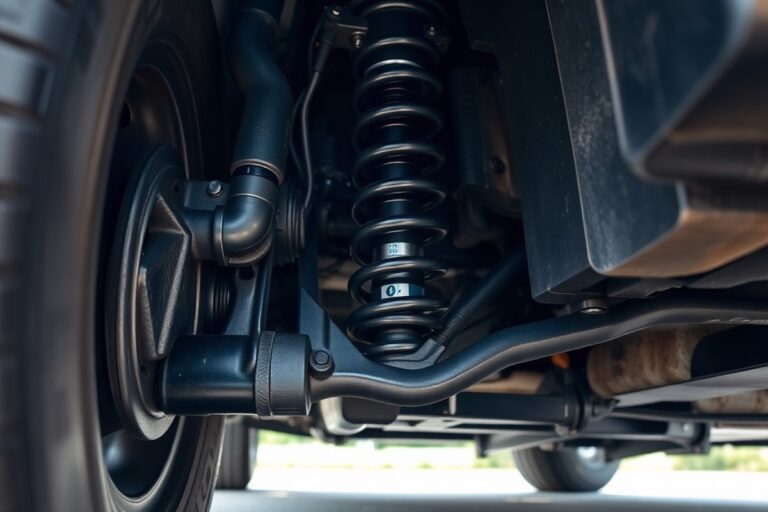
The front suspension usually incorporates struts, which serve dual roles. Unlike shocks, struts are integrated into the suspension’s structure, holding up the weight of the vehicle and contributing to alignment and steering. Their design typically includes a coil spring wrapped around a shock absorber, combining spring support and damping in one unit.
This structural responsibility means struts experience more stress, especially since the front wheels also handle steering forces. Wear on struts can affect vehicle handling, alignment, and tire wear more dramatically than shocks. Damage such as leaking fluid or broken coil springs around the strut requires prompt replacement to maintain safe suspension function.
Differences in Lifespan and Replacement
The different functions and locations explain why shocks and struts wear unevenly, with struts often needing replacement sooner. On average, struts last between 50,000 and 100,000 miles, but heavy front-end loads and steering demands can shorten that span. Shocks on the rear wheels often last longer but will still degrade over time, typically around 75,000 miles or more.
Front struts usually show more obvious symptoms of failure because their structural role affects steering and alignment, increasing vibration and vehicle instability. Rear shocks might wear silently, showing only decreased ride comfort and occasional noise. Repair shops often spot leaking fluid on struts during brake servicing, signaling replacement of the front suspension component is due.
| Aspect | Shocks | Struts |
|---|---|---|
| Location | Rear wheels | Front wheels |
| Primary Function | Control spring movement and absorb road shocks | Dampen motion and provide structural support for suspension |
| Design | Standalone shock absorber | Shock absorber integrated with coil spring |
| Structural Role | Minimal | Supports vehicle weight and suspension geometry |
| Typical Lifespan | 75,000+ miles | 50,000, 100,000 miles |
| Wear Signs | Reduced damping, increased bounce, fluid leaks (less common) | Fluid leaks, broken springs, poor alignment, steering issues |
Because of their combined damping and structural duties, struts tend to fail faster on the front while shocks wear more gradually on the rear. Both parts should be inspected regularly and replaced according to driving conditions and mileage to maintain vehicle control and safety.
How Driving Conditions and Habits Affect Suspension Wear
Driving on rough or unpaved surfaces like rocky, pitted dirt or gravel roads accelerates wear on shocks and struts because these conditions repeatedly expose the suspension to harsh impacts. Each bump and jolt pushes the components beyond normal stress, squeezing out fluid from the shock absorbers and causing seals to wear prematurely. This fluid leakage reduces their ability to absorb shocks, which leads to a harsher ride and less control. Expect shocks and struts subjected to rough terrain to wear out faster than the typical 4 to 5 years lifespan commonly estimated for normal driving conditions.
Carrying heavy loads also increases suspension strain by putting extra weight on the shocks and struts. This additional pressure forces the suspension components to work harder to maintain vehicle stability and ride comfort, speeding up their degradation. Regularly transporting heavy cargo means you should have the suspension inspected more often, as these parts might wear out faster and require replacement before the average five-year timeline.
Certain driving habits contribute significantly to faster suspension wear. Repeatedly braking hard or accelerating quickly jolts the suspension, causing internal parts to degrade over time. Rapid cornering or taking turns aggressively also stresses shocks and struts more than steady, moderate driving. These habits cause components to heat up and experience increased mechanical stress, lowering their operational lifespan.
To protect your shocks and struts from premature wear, adjust your driving based on the environment and load. When you must drive on rough roads, slow down to reduce the force of impacts. Avoid sudden stops, starts, and sharp turns to lessen strain on suspension components. Carry heavy cargo regularly by distributing the load evenly and staying within your vehicle’s recommended weight limits. Scheduling suspension inspections twice as often, every 20,000 to 25,000 miles instead of standard intervals, can catch early signs of wear before bigger problems arise.
Failing to adapt your driving habits and ignoring challenging road conditions can lead to leaks and diminished shock absorption, increasing the risk of unsafe handling especially on wet or uneven surfaces. Repairing worn shocks and struts typically costs between $200 and $600 per axle depending on parts and labor rates. Investing in proper driving habits and maintenance can extend the life of your suspension, saving you both money and safety hazards down the road.
Why You Shouldn’t Delay Replacing Worn Shocks and Struts
Putting off changing worn shocks and struts can greatly reduce your vehicle’s safety and handling. These parts manage how your car handles bumps and keeps the tires firmly on the road. Once they degrade, it becomes tougher to steer your vehicle, especially in sudden stops or on rough terrain.
One major safety risk from worn shocks or struts is reduced vehicle stability. Your car may sway more during turns, lean excessively, or feel loose on the road. This instability increases the chance of losing control in critical moments, such as avoiding a sudden obstacle or handling sharp curves. Poor stability also raises the risk of rollover accidents in SUVs and trucks.
Braking performance suffers noticeably with worn suspension parts. Shocks and struts keep the tires firmly planted to provide proper grip during braking. When they fail, your stopping distance can increase by several feet, even on dry pavement. This delay could be enough to prevent you from stopping in time and avoiding a collision.
Another problem involves uneven tire wear, which occurs because worn shocks or struts cannot keep the tires properly aligned with the road. You might notice a vibration or a pull to one side while driving. Uneven tire wear shortens the lifespan of your tires and can cause additional expenses over time.
To avoid these issues, regularly check your shocks and struts for signs of leaks, dents, or rust. You can also observe how your vehicle behaves over bumps or when braking hard. A simple checklist to follow includes pressing down on each corner of the vehicle, if it keeps bouncing more than twice, the shocks or struts probably need replacing. You should perform this test every 12,000 to 15,000 miles or yearly, whichever comes first.
Replacing worn shocks or struts typically costs between $200 and $500 per axle, depending on the vehicle and parts used. Although this may seem like a considerable expense, it is a critical investment in your safety and your vehicle’s long-term condition. Ignoring worn suspension parts can lead to higher costs later due to tire damage, brake wear, and potential accident repairs.
Don’t skip regular shock and strut checks, delaying replacement can increase stopping distances and put your safety at risk.
Costs and Practical Considerations for Replacing Shocks and Struts
Replacing shocks and struts often costs between $200 and $800 per unit, including parts and labor. Shocks tend to be less expensive, usually around $150 to $300 each, while struts, which also affect wheel alignment and vehicle control, can run from $400 to $800 each. Labor for replacing shocks or struts typically takes one to two hours per wheel, depending on your vehicle’s design and the mechanic’s experience. Expect extra time if the suspension components are rusted or if the vehicle requires an alignment afterward.
Replacing shocks and struts in pairs on the same axle is usually recommended. Installing only one new shock or strut can result in uneven handling and faster wear on the new parts because the older component won’t absorb impacts as effectively. Many mechanics advise replacing all four shocks or struts if your vehicle has high mileage or shows signs of significant suspension wear to maintain consistent handling and safety.
| Factor | Typical Range | Notes |
|---|---|---|
| Cost Per Shock | $150 – $300 | Parts and labor included |
| Cost Per Strut | $400 – $800 | Includes alignment adjustment |
| Replacement Time | 1 – 2 hours per wheel | Depends on vehicle and conditions |
| Recommended Replacement Interval | Every 50,000 miles or ~5 years | More frequent if driving on rough roads |
Driving on worn shocks or struts is not advisable. These components are important for vehicle stability and safety. Failing shocks or struts reduce your ability to control the car, increase stopping distances, and worsen tire wear. Many experts point out that waiting until shocks or struts are completely failed can lead to more expensive suspension damage later, exceeding the initial replacement cost by several times.
The decision to replace shocks and struts is heavily influenced by mileage and time, but these two factors interact with your driving habits and conditions. A general rule is to consider replacement around 50,000 miles or about 5 years. Gentle drivers on smooth roads may get more life out of their shocks and struts, while those hitting potholes or dirt roads may need to replace them sooner. Regular inspection before harsh weather or long trips can avoid surprise failures and high repair bills.
How to Inspect Shocks and Struts During Routine Vehicle Service
Checking your shocks and struts regularly during routine vehicle service helps maintain ride comfort and safety. You can perform basic inspections yourself and ask your mechanic to apply more advanced diagnostic methods during maintenance visits. A thorough check includes looking for visible issues, assessing bounce response, and using professional tools if needed.
Visual Inspection for Damage and Leaks
Start by examining the shocks and struts for any signs of physical damage or leaks. Look closely at the body of the shocks or struts for dents, rust, or corrosion that could compromise their function. Fluid leaks, oil or hydraulic fluid around these components, are a clear sign they may need replacing, as proper sealing is important for their damping ability.
Also, check the rubber mounts and bushings connected to these parts. Cracked or worn mounts can cause noise and poor handling. Inspect both the front and rear suspension since wear can differ depending on driving habits and road conditions.
- Look for oil or fluid seepage on shocks or struts
- Examine for dents, rust, or corrosion on the components
- Check rubber mounts and bushings for cracking or wear
- Inspect both front and rear suspension parts
- Note any unusual noises when driving or bouncing the vehicle
Finding visible damage or leaks means the shocks or struts need professional assessment or likely replacement. These signs indicate the component is no longer able to properly control suspension movement or absorb road impacts.
Bounce Test Step-by-Step
The bounce test is a simple way to evaluate the condition of shocks and struts at home or during inspection. It measures how well they absorb and dampen movement after pressure is applied to the vehicle body.
- Park your vehicle on a flat, level surface.
- Press down firmly on one corner of the car, then quickly release to allow it to bounce.
- Observe how many times the vehicle bounces before settling.
A healthy shock or strut should allow the vehicle to bounce no more than one or two times before settling completely. Excessive bouncing, three or more times, is a common symptom of worn suspension components. Make sure to test each corner, as wear is often uneven.
This test is low-cost and quick, requiring no tools, yet it provides a good first indication of suspension health. If you notice strong bouncing or unstable movement while driving, have a mechanic perform a more detailed evaluation.
Professional Diagnostic Tools Overview
Mechanics use targeted tools and techniques to accurately assess shocks and struts beyond visual checks. Advanced diagnostic equipment measures suspension response and identifies subtle performance issues invisible during a casual inspection.
One common tool is an electronic suspension tester that applies precise forces and tracks damping behavior. These devices can detect deteriorated shock absorption before it becomes obvious through symptoms like bouncing or swaying.
Technicians may also use vehicle scan tools to check for stored trouble codes related to electronically controlled shocks or related systems, depending on your vehicle model. Pressure gauges and lift equipment help measure and isolate issues as well.
- Electronic suspension testers measure damping efficiency
- Vehicle scan tools check for suspension-related diagnostic codes
- Pressure gauges assess hydraulic fluid pressure and leaks
- Hydraulic lifts allow detailed component inspection and movement tests
- Visual inspection combined with mechanical testing ensures complete diagnosis
Professional tools require specialized knowledge and are usually part of routine service checks at reputable repair shops. Scheduling suspension inspections during tire or brake maintenance appointments is a practical way to keep shocks and struts in good shape without additional visits.
Seasonal and Situational Tips for Maintaining Suspension Health
Cold weather, ice, and snow increase the demand on your vehicle’s shocks and struts, making winter a critical time to check their condition. Low temperatures cause the hydraulic fluid inside these components to thicken, reducing their ability to dampen impacts effectively. This leads to a harsher ride and can expose older or weaker shocks and struts to increased stress. Driving over snow-covered or icy roads combined with potholes or rough pavement can accelerate wear. Signs like increased bouncing or reduced steering control during winter drives often indicate it is time for a professional suspension inspection.
Seasonal maintenance should include a visual check for fluid leaks, dents, or cracked bushings on shocks and struts before winter sets in. Pay attention to unusual noises such as clunking in cold conditions, which often signal internal damage. After winter, inspect for salt corrosion on metal parts, which can weaken mounts and fasteners. Removing road salt promptly during spring cleaning helps prevent rust damage that compromises suspension performance.
Summer heat also affects suspension health. Excessive temperatures can increase pressure inside shocks and struts, which may lead to premature seal failure. Frequent driving on rough terrain or off-road in summer demands closer attention to suspension wear. Checking your vehicle’s handling after long drives or on uneven roads helps identify any loss of stability that could mean worn components need replacement.
Some situations require immediate professional assessment regardless of season. For example, if you hit a large pothole, curb, or debris, an inspection is necessary to ensure alignment and suspension parts aren’t damaged. Also, if your vehicle’s ride has suddenly changed or shows uneven tire wear, seek a mechanic’s evaluation. Estimating costs for shock or strut replacement can vary widely, but typical parts range from $50 to $150 each with labor around $100 to $200 per axle in many areas, making timely maintenance more economical than extensive repairs later.
Check your shocks and struts after every harsh winter storm or rough road trip, you want to catch damage early before it affects your vehicle’s safety.
Following a simple script during routine seasonal checks can help you stay ahead: park on a level surface, press down hard on each corner of the vehicle to test for bounce, look closely at each suspension component for leaks or damage, and listen for unusual sounds while driving slowly on a quiet street. Keeping a maintenance log of these checks and any repairs will simplify decisions about when to replace worn shocks and struts in different seasons.
Step-by-Step Action Plan for Replacing Shocks and Struts
Follow these steps to stay on top of your suspension health and keep your vehicle safe and comfortable on the road.
- Now: Perform a visual inspection for leaks, dents, or uneven tire wear. If you spot any, schedule a professional check to confirm the condition.
- Every 12,000 miles: Check for signs of reduced ride comfort or longer stopping distances. Note if the vehicle bounces excessively after bumps.
- Before long trips or heavy hauling: Have your shocks and struts inspected by a mechanic to ensure they can handle extra stress.
- At 50,000 miles: Plan to replace worn shocks or struts, especially if you drive on rough roads or carry heavy loads often.
- After replacement: Monitor your vehicle’s handling and braking. Improved stability indicates the new suspension parts are working properly.
- Annually: Include a suspension inspection during regular maintenance services or oil changes to catch wear early.
- During seasonal changes: Check for corrosion or damage caused by winter road salt or summer heat, and clean or service suspension parts if needed.
Frequently Asked Questions
How Much Does It Cost to Replace 4 Shocks and Struts?
Replacing all four shocks and struts typically costs between $600 and $1,200, depending on your vehicle and labor rates. Prices vary by location and vehicle model, so getting a local quote is the best way to budget accurately.
Can Struts Last over 100,000 Miles?
Struts can last over 100,000 miles, especially with light city driving on smooth roads. However, most experts recommend replacement around 50,000 miles to maintain proper handling and safety.
What Are the First Signs of Bad Shocks?
Early signs of bad shocks include excessive bouncing, nose diving when braking, and uneven tire wear. Catching these signs early helps prevent further suspension and tire damage.
Is It Okay to Drive with Bad Shocks and Struts?
Driving with worn shocks and struts compromises safety and control, especially in emergencies. It’s best to replace them promptly to avoid increased stopping distances and poor handling.
How Often Should Shocks and Struts Be Inspected?
Shocks and struts should be inspected every 12,500 miles or during tire, brake, or alignment services. Regular inspections help catch wear before it leads to bigger safety issues.
Can Replacing Shocks Improve Fuel Efficiency?
Replacing worn shocks can slightly improve fuel efficiency by maintaining proper tire contact and reducing rolling resistance. Improved suspension keeps your vehicle operating more efficiently.
Key Points to Remember
Keeping your shocks and struts in good condition protects your vehicle’s safety and ride quality. Address signs of wear promptly to avoid costly damage and maintain control on the road. Schedule a suspension inspection with a trusted mechanic soon to identify any issues before they affect your driving experience.