How to Fix Tonneau Cover Velcro: Simple Steps for Fast and Lasting Repair
How to fix tonneau cover Velcro starts by removing worn or damaged strips and replacing them with new, high-quality adhesive Velcro. Clean the area thoroughly before applying the replacement strip to ensure it sticks well and prevents flapping. Proper cleaning and fitting give your tonneau cover a secure seal and extend its life significantly.
Key Takeaways
- Remove old Velcro by peeling it off carefully to avoid damaging the truck bed rail or cover edges.
- Use a cleaner like isopropyl alcohol to remove dirt and oils before attaching new Velcro adhesive strips.
- Choose replacement Velcro at least 1-1/2 inches wide for strong hold, matching your cover brand’s specifications.
- Apply new Velcro strips on a dry, cool day to maximize adhesive strength and avoid premature failure.
- Press replacement Velcro firmly along the entire length, holding it in place for at least 30 seconds.
- Regularly clean Velcro strips with a soft brush to remove debris and maintain grip on the tonneau cover.
How to Replace Worn or Broken Tonneau Cover Velcro Strips
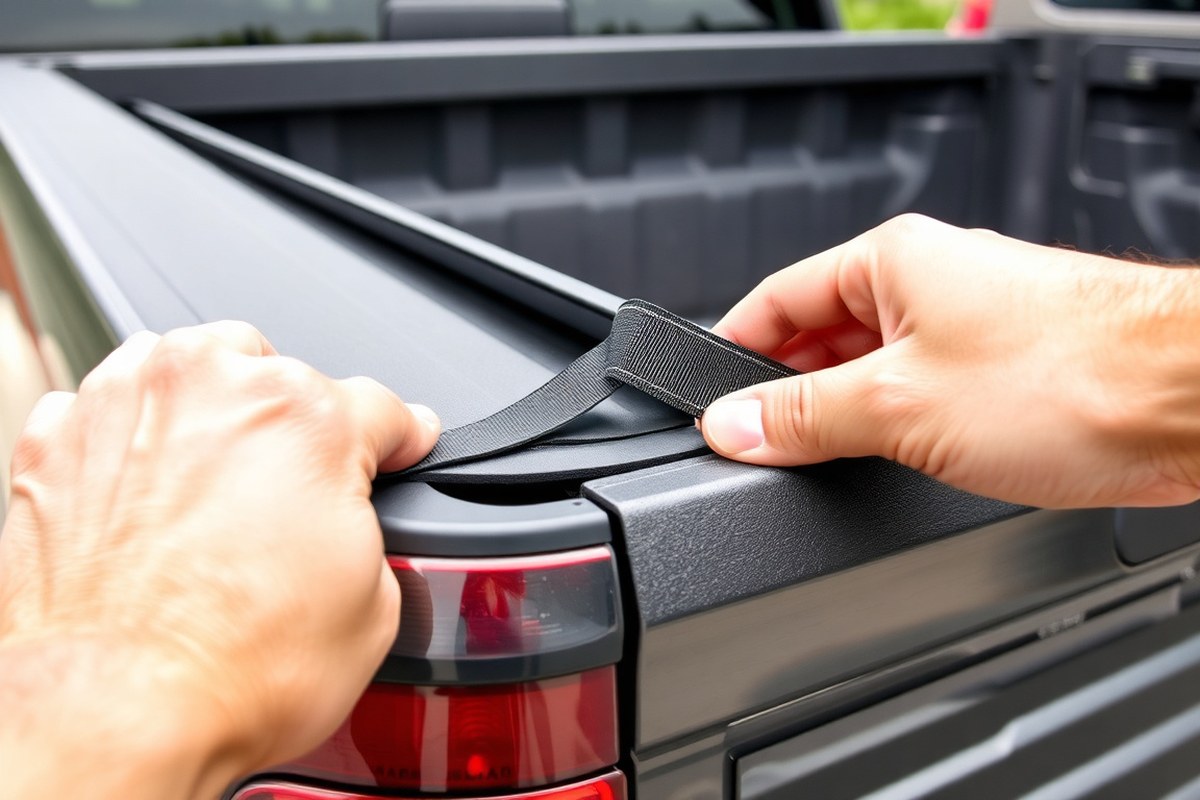
Replacing worn or broken Velcro strips on your tonneau cover restores its sealing ability and prevents flapping during drives. The process takes about 30 to 60 minutes, depending on your experience and tools. Proper removal and precise installation ensure lasting attachment and a snug fit.
Gather Required Tools and Materials
Before starting, make sure to prepare all necessary tools and materials. You will need replacement Velcro strips that match your tonneau cover brand or size. Typically, strips come 1 to 1.5 inches wide and up to 17 feet long, suitable for full bed length installations. Additional tools include a flat scraper or plastic putty knife, rubbing alcohol or adhesive remover, clean rags, a measuring tape, scissors or utility knife, and optionally a hair dryer or heat gun to soften old adhesive.
Remove Old Velcro Without Damaging Cover
Careful removal of the existing Velcro strip prevents damage to the vinyl or soft fabric of your tonneau cover. Applying heat softens adhesives, making peeling smoother and reducing risk of tearing.
Begin by gently lifting one edge of the Velcro strip, then slowly peel back while applying steady, even pressure. Use a scraper if needed to lift stubborn sections. Clean any leftover adhesive residue with rubbing alcohol and a rag for a smooth surface ready for new Velcro.
Install New Velcro Strip Correctly
Accurate measurement and alignment are key to installing the new Velcro strip for proper seal and coverage. Cut the new strip to match the original length or the bed rail length, whichever applies to your truck model and cover type.
Peel back a small section of the adhesive backing and start applying the strip along the designated rail or cover edge, pressing firmly as you go. Work gradually to avoid air bubbles or misalignment. Use a roller or firm hand pressure to secure the entire strip after application.
- Measure the length of the existing Velcro strip along your tonneau cover rail to get exact dimensions.
- Cut the replacement Velcro strip to the measured length using scissors or a utility knife.
- Clean the Velcro mounting area thoroughly with rubbing alcohol to remove dirt and old adhesive residue.
- Warm the old Velcro strip with a hair dryer (if removing) to soften adhesive for gentle peeling.
- Peel off the old Velcro strip slowly and carefully using a scraper if necessary to avoid damage.
- Align the new Velcro strip precisely where the old strip was located for the best fit.
- Adhere the new Velcro strip by peeling backing gradually while pressing firmly for secure attachment.
- Press the entire strip firmly using a roller or your hand to make sure all adhesive bonds well.
Why Tonneau Cover Velcro Fails and How to Diagnose Issues
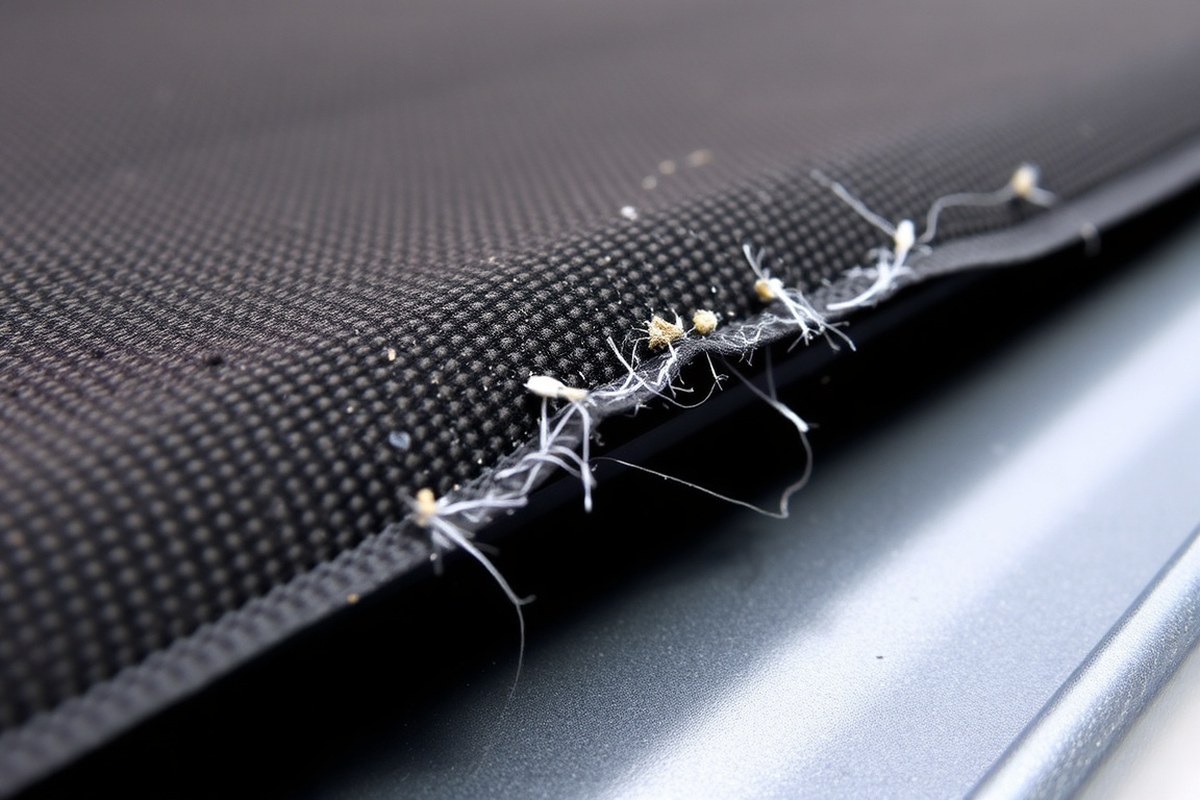
Tonneau cover Velcro tends to fail due to dirt buildup, wear and tear, or improper installation, all of which allow the cover to flap or leak water. Diagnosing these issues accurately requires inspecting the Velcro for damage, checking the cover fit, and ruling out other potential causes like seal failure. Knowing when to repair or replace the Velcro depends on the extent of wear and whether the problem is causing leaks or cargo exposure.
Common Causes of Velcro Failure on Soft Tonneau Covers
Velcro on a soft pickup truck tonneau cover can lose grip primarily because of:
- Accumulated Dirt and Debris: Outdoor exposure lets dust, mud, and small particles clog the Velcro hooks, reducing adhesion.
- Wear and Tear: Frequent opening and closing eventually flatten or break the hooks and loops, especially near seams.
- Moisture and Mold: Persistent wetness can weaken the adhesive backing and cause mildew that interferes with sticking.
- Improper Installation: Misalignment or insufficient surface contact prevents full Velcro engagement.
- Temperature Extremes: Very hot or cold weather can make Velcro brittle or cause adhesive failure.
These factors compound over months or years, particularly if you frequently drive on dusty or muddy roads or store the truck outdoors without protection.
Diagnostic Checklist to Identify Velcro Issues
Use a straightforward checklist to pin down whether Velcro failure is behind your tonneau cover problems:
- Visual Inspection: Examine the Velcro strip for dirt, flattening, broken hooks, or areas where glue peels away from the truck bed or cover flap.
- Touch Test: Press mating Velcro surfaces firmly together and try to pull apart to check for grip strength loss.
- Alignment Check: Confirm the cover lines up evenly so all Velcro strips meet properly, without large gaps or overlaps.
- Water Leak Source: After rain or washing, look inside the truck bed for water marks near the Velcro seams to see if water enters there.
- Flapping Areas: Note where the cover flaps while driving; if it happens at Velcro edges, poor adhesion is likely.
- Other Seal Condition: Inspect weather seals or other fasteners around the cover, since damage here can cause leaks unrelated to Velcro.
Deciding Between Repair and Replacement
Minor dirt or mold buildup calls for cleaning more than replacement. Routine cleaning with water, soft brush, and mild detergent often restores grip. Repairs like reapplying adhesive or sewing patches on worn edges suit small damage.
Replace Velcro strips if the hooks or loops are visibly worn down, peeling off, or if the adhesive backing no longer holds under firm pressure. Replacement kits for specific soft tonneau covers usually cost $15 to $30 per strip and take about 30 minutes to install, depending on your cover design.
Replace Velcro promptly once you notice persistent flap or leak issues that cleaning can’t fix; delaying often worsens cover damage and raises repair costs.
Check other related parts too. If the cover fabric tears near Velcro or weather seals are cracked and brittle, those often require more extensive repair or replacement to restore full protection.
Cleaning and Maintaining Tonneau Cover Velcro for Best Grip
To restore the grip of your tonneau cover Velcro and keep it working well, cleaning and maintenance are essential. Removing dirt, debris, and buildup helps the tiny hooks and loops reattach securely. Regular care can also extend the life of the Velcro strips and prevent failures caused by grime or weather damage.
Tools and Products for Cleaning Velcro
Basic household tools like a stiff-bristled brush or an old toothbrush are effective for loosening dirt and debris caught in Velcro. Tweezers can help pick out stubborn particles like mulch or small stones that reduce stickiness. For deeper cleaning, a mixture of mild dish soap and warm water works well to break down oils or residue without damaging the hook and loop material. Avoid harsh chemicals or abrasive cleaners, as they can wear down the fibers and shorten the Velcro’s lifespan. Specialized products like Extang’s Tonno Tonic not only clean but also protect the tonneau cover vinyl from UV damage, though they are meant for the cover surface rather than the Velcro itself.
Step-by-Step Cleaning Process
Start by brushing the Velcro strip gently to remove loose dirt and debris. Use the toothbrush to work through thicker debris stuck deep in the hooks or loops. Next, dampen a cloth or sponge with the mild soap and warm water solution, then gently wipe the Velcro to lift away oils and grime. If the Velcro is heavily soiled with sticky substances like mulch sap, rinse the strip under running water while brushing slowly. Let the Velcro air dry completely before securing the tonneau cover again, as moisture can reduce adhesion. This process typically takes 10 to 15 minutes depending on how dirty the Velcro is and should be done every few weeks or after hauling dirty loads.
Seasonal Maintenance Tips
Cold weather can temporarily reduce Velcro’s stickiness by causing stiffness and freezing moisture trapped in the fibers. Warming the Velcro with a hair dryer on low heat for a few minutes loosens it up before use. During winter or rainy seasons, regularly clear debris and check for water accumulation that can freeze and damage the fasteners. In dry, sunny months, clean and inspect the Velcro monthly to prevent buildup from dust or pollen. Incorporating these checks into your routine ensures the cover closes tightly and minimizes wear caused by poor sealing or shifting.
Choosing the Right Replacement Velcro Strip for Your Tonneau Cover
Choosing the right replacement Velcro strip for your tonneau cover starts with identifying your truck bed’s length and the cover brand. Most covers use Velcro between 1 inch and 1-5/16 inch wide. For example, if you have an 8-foot bed with a Truxedo cover, the Replacement Truxedo Shur-Bond Velcro Fastener #TX1117877 at 1 inch wide is a common fit. You can find exact matches for your model and bed size through retailers like etrailer.com by entering your truck’s make, model, and year to avoid ordering incompatible strips.
Look for Velcro made specifically for automotive use with weather-resistant adhesive backing. This type sticks better to vinyl or fabric tonneau covers and resists peeling in rain and sun exposure. Some brands offer stronger hook-and-loop materials and adhesives with UV inhibitors to extend durability. While generic Velcro might fit, they often lack the right adhesive strength and weatherproof coating, making your repair fail sooner.
| Brand | Bed Length | Velcro Width | Material/Properties | Adhesive Type |
|---|---|---|---|---|
| Truxedo Shur-Bond | 8′ Beds | 1 inch | Automotive-grade, weather resistant | Strong Weatherproof Adhesive |
| Truxedo Shur-Bond | 6-1/2′ Beds | 1-5/16 inch | Automotive-grade, weather resistant | Strong Weatherproof Adhesive |
| TruXedo Shur-Bond | 8′ Beds | 1-1/4 inch | Automotive-grade, weather resistant | Strong Weatherproof Adhesive |
Checking compatibility is straightforward. Start by measuring your current Velcro strips’ width and length on the tonneau cover. Confirm the brand and bed size through your cover’s documentation or manufacturer website. Order replacement strips that match these dimensions exactly. Installing a wider or narrower strip may prevent a tight seal or cause premature wear. When temperature changes or weather exposure impact the adhesive, choose Velcro with a high-quality, weather-resistant bond designed for outdoor automotive use.
Prices typically range from $10 to $30 per roll depending on length and brand. A quality automotive Velcro will pay off with a longer-lasting, secure fit that keeps your cover tight against the truck bed, preventing flapping and water leaks. Avoid bargain Velcro meant for indoor use; they often peel off truck covers within weeks to months under sun, rain, and dust exposure. Following these steps helps you pick a replacement Velcro that fits your cover model and stands up to outdoor conditions.
Preventing Tonneau Cover Flapping by Proper Velcro Repair
The condition of Velcro on your soft tonneau cover plays a big role in preventing flapping when driving, especially at highway speeds. Worn or loose Velcro fails to hold the cover tightly against the truck bed, which lets wind sneak underneath. This causes the cover to flap, creating noise and putting stress on the material. Repairing or replacing the Velcro restores a strong seal and stops the cover from billowing in the wind.
Adjusting the tension of the Velcro is key to achieving a snug fit. Start by peeling back the cover off the Velcro strips enough to inspect if the hook and loop sides still grip firmly. Clean away dirt or debris that weakens the bond, then press the Velcro back down with firm, even pressure along the entire strip. For covers with adjustable straps or snaps near the Velcro, tighten those as well to stretch the cover slightly and increase tension. This reduces slack, making the Velcro seal tighter so the cover stays flat over the bed.
Sometimes Velcro alone isn’t enough to stop flapping. Other factors like the fit of the cover, broken snaps, or stretched straps can let the cover lift at the edges despite good Velcro repair. Check if the cover itself is warped or if any hardware is damaged. A Velcro repair can significantly reduce flapping if it was loose or worn, but full prevention may require fixing those components, too.
Signs that Velcro repair will stop flapping include these: the Velcro looks visibly worn, the cover lifts at the edges right near the Velcro, and the cover flaps mostly at higher speeds when wind pressure increases. Driving at speeds above 65 MPH often exposes weak Velcro tension. After Velcro repair, a properly secured cover will lay flat and stay that way during highway driving, greatly cutting noise and wear.
The cost of Velcro repair is relatively low, often under $20 for a good replacement strip. The process takes around 15 to 30 minutes, depending on cover size. Clean the area with a mild detergent, dry thoroughly, then align and apply the new Velcro strip firmly. Avoid gaps or wrinkles in the Velcro, as those create weak spots where flapping can start again.
Always make sure the cover is dry before fixing Velcro since moisture can reduce adhesive strength and cause premature failure.
Common Mistakes When Fixing Tonneau Cover Velcro and How to Avoid Them
One common mistake when fixing tonneau cover Velcro is misalignment during installation. When the hook and loop strips don’t line up exactly, the cover won’t seal properly, letting wind noise and water into your truck bed. To avoid this, first clean the surfaces thoroughly and dry them. Use painter’s tape to mark the exact placement on both the tonneau cover and truck bed before applying the adhesive-backed Velcro. Press firmly along the entire length to ensure full contact.
Another frequent error is using insufficient adhesive or skipping surface preparation. Velcro strips often fail prematurely because the adhesive cannot hold under stress caused by frequent opening and closing. Clean the application area with isopropyl alcohol and let it dry completely to improve bonding. Don’t install Velcro outdoors if the temperature is below 50°F or above 90°F, as extreme temperatures reduce adhesive strength and could cause early peeling.
- Do align Velcro strips accurately using a marking guide before installation.
- Don’t reuse old Velcro strips; replace worn or damaged ones instead.
- Do clean and dry all surfaces thoroughly before applying new Velcro.
- Don’t apply Velcro in wet or excessively cold/warm conditions.
- Do use heavy-duty, outdoor-rated Velcro designed specifically for automotive use.
- Don’t rely on narrow or lightweight Velcro strips; wider strips provide better grip and durability.
- Do press firmly and evenly when attaching Velcro to create a strong bond.
Using the wrong type or size of Velcro can also reduce effectiveness. Automotive-grade Velcro designed for outdoor use handles UV rays, moisture, and temperature changes better than standard craft Velcro strips. Narrow strips might be easier to handle but won’t hold up under the stress placed on a soft tonneau cover that flaps in the wind. Aim for strips at least 1 to 2 inches wide for the best grip and longevity.
Visual clues of poor repair include peeling edges, uneven adhesion, or gaps where the cover edges don’t meet smoothly. Seeing any strips curling up or gaps after installation usually means the adhesive didn’t stick well or the strips are misaligned. Address these issues by removing the strips, cleaning the surfaces again, and reinstalling carefully with correct alignment and pressure. Taking your time and following these steps can improve the cover’s seal and extend how long your Velcro repair lasts.
How Weather and Environment Affect Tonneau Cover Velcro Performance
Cold weather can cause tonneau cover Velcro to lose some of its stickiness. At low temperatures, the plastic hooks and loops become less flexible, reducing their ability to interlock securely. When temperatures drop below 32°F (0°C), the Velcro may feel stiff and less sticky as you fasten it. Over time, repeated exposure to freezing temperatures can make the material brittle, causing it to degrade and fail more quickly. You may notice the Velcro struggles to stay attached or separates easily during cold mornings or winter months.
Moisture, including rain, snow, or heavy dew, can also impact Velcro performance. When Velcro gets wet, the fibers trap water, which adds weight and weakens the grip between the hooks and loops. Moisture left for long periods can lead to mold or mildew, causing bad smells and weakening the adhesive backing. Dirt and debris pose another problem since particles collect in the hooks and loops and block their engagement. This buildup reduces the contact area and significantly weakens the bond. Gritty dirt is especially abrasive, wearing out the tiny hooks and loops faster with repeated use.
Maintaining your tonneau cover Velcro in tough weather starts with regular cleaning. After exposure to rain or dirt, rinse the Velcro with clean water and use a soft brush or Velcro cleaning tool to remove debris from the hooks and loops. Avoid harsh chemicals that could damage the adhesive or fibers. Let the Velcro dry fully before rehanging the cover to prevent moisture-related weakening. In cold climates, try to open and close the cover when it is above freezing to keep the Velcro flexible and engaged properly. Storing the truck for long winter periods calls for removing or loosening the cover to ease stress on the Velcro strips.
For long-term durability, look for Velcro strips with weather-resistant coatings designed to repel water and UV rays. These specialized products may cost 10% to 20% more than standard Velcro but can last years longer under harsh conditions. Inspect the Velcro regularly for signs of brittleness, fraying, or loss of adhesion, especially after winter or rainy seasons. Addressing minor wear early, either through cleaning or partial replacement, costs less than full cover repairs down the line. Proper care tailored to your climate will help your tonneau cover Velcro keep a firm grip despite rain, snow, or cold temperatures.
When to Call a Professional for Tonneau Cover Velcro Repairs
Tonneau cover Velcro problems that go beyond simple DIY fixes typically involve structural damage to the cover or bed rails. If the Velcro is coming loose due to bent or cracked rails, tears in the cover fabric larger than 2 inches, or multiple areas of detachment, a professional evaluation is necessary. Professionals can properly assess and repair the framework or recommend partial or full cover replacement, ensuring functionality and water resistance are restored.
Warranty coverage depends largely on the manufacturer’s terms and the type of damage. Most warranties cover manufacturing defects but exclude wear and tear or damage from accidents, misuse, or environmental factors. Contact the manufacturer if your cover is under warranty and displays issues like defective Velcro bonding or cover material failures within the warranty period, typically 1 to 5 years. Attempting unauthorized repairs may void your warranty, so confirm your options before proceeding. Finding a qualified repair professional means looking for those specializing in pickup truck accessories or specifically tonneau covers. They will use diagnostic criteria such as:
- Inspection of Velcro retention strength using peel tests
- Assessment of cover material integrity and stitching condition
- Evaluation of mounting hardware for corrosion or deformation
- Verification of cover alignment and fit to prevent flapping or gaps
- Use of manufacturer-approved replacement Velcro or components
- Review of warranty status and repair history
Costs for professional repairs vary widely. Simple Velcro replacement or adjustment ranges from $50 to $150, while structural issues or fabric replacement can cost $200 to $600 or more. Installation fees depend on service complexity and local labor rates. Larger retractable covers may need full professional installation, which can increase costs.
Always verify repair providers have experience with your specific tonneau cover brand and model to avoid incompatible fixes or voiding warranties.
For owners dealing with multiple or repeated Velcro failures, or visible damage to the cover frame, professional inspection brings detailed diagnosis and advice on whether a partial repair, full replacement, or warranty claim best fits your situation. Use manufacturer service centers or reputable automotive accessory shops for reliable outcomes.
Step-by-Step Action Plan to Fix Your Tonneau Cover Velcro
Follow this plan to restore your tonneau cover’s Velcro and stop it from flapping during drives.
- Before you start: Inspect all Velcro strips carefully to identify worn or loose areas that need cleaning or replacement.
- Day 1: Clean the Velcro thoroughly with a soft brush and mild soap, removing dirt and debris to improve grip.
- Day 2: Let the Velcro dry completely overnight in a shaded area to prevent moisture from weakening the adhesive.
- Day 3: Replace any worn or damaged Velcro strips with heavy-duty, automotive-grade replacements that match the original size.
- Day 4: Secure the new Velcro strips firmly following the manufacturer’s instructions, pressing evenly to bond well. Test the grip by pulling gently on the cover.
- Week 1: Check the fit and ensure the cover lies flat without gaps. Adjust any Velcro strips if you notice flapping during short drives.
- After 2 weeks: Clean the Velcro again to maintain peak performance, especially if you drive in dusty or wet conditions.
Frequently Asked Questions
Is There Any Way to Fix Worn Out Velcro?
Yes, you can replace worn out Velcro strips on your tonneau cover with new ones designed for your model. Make sure to clean the surface before applying new strips to ensure a strong hold and longer durability.
How to Keep a Tonneau Cover from Flapping?
Tightening or replacing the Velcro strips that secure your tonneau cover helps prevent flapping. Ensuring the cover is properly aligned and secured also reduces wind noise and wear.
How to Fix a Broken Tonneau Cover Latch?
Repair or replace a broken latch by ordering the exact part from your tonneau cover manufacturer. Properly functioning latches are essential to secure the cover and prevent damage while driving.
How to Fix the Fuzzy Side of Velcro?
Clean the fuzzy side with a fine comb or velcro brush to remove debris and restore grip. Avoid cutting or damaging the loops to maintain effectiveness.
Can I Use Regular Velcro Instead of Heavy-Duty Strips?
Heavy-duty Velcro works best for tonneau covers due to strong wind resistance. Regular Velcro may not hold up well while driving.
How Often Should I Check My Tonneau Cover Velcro?
Inspect your Velcro at least twice a year for wear or dirt buildup. Regular checks help spot issues before covers loosen or flap.
Final Thoughts
Velcro on your soft tonneau cover works best when kept clean and intact. Taking these practical steps to repair or replace worn strips will restore your cover’s security and reduce noise caused by flapping. Start by identifying any weak spots today, and keep your Velcro maintained to protect your truck bed and cargo effectively.