Are Eibach Shocks Rebuildable? A Complete Guide to Costs, Tools, and Tips
Are Eibach shocks rebuildable? Generally, Eibach shocks are designed for replacement rather than rebuilding. While you can rebuild them with the right tools and parts, it’s often more practical to replace them due to design and cost factors. Checking for signs like leaks or performance drops will help you decide whether rebuilding makes sense.
Key Takeaways
- Eibach shocks usually require replacement instead of rebuilding due to their design and material construction.
- Rebuilding Eibach shocks takes about 1 to 3 hours if you have the proper tools and experience.
- Rebuild kits typically cost between $50 and $150, cheaper upfront than buying new shocks.
- Professional labor for rebuilding can range from $100 to $200, sometimes close to the cost of new shocks.
- You should replace or rebuild your shocks after 50,000 to 70,000 miles, or sooner if you notice leaking fluid or a drop in ride comfort.
- New Eibach shocks cost between $300 and $600 and usually come with a warranty covering performance.
Are Eibach Shocks Rebuildable or Designed for Replacement?

Eibach mainly produces shocks meant to be swapped out instead of rebuilt. These shocks arrive fully assembled, built for accuracy and long-lasting use, so they’re not generally designed for you to take apart or repair. This ensures steady performance and dependability, putting serviceability of internal parts like valves, seals, or damping fluid a low priority. Because Eibach shocks are sealed units, accessing their internal parts is difficult, which makes rebuilding them complicated and usually not worth the effort.
The design features of Eibach shocks contribute to their limited rebuildability. Unlike some shocks built with modular, serviceable parts intended for regular refurbishment, Eibach models emphasize sealed construction to maintain tight engineering tolerances and protect internal components from contamination. While certain internal parts could theoretically be refurbished, most key components in Eibach shocks are not made for quick replacement. This contrasts with shocks designed explicitly for rebuild, which allow straightforward access to wear parts like seals, pistons, and internal fluid for customization or repair.
Manufacturers like Eibach recommend replacement over rebuilding for several reasons. Replacing shocks ensures you receive a product tested for factory specifications, full performance capability, and warranty coverage. Rebuilding often voids the original warranty and risks incorrect reassembly or contamination, which can degrade ride quality or safety. Also, the cost and time involved in carefully disassembling, cleaning, sourcing precise parts, and reassembling Eibach shocks can approach or exceed the price of a new unit, which ranges from about $300 to $600 per shock depending on the model.
| Feature | Eibach Shocks | Typical Rebuildable Shocks |
|---|---|---|
| Design | Sealed, non-serviceable unit | Modular, serviceable internal parts |
| Rebuildability | Limited; not designed for user rebuilding | Designed for regular rebuilding and tuning |
| Warranty after rebuild | Typically void | Often maintained if rebuilt by authorized service |
| Cost of rebuild | High relative to new unit price | Lower than full replacement |
| Performance consistency | Factory-test ensured | Variable depending on rebuild quality |
Because Eibach shocks rely heavily on precision assembly and sealed internals, rebuilding them involves risks that do not apply as much to shocks designed for servicing. While rebuilding Eibach shocks can sometimes extend their lifespan and restore function, most users and professionals will find replacement the more reliable and cost-effective option. Monitoring for signs of wear, such as fluid leaks or degraded damping response, helps you decide when it’s necessary to replace the shocks rather than attempt a rebuild, maintaining both vehicle safety and ride quality.
How to Identify When Your Eibach Shocks Need Rebuilding
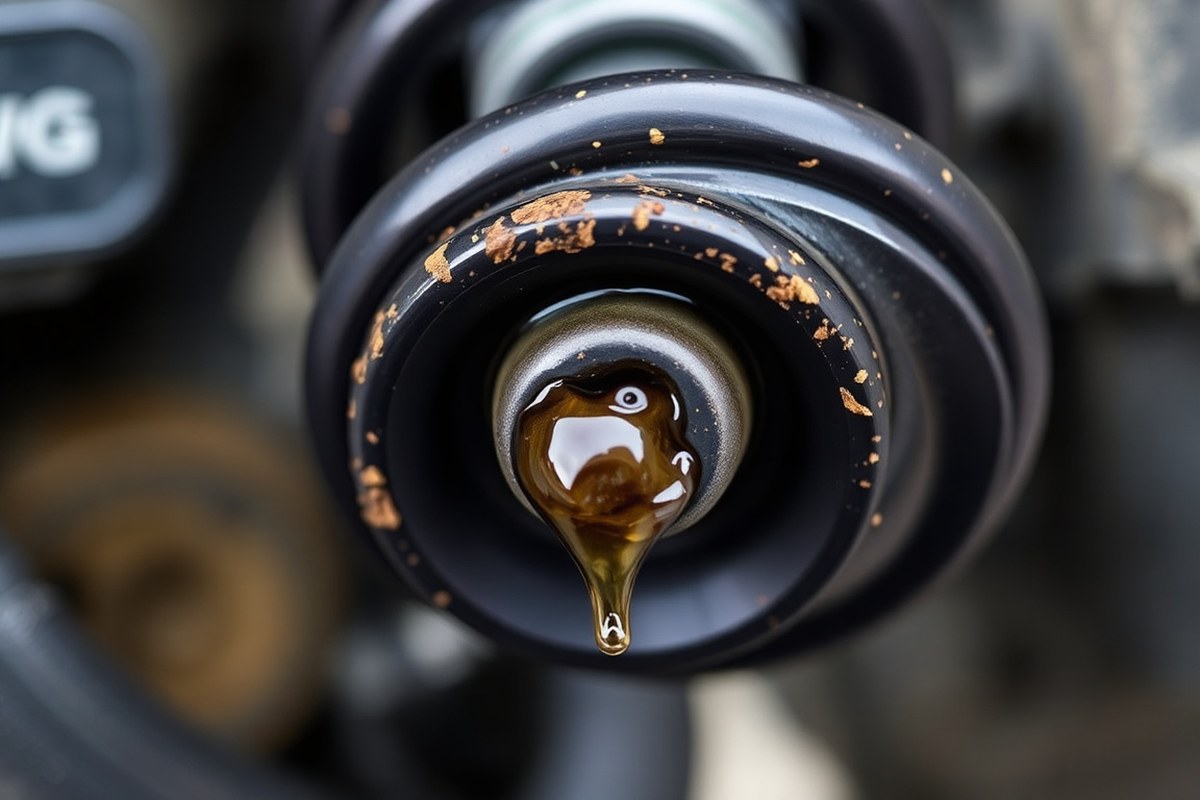
Recognizing when your Eibach shocks need rebuilding involves observing physical signs like fluid leaks and listening for unusual noises. Ride quality changes, such as increased bounce or poor handling, also indicate worn shocks. Careful inspection and routine checks help identify these symptoms early, allowing timely service or rebuild.
Physical Signs of Shock Wear
Look for visible issues first. Leaking fluid around the shock body signals worn seals or internal damage. This fluid is hydraulic oil essential for damping; its loss reduces shock effectiveness drastically. Also check for dents, rust, or corrosion marks on the shock housing that can compromise performance.
Unusual noises like clunking or rattling during driving could mean loose or damaged internal parts. These sounds often occur when seals or bushings have deteriorated, causing metal components to contact each other. Noticing these signs means your shocks aren’t working correctly and need service.
Assessing Ride Quality and Handling Changes
Feel your vehicle’s behavior on the road carefully. Excessive bouncing, especially after hitting bumps, indicates worn damping. This happens when the shock no longer controls spring oscillations properly. Also, poor cornering stability or increased body roll signals reduced shock performance.
Uneven tire wear or longer stopping distances can also point to failing shocks. Changes in ride comfort or responsiveness are early warnings before total failure. Monitor these symptoms during routine drives and note gradual shifts in handling, which suggest shock rebuilding should be considered.
Detecting Leaking Seals and Internal Damage
Leaking seals reduce the shock’s internal pressure and allow dirt inside, accelerating wear. Check around the piston rod and shock body for oil residue. You can wipe the area clean and inspect again after a short drive to see fresh leaks.
After disassembly, inspect internal components carefully for scoring, pitting, or worn bushings. These defects lower shock efficiency and cause noise or inconsistent damping. Rebuilding requires replacing these parts and resealing to restore original function.
Routine Shock Inspection Checklist
Regularly use this checklist to catch signs that your Eibach shocks may need rebuilding:
- Visible hydraulic fluid leaks on or around the shock
- Noticeable dents, rust, or structural damage on shock body
- Clunking, rattling, or other unusual noises during driving
- Increased bounce or poor rebound after bumps
- Reduced cornering stability or vehicle control
- Uneven tire wear or longer braking distances
- Fresh oil residue after cleaning and short test drive
Following this checklist helps you spot minor wear that can be serviced before total failure, keeping your vehicle safe and handling optimally.
Do not ignore early symptoms like leaks or noise, as continued driving on worn shocks can damage suspension components and affect vehicle safety.
Variation for Different Driving Conditions and Vehicles
Severity of shock wear depends on use and environment. Off-road driving or heavy towing puts extra stress on shocks, leading to faster seal wear and fluid breakdown. In these cases, rebuild intervals might be shorter.
Vehicles with high-mileage Eibach shocks often benefit from a detailed internal inspection since minor external signs might hide deeper internal damage. Pay close attention to ride quality changes in these scenarios to decide if rebuilding or replacement is best.
Essential Tools and Parts Needed to Rebuild Eibach Shocks Correctly
Rebuilding Eibach shocks requires specialized tools and genuine replacement parts to ensure safety and restore performance accurately. A spring compressor is critical for handling the coil springs safely during disassembly. Sourcing authentic seals, bushings, and other components from authorized vendors helps maintain the integrity and longevity of your shocks.
Must-Have Tools for Eibach Shock Rebuilding
Using the right tools prevents damage and ensures each step is performed correctly. A spring compressor is essential to safely compress and remove coil springs without risking injury. Other necessary tools include shock absorber spanner wrenches for loosening and tightening threaded parts, a torque wrench to apply specific tightness settings, and snap ring pliers for handling retaining clips.
Safety glasses and gloves protect you during the process. Having a seal driver assists in installing new seals without distortion. Organizing these tools on a clean, sturdy workbench gives you enough room to work carefully and avoid contaminating the shock’s internals.
Checklist of Essential Tools and Replacement Parts
Before starting your rebuild, gather the following gear and components to keep the project efficient:
- Spring compressor specific for coilover or monotube shocks
- Shock absorber spanner wrenches sized for Eibach units
- Torque wrench calibrated for manufacturer torque specs
- Snap ring pliers to remove and install retaining clips
- Seal driver for proper installation of new seals
- Replacement seals, bushings, and washers compatible with your Eibach model
- Shock oil formulated for Eibach shocks or specifications provided in the service manual
Each tool and part plays a role in the rebuild steps, from compressing springs to resealing and refilling fluids, which together restore shock functionality while reducing risk of leaks or failure.
Why a Spring Compressor Is Indispensable
The coil spring stores a significant amount of energy and can cause serious injury if released improperly. A spring compressor safely reduces spring tension, allowing you to disassemble the shock assembly methodically. Using one designed to fit your shock dimensions ensures even compression and stability.
Attempting to disassemble without a spring compressor risks damaging spring components or causing dangerous sudden release. Quality compressors vary in price from $50 to $150 depending on size and type but are worth the investment if you plan to do more than one rebuild.
Sourcing Genuine Seals and Replacement Components
Many parts inside Eibach shocks are proprietary, so generic seals or bushings might not fit correctly or withstand the operating pressure. Contacting Eibach directly or authorized dealers is the safest way to acquire authentic rebuild kits. These kits typically include all seals, bushings, and washers tailored to your shock model.
Be wary of aftermarket parts sold outside the official channels, as ill-fitting components can cause leaks and shorten shock life. A typical rebuild kit price ranges from $70 to $150 depending on shock type and model availability. Keep your shock model number handy for accurate parts matching.
Organizing a Safe Workspace and Preparation Tips
Set up a clean and well-lit workspace to avoid contamination and keep parts organized during the rebuild. Lay out all tools and parts in advance to ensure nothing is missing mid-job. Having a parts diagram or service manual specific to your Eibach shocks helps identify each component and assembly sequence.
Wear safety glasses when compressing springs or handling small retaining clips. Check the spring compressor for secure engagement before loosening any components. Taking time to prepare reduces the chance of damage, improves rebuild quality, and ensures you finish the job efficiently.
Step-by-Step Process to Rebuild Your Eibach Shocks Safely and Effectively
Rebuilding your Eibach shocks involves careful removal, thorough inspection, and precise reassembly to restore their performance and safety functions. Following a structured process minimizes damage risks and ensures your shocks maintain their control over vehicle dynamics.
Safely Removing Eibach Shocks
Before touching the shocks, secure your vehicle on a flat, level surface and lift it using a reliable jack. Use jack stands to stabilize the vehicle safely; never rely on the jack alone when working underneath. Ensuring a stable setup prevents injuries and damage during removal.
Keep tools organized and wear safety glasses to protect your eyes from debris or springs under tension. Carefully unbolt the shock mounts, noting the position and hardware to avoid confusion during reassembly.
Disassembling and Inspecting Components
Disassemble the shocks on a clean workspace. Lay out all parts systematically and avoid contaminating seals or internal components with dirt or grease. Take photos or notes on the order of components to guide reassembly. Inspection is critical; check the piston rod for scratches or bends, the seals for cracks or wear, and the cylinder for signs of corrosion or leaks.
Replace worn seals and rings to prevent fluid loss and maintain damping effectiveness. Drain the old hydraulic fluid and clean the cylinder thoroughly. Avoid leaving any old fluid residue that could impair shock performance.
- Support the shock vertically and use a spring compressor if necessary to relieve tension safely.
- Remove the end caps and internal components carefully, noting their orientation.
- Inspect the piston, rod, and seals for damage or wear.
- Drain and dispose of hydraulic fluid following local regulations.
- Thoroughly clean the internal parts with an appropriate solvent and dry completely.
- Replace all seals and worn components using manufacturer-approved parts.
- Refill the shock with the recommended hydraulic fluid volume and type.
- Reassemble the components in the original order, ensuring alignment and proper seating.
Reassembly and Testing Your Shocks
During reassembly, ensure all seals fit snugly without twisting or pinching. Use a torque wrench on mounting bolts to achieve manufacturer-specified tightness, usually between 30 to 50 lb-ft depending on your vehicle model. Incorrect tightness can cause leaks or component failure.
After reassembly, perform a bounce test by compressing and releasing the shock manually to check the smoothness of damping. Look for any unusual noises or binding. Once installed back on the vehicle, test drive at low speeds to confirm improvements in handling and ride quality. If you experience excessive bounce or instability, reassess the rebuild for missed errors like twisted seals or incomplete fluid fill.
Costs and Time: Rebuilding vs. Replacing Eibach Shocks Compared
The choice between rebuilding your Eibach shocks and buying new ones largely hinges on the balance between upfront cost and long-term value. Rebuild kits typically cost between $50 and $150, making them an attractive option if you want to replace worn components without purchasing a full shock. However, the labor involved can add significantly to the total expense, especially if you lack the tools or expertise to perform the rebuild yourself.
Professional labor for shock rebuilding commonly runs from $100 to $200, which sometimes approaches or even exceeds half the price of new shocks. New Eibach shocks generally cost more than $200, depending on the model and where you buy them. Because of this, the total cost to rebuild can range from 50% to 70% of the expense of buying new shocks. This is important because rebuilding does not always restore the shock to its original performance level or durability, which might lead to premature replacement again.
| Cost Element | Typical Cost Range (USD) |
|---|---|
| Rebuild Kit Parts | $50 – $150 |
| Professional Labor | $100 – $200 |
| New Eibach Shocks | Above $200 |
| Total Rebuild (Parts + Labor) | Approx. $150 – $350 |
Time investment also varies significantly based on your experience. For beginners, a complete rebuild can take several hours, often between 3 and 6 hours, due to the complexity and precision required. Experienced mechanics typically halve this time, completing the job in 1.5 to 3 hours. Attempting to rebuild shocks without proper knowledge or tools can lead to errors that affect performance and safety.
Only rebuild your shocks if you have the right tools and mechanical skill; otherwise, professional rebuilts or new shocks are safer and often more cost-effective.
Knowing the total cost and timing helps you choose wisely. If you want to save money immediately and prefer hands-on work, rebuilding might suit you. Otherwise, investing in new shocks ensures consistency and longevity without the hassle or risks of incorrect rebuilding.
Common Challenges and Mistakes When Rebuilding Eibach Shocks and How to Avoid Them
Rebuilding Eibach shocks presents specific challenges that can undermine the shock’s function if overlooked. One top obstacle is proper seal installation. These shocks rely on high-quality rubber or polyurethane seals to prevent leaks and maintain pressure. Damage or misplacement of seals often leads to oil leaks and reduced damping. To prevent this, handle seals carefully and replace them with new, OEM-grade parts. Cleaning the seal grooves and applying a thin layer of compatible lubricant before reassembly ensures proper seating without tearing.
Torque accuracy is another important factor. Eibach shocks require precise torque settings on the fasteners and retaining rings to avoid misalignment or damage. Over-tightening can deform components and under-tightening may cause parts to loosen or leak. Use a calibrated torque wrench and follow manufacturer specifications exactly. Typically, shock retaining rings need torque within a narrow range, often around 15 to 25 ft-lbs, depending on the model. Proper torque prevents shifting inside while maintaining a secure, leak-free assembly.
- Misaligned piston or rod assembly causing uneven damping: fix by verifying piston orientation and sliding smoothly before securing.
- Damaged or reused seals leading to oil leaks: replace seals with new OEM parts and lubricate seals during installation.
- Incorrect fastener torque resulting in leaks or component wear: use a torque wrench and follow recommended values.
- Contaminated or old oil degrading shock performance: drain completely and refill with correct shock oil grade and volume.
- Failing to clean components before reassembly causing premature wear: thoroughly clean all internals with solvent and dry before rebuild.
Common errors causing poor performance include incorrect piston alignment inside the cylinder. This creates uneven damping forces and noisy operation. Also, failure to fully replace seals or use proper shock oil type and volume will reduce effectiveness. Contamination in the oil or inside the shock cylinder exposes metal parts to wear and damages the valving system. Costs for fresh seal kits and appropriate shock oil typically range from $30 to $60, a worthwhile investment compared to complete shock replacement.
Testing shocks after rebuilding helps confirm success. You should feel consistent resistance when compressing and extending the shock by hand. No fluid leaks should form on the shaft or body. If you detect sticking, reduced damping, or oil stains, disassemble to inspect seals and alignment again. Each step from cleaning, seal replacement, oil refill, to careful torque application affects final results, so patient, thorough work will restore your Eibach shocks’ control and safety.
Performance Impact: How Rebuilding Affects Your Eibach Shock’s Ride and Handling
Rebuilding your Eibach shocks restores their original damping performance, which directly affects how your vehicle handles and rides. Over time, shocks lose fluid and internal components wear down, causing weaker damping and less control. By disassembling and replacing worn seals, valves, and oil, you bring back the precise resistance against suspension movement that Eibach engineered for a balanced ride. This renewed damping response means you’ll feel less bouncing on rough surfaces and more stability during cornering or abrupt maneuvers.
The process tightly controls how fast the shock absorber compresses and rebounds, maintaining smooth suspension action. For example, before rebuilding, you might notice excessive body roll or harshness from inconsistent damping. After rebuilding, the shock’s valve system provides the right resistance levels to absorb bumps efficiently, reducing vibration and improving overall ride comfort. This means the suspension better isolates you from road imperfections while preserving traction and control, essential for both daily driving and spirited runs.
Rebuilding also offers an opportunity to fine-tune your shocks. Changes to valve stiffness or choosing different hydraulic oils can alter damping characteristics to suit your driving style or conditions. For instance, using thicker oil increases resistance for a firmer ride favored in track scenarios, while lighter oil smooths out the ride for street use. This customization during rebuilds enables enthusiasts to improve handling beyond factory settings, adapting shocks to their specific needs without replacing the entire unit.
Extending shock lifespan through rebuilding makes economic and performance sense. Instead of buying a new pair at $300 to $600 per shock, a rebuild can cost less than half that amount while delivering nearly new functionality. Regular rebuilds prevent internal damage caused by fluid leaks or worn seals, which could compromise suspension geometry and safety. Ignoring rebuild needs risks accelerated tire wear, poor vehicle control, and even suspension component failure.
Good results from a rebuild show up as consistent, repeatable damping action with no leaks or unusual noises. Post-rebuild testing that shows sluggish or harsh rebounds might signal incorrect assembly or low-quality parts. Ensuring correct torque values on fasteners and using genuine Eibach rebuild kits helps avoid issues. Finally, reinstalling rebuilt shocks must follow manufacturer torque specs and alignment checks; improper installation can negate performance gains or cause premature wear.
Rebuilding your Eibach shocks restores the designed damping control needed for balanced handling and a comfortable ride. Fine tuning during rebuilds can further improve shock performance tailored to your driving style. Keeping shocks well-maintained through rebuilds prolongs their service life and prevents damage to other suspension parts, maintaining the reliable responsiveness Eibach shocks are known for.
When to Choose Professional Rebuild Services or Upgrade Instead of DIY
Professional servicing is the best option when your Eibach shocks show significant wear, leakage, or performance loss and you lack advanced tools or technical knowledge. The tight, sealed design of these shocks makes a full DIY rebuild difficult, risky, and likely to void your warranty. Mechanics with experience and specialized equipment can access internal components, conduct precise inspections, and perform quality repairs that restore optimal damping and safety. Expect professional rebuilds to cost between $150 and $300 per shock depending on labor rates and part availability, but this investment can extend shock life effectively without the risks of a homemade rebuild.
Upgrading to new shocks makes more sense if your shocks have been severely damaged, you want improved ride quality with the latest technology, or your current shocks are out of warranty and already at the end of their serviceable life. New Eibach shocks typically cost $350 to $700 per set. Replacing rather than rebuilding ensures factory-level reliability and safety, which is critical for your vehicle’s handling and your personal safety. It also removes the guesswork about internal wear or seal integrity that remains even after a rebuild.
A simple decision rule checklist helps you choose the right path: If your shocks leak oil visibly or show bent or broken parts, opt for replacement. If you notice reduced damping but no external damage and you want to preserve your suspension setup, seek professional rebuilding. Avoid DIY if you don’t have clean, organized work space, spring compressors, nitrogen charging equipment, or adherence to torque specs. Confirm with your warranty terms, DIY rebuilds almost always void coverage, whereas professional services might maintain it.
Choose professionals who specialize in performance suspensions and list experience with Eibach or similar premium brands. Verify that they provide written guarantees for their work and use factory-spec parts and fluids. Ask about their diagnostic procedure, good shops will test compression and rebound rates before and after service to ensure results. Neglecting these details risks improper damping that harms your car’s handling and tire wear.
Always check your warranty’s fine print before rebuilding; DIY repairs on Eibach shocks almost always void coverage, so professional service or replacement may better protect your investment.
Maintenance Tips to Maximize Your Eibach Shocks’ Lifespan and Performance
Inspect your Eibach shocks monthly or after driving on rough roads to spot early signs of wear such as oil leaks, dents, or excessive rust. Look closely at the shock body and seals for any fluid residue, which indicates internal damage compromising damping performance. Check the mounting bolts and bushings for looseness or cracks, since worn mounts can cause noise, vibration, and uneven shock stress leading to premature failure.
Cleaning your shocks every 3,000 to 5,000 miles helps prevent dirt and grime buildup that accelerates seal wear and corrosion. Use a soft brush and mild soap with water to gently remove mud and road salt. Avoid high-pressure washers directly on the seals as they can force water inside and damage internal components. After cleaning, apply a protective spray designed for suspension parts to repel moisture and inhibit rust, which costs around $5 to $10 and only takes 10 minutes.
Driving habits greatly affect shock longevity. Smooth acceleration, braking, and steering reduce sudden shock compression or extension that strains seals and internal valves. Slow down when crossing potholes or speed bumps to minimize impact forces on the shocks and maintain better alignment. Overloading the vehicle beyond its gross weight rating causes excessive shock travel and heat buildup, accelerating wear. Adjust your driving style based on conditions and avoid harsh driving especially on rough or uneven terrain.
- Monthly inspection: check for leaks, dents, loose mounts
- Every 3,000-5,000 miles: clean shock bodies with mild soap and water
- Avoid high-pressure sprays on seals
- Apply corrosion protection spray after cleaning
- Drive smoothly to reduce shock stress
- Slow down on rough roads, potholes, and speed bumps
- Do not exceed your vehicle’s load capacity
Following this maintenance checklist maintains optimal damping performance by keeping seals tight and fluid uncontaminated, which minimizes bounce and body roll as designed by Eibach’s advanced shock technology. Neglecting these steps risks faster seal degradation, increased vibration, and uneven tire wear, signs that rebuilding or replacement may be needed sooner. By dedicating 20 to 30 minutes monthly to inspection and basic cleaning along with mindful driving, you can extend the shock’s service interval by thousands of miles and preserve the investment you’ve made in your suspension system.
Step-by-Step Action Plan for Your Eibach Shock Rebuild
Follow this plan to decide if rebuilding your Eibach shocks is right for you and to execute it safely.
- Before you start: Inspect your shocks for leaks, dents, or loss of damping performance to confirm they need rebuilding.
- Day 1: Gather the necessary tools and purchase OEM or high-quality rebuild kits specific to your Eibach model.
- Day 2: Carefully disassemble the shock using a spring compressor and clean all parts to prepare for rebuilding.
- Day 3: Replace seals, pistons, and valves following manufacturer instructions to restore shock function.
- Day 4: Reassemble your shocks, ensuring all components are securely fastened and correctly aligned.
- Day 5: Test the rebuilt shocks on your vehicle at low speeds, checking for improved ride quality and damping.
- After 2 weeks: Re-inspect your shocks for leaks or any unusual noises to verify rebuild success.
- Monthly ongoing: Maintain your shocks with regular cleaning and lubrication to extend their lifespan.
Frequently Asked Questions
Are Eibach Shocks Rebuildable or Meant to Be Replaced?
Eibach shocks are primarily designed for replacement, not rebuilding. They focus on consistent performance through new units rather than servicing internal parts.
Can I Customize the Damping Characteristics by Rebuilding Eibach Shocks?
Eibach shocks are designed with engineering precision, so customization through rebuilding is limited. Replacement maintains intended performance.
How Often Should Eibach Shocks Be Serviced or Rebuilt?
Plan to service or rebuild Eibach shocks about every 50,000 to 70,000 miles, or earlier if you notice leaks or changes in how they perform.
Is Rebuilding Eibach Shocks Cost-Effective Compared to Replacement?
Rebuilding Eibach shocks might reduce initial costs, but new shocks priced between $300 and $600 come with a full warranty and reliable performance.
What Are Common Mistakes to Avoid When Working on Eibach Shocks?
Using incorrect tools or improper assembly risks damage; always follow manufacturer guidelines and use quality parts.
Are Professional Rebuild Services Recommended for Eibach Shocks?
Professional services improve safety and performance but may not be necessary unless you lack tools or expertise.
The Bottom Line
Eibach shocks can be rebuilt, but the process requires careful attention to detail, the right parts, and proper tools to avoid damaging performance. Rebuilding might extend your shocks’ life and preserve ride quality if done well, but professional services or replacement could be better options if you encounter complex issues. Start by examining your shocks closely today and decide if a rebuild fits your skill level and budget. Taking prompt action helps keep your suspension performing at its best.