How Many Spark Plugs Are in a V8 Engine? Clear Answers and Maintenance Tips
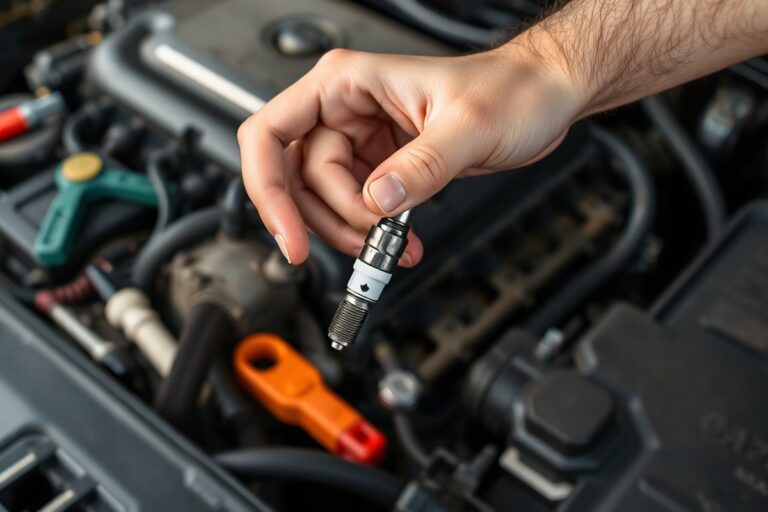
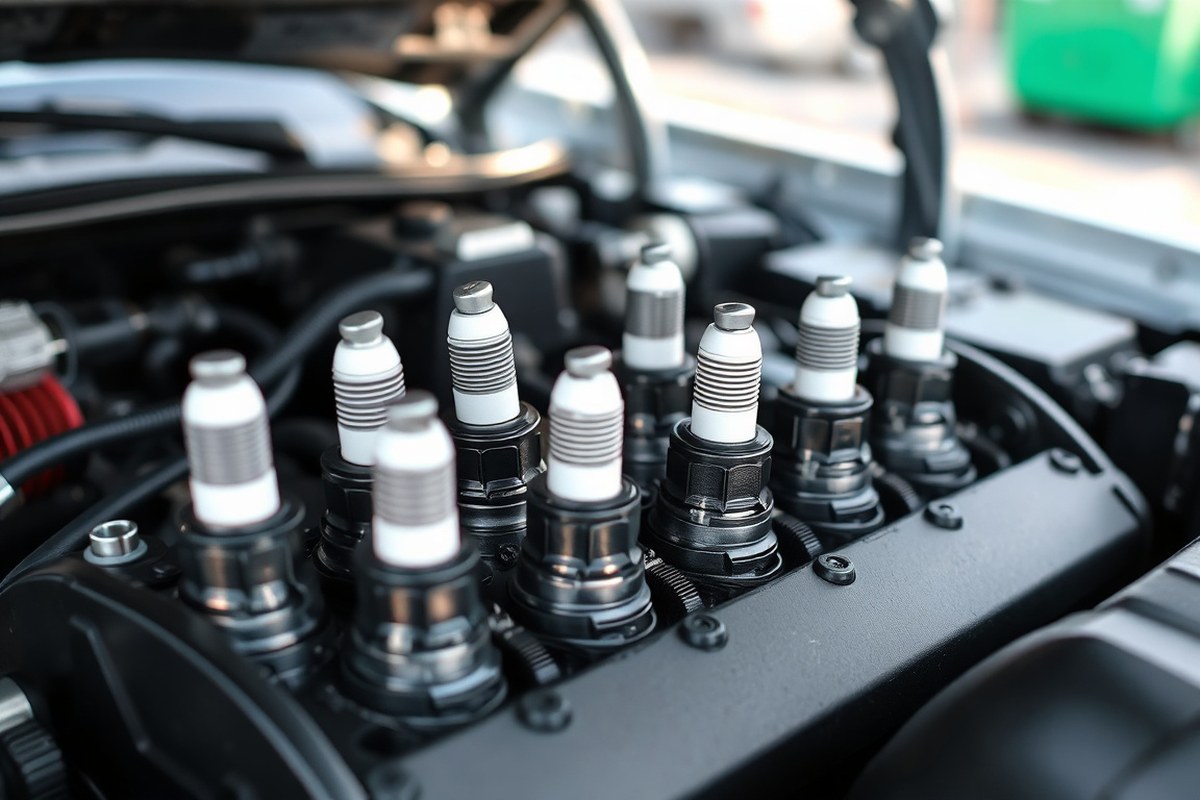
How many spark plugs are in a V8 engine? The straightforward answer is eight spark plugs, one for each cylinder. This layout ensures each cylinder ignites the air-fuel mix efficiently for optimal engine performance. Checking your engine manual confirms whether your V8 follows this standard setup or uses dual spark plugs.
Key Takeaways
- Each cylinder in a V8 engine typically has one spark plug, totaling eight plugs for the engine.
- Dual spark plugs per cylinder exist but are less common and usually found in specific performance or classic engines.
- Spark plugs ignite the air-fuel mixture, directly affecting combustion efficiency and engine power.
- Consult your vehicle’s maintenance schedule for recommended spark plug replacement intervals, usually around 80,000 miles.
- Replacing spark plugs with the correct type ensures better fuel efficiency and smoother engine operation.
- Inspect spark plugs regularly for signs of wear or fouling to avoid misfires and reduced performance.
How Many Spark Plugs Does a V8 Engine Have and Why
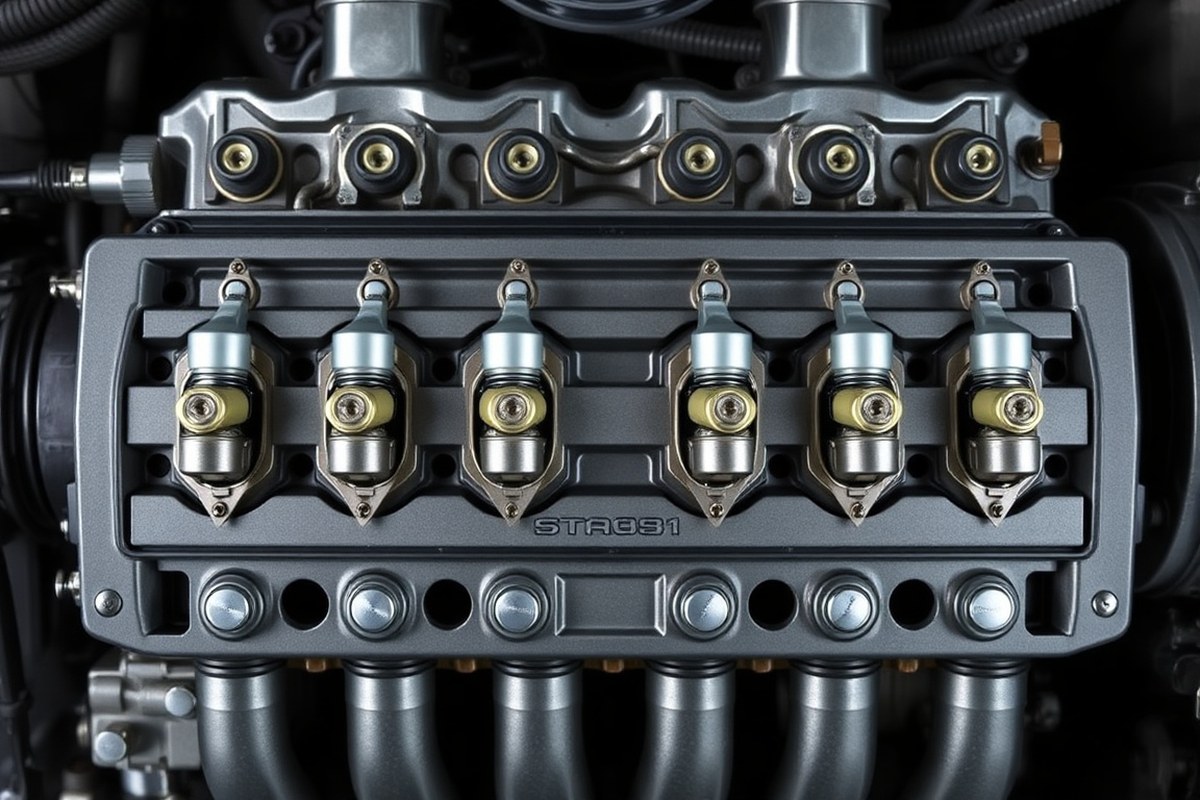
A conventional V8 engine has eight spark plugs, one per cylinder. This one-to-one ratio exists because each cylinder needs a spark plug to ignite the air-fuel mixture inside the combustion chamber. With eight cylinders arranged in a V-shape, the engine relies on eight separate sparks firing at precise times to ensure smooth engine operation and optimal power output.
The design of spark plug placement is tied directly to the engine’s ignition system and cylinder count. Each cylinder’s combustion chamber requires one spark to initiate the explosion that drives the piston down. Therefore, a typical V8 engine has exactly eight spark plugs to match its eight cylinders. This straightforward setup makes maintenance and replacement predictable because you can count on one spark plug per cylinder unless specified otherwise by the manufacturer.
A few V8 engines are designed with two spark plugs installed per cylinder, totaling 16 spark plugs. Models such as the 5.7-liter, 6.2-liter, and 6.4-liter Hemi use this dual ignition to improve combustion efficiency, reduce emissions, and sometimes increase power output. Depending on the engine design and firing sequence, these spark plugs either fire simultaneously or one after the other.
Dual spark plug designs were pioneered in various ways; for example, Nissan used a dual-ignition system in the 1980s, and Ford’s 2.3-liter Lima engine had two plugs per cylinder despite having a single overhead camshaft. This configuration is less common but is used in performance or emissions-controlled applications where better flame propagation inside each cylinder helps meet these goals.
Regarding maintenance, the number of spark plugs you replace generally equals the number of cylinders, so for a standard V8, expect to handle eight spark plugs. Engines with dual plugs per cylinder require more attention and a higher budget for replacement, as twice the number of plugs need service. The additional cost and complexity come from the benefits of more complete combustion and, in some cases, a more pronounced engine response.
Knowing how many spark plugs your engine has is critical when performing maintenance or diagnosing misfires. Using the vehicle’s repair manual can confirm the exact spark plug count and locations. Following the manufacturer’s recommendations ensures you replace the plugs at proper intervals, typically around 30,000 to 100,000 miles, depending on the type of spark plug used.
How Spark Plugs Function in a V8 Engine Combustion Process

Spark plugs in a V8 engine ignite the air-fuel mixture inside each cylinder’s combustion chamber. They produce a controlled electrical spark that ignites this mixture, triggering rapid combustion. This process pushes the piston down, generating the power needed to move the vehicle. Without a properly functioning spark plug, combustion would not occur efficiently, causing your engine to misfire or stall.
Each cylinder in a V8 engine typically has its own spark plug. The placement of spark plugs matters because they must expose their electrodes to the air-fuel mixture at just the right spot to create a strong spark. This spark rapidly ignites the mixture, maximizing combustion speed and fuel efficiency. In some designs, the spark plugs are positioned diagonally within the combustion chamber to improve this ignition process.
Dual ignition systems use two spark plugs per cylinder to improve combustion control and timing. This method provides a more complete and faster burn of the air-fuel mixture, which can improve engine power, reduce emissions, and smooth out performance. However, V8 engines with dual spark plugs double the number of plugs from eight to sixteen, increasing maintenance but delivering more reliable ignition under demanding conditions.
Technically, a V8 engine can keep running if only one spark plug is working. However, missing sparks from even one cylinder interrupts smooth operation. This results in rough idling, decreased acceleration, and higher fuel consumption. Prolonged running with failed spark plugs can cause damage to engine components, so timely replacement is important to protect your engine’s health and maintain performance.
Installing and maintaining spark plugs requires care to ensure proper spark strength and gap size for your specific engine. You’ll find spark plugs at the top of the cylinder head, secured by threading into the engine block. Replacing spark plugs usually involves disconnecting the ignition wires from the plugs, unscrewing the old plugs with a socket wrench, and installing new ones with a torque wrench to manufacturer specifications. Using the correct spark plug type, whether copper, platinum, or iridium, affects longevity and performance, with iridium often preferred for its durability under hotter conditions.
Always check the spark plug gap when installing new plugs; an incorrect gap can cause poor ignition and engine misfires.
V8 Engines with Dual Spark Plugs: Why and Which Models
Some V8 engines use two spark plugs per cylinder, resulting in 16 spark plugs instead of the usual eight. This design, called dual ignition, improves combustion efficiency by igniting the air-fuel mixture more evenly and quickly. The Chrysler HEMI series is a well-known example that employs this setup to optimize power and reliability.
How Dual Ignition Works
Dual ignition means each cylinder has two spark plugs instead of one. Each spark plug receives electrical current from its own ignition coil or shares a coil in some designs. When the coil sends high voltage, both plugs fire nearly simultaneously, creating two ignition points in the combustion chamber.
This setup results in faster and more complete combustion because the flame fronts start at two locations, reducing the time it takes to burn the fuel mixture. Improved burn efficiency leads to better power output, lower emissions, and smoother engine operation. In engines like the modern Gen III HEMI, the large valves limit space for one central spark plug, so dual plugs are placed strategically around the cylinder.
Popular V8 Models with Dual Spark Plugs
The Chrysler HEMI V8 engines are the most notable models with dual spark plugs. Specifically, the 5.7-liter and newer HEMI variants use two spark plugs per cylinder to handle their large valves and hemispherical combustion chambers. This dual-plug design is part of why these engines achieve consistent and powerful performance.
Other V8 engines with a focus on performance or emissions compliance may also use dual ignition, though it’s less common in most standard road cars. These systems can appear in muscle cars, trucks, or engines designed for racing to improve combustion stability.
Advantages and Disadvantages of Dual Plugs
Dual ignition offers several benefits, especially for larger or high-performance V8s aiming for better combustion quality. However, there are trade-offs to consider, mainly related to maintenance and cost.
- Improves combustion speed and efficiency by igniting fuel at two points
- Improve power output and reduces harmful emissions
- Compensates for cylinder head designs with limited space, like large valves on HEMI engines
- Requires purchasing and replacing twice as many spark plugs, 16 instead of 8 on an eight-cylinder engine
- Increases complexity and potential maintenance costs due to more components
- May demand specialized ignition coils or wiring configurations
The extra expense of additional spark plugs and coils is a trade-off for improved engine performance. Typical spark plug replacement costs roughly double, and care must be taken to avoid overtightening plugs, especially in aluminum heads, to prevent costly thread damage. The more uniform combustion provided by dual ignition generally results in better throttle response and fuel economy under various driving conditions.
How Often Should You Replace Spark Plugs in a V8 Engine
Spark plugs in a V8 engine usually need replacement every 80,000 to 100,000 miles, following your vehicle manufacturer’s maintenance schedule. Your driving style and conditions can shorten this interval, so watch for signs like rough idling or misfires. Sticking to recommended intervals and monitoring performance helps avoid engine issues and costly repairs.
Standard Replacement Intervals
Most automakers suggest replacing spark plugs in V8 engines between 80,000 and 100,000 miles. This range fits standard copper and iridium plugs commonly used in these engines. Some high-end or long-life spark plugs, such as those designed for Volkswagen engines, can last up to 120,000 miles, but this depends on the exact plug model and your engine’s demands.
Check your owner’s manual for the specific interval recommended for your engine and spark plug type. Many maintenance schedules include spark plugs as a key item at major service milestones, like 60,000 or 100,000 miles.
Signs You Need Early Replacement
Spark plugs can fail before the scheduled interval if your engine shows symptoms like:
- Engine misfires or rough idling
- Difficulty starting the engine
- Poor fuel economy
- Engine hesitation under acceleration
- Check engine light related to ignition or emissions system
- Visible wear or deposits on plugs during inspection
- Increased exhaust emissions or smoke
Monitoring these symptoms lets you address spark plug issues early, preventing damage to the engine’s ignition coils or catalytic converter. Always replace spark plugs promptly when these signs appear, even if you haven’t reached the mileage limit.
Factors Affecting Spark Plug Longevity
Your driving style and conditions heavily influence how long spark plugs last. Frequent short trips, stop-and-go traffic, or towing heavy loads cause more stress and deposits, shortening plug life. High-performance or modified V8 engines might also need spark plugs replaced more often due to increased combustion temperatures and pressures.
Quality of the spark plugs matters too. Iridium or platinum tipped plugs resist wear longer than copper ones but cost more upfront. Switching between spark plug types without following manufacturer guidelines can affect engine performance and plug lifespan. Use this checklist to decide on spark plug replacement:
- Check manufacturer’s recommended interval for your engine
- Consider your typical driving conditions and style
- Inspect plugs if experiencing engine performance problems
- Replace plugs showing signs of wear or damage immediately
- Choose spark plugs that match OEM specifications for your V8
- Schedule replacement around major vehicle services for cost efficiency
Following these steps helps you maintain your V8’s efficiency and reliability while avoiding premature wear on other ignition system parts. Regular inspection and timely replacement deliver the best results for engine performance and fuel economy.
Cost of Replacing Spark Plugs on a V8 Engine
Replacing spark plugs on a V8 engine typically costs between $120 and $400 for parts and labor combined. The wide range depends on whether you perform the replacement yourself or use a professional service, the type of spark plugs installed, and if your engine has a dual ignition system with 16 plugs instead of the standard 8. Labor charges can be higher with dual ignition systems because the mechanic handles twice as many plugs, increasing time and effort.
The most significant cost factors include spark plug price per unit and labor rates at repair shops. You can expect standard plugs to cost between $2 and $20 each, adding up quickly when multiplied by eight or sixteen. Labor times for a V8 spark plug replacement usually range from 1 to 3 hours, depending on engine accessibility and mechanic rates, which can vary by region.
| Component | Cost Range (USD) | Notes |
|---|---|---|
| Spark Plug (standard, per plug) | $2 – $20 | Price depends on brand and material |
| Labor for 8 Plugs | $100 – $200 | 1 to 2 hours typical at most shops |
| Labor for 16 Plugs (dual ignition) | $180 – $400 | About double time due to double plugs |
| DIY Spark Plug Replacement Kit | $20 – $50 | Includes socket, gap gauge, and extension rods |
DIY replacement lowers the overall cost drastically since spark plugs themselves are relatively inexpensive. However, you must have or acquire special tools such as spark plug sockets, gap gauges, and extension rods to reach plugs deep in the engine bay. Properly gapping and cleaning each plug before installation is essential to avoid damage and maintain engine performance.
Always allow the engine to cool completely before replacing spark plugs to prevent damage to components and ensure accurate torque application.
Dual ignition systems nearly double your parts bill and labor time because of the 16 plugs. Shops charge extra for the additional work, so expect labor costs to be close to double those for an 8-plug engine. While this increases maintenance expenses, fresh spark plugs in either system improve combustion efficiency and engine smoothness significantly.
Choosing the Right Spark Plugs for Your V8 Engine
Your V8 engine demands spark plugs that can handle its higher power output and heat. Iridium and platinum spark plugs both offer strong options, with iridium generally lasting longer and handling extreme conditions better. Copper plugs might suit some older or lighter-duty V8 models but wear out faster. Choosing the right type depends on your engine’s tuning, fuel type, and the driving conditions you expect.
Iridium spark plugs last up to about 160,000 km and cost between $8 and $15 each. They resist wear from high heat and deliver consistent performance in modern engines. Platinum plugs last around 100,000 km and fit many mid-2000s to early 2010s V8 engines, balancing longevity and cost. Copper plugs typically require replacement every 30,000 to 50,000 km. Engine tuning that increases combustion temperatures or runs richer fuel mixtures puts extra stress on plugs, so iridium’s durability often makes it the preferred choice in such cases.
| Plug Type | Approximate Interval (km) | Common Fit |
|---|---|---|
| Copper | 30,000, 50,000 | Older cars; some performance or sports V8 engines |
| Platinum | Up to ~100,000 | Many mid-2000s to early 2010s V8 engines |
| Iridium | Up to ~160,000 | Most modern V8 engines since mid-2010s |
You want to consider performance and longevity first. Iridium plugs maintain a stable spark gap longer and resist electrode wear, important when your V8 engine runs hotter or at higher RPMs regularly. Platinum plugs offer good longevity and smooth engine operation at a lower cost but may require replacement sooner. Copper plugs often deliver strong initial spark energy but degrade faster, leading to issues like misfires or reduced fuel economy if not replaced promptly.
Fuel type influences your choice. High-octane or performance fuels combined with advanced tuning increase combustion temperatures. Iridium plugs are better suited here, as they better withstand thermal stress without gap erosion. Sticking to regular-grade fuel and moderate driving, platinum plugs often deliver enough durability and save you money.
To select the right plug, first check your owner’s manual or service guide for manufacturer recommendations. A V8 engine tuned for extra performance or running on premium fuel should use iridium plugs for longer life and better heat resistance. Budget buyers or owners of older V8s can use platinum or good copper plugs, as long as they replace them on schedule. Keep in mind, ignoring spark plug wear risks poor engine performance and increased fuel consumption.
How to Test and Identify Faulty Spark Plugs in a V8
Testing spark plugs in a V8 engine helps catch issues before they cause engine damage. Faulty spark plugs often cause misfires, hesitation, and poor fuel economy. Regular checks let you spot worn plugs by visual signs and simple testing tools.
Visual Inspection Tips
Start by removing each spark plug one at a time using a spark plug socket and ratchet. Examine the electrode and porcelain insulator carefully for signs of wear or deposits. Look for:
- Black soot or oily deposits, which indicate fouling and poor combustion.
- Cracked or chipped insulator, signaling physical damage or overheating.
- Excessive electrode wear, reducing spark effectiveness.
- Rust or corrosion on metal parts, affecting conductivity.
- Color changes like white or blistered areas, indicating overheating or lean fuel mixture.
Comparing plugs side-by-side can reveal uneven wear affecting engine balance. Any spark plug showing severe wear or damage should be replaced promptly to avoid misfires.
Using a Spark Plug Tester
A spark plug tester lets you check spark strength without removing the plug from the engine. Connect the tester inline between the ignition coil and spark plug wire. Crank the engine or run it at idle while observing the tester’s spark window.
A second option is to remove the plug, reconnect it to the ignition wire, and ground the threaded shell to the engine block. Then, crank the engine briefly and look for a blue spark jumping the gap. Avoid prolonged cranking to prevent starter wear. Professionally, mechanics may use an ignition analyzer tool that measures spark energy and coil function, but home testers are sufficient to identify faulty plugs in most cases.
Interpreting Test Results
Good spark plugs create a consistent, strong, and blue spark under testing. A weak, erratic, or no spark suggests the plug is bad or the ignition system has faults. Faulty plugs often cause symptoms such as:
- Rough idle or frequent misfires under load.
- Reduced fuel efficiency due to incomplete combustion.
- Engine hesitation or stalling during acceleration.
- Check engine light activation with related error codes (like P0300 series).
Failing to replace bad plugs risks damage to the catalytic converter from unburned fuel or stress on ignition coils. Replacing worn or failing plugs every 30,000 to 100,000 miles, depending on plug type, helps prevent these issues. Always check vehicle-specific service intervals and use spark plugs recommended by the manufacturer for best results.
Step-by-Step: Replacing Spark Plugs on a V8 Engine Safely
Replacing spark plugs on a V8 engine usually takes about 1 to 2 hours for a beginner, depending on your access to the plugs and familiarity with hand tools. It is safe to do it yourself if you follow proper safety measures, use the right tools, and take your time to avoid damaging threads or electrical components. Avoid rushing and incorrect plug gap settings, which are common mistakes that can lead to poor engine performance or damage.
Start by gathering the tools you’ll need: a ratchet with an extension, a spark plug socket (usually 5/8 inch or 13/16 inch), a gap gauge, and a torque wrench. Make sure the engine is cool to prevent burns. Open the hood and locate all eight spark plugs on the V8 engine, typically four on each side of the engine block.
Before removing anything, number the ignition wires or coil packs to keep track of which goes where. Misplacing wires can cause misfires and costly diagnostics later. Remove one spark plug wire or coil pack at a time. Use the spark plug socket with the ratchet and extension to carefully loosen and remove the old spark plug. This helps prevent mixing up plugs or wires.
- Allow the engine to cool completely before starting work
- Label or number the ignition wires for correct reinstallation
- Use the proper spark plug gap recommended by your vehicle’s manual
- Clean the spark plug holes gently to avoid debris falling into the cylinder
- Hand-thread new plugs first to avoid cross-threading
- Use a torque wrench to tighten plugs to manufacturer’s specs (usually 13-23 ft-lbs)
- Work on one spark plug at a time to avoid confusion
After installing each new plug, tighten it by hand until snug, then use a torque wrench to finish tightening to the correct setting. Over-tightening can strip threads; under-tightening can cause poor compression or plug damage. Replace the ignition wire or coil pack, following the numbered order. Repeat the process for all eight plugs.
Avoid using excessive force when removing old plugs, and never force a plug if it doesn’t come out easily. Applying a penetrating lubricant a day before the job can help loosen stuck plugs. Always check the replacement plugs’ gap with a gauge, adjusting if necessary to the exact spec listed in the owner’s manual for your V8 engine.
Work methodically on one cylinder at a time and label wires to prevent reinstallation errors that cause engine misfires.
Step-by-Step Action Plan for Maintaining Spark Plugs in Your V8 Engine
Keep your V8 engine running smoothly by following these key maintenance steps focused on the spark plugs.
- Before You Start: Review your vehicle’s manual to confirm the type and replacement interval of your spark plugs for your specific V8 model.
- Month 1: Inspect all eight spark plugs visually for signs of wear, fouling, or damage using a socket wrench and a flashlight. Replace any that appear damaged or excessively dirty.
- Every 30,000 to 60,000 Miles: Replace the spark plugs according to the manufacturer’s recommended mileage or sooner if performance issues arise. Use the correct plug type specified for your engine.
- After Replacement: Test the engine for smooth idling and consistent acceleration to confirm proper installation and spark plug function.
- Monthly: Listen for engine misfires or rough starts, which can indicate spark plug problems needing immediate attention.
- Yearly: Have a mechanic check ignition coils and wires to ensure overall ignition system health, especially if your V8 uses dual spark plugs.
- When Upgrading Performance: Choose spark plugs designed for high-performance V8 engines if you modify your vehicle for increased horsepower or efficiency.
Frequently Asked Questions
How Much Does It Cost to Replace Spark Plugs on a V8?
Replacing spark plugs on a V8 typically costs more than a 4-cylinder, often ranging from $120 to $250 due to more plugs and increased labor time. Prices vary depending on the vehicle model and plug type.
Which V8 Has 16 Spark Plugs?
Some V8 engines, like certain Alfa Romeo and Ford models, use dual spark plugs per cylinder, totaling 16 plugs. This setup improves combustion efficiency and reduces emissions.
Which Car Has the Most Spark Plugs?
Cars with V12 or W12 engines usually have the most spark plugs, numbering 12 or more; dual-plug designs can double this count. High-performance or luxury models often feature these.
Should You Change All Four Spark Plugs at the Same Time?
It’s best to replace all spark plugs on an engine simultaneously to ensure even performance and avoid misfires. Changing one plug alone can lead to inconsistent engine operation.
Can a V8 Engine Run Smoothly with One Faulty Spark Plug?
A V8 can run but will perform poorly with one bad plug, causing rough idling and power loss. Promptly replacing the faulty plug prevents engine damage.
How Many Spark Plugs Are Required for a V8 with Dual Ignition?
A V8 engine with dual ignition requires 16 spark plugs, two per cylinder, to improve combustion and engine efficiency.
Key Points to Remember
Most V8 engines come with eight spark plugs, one per cylinder, but some use dual plugs for better combustion efficiency. Knowing this will help you maintain your engine properly, control costs, and optimize performance. Start by checking your spark plugs today to catch any early wear that could affect how your V8 runs.