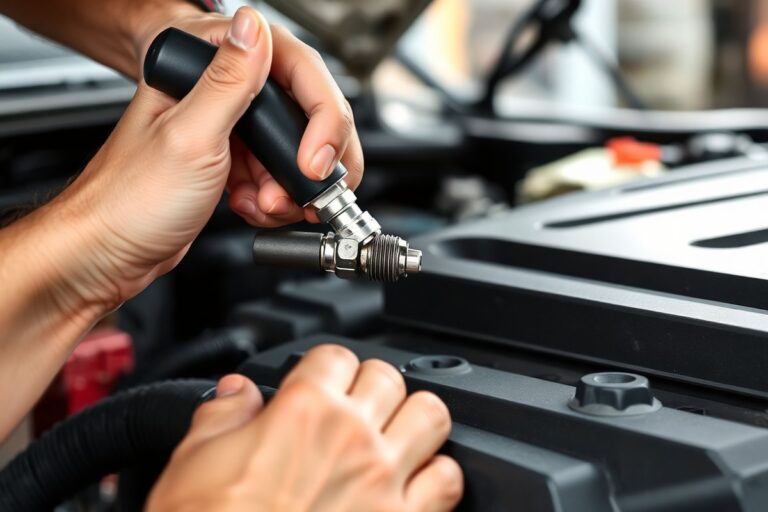
Are Spark Plugs Expensive? A Complete Cost Guide with Expert Tips
Are spark plugs expensive? The cost of spark plugs alone is usually quite low, often under $20 per plug. However, total replacement costs can rise significantly due to labor and additional repairs, especially on hard-to-reach engines. Starting with regular inspection can help avoid costly complications later.
Key Takeaways
- Copper spark plugs cost between $2 and $10 each and are the most affordable option for standard replacements.
- Platinum spark plugs offer better conductivity for around $5 to $20 each and last longer than copper ones.
- Ruthenium or iridium spark plugs can cost $15 to over $100, but their longevity may reduce replacement frequency.
- Labor often accounts for the majority of spark plug replacement costs, sometimes costing several hundred dollars.
- Coils that are cracked or oil-soaked add $40 to $120 per coil to the total repair expense.
- Replacing spark plugs every 30,000 to 100,000 miles depends on the type used and can prevent engine issues.
How Much Do Spark Plugs Cost and Why?

Spark plugs themselves are generally affordable, but their costs vary mainly by the type of material used and the vehicle’s requirements. Standard copper spark plugs are the least expensive, typically costing between $2 and $10 each. Platinum plugs fall in the mid-range, usually priced between $6 and $20 per plug. Iridium plugs are the most costly, with prices ranging from about $8 up to $100 each, depending on the brand and specific features.
The price differences come down to durability and performance. Copper plugs offer basic performance but wear out faster, needing replacement every 20,000 to 30,000 miles. Platinum spark plugs last longer, about 60,000 miles, because their precious-metal tip resists erosion better than copper. Iridium plugs last the longest, often reaching 100,000 miles or more, since iridium is a much harder metal and maintains a stable spark over extended use. Iridium’s high cost reflects that longer lifespan and improved reliability, which can lower the frequency of replacement but raise upfront parts costs.
| Plug Type | Price Range (Each) | Typical Lifespan (Miles) | Common Vehicle Use |
|---|---|---|---|
| Copper | $2 – $10 | 20,000 – 30,000 | Older cars, some performance engines |
| Single Platinum | $6 – $15 | About 60,000 | Mid-range vehicles with longer intervals |
| Double Platinum | $10 – $20 | 60,000 – 100,000 | Waste-spark ignition systems |
| Iridium | $8 – $100 | 60,000 – 100,000+ | Most modern cars, high durability |
Price variation also relates to vehicle type and engine design. For example, a compact car with a four-cylinder engine often requires four plugs, making a set of platinum plugs cost around $32 total. For a complete set of iridium plugs, you might pay between $20 and $60 depending on the number of cylinders and the brand. Copper plugs remain the most cost-effective choice but require more frequent changes, increasing the total expense over time.
Choosing the right spark plug involves balancing upfront cost against longevity and performance. Copper plugs save money immediately but need replacement every 20,000 to 30,000 miles. Platinum plugs last about twice as long at a moderate price increase. Iridium plugs offer the best lifespan but cost significantly more per unit. Your choice depends on your car’s demands and how often you want to pay for replacements.
What Factors Drive the Total Cost of Spark Plug Replacement?

Replacing spark plugs professionally typically costs between $115 and $200 for labor alone, with total replacement costs ranging from $100 to $500 depending on parts and complexity. Labor fees vary because engine designs differ in accessibility. For some vehicles, mechanics may need to remove the intake plenum or other components to reach the spark plugs, which adds significant time and effort to the job. Engines with more cylinders or those that require special tools to access spark plugs generally incur higher labor charges. Engine layout impacts labor costs because simple inline engines often allow easy access to spark plugs, while V-type engines or engines with tight under-hood spaces are more challenging. Below is a table showing typical labor cost ranges based on common engine types:
| Engine Type | Labor Time (Hours) | Labor Cost Range |
|---|---|---|
| Inline 4-Cylinder | 0.5 – 1.0 | $50 – $120 |
| V6 Engine | 1.0 – 1.5 | $90 – $180 |
| V8 Engine | 1.5 – 2.5 | $130 – $300 |
| Twin Spark Engines (2 Plugs per Cylinder) | 2.0 – 3.0 | $160 – $350 |
Costs add up beyond basic labor and plugs. Additional expenses may include replacing ignition coil packs, which often wear out alongside spark plugs and cause misfires if ignored. Coils can cost between $50 to $150 each, depending on your vehicle. Some vehicles require anti-seize lubricants or dielectric grease for installation, which can add a small cost but improve longevity and performance. Your mechanic might also charge shop fees or diagnostic fees if the spark plug wear resulted in engine trouble codes. Here’s a checklist of common added costs to expect during spark plug replacement:
- Ignition coil replacement ($50, $150 per coil)
- Additional labor for coil removal or extra engine disassembly
- Use of anti-seize lubricants or dielectric grease
- Shop fees or diagnostic charges
- New spark plug wires (if applicable)
Tip: Always ask the mechanic if the ignition coils need replacement during a spark plug service to avoid future misfire problems and additional labor costs.
How Often Should You Replace Spark Plugs?
Spark plug replacement intervals vary mainly by the spark plug material. Copper plugs typically need replacement every 20,000 to 30,000 miles, platinum plugs last about 60,000 miles, and iridium plugs can go 80,000 to 100,000 miles or more. Driving conditions like frequent short trips, stop-and-go traffic, or heavy loads can shorten these intervals because the plugs work harder under those stresses.
Copper Spark Plugs Lifespan and Recommendations
Copper spark plugs have a shorter lifespan compared to newer materials because copper conducts electricity well but wears out faster. Most manufacturers recommend replacing copper plugs every 20,000 to 30,000 miles to maintain reliable ignition and fuel economy. Delaying replacement risks rough idling, misfires, and increased fuel consumption, as worn copper plugs require higher voltage to ignite the fuel.
Copper plugs are often the least expensive option but require more frequent maintenance. You should pay attention to signs like sluggish acceleration or trouble starting, especially if your driving involves a lot of city traffic or short trips that prevent the engine from reaching optimal temperatures. These conditions cause deposits to build up faster, accelerating plug wear.
Platinum and Double-Platinum Plug Intervals
Platinum plugs last about 60,000 miles under normal driving conditions due to their harder material, which resists wear better than copper. Double-platinum plugs, which have platinum on both the center and ground electrodes, often share a similar lifespan but improve performance in certain engine designs by ensuring even wear. They provide a balance between cost and durability.
Adjust your replacement interval if you frequently drive in stop-and-go traffic, tow heavy loads, or make many short trips. These factors can reduce the expected life by 10,000 to 15,000 miles. Neglecting this could lead to combustion inefficiencies, reduced power delivery, and increased emissions.
Iridium Plugs and Extended Maintenance
Iridium plugs offer the longest service life, typically lasting between 80,000 and 100,000 miles or more, thanks to the material’s high melting point and resistance to erosion. This extended lifespan means less frequent replacements and potentially better fuel economy over time, although the upfront cost is higher.
Even with iridium plugs, monitor your driving habits because frequent cold starts, short trips, and heavy engine loads may necessitate earlier replacement. You can expect smoother starts and improved fuel efficiency throughout the plugs’ life span. Ignoring the maintenance schedule with iridium plugs risks buildup on the electrodes, causing rough running and higher emissions.
- Replace copper plugs every 20,000 to 30,000 miles.
- Swap platinum or double-platinum plugs every 60,000 miles, adjusting for driving conditions.
- Iridium plugs last 80,000 to 100,000+ miles with proper care.
- Short trips and stop-and-go traffic reduce plug life across all types.
- Watch for misfires and rough idling as triggers for earlier checks.
- Changing spark plug wires or ignition coils along with plugs can improve overall ignition performance.
Ultimately, maintaining the recommended intervals keeps your engine running smoothly, conserves fuel, and helps prevent damage to ignition components like coils and wires. Spark plugs that work well prevent unburned fuel deposits and loss of power, which maintains your vehicle’s performance and lowers emissions. Regular checks based on your plug type and driving habits allow for timely replacements before issues develop.
Signs Your Spark Plugs Need Replacement
Worn spark plugs typically cause several noticeable symptoms that affect your vehicle’s performance and fuel efficiency. Failing spark plugs can disrupt the combustion process, leading to rough idling, difficulty starting the engine, and a drop in acceleration. More severe neglect may cause engine misfires, which trigger the check engine light with codes like P0300 through P0308, indicating one or more cylinders are misfiring. A checklist of symptoms to help you diagnose worn spark plugs includes:
- Engine misfires or hesitation during acceleration
- Reduced fuel efficiency and higher fuel consumption
- Difficulty starting the vehicle or prolonged cranking time
- Rough idle or noticeable engine vibrations at stop
- Check engine light turning on, especially with misfire trouble codes
- Loss of engine power or uneven sound from the engine
- Increased emissions and sometimes smoke from the exhaust
Ignoring these signs can lead to more serious engine problems. Worn spark plugs cause the engine to run rich, burning excess fuel and potentially damaging the catalytic converter. Over time, misfires increase strain on ignition coils, possibly leading to costly repairs. A maintenance light often appears on newer vehicles signaling the need for spark plug attention, so it’s not wise to delay replacement once that shows.
You might wonder if it’s safe to keep driving with bad spark plugs. Short distances in urgent situations may be ok, but repeatedly driving with misfiring cylinders risks serious engine damage and poor fuel usage. It can also increase the chance of being stranded due to a no-start condition. Paying for spark plug replacement early, usually between $20 and $160 depending on your engine size and plug type, saves more money than waiting for bigger repairs later.
Is It Better to Replace All Spark Plugs at Once?
Replacing all spark plugs at once usually provides better performance and longevity than swapping only the faulty ones. Worn spark plugs increase the workload on ignition coils, which are more costly to replace. Replacing all plugs together ensures consistent ignition quality, prevents uneven wear, and can help avoid repeated labor costs if other plugs soon fail.
On the other hand, changing just the bad spark plugs may save money upfront but risks leaving uneven wear in the engine. Older plugs could degrade soon after the repair, causing misfires or rough idling that might be mistakenly blamed on new plugs. Also, replacing only some plugs could leave worn spark plug wires or ignition coils under stress. Ignition coils share the labor with spark plugs, so swapping plugs one at a time can mean paying twice for the same labor if coils need replacement later.
Decide if you should replace all plugs based on your vehicle’s age, mileage, and service history. Follow the recommendation in your owner’s manual. When your plugs reach or surpass 30,000 to 40,000 miles, it’s a good idea to replace them all at once. When one plug fails early and the rest show heavy wear, you should replace the entire set. When a shop has to remove the intake manifold or valve cover to reach plugs, it makes sense to replace ignition coils, coil boots, and gaskets during the same job to save on future labor costs and avoid leaks or coil failures.
Costs vary by engine type and accessibility. A spark plug can cost $5 to $20 or more, and labor ranges from $100 to $300 at a shop. V6 and V8 engines often require more labor because some spark plugs hide beneath the intake manifold. In such cases, handling all spark plugs, coils, and related parts in one visit can be more economical than multiple separate repairs.
A practical approach is to inspect all spark plugs during routine maintenance. When you find a faulty plug, take out all plugs for a thorough inspection. Check for consistent wear marks, electrode gap erosion, oil deposits, or carbon buildup. When other plugs appear near failure, replace the full set. Also, test ignition coils at the same time since they share wear with the plugs. Replacing coils later often means paying the same labor costs again.
Never ignore worn spark plugs; they force ignition coils to work harder, which can lead to expensive coil failures down the road.
Can You Replace Spark Plugs Yourself? Tools and Safety Tips
You can replace spark plugs yourself if your engine’s plugs are accessible and you have the right tools. Doing it on your own saves money but requires care to avoid damage. This guide shows you the exact tools, safety steps, and common mistakes to watch for when replacing spark plugs by yourself.
Essential Tools for DIY Spark Plug Replacement
Successful spark plug replacement starts with having the right tools. You’ll need a spark plug socket, typically deep and 5/8 or 13/16 inch in size, to fit most plugs. A ratchet wrench and an extension bar help reach recessed plugs. A torque wrench ensures proper tightening, which prevents damage to the plug or engine threads.
Other useful tools include a spark plug gap gauge to set the correct gap, a dielectric grease tube to protect the plug boot, and a compressed air source to clear debris before removal. Expect to spend around $25 to $60 on a good toolset if you don’t already own these.
Safety Precautions Before and During Replacement
Start by working on a cool engine to avoid burns. Spark plugs can reach temperatures over 1,000°F during operation and stay hot for a while after engine shutdown. Disconnect the car battery to prevent accidental electrical shocks or engine starts.
Clear any dirt or debris around the plugs using compressed air or a clean brush. Foreign particles falling into the combustion chamber can cause engine damage. Always wear safety gloves and eye protection, especially when using compressed air and handling tools in tight engine bays.
Common Installation Mistakes and How to Avoid Them
Over-tightening spark plugs risks stripping the threads in the cylinder head, which leads to costly repairs. Use a torque wrench set to your vehicle manufacturer’s specifications, usually around 10 to 15 lb-ft for most passenger cars. Avoid forcing the plug if it resists threading; instead, back it out and try again to prevent cross-threading.
Another common error is neglecting to check or adjust the spark plug gap. Modern iridium plugs come pre-gapped, but older or lower-cost plugs may need adjustment with a feeler gauge. Applying a small dab of dielectric grease on the plug boot prevents moisture intrusion and eases future removal but don’t get grease on the plug electrodes.
- Gather all essential tools including spark plug socket, ratchet wrench, extension bar, torque wrench, gap gauge, dielectric grease, and compressed air.
- Park your vehicle on level ground, turn off the engine, and wait until it cools completely.
- Disconnect the battery negative terminal to cut electrical power and prevent shock.
- Use compressed air to clean around each spark plug to keep dirt out of the combustion chamber.
- Carefully remove the spark plug wire or ignition coil by twisting and pulling gently without yanking on wires.
- Attach the spark plug socket with an extension and ratchet, and slowly loosen each plug by turning counterclockwise.
- Inspect the old plugs for wear, check the gap on new plugs, and adjust if necessary using the gap gauge.
- Apply a small amount of dielectric grease on the inside of the plug boot, install new plugs by hand to prevent cross-threading, then tighten with a torque wrench to manufacturer specs.
- Reconnect the ignition wires or coils, the battery terminal, and start the engine to confirm smooth operation.
How to Read Old Spark Plugs to Diagnose Engine Health
Reading old spark plugs gives you clear clues about your engine’s health. By inspecting the plug’s tip and deposits, you can pinpoint issues like oil leaks, overheating, or fuel problems. This helps decide what repairs or maintenance your engine needs.
Normal Wear vs Abnormal Deposits
Normal wear on spark plugs shows as a light tan or grayish color on the electrode and insulator tip. This indicates proper combustion and good engine operation. The electrode will have some erosion but remain intact, while deposits should be minimal. Thick black carbon deposits usually indicate a rich fuel mixture or incomplete combustion. Light brown or gray deposits are typical, but heavy buildup signals your engine may be running too rich or the air filter could be clogged.
Abnormal deposits include white ash layers, oily coatings, or blistered tips. White or light gray plugs with powdery deposits point to oil burning inside the cylinder. This often comes from worn valve seals or piston rings allowing oil to leak in. Thick, oily plugs indicate excessive oil fouling, which can cause misfires and poor gas mileage. On diesel engines, heavy ash deposits could arise from specific fuel additives, but for gasoline engines, any abnormal residue means attention is needed.
Signs of Oil Fouling and Overheating
Oil fouling shows as a shiny or wet layer of oil on the spark plug tip and insulator. This deposit quickly fouls the plug, preventing sparks and hurting performance. It often results from worn valve guides or piston rings leaking oil into the combustion chamber. This condition often means the engine is burning oil, which can cause blue smoke from the exhaust and higher emissions. Costs for repairing valve seals or rings can be high depending on your vehicle model, so early detection helps avoid major damage.
Overheated spark plugs often have white or blistered insulator tips and melting electrodes. This suggests the engine is running too hot due to cooling system problems, incorrect ignition timing, or using spark plugs with the wrong heat range. Overheating causes pre-ignition and knock, which may damage pistons. You can check spark plug heat rating in your owner’s manual to avoid this issue. Replacing plugs before damage spreads keeps repair costs down.
How Spark Plug Condition Affects Engine Performance
Worn or fouled spark plugs reduce engine efficiency by causing weak or inconsistent sparks. This leads to rough idling, poor acceleration, and higher fuel consumption. Carbon or oil deposits disrupt the spark, while electrode erosion increases the gap, requiring a stronger spark voltage, which overloads ignition coils. Monitoring spark plug condition through visual inspection helps catch these problems early.
Removing the spark plugs to inspect them usually costs $50 to $100 at a shop, including labor, but doing it yourself requires a spark plug socket and ratchet, costing about $15 to $30. Checking the plugs takes only a few minutes and reveals whether your engine runs clean or if smoking, knocking, or oil burning signals need repair. Regular inspection after 30,000 miles can extend engine life and prevent breakdowns.
Choosing the Right Spark Plug for Your Vehicle and Budget
Choosing the right spark plugs means matching your vehicle’s specifications, driving habits, and budget. Your owner’s manual lists the recommended spark plug type and gap size, which you must follow closely for proper engine performance. Using the incorrect plug can lead to misfires, reduced fuel efficiency, and costly repairs.
Spark plugs differ mainly by electrode material and design. Iridium and platinum plugs usually cost more but offer longer service life and better performance under high heat and stress. Copper plugs are cheaper but wear out faster and need more frequent replacement. Double platinum plugs have platinum on both center and ground electrodes for extra durability.
| Type | Electrode Material | Typical Lifespan (miles) | Price Range (per plug) | Notes |
|---|---|---|---|---|
| Copper | Copper core, nickel alloy | 20,000, 30,000 | $2, $5 | Cheapest, good for older or low-compression engines |
| Platinum | Single platinum on center electrode | 60,000 | $8, $12 | Longer life, better for modern engines |
| Double Platinum | Platinum on center and ground electrodes | 60,000, 100,000 | $10, $15 | Extra durability, maintains gap better over time |
| Iridium | Iridium center electrode | 60,000, 100,000+ | $12, $20 | Superior longevity and stable spark, often pre-gapped |
Iridium spark plugs usually cost two to three times more than copper plugs but can last twice as long. They are generally worth the investment if your vehicle’s performance demands or manufacturer specify them. Also, many iridium plugs come pre-gapped, so avoid adjusting the gap yourself; improper re-gapping can shorten their life or cause engine issues.
Installation quality is as important as the plug choice. Correct gap, torque, and thread treatment greatly influence spark plug life and performance. Use a torque wrench and follow the manufacturer’s recommended torque settings, and apply a small amount of anti-seize compound only if the plug maker advises it. Overusing anti-seize causes under-tightening, which leads to poor heat transfer and possible thread damage.
Always use a torque wrench to tighten spark plugs to the exact specification; over- or under-tightening can lead to engine problems or damaged plugs.
Balancing cost against performance depends on your vehicle and driving style. For daily commuting with routine maintenance, platinum or double platinum plugs offer a middle ground in price and lifespan. High-performance or late-model vehicles benefit most from iridium plugs, especially if recommended by the vehicle manufacturer.
Step-by-Step Action Plan for Spark Plug Replacement
Use this plan to decide if you should replace spark plugs yourself or seek professional help and to keep track of their condition moving forward.
- Before you start: Check your owner’s manual for the recommended spark plug type and replacement interval to match your vehicle’s requirements.
- Week 1: Inspect your spark plugs by removing one and examining its condition to spot wear or deposits indicating replacement is needed.
- Week 2: Shop around for spark plugs matching your car’s specs, focusing on brand quality and price to avoid overspending or risking engine damage.
- Week 3: Decide if you have the tools and skills for DIY replacement, if not, schedule an appointment with a trusted mechanic for professional installation.
- Day of replacement: Follow safety precautions like disconnecting the battery and using a torque wrench for proper spark plug tightening to avoid damage.
- After replacement: Monitor your vehicle’s performance for smoother acceleration and steady idle, which indicate successful spark plug installation.
- Every 30,000, 60,000 miles: Repeat inspections or replacements based on your spark plug type and driving conditions to keep your engine running efficiently.
Frequently Asked Questions
How Much Should It Cost to Change Out Spark Plugs?
Spark plug replacement typically costs $80 to $500 or more, mostly due to labor. Engines requiring intake removal push costs higher, often over $400, while parts alone run $5 to $20 each.
Is It Okay to Drive with a Bad Spark Plug?
Driving with a bad spark plug can cause rough engine performance and lower fuel efficiency. It’s best to replace failing plugs quickly to avoid further engine damage or costly repairs.
Will Autozone Replace Spark Plugs for You?
Autozone generally does not perform spark plug replacements; they focus on parts sales and offer tools for loan. Professional installation is recommended for most vehicles.
Is Replacing Spark Plugs a Big Job?
Spark plug replacement varies; it’s simple on older, accessible engines but more complex on modern engines with tight spaces or intake removal. Labor costs reflect this difficulty.
Can Worn Spark Plugs Cause Engine Misfires?
Yes, worn spark plugs can lead to engine misfires, causing poor performance and increased emissions. Replacing them helps maintain smooth engine operation.
Are Iridium Spark Plugs Worth the Extra Cost?
Iridium plugs cost more but last up to 100,000 miles and provide better performance, making them cost-effective for many modern vehicles.
Key Points to Remember
Spark plugs are not usually very expensive, but the total cost depends on the type, how many your engine uses, and labor if you hire a mechanic. Using the right spark plug and replacing them at the recommended interval keeps your engine healthy and fuel-efficient. If you notice rough idling or poor acceleration, check your spark plugs promptly. Start by reviewing your car’s manual today to find your spark plug specs before deciding whether to replace them yourself or get professional help.