
How Is Biodiesel Fuel Made: Complete Step-by-Step Process with Key Tips
How is biodiesel fuel made? Biodiesel is produced by chemically reacting vegetable oils or animal fats with an alcohol, usually methanol, in a process called transesterification. This converts the oils into fatty acid methyl esters (FAME), the chemical form of biodiesel, which can then be used as fuel. Starting with clean oil and a base catalyst at about 60°C is essential to achieve a high conversion rate within an hour.
Key Takeaways
- Use soybean oil, the primary US feedstock, containing 18-20% oil, for efficient biodiesel production.
- Maintain reaction temperature near 60°C with a base catalyst for about one hour to maximize conversion.
- Mix methanol with oil to initiate transesterification, turning fats into usable biodiesel (FAME).
- Pure biodiesel (B100) delivers less fuel efficiency than petroleum diesel but significantly cuts emissions.
- Common blends like B20 (20% biodiesel) ensure good engine compatibility without modifications.
- Glycerine, a valuable by-product, makes up roughly 10% of the biodiesel production output.
How Is Biodiesel Fuel Made Step-by-Step?
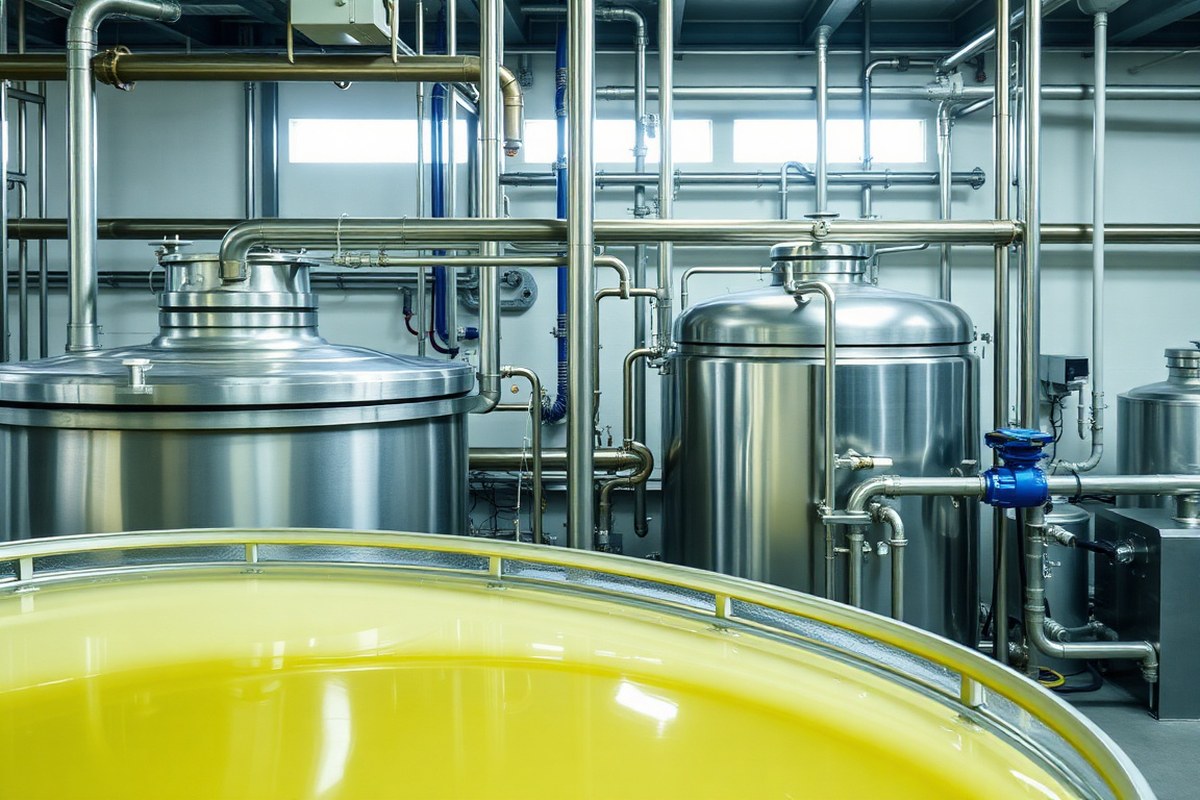
Biodiesel fuel is produced by chemically converting oils or fats into fatty acid methyl esters (FAME), which serve as the main component of biodiesel. This conversion happens mainly through a process called transesterification. It involves reacting triglycerides found in feedstock oils with an alcohol, typically methanol, in the presence of a catalyst like sodium hydroxide (NaOH) or potassium hydroxide (KOH). The reaction yields biodiesel and glycerin as a byproduct. After the reaction, the mixture undergoes separation and purification steps to remove impurities, unreacted materials, and glycerin to meet fuel standards.
The key inputs you’ll need are about 1 volume of clean oil or fat, 0.2 volumes of methanol (used at a 6:1 molar ratio to triglycerides), and 0.5% to 1% by weight of a base catalyst relative to the oil. Maintaining a temperature near 60°C during the reaction helps reach high conversion rates in about an hour. After the chemical reaction, physical separation and washing remove contaminants, and drying prepares the biodiesel for use.
- Mix oil with catalyst and methanol. Start by heating the clean vegetable oil or animal fat to about 60°C. Dissolve the base catalyst (NaOH or KOH) in methanol, then quickly combine this with the heated oil. Stir to ensure the reaction mixture is homogeneous.
- Conduct the transesterification reaction. Allow the mixture to react at 60°C for 45 to 60 minutes. The catalyst speeds up chemical conversion, breaking triglycerides into methyl esters (biodiesel) and glycerin. The reaction requires controlled temperature and constant stirring for best results.
- Separate glycerin from biodiesel. After the reaction, let the mixture settle in a separation vessel. Glycerin, being denser, settles to the bottom over a few hours. You then carefully drain the glycerin layer, leaving crude biodiesel on top.
- Wash the crude biodiesel. To remove residual catalyst, methanol, soap, and impurities, gently wash the biodiesel with warm water. This step may involve multiple washes using water at around 50°C, ensuring the fuel meets required purity levels.
- Dry the biodiesel. Remove any remaining water by heating the washed biodiesel to about 100°C or using vacuum drying. Excess water negatively affects fuel quality and engine performance, so thorough drying is important.
- Test the biodiesel quality. Perform tests for parameters like viscosity, density, flash point, and free glycerin content to verify compliance with standards before use or sale.
Common Feedstocks Used for Making Biodiesel
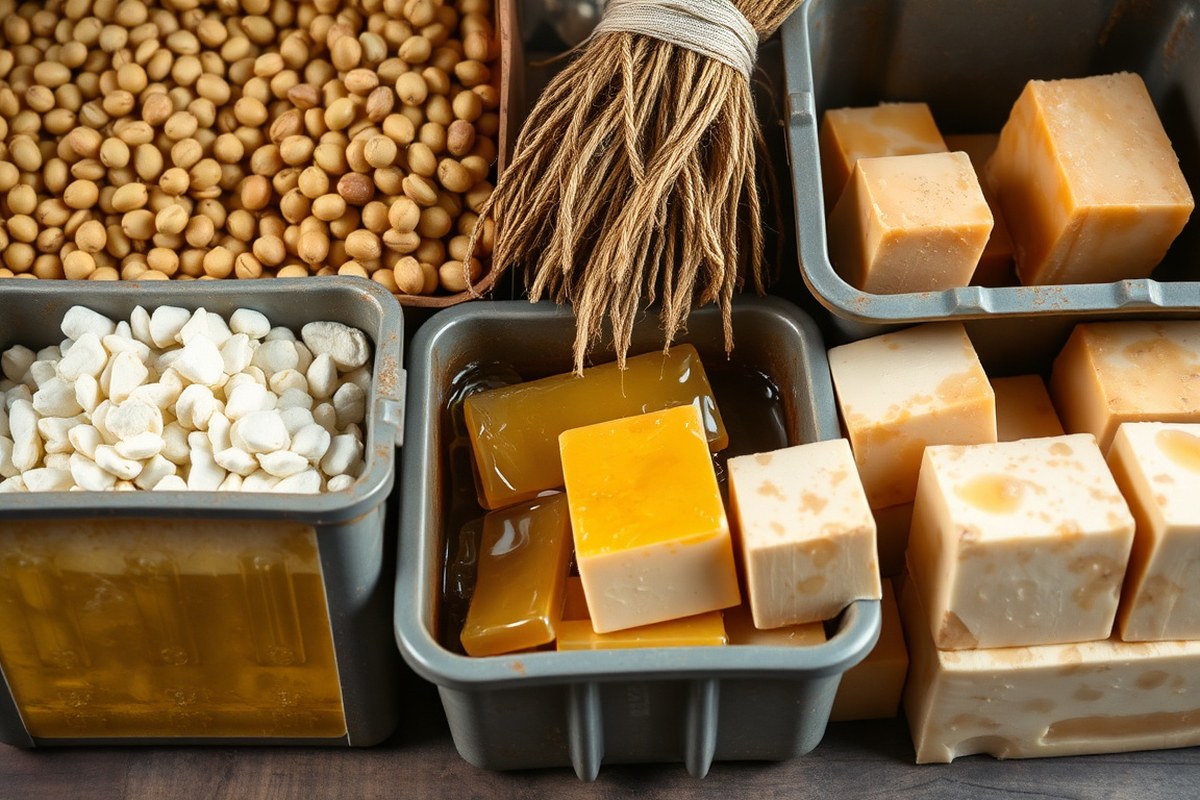
Biodiesel production uses a variety of oils and fats as feedstocks, each affecting the quality and efficiency of the fuel. Common raw materials include vegetable oils like soybean, canola, and sunflower, animal fats such as tallow or lard, and waste cooking oils. Their differences in fatty acid profiles, saturation levels, and impurities influence the biodiesel yield, cold flow properties, and engine compatibility.
Vegetable oils are typically preferred for their consistent quality and lower saturated fat content. For example, canola oil contains high monounsaturated fats and low saturated fats, which improve fuel performance and lower cloud points. Soybean oil is the main U.S. Feedstock due to its availability, containing 18 to 20% oil content. Animal fats tend to have higher saturated fats, resulting in biodiesel with higher cetane numbers but poorer cold weather performance and quality control challenges.
| Feedstock | Type | Typical Use | Advantages | Disadvantages |
|---|---|---|---|---|
| Soybean Oil | Vegetable Oil | Primary U.S. Biodiesel feedstock | High availability, consistent quality | Moderate saturated fat content affects cold flow |
| Canola Oil | Vegetable Oil | Preferred for monounsaturated fat content | Better cold flow properties, low saturated fats | Sometimes higher cost |
| Sunflower Oil | Vegetable Oil | Alternative vegetable oil source | High oil content, good fatty acid profile | Less widely available |
| Animal Fats (Tallow, Lard) | Animal Fat | Used in blends or standalone biodiesel | Higher cetane number, often cheaper | Impurities cause quality control issues, poorer cold flow |
| Waste Cooking Oil | Recycled Oil | Cost-effective, environmentally friendly | Low cost, reduced environmental impact | Requires pretreatment, variable quality, potential impurities |
Waste cooking oil is a cheaper and more environmentally appealing feedstock but comes with downsides. It often contains free fatty acids and contaminants that require pretreatment. However, research shows good yields above 97% at 55°C using immobilized lipases with no pretreatment, though the reaction time may stretch to 24 hours. These oils yield biodiesel with slightly lower saturated fatty acid esters, improving cold flow slightly. You should collect high-quality used oil and filter it to reduce impurities before processing.
Choosing feedstock depends on your local availability, budget, and fuel quality goals. Vegetable oils provide consistent results but might cost more. Animal fats and waste oils reduce feedstock costs but demand additional processing and care to maintain fuel quality. Cold climates call for feedstocks with lower saturated fats, like canola or waste oils processed to improve cold flow. Assess supply consistency and potential pre-treatment costs before deciding.
Always filter used cooking oil thoroughly to remove food particles and water before biodiesel production to avoid poor reaction quality and engine issues.
How the Transesterification Reaction Works Chemically
Biodiesel fuel is made through a chemical process called transesterification, which transforms triglycerides from fats or oils into biodiesel and glycerol. This reaction requires an alcohol, usually methanol or ethanol, and a catalyst to speed up the process. Controlling the temperature and timing during the reaction helps optimize the yield and purity of the biodiesel produced.
Triglycerides and Their Role
Triglycerides are the primary molecules in vegetable oils and animal fats, made of three fatty acid chains linked to a glycerol molecule. In the transesterification process, these triglycerides interact with an alcohol, causing the bonds to break and creating fatty acid alkyl esters, known as biodiesel, along with glycerol as a side product. This reaction is described by the following chemical equation: Triglyceride + 3 Alcohol → 3 Biodiesel (Fatty Acid Alkyl Esters) + Glycerol
This reaction is essential because triglycerides by themselves cannot be used directly in diesel engines due to their viscosity and combustion properties. By converting them into biodiesel, the fuel becomes compatible with diesel engines without needing modifications.
Types of Catalysts Used
Most biodiesel production uses alkali catalysts, including sodium hydroxide (NaOH) and potassium hydroxide (KOH), because they are effective and relatively inexpensive. These catalysts speed up the transesterification by deprotonating the alcohol, making it more reactive toward the triglycerides. For example, sodium hydroxide is often employed in concentrations ranging from 0.5 to 1.0 percent by weight of the oil.
Enzymatic catalysts, such as lipases, offer an alternative that operates under milder conditions and can handle feedstocks with higher free fatty acid content without producing soap, unlike alkali catalysts. However, these enzymes require specialized purification equipment to recover and recycle them, which adds complexity and cost to the process. Currently, alkali catalysis remains more common for small to mid-scale producers.
Optimal Reaction Conditions
Temperature control plays a key role in the efficiency of transesterification. The reaction is generally carried out between 50 and 70 degrees Celsius, with 60 to 63 degrees Celsius being ideal for achieving a high yield within a practical time frame, typically about one to two hours. Maintaining this temperature helps increase the reaction rate without causing excessive evaporation of the alcohol or damaging sensitive feedstock components.
The molar ratio of alcohol to triglycerides usually exceeds the stoichiometric 3:1 to drive the reaction toward completion. Ratios around 6:1 are common. Reaction time, stirring speed, and purity of reagents also influence conversion rates. Longer reaction times or higher temperatures can improve yield but risk unwanted side reactions like saponification, which complicates purification.
Effective mixing ensures consistent contact between the reactants and catalyst, preventing areas of low conversion. After the reaction, the mixture separates naturally into biodiesel and glycerol layers, which are then purified to remove residual catalysts, alcohol, and byproducts. Careful control of these variables ensures the biodiesel meets quality standards for fuel performance and engine compatibility.
Equipment and Chemicals Needed for Biodiesel Production
Producing biodiesel requires specific machinery, tools, and chemicals designed for safe and efficient operation. The central equipment includes a reaction vessel capable of holding and stirring the mixture, a heating element to maintain the reaction temperature around 130°F to 150°F (54°C to 65°C), and a separation tank where glycerol by-product separates from the biodiesel. A pump or mechanical agitator ensures thorough mixing, which is important for complete conversion during transesterification. For filtering and washing, you may also need a settling tank or centrifuge to remove impurities and residual catalyst.
Biodiesel is created using a base of oil or fat, combined with an alcohol such as methanol or ethanol, and a catalyst like sodium hydroxide (NaOH) or potassium hydroxide (KOH). Methanol is preferred due to its faster reaction time and lower price. Catalysts typically represent 0.5% to 1% of the oil’s mass and need to be added carefully to avoid excessive soap formation that can complicate separating the finished biodiesel. Because catalysts are corrosive and alcohol is flammable, careful handling and controlled mixing are necessary to ensure safety. Working with chemical suppliers that offer high-purity substances helps reduce contamination, supporting better yield and fuel quality.
Safety gear is critical throughout the production process. Use chemical-resistant gloves and goggles to protect against caustic splashes and vapors from methanol. A respirator or mask helps avoid inhaling harmful fumes, especially in poorly ventilated areas. Wearing long sleeves and aprons made from materials resistant to methanol and alkalis protects your skin. Having a fire extinguisher nearby is essential since methanol is highly flammable, and working in a well-ventilated space minimizes vapor buildup. A spill kit containing absorbent materials and neutralizers can manage accidental releases effectively.
- Heating vessel with temperature control (approx. 130, 150°F)
- Mechanical stirrer or pump for mixing
- Separation tank or centrifuge for glycerol removal
- Filter or washing setup for biodiesel purification
- Methanol or ethanol (99%+ purity)
- Caustic catalysts: sodium hydroxide (NaOH) or potassium hydroxide (KOH)
- Personal protective equipment: chemical gloves, goggles, respirator, protective clothing
Costs for this equipment and chemicals can vary widely. Basic setups for small-scale production might cost several hundred dollars, while larger or integrated systems may reach thousands. Methanol prices fluctuate but usually represent a significant portion of variable costs. Following standard operating procedures for mixing chemicals, maintaining reaction temperature, and managing waste ensures consistent biodiesel quality. Failure to maintain precise catalyst concentration or temperature can result in poor conversion, high soap levels, and fuel that fails quality standards such as ASTM D6751.
Purification and Quality Testing of Biodiesel Fuel
Crude biodiesel must be purified to remove impurities such as glycerol, residual methanol, soaps, and catalyst residues. Purification typically involves washing the biodiesel with water to extract contaminants, followed by drying to remove remaining moisture. Quality testing using standards like ASTM D6751 ensures the biodiesel meets fuel performance and safety requirements before sale or use.
Washing to Remove Contaminants
Washing is the primary step to remove water-soluble impurities including soaps, excess catalyst, glycerol, and methanol after the transesterification reaction. By mixing warm water with the crude biodiesel, these contaminants transfer into the water phase. The biodiesel and water phase then separate due to differences in density. Here is a typical washing process:
- Mix crude biodiesel gently with warm water between 45 to 60 °C to absorb impurities while minimising emulsion formation.
- Allow settling for 15 to 30 minutes to enable clear separation of the water and biodiesel layers.
- Drain the denser water layer from the bottom, which contains dissolved contaminants.
- Repeat washing several times until the wash water has neutral pH and no visible foaming or haze, indicating soap removal.
- Optionally, add a mild acid such as citric acid to the wash water before mixing to help remove residual catalyst and break down soap.
- Perform a final rinse with deionized or distilled water to avoid mineral contamination.
Use gentle stirring or shaking to reduce foam and emulsion risks during washing; vigorous mixing can trap water and prolong drying.
Drying Methods to Eliminate Water
After washing, the biodiesel still contains dissolved and entrained water that must be removed. Excess moisture causes poor engine performance, microbial growth, and reduces fuel stability. Drying techniques include heating, vacuum drying, or air drying to evaporate this water.
Heating is commonly done at 100 to 110 °C for 1 to 3 hours under gentle agitation to avoid overheating or diesel degradation. Vacuum drying speeds the process and lowers the drying temperature by reducing the pressure.
In small-scale or home production, air drying or filtration through drying compounds like magnesium sulfate is sometimes used but usually takes longer and is less thorough. Proper drying results in less than 500 ppm water content, meeting ASTM and EN standards.
Key Quality Control Tests
Quality control tests verify that the biodiesel meets performance and safety standards such as ASTM D6751 (U.S.) or EN 14214 (Europe). These standards set limits on chemical properties related to engine compatibility and fuel stability. Common tests include:
- Viscosity: Ensures fuel flows properly at operating temperatures (typically 1.9 to 6.0 mm²/s at 40°C).
- Flash Point: Indicates flammability risk, with a minimum of 130 °C for biodiesel.
- Water and Sediment: Must be below 0.05% by volume to prevent corrosion and microbial growth.
- Acid Number: Measures free fatty acids; typically should not exceed 0.5 mg KOH/g to avoid corrosion.
- Cloud Point and Cold Filter Plugging Point (CFPP): Assess cold-weather performance relevant for regional use.
- Oxidative Stability: Minimum stability of 3 hours according to ASTM D6751 to ensure storage life.
- Flash Point and Sulfur Content: Confirm safe handling and emissions compliance.
Failing these tests can indicate remaining impurities, water content issues, or incomplete reaction, necessitating re-washing, drying, or additional purification steps.
Safety Precautions When Making Biodiesel at Home or Small Scale
Producing biodiesel at home or on a small scale involves handling hazardous chemicals and requires strict safety measures. The primary risks come from methanol, which is highly flammable and toxic, and from the base catalysts like sodium hydroxide or potassium hydroxide, which are corrosive and can cause severe chemical burns. Methanol vapors can accumulate quickly in enclosed spaces, creating fire and poisoning hazards. Handling these materials safely helps prevent accidents and health problems.
To manage these risks, always work in a well-ventilated area or outdoors to avoid methanol vapor buildup. Use protective gloves made of nitrile or neoprene, chemical-resistant goggles, and a long-sleeved shirt to protect skin from splashes or spills. Never eat or drink near your work area, and wash your hands thoroughly after handling chemicals. Avoid any sources of open flames, sparks, or static electricity since methanol vapors can ignite easily at room temperature.
- Wear chemical-resistant gloves, goggles, and long sleeves when handling methanol and catalysts
- Use a well-ventilated workspace or work outdoors to prevent vapor buildup
- Store methanol in tightly sealed, labeled containers away from heat sources
- Keep a fire extinguisher rated for flammable liquids nearby
- Dispose of waste materials and contaminated rags according to local hazardous waste rules
- Have a first aid kit available for chemical burns or exposure incidents
- Keep emergency contact numbers readily accessible
Proper storage of methanol requires containers designed to prevent leaks with secure caps to minimize vapor release. Store methanol in a cool, dry place away from direct sunlight and incompatible materials such as strong oxidizers. Label all containers clearly to avoid accidental misuse.
If a spill occurs, evacuate the area, ventilate well, and clean up using absorbent materials rated for flammable liquids while wearing full protective gear. In case of skin contact with methanol or catalysts, immediately rinse the area with plenty of water for at least 15 minutes and seek medical advice. For inhalation of vapors, move to fresh air and get emergency help if breathing difficulties develop.
Following a safety checklist and clearly documenting your procedures reduce risks during biodiesel production. Treat this as a chemical process rather than a hobby task. Taking precautions seriously can prevent injuries and create a safer environment for your fuel-making activities.
How Feedstock Choice Impacts Biodiesel Properties and Engine Compatibility
Biodiesel properties vary depending on the feedstock used, directly influencing fuel performance, emissions, and engine compatibility. Feedstocks such as soybean oil, canola oil, and waste cooking oil create biodiesel with differing cetane numbers, cold flow characteristics, viscosity, and oxidative stability. These factors affect combustion efficiency, starting ease in cold weather, and long-term engine durability. Selecting the right biodiesel blend and feedstock match can optimize engine function and environmental benefits.
| Feedstock | Cetane Number | Cold Flow Properties | Oxidative Stability | Emission Impact | Engine Compatibility Notes |
|---|---|---|---|---|---|
| Soybean Oil | ~48-52 | Moderate (may gel below ~15°F) | Good | Low CO₂ (~21-31 g CO₂-eq/MJ), reduces emissions by ~74% | Compatible with most diesel engines, common in B2 and B5 blends |
| Canola Oil | ~55 | Better than soybean (flows to ~5-10°F) | Moderate | Lower particulate emissions | Suitable for colder climates, can improve start-up |
| Waste Cooking Oil | ~50 | Variable (depends on feedstock mix) | Lower oxidative stability | Good emission reductions if properly processed | May require more filtration, occasional engine checks recommended |
| Animal Fats | ~60 | Poor (higher chance of gelling >40°F) | Excellent | High cetane improves combustion efficiency | Better for hotter climates, may need blending to avoid cold flow issues |
Picking the right biodiesel involves considering factors like how well it performs in cold temperatures, its lubricating qualities, and whether it works smoothly with the engine. For instance, blends such as B2 and B5, which have 2% and 5% biodiesel, are compatible with almost all modern diesel engines without needing changes. These blends improve lubrication and raise the cetane rating, which helps engines start easier and burn fuel more effectively. In colder regions, biodiesel made from canola oil or lower concentration blends helps avoid fuel thickening, lowering the chance of clogged filters and fuel injectors.
Biodiesel’s higher viscosity and solvent properties can affect older engines with rubber or elastomer seals, causing softening or degradation over time. Regular maintenance and fuel filter changes can mitigate these effects. Pure biodiesel (B100) delivers the greatest emission reductions, about 74% less than petroleum diesel, but may require engine adjustments, especially for cold flow behavior. Animal fat-based biodiesel with high cetane numbers performs well in combustion but needs blending for cold weather use. Common blends include:
- B2 and B5: Best for general use with high engine compatibility.
- B20: Offers significant emission and lubricity benefits, often used in heavy-duty trucks and buses with minor engine checks.
- B100: Requires special storage and possible engine modifications; yields the highest environmental benefits but challenges in cold weather.
Choosing a biodiesel feedstock requires taking into account the local climate, the type of engine in use, and the desired emission targets. Producing or purchasing blends suited to these variables helps optimize fuel economy, reduce emissions, and maintain engine performance.
Timeline and Common Challenges During Biodiesel Production
Producing biodiesel involves several stages, each with distinct time requirements and potential challenges. The total production time typically spans from a few hours for the chemical reaction to a couple of days for purification and quality assurance. Identifying common problems early and applying targeted fixes ensures your batch meets fuel standards and avoids issues like poor engine performance or filter blockage.
Preparation and Reaction Time
Preparation involves measuring and mixing feedstock oil, methanol, and a catalyst at the correct proportions to start the transesterification process. This reaction usually takes 1 to 2 hours at temperatures around 130°F to 140°F (54°C to 60°C). Maintaining this temperature range speeds up the reaction without degrading the biodiesel or catalyst.
Before beginning, confirm feedstock quality. High free fatty acid content can slow or prevent conversion, requiring an acid catalyst or pretreatment. The methanol-to-oil ratio commonly used is 6:1 to drive the reaction forward efficiently.
- Measure feedstock oil, methanol, and catalyst precisely based on your batch size.
- Mix methanol and catalyst completely before adding to the oil to start the reaction.
- Maintain constant stirring and temperature between 130°F and 140°F for 1 to 2 hours.
- Monitor reaction progress by checking viscosity or sample appearance every 30 minutes.
Separation and Purification Duration
After the reaction, the mixture must settle, isolating crude biodiesel and glycerol. This gravitational separation typically requires 8 to 24 hours. Sometimes, centrifuges accelerate this step, shortening it to a few minutes depending on equipment.
Purification follows, removing residual methanol, catalyst, and soaps. Washing with water and drying can take an additional 12 to 48 hours based on batch size and washing method. Proper purification prevents fuel instability and engine damage from leftover contaminants.
- Allow the reaction mixture to settle undisturbed for 8 to 24 hours to separate layers.
- Carefully decant or centrifuge the upper biodiesel layer from denser glycerol at the bottom.
- Wash the biodiesel with warm water multiple times until wash water is clear and neutral pH.
- Dry the washed biodiesel at 120°F (49°C) to evaporate water and residual methanol.
Insufficient drying leads to fuel cloudiness and filter clogging, reducing engine performance and lifespan.
Troubleshooting Typical Issues
Common biodiesel production issues include incomplete reaction, poor separation, cloudy fuel, and catalyst poisoning. Identifying each problem early allows you to apply fixes such as adjusting reactant ratios, increasing reaction time, or improving washing procedures.
If your biodiesel is cloudy or separates poorly, excess water or soap may be present. Rewashing with warm water and allowing longer settling can resolve this. High viscosity or slow reaction suggests low-quality feedstock or incorrect catalyst dosage, which might require changing your inputs or pretreatment methods.
To avoid blockage in engine filters during cold weather, test for cold flow properties. Using additives or blending with petroleum diesel can improve low-temperature operability and prevent startup problems.
- Test small batches initially to check reaction completion and fuel clarity before large-scale production.
- Adjust methanol-to-oil or catalyst ratios if reaction is incomplete or overly slow.
- Increase settling time or use centrifugation if separation is inadequate.
- Rewash biodiesel if cloudy or if water separation is visible in samples.
- Add cold flow improvers when preparing fuel for low-temperature environments.
Your First Biodiesel Batch: Step-by-Step Action Plan
Follow these steps to start making your own biodiesel at a small scale. Each phase builds your understanding and ensures safe, effective production.
- Before You Begin: Gather feedstock such as used vegetable oil, and purchase essential chemicals like methanol and lye. Confirm all safety equipment is on hand, gloves, goggles, and a well-ventilated workspace are critical.
- Day 1: Filter the feedstock to remove food particles and water. Clear oil less cloudy than syrup usually means less contamination and better reaction results.
- Day 2: Prepare the methoxide catalyst by carefully mixing methanol with lye in a sealed container. The solution should be clear and free of lumps, indicating the chemicals fully dissolved.
- Day 3: Combine the catalyst with the filtered oil in your reaction vessel and stir continuously at around 130°F for 1 to 2 hours. The mixture turning less viscous and slightly opaque shows the reaction is progressing.
- Day 4: Allow the mixture to settle undisturbed for 8 to 24 hours so glycerin separates from the biodiesel. You’ll see clear layers forming; the bottom layer is unusable glycerin.
- Day 5: Drain off the glycerin and wash the biodiesel with water to remove impurities. Clarity and a neutral smell after washing indicate good purity.
- Day 6: Test the final product using a simple cloud point or filtration test to verify quality meets local biodiesel standards before use.
- After Each Batch: Record your process and note any issues like slow separation or cloudy fuel, adjusting variables like temperature or washing technique for next time.
Frequently Asked Questions
What Are Biofuels and How Are They Made?
Biofuels are fuels made from renewable organic materials like plant oils or animal fats through chemical processes. These materials undergo reactions like transesterification to produce biodiesel, a cleaner alternative to petroleum diesel that reduces greenhouse gas emissions.
How Does Transesterification Work?
Transesterification converts fats or oils into biodiesel by reacting them with alcohol, usually methanol, in the presence of a catalyst. This process separates glycerin from fatty acid esters, producing fuel compatible with diesel engines and leaving glycerin as a byproduct.
Is Biodiesel Hard on Engines?
Biodiesel is generally safe for engines and compatible with most diesel engines without modifications, especially at blend levels of 20% or less. Pure biodiesel (B100) may reduce fuel efficiency by about 10% but still burns cleaner than regular diesel.
Who Uses Biodiesel Fuel?
Biodiesel is used by individual drivers, commercial fleets, and public transportation agencies aiming to reduce emissions. Higher blends like B100 are common in fleets with dedicated fuel systems, while lower blends (B2, B5) work in most diesel vehicles without changes.
Can I Use Pure Biodiesel (B100) in Any Diesel Engine?
Pure biodiesel requires compatible engines or fuel systems as it can affect seals and fuel lines in older vehicles. It’s better suited for fleets prepared to handle B100 or used in blends of 20% or less for regular engines.
Does Biodiesel Freeze Like Regular Diesel?
Biodiesel tends to gel or freeze at higher temperatures compared to petroleum diesel, which can affect cold-weather operation. Using winterized blends or additives can help improve cold flow properties.
Key Points to Remember
Producing biodiesel requires attention to detail throughout the process, especially in safety and quality control. Starting with small, well-monitored batches helps you learn how feedstock and reaction conditions affect the fuel. Try making your first batch following these steps to gain practical experience before scaling up or choosing biodiesel commercially.


