
Are Iridium Spark Plugs Better? Benefits, Costs & What You Need to Know
Are iridium spark plugs better than other types? Yes, they offer longer lifespan, higher durability, and improved ignition performance compared to copper and platinum plugs. Their fine iridium center electrode withstands high engine temperatures, making them ideal for lasting up to 120,000 miles or more. Choosing iridium plugs can reduce frequent replacements and maintain stable engine operation under demanding conditions.
Key Takeaways
- Iridium spark plugs last significantly longer, often reaching 60,000 to 150,000 miles between changes.
- Their high melting point (about 2,426°C) allows them to resist wear and corrosion better than copper or platinum.
- Copper plugs typically need replacement every 20,000 to 40,000 miles due to lower durability.
- Iridium plugs provide more consistent ignition, which can improve engine performance and fuel efficiency.
- Platinum spark plugs last between 60,000 and 100,000 miles but generally have shorter lifespans than iridium plugs.
- Replacing platinum plugs with iridium is usually safe if the spark plug specifications match your vehicle’s requirements.
Are Iridium Spark Plugs Better Than Other Types?
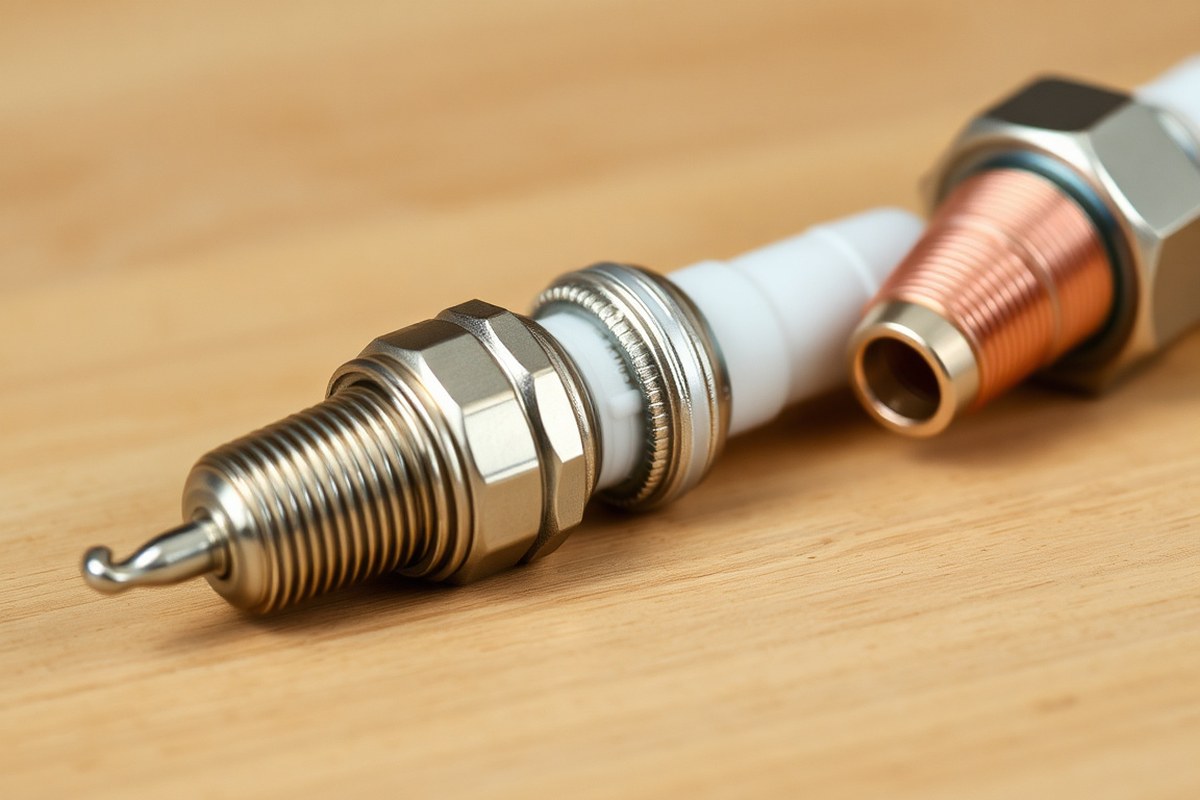
Iridium spark plugs generally outperform copper and platinum types in several key areas, including longevity, performance, and reliability. This advantage stems largely from iridium’s high melting point of 2,426°C and its fine-wire center electrode, which typically measures about 0.4 mm in diameter. This size allows iridium plugs to produce a more concentrated spark compared to copper’s 2.5 mm or platinum’s 1.1 mm electrodes, resulting in better ignition efficiency and more consistent performance over time.
Iridium spark plugs stand out for their exceptional durability. They resist wear and corrosion well, allowing them to run up to 120,000 miles, which is longer than platinum plugs that usually last around 60,000 to 80,000 miles. Copper plugs tend to wear out faster and can overheat more easily. Iridium also performs reliably under the high heat conditions that occur in modern engines, especially during tough driving or in performance cars.
Performance-wise, iridium plugs provide lower voltage requirements for ignition compared to copper and platinum, improving engine efficiency and firing reliability. This translates to smoother starts, reduced misfires, and potentially improved fuel economy. While these improvements are more noticeable in modern or modified engines that demand consistent spark quality, older or less demanding engines may not experience significant performance gains from switching to iridium.
The tradeoff for these benefits is the cost. Iridium plugs typically cost between $15 and $25 each, which can be up to four times the price of platinum or copper plugs that usually range from $5 to $10 per plug. However, their longer lifespan and more consistent ignition can offset this higher upfront cost by reducing the frequency of spark plug replacements and helping the engine run more smoothly for longer periods.
In practical terms, choosing iridium spark plugs makes the most sense if you want more durable plugs that maintain performance over long intervals, especially if your engine operates under strenuous conditions or you drive a high-performance vehicle. Platinum plugs offer a good middle ground, delivering better durability than copper at a moderate price but lacking iridium’s extreme hardness and ignition consistency. Copper plugs might still be suitable for budget-conscious owners or older engines that don’t require the advanced properties of iridium or platinum.
Iridium spark plugs deliver clear benefits in spark performance and lifespan compared to copper and platinum alternatives. This makes them a better option for drivers looking for reliable, long-lasting plugs that can support stable engine performance, particularly in newer or higher-demand vehicles.
How Do Iridium Spark Plugs Work Compared to Copper and Platinum?

Iridium spark plugs stand out from copper and platinum plugs mainly due to their electrode material and design. Iridium’s higher melting point and finer electrode allow it to deliver a more focused spark, improving ignition reliability and fuel combustion efficiency. These properties translate into longer-lasting performance and better overall engine operation, especially in modern vehicles.
Iridium’s Material Properties
Iridium electrodes feature a metal with an exceptionally high melting point of about 4,428°F (2,443°C), much higher than copper’s 1,985°F (1,085°C) and platinum’s roughly 3,220°F (1,776°C). This heat resistance enables iridium spark plugs to withstand the intense combustion chamber environment without degrading quickly. Iridium is six times harder and eight times stronger than platinum, providing increased durability under mechanical and thermal stress.
This superior melting point and strength allow iridium plugs to maintain a consistent spark gap and resist erosion better, resulting in a longer lifespan, typically over 100,000 miles, compared to 20,000-40,000 miles for copper and 50,000-70,000 miles for platinum spark plugs. However, iridium’s higher durability comes with a cost premium, reflective of the material’s high market price used in the small electrode tips.
Electrode Design Differences
The most visible difference is electrode size: iridium spark plugs use a fine-wire center electrode around 0.4 mm in diameter. In contrast, copper plugs typically have larger 1.0 mm electrodes. Platinum plugs tend to have an intermediate size but usually pair a platinum-tipped center electrode with a platinum disc ground electrode, trading off size for durability.
This thinner iridium electrode design concentrates the electric spark in a smaller area, making ignition quicker and more efficient. The smaller size reduces the voltage required to create a spark, which means less strain on the ignition coil and electrical system. This design also helps the plug resist carbon buildup and keeps the spark gap more stable over time.
Impact on Spark and Combustion
The combination of iridium’s material strength and fine electrode improves spark quality and combustion efficiency. A focused, consistent spark that requires less energy shortens ignition time, supporting more complete fuel combustion. Improved combustion directly contributes to better fuel economy and smoother engine performance, especially noticeable during acceleration and high engine loads.
Because iridium plugs maintain their spark gap better than copper or platinum, they help avoid misfires and rough idling that may occur as plugs age or degrade. This reliability in spark production can improve emissions control and prolong engine component life by reducing carbon deposits inside the cylinder.
Always follow your vehicle manufacturer’s recommendations for spark plug type and gap settings to avoid engine damage or voiding the warranty.
| Feature | Copper Spark Plug | Platinum Spark Plug | Iridium Spark Plug |
|---|---|---|---|
| Center Electrode Diameter | About 1.0 mm | Approximately 0.6 – 0.8 mm | Approximately 0.4 mm |
| Melting Point | 1,085 °C (1,985 °F) | 1,776 °C (3,220 °F) | 2,443 °C (4,428 °F) |
| Electrode Hardness and Strength | Lowest | Medium | Highest |
| Lifespan (miles) | 20,000 – 40,000 | 50,000 – 70,000 | 70,000 – 100,000+ |
| Spark Consistency | Good but degrades | Very good, more stable | Excellent, most consistent |
| Heat Operating Condition | Runs cooler | Moderate heat tolerance | Runs hotter and withstands heat better |
How Long Do Iridium Spark Plugs Last Versus Other Types?
Iridium spark plugs usually last between 60,000 and 120,000 miles, significantly outlasting copper and platinum types. Copper plugs generally require replacement after 20,000 to 40,000 miles, while platinum plugs tend to wear out between 50,000 and 70,000 miles. This increased lifespan is why many modern vehicles prefer iridium plugs, particularly if longer maintenance intervals are desired.
Typical Mileage Ranges for Different Types
Spark plug lifespan varies widely depending on the material used in their construction. Copper spark plugs offer the shortest life, generally needing replacement between 20,000 and 40,000 miles. Platinum plugs improve on copper by lasting roughly 50,000 to 70,000 miles, providing steadier performance across more miles.
Iridium spark plugs outperform both copper and platinum variants on longevity. They usually last between 60,000 and 120,000 miles, sometimes reaching as high as 150,000 miles. This extended life is due to iridium’s high melting point and resistance to wear, making these plugs more durable under the stress of engine heat and combustion pressures.
| Spark Plug Type | Typical Lifespan (Miles) | Durability Characteristics |
|---|---|---|
| Copper | 20,000 – 40,000 | Quick wear, good conductivity, least durable |
| Platinum | 50,000 – 70,000 | More resistant to corrosion, longer lasting than copper |
| Iridium | 60,000 – 120,000 (up to 150,000) | Highly resistant to wear and corrosion, longest lifespan |
Price plays a role when thinking about plug lifespan. For example, copper plugs might cost $5 each and serve about 30,000 miles, while iridium plugs could be $15 each but last up to 90,000 miles. Comparing these numbers helps you weigh initial expenses against the convenience of less frequent replacements.
Common Causes of Spark Plug Wear
Spark plugs wear out due to heat, corrosion, and erosion caused by the combustion process. High temperatures inside the engine cause electrode material to degrade over time. Copper plugs wear fastest because their electrodes are softer and less resistant to heat and erosion.
Platinum and iridium plugs resist corrosion better, but rough driving conditions, engine deposits, and extended idling can still shorten their lifespan. Contaminants like oil or fuel deposits on the spark plug tip also impair spark quality, accelerating wear. Incorrect ignition timing or overly rich fuel mixtures increase stress and heat, contributing to faster erosion.
Maintenance Tips to Extend Lifespan
Routine maintenance helps maximize spark plug life. Regularly check the plugs for signs of wear, fouling, or deposits every 30,000 to 50,000 miles depending on your plug type and driving style. Cleaning deposits or replacing plugs before they fail prevents engine misfires and efficiency drops.
Using the right spark plug gap and torque during installation also affects performance and longevity. Avoid excessive tightening, which can damage the plug or cylinder head, or allow gaps that lead to weak sparks. Following the vehicle manufacturer’s replacement interval recommendations ensures you swap plugs before wear causes problems.
Driving habits matter, too. Avoid extended idling and aggressive acceleration that raise combustion chamber temperatures. Keeping your engine properly tuned with good fuel quality and clean air filters supports healthier spark plugs and better overall engine health.
Do Iridium Spark Plugs Improve Engine Performance and Efficiency?
Iridium spark plugs improve engine performance by delivering a more consistent and powerful spark, which results in more efficient ignition of the air-fuel mixture. The center electrode of iridium plugs is made of a fine wire that requires less voltage to generate a spark. This lower voltage need allows the ignition system to work more effectively, improving combustion inside the engine’s cylinders. Improved combustion translates to smoother engine operation, better acceleration, and a slight increase in horsepower, particularly noticeable in vehicles with high-performance or advanced ignition systems.
One practical effect of this improve ignition quality is better fuel economy. Because iridium plugs ignite fuel more reliably and thoroughly, engines can run closer to their optimum air-fuel ratio. This reduces wasted fuel, which means more miles per gallon. Although the fuel savings might not be huge enough to dramatically reduce gas expenses, many drivers notice improved efficiency after switching to iridium plugs. This improvement also contributes to fewer unburned fuel emissions, lowering the engine’s environmental impact.
Iridium’s durability protects the spark plug from corrosion and fouling, which helps maintain smooth engine starts and stable operation. Conventional copper plugs can wear faster under the same conditions, sometimes causing shuddering or misfires during ignition. The fine-wire iridium electrodes resist erosion at high temperatures inside the combustion chamber, which generally maintain consistent performance throughout their lifespan, often between 70,000 and 100,000 miles. This consistency reduces ignition delays and contributes to smoother acceleration.
The increase in horsepower is usually modest but measurable. For example, some brands like NGK report that their iridium plugs contribute to horsepower gains because of the more efficient spark energy transfer. This improvement in spark quality allows the engine to reach higher performance levels, benefiting acceleration, especially when merging onto highways or hauling light loads.
Overall, iridium spark plugs offer a balance of longevity and efficiency benefits for most gasoline-powered vehicles. They cost more than copper or platinum plugs, often between $15 and $30 each, but their increased life and performance can justify the price for daily drivers and performance enthusiasts alike. The gains in fuel economy and emissions reduction are incremental but make driving smoother and the engine more reliable under typical conditions.
When Are Iridium Spark Plugs Worth the Extra Cost?
Iridium spark plugs come with a noticeably higher upfront cost compared to copper and platinum plugs. However, the decision to invest in iridium plugs depends largely on your vehicle type, how you drive, and whether you want to minimize the frequency of replacements. For daily driving in common passenger cars, the premium price may not offer a significant advantage because these vehicles rarely demand the durability that iridium provides.
The real value of iridium plugs shows up in specific scenarios. Vehicles with V6 or V8 engines, luxury models, turbocharged or high-performance cars benefit most because their engines run hotter and harder. Iridium’s fine electrode design and material strength allow these plugs to last up to 60,000 to 120,000 miles, compared to 30,000 to 50,000 miles for platinum plugs. The less frequent replacements and consistent performance can justify paying 2 to 3 times more upfront.
Comparing cost to lifespan helps you evaluate your return on investment (ROI). Below is a table estimating the cost-effectiveness based on typical retail prices and replacement intervals. Price ranges vary by brand and market, but these numbers give a general idea:
| Plug Type | Price per Plug ($) | Average Lifespan (miles) | Number of Replacements per 120,000 miles | Total Cost for 120,000 miles ($) |
|---|---|---|---|---|
| Copper | 3 – 5 | 20,000 – 30,000 | 4 – 6 | 12 – 30 |
| Platinum | 8 – 12 | 30,000 – 50,000 | 2.4 – 4 | 19.2 – 48 |
| Iridium | 12 – 20 | 60,000 – 120,000 | 1 – 2 | 12 – 40 |
This table illustrates how iridium plugs, despite a higher unit price, can match or beat total costs compared to copper or platinum over a long mileage span. Your driving habits and engine accessibility factor into this decision. For example, engines that are difficult to reach increase labor costs, making fewer replacements a substantial saving. To decide if iridium spark plugs are worth the extra cost, use this checklist:
- Identify your vehicle type: high-performance, turbocharged, V6/V8, or luxury models lean toward iridium.
- Consider your average annual mileage: higher mileage favors longer-lasting iridium plugs.
- Evaluate labor difficulty: hard-to-access spark plugs increase benefit from fewer replacements.
- Check your budget for upfront costs vs. Willingness to replace plugs more often.
- Consider driving style: aggressive drivers place more stress on spark plugs, favoring iridium.
Choose iridium spark plugs if your vehicle runs hot or is hard to service, as the extended lifespan reduces overall maintenance effort and cost.
The final choice depends on balancing sticker price with long-term expense and convenience. If your car fits the profile that benefits most and you prefer longer intervals between maintenance, iridium plugs often justify their higher price tag. Otherwise, platinum or copper plugs might suffice for everyday driving with lower upfront costs.
Can You Replace Platinum Spark Plugs with Iridium Plugs Safely?
You can replace platinum spark plugs with iridium plugs safely as long as you ensure compatibility, follow manufacturer recommendations, and install them correctly. Iridium plugs generally offer better durability and performance, but the swap won’t improve your engine if the heat range or gap settings don’t match your vehicle’s requirements. Mixing plug types is possible if the heat range is the same, but using the exact spark plug type recommended by the vehicle maker is safer for consistent operation and longevity.
Iridium plugs require careful handling during installation to avoid damaging the fine iridium tip, which can affect spark quality. The gap must be set precisely, as iridium plugs often come pre-gapped, but double-checking saves problems. Using a torque wrench to tighten plugs to the exact torque avoids damage or poor contact. Not following these steps can cause misfires, lower fuel efficiency, or cause your spark plugs to wear out sooner.
Before replacing your plugs, verify your vehicle’s manual or a trusted parts guide for compatible iridium plugs matching your engine’s heat range and thread size. Also, consider buying a plug set from a reputable brand since not all iridium spark plugs perform equally well. The initial cost is higher than platinum plugs, generally running $8 to $15 each, but the longer service life and performance justify the investment for many drivers. Follow this step-by-step checklist to replace platinum plugs with iridium plugs properly:
- Confirm plug specifications: Check the owner’s manual or the manufacturer’s website to match thread size, heat range, and gap specifications for your vehicle.
- Gather necessary tools: You will need a spark plug socket, ratchet wrench, torque wrench, and a gap tool if adjustment is required.
- Prepare the engine: Let the engine cool completely to avoid damage and make removing the spark plugs simpler.
- Remove old spark plugs: Detach wiring or ignition coils carefully, then unscrew the platinum plugs without scraping them against surrounding parts.
- Check and adjust the gap: Using a gap tool, verify the iridium plug’s gap matches the required specification, adjusting gently if necessary.
- Install iridium spark plugs: Screw in by hand to avoid cross-threading, then tighten with a torque wrench to the manufacturer’s recommended setting, usually between 13 and 22 ft-lbs depending on the vehicle.
- Reconnect wiring or coils: Attach ignition components firmly but without force.
- Test the engine: Start the vehicle and listen for smooth operation without misfires or hesitation.
Following these steps helps ensure the new iridium plugs function well within your engine system. Avoid overtightening, which can cause damage, or undertightening, which may lead to poor contact and spark issues. Pay special attention to handling the iridium tip carefully, as damage to the electrode significantly reduces plug effectiveness. Vehicles that need certain spark plugs for emission controls or advanced ignition systems should be checked by a mechanic before changing plugs.
Common Spark Plug Installation Mistakes and How to Avoid Them
Common installation mistakes damage spark plug performance, regardless of whether you use iridium, platinum, or copper plugs. Gapping errors, incorrect torque, and the use of wrong tools are some of the most frequent issues. Proper gap setting ensures the spark plug fires efficiently, while over- or under-tightening can lead to thread damage or misfires.
Improper gapping affects the spark plug’s ability to ignite the fuel-air mixture correctly. Most modern vehicles require a specific gap range, generally between 0.028 and 0.060 inches, but you should check your owner’s manual or vehicle service guide for exact specs. If the gap is too wide, the spark might be weak or inconsistent; if too narrow, the spark might not be strong enough to ignite the mixture effectively.
Applying the correct torque prevents stripping the threads in the engine cylinder head or breaking the plug itself. Spark plugs usually require torque between 13 and 22 foot-pounds, depending on the make and model. Use a torque wrench to tighten them evenly and accurately. Avoid using air tools or hand tools without torque feedback, as they easily over-tighten or leave plugs too loose. To ensure correct installation and optimal spark plug performance, follow this checklist and step-by-step guide:
- Check the Spark Plug Gap: Use a feeler gauge to measure the gap. Adjust it gently by bending the ground electrode if needed to match your vehicle’s specification.
- Inspect the Spark Plug: Look for any visible damage, cracks, or dirt. Replace it if damaged. Use a clean, dry cloth to wipe the threads and seat area.
- Apply Anti-Seize Compound Sparingly (If Recommended): Some manufacturers suggest a light coating on the threads, but many iridium plugs have plated threads that don’t require it. Check your plug’s instructions.
- Hand-Thread the Spark Plug: Screw the plug in by hand to avoid cross-threading. It should turn easily at first.
- Tighten with a Torque Wrench: Using your vehicle’s manual for the correct torque, tighten the plug. Typically, new plugs require around 18 foot-pounds, while reused ones might need less.
- Recheck and Finalize Installation: Confirm the spark plug is flush and seated properly. Double-check the gap after installation if you removed any protective coatings during handling.
This careful approach helps avoid brittle damage to iridium plugs, which, despite their durability, can be compromised by excessive force. Using proper tools and measuring equipment costs less than $30 and saves engine repair costs later. Taking around 15 to 30 minutes per spark plug is normal for DIY installation if you have the right tools. A clean, correctly gapped, and properly torqued spark plug will run cooler and last longer.
How to Choose the Right Spark Plug for Your Vehicle and Driving Style
Choosing the right spark plug depends on your vehicle’s engine type, how you drive, and your budget. You want plugs that fit your engine’s design, match your driving conditions, and offer the best balance of performance and maintenance costs.
Matching Plugs to Vehicle Type
Different engines require spark plugs that meet specific heat ranges and electrode designs to run efficiently. Manufacturers usually recommend a plug type and gap suited for the combustion chamber size and ignition system. For most modern, fuel-injected vehicles, iridium or platinum plugs offer good longevity and performance. Older or simpler engines might perform well with copper plugs, which cost less but wear out faster. Here’s a quick comparison to match plug types with your vehicle:
| Vehicle Type | Recommended Plug Type | Why |
|---|---|---|
| Modern passenger cars and light trucks | Iridium or Platinum | Long lifespan, reliable ignition, better fuel economy |
| Older vehicles with carbureted engines | Copper | Better conductivity, lower initial cost, but shorter life |
| High-performance engines | Iridium | Withstands higher stress and temperature, improves ignition |
| Heavy-duty or commercial vehicles | Iridium or Platinum | Durability under extreme use and conditions |
Adjusting Choice for Driving Habits
How you drive and where you drive makes a big difference. Frequent stop-and-go traffic, rough roads, high altitude, and extreme temperatures stress spark plugs more. Iridium plugs are more resistant to fouling and degradation in these conditions thanks to their fine electrode design and durability. Consider these factors:
- Stop-and-go urban driving
- Regular long-distance highway travel
- Mountainous or hilly terrain requiring steep climbs
- Extreme weather conditions like very hot summers or icy winters
- Off-road or rough road usage
Drivers who often face these conditions benefit most from iridium plugs’ extended life and stable performance. For mostly highway driving or mild climates, platinum plugs may offer a good balance of cost and durability. Copper plugs tend to need more frequent replacement under any demanding scenario.
Always check your vehicle’s owner manual or consult a mechanic before switching spark plug types to avoid engine damage or poor performance.
Considering Cost and Maintenance
Iridium spark plugs generally cost between $8 and $15 each, which is about two to three times more expensive than copper or platinum plugs. Their durability allows you to replace them less frequently, usually every 60,000 to 100,000 miles, compared to copper plugs that need changing every 20,000 to 30,000 miles, helping balance out the initial higher price.
Balancing budget and convenience means considering your willingness to replace plugs more frequently versus paying for longer-lasting ones. Remember to factor in labor costs if you’re not installing plugs yourself, which can add $50 to $100 per replacement. Here is a simple decision checklist you can follow:
- Confirm your vehicle’s recommended spark plug type and gap
- Assess driving conditions, urban, rural, highway, or extreme environments
- Decide how often you want to replace plugs, shorter intervals for copper, longer for iridium/platinum
- Compare costs of plugs and installation
- Choose iridium if you need durability and can invest upfront
- Opt for platinum if you want a mid-range option
- Use copper only if your vehicle requires it and you can maintain frequent replacements
Step-by-Step Action Plan for Choosing and Using Iridium Spark Plugs
Follow this plan to determine if iridium spark plugs suit your vehicle and get the best results from them.
- Before you buy: Check your vehicle’s owner manual for recommended spark plug types and gap sizes to ensure compatibility.
- Day 1: Purchase iridium spark plugs that match your engine’s specifications and driving conditions.
- Day 2: Replace your old spark plugs following your vehicle’s service intervals or if performance issues arise.
- Day 2: Use proper tools and torque settings when installing plugs to avoid damage and ensure correct seating.
- Week 4: Monitor engine start-up, idling smoothness, and fuel economy to spot early signs of improvement.
- Month 6: Conduct a basic tune-up check or ask a mechanic to inspect spark plugs for wear and proper function.
- Year 4 or 5: Plan to replace iridium spark plugs according to your car’s maintenance schedule, as they last longer than other types.
Frequently Asked Questions
What Makes Iridium Spark Plugs Last Longer Than Copper Ones?
Iridium spark plugs last longer because iridium has a much higher melting point, about 2,426°C, compared to copper’s 1,085°C. This heat resistance means iridium plugs can handle higher temperatures without wearing down as fast, extending their lifespan significantly.
Can Iridium Spark Plugs Cause Engine Overheating?
Iridium spark plugs themselves don’t cause engine overheating, but copper plugs handle heat differently. Some say copper plugs cool faster, so iridium plugs might feel hotter in extreme cases, but that’s related to engine design, not a fault with the plugs.
Are Iridium Spark Plugs Suitable for All Vehicle Types?
Iridium spark plugs work best in high-performance or modern engines with advanced ignition systems but might not be necessary for older or standard engines. Choosing the right plug depends on your vehicle’s design and driving conditions.
Do Iridium Spark Plugs Improve Fuel Efficiency Noticeably?
Iridium spark plugs help engines run smoother and more efficiently, which can boost fuel economy slightly. The improved spark quality from iridium reduces wasted fuel during combustion, aiding better mileage under normal driving.
How Much More Do Iridium Spark Plugs Cost Compared to Other Types?
Iridium spark plugs usually range from $15 to $25 each, which is about two to four times the cost of copper or platinum plugs that sell for $5 to $10. The extended durability and improved performance can make the higher price worthwhile.
What Are Common Mistakes When Installing Iridium Spark Plugs?
Over-tightening or cross-threading iridium spark plugs can damage the threads or affect seal quality. Using a torque wrench and following manufacturer specs ensures proper installation and prevents premature plug failure.
Wrapping Up
Iridium spark plugs offer long life and stable performance, making them a strong choice if your vehicle supports them and your driving style demands reliability. They often improve efficiency and reduce wear compared to copper or platinum plugs. Start by confirming your car’s spark plug needs, then follow proper installation practices to get the best results from iridium plugs. Consider replacing your plugs with iridium if you want less frequent maintenance and steady engine performance over time.


