Is Jeep Wrangler 4 Wheel Drive? A Complete Guide to Its 4WD Systems
Is Jeep Wrangler 4 wheel drive? Yes, the Jeep Wrangler is a 4-wheel drive vehicle by design, with most models featuring this system from the factory. This 4WD setup provides strong traction and control, making it a top choice for off-road and mixed driving conditions. To start using 4WD, engage the system according to your model’s procedure, improving your Jeep’s capability instantly.
Key Takeaways
- Most Jeep Wrangler models come equipped with four-wheel drive from the factory for improve off-road performance.
- The 4WD system is always active on Wranglers and Grand Cherokees, requiring no driver activation to benefit from it.
- Different Jeep models offer either two-wheel drive or four-wheel drive, so check your specific model carefully.
- The PHEV Jeep Wrangler 4xe provides 4WD with electric assistance but is not available in markets like the UK.
- Learning how to engage 4WD modes correctly on your Wrangler improves traction and vehicle control on tough terrain.
- Many Wrangler owners report high satisfaction with their vehicle’s 4WD off-road capabilities, highlighting its reliability.
Is the Jeep Wrangler a 4-Wheel Drive Vehicle?
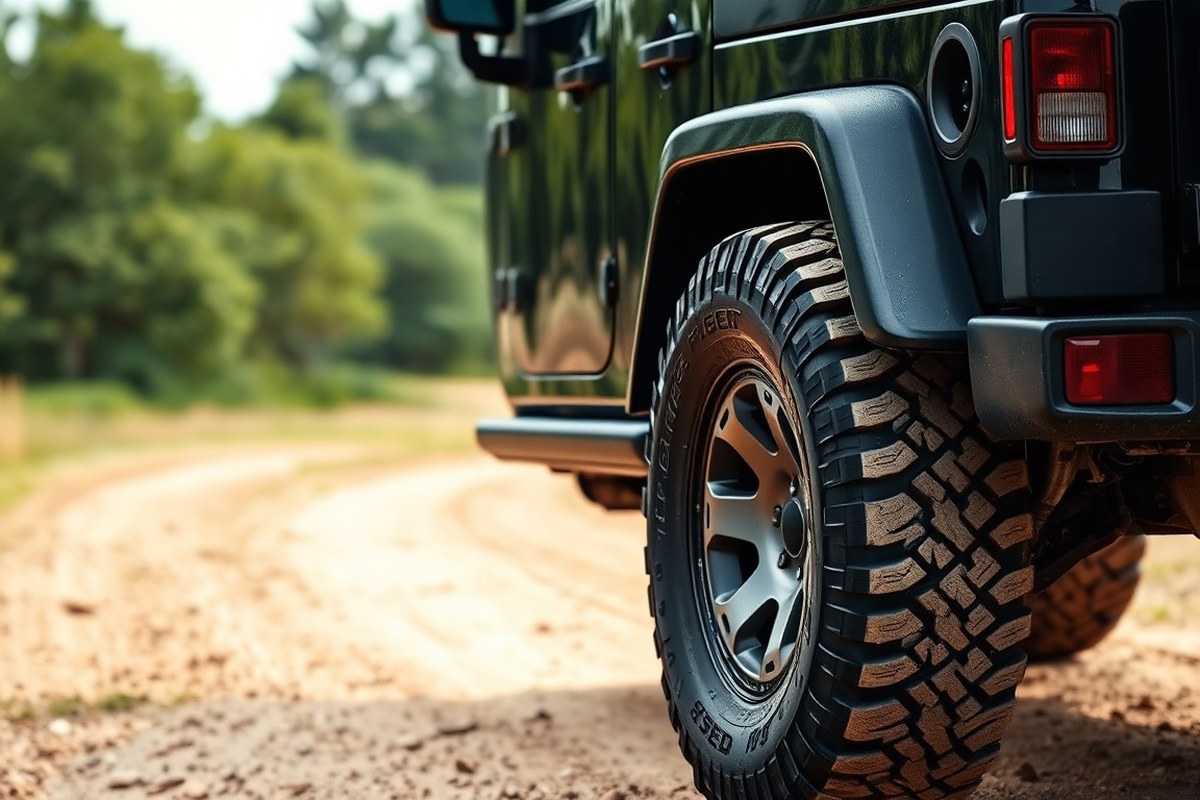
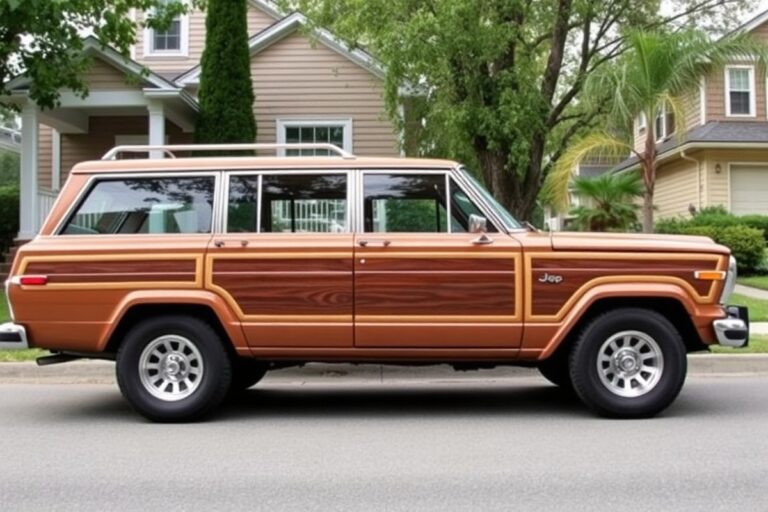
The Jeep Wrangler is a 4-wheel drive (4WD) vehicle by default, making it well suited for off-road driving and challenging road conditions. Most Wrangler models come equipped with 4WD from the factory, ensuring power is delivered to all four wheels for improved traction and control across various terrains. This setup is one of the defining features of the Wrangler line, favored by off-road enthusiasts and daily drivers alike for its capability in mud, snow, and rocky trails.
However, not every Jeep in the broader lineup offers 4WD, and some Jeep models are available with two-wheel drive (2WD) options. For example, while the Wrangler and Grand Cherokee models are primarily found with 4WD, other Jeep models such as the Compass, Renegade, or Cherokee may come in either 4WD or 2WD versions depending on the trim and configuration. This variation can cause confusion for buyers seeking a fully capable 4WD vehicle.
Specifically within the Wrangler range, nearly all trims come standard with 4WD, including popular versions like the Sport, Sahara, and Rubicon. These trims feature various types of 4WD systems, including advanced setups with locking differentials and low-range gears for extreme off-road use in models like the Rubicon. The presence of 4WD in these models means you do not have to manually activate or retrofit the system; it is built into the vehicle’s drivetrain and ready to engage when needed.
When choosing a Jeep Wrangler, it’s important to confirm the trim and drivetrain configuration, especially if you are shopping used or comparing exact models. Some special editions or older models may vary, but current production Wranglers consistently include the 4WD feature. The investment in a 4WD system adds to the vehicle’s cost, generally ranging in the low to mid $30,000s for base models, with higher trims reaching above $50,000 depending on options, but it strongly improve the vehicle’s versatility and off-road performance.
The 4WD system in the Wrangler operates automatically or can be manually controlled depending on the model year and trim, giving drivers the flexibility to optimize traction according to road conditions. This capability underlies the Wrangler’s reputation and is a major reason over 80% of owners report satisfaction with its off-road use, according to Power in 2022.
In summary, the Jeep Wrangler comes equipped with 4WD as a standard feature across its lineup, distinguishing it within the Jeep family and among comparable SUVs. This drivetrain design ensures superior handling and meets the needs of those seeking an adventurous driving experience on and off the pavement. Checking the specific model and trim confirms 4WD comes standard, so buyers aiming for true off-road readiness can choose the Wrangler with confidence.
How Jeep Wrangler’s 4WD System Works in Practice
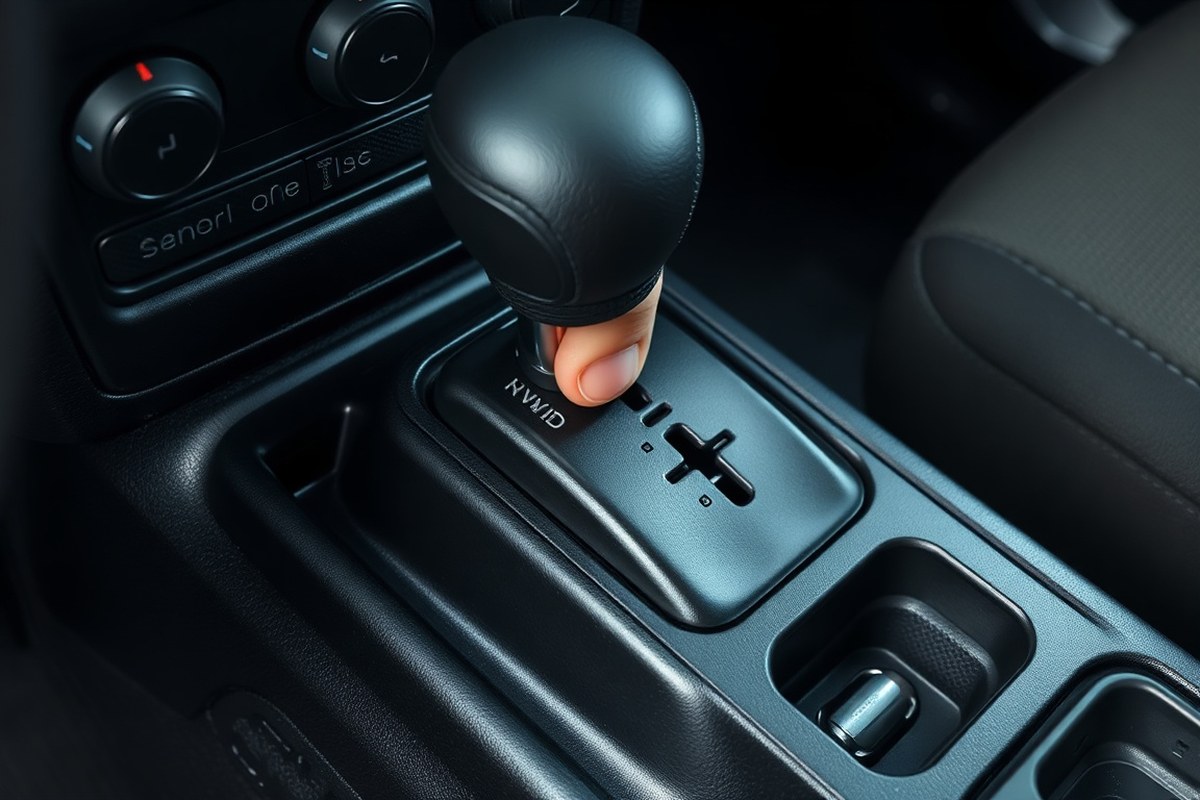
The Jeep Wrangler’s 4-wheel drive (4WD) system provides improve traction by sending power to all four wheels. You can switch between different 4WD modes depending on driving conditions. Knowing how to engage these modes and how torque distributes helps you handle various terrains effectively.
Steps to Engage 4H and 4L Modes
Engaging the Wrangler’s 4WD modes is straightforward but requires following specific steps to ensure the system operates correctly. The two main modes, 4H (four-high) and 4L (four-low), serve different purposes, with 4H for moderate off-road or slippery surfaces and 4L for very rough terrain or steep inclines. Switching to 4H can usually be done while moving, while 4L often requires the vehicle to be stopped or in neutral.
- Stop the vehicle or slow down to less than 5 mph, especially when shifting to 4L.
- Shift the transmission to neutral when switching to or from 4L mode to avoid damage.
- Locate the 4WD selector lever or switch on the center console.
- Shift the lever from 2H (two-wheel high) to 4H (four-wheel high) for driving on snow, ice, or wet pavement; this can typically be done while moving slowly.
- Shift the lever to 4L (four-wheel low) when you need maximum torque and traction for off-road climbing, deep mud, sand, or steep descents.
- Wait for the 4WD indicator light on the dashboard to confirm the system is engaged.
- Drive cautiously on rough terrain, as 4L provides powerful torque but lower speeds.
Avoid shifting into 4L while the vehicle is moving faster than 5 mph, as this can damage the transfer case.
Understanding Part-Time 4WD Operation
The Jeep Wrangler uses a part-time 4WD system. This means the vehicle normally operates in rear-wheel drive (2WD) to save fuel during regular driving. You engage 4WD when you need extra traction. The system prevents damage on dry pavement by not allowing 4WD to be engaged continuously at high speeds or on hard surfaces.
Part-time 4WD systems don’t have a center differential, so both front and rear axles are locked together when 4WD is engaged. This keeps the wheels turning at the same speed, which helps off-road but can cause drivetrain binding or wear if used on dry, paved roads or sharp turns. This is why switching back to 2WD on normal surfaces is necessary to avoid excessive tire wear and drivetrain stress.
How Torque Distribution Works in 4WD
When you engage 4WD in your Jeep Wrangler, torque distributes to both the front and rear axles. This helps maintain traction on slippery or uneven terrain by powering all four wheels. The system uses a transfer case that redirects power from the transmission to the front driveshaft and rear driveshaft.
The distributor inside the transfer case manages torque flow using a brake-lock differential. This mechanism applies braking force to a slipping wheel, transferring torque to the wheels that maintain grip. This improves the Wrangler’s ability to move forward when one or more wheels lose traction, especially useful in mud, snow, or rocky conditions.
In 4H mode, torque is split evenly for moderate off-road or poor road conditions. In 4L mode, the system multiplies torque and reduces speed, allowing you to crawl over tough obstacles and maintain control on steep grades. This torque multiplication can significantly boost your ability to tow or maneuver in extreme terrain but comes at the cost of lower maximum speed.
Understanding Different 4WD Systems on Jeep Wrangler Models
Jeep Wrangler models come equipped with different 4WD systems depending on the trim and year, each designed to handle distinct driving conditions and terrain types. The primary 4WD systems available are Rock-Trac, Command-Trac, and Selec-Trac. Understanding these systems helps you pick the right Wrangler for your off-road needs and know how to use it effectively.
The Rock-Trac system is a top-tier 4WD setup primarily on Rubicon models. It offers a 4:1 low range gear reduction, boosting torque to the wheels at low speeds for navigating tough rock and rough ground. This system also has locking differentials on both front and rear axles, ensuring each wheel spins evenly for better grip. It’s designed for off-road drivers who demand precise control and strength in difficult conditions.
Command-Trac is standard on many Sahara and some Sport trims. It’s a part-time 4WD system with high and low range settings, allowing you to shift into low range for slow-speed crawling or steep climbs. Unlike Rock-Trac, it doesn’t have locking differentials but still provides strong off-road capability and better fuel economy when in 2WD mode on pavement.
Selec-Trac is a full-time 4WD system offered on some newer Wranglers and the 4xe plug-in hybrid (PHEV) models. It can automatically switch between 2WD and 4WD on dry pavement for better traction and fuel efficiency. Selec-Trac offers high and low range gearing without locking differentials and suits drivers who spend a mix of time on-road and light off-road conditions. It balances capability and convenience without requiring manual shifts in many scenarios.
| 4WD System | Transfer Case | Drive Modes | Low Range Gear Ratio | Locking Differentials | Best For |
|---|---|---|---|---|---|
| Rock-Trac | Heavy-duty | 2H, 4H, N, 4L | 4:1 | Front and Rear | Serious off-road, rock crawling |
| Command-Trac | Standard | 2H, 4H, N, 4L | 2.72:1 | No | Trail driving, mixed terrain |
| Selec-Trac | Medium-duty | 4 Auto, 4H, N, 4L | 2.72:1 | No | Mixed on-road/off-road, improved fuel economy |
Choosing the right 4WD system depends on your typical usage. Rock-Trac suits you if you frequently tackle rocks, mud, or steep inclines where maximum traction and torque are critical. Command-Trac gives solid off-road capability and may handle more routine trail driving or dirt roads. Selec-Trac works well if you want a balance of daily driving ease with occasional off-road capability, thanks to its automatic mode and decent gear reduction.
Most Wrangler trims come standard with part-time 4WD systems, but some base trims may still offer rear-wheel drive configurations. The plug-in hybrid Wrangler 4xe uses Selec-Trac and Rock-Trac systems similar to the gas models but adds functionality that blends electric and mechanical power for efficiency. Making the right choice here saves you from unexpected traction issues or inefficient fuel use while offering the trail performance you want.
Model Variations and 4WD Availability in the Jeep Lineup
Most Jeep models come equipped with 4-wheel drive (4WD) as either standard or optional, but some variants focus on rear-wheel or front-wheel drive depending on their design and purpose. When considering off-road use or tough driving conditions, knowing which Jeep models offer 4WD is key because 4WD provides better traction and towing capabilities than 2-wheel drive (2WD). The Jeep Wrangler lineup specifically has no factory 2WD versions available, so every Wrangler you buy features 4WD in some form.
The Wrangler’s 4WD systems have evolved over the years, with notable changes in newer model years improving ease of use and performance. Engine selections also affect the 4WD experience, factoring into torque delivery and towing capacity. For buyers focused on off-road capability, 4WD with locking differentials and advanced control systems is important.
| Jeep Model | 4WD Availability | Notes on 2WD Options |
|---|---|---|
| Jeep Wrangler | Standard 4WD across all models and trims | No factory 2WD Wrangler available |
| Jeep Grand Cherokee | 4WD standard on most trims; 2WD available on base models | Some base trims offer rear-wheel drive only |
| Jeep Cherokee | 4WD optional on most trims | Front-wheel drive standard on lower trims |
| Jeep Compass | 4WD optional | Front-wheel drive standard on base trims |
| Jeep Renegade | 4WD optional | Front-wheel drive standard on base trims |
The Jeep Wrangler is unique among its peers for exclusively featuring 4WD from the factory. Other Jeep models like the Grand Cherokee, Cherokee, Compass, and Renegade often offer 2WD versions to meet different consumer demands for fuel economy or cost savings. Buyers focused on maximum off-road ability should carefully check the drivetrain options on non-Wrangler models to ensure 4WD availability.
Year-to-year changes in Wrangler 4WD systems include improvements such as electronic shift-on-the-fly capabilities, better transfer cases, and improve locking differential options specifically on trims like the Rubicon. These upgrades increase traction, driver control, and reduce the effort required to engage 4WD. Considering these changes is important when shopping for used Wranglers, as older models may lack some advanced features that improve drivability and off-road performance.
To assess if a Jeep fits your 4WD needs, compare models and trims carefully, noting 2WD availability on non-Wrangler vehicles. The Jeep Wrangler guarantees 4WD traction and related benefits, making it a preferred off-road choice without compromise. Keep in mind that specific engine options and model years impact how the 4WD system functions and what terrain or towing demands it can handle best.
When and How to Use Jeep Wrangler’s 4WD Modes Safely
You should use 4H (4 High) for moderate off-road conditions and slippery surfaces at speeds under 50 mph (80 km/h). Reserve 4L (4 Low) for rough terrain requiring maximum torque and control, such as steep climbs, deep mud, or rock crawling. Avoid using 4WD on dry pavement to prevent drivetrain damage and loss of vehicle stability.
Terrain Conditions Ideal for 4H
4H mode provides power to all four wheels with a higher gear ratio, enabling better traction without sacrificing speed. Use 4H on wet or snowy roads, loose gravel, or sandy trails where the surface is slick but you still want to drive at moderate speeds. Shifting to 4H can be done on the fly, as long as your speed stays below 50 mph (80 km/h), which keeps the system safe and responsive.
This mode is not suitable for dry pavement because it can cause binding in the drivetrain and excessive wear. The limited-slip center differential or transfer case locks the front and rear axles together, so turning on hard surfaces can strain components. Use 4H when you anticipate slight to moderate slip rather than for everyday driving conditions.
Best Practices for Engaging 4L
4L mode delivers maximum torque at low speeds by using a lower gear ratio. Engage 4L only when you are stopped or moving very slowly, typically under 2 to 3 mph. It’s designed for extreme situations like rock crawling, deep mud, steep ascents and descents, or tough trail obstacles requiring precise control and power.
Before shifting into 4L, put the transmission in neutral and keep your foot on the brake. This prevents damage to the transfer case and transmission because 4L engages special internal gear sets that deliver more torque but restrict speed. Expect reduced speed and increased fuel consumption when operating in 4L. Exiting 4L follows the same low-speed, neutral-transmission process.
Common 4WD Usage Mistakes to Avoid
Using 4WD incorrectly can lead to costly damage or unsafe driving conditions. Avoid these common errors to protect your Jeep and yourself:
- Engaging 4WD on dry, hard pavement, causing drivetrain binding
- Switching to 4L mode at high speed or without shifting to neutral
- Ignoring recommended speed limits when changing 4WD modes
- Leaving 4WD engaged when it’s unnecessary, which reduces fuel efficiency
- Not maintaining your 4WD system regularly, increasing risk of mechanical failure
Following these rules ensures your Jeep’s 4WD system lasts longer and performs as expected in tough terrain. Besides preserving your vehicle, correct usage helps maintain control, avoiding accidents linked to incorrect traction modes.
Never engage 4L while the vehicle is moving faster than a walking pace or without putting the transmission in neutral; doing so risks severe drivetrain damage.
Fuel Economy and Cost Implications of 4WD on Jeep Wrangler
Equipping a Jeep Wrangler with 4-wheel drive (4WD) impacts both fuel economy and overall ownership costs. You can expect the 4WD system to increase fuel consumption because it adds mechanical complexity and weight. The additional drivetrain components create more friction and require more power to operate, lowering miles per gallon (mpg). Generally, a 4WD Jeep Wrangler uses about 1 to 2 mpg less fuel compared to a similar 2-wheel drive (2WD) model, which can add up with regular driving.
The purchase price difference between 2WD and 4WD Wranglers also matters. 4WD versions include improve transfer cases, extra axles, and heavier-duty suspension parts, which raise the factory sticker price. Repair and maintenance costs tend to be higher on 4WD models because the system has more parts that can wear out or fail. Regular upkeep like differential fluid changes and transfer case servicing take more labor and sometimes use pricier fluids and parts. The table below compares key cost factors between 2WD and 4WD Jeep Wranglers:
| Cost Aspect | 2WD Jeep Wrangler | 4WD Jeep Wrangler |
|---|---|---|
| Average Fuel Economy (mpg) | 20, 22 mpg | 18, 20 mpg |
| Purchase Price Difference | Base Price | Approximately $2,000 to $3,000 more |
| Annual Fuel Cost (15,000 miles, $3.50/gal) | $2,386 to $2,625 | $2,625 to $2,917 |
| Maintenance Costs | Lower due to fewer drivetrain parts | Higher due to additional drivetrain service |
| Repair Costs | Generally lower | Can be significantly higher for transfer case or axle repairs |
Adding 4WD means you pay more not only upfront but over time through higher fuel and maintenance expenses. For example, spending an extra $2,500 at purchase plus about $300 more yearly in fuel costs adds to long-term ownership expenses. Maintenance tasks like changing transfer case fluid every 30,000 miles or servicing locking differentials require extra attention and money compared to 2WD models. Repairing major 4WD components tends to be costlier because parts are more specialized and labor-intensive.
Choosing a 4WD Jeep Wrangler fits best if you plan to regularly drive off-road or in difficult terrains where traction is essential. The extra costs balance out with the capability gain for those driving on snow, mud, or rocky trails. If you mostly drive on paved roads and highways, a 2WD Wrangler may save you money while meeting your needs. For budgeting, consider both the higher initial price and the recurring fuel and maintenance costs associated with 4WD systems on Jeep Wranglers.
Locking Differentials and Off-Road Enhancements on Rubicon 4WD
The Jeep Wrangler Rubicon stands out in the lineup with its locking differentials and Rock-Trac 4WD system. These features work together to improve traction and control in tough off-road environments. They allow the Rubicon to maintain momentum over tricky terrain where standard 4WD systems might struggle.
How Locking Differentials Operate
Locking differentials are mechanisms that force both wheels on the same axle to rotate at the same speed, regardless of traction differences. Normally, if one wheel slips on mud or rocks, it spins freely while the other wheel receives less power. Engaging the lockers directs equal power to both wheels, preventing slip and improving grip. In the Rubicon, you can activate front and rear locking differentials independently via switches inside the cabin, giving you precise control over wheel torque in difficult spots.
These lockers mechanically or electronically lock the axle shafts together, creating a solid connection. This means wheels act as a single unit, ideal for climbing steep inclines, crossing uneven surfaces, or navigating deep ruts. With lockers engaged, the Wrangler maintains forward momentum rather than losing power to a spinning wheel.
Benefits of Rock-Trac and Locking Features
The Rubicon’s Rock-Trac system complements the locking differentials with a low-range 4:1 gear ratio. This gear reduction multiplies torque to the wheels, allowing slow, controlled crawling over obstacles. Coupled with lockers, it ensures maximum traction when precision matters most, such as rock crawling or navigating slippery slopes. The heavy-duty axles and improve suspension also contribute to durability and articulation during extreme off-road maneuvers.
Rubicon’s setup not only excels off-road but also improve confidence in challenging conditions like snow, rain, or loose gravel. Although locking differentials are designed for off-road use, they can help haul through slippery spots on paved roads, especially at low speeds. However, locking them during everyday driving on dry pavement can cause binding and increased tire wear, so it’s best to keep them unlocked during typical street use.
Using Locking Differentials Safely on and Off Road
To get the most out of the locking differentials, engage them only when driving off-road at low speeds. Approach challenging sections like rock gardens, deep mud, or uneven trails by turning on the lockers to maximize traction. Once on stable or paved surfaces, disengage the lockers to avoid drivetrain strain and tire scuffing. This switch can typically be made quickly while stopped or going very slowly.
Lockers demand careful use to avoid mechanical damage. Driving with them engaged on pavement can cause axle binding, increased tire wear, and steering difficulty. Many Rubicon models include indicators to show locker status, so monitor your dashboard lights to ensure proper use. If you plan extensive off-roading, budget for occasional maintenance since lockers and heavy-duty axles undergo more stress than standard setups. Properly managing these features preserves the Rubicon’s longevity and peak performance.
Maintaining and Troubleshooting Jeep Wrangler 4WD Systems
Maintaining your Jeep Wrangler’s 4WD system involves regular checks and servicing to keep it running smoothly and avoid costly repairs. Start with inspecting fluid levels in the transfer case and differentials; these should be checked every 30,000 miles or as recommended in your owner’s manual. Using the correct type of gear oil, usually specified as 75W-90 synthetic for most Wranglers, ensures proper lubrication. Look for signs of leaks, contamination, or discoloration in fluids, which can indicate wear or seal issues.
Common issues in the 4WD system include unusual noises like grinding or clunking when engaging 4WD, difficulty shifting into 4WD modes, or vibrations during driving. These symptoms often trace back to transfer case malfunctions, worn CV joints, or failing differential components. Early detection helps prevent further damage and maintains safe traction outdoors.
- Check transfer case and differential oil levels and change fluids every 30,000 miles.
- Inspect CV joints, driveshafts, and axles for wear or damage.
- Listen for unusual noises during 4WD engagement or while driving.
- Ensure 4WD mode selector engages smoothly without resistance.
- Clean and lubricate locking hubs and differentials when applicable.
- Flush and replace transfer case coolant if your model requires it, following the manual.
- Monitor dashboard indicators for 4WD system warnings or error codes.
When troubleshooting 4WD problems, first confirm the transfer case shifts into the desired mode by manually switching between 2WD, 4WD auto, and 4WD high or low while stationary or moving slowly according to manufacturer instructions. If shifting is difficult or the vehicle fails to engage 4WD, inspect electrical connections on the transfer case control module and related sensors. A scan tool compatible with Jeep diagnostics can reveal error codes related to the 4WD system and guide repairs.
Physical inspections of the driveshaft and CV joints for cracks, torn boots, or excessive play also help identify mechanical failures. Address worn or damaged components promptly, as continued driving can lead to more extensive drivetrain damage. Budget around $100 to $200 for basic fluid servicing, while parts replacement like transfer cases or differentials may run several hundred to over a thousand dollars depending on Jeep model and labor costs at your service shop.
Following the exact fluid types and service intervals listed in your Jeep Wrangler owner’s manual prevents premature 4WD system failures and helps maintain reliable off-road performance.
Step-by-Step Action Plan to Master Your Jeep Wrangler’s 4WD
Get comfortable with your Jeep Wrangler’s 4-wheel-drive capabilities by following these key steps. This plan helps you understand and use your 4WD safely and effectively.
- Before your first drive: Read the owner’s manual section on 4WD modes to identify which system your model has. Confirm you know where the mode selector or lever is located.
- Day 1: Practice shifting from 2WD to 4WD High mode on dry pavement at low speed to hear and feel the engagement. Success means no unusual noises or vibrations.
- First off-road session: Use 4WD High on loose gravel or dirt trails, checking that traction improves and wheel slip reduces as expected.
- Week 1: Try 4WD Low mode on a mild incline or rocky path to experience the added torque and control. Confirm the system activates without any warning lights or hesitation.
- After 2 weeks: Inspect your locking differentials if equipped, engage and disengage them while stationary to ensure smooth operation.
- Month 1: Review your fuel consumption with and without 4WD active to gauge how much the system impacts your mileage in daily driving.
- Ongoing maintenance: Schedule regular checks of the 4WD components, including fluids and electronic sensors, following the manufacturer’s service intervals.
Frequently Asked Questions
Does Every Jeep Wrangler Come with 4-wheel Drive?
Most Jeep Wrangler models come with 4-wheel drive, but availability can differ by trim and region, so check the specific model details.
Can You Manually Switch Between 2WD and 4WD in a Jeep Wrangler?
Yes, some Jeep Wranglers allow you to switch manually between 2WD and 4WD modes for better fuel efficiency on pavement.
How Does 4-wheel Drive Improve Off-Road Performance in a Jeep Wrangler?
The 4WD system sends power to every wheel, which helps maintain traction and control over challenging surfaces such as mud or rocky paths.
Is the 4WD System in a Jeep Wrangler Always Active?
Some Wrangler models have part-time 4WD, requiring driver engagement, while others have systems that are always on for constant traction.
Can Using 4WD on Dry Pavement Damage a Jeep Wrangler?
Engaging 4WD on dry, high-traction surfaces can cause drivetrain wear, so it’s best used on slippery or off-road conditions.
What Maintenance Is Required for Jeep Wrangler’s 4WD System?
Regularly check transfer case fluid and inspect drivetrain components to prevent wear, especially after heavy off-road use.
The Bottom Line
The Jeep Wrangler offers true 4-wheel drive designed to tackle tough terrain and improve traction in challenging conditions. Understanding how and when to engage 4WD modes lets you get the most out of your Jeep’s capabilities while avoiding unnecessary wear or fuel use. Take one step today by testing the 4WD High mode in a safe area, you’ll start noticing how it changes your driving experience immediately.