
What Is the Towing Capacity of a Jeep Wrangler: Detailed Guide with Tips
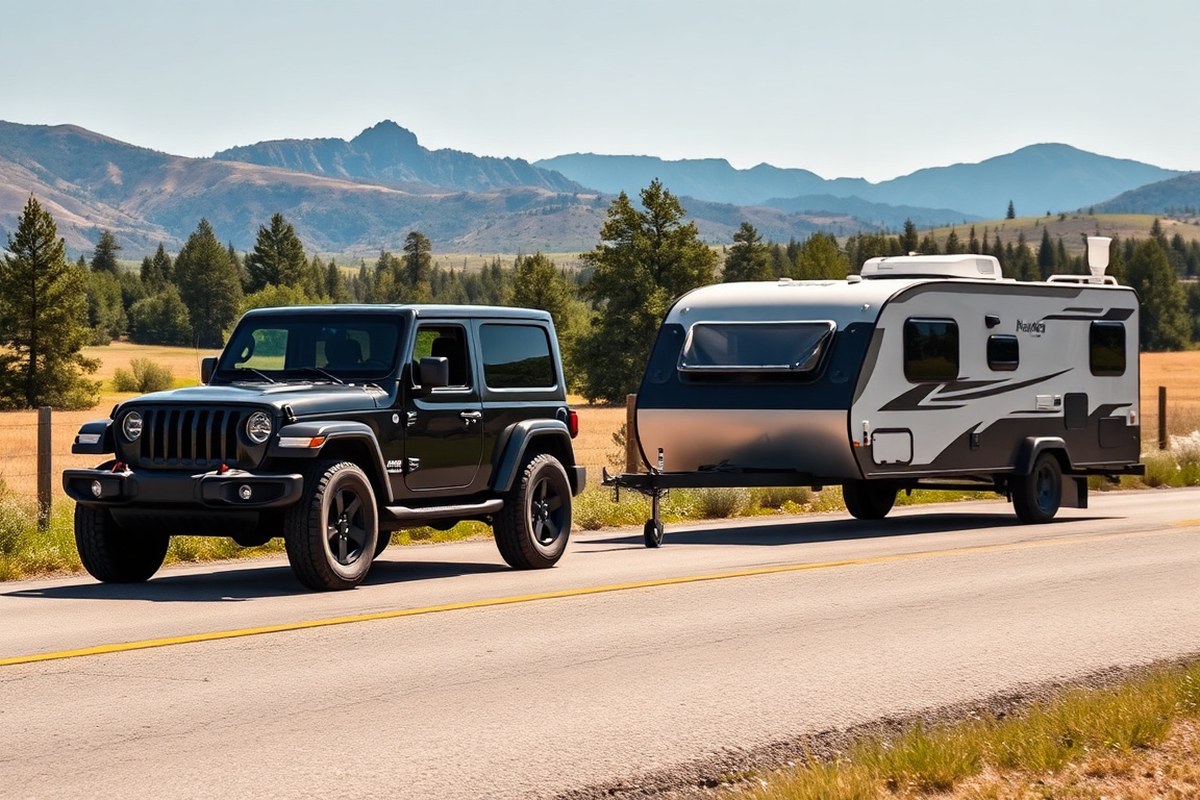
What is the towing capacity of a Jeep Wrangler? Most 2026 Jeep Wrangler models tow between 2,000 and 3,500 pounds, depending on the trim and configuration. Four-door models generally handle heavier loads up to 3,500 pounds, while two-door variants usually max out around 2,000 pounds. Confirm your Jeep’s trim and body style to know its exact limits before towing.
Key Takeaways
- Two-door Jeep Wranglers typically tow up to 2,000 pounds, suitable for light trailers and small campers.
- Four-door Jeep Wrangler models, like the Sahara and Moab 392, can tow up to 3,500 pounds for heavier loads.
- Higher trims such as the Rubicon and Rubicon X maintain strong towing capacity, matching four-door capabilities.
- Towing capacity depends more on the Jeep’s package and engine than on the number of doors alone.
- Early Jeep Wranglers towed around 1,500 pounds, showing a significant capacity increase in modern models.
- Use a properly rated hitch and confirm equipment compatibility to safely tow near the Jeep’s maximum capacity.
Towing Capacity of Different Jeep Wrangler Models
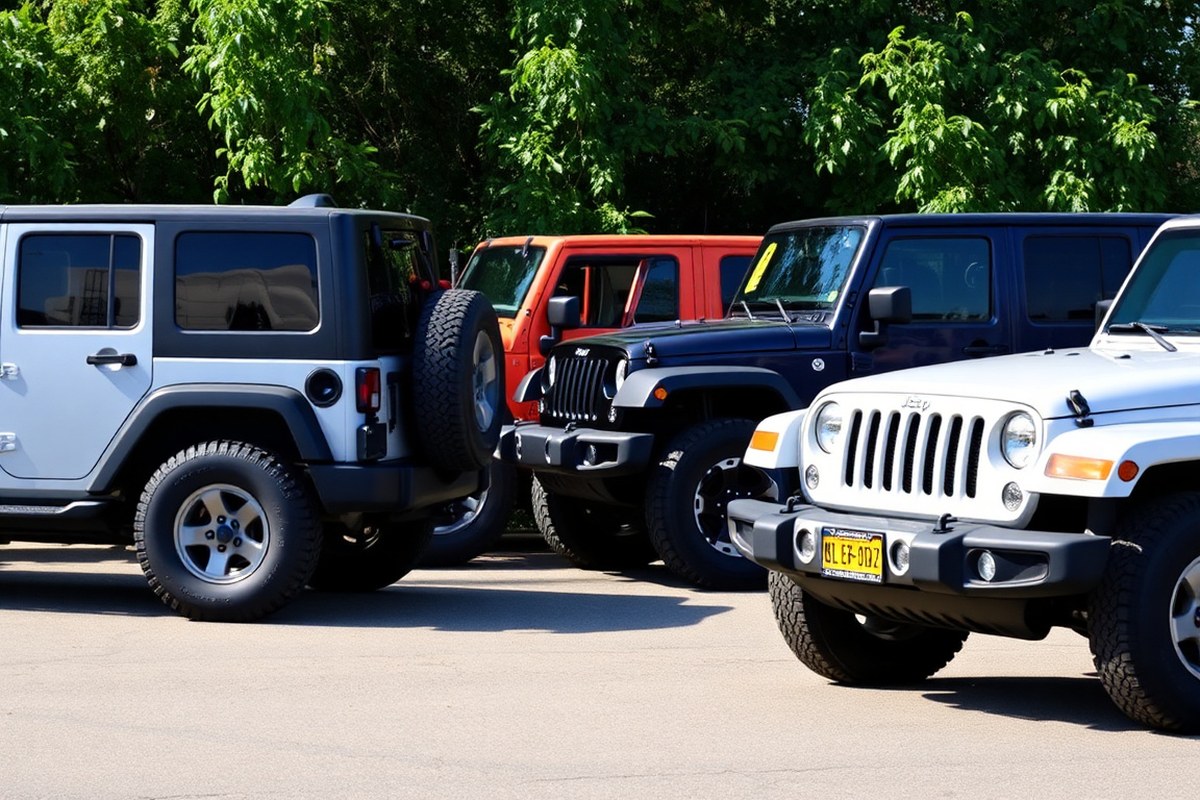
Towing capacity in Jeep Wranglers varies mainly by trim level, door configuration, and engine option. Four-door models consistently offer higher towing limits than two-door versions because of their larger frames and upgraded powertrains. Among the trims, the Rubicon and Rubicon X stand out for the highest towing capabilities when paired with the right engine and towing package.
| Trim | Doors | Max Towing Capacity (lbs) |
|---|---|---|
| Sport & Sport S | 2-door | 2,000 |
| Rubicon & Rubicon X | 2-door | 2,000 |
| Rubicon & Rubicon X | 4-door | Up to 3,500 (standard), 5,000 (with proper drivetrain & towing package) |
| Moab 392 | 4-door | 3,500 |
| Willys | 2-door | 2,000 |
| Willys | 4-door | 3,500 |
| Sahara | 4-door | 3,500 |
The difference in towing capacity between two-door and four-door Wrangler models lies mostly in the vehicle’s weight distribution and available engine options. Two-door models mostly cap out at 2,000 pounds, suitable for smaller trailers, ATVs, or lightweight boats. Four-door models, specifically the Rubicon and Rubicon X trims, offer a significant increase, reaching up to 3,500 pounds under general setups. For serious towing, select the right 4-door Rubicon configuration equipped with the recommended drivetrain and towing package to access the top limit of 5,000 pounds. This setup suits heavier trailers such as large campers or boats.
Engine options across trims affect these numbers since higher-torque engines support greater towing power. The Moab 392 trim, known for its high-performance engine, maintains the maximum 3,500-pound rating on a four-door frame. Choosing a Wrangler trim with a powerful engine is a key step in maximizing towing capacity. Always confirm your Jeep’s specific engine and towing package details to ensure hitting these max towing capacities safely.
Required Equipment and Hitch Types for Jeep Towing
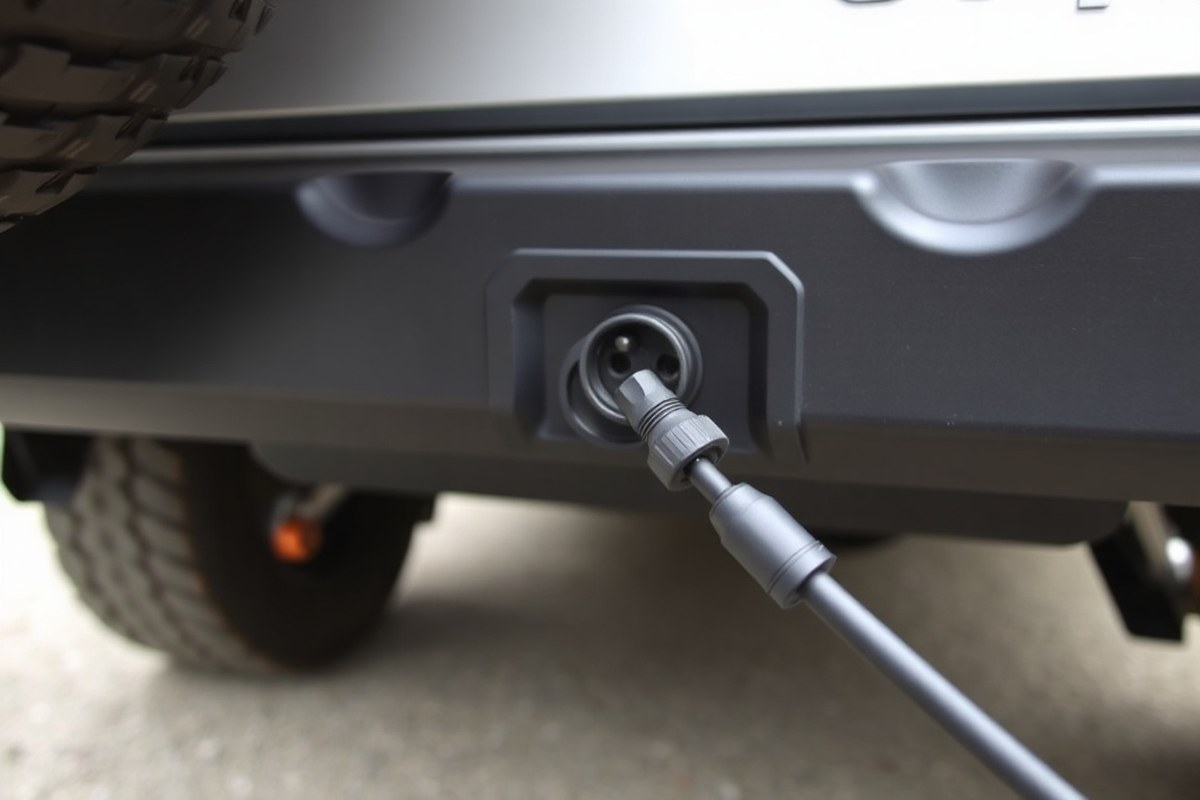
Towing safely and legally with your Jeep Wrangler requires the right hitch, electrical wiring, and accessories. Jeep Wranglers typically use Class II or Class III hitches depending on the model and towing weight. Proper wiring harnesses and Mopar-approved parts help ensure secure connections and reliable trailer signals.
Class II and Class III Hitch Overview
Most Jeep Wranglers come equipped or can be outfitted with a Class II hitch for towing lighter trailers up to about 3,500 pounds. Class III hitches are also compatible on certain trims and offer higher towing strength and versatility, supporting weights up to 5,000 pounds in some configurations. The hitch class you need depends mainly on your specific Wrangler model and the trailer’s weight.
For example, the 2026 Jeep Wrangler models generally come with a factory-installed Class II hitch, suitable for small campers and lightweight travel trailers. If your towing needs exceed this, upgrading to a Class III hitch is advisable. Always confirm your Wrangler’s towing capacity before installing or using a hitch of a particular class.
Wiring Harness and Electrical Setup
Safe towing requires a functioning electrical connection between your Jeep and trailer for brake lights, turn signals, and other trailer functions. Jeep offers a branded wiring harness designed for Wranglers that integrates smoothly with the vehicle’s lighting system and safety features like Trailer Sway Control. Key electrical setup tips include:
- Use the Jeep-branded wiring harness tailored for your Wrangler model.
- Install a heavy-duty 180-amp or 240-amp alternator, depending on trim and electrical demand.
- Check all connectors for corrosion or wear before every trip.
- Use weatherproof connectors to prevent short circuits or signal loss in wet conditions.
- Confirm that the wiring setup is compatible with your trailer’s plug type, commonly 4- or 7-pin connectors.
Improper wiring can cause trailer lights to malfunction, increasing accident risk and violating traffic laws. Regular inspection and maintenance of the electrical system are important to trouble-free towing.
Recommended Tow Packages and Mopar Accessories
Jeep offers dedicated tow packages that include reinforced frames, cooling systems, and improve electrical components designed to support towing demands. Mopar, Jeep’s official parts and accessories brand, sells performance parts specifically tested for Jeep Wrangler models to maintain factory-level reliability and safety. Some useful Mopar or aftermarket additions for towing include:
- Mopar heavy-duty cooling system upgrades to keep engine temperature stable while towing.
- Trailer sway control hitch attachments to improve towing stability on rough or windy roads.
- Step bars and rear bumper reinforcements to improve hitch strength and access.
- Programmable auxiliary switches for controlling trailer brakes or lighting.
- Heavy-duty hitch ball mounts matched to your trailer’s coupler size.
OEM or Mopar parts often cost more upfront but reduce the risk of fitment or safety issues common with generic aftermarket equipment. Installing factory-recommended tow gear maximizes your Wrangler’s towing performance and durability.
Always verify that your hitch, wiring, and accessories meet or exceed your Jeep Wrangler’s towing capacity to prevent mechanical failure or legal penalties on the road.
How Jeep Wrangler Safety Features Support Towing
Jeep Wrangler models come equipped with several built-in safety features that support towing by improving stability and control. These include Trailer Sway Control, reinforced chassis design, and options for improve cooling and braking systems. Using these technologies properly helps prevent sway, manage heat, and maintain braking power during towing.
Trailer Sway Control System Explained
Trailer Sway Control uses sensors to detect if your trailer is swaying side to side while you drive. When this happens, the system automatically applies brake pressure to individual wheels and reduces engine torque to help bring the trailer back in line. This keeps towing safer by preventing loss of control, especially in windy conditions or when passing large vehicles.
The system works by monitoring yaw rates and steering input through the Jeep’s electronic stability control modules. It’s connected directly to the vehicle’s braking system and engine control units. When Trailer Sway Control activates, you might feel subtle pulses in the brake pedal or a slight reduction in acceleration, signs that the system is working to stabilize the load.
Because it ties into your Jeep’s electrical and braking systems, ensure your trailer’s wiring is correctly connected to provide power for the brake lights and turn signals. Proper electrical hookup costs around $50 to $150 for a wiring harness and must be checked regularly to ensure reliability.
Transmission Cooler and Brake Controller Benefits
When towing heavy trailers or traveling long distances, added cooling is important to prevent engine and transmission overheating. Some Wrangler trim levels offer Heavy-Duty Cooling packages that include larger radiators and transmission coolers. These upgrades maintain optimal operating temperatures, reducing the chance of costly damage or performance loss during towing.
If your Wrangler doesn’t come with a factory cooler, installing an aftermarket transmission cooler is a practical step for frequent towing. Prices for these range from $100 to $300, plus installation costs if you don’t do it yourself. These coolers typically connect to the transmission’s fluid lines and use airflow or a dedicated fan to dissipate heat.
A trailer brake controller is another critical upgrade that improves safety by synchronizing the trailer’s electric brakes with your Jeep’s braking system. This reduces stopping distances and brake wear on your Jeep. Installing a proportional brake controller that varies braking force based on how hard you press the pedal usually costs between $150 and $400. It plugs into the vehicle’s electrical harness under the dashboard and requires minimal wiring adjustments.
Weight Distribution and Sway Control Hitches
Weight distribution hitches balance the load between the trailer and Jeep, improving steering, braking, and overall handling. By shifting some trailer tongue weight to all axles of the Jeep and trailer, these hitches reduce the tendency for the rear of the tow vehicle to sag. This allows for more stable towing and improve safety in turns and on uneven roads.
Sway control hitches add a mechanical friction element or use built-in sensors and dampers to reduce trailer movement. Using a sway control hitch along with Trailer Sway Control technology provides layered security against trailer oscillations. These hitches range from $300 to $800, depending on capacity and features, and require installation on the trailer tongue receiver.
Correct setup involves first making sure the trailer is properly balanced with the right distribution of cargo. Then, adjust the weight distribution springs or bars to achieve a level towing condition. Sway control settings often require fine-tuning to match trailer weight and driving conditions. Without proper use, the benefits diminish, and improper setup can cause premature wear or instability, so follow manufacturer instructions closely or have a professional assist.
Difference Between Braked and Unbraked Towing Capacities
Towing capacity for a Jeep Wrangler depends significantly on whether the trailer has its own braking system, known as braked towing, or lacks one, referred to as unbraked towing. Braked towing means the trailer is equipped with electric or hydraulic brakes that operate in sync with your Jeep’s brakes. This setup requires a brake controller inside your Jeep to activate the trailer’s brakes when you slow down. Unbraked towing refers to pulling a trailer without these additional brakes, placing more strain on your Jeep’s braking system.
The difference in towing limits between braked and unbraked trailers is important. Generally, Jeep Wranglers can tow substantially more weight safely when the trailer has brakes. For example, many four-door Wrangler Unlimited models support up to 3,500 pounds with braked trailers. Without trailer brakes, that capacity drops significantly, often to around 1,000 to 1,500 pounds, depending on the model and setup. This reduction exists because the Wrangler’s brakes alone must control both the vehicle and the trailer, increasing stopping distances and potential brake wear.
Legally, trailer brakes are required in most states when the trailer’s weight exceeds a certain threshold, commonly around 1,000 to 1,500 pounds. These rules vary by state, but failing to use trailer brakes when required can result in fines and unsafe driving conditions. Before towing, check your state’s regulations and ensure your Jeep is outfitted with a compatible brake controller if necessary. Installing a brake controller usually costs between $100 and $300, and professional installation is recommended to ensure proper wiring and operation.
To decide whether a trailer brake system is needed for your towing plans with a Jeep Wrangler, first check the trailer’s gross vehicle weight rating (GVWR). If it’s above your state’s legal limit, you must use a trailer with brakes and a controller in your Jeep. Even when not legally required, using trailer brakes is safer when towing weights near the Wrangler’s maximum capacity. Without trailer brakes, you risk longer stopping distances and greater brake wear on your Jeep, which can reduce control on steep or slippery roads.
Good results happen when the trailer brakes activate concurrently with your Jeep’s brakes, providing smoother, more controlled stops. Problems arise if the brake controller is incorrectly installed or not calibrated properly, causing the brakes to engage too weakly or too abruptly. Regular maintenance of both your Jeep’s brake system and the trailer’s brakes ensures reliable performance. For occasional towing of light trailers under unbraked limits, it’s safe to skip the trailer brake system. For frequent or heavy towing near or above 3,500 pounds, trailer brakes are essential for safety, compliance, and preserving your Jeep Wrangler’s mechanical condition.
Preparing Your Jeep Wrangler for Towing: A Pre-Tow Checklist
Preparing your Jeep Wrangler for towing involves a thorough inspection of both the vehicle and the trailer. Checking fluids, brakes, lights, and connections ensures safe handling and prevents breakdowns. Gathering essential safety gear completes the setup for a confident towing experience.
Vehicle Fluid and Brake Checks
Start by checking the Jeep’s engine oil and transmission fluid levels. Tow loads generate extra heat, so ensure transmission fluid is at the proper level and in good condition; fresh fluid usually costs $20 to $50 per quart depending on type. Monitor your radiator coolant to prevent overheating during towing trips. Test your Jeep’s brakes by gently applying them before starting; worn pads or low brake fluid may need immediate attention.
Inspect tire pressure on all four wheels, including the spare. Inflate tires to the recommended pressure on the door jamb label, often around 35 PSI but confirmed by your model’s specifics. Proper tire pressure supports stability and maximizes fuel efficiency while towing heavier loads. Check the tread depth as well, less than 2/32 inch may reduce traction, increasing the risk when braking.
Trailer Safety and Connection Checks
Before hitching, inspect the trailer’s tires for wear and inflate them to the trailer manufacturer’s recommended pressure, usually found on the tire sidewall. Examine the trailer wiring harness and lights; all brake lights, turn signals, and running lights must work accurately for road safety and to comply with local laws.
Attach the trailer securely to your Jeep’s hitch ball, and confirm the latch is locked and secured with a safety pin. Connect safety chains in a crisscross pattern beneath the hitch to catch the trailer if it separates. For heavier trailers or those with brakes, check that the trailer brake controller is properly calibrated and synchronized with your Jeep’s system.
- Check tire pressure on trailer and Jeep
- Inspect brake and signal lights functionality
- Secure hitch ball and locking mechanisms
- Cross safety chains under the coupler
- Test trailer braking system (if equipped)
- Tighten wheel lug nuts on trailer
Always double-check all trailer connections before pulling out to avoid accidents caused by loose or faulty hitches.
Essential Safety Gear and Emergency Preparedness
Carry a roadside emergency kit that includes reflective triangles or flares to alert other drivers in case of breakdowns. A set of tire repair tools and a portable air compressor can be invaluable for unexpected flats. Keep basic hand tools, gloves, and extra fluids such as brake fluid and engine oil ready to handle minor issues.
Equip your Jeep Wrangler with towing-specific safety features like a fire extinguisher and a first aid kit. A properly rated tow strap or heavy-duty recovery strap should be part of your gear, especially if you plan off-road towing or trips through remote areas. Confirm your cell phone is fully charged and consider carrying a portable charger or power bank in case of emergencies.
How Towing Capacity Affects Jeep Wrangler Performance
Towing with your Jeep Wrangler directly impacts fuel economy because the engine works harder to pull extra weight. Adding a trailer or heavy load increases rolling resistance and aerodynamic drag, causing the fuel consumption to rise significantly. Expect fuel economy to drop by 15% to 25% or more, depending on the trailer size, weight, and driving conditions. For example, a Wrangler Moab 392, known for its stronger engine, will handle towing demands better but will still use more fuel than when driving without a trailer.
Handling changes under load as well. The extra weight behind your Jeep increases stopping distances and affects vehicle stability, especially in cornering and braking. You need to drive more cautiously: reduce speed, allow more space for braking, and take wider turns to avoid trailer sway. Using a trailer brake controller if your trailer supports it helps maintain control and reduces strain on your Jeep’s brakes. Proper tire pressure on both the Wrangler and trailer is essential to keep the ride stable and steer accurately.
Off-road capability is affected by towing, too. The added load limits your Jeep’s ability to climb steep grades, cross rough terrain, and navigate obstacles. Weight reduces ground clearance and can stress the drivetrain, especially if the trailer jerks on uneven surfaces. For those planning off-road towing, a model like the Moab 392 offers more torque and power to better manage these challenges. However, you should avoid aggressive maneuvers and stay on trails within the combined weight limits to protect your drivetrain from premature wear.
To improve towing performance while keeping your Jeep Wrangler safe, maintain regular vehicle inspections focusing on brakes, suspension, and drivetrain components. Balance the load evenly on the trailer and keep it secured to prevent shifting weight. Using a weight distribution hitch can help keep the trailer load from overloading the Wrangler’s rear axle, improving stability. Smooth acceleration and gentle braking reduce wear and prevent trailers from swaying. Monitor your engine temperature during heavy towing, especially in hot weather or steep climbs, to avoid overheating.
It’s also wise to plan your routes by avoiding steep hills and high-speed highway sections when towing heavier trailers. These steps minimize fuel wastage and mechanical stress. Routine maintenance like checking transmission fluid and differential oil more frequently can extend the life of your Jeep’s drivetrain under towing stress. These precautions matter because towing forces your Wrangler to operate beyond its usual performance conditions, and managing those forces keeps your Jeep reliable and safe on every trip.
Choosing the Right Trailer Size and Weight for Your Jeep Wrangler
You want a trailer that stays well within your Jeep Wrangler’s towing limits to avoid strain on the engine, brakes, and transmission. The size of the trailer you select must match the Wrangler’s towing capacity and the hitch’s rating. For most Wranglers, that means choosing trailers under 3,500 pounds, although exact limits depend on your model and equipment. For camping, this often translates to small to mid-sized campers or lightweight utility trailers rather than large, heavy travel trailers.
Campers between 1,500 and 3,000 pounds are a practical choice. A compact pop-up camper or a teardrop trailer is usually easier to tow and maneuver, especially on off-road trails or in tight spots, which matches the Wrangler’s rugged but moderate towing ability. Larger campers can push the vehicle near or beyond its limits, risking damage and unsafe handling.
Calculating the combined weight that matters for towing includes both the trailer’s dry weight and the tongue weight. Tongue weight is typically 10 to 15 percent of the trailer’s total loaded weight, representing the downward force the trailer applies on the hitch. Add this to the trailer’s total loaded weight to get the total towing weight your Wrangler will handle.
For example, if you look at a camper rated at 2,500 pounds dry weight, loading gear and supplies might add 500 pounds, bringing the trailer weight to 3,000 pounds. The tongue weight at 12 percent would be 360 pounds. Adding those together, the total towing load comes to 3,360 pounds. You must ensure your Wrangler and hitch are rated above that number for safe towing.
Choosing a smaller trailer is often recommended if you expect to tackle rough trails or steep grades. A lighter trailer reduces stress on your Wrangler’s drivetrain, increases fuel economy, and provides better braking performance. It also makes parking and reversing easier, important for off-road conditions and campsites. If your trailer plus tongue weight approaches your Wrangler’s maximum towing capacity, downsizing is the safer choice.
Easier hauling comes at the cost of less living space or cargo capacity in your camper. However, sticking with a lighter trailer preserves your Jeep’s mechanical health and driving stability over the long term. Always base your trailer selection on both the Wrangler’s factory towing rating and the hitch rating, which must match or exceed your expected total towing weight. Ignoring these can lead to accelerated wear or dangerous handling problems while towing.
Factors Affecting Jeep Wrangler Towing Capacity and Limits
Towing capacity depends on several key factors that influence your Jeep Wrangler’s ability to haul safely and effectively. First, the vehicle’s payload, the combined weight of passengers, gear, and any cargo on board, directly reduces the available towing capacity. For example, if your Wrangler’s maximum payload is 1,000 pounds and you load 600 pounds of passengers and gear, the towing capacity decreases by that 600 pounds because you’re already using part of the vehicle’s maximum load capacity.
Modifications to your Jeep can both raise and lower towing limits. Upgrading the suspension with heavy-duty springs or aftermarket shocks improves stability and control, allowing you to tow heavier loads safely. Installing a transmission cooler helps prevent overheating when towing heavier trailers, especially in hot climates or during extended drives. However, adding large off-road tires or lifts may increase the vehicle’s center of gravity, potentially decreasing towing stability. These mods can alter aerodynamics or strain drivetrain components, effectively reducing safe towing limits.
- Payload includes driver, passengers, and cargo weight
- Heavy-duty suspension upgrades can increase towing capacity
- Transmission coolers prevent overheating during towing
- Large off-road tires or lift kits may reduce towing stability
- Rough terrain demands lower tow weight for safety
- Extra equipment like roof racks adds to vehicle load
- Proper hitch type and installation affect weight distribution
Terrain type plays a major role in towing performance. Towing on smooth pavement uses less power and causes less strain than driving on rough, steep, or sandy off-road terrain. When you tow over uneven or soft ground, your Jeep requires more torque and traction, which stresses the engine, transmission, and cooling systems. It’s wise to reduce your trailer’s weight below the rated capacity under these conditions, often by 10 to 20 percent, to maintain control and prevent damage. Using appropriate tires with good off-road tread and adjusting tire pressures help improve traction and stability when towing off-road.
Never exceed your Jeep’s maximum gross combined weight rating, especially after adding passengers, gear, and modifications; overloading risks serious damage and unsafe conditions.
Vehicle load includes everything inside the Jeep and any modifications applied, which all count toward the gross vehicle weight rating (GVWR). Checking this rating on your Jeep’s door sticker or owner’s manual shows the maximum weight the vehicle can safely carry. Subtract what you load inside, and that gives an idea of how much weight remains for towing. Regularly weighing your fully equipped jeep at a public scale can provide accurate payload estimates, helping you stay within safe limits. Avoid ignoring this step, since towing without accounting for total weight can lead to brake failure, transmission damage, or loss of control.
Step-by-Step Action Plan for Safe Jeep Wrangler Towing
Follow these steps to ensure your Jeep Wrangler is ready for towing and you stay within safe limits.
- Before Your First Tow: Check your specific Wrangler model’s towing capacity in the owner’s manual or Jeep’s official website to know your limits. Confirm you have the proper hitch type installed matching your trailer’s weight requirements.
- Day of Towing: Perform a full pre-tow inspection, verify tire pressure, fluid levels, hitch security, trailer lights, and brakes. Successful setup means everything functions correctly and is secure.
- While Loading: Balance the trailer load so at least 10-15% of the weight is on the hitch to avoid sway. Watch for proper tongue weight on a scale or with a reliable estimation method.
- First Tow Drive: Drive slowly and cautiously on familiar, flat roads to test handling. You’ll know you’re set if the Jeep handles smoothly without abnormal sway or braking issues.
- Weekly Checks: Inspect the hitch, trailer connection, tire wear, and brake performance before every towing trip. Consistency means your Jeep and gear remain reliable and safe.
- Seasonal Maintenance: Service your Wrangler’s engine, transmission, and brakes regularly, especially when towing frequently or heavy loads. Keep records to track upkeep and spot issues early.
- After Extended Use: Examine your Jeep for signs of stress or wear related to towing, such as suspension sag or overheating. Address any problems promptly to maintain towing performance.
Frequently Asked Questions
How Big of a Camper Can a Jeep Wrangler Pull?
A Jeep Wrangler can generally tow campers weighing up to 3,500 pounds, especially in four-door trims like the Sahara or Moab 392. Select a camper within this limit to maintain safe handling and avoid straining your vehicle’s drivetrain.
Is a Jeep Wrangler Good for Towing?
Yes, the Jeep Wrangler is capable of towing, with capacities ranging from 2,000 to 3,500 pounds depending on the model. It’s well-suited for light to medium towing tasks but not for heavy trailers.
Can a Jeep Wrangler Tow 7500 Lbs?
No, Jeep Wranglers do not have a towing capacity near 7,500 pounds. Their maximum towing capacity tops out around 3,500 pounds on four-door models.
Which Jeep Model Is Best for Towing a Trailer?
Among Jeep models, the four-door Wrangler trims like the Sahara or Moab 392 offer the best towing capacity, up to 3,500 pounds, making them more suitable for towing trailers than their two-door counterparts.
Does Towing Reduce My Jeep Wrangler’s Off-Roading Ability?
Yes, towing adds weight and can affect your Jeep Wrangler’s suspension and maneuverability, so towing heavy loads is not ideal for serious off-roading.
Do I Need a Special License to Tow with My Jeep Wrangler?
Usually, no special license is needed if you stay within your Jeep’s towing limits; always check state regulations for towing over certain weights.
Key Points to Remember
The towing capacity of your Jeep Wrangler varies by model but sticking to those limits with the right equipment helps prevent damage and safety risks. Starting your towing journey involves careful setup and regular maintenance to keep your vehicle and trailer secure. Next, connect with a professional to install or inspect your hitch if you haven’t already, ensuring a strong, safe connection for every trip.


