How to Seal Tonneau Cover: Complete Guide for Long-Lasting Protection
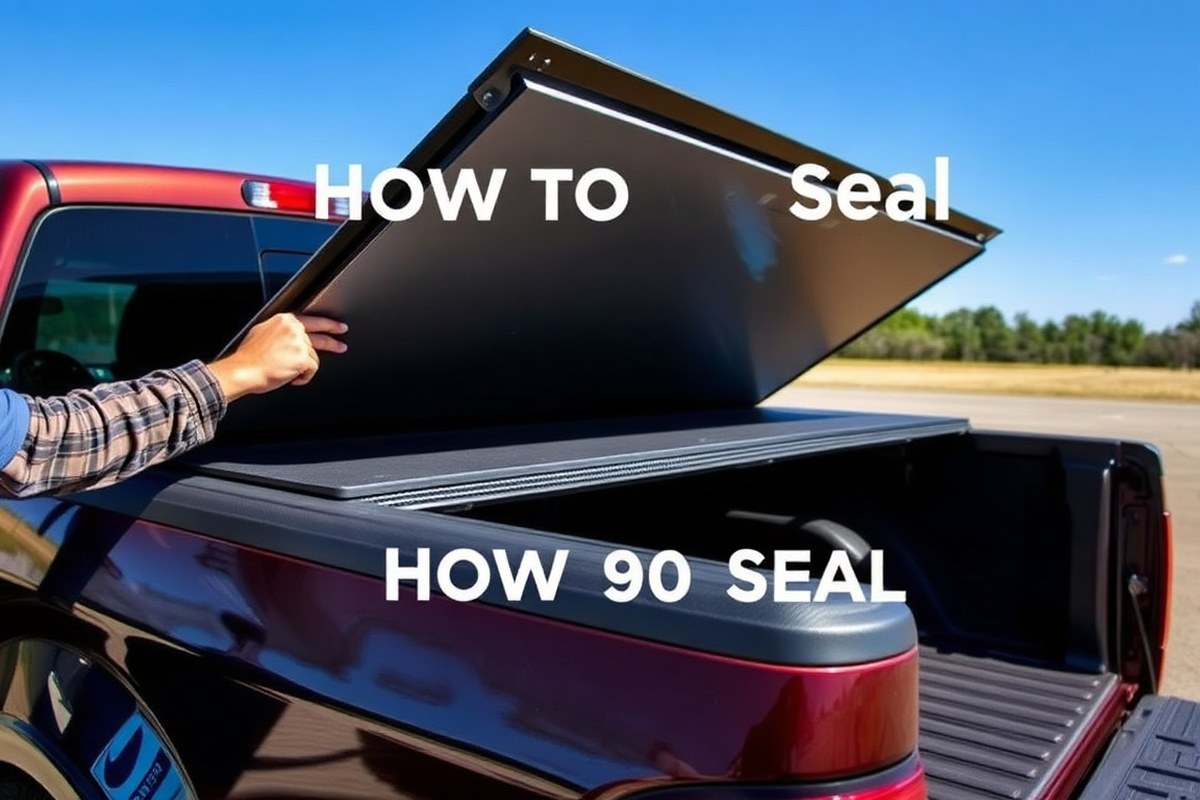
How to seal tonneau cover starts with choosing a weatherproof seal designed for your cover type, applying it evenly along the edges. Proper sealing keeps water out and protects your truck bed from damage caused by moisture and corrosion. Begin by thoroughly cleaning the truck bed and cover surface to ensure the sealant adheres well and forms a tight barrier.
Key Takeaways
- Replace tonneau cover seals every 3 to 5 years to prevent UV damage and maintain protection against water intrusion.
- Resealing your tonneau cover is recommended every 6 to 12 months, based on the weather and surroundings it faces.
- Use an EPDM foam rubber seal strip with ribs to block moisture, drafts, and noise effectively.
- Allow sealant to cure fully, usually 24 hours, to ensure a flexible, lasting waterproof barrier.
- Trim seals to fit precisely along the edges for maximum coverage and to avoid gaps that cause leaks.
- Inspect your seal regularly for signs of compression, cracks, or chemical damage to maintain its effectiveness.
How to Seal a Tonneau Cover Step-by-Step
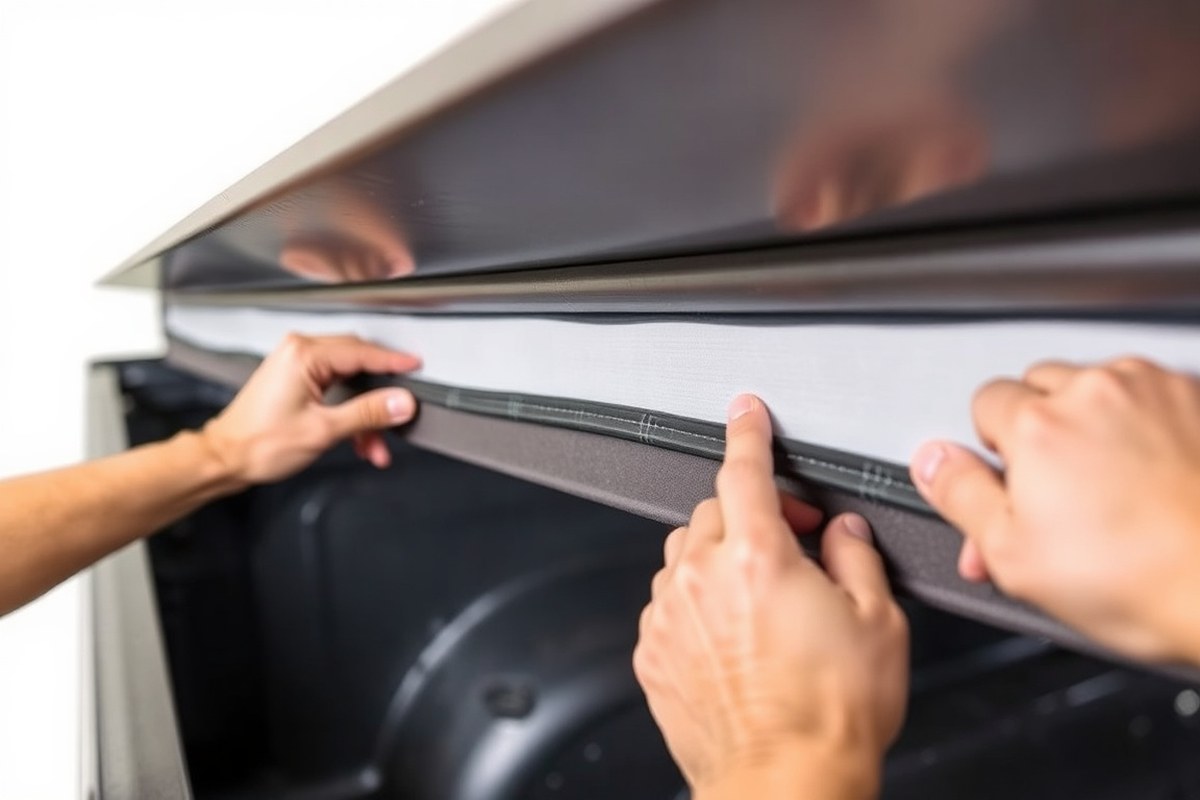
Sealing your tonneau cover properly keeps water, dust, and debris out of your truck bed while extending the cover’s lifespan by 3 to 5 years. The key is applying the right weatherstripping and waterproof sealant on clean, dry surfaces to ensure strong adhesion and a tight fit. The process typically takes about 1 to 2 hours, including preparation and drying time.
- Clean the truck bed and tonneau cover edges. Use soap, water, and a lint-free cloth to remove dirt, oil, and old sealant residues. Let everything dry completely, as moisture will prevent proper adhesion.
- Measure and cut the weatherstripping. Choose weatherstripping designed for your tonneau cover model. Measure the contact points along the truck bed rails or cover edges, then cut the seal to length using scissors or a utility knife.
- Apply a thin bead of waterproof sealant. Use a high-quality sealant compatible with your weatherstripping material. Run a consistent, thin bead (about 1/8 inch wide) along the edges of the truck bed or tonneau cover where the weatherstripping will sit. This stops water from sneaking through seams.
- Attach the weatherstripping securely. Press the adhesive side of the weatherstripping firmly into the sealant bead and along the seam. Apply steady pressure to ensure full contact. Avoid stretching the strip, as this can cause it to pull away over time.
- Trim any excess weatherstripping and smooth edges. Check for overlaps or gaps, and use scissors or a utility knife to trim uneven edges. Press all corners firmly to prevent lifting.
- Give the sealant time to set. Follow the manufacturer’s guidelines, typically a 24-hour drying period, before closing or handling the tonneau cover. Keep the cover away from rain or excessive moisture while the sealant cures.
- Test the seal for tightness. After curing, close the tonneau cover and check for gaps, leaks, or loose areas. Adjust tension straps if needed to ensure a snug fit along the weatherstripping.
For hot climates, avoid applying sealant during temperatures above 85°F (29°C) because it can dry too fast and weaken adhesion. In colder weather below 50°F (10°C), the drying process can take longer. Using a seal conditioner every 6 to 12 months helps keep the weatherstripping flexible and effective, adding more years to your cover’s service life.
Preparing Your Truck Bed and Cover for Sealing
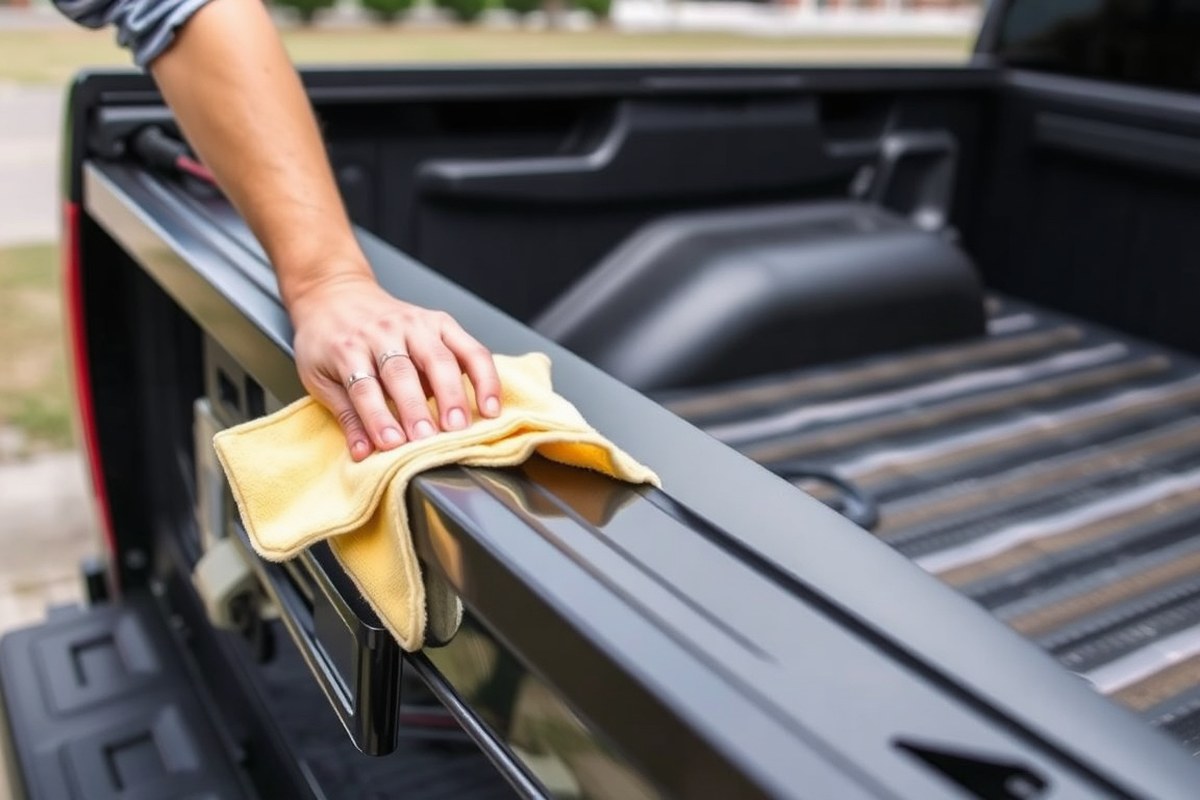
Start by thoroughly cleaning both the truck bed edges and the tonneau cover where they meet. Dirt, grease, or moisture can prevent seals from sticking properly, leading to leaks and damage. Use a mild detergent mixed with water and a clean cloth to wipe down all contact surfaces. Avoid harsh chemicals that could degrade both the cover material and sealants. Allow the surfaces to dry fully; sealing on damp areas risks poor adhesion and premature seal failure.
Inspect all sealing points carefully for damage, rust, or wear. Look for cracks, dents, or areas where the metal is exposed and rusty. Check existing seals closely for any signs of brittleness, cracks, or gaps. Damaged surfaces should be repaired or treated before applying new seals, or the new seal won’t last. Pay special attention to the bulkhead area near the cab, as this is prone to leaks from dust and rain.
Removing old seals or adhesive residue safely is important for a smooth new seal installation. Use a plastic scraper or a putty knife to gently peel off old rubber or foam seals. Avoid metal tools that can scratch or damage the truck bed edges. To remove sticky residue, apply an adhesive remover designed for automotive use and follow the product instructions for safe application and ventilation. After removal, clean the area again with mild detergent to ensure no residue remains.
Preparing your surfaces correctly often takes about 15 to 30 minutes but forms the foundation for a durable seal. Sealing failure often results from poor surface prep, including leftover dirt or adhesive. The cost for cleaning supplies and adhesive removers typically ranges from $10 to $30, a worthwhile investment to avoid premature resealing.
- Use mild detergent, water, and a soft cloth to clean all sealing areas
- Dry surfaces completely before proceeding
- Inspect for cracks, rust, or damage and repair as needed
- Remove old seals carefully with plastic tools and adhesive remover
- Clean again after removal to ensure a residue-free surface
- Check the bulkhead seal area thoroughly
- Allow adequate time for drying and inspection before sealing
Make sure no moisture remains on any surface before applying new seals to prevent poor adhesion and leaks.
Different weather conditions affect prep work timing. In colder or humid climates, surfaces may take longer to dry, so plan accordingly to avoid trapping moisture under the seal. Warming the bed surface with indirect heat during colder months can speed drying if needed. Proper preparation pays off by ensuring that your seal adheres firmly and endures exposure to sun, rain, and temperature swings for months to come.
Choosing the Right Seal for Your Tonneau Cover Type
Matching the sealing method and materials to your tonneau cover type is essential for a tight fit and effective weather protection. Hard folding covers work best with adhesive-backed rubber seals designed for their panel edges, while soft roll-up covers rely on flexible seals that accommodate frequent bending. Choosing the right seal material also depends on the climate, with EPDM rubber offering excellent durability in harsh environments.
Hard Folding Cover Seal Types
Hard folding tonneau covers often use edge seals that run along each panel’s perimeter to block water and debris. Adhesive-backed EPDM rubber seals with a standard 12mm bulb profile fit about 70-80% of these covers, providing a secure, weatherproof barrier. These seals require clean, dry surfaces and proper alignment during installation to work well.
OEM seal kits eliminate the guesswork by providing pre-measured pieces that match your cover precisely but cost two to three times more than universal seals. Universal kits come in bulk rolls that you cut to length, and they typically cover most hard folding covers with standard profiles. Seals should be replaced every 6 to 12 months depending on exposure to weather.
Soft Roll-Up and Snap-On Seals
Soft roll-up and snap-on tonneau covers need seals that flex easily and maintain integrity after repeated movement. These usually use flexible rubber or composite seals that clip or stick along the cover’s perimeter and locking mechanisms. Without a proper seal, 60-70% of the cover’s edge can let in water, dirt, or road spray.
Mechanical fasteners like snaps or Velcro can help hold seals in place but often need adhesive backing for a watertight fit. When choosing between adhesive seals and mechanical fasteners, adhesive seals offer better vibration resistance and flexibility, which is critical for these cover types. Mechanical fasteners may be easier to remove but can allow gaps if worn.
Seal Material Properties for Weather Resistance
Durable sealing materials should resist UV rays, temperature changes, moisture, and chemical exposure from road salts or cleaning agents. EPDM rubber is a common choice due to its excellent flexibility, weather resistance, and ability to stay pliable in temperatures from -40°F to 230°F. Vinyl and fiberglass covers need seals that bond well to their surfaces without degrading.
Generic adhesives like silicone or super glue don’t provide the flexibility or vibration resistance needed, especially in harsh weather. Selecting a seal specifically designed for automotive applications ensures it maintains elasticity and adhesion over time. In rainy or snowy climates, seals that maintain a waterproof interface are critical to keeping the truck bed dry.
| Tonneau Cover Type | Seal Type | Installation Method | Material Example | Weather Resistance | Typical Cost |
|---|---|---|---|---|---|
| Hard Folding | Adhesive-backed bulb seal | Cut to length, stick onto panel edges | EPDM Rubber | Excellent (UV, moisture, temperature) | $30-$60 per 25-ft roll |
| Soft Roll-Up | Flexible rubber or composite seal | Clip or adhesive, sometimes with snaps | Rubber/Vinyl blend | Good (weather and flex resistance) | $20-$50 per roll |
| Snap-On | Mechanical fasteners combined with seals | Snaps/clips plus adhesive strips | Rubber or composite | Moderate (may degrade faster if gaps occur) | $25-$55 per kit |
| OEM Seal Kits | Pre-measured, matched seals | Direct fit, stick-on | EPDM or manufacturer standard | Very good (designed for cover) | 2-3× universal seal price |
Using this table alongside your cover style helps identify the best seal type and materials. For hard folding covers, adhesive EPDM seals are usually the best balance of cost and performance. Soft roll-up covers need flexible seals that endure motion without losing grip. Always choose automotive-specific seal materials to ensure long-term weatherproofing and durability.
Inspecting and Maintaining Your Tonneau Cover Seal
Checking your tonneau cover seal regularly is essential to keep water and dust out of your truck bed. Inspect the seal every few months and more often if you use your truck in harsh conditions. Proper upkeep can extend the seal’s life by preventing cracks, compression, and gaps that cause leaks.
Signs of Seal Wear and Tear
Look closely at the rubber seal around your tonneau cover to spot damage early. Common signs include visible cracking, brittleness, or flattened areas where the rubber no longer springs back. Gaps between the seal and the bed rail when the cover is closed suggest the seal has compressed or shifted. Water leaking into the bed during rain or car washes is a clear indicator the seal isn’t working well.
Some worn seals show discoloration or peeling, which can mean UV damage and breakdown of the material. Loose or partially detached seals also let moisture and dirt get inside. Any of these issues signal it’s time to clean, adjust, or replace the seal to avoid water damage or rust developing in the truck bed.
Recommended Inspection Schedule
Perform a visual and physical inspection of your tonneau cover seal at least every three months. Increase inspection frequency to monthly if you live in extreme climates with intense sun, freezing winters, or heavy rain. Seasonal checks, aligning with the start of summer and winter, help catch damage from temperature changes and weather cycles. Here’s a checklist to guide your inspection routine:
- Check for cracks, tears, or brittleness in the rubber seal
- Look for gaps or misalignment between the seal and truck bed rails
- Feel the seal to detect compression or flattened sections
- Inspect for any loose or peeling seal material
- Test for leaks by gently spraying water over the cover’s edges
- Clean off dirt and debris that can damage the seal over time
Replacing seals every three to five years is recommended, depending on wear and exposure. If you find any serious damage during an inspection, it’s best to replace the affected seal immediately to prevent further issues.
Simple Maintenance Tips
Regular cleaning and care ensure your tonneau cover seal lasts longer and performs better. Use mild soap and water to gently clean the seal, avoiding harsh chemicals that can degrade the rubber. Apply a silicone-based lubricant or rubber conditioner every few months to keep the seal flexible and prevent cracking.
Make sure the cover closes evenly and the seal compresses fully against the truck bed rim without excessive force. Avoid over-tightening clamps or fasteners, as this can deform the seal. Store your truck in shaded or covered areas whenever possible to reduce UV exposure and thermal cycling that accelerates seal fatigue.
Testing Seal Effectiveness and Troubleshooting Leaks
Testing the water tightness of your tonneau cover after sealing ensures your truck bed stays dry and protected. Detecting and fixing leaks early preserves the cover’s durability and secures your cargo from moisture damage. A practical water test simulates rain to reveal any remaining weak points in your seal.
To check for leaks effectively, enlist a helper and use a garden hose to spray water upward over the closed tonneau. This mimics natural rainfall and helps spot seepage at common failure points like edges or latches. When water continues to enter, quick fixes like realigning the cover or adding weatherstripping can stop small leaks. Persistent problems might require resealing or seal replacement. Follow these steps to test your tonneau cover’s seal and troubleshoot leaks:
- Close the tonneau cover fully ensuring it aligns correctly with the truck bed rails and latching securely.
- Have a second person spray water with a garden hose in an upward, natural rainfall motion over all edges, seams, and latch areas for 5 to 10 minutes.
- Inspect inside the truck bed during and immediately after spraying for any signs of water intrusion or moisture.
- Note any leaks or wet spots and mark the corresponding external locations on the cover or seals.
- Adjust the cover alignment if leaks occur around seals or latches by loosening clamps or hinges and repositioning the cover for a snug fit.
- Apply extra weatherstripping or sealant to small gaps identified during the test, focusing on bulb seals sized 10mm to 14mm if your cover uses these common profiles.
- Retest the cover after repairs repeating the water spray and inspection steps to confirm sealing improvements.
- Consider resealing or full seal replacement if leaks persist despite adjustments; worn or damaged seals often cannot be salvaged by patching alone.
Regularly cleaning your tonneau cover seals before testing improves their effectiveness by removing debris that can cause gaps and leaks.
Good results mean no water inside the truck bed after 10 minutes of water spraying and no dampness detected afterward. Leakage often appears near latch areas, cover edges, or where seals meet the truck bed. Minor leaks that respond to sealant or realignment allow you to skip costly replacements. However, serious wear such as cracked or compressed seals usually requires installing new weatherstripping or a complete seal kit for lasting protection.
How Weather and Environment Affect Sealing Success
Temperature affects how well a sealant sticks to your tonneau cover and truck bed. Most adhesives require a minimum surface temperature of around 50°F to cure properly. Applying seal tape or glue when it’s colder risks poor bonding, which leads to leaks or a seal that peels off prematurely. For best results, seal your tonneau cover on a day when the temperature is between 60°F and 80°F. When you need to work in cold weather, warm the surfaces with a heat gun or hair dryer before applying the sealant, but avoid overheating as it can damage materials.
Humidity plays a role in the seal’s long-term durability. Excess moisture speeds up material breakdown, especially for rubber seals and adhesives that are not waterproof. Storing the tonneau cover in a dry place when not in use reduces humidity exposure and extends seal life. Living in a humid or rainy climate means you should pick sealing materials made to resist moisture. Acrylic foam tapes with Very High Bond (VHB) adhesives perform well in moist conditions because they maintain their grip despite water exposure and temperature cycling.
UV exposure is one of the main factors that shortens the life of seals. Sunlight breaks down rubber and some adhesive compounds, causing them to crack and fail within months or a few years. VHB seals resist UV damage better, keeping about 90% of their bond strength after simulated five-year exposure. Silicone-adhered seals tend to fail sooner, often within 18 months under strong sunlight. It’s a good idea to inspect seals regularly and replace or reseal them every couple of years in sunny climates to prevent leaks.
Sealing your tonneau cover during or right after rain is not advised. Wet surfaces prevent adhesives from curing and trap moisture beneath seals, which compromises adhesion and traps water where you want a tight barrier. Wait for dry weather and wipe surfaces with isopropyl alcohol to remove any moisture or dirt before applying new seals.
In extreme temperatures, hot or cold, select seal materials carefully. VHB acrylic foam tapes maintain adhesion during wide temperature swings, making them ideal for desert heat or cold winters. Rubber seals may harden in cold weather, reducing their flexibility and sealing effectiveness, so choose soft, UV-resistant rubber compounds if your area frequently drops below freezing.
Plan your sealing project on mild, dry days and store the cover properly to minimize environmental wear. Expect professional-grade seal tapes like VHB to cost around $10 to $20 per roll, which typically covers one sealing job. DIY sealing takes about 1 to 3 hours depending on your cover’s size and your skill level. Proper sealing keeps water out, protects your cargo, and extends your cover’s lifespan, saving money on repairs or replacement down the line.
Aligning and Adjusting Your Cover for the Best Seal Fit
Properly aligning and adjusting your tonneau cover ensures a tight, water-resistant seal that protects your truck bed from leaks and damage. This involves centering the cover, reducing gaps, and evenly securing tension straps and fasteners. Careful adjustment avoids pressure points and keeps the seal durable over time.
Checking Cover Alignment
Begin by positioning your tonneau cover so it sits evenly over the truck bed. All edges and corners should fit flush without hanging over or leaving noticeable gaps. Misalignment often causes leaks and premature seal wear.
Visually inspect the cover’s perimeter. Look closely for uneven spaces between the cover edge and the truck bed rails. Check that the tailgate lines up with the cover to avoid water entry. Follow these steps to check alignment:
- Open the tonneau cover fully and center it over the truck bed, making sure both left and right sides are equally spaced.
- Close the cover slowly and observe the edges for any overhangs or gaps greater than 1/8 inch.
- Adjust the cover position side to side or front to back until it rests evenly on all sides.
- Test the tailgate fit by closing it gently against the cover, verifying there is no obstruction or gap.
- Note any uneven pressure points or loose areas that might affect sealing performance.
Adjusting Tension Straps
Tension straps play a key role in pulling the cover snugly against the truck bed rails and preventing loose sections that could let in water. Adjusting straps correctly minimizes stress on the seal and distributes pressure evenly.
Check that tension straps are neither too loose nor so tight that they deform the cover. Straps should pull the cover flat but allow a small amount of flexibility to avoid tearing the seal or cover material. To adjust tension straps effectively:
- Locate all tension straps underneath or along the sides of the tonneau cover.
- Loosen each strap slightly to release tension if the cover appears puckered or warped.
- Tighten straps evenly, working from the centre outwards to ensure balanced pressure.
- Test the cover by pressing gently along edges to confirm the seal compresses without gaps.
- Recheck after driving a few miles; straps may need minor retightening as materials settle.
Securing Fasteners Evenly
Fasteners, clamps, or snaps hold the cover firmly in place and help maintain the seal, especially on windy roads or rough terrain. Tightening these components evenly prevents gaps and avoids putting uneven stress on the cover or seal.
Use the fasteners that came with your cover, tightening each gradually and alternating sides to keep the cover aligned. Over-tightening can damage seals or deform the cover; under-tightening allows leaks. Follow these steps to secure fasteners properly:
- Start by aligning the cover properly on the truck bed, as previously checked.
- Attach each fastener loosely at first, ensuring they all engage properly.
- Tighten the fasteners incrementally, moving from one side to the other to keep even tension.
- Press firmly along cover edges after fastening to confirm there are no visible gaps or loose spots.
- Inspect after a short drive and adjust fasteners if any leaks or movement are detected.
DIY vs Professional Sealing: When to Call the Experts
You can seal your tonneau cover yourself using basic tools if the issue involves simple tasks like cleaning out dirt, replacing worn-out rubber seals, or applying weatherproof adhesive tape. Most DIY repairs require common items such as rubbing alcohol, a soft cloth, weather-resistant weatherstripping, or a tube of truck bed sealant which you can buy for $10 to $30. Small rips or loose edges often only need patching or resealing, which you can do by carefully following the sealant product’s instructions and ensuring the edges are dry and clean beforehand. Expect to spend about 30 to 60 minutes on these repairs, with good weather conditions ideally above 50°F to allow sealants to cure properly.
Diving into more complex issues poses limitations for DIYers. If your cover frame is bent, mounts are damaged, or the original seal channel is warped or missing, DIY methods can fall short and even make problems worse. Poor sealing may trap moisture or damage the cover material, leading to leaks and corrosion over time. Skills to watch out for include measuring and cutting seal strips to precise lengths, knowing the right adhesive for your specific material type, and adjusting cover tension to prevent gaps. Using the wrong seal or applying it unevenly can lead to increased wear or fail to keep out rain and dust. Costs also rise as you may spend more on supplies trying to fix issues that need replacement parts professional techs usually have in stock.
Consider hiring a professional when you notice persistent leaks after you’ve cleaned and resealed basic wear points, or if the cover frame looks misaligned or damaged. Professionals have specialized tools like heat guns, seal presses, or custom seal fit kits to restore factory-level sealing. They also guarantee a durable finish and can install new seals that fit exactly, often meaning a longer-lasting and more weatherproof result. Depending on your location, hiring pros can cost anywhere from $75 to $250 per job, which includes labor and parts, but saves time and the risk of DIY errors. Choose pro services if your truck is exposed to frequent harsh weather or carries sensitive cargo that demands reliable protection.
Simple rule of thumb: attempt DIY sealing only when the problem is surface-level and involves cleaning or minor gasket replacement. For structural issues, persistent leaks, or if your repair requires removing and reinstalling parts of your tonneau cover system, a professional ensures the job is done right. Routine cleaning and seal maintenance remain your best approach. Keeping your seal free of debris will extend its life and reduce the chances of costly repairs down the road.
Always test the seal effectiveness after DIY repairs by spraying water over the cover and inspecting for leaks inside the bed; repeat sealing steps if leaks persist before deciding to call a professional.
Step-by-Step Action Plan to Seal Your Tonneau Cover
Follow this clear plan to seal your tonneau cover effectively and keep your truck bed dry and protected.
- Before you start: Clean your truck bed and cover thoroughly to remove dirt and debris. A clean surface ensures the sealant adheres properly.
- Day 1: Inspect your cover and identify any existing gaps or worn seals. Mark problem areas to focus on during sealing.
- Day 1 continued: Choose the right sealant or weatherstripping based on your tonneau cover type. Confirm compatibility by checking the product label or guidance for your cover material.
- Day 2: Apply the sealant or install the new weatherstripping carefully along the edges. After you finish, press the cover down firmly to ensure a uniform seal.
- Day 3: Check the seal by spraying water along the edges or using a hose. No water should enter the truck bed; if leaks appear, note their locations.
- Day 4: Adjust the cover alignment if you notice leaks. Loosen clamps or fasteners as needed, then retighten once the seal fits snugly.
- Week 1: Repeat the water test after adjustments. A consistently dry bed means the seal is successful and complete.
- After 1 month: Inspect and maintain the seal by cleaning and checking for wear. Reseal or replace weatherstripping if needed to maintain protection.
Frequently Asked Questions
Can I Use Silicone Sealant to Seal My Tonneau Cover?
Silicone sealant can work, but it’s best for small gaps and temporary fixes. For a durable seal, use a seal designed specifically for tonneau covers that withstands weather and movement.
How Often Should I Replace the Seal on My Tonneau Cover?
Replace the seal every 3 to 5 years or sooner if you notice leaks or wear. Timely replacement prevents water damage and extends the cover’s overall life.
Can I Seal a Soft Tonneau Cover the Same Way as a Hard Cover?
Soft and hard tonneau covers require different seals; soft covers often use flexible weatherstripping, while hard covers need rigid seals. Using the correct seal type ensures the best protection.
Is It Harmful to Apply Sealant over an Old Seal?
Applying sealant over an old seal can cause poor adhesion and trap moisture. Clean and remove the old seal first for a reliable, long-lasting seal.
Do Temperature Changes Affect the Sealing Process or Seal Longevity?
Yes, extreme temperatures can shrink or expand seals, causing gaps or damage. Install seals at moderate temperatures for better adhesion and durability.
Can I Use Weatherstripping Tape Instead of a Standard Seal for My Tonneau Cover?
Weatherstripping tape is an effective alternative and easier to install. Ensure it’s weatherproof and adheres well to prevent leaks.
The Bottom Line
Sealing your tonneau cover properly protects your truck bed from water and dirt, extending the life of your cover and cargo. Start by cleaning and inspecting your truck bed and cover, then apply the correct seal and confirm its effectiveness with a water test. Taking these steps yourself saves money and ensures your cover fits tightly, but don’t hesitate to seek professional help if leaks persist after your efforts.