How to Cut Bed Liner for Tonneau Cover: Simple Steps for Perfect Fit
Learning how to cut bed liner for tonneau cover installation means creating precise notches or trims so your cover fits securely without interference. Most cutting involves trimming over-the-rail liners where clamps fasten, using sharp tools for clean, accurate cuts. Start by measuring where the cover attaches to avoid cutting too much, which ensures a snug, functional fit.
Key Takeaways
- Measure twice around clamp areas on the bed liner before making any cuts to avoid mistakes.
- Use a utility knife or fine-tooth saw for trimming over-the-rail liners to achieve clean edges.
- Spray-on liners usually don’t require cutting since they add no thickness to the bed edges.
- Notch only the necessary areas on the liner to prevent weakening the bed’s protection or fit.
- Wear safety goggles and gloves to protect from sharp tools and liner fragments during cutting.
- Check that the cut sections don’t interfere with the tonneau cover’s fixing structure after trimming.
How to Cut a Bed Liner for a Tonneau Cover Installation
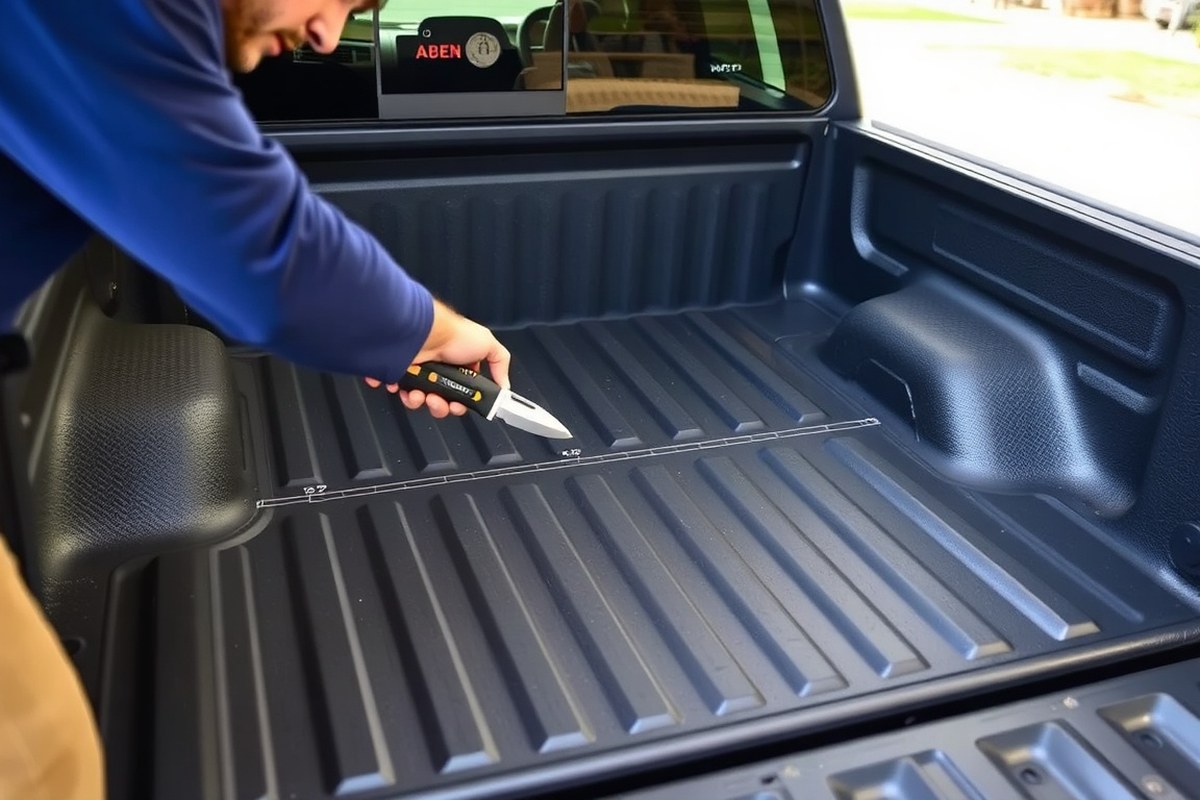
Cutting a bed liner to fit a tonneau cover requires precision and the right tools to ensure a secure fit and maintain the cover’s sealing performance. Most drop-in bed liners cover the truck bed’s edge, which is where tonneau cover clamps typically attach. Removing or notching parts of the liner in these areas is necessary to avoid interference and allow for proper installation.
Start by gathering a utility knife or heavy-duty scissors, a tape measure, a straightedge or ruler, a marker or chalk for clear lines, and safety gloves. You’ll need a clean workspace and good lighting to see markings clearly. Accurate measurement and careful cutting prevent damage to the liner and ensure the cover fits tightly, avoiding water leaks or loose panels.
- Remove the bed liner temporarily so you can access the edges and inside points where the tonneau cover will attach. This allows for precise marking and cutting without obstruction.
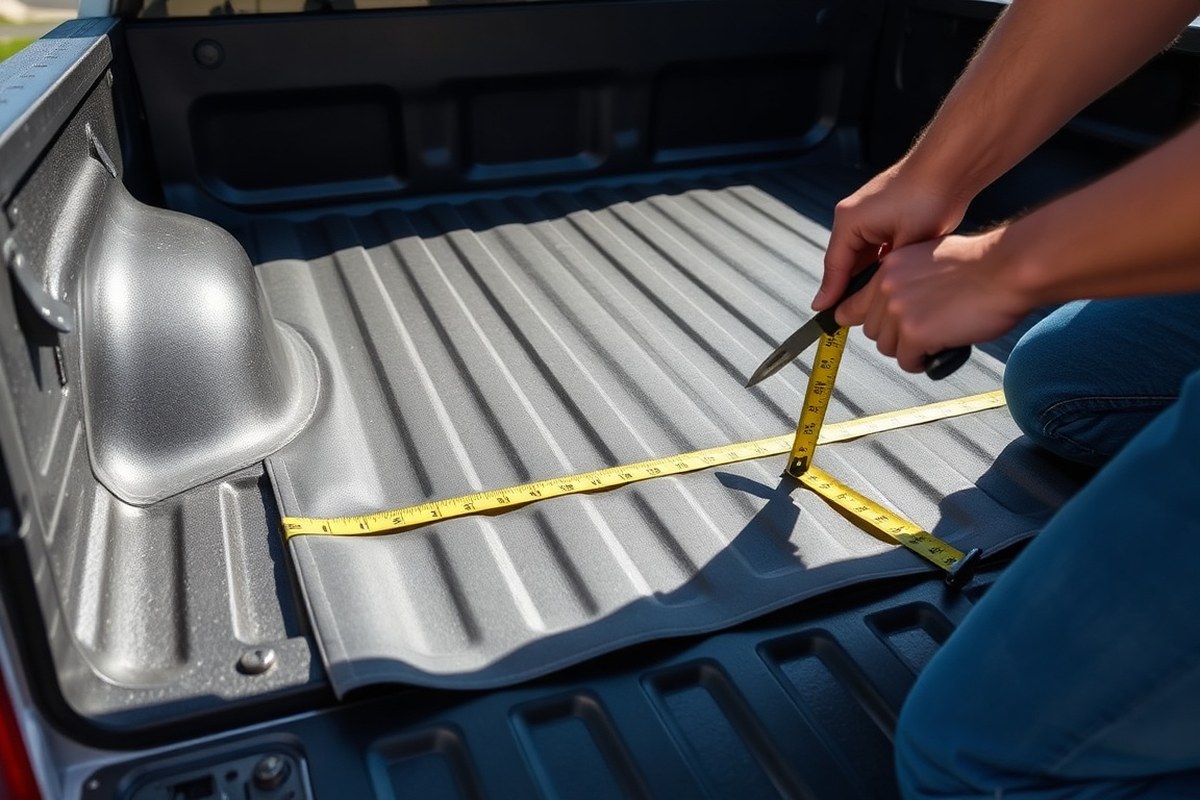
- Measure the locations of the tonneau cover clamps and rails on your truck bed. Use your tape measure to determine exactly where the bed liner creates extra thickness or covers mounting points requiring clearance.
- Mark the cutting areas on the bed liner with a marker or chalk. Draw straight lines or small notches over the liner’s edge where the clamps will need relief cuts. Double-check these marks against your measurements to avoid cutting too much or too little.
- Score the bed liner along the marked lines with a utility knife, using a straightedge for a clean cut. For thicker or harder liners, multiple passes with the knife may be required. Avoid forcing the blade to reduce the risk of jagged edges.
- Trim away the marked sections slowly and carefully until the mounting points and clamp attachment areas are clear. For large sections, cut out small notches or relief areas so the bed liner remains secure but does not interfere with the tonneau cover.
- Reinstall the bed liner onto the truck bed and position the tonneau cover components. Check that clamps fit properly and the cover’s rails sit flush against the bed without obstruction from the liner.
- Adjust or make additional small cuts as needed if the cover does not fit tightly or the clamps feel loose. Repeat the fit check after each adjustment to avoid over-cutting.
- Secure the tonneau cover and close it to confirm the fit and sealing. The sides and front of the cover should lay flush against the truck bed edges without gaps caused by the liner’s thickness.
Good results mean your bed liner will no longer block clamp mounting points or create uneven surfaces that could compromise the tonneau cover’s sealing and stability. Rushing or cutting too aggressively can lead to loose covers or water intrusion, while cutting too little requires repeated adjustments. Taking time to mark carefully and check fit after each step reduces the risk of mistakes and ensures the truck bed and cover work well together.
Types of Bed Liners and How They Affect Cutting Needs
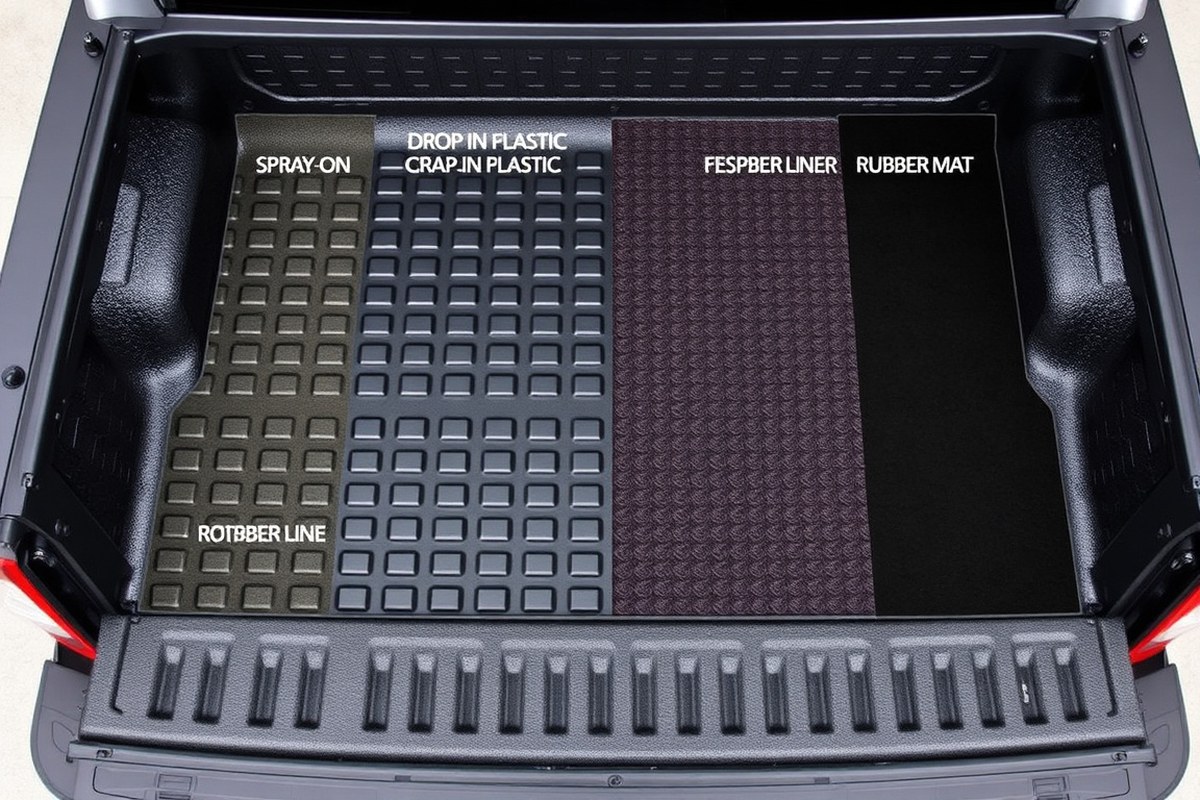
Bed liners vary in type, thickness, and coverage, which affects how you cut or modify them for tonneau cover installation. Spray-on liners, which coat the truck bed’s bottom and sides without covering edges, usually do not require cutting. They adhere directly to the metal bed, leaving mounting points and edges exposed for simple clamp attachment. This avoids interference with the tonneau cover’s installation and sealing.
Drop-in liners, made of molded plastic or rubber, offer different challenges. These liners often cover the entire truck bed, including the edges and mounting rails where tonneau cover clamps must attach. Thick drop-in liners, such as the DualLiner five-piece system with a 3⁄8-inch-thick ZeroSkid rubber floor, require precise cutting to expose clamping points without compromising liner protection or the truck bed. Some lower-end tonneau covers use clamps that fix inside the cargo box edges, making cutting necessary when a drop-in liner covers those areas.
| Bed Liner Type | Coverage | Cutting Required | Effect on Tonneau Installation | Example Cost |
|---|---|---|---|---|
| Spray-on | Bottom and sides only | No | Minimal interference, easy clamp installation | $400-$700 (typical professional application) |
| Drop-in (hard panels with rubber floor) | Bottom, sides, edges, rails | Yes, to expose mounting clamps | Cutting needed to fit clamps, more prep work | $399-$449 (DualLiner example) |
| Carpet-style | Bottom and sides; may be thick | Sometimes, if too thick | May interfere slightly with low-end covers’ fixing | $100-$300 (varies by quality) |
| Rubber mats | Bottom only | No | No effect; easy to use under tonneau covers | $50-$150 |
Good results come from aligning the tonneau cover clamps or bolts with the liner cuts to ensure secure attachment. Avoid cutting too large areas, which weakens protection and allows debris to enter. For thicker, molded liners, use a proper cutting tool like a jigsaw with a fine blade, marking cut lines carefully before trimming. Some tonneau covers use clamp-free or rail-mounted designs that reduce or eliminate cutting needs, offering an alternative when liners cover mounting points completely.
Make sure to measure twice and mark the exact mounting points on the liner before cutting to avoid unnecessary damage and ensure a tight fit for your tonneau cover clamps.
Safety Precautions and Preparation Before Cutting
Taking proper safety precautions and preparing your workspace carefully is essential before cutting a bed liner for your tonneau cover. Wearing the right protective gear, protecting the truck’s surfaces, and setting up a safe workspace help you avoid injury and prevent damage to the truck and liner. Planning these steps reduces mistakes and makes the cutting process smoother.
Personal Protective Equipment (PPE)
Cutting bed liners involves handling sharp tools and working with materials that can produce dust and debris. Protecting your eyes, hands, and lungs reduces the risk of injury. At minimum, wear safety glasses or goggles to shield your eyes from flying particles. Use cut-resistant gloves to avoid nicks or scrapes from blades and liner edges. A dust mask or respirator is necessary if cutting plastic or spray-on liners that produce fine dust or fumes.
Hearing protection is also important if you use power tools like jigsaws or rotary cutters, as they can exceed safe decibel levels. Earplugs or earmuffs help prevent hearing damage during extended cutting sessions. Proper clothing such as long sleeves and closed-toe shoes further reduce exposure to sharp edges and falling objects.
Protecting Truck Bed and Paint
Avoid damage to your truck’s paint and metal edges by taking preventive steps before cutting. Place painter’s tape or masking tape along the cutting lines on the bed liner to protect the paint underneath if the liner is close to the truck bed surface. This tape acts as a buffer against slips and prevents scratching while you measure or mark.
Use clean drop cloths or cardboard sheets to cover exposed areas around the cut site. This shields the truck bed and paint from falling debris and accidental tool slips. When working near metal edges, place thin foam padding or rubber strips to prevent dents or chips. Avoid holding the bed liner directly against the truck during cutting to reduce pressure on painted surfaces.
- Apply painter’s tape along cutting lines on bed liner
- Cover surrounding truck bed with drop cloth or cardboard
- Use foam padding around metal edges for extra protection
- Avoid leaning liner sections directly on the truck surface
- Keep cleaning cloths handy to wipe dust and debris
Workspace and Tool Preparation
Set up a well-lit, clean, and flat workspace to minimize accidents when cutting the bed liner. If possible, work outdoors or in a garage with good ventilation, especially if cutting spray-on or chemical-based liners. Secure the bed liner piece firmly on a stable surface to prevent shifting during cutting. Use clamps or heavy weights, but tighten clamps only moderately to avoid damage to the liner or truck.
Organize your cutting tools close by, including utility knives, jigsaws with fine-toothed blades, or rotary cutters depending on your liner type. Check blade sharpness and tool battery levels if cordless. Keep a first aid kit nearby in case of minor cuts. Remove anything that could create trip hazards or get in the way to maintain clear movement through the area.
Measuring and Marking for Precise Bed Liner Cuts
To achieve precise cuts in your bed liner that align with the tonneau cover clamps and mounting points, start by carefully locating the hardware positions on your truck bed. Use marking tools and, when available, templates or guides from your tonneau cover manufacturer. Double-check measurements with the liner in place before any cutting to avoid wasting materials.
Locating Mounting Hardware Points
Start by identifying the exact spots where the tonneau cover’s clamps and mounting rails will attach. These points usually align with the truck bed’s factory mounting holes or channel rails. When your bed liner is a full plastic insert, you might need to carefully trim any liner covering the mounting points with a utility knife so the hardware fits properly.
Mark key points such as the handle mounting location and rail positions with a permanent marker. Check your tonneau cover’s installation instructions to learn if special hardware like adapters or extension clamps are needed to accommodate a thicker liner.
Using Templates and Guides
Many tonneau cover brands include paper or cardboard templates that match the shape of the mounting hardware or rails. Secure these templates onto the liner to mark precise cut lines. Templates save time and improve precision, reducing the risk of misalignment. When no template is provided, measure distances directly on your truck bed and replicate those measurements on the liner using a ruler and square.
When your liner type or thickness is different from standard models, check whether the manufacturer provides custom guides or instructions. Flush-fitting tonneau covers, for instance, may require additional trimming or modified hardware, so follow any special guidance carefully.
Verifying Measurements Before Cutting
Confirming your marks before any cutting is essential to prevent mistakes that waste costly liner material. Line up the liner with the truck bed and clamp the tonneau cover components loosely in place. Double-check that your marked areas line up perfectly with the mounting rails and handle mechanisms. Follow these steps to verify and finalize your marks:
- Place the bed liner into the truck bed in its final position.
- Position the tonneau cover rails and clamps on top of the liner where they will be installed.
- Mark through mounting holes and clamp brackets directly onto the liner with a fine-tip marker.
- Remove the liner and connect any templates or guides over the marked points to check fit.
- Measure distances between marks and compare them to both the truck bed and cover hardware specifications.
- Reposition and adjust marks if needed to ensure correct alignment.
- Make a final mark around cut areas with masking tape to reduce accidental over-cutting.
Common Cutting Mistakes and How to Fix Them
One frequent mistake when cutting a bed liner for a tonneau cover is making uneven or jagged cuts. This usually happens because of using dull or inappropriate tools such as regular scissors instead of a utility knife with a fresh, sharp blade. Uneven edges can lead to gaps between the liner and the tonneau cover, letting water or debris through, and they can also cause premature wear. To fix rough edges, use a fine-toothed file or a sanding block designed for plastics to smooth out raised or sharp areas. Work slowly in one direction to avoid creating new jagged spots.
Another common issue is overcutting, where the liner is trimmed too large or the cuts extend beyond the intended lines. This can result in gaps that compromise protection or cause the liner to shift during truck bed use. If you cut the liner too large, trim back carefully in small increments following your original marks. Using painter’s tape to mark cut lines can prevent this problem since the tape adds a visible barrier and reduces splintering along the edge.
Cutting the liner too small creates exposed truck bed areas, which exposes the surface to scratches and rust. A smaller cut also affects the fit and stability of the tonneau cover. Fixing a liner cut that’s too small usually requires a patch. Use scrap pieces of the same liner material, cutting them slightly larger than the damaged area. Attach patches with a strong adhesive compatible with your liner, such as a polyurethane adhesive, and clamp or weight them down for 24 hours to ensure a solid bond. Here are common cutting mistakes and practical tips to correct or avoid them:
- Using dull blades causing jagged edges, always replace utility knife blades before cutting.
- Not securing the liner while cutting leading to shifting and uneven cuts, clamp or weigh down the liner.
- Ignoring the material’s thickness, resulting in incomplete cuts, score deeply in several passes instead of one cut.
- Marking errors, double-check measurements and use painter’s tape for clear, visible guidelines.
- Cutting too fast, causing cracks or splinters, slow, deliberate cuts reduce damage.
- Failing to smooth edges after cutting, file or sand edges to prevent tears or hazards.
- Not patching small overcuts or holes, use matching liner patches with strong adhesive.
Always test your cutting method on a scrap piece before working on the actual liner to avoid costly mistakes.
Repairing jagged edges or overcuts with sanding or patches takes time but prevents bigger problems like water leaks or liner shifting that can affect how well the tonneau cover fits and protects your truck bed. Prices for good quality utility blades are usually under $5 each, making regular blade replacement affordable and worth the investment for clean cuts. For patch adhesives, expect to pay around $10 to $20 depending on the brand and size, but these materials extend the life of your liner and keep your tonneau cover snug. Taking these extra steps helps maintain the liner’s durability and your truck bed’s protection over time.
Finishing and Sealing Cut Bed Liner Edges
Smoothing cut edges of your truck bed liner is important to maintain its protective function and to ensure your tonneau cover fits tightly and seals out water. Rough or sharp cut edges can catch debris and let moisture sneak into the bed, which may cause damage over time. Using sandpaper to smooth these edges after cutting prevents snagging and helps create a clean, even surface for sealant or gasket materials.
Applying weather-resistant sealant or gasket strips around the cut linings provides an extra barrier against water, dust, and road grime. It is best to use products specified by the bed liner manufacturer, but common choices include silicone sealants or butyl rubber gasket tape. These materials remain flexible with temperature changes and maintain a water-tight fit between the liner and tonneau cover. Below are the detailed steps for finishing and sealing the cut edges of your bed liner to keep your truck bed dry and protected:
- Check the cut edges carefully. Look for any jagged spots or roughness along the trim line that could catch or tear the tonneau cover material.
- Use 80- to 120-grit sandpaper. Lightly sand the cut edges to smooth out burrs and create an even surface. Sand in one direction to avoid creating grooves, spending about 3 to 5 minutes per edge.
- Clean the sanded edges. Wipe down the surface with a damp cloth to remove dust and particles. Allow the liner edges to dry fully before applying any sealant.
- Select an appropriate sealant or gasket material. For most bed liners, a clear silicone sealant or butyl rubber gasket tape that resists weather and UV rays works well. Confirm compatibility with the liner manufacturer if possible.
- Apply sealant or attach gasket tape. Run a continuous bead of silicone sealant along the cut edges or firmly press the gasket tape onto the liner, making sure to cover the entire trimmed area. Avoid gaps or bubbles that could allow moisture entry.
- Allow the sealant to cure. Follow product instructions for drying time, typically 24 hours at room temperature. Avoid exposing the liner to water or heavy use during this period.
- Fit the tonneau cover snugly against the sealed edges. Tighten any clamps or fasteners gradually to create firm contact without damaging the liner or sealant. The goal is a water-tight fit preventing any infiltration around the edges.
Smoothing and sealing cut bed liner edges may only cost $10 to $20 for sandpaper and sealant products, but proper execution extends the liner life and protects your truck bed from damage. Poorly finished edges can lead to peeling liner sections, water pooling, and rust formation over time. Keeping moisture out with a tight seal is especially important if you live in rainy climates or use your truck off-road.
How Truck and Tonneau Cover Models Affect Liner Cutting
Different truck models and tonneau cover styles create unique challenges for cutting and fitting bed liners. Variations in truck bed dimensions and cover mounting systems determine how much trimming is needed and where. Knowing how these differences affect liner cutting helps ensure a clean, secure fit that doesn’t interfere with cover installation.
Truck Model Variations Affecting Bed Liner Fit
The size and shape of your truck bed play a major role in how you cut a bed liner for a tonneau cover. For example, a Chevy Silverado’s bed often has slightly different internal dimensions and a different edge design compared to a Ford F-150. The Silverado bed may have sharper corners or a deeper wheel well, requiring more precise liner trimming around those areas. The F-150’s bed might include molded steps or ridges along the sides, which means the liner cut must account for these contours to maintain a flush fit.
Accurately measuring your specific truck bed is important because liner kits designed for one model won’t always fit another. The height of the bed rails and lip shape varies between trucks, affecting how the liner sits under or over the rail. These factors influence whether you trim the liner edges inward to fit inside the bed or create cutouts to clear bed features. Taking measurements at several points along the length and width provides the data needed for a tailored cut that avoids gaps or overhangs that could trap moisture or debris.
Tonneau Cover Designs and Mounting Hardware
Tonneau covers that clamp onto the bed rails require less extensive liner trimming than those that bolt through the bed or use bed rail clamps paired with riser rail systems. Clamp-on covers grip the bed rail edges, so a bed liner flush with or just under the rail’s top edge generally won’t interfere with clamp placement. This means less cutting along the rails and fewer complications during installation.
Bolt-on tonneau covers, or those that require drill-through mounting points in the bed, often need the liner edges trimmed precisely to avoid blocking bolt holes. You must cut away liner sections where bolts will pass through or where mounting brackets sit. When installing hard-cover styles that integrate with bed rails or use side rails with seals, the liner may need trimming around these rails to prevent bulk or interference. These covers demand more careful cuts, typically increasing the time you spend measuring and trimming by 20 to 50 percent compared to clamp-on styles.
Over-The-Rail vs Under-The-Rail Liner Impacts
Choosing an over-the-rail or under-the-rail liner affects liner trimming and tonneau cover compatibility. Over-the-rail liners sit on top of the bed rails, providing maximum bed protection against dents but extend beyond rail edges. This overhang requires trimming or removing sections where clamp-on tonneau cover hardware needs to grip the rails. Fitting the cover over an over-the-rail liner may also need additional trimming around the tailgate seal area to prevent gaps or damage.
Under-the-rail liners fit inside the bed rails, so they don’t interfere with clamps that attach to rail tops. If your liner fits under the rail, you usually only need minor edge trimming, mostly at corners, to accommodate tonneau hardware or bed features. Cutting an under-the-rail liner is more straightforward and less time-consuming but offers less rail protection. This liner style works best with clamp-on tonneau covers since the mounting hardware has clear access to the rail edges without liner obstruction.
When to Call a Professional for Bed Liner Modification
Recognizing when to hire a professional for bed liner modification can save you time, money, and potential damage to your truck or tonneau cover. A key sign is if the bed liner is molded or spray-on, which requires specialized cutting tools and techniques to avoid cracking or peeling. Another is when the bed liner design includes integrated ridges or grooves critical for fit and waterproofing, as improper cuts may compromise the seal or the tonneau cover’s operation.
Professionals often get involved when the bed liner needs precision cuts around complicated curves, bolts, or integrated tie-down points. These areas carry a higher risk of structural damage if cut incorrectly, and the liner might not reseal adequately afterward. You should let an expert handle the trimming when the cover or liner overlaps existing folded edges or allows less than a half-inch tolerance for adjustment. This ensures the cover opens and closes smoothly without looseness or gaps that allow water intrusion.
Damaging your truck’s metal surface is a risk if you don’t use the correct cutting tools or measurement techniques. DIY mistakes can include overcutting, creating jagged edges that tear the liner when installing or using the tonneau cover. Also, cutting too far into the liner’s thickness might expose your truck bed to rust and corrosion over time. A professional uses diamond blades or special liner cutting knives, combined with precise measuring tools, to maintain the liner’s integrity.
To determine if you should call a pro, follow a simple checklist: Is the bed liner spray-on or thick molded plastic? Are there complex cut lines near mounting hardware or folded corners? Do you need a waterproof seal maintained exactly to manufacturer specs? When more than one answer is yes, hiring a professional service is recommended. Costs for professional cutting can vary from $75 to $200 depending on the complexity and region, but this investment prevents costly mistakes and ensures a leak-tight fit.
Professionals ensure proper fit and seal by combining accurate measurement with cutting equipment calibrated for the liner type. After modifying the liner, they test the fit by repeatedly opening and closing the tonneau cover to check for smooth operation and the absence of looseness or binding. They may also apply edge sealants matched to the liner material to protect against water and debris entry, keeping your truck bed clean and dry.
Always test the tonneau cover’s full range of motion after liner modifications to catch any binding or looseness early before finalizing the install.
Step-by-Step Action Plan for Cutting Your Bed Liner
Follow these steps to cut your bed liner cleanly and accurately for a perfect tonneau cover fit.
- Before you start: Gather your tools, utility knife with fresh blades, measuring tape, straight edge, and protective gear. Verify your workspace has good lighting and ventilation.
- Measurement phase: Measure the truck bed and tonneau cover dimensions twice, marking cut lines clearly on the bed liner with a pencil or chalk.
- Preparation phase: Secure the bed liner firmly so it won’t move while cutting. Use clamps if possible to ensure clean, straight cuts.
- Cutting phase: Score along your marks carefully with short, controlled cuts to prevent jagged edges, checking frequently to avoid overcutting.
- After cutting: Inspect the edges for roughness, trimming small imperfections with fine razor blades if needed.
- Sealing phase: Apply a compatible edge sealant or trim kit immediately to prevent moisture intrusion and liner delamination.
- Fit check: Place the tonneau cover onto the truck bed over the cut liner to confirm a secure, gap-free fit.
- Post-installation: Monitor the liner edges over a few weeks for any signs of lifting or damage, reapplying sealant if necessary.
Frequently Asked Questions
Can You Use a Tonneau Cover with a Bed Liner?
Yes, you can use a tonneau cover with a bed liner, but some liners may require modifications to fit properly. For instance, drop-in liners with thick edges might need cutting or special covers designed to fit over the added thickness.
Do Trucks Get Better Gas Mileage with a Tonneau Cover?
Trucks often get slightly better gas mileage with a tonneau cover because it improves aerodynamics by reducing drag. This effect varies by truck model and cover type but can add modest fuel efficiency on highways.
Do You Have to Sand Before Applying Bed Liner?
Sanding before applying a bed liner is generally recommended to ensure better adhesion, especially on smooth or glossy surfaces. Proper sanding creates a rough texture that helps the liner stick firmly to the truck bed.
Is It Better to Roll or Spray Bed Liner?
Spray-on bed liners usually provide a more uniform, durable coating that fits perfectly to the truck bed contours. Rolling is cheaper and easier for small areas but may not offer the same level of protection or even coverage.
How Do You Ensure a Tonneau Cover Clamps Securely over a Bed Liner?
You need to create notches or relief cuts in the bed liner where the tonneau cover clamps attach. This ensures the clamps can fasten tightly against the truck bed lip for stable and secure installation.
Can You Remove a Bed Liner After Cutting It for a Tonneau Cover?
Yes, you can remove a cut bed liner, but it may be more fragile and prone to damage after modifications. Take care during removal to avoid ripping or weakening the liner edges near your cuts.
Wrapping Up
Cutting your bed liner carefully is key to securing your tonneau cover and protecting your truck bed. Start by measuring precisely and cutting slowly with proper tools. From there, sealing the edges ensures durability and prevents damage. Take the first step today by measuring your truck bed and bed liner to prepare for a neat, custom fit.