How to Measure a Tonneau Cover for Your Truck Bed: Simple Steps & Tips
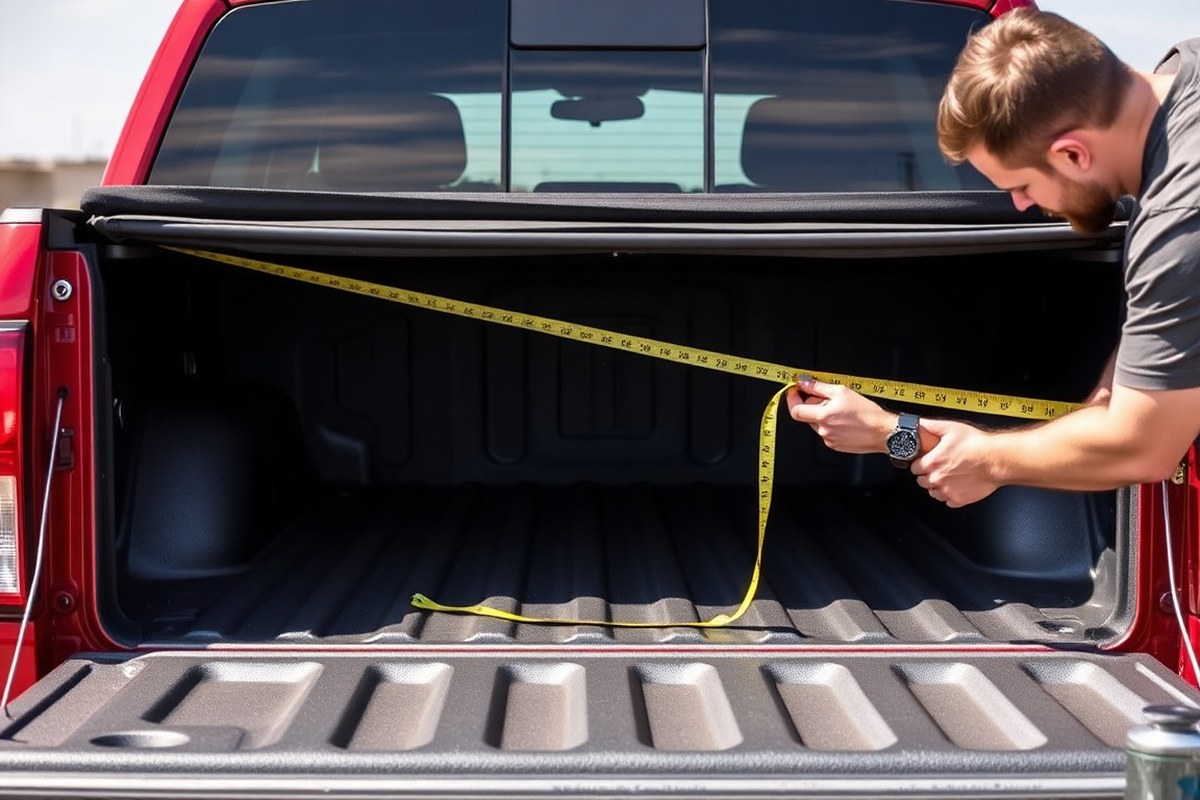
Knowing how to measure a tonneau cover starts with accurately measuring your truck bed’s length and width using a tape measure. Measure the inside width between the bed rails and the length from the bulkhead to the tailgate edge. Start your measurement before adding accessories like bed liners or rails to avoid errors.
Key Takeaways
- Use a tape measure at least 12 feet long for precise measurement of full-size truck beds.
- Measure the inside width between the truck bed rails, not the outside edges.
- Record the bed length from the bulkhead to the tailgate’s inner edge, not including the tailgate itself.
- Account for bed liners or rail systems by measuring over them if they will remain installed under the cover.
- Check your truck model’s standard bed sizes as a reference before measuring.
- Double-check measurements to avoid common mistakes like including the tailgate or measuring outside the rails.
How to Measure Your Truck Bed for a Tonneau Cover
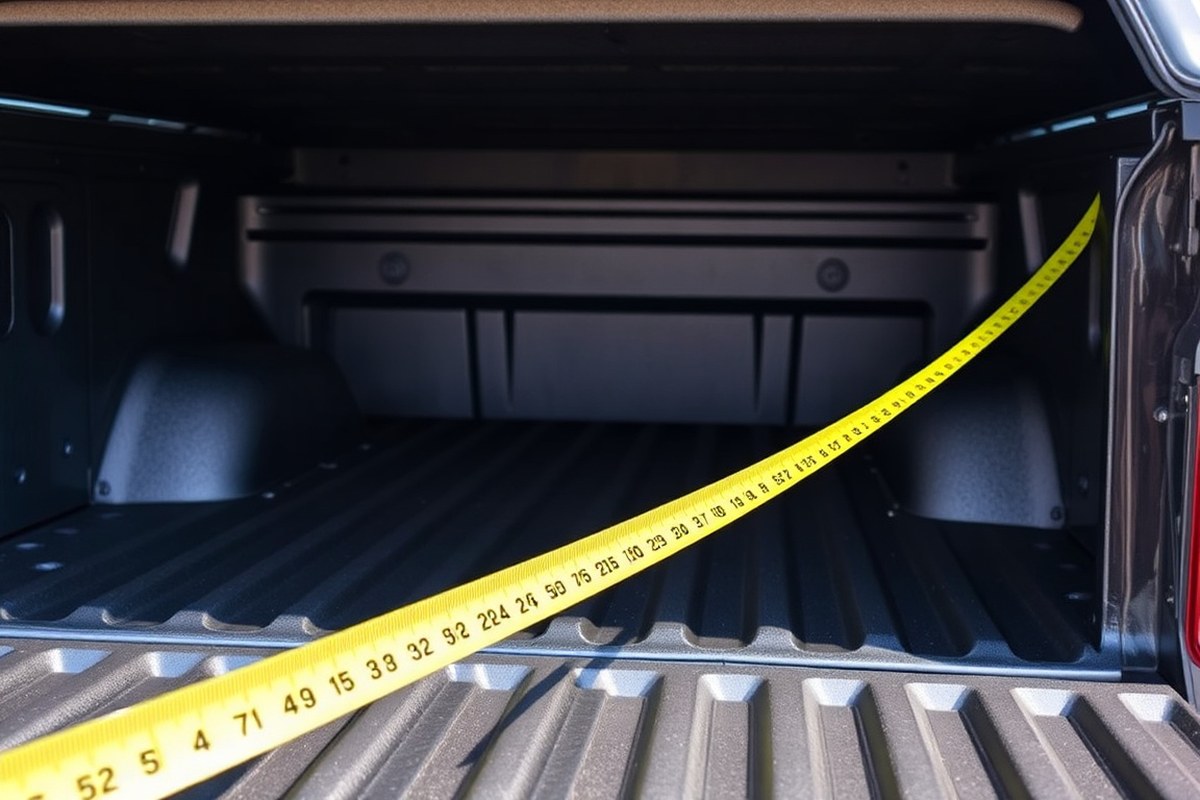
Measuring your truck bed accurately is essential to selecting a tonneau cover that fits well and functions properly. Focus on three critical dimensions: length, width, and height inside the bed. Length is measured from the inside front wall (bulkhead) to the inside edge of the closed tailgate. Width must be measured at multiple points since the bed shape can vary, including the widest point across the top rails, the narrowest point between the wheel wells, and the tailgate opening. Measuring height inside the rails is important to ensure the cover clamps correctly over any raised lip or bed rail caps.
Use a steel tape measure for accuracy and take all measurements from inside the bed, not the outside. Avoid using manufacturer specifications alone because they often reflect outside or nominal sizes, which may differ from your actual bed dimensions. Measure twice to avoid errors that cause poor cover fit such as sagging, gaps, or clamp problems.
- Open the tailgate fully and close it gently. Confirm it is flush and locked in the closed position to get an accurate length measurement.
- Place the tape measure inside the bed at the bulkhead, the interior vertical wall closest to the cab. Extend the tape to the inside edge of the tailgate, measuring the length in a straight horizontal line. Record this length in inches.
- Measure the width at the widest point across the top bed rails, usually near the tailgate. Then measure the narrowest width between the inside surfaces of the wheel wells since this area often restricts cover clearance.
- Measure the width at the tailgate opening inside the rails. This verifies the cover will flush with the tailgate edges without gaps or overhangs.
- Check the height inside the bed rails by measuring the vertical distance from the bed floor up to the top inside edge of the rail cap, including any factory or aftermarket bed rail caps or lips. This ensures the clamps will hold securely without interference.
- Repeat each measurement two or three times to confirm consistent results. Write down the smallest width and exact length to choose the best-fitting tonneau cover size.
Focus on inside measurements because a cover failing to sit flush or clamp securely usually results from measuring the outside or ignoring bed rail shapes. Be especially careful if your truck has bed liners or rail protectors, as these can change the effective inside width or height and affect cover fit. Taking the time to measure inside the bulkhead and tailgate edges, along with width at multiple points inside the rails, reduces the risk of ordering a cover that bows, sags, or won’t clamp properly.
Tools Needed and Preparation for Measuring

Accurate measurement starts with the right tools and proper preparation. To measure your truck bed for a tonneau cover correctly, use a sturdy tape measure that extends at least 25 feet, a notebook or digital device to record results, and a straight edge for marking or verifying straight lines. A friend can help hold the tape or double-check measurements for added precision.
Before taking any measurements, clear your truck bed completely. Remove all gear, debris, and especially any bed liners or rail attachments. These accessories alter the bed’s actual dimensions, which could lead to ordering the wrong size cover. When using a spray-in liner or a drop-in liner you don’t plan to remove, measure over the liner surface since the cover will sit on top of it. Keep in mind that hard rails or removable accessories should be taken off temporarily to measure the bare bed walls.
Prepare your truck by parking on level ground to avoid slight measurement errors caused by uneven surfaces. Measure in daylight when you can and clean the bed surface to clearly see the corners and edges. Avoid measuring after rain or if the bed is wet, as water can distort measurements or affect marking visibility. Also, check the weather forecast; measuring on a dry day will save time and improve accuracy.
- Sturdy tape measure (at least 25 feet)
- Notebook or smartphone for recording dimensions
- Straight edge or ruler for edge alignment
- Assistant to hold the tape or verify measurements
- Cleaning cloth or brush to clear dirt and debris
- Tools to remove rails or accessories, if needed
- Level parking spot for stable measuring conditions
Measure twice to avoid ordering errors, especially after removing accessories or liners that affect overall truck bed dimensions.
Double-check whether any installed rail systems or puck mounts are included in your cover’s fitment design. Some covers require the rails to be present and measured, while others are sized for bare beds without those add-ons. Taking careful notes about the presence and positioning of these components ensures you buy a cover that fits correctly without needing later adjustments or returns. A few extra minutes spent preparing and understanding your truck bed setup minimizes headaches and cost overruns later.
Accounting for Bed Liners, Rails, and Accessories
Adjust your measurements by focusing on the inside dimensions when bed liners or rail caps are present. Measure inside the liner and ignore outside edges unless your tonneau cover clamps over the rails. For toolboxes, usually buy a specific cover or measure only the open bed area. These steps prevent ordering a cover that won’t fit correctly or latch.
Measuring with and Without Bed Liners
Measure the inside dimensions of the truck bed, not the outside. If your truck has a drop-in bed liner, measure inside the liner because a liner adds thickness to the walls and rails. This interior measurement reflects the actual usable space for the cover’s frame and sealing. Do not add or subtract the liner thickness; simply measure inside it.
For spray-in liners or bed coatings bonded to the bed metal, measure the metal bed inside as usual since these liners don’t add bulk. Measuring outside the liner or including any added height results in an inaccurate size that may cause gaps or mounting issues.
Rail Caps and Their Impact on Measurement
Rail caps change the rail height and sometimes the rail width, affecting cover mounting hardware. Measure inside the rails if your tonneau cover will sit inside them, or measure deck-to-deck on top of the rails if the cover clamps over the rails. Note that outside measurements can be off by several inches because of bodywork and wheel-well trim.
When your truck features utility or factory rails installed on the bed, these may need a cover designed to fit over or inside them. Confirm the rail shape and height as some covers come with adjustable clamps, but others require rails that meet certain specs.
Handling Toolboxes and Other Bed Accessories
Toolboxes, sports bars, or bed racks that sit over or inside the rails can block your tonneau cover. Measure only the open bed area between the toolbox and the bulkhead if you plan to fit a short cover just for the uncovered bed section. Otherwise, you may need a custom cover made to work with the toolbox or a folding style that allows easier access around such accessories.
Soft folding covers are compatible with some toolbox setups, allowing quick access without full removal. Avoid measuring over the toolbox’s outside dimensions, as the cover won’t latch properly or close securely in most cases. The following table summarizes measuring rules when your truck bed has liners, rail caps, or accessories:
| Issue | Measurement Location | Why It Matters | Recommended Action |
|---|---|---|---|
| Drop-in Bed Liner | Inside liner walls | Reflects true usable bed space | Measure inside liner, do not add thickness |
| Spray-in Bed Liner | Inside metal bed | No extra bulk added by liner | Measure usual inside bed dimensions |
| Rail Caps and Utility Rails | Inside rails (for inside mount) or deck-to-deck (for top clamp) | Rail profile affects mounting fit | Measure exactly where cover clamps or seats |
| Toolbox or Sports Bar | Open bed section only | Accessories block cover closure if included | Measure from bulkhead to toolbox edge or get a specialized cover |
Following these measuring rules minimizes fitment problems like cover gaps, latching difficulty, or damaged mounting hardware. Double-check that your measurements focus on the bed’s interior usable area based on your truck’s specific accessories and liner type.
Understanding Standard Truck Bed Sizes and Tonneau Fit
Pickup truck beds come in three common lengths: short, standard, and long. Short beds usually measure between 5.5 and 5.8 feet long. Standard beds measure around 6.5 feet, often close to 78 or 79 inches. Long beds typically stretch to about 8 feet. Exact sizes vary by manufacturer and model, so matching your truck’s bed length to the correct tonneau cover size requires precise measurement. Using a cover sized for a bed that’s too long or short can result in poor fit, gaps for water intrusion, or interference when opening the tailgate.
| Truck Model | Bed Length Category | Approximate Bed Length |
|---|---|---|
| Ford F-150 (short bed) | Short bed | A height range from 5 feet 5 inches up to 5 feet 8 inches |
| Chevrolet Silverado 1500 (standard bed) | Standard bed | 79.4 inches (6 feet 6 inches) |
| Typical long bed across brands | Long bed | About 8 feet |
Matching your bed length to a tonneau cover means measuring from the inside of the bulkhead (near the cab) to the inside of the tailgate. Covers are usually sold based on these common bed lengths. For example, a short bed cover fits trucks measuring roughly 5.5 to 5.8 feet; standard covers fit about 6.5-foot beds; and long bed covers fit beds near 8 feet. Choosing a cover sized in these increments reduces the risk of loose sides or damage to the cover when operating the tailgate.
Manufacturers commonly round measurements to the nearest standard size, so a bed measuring about 67 inches may be marketed as a 5-foot 7-inch bed. The same approach applies for standard and long beds. When shopping for a tonneau cover, verify that the model you pick matches your truck’s bed length and configuration. Taking the time to confirm these numbers helps ensure a proper fit, better protection, and longer product life.
Common Measurement Mistakes and How to Fix Them
One of the most common errors when measuring for a tonneau cover is including the truck’s outside bodywork or wheel-well trim in your measurements. These parts can add several inches, causing you to order a cover that is too large or too small. A tonneau cover must fit the bed itself, not the exterior, to seal properly and protect your cargo from rain, dust, and UV exposure.
Using outside measurements often results in covers that either won’t install correctly or fail to seal tightly. To avoid this, measure only the inside edges of the truck bed from wall to wall and front to back. Another frequent mistake is rounding measurements improperly. When your measurement falls between two standard sizes, check your VIN-decoded spec sheet to find the exact bed size instead of guessing or rounding up or down.
- Measuring outside the bed walls instead of inside the bed
- Rounding measurements without consulting VIN specifications
- Not accounting for bed liners or rail systems that add height or thickness
- Using a tape measure that’s worn or stretched
- Failing to measure multiple spots along the bed length and width
- Ignoring manufacturer size recommendations for your truck model
Verifying measurements involves measuring at least three points along the truck bed’s length and width. This helps find any irregularities or tapering in the bed shape. When measurements differ, use the smallest dimension, since covers can’t stretch or be resized easily. Cross-checking these numbers against your truck’s spec sheet ensures you buy a cover that fits perfectly.
Always double-check your tape measure for accuracy and measure twice before ordering to avoid costly returns.
For example, if you initially measured from the truck’s outer edge and got 75 inches but then re-measured inside the bed walls and found 70 ¾ inches, order based on the 70 ¾-inch dimension. This corrected measurement aligns better with standard cover sizes and ensures the cover fits snugly without gaps or excessive tension.
How to Measure for Different Types of Tonneau Covers
Different tonneau cover types need slightly different measurements because they attach to the truck bed and operate in various ways. Soft and hard covers, along with roll-up, tri-fold, and retractable styles, demand attention to bed rail shape, bed length, and how much of the bed you want to access at once. Retractable covers especially need extra bed rail measurements to fit their sliding mechanisms properly.
Soft vs Hard Cover Measurement Differences
Soft covers are generally made from vinyl or canvas stretched over a frame. They are lighter and easier to remove or open frequently. Hard covers use rigid panels made of aluminum, fiberglass, or composite, providing stronger weather resistance and security but weighing more.
Because soft covers use a flexible surface, measurements focus on total bed length and width including allowances for clamps. Hard covers, being heavier and rigid, need more exact measurements on the bed rails since they attach via clamps or rails that must fit perfectly to avoid gaps or poor sealing. Soft covers can tolerate slight variations in measurements due to their flexible nature, but hard covers require precise dimensions for width, length, and height over the rails to ensure a snug, flush fit.
Measuring for Roll-Up and Tri-Fold Covers
Roll-up and tri-fold covers operate differently. Roll-up covers fold backward toward the cab, typically using a clamp on the bed rails. Tri-fold covers fold in sections and usually sit flush near the tailgate when opened.
Begin by measuring the truck bed’s length from the inside edge of the bulkhead to the inside edge of the tailgate to find the span for the cover. Then, measure the width inside the bed rails. Also, check if the rails are flat, rounded, or include raised stake pockets, since rail shape determines the type of clamps or mounting kits needed.
| Cover Type | Material | Attachment | Bed Rail Measurement Needed? | Recommended When |
|---|---|---|---|---|
| Soft Roll-Up | Vinyl or canvas | Clamp to flat or rounded rails | Yes, latch clamps depend on rail shape | Budget or easy frequent access |
| Soft Tri-Fold | Vinyl with frame | Rails and clamps | Yes, to fit clamps | Weather protection with lighter weight |
| Hard Roll-Up | Aluminum slats | Rail-mounted clamps or tracks | Important for seal and operation | Strong weather protection, partial bed access |
| Hard Tri-Fold | Aluminum or composite panels | Rail clamps or track systems | Critical for fit and seal | Full closure with frequent no-use periods |
| Retractable | Aluminum slats in canister | Rails with track system | Requires extra rail length and profile measures | Quick bed access, space-saving |
Measure carefully along the bed rails because clamp positioning depends on rail profile, affecting how tight and secure the cover will be once installed.
Special Considerations for Retractable Covers
Retractable tonneau covers slide open inside a housing canister either at the front or side of the bed. This sliding mechanism requires additional measurements beyond length and width. You’ll need to measure the length and profile of the bed rails accurately to ensure the track system mounts properly.
- Measure the bed length inside the rails from bulkhead to tailgate edge, adding any extra clearance recommended by the manufacturer for the canister housing.
- Measure the exact width inside the rails, paying attention to rail shape (rounded, flat, or with stake pockets).
- Measure bed rail height and thickness because the tracks need to fit and clamp securely without interfering with the rail or accessories.
- Check for obstructions, toolboxes, rail systems, or camper caps can reduce available space for the canister and tracks.
Retraction components can add complexity and cost ($400 to $1000 more), so precise measuring avoids ordering the wrong size that could require costly adjustments or returns. Accurate rail profile measurement affects both fit and smooth operation of the retractable cover.
Measuring for Trucks with Toolboxes, Rail Systems, or Camper Caps
Measuring your truck bed accurately when toolboxes, rail systems, or camper caps are installed is essential to ensure the tonneau cover fits properly. Each accessory changes how you measure and select a cover, affecting security and weather protection. Use specific steps for precise measurements and choose covers designed to work with your setup.
Measuring Around Toolboxes
Toolboxes often sit on the truck bed rails or inside the bed, narrowing the space a tonneau cover can safely cover. The key is to measure from the innermost edges, not just the bed walls, since toolboxes add bulk. This prevents ordering covers that won’t fit properly or interfere with the toolbox lids.
- Open all toolbox lids fully to ensure clearance space.
- Measure the length of the truck bed from the bulkhead (cab wall) to the rear end of the toolbox, not the tailgate.
- Measure the width between the toolbox edges, inside the bed, at the front and rear to check for unevenness.
- Note the height of the toolbox above the bed floor to verify if the cover design allows for this elevation.
- Compare these measurements with the bed’s original dimensions to determine the reduced cover size needed.
Most standard tonneau covers won’t fit toolboxes that sit above bed rails unless they offer adjustable mounts or extra clearance. Some manufacturers produce custom covers specifically designed to clear common toolbox heights, usually adding 2 to 6 inches in clearance. Covers that don’t accommodate toolboxes risk damage or incomplete sealing.
Adjusting for Rail Systems and Bed Tracks
Aftermarket rail systems or bed tracks used for mounting cargo gear extend beyond the truck bed’s top edges and can affect cover fit and attachment points. A cover that is too wide risks catching on rails, while a narrow cover leaves gaps. Covers designed for rail systems often attach directly to the rails, requiring measurements of their width.
- Measure the inner width of the bed at rail height, accounting for any bed liner thickness.
- Measure the overall width including the rail system from outer edge to outer edge.
- Identify the height and shape of the rails to confirm compatibility with clamping or snap-on cover mechanisms.
- Check manufacturer specifications for cover models compatible with your specific rail system type.
Choosing a cover designed for rails or tracks often costs $100 to $300 more but provides secure fit and prevents interference with installed gear. Using a standard cover on rails frequently leads to air leaks, rattling, or damage to the accessory rails.
Measuring Under and Around Camper Caps
Camper caps enclose the entire truck bed and sometimes raise the bed’s height. Measuring for tonneau covers here depends on whether you want a cover over the tailgate area only or a specialized camper cover that seals the cap and bed together.
- Measure bed length from the bulkhead to the very end of the camper cap overhang, not the tailgate.
- Measure the internal width of the camper cap at the bed rail level.
- Measure the height inside the camper at different points to understand vertical clearance needed.
- Note any window or vent placements that might interfere with cover mounting.
- Decide if you want a flexible tonneau cover for the open bed or a rigid cover designed for attaching to camper caps.
Tonneau covers compatible with camper caps often require a custom size or camper-specific designs, particularly for truck campers 14 to 18 feet long like the Lance 850 or Palomino 100. Covers that are too wide will not seal properly and may cause water leaks, while those too narrow leave large gaps, exposing your gear to weather and theft risk.
Confirming Measurements and When to Consult a Professional
Before ordering a tonneau cover, double-checking your measurements is important to ensure the cover fits your truck bed snugly and functions properly. Start by measuring your truck bed width, length, and height twice, using a steel tape measure for accuracy. Record each measurement clearly in inches, and compare these results to the truck manufacturer’s specifications for your model. Measure at several points along the bed to account for any variations and write down all figures. Use this checklist to confirm your measurements before ordering:
- Measure truck bed width at the front, middle, and rear; record smallest width
- Measure length from bulkhead to tailgate edge; note if tailgate is closed during measuring
- Check height of bed rails or any added accessories such as bed liners or rails
- Repeat each measurement twice and record both results for comparison
- Identify if your measurements fall between standard tonneau sizes
- Note any irregularities like toolboxes or camper shells affecting fit
- Create a clear measurement template summarizing all the data to share with suppliers
If your measurements fall between two standard sizes, contact the cover manufacturer or retailer for advice on custom options or recommendations. Using a cover that’s too small risks damage and poor weather protection, while an oversized cover could allow gaps or wind noise. Sometimes slight adjustments in mounting or choosing a flexible soft cover might help in borderline cases.
Professional measuring or installation is advisable when your truck bed has unusual features like integrated toolboxes, rail systems, or camper caps. Experts have specialized tools to measure complex configurations and can ensure precise alignment for proper sealing and locking. Professional installation services usually cost between $100 to $300 depending on your region and complexity. They can save you time and prevent costly returns or warranty issues if the cover does not fit correctly.
Always use a steel tape measure and keep several records of your measurements to avoid ordering mistakes that may cost you time and money.
To make your final decision on DIY installation or professional help, consider the complexity of your truck bed, your confidence in measuring accurately, and the type of tonneau cover chosen. Hardcovers or retractable models often benefit more from professional setups than simple roll-up covers. Clear communication of your measurements using a template helps installers prepare and avoid errors, ensuring your tonneau cover protects your truck bed effectively through all seasons.
Step-by-Step Action Plan for Measuring Your Truck Bed
Follow these steps to get precise measurements for your tonneau cover and avoid costly mistakes.
- Before you start: Gather a tape measure, notepad, and camera. Confirm your truck model and bed type to know where to focus your measurements.
- Day 1: Measure the length of your truck bed from the inside front bulkhead to the inside of the tailgate. Accuracy here ensures a proper fit.
- Day 1: Measure the width inside the bed rails at both the front and rear. Note any variation; the smaller width determines cover size.
- Day 2: Account for accessories like bed liners, rails, or toolboxes by measuring around them or checking manufacturer specs. Adjust measurements accordingly to avoid interference.
- Day 3: Verify whether your truck has a standard or variable bed size and check the specific requirements for your tonneau cover type (roll-up, folding, retractable). This prevents ordering the wrong style.
- Day 4: Double-check all measurements, ideally with someone to assist. Compare with the cover manufacturer’s size chart for your truck.
- After 1 week: Contact a professional if your truck bed has custom modifications or you’re unsure about your measurements. Better to pay for expertise than risk a poor fit.
Frequently Asked Questions
How Much Does It Cost to Have a Tonneau Cover Installed?
Professional installation of a tonneau cover typically costs between $100 and $300, depending on the cover type and your location. Some dealers may include installation with purchase, so compare options before deciding.
How Long Is a 6.5 Foot Truck Bed?
A 6.5 foot truck bed is about 78 inches long, which is a common size for many pickup trucks. This length helps you select tonneau covers specifically designed to fit that bed measurement.
Are Most Tonneau Covers Universal?
Most tonneau covers are not universal because they are designed to fit specific truck models and bed lengths. It’s important to measure your truck bed or use a sizing chart for the right fit.
What Is a Tonneau Cover on a Pickup Truck?
A tonneau cover is a protective cover for your truck bed that secures cargo and protects it from weather. Covers come in hard, soft, roll-up, or retractable styles tailored for various truck bed sizes.
Can I Use a Tonneau Cover with a Bed Liner Installed?
Yes, but you must measure over the bed liner to ensure the cover fits properly without interference. Some covers include rails or clamps that account for liners.
Do Retractable Tonneau Covers Require Special Maintenance?
Retractable covers need occasional cleaning and lubrication to keep the track system smooth and extend cover life. Regular checks prevent debris from causing issues.
Before You Go
Accurate measurements can save you time and money when choosing a tonneau cover that fits your truck bed perfectly. Start by carefully measuring length and width inside the rails, then adjust for any accessories or liners. Taking a clear photo and noting every measurement helps with ordering and installation. Next, use your measurements to select a cover that matches your truck’s specific make, model, and bed style for the best results.